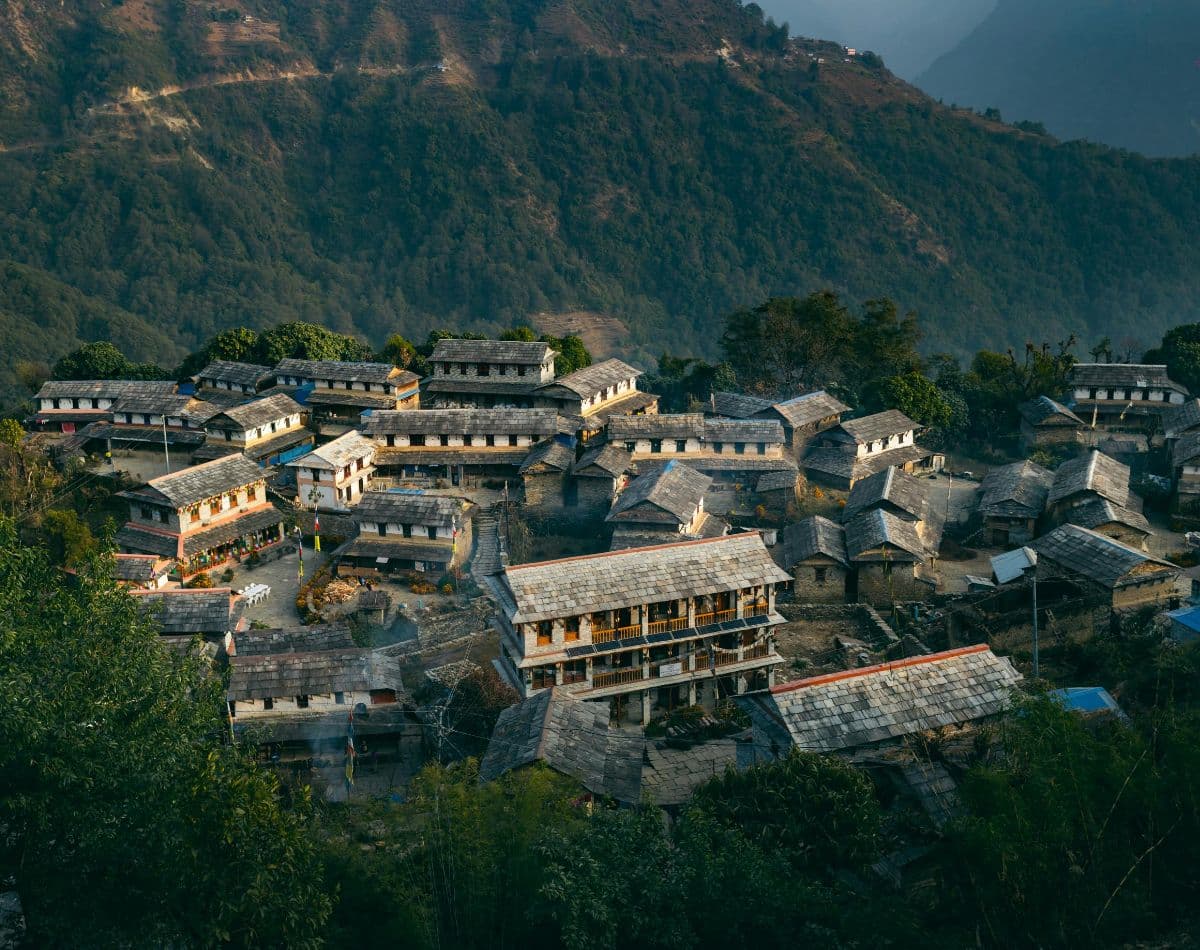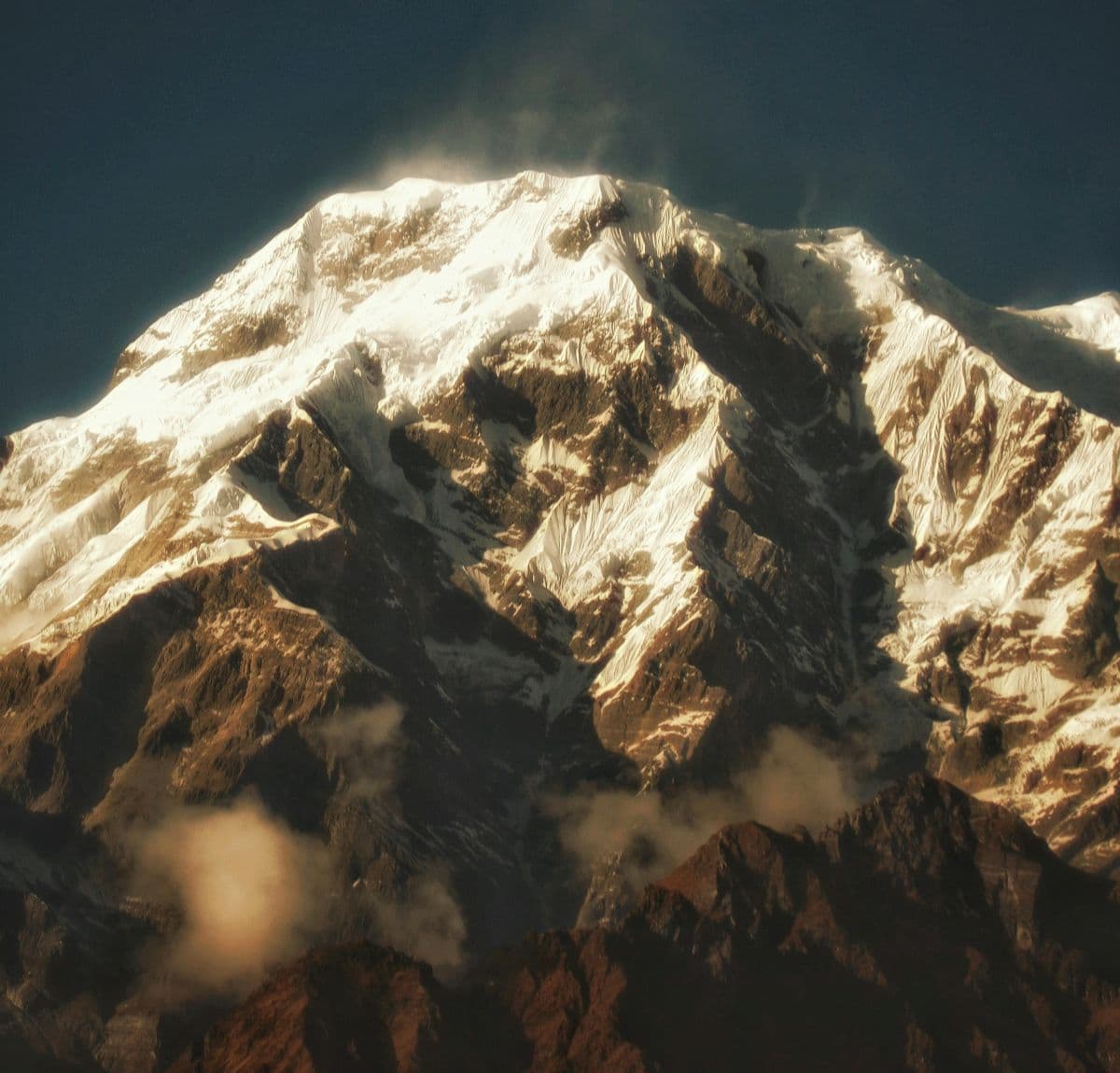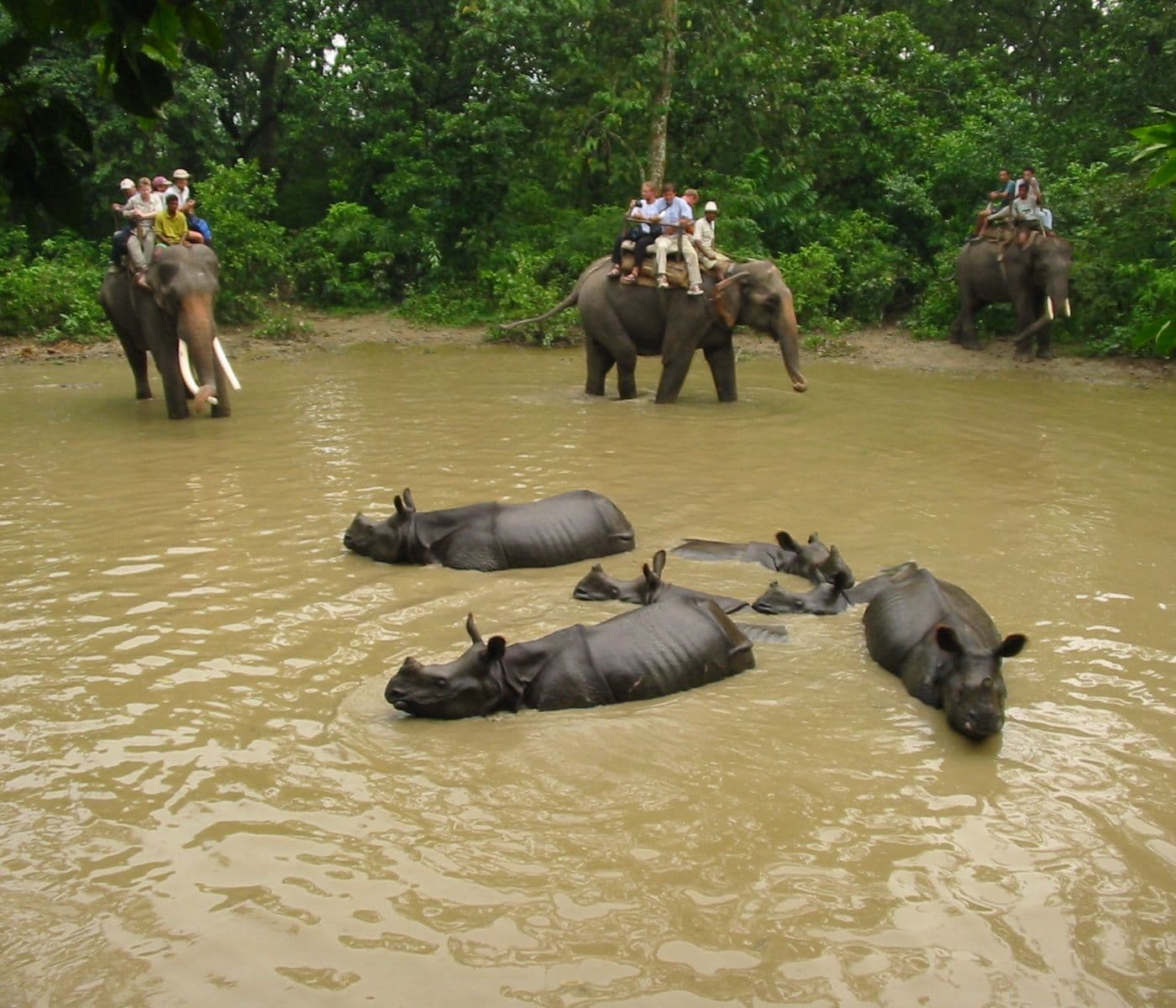
Nepal boasts the majestic Himalayas and the warm Terai lowlands. It's home to some of the world's most beautiful scenery and endangered species. This country occupies less than 0.1 per cent of the planet. Nepal can proudly include a mind-boggling variety of ecosystems. It offers dense subtropical forests, where tigers and rhinos abound. At high altitude meadows where snow leopards can be found.
Nepal offers many areas contributed for wildlife conservation. It has 12 national parks and 6 conservation areas. Likewise, it has 1 wildlife reserve and 1 hunting reserve. These conservation territories take up about 23 percent of the land in Nepal. It makes the country a global leader in biodiversity conservation and ecological tourism.
The blog will guide you to the core of the protected areas in Nepal. It's not just giving you information on how they came into existence. Read what they are all about, their ecological value. Find out how they can transform community empowerment and eco-tourism.
You can be a traveler, trying to find inspiration. Or a conservationist, searching for success stories. Or a little interested in the natural wonders of Nepal. This guide will offer you everything you need to appreciate, respect, and explore. Let's learn about the most important wild spaces in Nepal.
1. Overview of Nepal’s Protected Areas
Nepal, comparatively, is small in size. Moreover, it is ranked as one of the richest countries in the world in terms of biodiversity. It is due to the magnificence of the altitudinal span! It goes from 60 meters above sea level on the southern plains to 8848.86 meters at the peak of Mt. Everest.
This severe slope over a small terrain has formed a wide variety of ecological niches. It sustains 118 kinds of ecology and 35 forest types. It has over 284 species of flora.

Also, Nepal is home to over 870 varieties of birds (approximately 8.9 percent of all known bird types in the world). Find over 208 mammals, 123 reptiles, 55 amphibians, and 230 freshwater fish. There are 651 butterfly species found in Nepal.
Nepal has issued more than one-fourth of its territory as protected areas. They hold official and legal status as such. In 1973, the government of Nepal created the Chitwan National Park, the first of its kind. At that time, the hunting of key animal species such as the Bengal tiger and the one-horned rhino was rampant.
The network of the National Parks subsequently widened. Today, it includes:
12 National Parks
6 Conservation Areas 1
Wildlife Reserve
1 Hunting Reserve
Several Buffer Zones
This illustrates a great political and ecological concern with conservation. The management of these areas lies within the Ministry of Forests and Environment. It falls under the Department of National Parks and Wildlife Conservation (DNPWC). It is a community-based conservation organization, NGOs, and international partners.
The functions of the protected areas of Nepal include:
The protection of the vital living habitats
Preserving rare and endangered species
Preserving the culturally and spiritually significant landscapes
Providing a base to study ecotourism and science
These parks and conservation areas integrated themselves with local communities and indigenous populations. Thus, the concept of conservation is not a top-down approach. However, it is rather a bottom-up approach.

These areas are additionally climate regulators, freshwater sources, and carbon sinks. They directly lead to the local well-being and global environmental outcomes. It includes the UN Sustainable Development Goals (SDGs) and the Aichi Biodiversity Targets.
Nepal Protected Area Categories Breakdown:
12 National Parks
These are the inner protection units. It is directed at the preservation of various species of flora and fauna.
Chitwan, Sagarmatha, Bardiya, Langtang, Rara, Shey Phoksundo
Distinguishing features: Quite diverse tourist attractions! Many of them are in the UNESCO areas
The 6 Conservation Areas
They are operated utilizing integrated conservation and development schemas.
They promote local engagement in conservation and livelihood upgrade.
Examples: Annapurna (the largest), Manaslu, Kanchenjunga, Gaurishankar, Api Nampa.
Managed by: Local community committees under the National Trust for Nature Conservation (NTNC)
1 the Wildlife Reserve
These are the territories that serve mainly to protect wildlife. But there is not much tourism and people activity.
Present Location: Koshi Tappu Wildlife Reserve. (wetland habitat of high importance to migratory birds)
Note: They are currently planning to develop this into a National Park. Its ecological value is currently increasing
1 Hunting Reserve
An exclusive safe passage where game hunting could be done. They tightly enforced quotas and licenses.
This ensures that there would be equilibrium in the ecosystem.
Location: Dhorpatan Hunting Reserve, western Nepal
Specialty: The only legal hunting destination in Nepal. It is home to the blue sheep and the Himalayan tahr
13 Buffer Zones
These are created in the surroundings of national parks to reduce human-wildlife conflict. It ensures community-based resource management.
Purpose: Forest products can be sustainably utilized. Local people can enjoy tourism revenues
Examples: near Chitwan, Bardiya, and Shuklaphanta National Parks
10 Ramsar Sites (Some of which are within protected areas)
International Wetlands List of the Ramsar Convention
Wetlands: Ghodaghodi Lake (Kailali), Beeshazar Tal (Chitwan), and Koshi Tappu wetlands
Significance: A significant host to migrating birds, aquatic diversity, and water control
Nepal is special among South Asian countries. It combines high-altitude Himalayan ecology with tropical forest ecosystems under one conservation system. This unique setup isn’t found in other regions of South Asia.

It is also notable due to its innovative community-based conservation. You can find them especially in Annapurna and Kanchenjunga. Here, local villagers are the ones who administer eco-tourism, wildlife, habitat, and conservation.
Nepal achieved long-term success in increasing the numbers of tigers and rhinos. It made its forest cover grow more, which has earned it the applause of conservation agencies. WWF and IUCN endorse its reputation as one of the world's leaders in biodiversity management.
What makes Nepal unique includes not only the size of the areas. The protected, but also the vision itself. Such lands are not lonely spots. Rather, they are lively and inhabited by an interaction of wildlife and humans. They live under mutual respect, tradition, and a duty of care and responsibility.
Climate change is in high gear, and global biodiversity is facing threats in many areas. The Nepal model of conservation can be an eye-opener as well as a guide to other parts of the world.
2. Major National Parks
The national parks in Nepal form the backbone of its conservation strategy. Hence, the terrain varies from jungles to river valleys. Further up, you will find icy valleys and alpine deserts. They are ecological and cultural treasures of the nation. There are also crucial habitats of the endangered populations and communities.
Nepal already has 12 national parks developed over the decades. These parks are of immense importance in the conservation of biodiversity. They are also created to help in the socio-economic upliftment of people.
1. Chitwan National Park
Area: 932 km²
Year Established: 1973
The Chitwan National Park was previously known as a royal hunting reserve. It is currently one of the world-renowned sanctuaries found in the Terai region of Nepal. It was the first national park of Nepal.

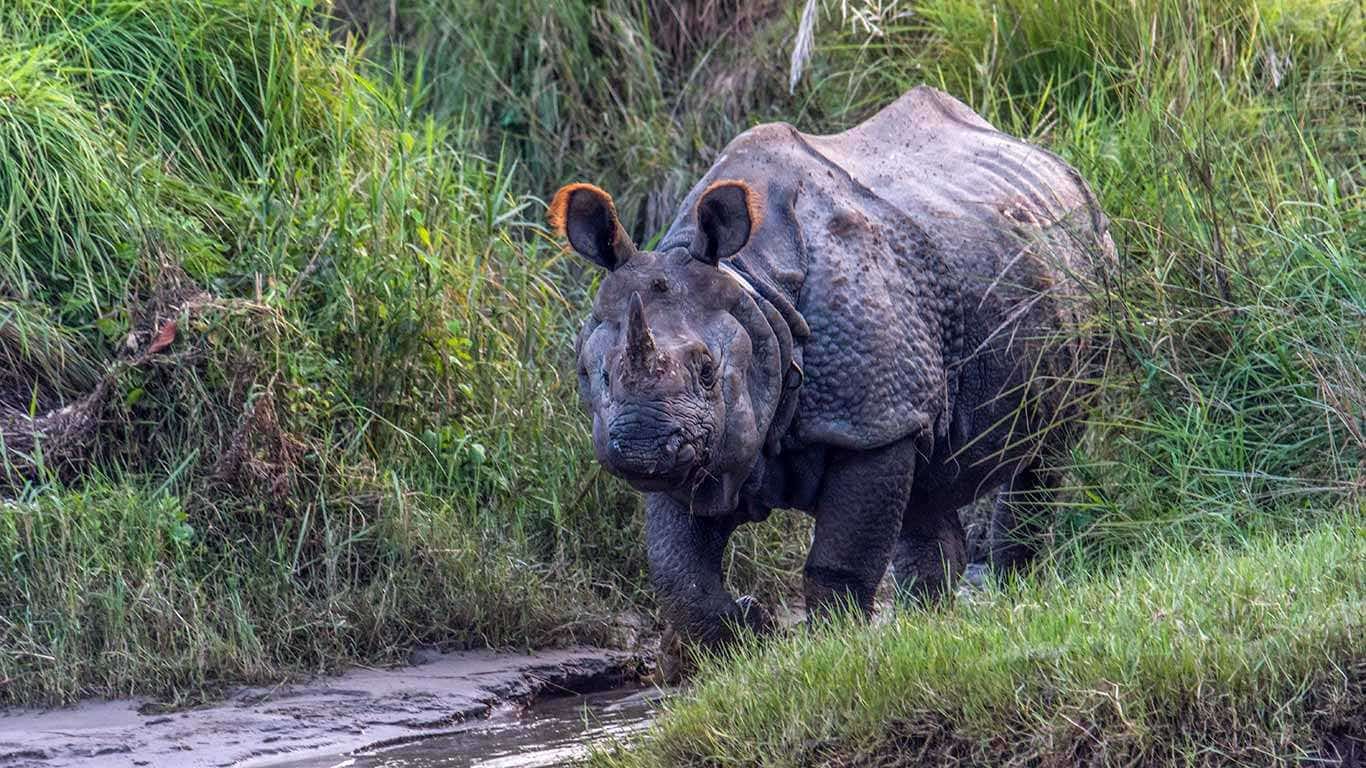
It then gained international fame for its successful conservation efforts. Chitwan National Park managed to protect and increase the number endengered species. The one-horned rhino and the Bengal tiger aren't critically endangered today.
The area has a high density of sal forest and grassy flood plains. The oxbow lakes offer excellent and rich habitat to a huge diversity of species.
Wildlife:
More than 68 species of mammals have a home in the park. The sloth bears, leopards, wild boars, striped hyenas, and the endangered gharial crocodile. Bird life is rich in Chitwan National Park. It has recorded 540 species present. They include hornbills, peacocks, kingfishers, and storks that migrate.
UNESCO Status:
In 1984, it was recognized as a UNESCO World Heritage Site. Chitwan National Park offers an exceptional representation of the Terai ecosystems. Moreover, it's known for commendable success in preserving endangered species.
Key features:
Chitwan is home to jungle safari, canoeing, birdwatching, and nature walks. The cultural dimension in Tharu villages is present in the buffer zone. It gives a window to learn about indigenous ways of life coexisting with nature.
2. Sagarmatha National Park
Area: 1,148 km²
Year Established: 1976
Sagarmatha National Park is a Himalayan park. Mount Everest dominates the park. Also, it combines wilderness and cultural heritage. This park is located in the Khumbu region.

It is placed above an altitude of 3,000 meters and extends to the foot of the tallest mountain on Earth.
Wildlife:
It contains rare mountain animals. You can spot alpine species like the snow leopard, Himalayan tahr, red pandas, and musk deer. About 200 species of birds call SNP home. You can find avians such as the blood pheasant and Himalayan monal.
UNESCO Status:
Enrolled in the list of World Heritage Sites and registered in 1979. Both a result of it being a dramatic region. It is the home to the spiritual traditions of the Sherpa people, who inhabit sacred valleys.
Key Features:
The park offers trekking routes like the Everest Base Camp. You can find cultural facilities akin to Tengboche Monastery, which intersect the park. It is a combination of adventure and spiritual relaxation.
You find glacial rivers and miraculous bridges. Most of all, a never-ending trail that is trimmed with prayer flags.
3. Langtang National Park
Area: 1,710 km²
Year Established: 1976

Langtang is the nearest National Park to Kathmandu, Nepal. It is probably the most accessible highland national park. The area experienced a fatal earthquake in 2015. But has recovered with better resilience and attractiveness.
Wildlife:
It contains wildlife like the red panda, Himalayan black bear, Himalayan tahr, and rhesus monkey. Langtang is home to over 250 types of birds, which include the hawks, vultures, cuckoos, etc.
UNESCO Status:
Langtang Valley is not a UNESCO site. It was extremely appreciated as a place of ecological interest and religious sites. You can visit the Gosainkunda lakes.
Key Features:
The park is a pilgrimage site. It draws pilgrimage tourists to high-altitude lakes and Buddhist monasteries. Langtang also offers trek routes, including the Langtang Valley Trek. Langtang is not only a trek, but a journey with perspective.
To this end, its landscape of alpine terrestrials and Tamang history is valuable.
4. Bardiya National Park
Area: 968 km²
Year Established: 1988

Bardiya is the largest lowland national park in Nepal and a real wilderness Park. It is located in the mid-western Terai. Bardiya is not like your predictable parks. There are off-road experiences in wild sal forests and river habitats.
Wildlife:
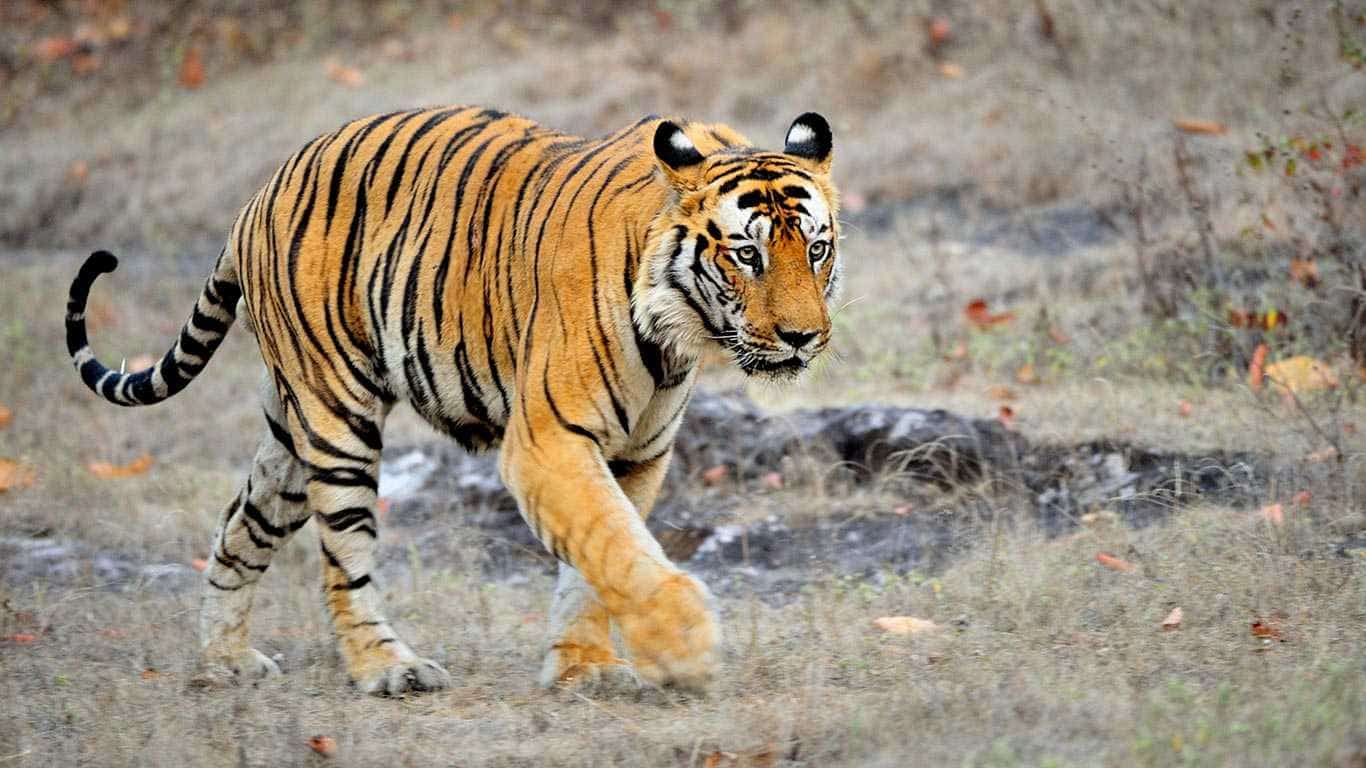
The park has a huge population of Bengal tigers. It is a stronghold and one of the finest spots in Asia to see Bengal tigers. Other wildlife includes the Asian elephants, swamp deer, crocodiles, and otters. Moreover, it is a dream location for birdwatchers with over 400 bird species.
UNESCO Status:
Bardiya National Park is not yet listed as a UNESCO Site. It is declared to be a vital landscape for tiger conservation. Global Tiger Recovery Program reported it's importances in the effort.
Key features:
Bardiya is a place where tourists can enjoy solitude and real wildlife experiences. This park is a raw and rewarding destination. It offers river rafting on the Karnali. Or you can go tracking tigers by foot with expert guides and eco-lodges.
5. Rara National Park
Area: 106 km²
Year Established: 1976

At slightly over 105 square kilometers, Rara is the smallest national park in Nepal. Many refer to it as the Queen of Lakes. The Rara Lake is the crystal clear centerpiece of this park. It sparkles like a sapphire in the isolated Karnali District. This national park is free of mass tourism.
Wildlife:
Musk deer, Himalayan goral, and Himalayan black bear are common in these parts. Over 200 species of birds, such as waterfowl, coots, and grebes, inhabit the location.
UNESCO Status:
Rara National Park is not on the list of UNESCO. But still comes under the radar because of the untouched ecology in the alpine lake region. The place offers unspoiled views of nature.
Key Features:
It is the largest and deepest freshwater lake in Nepal. Known as Rara Lake (2,990 meters), with snow-capped mountains and a coniferous forest. It is a quiet area, where you can have the great experience of solitary trekking.
Photography tours in Rara Park are filled with untapped nature.
6. Shey Phoksundo National Park
Area: 3,555 km²
Year Established: 1984

Shey Phoksundo is the largest national park in Nepal. Shey Phoksundo National Park covers trans-Himalayan arid lands. The Tibetan culture's topography of the Dolpo district. It is the wildest and most mystical among parks.
Wildlife:
The area is also home to the snow leopard, blue sheep, and Himalayan wolf. It is home to giant birds such as lammergeiers and the Himalayan griffon.
UNESCO Status:
Shey Phoksundo National Park is not listed on the UNESCO site. It is included in research in the field of intangible heritage. It covers the vastness of Bon and Tibetan Buddhism.
Key features:
The highlight of this conservation area is one of the deepest and most alluring lakes in Nepal. The Phoksundo Lake color can only be described as having a clear shade of turquoise. Its religious significance is perhaps the most profound. The park features Shey Gompa.
This park offers a centuries-old trade route through the villages. It appears trapped in time.
7. Makalu Barun National Park
Area: 1,500 km²
Year Established: 1992

Makalu Barun National Park sits in the eastern Himalayas. It is the only preserve in the world that has a rise in elevation of tropical forest (500m). Moreover, it extends above 8,000 meters at the peak of Makalu.
Wildlife:
Makalu Barun National Park holds rare wildlife. You can spot mammals such as red pandas, clouded leopard, barking deer, and more. As for avians, there are over 400 types of birds, sunbirds, warblers, and flycatchers.
UNESCO:
Not listed on the UNESCO list. It is recorded in the Sacred Himalayan Landscape program.
Key Features:
It is the area in Nepal with the highest biological and geological diversity. It is known to have extreme biodiversity and topography.
Barun Valley is both spiritually sacred and ecologically undisturbed.
8. Khaptad National Park
Area: 225 km²
Year Established: 1984

Khaptad National Park is a hidden gem of a highland paradise in the far west of Nepal. It is lush with rolling meadows, forests, mountains, and spiritual legends. It is the dream of a botanist and philosopher.
Wildlife:
Khaptad National Park is home to Leopards, wild boars, and black bears. It has over 270 species of birds, which include Himalayan monals and cuckoos, which are found in the park.
UNESCO Status:
It is not listed, but it is highly appreciated for cultural preservation and biodiversity.
Key Features:
This was the meditation house of Khaptad Baba. It houses holy temples, alpine pastures (patans), and seasonal flowers. It is perfect for self-discovery hikes, yoga camps, and botany.
9. Banke National Park
Area: 550 km²
Year Established: 2010

Banke National Park is the latest national park of Nepal. Banke was established in an attempt to connect the tiger reserves of Bardiya and the Valmiki Reserve of India. It is a relatively unknown but important area of the Terai Arc Landscape.
Wildlife:
It has tigers, leopards, Sloth bears, and Gangetic dolphins in the nearby water bodies. It has more than 250 species of birds that make it a peaceful sanctuary for birds.
UNESCO Status:
It is not designated.
Key features:
Banke is called by WWF the Gift to the Earth. It is a conservation corridor, where the eco-tourism activities are expanding. Its closer location to Bardiya makes it an extension to the safari-travelling tourist. By doing so, they get a wild experience.
10. Shuklaphanta National Park
Area: 305 km²
Year Established: 2017 (originally a wildlife reserve since 1976)

Shuklaphanta National Park is a grassland park. It consists of the far-western side of Nepal. It has one of the most undisturbed Terai grassland ecosystems.
Wildlife:
Shuklaphanta National Park has the largest herd of swamp deer in the world. You can also spot tigers and leopards. At the wetland, you find creatures such as otters and fishing cats.
UNESCO Status:
Not listed recently.
Key features:
The park has wetlands, a floodplain, and cultural relics. You can find ancient temples and stone inscriptions. It is especially attractive in its savannas. Here, birding and wildlife tracking are the attractions.
11. Parsa National Park
Area: 637 km²
Year Established: 2017 (upgraded from reserve status)

Parsa borders Chitwan and constitutes an important east Terai conservation corridor. It has fewer fragmented forests and fewer disturbed forests.
Wildlife:
The animal shares fields with Chitwan-tigers, leopards, and sloth bears. Also, it has over 500 varieties of vegetation that can also be found here.
UNESCO Status:
UNESCO has not designated it in any special category. But it is located within a partial border transboundary risk zone. Specifically, the Chitwan-Parsa-Valmiki ecosystem.
Key features:
Parsa has fewer tourists, and it is a cleaner jungle experience. Tiger sightings have increased in recent years. With it thye a steep increase in conservation activities.
12. Shivapuri Nagarjun National Park
Area: 159 km²
Year Established: 2002

Shivapuri Nagarjun is the green lung and spiritual getaway. It's located at the northern fringe of the Kathmandu Valley. The capital of Nepal. It is a fusion of glamorous green hills and forest paths. It holds hundreds of years-old religious shrines.
Wildlife:
It has leopards, jungle cats, and the Himalayan black bears. It is over 300 birds, including the kalij pheasants and cuckoos.
UNESCO:
The site is not a UNESCO site.
Key Features:
It is a destination for day tours to places like Shivapuri Peak and Jamacho Monastery. This park is critical to the sustainability of the watershed. It is also a carbon storage around Kathmandu.
3. Prominent Conservation Areas
Conservation areas of Nepal are one of the outstanding examples in the world. It is known for community-based natural resource management. Biodiversity conservation is coupled with human development.

Compared to national parks that are conserved in a strict sense. Normally, coservation fall under the care of the central government. The locals take control of managing their environmental conservation.
Six of Nepal's conservation areas occupy different ecological regions. It includes the Himalayan Mountains and subtropical plains. They oversee endangered wildlife species and indigenous culture. They also support sustainable farms, development, and conservation efforts.
1. Annapurna Conservation Area (ACA)
Size: 7,629 km²
Year Established: 1986
Key Species & Trekking Highlights:
The ample size of the Annapurna Conservation Area is the largest park in Nepal. It covers more than five regions with diverse biotic environments. It ranges from a tropical rainforest to the snow-capped tundra.

Its wildlife includes snow leopards, the blue sheep, and the red panda. It holds over 478 species of birds, which include the Himalayan monal and the pheasants. It is also a home of over 100,000 individuals. They are from the ethnic groups, like Gurung, Thakali, and Manangba.
Trekking Highlights:
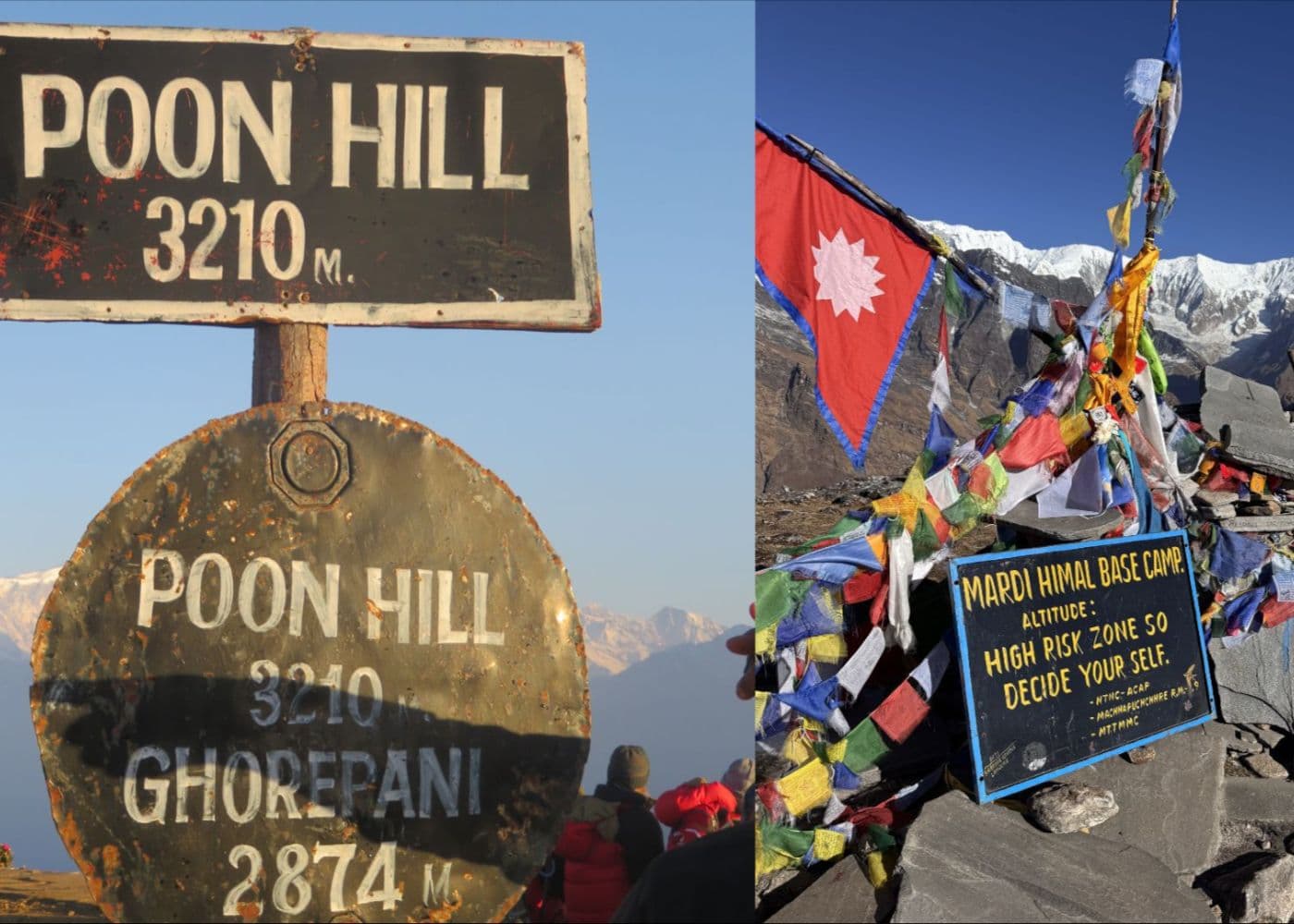
ACA is the first choice for trekking in Nepal. It consists of the Annapurna Circuit, Annapurna Base Camp, and Ghorepani- Poonhill. This region offers trekking through teahouses and cultural experiences.
You can visit sacred sites like Muktinath. It also boasts diverse, stunning scenery, showcasing sustainable tourism. ACA is an integrated conservation and development program. It is well-known worldwide. It is managed by the National Trust for Nature Conservation (NTNC).
2. Kanchenjunga Conservation Area (KCA)
Size: 2,035 km²
Year Established: 1997
Major species and trekking highlights:
The conservation area protects the high-altitude house in the remote Eastern Himalayas. The borders affect the third-highest mountain on Earth, Mount Kanchenjunga. KCA harbors snow leopards, the Himalayan black bears, and red pandas.

It is also known for the rare, adaptable medicinal species, including Yarsagumba. Glacial rivers, as well as deep valleys and ancient monasteries, are also a part of the region.
Trekking Highlights:
The Kanchenjunga Base Camp trek is one of the cleanest and least trekked trails of Nepal. Trekkers enjoy magnificent mountain views. They also encounter traditional Limbu and Rai communities. And they can view devotional austerity without too much commercialism. In this case, conservation is done in collaboration with local people. They are very connected and attached to nature and spiritual beings.
3. Manaslu Conservation Area (MCA)
Size: 1,663 km²
Year Established: 1998
Key species and trekking features:
The Mansalu Conservation Area is found in the heart of Nepal. It consists of Mount Mansalu (8,163 meters), which is the eighth-highest peak in the world. At least over 110 species of birds, snow leopards, Himalayan tahr, and musk deer find a home there.

Culture is also diverse in the area since it is Tibetan Buddhist tinted. There are ancient gompas in the area.
Trekking Highlights:
A Manaslu Circuit trek is famous because of the hard Larkya La Pass. The fact that the paths are not very crowded, and you can come across the beautiful villages of Samagaon and Lho.
This is a Himalayan trek, with a combination of cultural and unadulterated adventure. Yet it is situated in a restricted region, which makes the trail more secure and peaceful. Conservation activities focus on conservation-minded tourist involvement and local development.
4. Gaurishankar Conservation Area (GCA)
Size: 2,179 km²
Year Established: 2010
Major species and trekking highlights:
The area between Langtang and Sagarmatha National Parks is the Gaurishankar conservation area. It is where Gaurishankar (7,134 m) and Rolling Valley are located. Found in the region are the Red Panda, the Himalayan Black Bear, the Musk Deer, and 235 species of birds.

It is surrounded by biodiversity. It is also accompanied by cultural prosperity. Both the Sherpa and Tamang communities live in their highlands.
Trekking Highlights:
The treks here entail the Tsho Rolpa Glacier Lake Trek. The path up to the distant Rolwaling Valley and ultimately to the Everest region. The GCA is rather undiscovered. It is offering a sense of calm, glacial lakes, and sacred places such as Kalinchowk. It is managed through teamwork among rural municipalities and NTNC, using decentralized conservation.
5. Api Nampa Conservation Area (ANCA)
Size: 1,903 km²
Year Established: 2010

The Api Nampa Conservation Area is in the far Western region of Nepal. It takes its name from two of the most beautiful mountains that can be seen in the area, Api (7,132m) and Nampa. Himalayan musk deer, Himalayan monals, leopards, and medicinal herbs. These can be uncommon flora at extreme altitude, and are among the treasures in the region.
Trekking Highlights:
The Api Base Camp trek is among the least explored and the most fulfilling in Nepal. It runs through culturally diverse Byansi and Chhetri settlements. You travel through alpine meadows and pine forests.
Tourism is an underutilized industry because it is in a remote region. In the true sense of the word, people get genuine interaction and almost pristine scenery.
6. Blackbuck Conservation Area (Krishnasar CA)
Size: 16.95 km²
Year Established: 2009
Major species and trekking highlights:
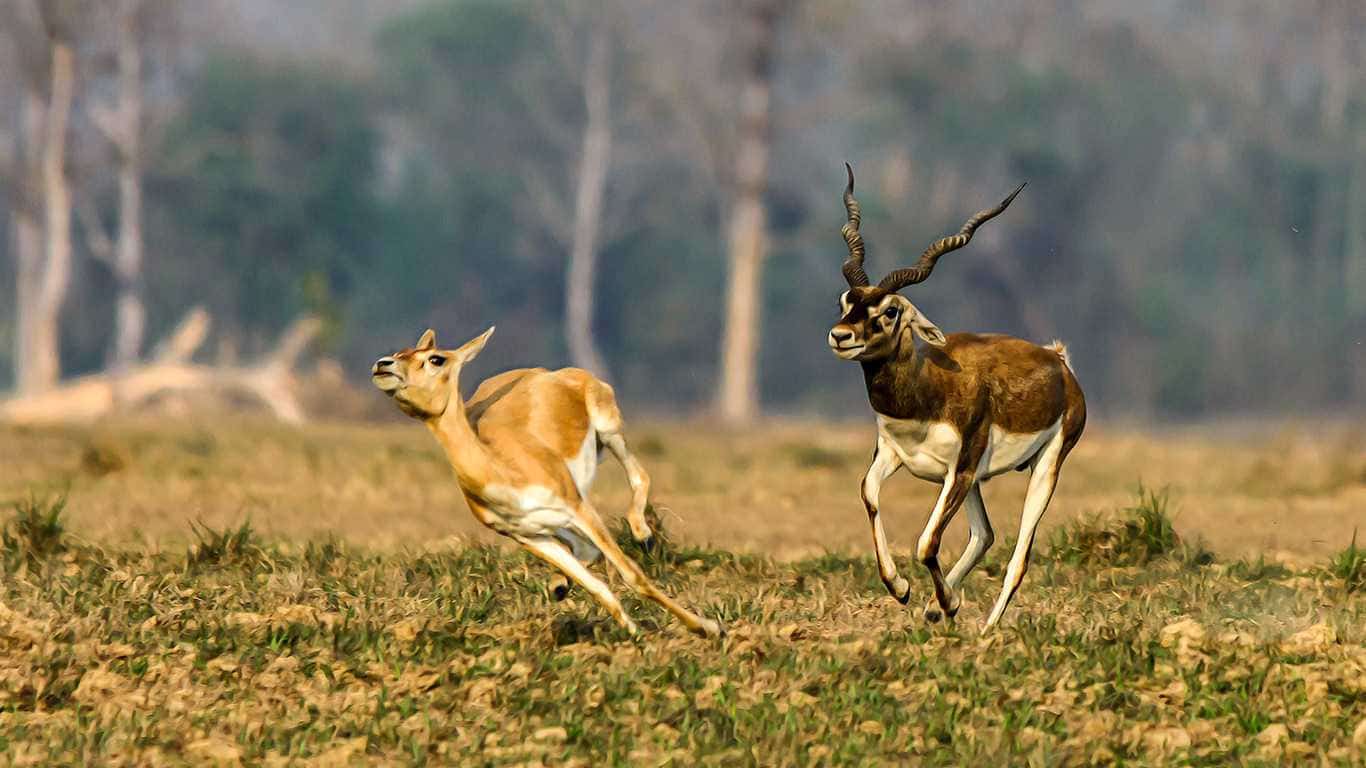
This is the smallest conservation area in Nepal. It is designed to protect the endangered Black Buck Antelope (Krishnasar). It is located in the Bardiya district, where it offers open grasslands and fenced areas.

It is home to more than 200 blackbucks that were almost extinct in the country earlier.
Trekking Highlights:
It is not a trekking hotspot, but it can be useful during educational tourism. It can raise awareness about the conservation of wildlife. Visitors can see blackbucks from viewing platforms. They can also meet community groups involved in habitat reforestation. It is a glowing example of carefully administered species preservation. Moreover, coupled with ground-up stewardship.
4. Wildlife & Birdlife Highlights
Although Nepal is a small country, it is widely known throughout the world. Its fame comes from its high level of biodiversity and trekking trails. It has excellent altitudinal diversity. You have the lowland Terai (60m) to the high Himalayas (8,848m).

The range of habitats within this vertical spectrum is broad. It includes sub-tropical forests to wetlands, alpine meadows, and glacial ecosystems. Thus, Nepal has over 208 species of mammals. It is home to 900+ species of birds. Likewise, Nepal has countless reptiles, amphibians, and butterflies. Nepal is one of the world's most biologically diverse countries. It has high biodiversity per square kilometer.
The iconic megafauna are found in the Terai region. It is home to tigers, rhinos, and elephants. The high Himalayas conceal some of the area's alpine predators. Most notably, the snow leopard and red panda.
There is a serious risk of in migratory birds, fish, and spatial species. But conservation areas, national parks, and Ramsar Wetlands serve as a lifesaver. The importance of wildlife corridors in Nepal. It also acts as an important connector between the regional ecosystems of India and the Tibetan plateau.
Wildlife tropical/subtropical forests and grasslands - Terai region
The Terai is the habitat of these Parks. It is widely known with their high-profile mammals and various bird populations. Particularly owing to Chitwan, Bardiya, Shuklapanta, and Koshi Tappu Parks.
Flagship Mammals:
Bengal Tiger- Chitwan, Bardiya, Shuklaphanta, Parsa, Banke
One-Horned Rhinoceros - Chitwan (primary population) Bardiya (reintroduced)
Asian Elephant- Bardiya, Chitwan, Shuklaphanta
Sloth bear- Parsa, Chitwan, Bardiya
Barasingha (Swamp Deer) - Shuklaphanta (the largest herd in the world)
Wild Water Buffalo (Arna) -Koshi tappu Wildlife Reserve (endangered)
Notable Birds:
Bengal Florican- Remembered Tappu, Bardiya (critically endangered)
Sarus Crane -Koshi Tappu, and Jagadishpur Reservoir
Asian Paradise Flycatcher-Chitwan, Bardiya
Kingfishers, Herons, and cormorants- All Terai wetlands
Greater Adjutant Stork - occasional at south eastern Terai
Temperate to Alpine Zone - Mid-Hill & High Himalayan Wildlife
The rare mountain species and alpine flora are found in these areas. In most cases, they are found in Himalayan parks. Places such as Sagarmatha, Langtang, Shey Phoksundo, Manaslu, and Kanchenjunga.
Flagship Mammals:
Snow Leopard -Shey Phoksundo, Sagarmatha, Manaslu, Kanchenjunga
Red Panda - Langtang, Gaurishankar, Kanchenjunga, Makalu Barun
Musk Deer- Rara, Sagarmatha Manaslu
Himalayan Tahr - Sagarmatha, Langtang, Manaslu
Himalayan black Bear - Langtang, Khaptad, Gaurishankar
Blue Sheep (Bharal) – Shey Phoksundo, Mustang, Manaslu
Notable Bird Species:
Himalayan Monal (Danphe) – Sagarmatha, Langtang, Rara (Nepal’s national bird)
Blood Pheasant- Kanchenjunga, Makalu Barun
Satyr Tragopan - Kanchenjunga, Gaurishankar
Lammergeier (Bearded Vulture) -Shey Phoksundo, Everest region
Snow Partridge -Sagarmatha and Dolpa regions
Grandala & Accentors - Summer breeding areas at high altitudes
Buffer Zones & Conservation Areas (Human-Wildlife Coexistence)
These are not only the zones that are home to wildlife. These zones sustain human lives, which usually mix conservation and cultural tourism.
Notable Mammals:
Clouded Leopard - Makalu Barun, Annapurna Gaurishankar
Goral & Serow -Annapurna, Langtang, Manaslu
Himalayan Goral- Occurs in mid-hill forests in the areas of conservation
Leopard Cat & Yellow-Throated Marten - Shivapuri Nagarjun, Langtang, ACA
Notable Birds:
Cheer Pheasant -Annapurna, Dhorpatan, Langtang
Eurasian Eagle Owl Collared Owlet - Shivapuri Nagarjun, Langtang
White-Capped Water Redstart- Common in riversides, Manaslu, and Annapurna
Wren-Babblers & Laughing Thrushes - Mid-hills and sub-tropical forests of ACA, GCA
Migratory Ducks and Waders- Jagadishpur, Beeshazar Lake, Ghodaghodi Lake (Ramsar sites)
Wetland and Ramsar site Avifauna (Key to Migratory and Water birds)
Ramsar sites in Nepal are important resting sites for migrating birds. They travel through the East Asia and Australasian Flyway.
Wetland birds:
Bar-Headed Goose- Ghodaghodi Lake, Koshi Tappu
Northern Pintail, Eurasian Wigeon, Garganey -Observed throughout significantly good wetlands
Black-Necked Stork, Painted Stork - This is very rare, with records in Koshi Tappu and Jagadishpur
Pheasant-Tailed Jacana and Bronze-Winged Jacana- the wetlands of Beeshazar and Jagadishpur
Marsh Harrier and Osprey- sighted in migration at Beeshazar and Rara
Nepal faces many altitudinal variations. Nepal has a diverse habitat, as well as cultural respect for nature. Nepal has a biological richness that is exhibited in its wildlife and bird life. Be it the roar of the tigers in Chitwan. Or a calm coexistence of ice leopards in Dolpo.
These areas are under protection from shelter species that the underworld wants. Nepal leads in integrated conservation and eco-tourism. It serves as a model for biodiversity in the Himalayan region.
5. Conservation Strategies & Community Involvement
Nepal has developed a distinctive model to conserve biodiversity. It is participatory conservation where local communities become important custodians of the landscape. They aren't mere beneficiaries of the projects.

Nepal does not rely on exclusionary forms of conservation as in other parts of the world. But instead, it is a community-based management of natural resources. It establishes the rights of the local and native populations. Moreover, their knowledge and understanding are used for management.
This strategy will boost local livelihoods and help the environment. It also helps with the conservation of culture and sustainable tourism.
Annapurna Conservation Area Strategies
Perhaps the most inspiring case of such a model is the Annapurna Conservation Area (ACA). It is the largest protected area in South Asia, inhabited by more than 100,000 people. It isn't strictly under state control. ACA is overseen by the National Trust of Nature Conservation (NTNC). Also, the local Conservation Area Management Committee (CAMC).

The locals are involved in anti-poaching patrols, tourism planning, regulation, and maintaining trails. A portion of the trekking fees is reinvested in the community. Say 30 percent, into schools, health clinics, reforestation, etcetera. There is an upward cycle of protection and mutual gain.
Kanchenjunga Conservation Area
Kanchenjunga Conservation Area (KCA) depicts a working sample of such grassroots leadership. The area is being run under the Community-Based Conservation Area Management Council. The Limbu and Rai communities adopted the role of co-managing the forest resources. They also administer the wildlife and control the tourism.

Modern conservation science incorporates traditional knowledge. Particularly in the management of sacred forests and medicinal plants. This has resulted in quantifiable returns in red panda habitats. It boosted sustainable tourism patterns along the trail of the Kanchenjunga Base Camp.
Dhorpatan Hunting Reserve
Dhorpatan Hunting Reserve, conservation is in another, though related form. It is the only legal hunting reserve in Nepal. Himalayan tahr, blue sheep, and wild boar are targeted by regulated trophy hunting. You can hunt them on a limited quota and permit system.
The hunting revenues are evenly spread among the local people. It is utilised in habitat participation, anti-poaching efforts, and the growth of infrastructure. The strategy is useful in the conservation of wildlife populations. It also provides economic alternatives to unsustainable activities such as logging or poaching.
Nationwide buffer zone management
Nationally, the Nepalese conservation plan is pegged on buffer zone management. The residents surrounding the national parks take part in protecting the ecosystem. Also, they receive part of the tourist income.

In some regions, the Buffer Zone User Committees engage in a wide range of activities. Mostly, in places such as Chitwan and Bardiya. They are involved in the development of eco-tourism enterprises. They also take charge of mitigating wildlife conflicts. And many other activities.
Such areas have been crucial in the elimination of human-wildlife conflict. It enhances large-carnivore toleration. At the same time, make conservation a commendable resource and a lucrative undertaking.
Nepal has also taken a leading role in international partnerships with:
The WWF
International Centre for Integrated Mountain Development (ICIMOD),
UNDP
They have enhanced conservation initiatives in Nepal. The Terai Arc Landscape and Sacred Himalayan Landscape maintain connectivity between protected areas. So, species such as tigers and snow leopards can increase in number. Also, remain healthy throughout transboundary corridors.
The success of Nepal believes conservation cannot be implemented without people. Through legislation of the communities, monetary incentives, and education. The nation created a culture of conservation rooted in local responsibility. The world also shares the obligation.
This participatory model has transformed Nepal into an example of inclusive biodiversity protection. It is a prototype for other countries' ecology and social prospects.
6. Challenges & Threats
Nepal has achieved great success in the conservation of biodiversity. The protected areas in Nepal still face varied issues. The issues risk the sustainability of nature parks in the long run. Also, it threatens wildlife populations.
The thin ecosystems. A complex human-wildlife interaction and resource shortage in the country. They continue to pose challenges to the sustainability of the protected areas.
Poaching and Wildlife Trade Illegally
These animals include Rhinos, tigers, red pandas, musk deer, and pangolins.
They are used in body parts that are trafficked across borders by poachers.
Transnational criminals sponsor poaching and the wildlife trade.
The poaching of the rhino in Nepal has been on a downward swing in the past few years.
A few isolated instances are reported. The buffer zones of low visibility are also used during political unrest.
Anti-poaching efforts involve SMART patrols. Citizen-based intelligence systems. Also, military protection.
Yet poachers will take advantage of rugged, difficult terrain. Also, the porous borders and inadequately attacked rangers.
Habitat loss, fragmentation, & Human encroachment
The growing population pressure causes land encroachment.
People use it for agriculture, settlements, and the rearing of cattle in the buffer zones.
Urban sprawl and the building of roads with uncontrolled tourism facilities.
They are narrowing critical wildlife corridors and cutting them off.
Transformation of forests into a cash crop plantation. E.g., cardamom, banana, or betel nut.
It compromises the native biodiversity, particularly in mid-hill regions.
Ecological Disruption and Climate Change
High-mountain ecosystems in Nepal are experiencing receding glaciers.
Vegetation changes with the growth of glacial lake outburst floods (GLOFs). The associated threat to wildlife and infrastructure.
Climate patterns are changing. The loss of viable habitats for species sensitive to climate change.
Many like red panda, snow leopard, and alpine herbs.
Terai wetlands (such as Koshi Tappu and Beeshazar Lake) experience water imbalance seasonally.
As a result, migratory birdlife and aquatic wildlife are at risk.
Human-Wildlife Conflict
With the rebound of forests and the wildlife population, animals roam at large.
They also tend to encroach on the human-dominated landscapes.
They cause crop-raiding, killing of livestock, and even killing of humans in some cases.
Particularly, tigers and elephants cause a lot of incidents. Mostly in the Bardiya, Chitwan, and eastern Terai.
This has caused disgust among the local communities.
Partial relief due to government programs has been established.
For exemplar Compensation program and livestock insurance. But it has overwhelming delays plaguing the process.
And the limited reach of bureaucracy to help in time with mitigating conflicts.
Policy, Governance, and Institutional Constraints
Nepal's conservation laws are strong, but local issues affect them.
Problems like understaffing, corruption, and political influence hinder their implementation.
Many national agencies and local municipalities share responsibilities.
The Department of National Parks and Wildlife Conservation, the Forest Department. This overlap causes delays in decision-making.
There is also a lack of long-term funding and technical skills/knowledge.
Lawful authority to monitor and manage resources in many community-led conservation groups.
Infrastructure Development & Unplanned Urbanization
The uncontrolled construction of roads, mining, and hydropower in national parks.
Other protected areas are breaking up pure environments. Also, it is contributing to invasive species.
Tourist trails in =Annapurna and Everest experience an accumulation of solid waste.
They also face trail deterioration and over-tourism, particularly in the peak seasons.
Rural districts with low regulatory control violate or misuse Environmental Impact Assessments (EIAs).
Particularly when their businesses do not face significant local competition.
Capacity Gaps and Resource Constraints
A large number of national parks and conservation sites are understaffed.
They are equipped with very old machinery. They have few resources to conduct patrols, surveillance, and research.
In remote places, one ranger would be left to cover thousands of hectares.
A monitoring operation would be almost impossible.
The number of community forests and CAMCs (Community Area Management Committees) is increasing.
They require capacity building and long-term institutionalization to some degree.
Emergent Zoonotic and Livestock Diseases
Buffer zones bring about close relationships between the wild species and domestic animals.
Creating an increased possibility of transmission of diseases in both directions.
New challenges to wildlife and local populations are rabies. They also face canine distemper, bovine tuberculosis, and bird flu.
Early diagnosis is also not possible. There is currently no extensive veterinary infrastructure or wildlife disease surveillance in Nepal.
The Cultural Erosion and Tourism Pressure
Tourism helps conservation through the funds. You can't upgrade in some ecosystems.
Places such as Mustang, Gosaikunda, and Khaptad regions. As it is also a dangerous nature, and to preserve the culture.
Materialization of religious places of worship. It contaminates the trail. Also, offensive tourist attitudes may override the local customs and habits.
Without control, tourism infrastructure can cause environmental damage. Like that is seen in cities.
7. Eco‑Tourism and Trekking Highlights
Nepal is known all over the world for its ecotourism. One that is closely involved in the natural heritage and cultural diversity of Nepal. Eco-tourism in this setting is not a travel industry. It is a sustainable trend that contributes to environmental protection.

It offers enlightenment to the locals and provides people with a unique experience. Taking one up, enjoying the spectacular nature of the different parts of the planet. Wildlife safari and trekking lie at its core. It enables travelers to experience Nepal's nature and mountain cultures. without creating a harmful impact on the local economies and conservation programs.
Trekking trails in Nepal are mythical. Nature lovers all over the world flock to Nepal to traverse imposing mountains. Travel through the ravines and historical settlements. Trekking offers adrenaline-inducing physical endeavors. It also gives access to windows of different ethnic customs. The places of worship and eco-regions that characterize the nation.
The national parks and conservation zones of Nepal provide marvelous views of wildlife. It's eco-friendly, nature-based travel. These are some of the things a visitor must have in his or her eco-tourism and trekking bucket list. They define the appeal of Nepal:
Chitwan National Park Jungle Safari
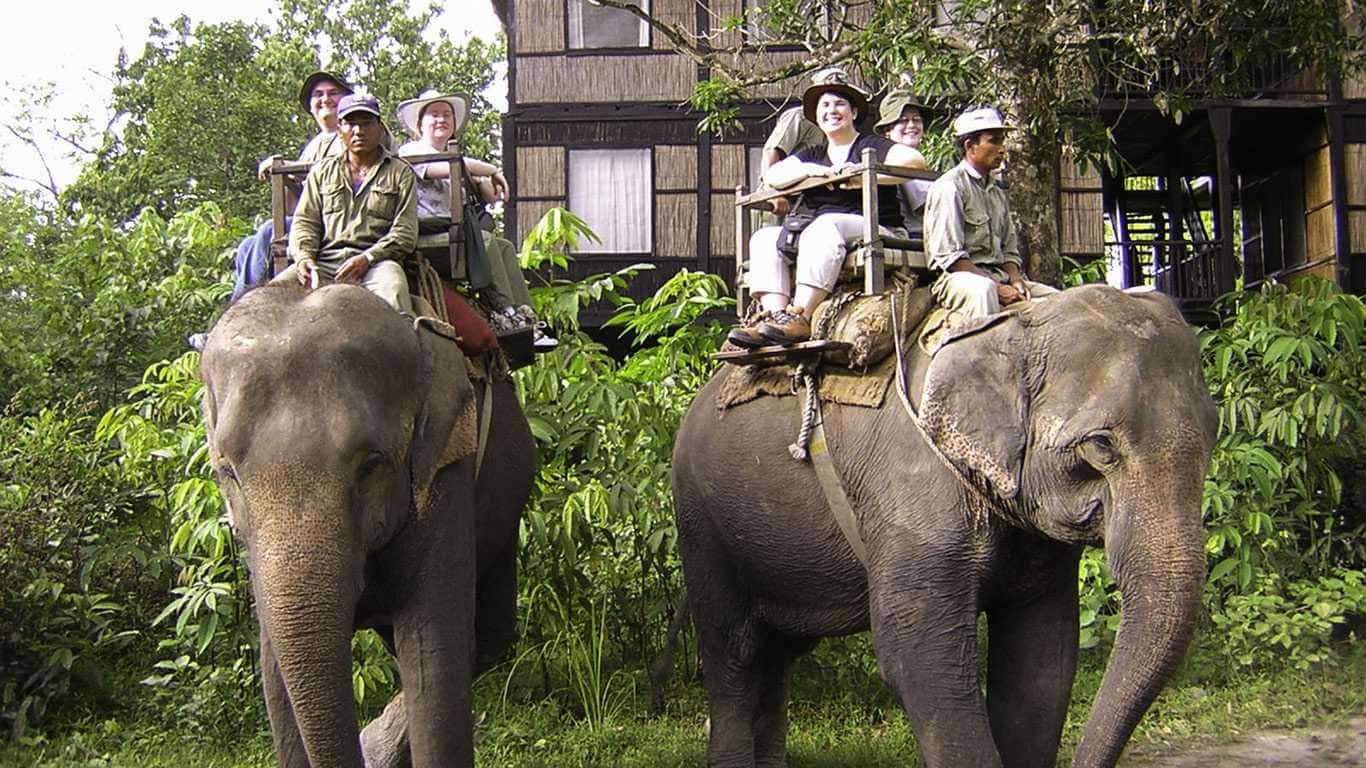
Enjoy jeep safaris, riding on the back of elephants. Canoeing at the Rapti River in the Terai lowlands of Nepal. Chitwan is a biodiversity hotspot. You find the rare one-horned rhinoceros, Bengal tigers, and hundreds of types of birds.
This provides visitors with an idea of conservation success stories. They engage with cultural experiences with the indigenous Tharu people of Nepal. They have lived in harmony with the forest.
The Everest Base Camp Trek in the Sagarmatha National Park
This pioneer high altitude hike has great panoramas of the ascent mountains. You can find views of peaks such as Mount Everest, Lhotse, and Nuptse. The trek passes through Sherpa villages, Buddhist monasteries, and untouched glacial areas. It blends trekking with rich culture.
Some key principles of ecotourism here include:
Reducing environmental impact
Providing sustainable accommodation
Allowing local people to earn income
Annapurna Circuit Trekking in the Annapurna Conservation Area
It is considered one of the most diverse trekking circuits in the world. The Annapurna Circuit trek takes you through subtropical hills and green forests. You’ll see terraced farms and alpine pastures.
Finally, it leads to the dry, desert-like trans-Himalayan lands. It offers a stunning view of Annapurna I, Dhaulagiri, and Machhapuchhre. You can also experience the vibrant cultures of the Gurung, Thakali, and Manang people. Responsible tourism shows how the community manages lodges and waste programs. It reflects their behavior in the conservation area.
Phoksundo Lake Trek in Shey Phoksundo National Park
The Phoksundo Lake trek is unlike any other trek. At least for those who want to stay somewhere remote and find spiritual isolation. The path follows the steep canyons and varied scenery up to the deepest, turquoise lake of Nepal.
Cliffs and traditional Bon-po villages surround the area. The area is an eco-tourism destination possessing less infrastructure. The community homestays. And is the retention of a few endangered species like Snow Leopards and Blue Sheep.
Other Nepal Eco-tourism Destinations
Nepal's eco-tourism includes bird watching in Koshi Tappu and Ghodaghodi. You can go mountain biking in Shivapuri Nagarjun. Try the heritage city tours such as Kathmandu, Bhaktapur, etcetera.
Every experience fosters environmental education. It helps with cultural preservation and economic gains. It makes local communities proud stewards of the natural resources in their country.
Eco-tourism and trekking show a strong impact on conservation tourism and cultural life. Through well-partnered tours, nature reserves, and community, the participants have life-changing experiences. It ensues that the environment and cultures they love will live on to enrich others to come.
8. Comparison Snapshot & Quick Facts
Nepal protects reserves that range from barren alpine deserts to dense tropical jungles. To quickly understand these parks and conservation areas, it's key to know some trivia. This includes their size, history, and ecological importance.
This overview highlights key details. It includes the oldest and largest secured sites. This summary is perfect for tourists, conservationists, and enthusiasts.
National Park | Area (km²) | Year Established | Approx. Entry fee (per day, foreign visitor) | Notes |
Chitwan National Park | 932 | 1973 | NPR 3,000 (USD 25) | Also charges buffer zone fee (NPR 750) |
Sagarmatha National Park | 1148 | 1976 | NPR 3,000 (USD 25) | Additional buffer zone fee (NPR 2,000) |
Langtang National Park | 1710 | 1976 | NPR 2,000 (USD 17) | Buffer zone fee (NPR 750) |
Bardia National Park | 968 | 1988 | NPR 2,500 (USD 21) | Buffer zone fee (NPR 750) |
Rara National Park | 106 | 1976 | NPR 1,500 (USD 13) | No buffer zone |
Shey Phoksundo National Park | 3,555 | 1984 | NPR 2,000 (USD 17) | No buffer zone |
Makalu Barun National Park | 1,500 | 1992 | NPR 2,000 (USD 17) | No buffer zone |
Khaptad National Park | 225 | 1984 | NPR 1,000 (USD 9) | No buffer zone |
Banke National Park | 550 | 2010 | NPR 1,500 (USD 13) | No buffer zone |
Shuklaphanta National Park | 305 | 2017 (Wildlife reserve since 1976) | NPR 1,500 (USD 13) | No buffer zone |
Parsa National Park | 637 | 2017 | NPR 2,000 (USD 17) | No buffer zone |
Shivapuri Nagarjun National Park | 159 | 2002 | NPR 500 (USD 4) | Close to Kathmandu, day visits mainly |
Additional Permit Fee (Fees)
Buffer Zones Fee:
Most parks have a buffer zone outside. Here, people pay an add-on fee. It helps to preserve the parks and support the communities around them.
Restricted Area Permits:
Certain parks or trekking regions that are near a park may operate on special permits. One that's not included in park fees. Places like Upper Mustang near Annapurna or restricted areas in Manaslu
Conservation Area Fees:
Conservation areas have different fees. They are often managed differently from national parks.
9. How to Visit: Permits, Fees, and Planning Tips
Nepal is a pot of gold of biodiversity. It has an amazing variety of ecosystems. You can go from humid tropical forests to high mountains in the Himalayas. Its national parks are a vital sanctuary that safeguards endangered wildlife. It ensures the survival of endangered species. It also provides visitors with impeccable chances to experience nature and culture.

For these protected areas remain sustainable, visitors must acquire entry permits. They need to pay park fees that are directly linked to conservation work and the support of local people. Become familiar with these permits and understand how much they cost. Be a responsible traveler and help preserve Nepal as a natural heritage.
Trekking Information Management System (TIMS) Card
You need a TIMS card for most trekking routes in Nepal. This is especially important for popular and restricted areas. Places like Annapurna, Everest, Langtang, and Manaslu. This card will assist authorities in tracking trekkers for security and conservation purposes.
The Trekking Agencies Association of Nepal (TAAN) or the Department of Immigration can print this. It can be purchased in Kathmandu or Pokhara before commencing the trek.
National Park Entry Charges
Each park and conservation area has different entry fees that are usually paid per day. As an example, the Chitwan National Park has about NPR 3,000 ( approx. USD 25) per visit of foreigners daily.
The cost of Sagarmatha National Park is about NPR 3,000, and one more fee for the buffer zone. Find out the current fees through official park offices or the trekking agency. It changes with the seasons or the year.
Special Permits to Restricted Areas
Certain areas, such as Upper Mustang, Manaslu, and Kanchenjunga, also need entry permits. They need an additional restricted area permit, the TIMS, and park permit fees.
These licenses may be costly. Often, they need reservation on getting them through government-regulated trekking agencies. It is important to plan, since there are quota permits, and during high peak seasons.
Visa Requirements
Entering Nepal requires a tourist visa. It can be applied upon arrival at the Tribhuvan International Airport. Or on land, terrestrial borders. The majority of visitors need this ticket. You can get a tourist visa in Nepal, which takes between 15 and 90 days and can also be renewed. Visitors should arrange their visas before traveling. This is especially important during busy seasons.
When to Go and How to Plan
Spring (March-May) and autumn (September-November) are the best seasons for trekking. They offer the most stable weather conditions and great visibility. The trails are avoided during monsoons (June to August). As it may prevent the erosion of the earth and landslides.
Book your permits and accommodation well ahead of time. This helps avoid last-minute issues, especially during peak seasons.
Health and Insurance Precautions
Consider getting full coverage travel insurance. It should cover high-altitude trekking and helicopter evacuation costs. This is important for any medical needs that may arise.
Altitude sickness is common. To prevent it, acclimatization and staying hydrated are key. Talk to your doctor before you travel. Also, consider getting the recommended vaccinations for Nepal.
Employment of Licensed Guides and Porters
To keep safe and as per regulations, it is always best to use licensed local guides and porters. Particularly in restricted or remote regions. Registered agencies deliver necessary documentation in record time. They have cultural awareness and engage ethically with local economies.
Environmental Responsibility
Tourists should follow the Leave No Trace principle. They must avoid single-use plastics and respect local cultures. Many trekking paths now have a plastic consumption tax. Also, it is a solid waste management policy. This helps keep the area clean.
Conclusion: Guardians of the Himalayas - Nepal living landscapes
Tourism adds value in Nepal. National parks and conservation areas offer more than sights for visitors. They are vibrant ecosystems filled with rare wildlife. They support cultures that have lasted for centuries. They also protect some of the world's most fragile environments.

The lowland jungles of Chitwan, the alpine valleys of Shey Phoksundo, and the sacred paths of Annapurna are vital. They support international biodiversity and are essential for local livelihoods. They thrive because of their natural beauty. The efforts of the community, conservationists, and responsible travelers are working together.
Visiting these regions offers more than adventure. It’s a chance to join a larger story of hope, environmental care, and harmony between people and nature. Nepal is a paradise for wildlife lovers, trekkers, and nature enthusiasts. You can explore its stunning natural landscapes. They invite you to appreciate and protect their beauty. The experience leaves a lasting impression.
FAQs
1. What is the number of Nepal national parks and conservation areas?
There are 12 national parks, 6 conservation areas, 1 wildlife reserve, and 1 hunting reserve in Nepal. These two make up almost a quarter of the total land mass of the country, which makes it one of the most conservation-minded countries of Asia.
2. Which is the oldest national park in Nepal?
The oldest of the protected areas in Nepal, in addition to being the first, is the Chitwan National Park, which has always a world heritage since its formation in 1973. First, it was a royal hunting ground, and then it was a success story in nature protection of fauna.
3. Do we need to take permits to go to the national parks of Nepal?
In fact, yes, the passes are compulsory. The cost of entry depends on the park, and some areas, especially restricted areas, require special trekking licenses besides the normal charges of entering the park.
4. Which type of wildlife is available in Nepal parks?
In Nepal, there is incredible wildlife such as the Bengal tiger, the one-horned rhino, and elephants in the Terai, to the red panda, the snow leopard in the Himalayas. There are also a lot of parks suitable for birdwatching, with more than 900 species reported.
5. What are the differences between national parks and conservation areas in Nepal?
National parks are highly secured, and in most cases, they are run by states, with little human occupation. Conservation areas, on the other hand, entail community involvement and thus can be used in a sustainable form by the community.
6. Which national parks should not be missed by tourists?
The most popular are Chitwan when it comes to jungle safaris, Sagarmatha when it comes to Everest treks, Langtang when it comes to cultural trekking near Kathmandu, and Bardiya when it comes to tiger tracking. They are both unique and offer landscapes and different experiences.
7. Can protected areas allow eco-tourism?
Yes, there is ecotourism, which is well controlled. Wildlife safaris are also common, and companies that do birdwatching are established, but there are established laws to make these activities associated with minimal impact on the environment.
8. What is the role of the local communities in conservation in Nepal?
The model of conservation in Nepal has been widely appreciated in the world as a community-managed system. The locals assist in running the conservation areas, harvesting the tourism revenues, and gain the benefits of eco-tourism projects since the locals develop a sense of ownership and also minimize illegal practices.
9. Which is the smallest national park in Nepal?
Rara National Park is the smallest, with only 106 km 2. It has a 16m deep lake, Rara Lake, which is the largest and cleanest lake of Nepal, located between a pine forest and alpine meadows.
10. What is the ideal time to visit Nepal's national parks?
The best months to trek as well as to see the wildlife are spring (March-May) and autumn (September-November). It is usually clear, and the trails are open, and biodiversity is most active.