Trekking in the Himalayas or any part of the world is half about the journey and half about the path ahead. The most crucial question before lacing up your boots is whether you go solo or you will be joining a group.
Independent and organized trekking are distinct experiences. They both have their strengths and weaknesses. The safety, price, and cultural experience relate to it. It is also about the possibility of being flexible and self-development.
This comprehensive guide will cover all the things you should know. Make decisions according to your way of trekking.
Varying from the comparison of infrastructure suitability and environmental impact. Analyses of freedom, structure, group dynamics, and implication to the pocket. We provide clear content to aid you in pondering the most important elements to you as a traveler.
To desire loneliness in discovery or the companionship of shared solutions. This blog presents points for and against. You can follow this guide to plan a trekking expedition. Go on a journey that fits your desired outcomes, ease of comfort, and personal dreams.
Understanding the Trekking Styles
Trekking is not always a physical challenge. It is also about a deep discovery of nature, culture, and the individual. This will help you choose your treks.

Be it the Himalayan mountain ranges, dense jungle, or alpine valleys. The mode of approach, in trekking, still defines the trek experience, start to finish. Also, know if you can trek with your kids.
One of the first and most essential decisions a trekker has to make is to take the trail as an individual or in a group. In turn, it may affect the feeling of your freedom, safety, your budget, cultural interaction, and so on.
Solo Trekking
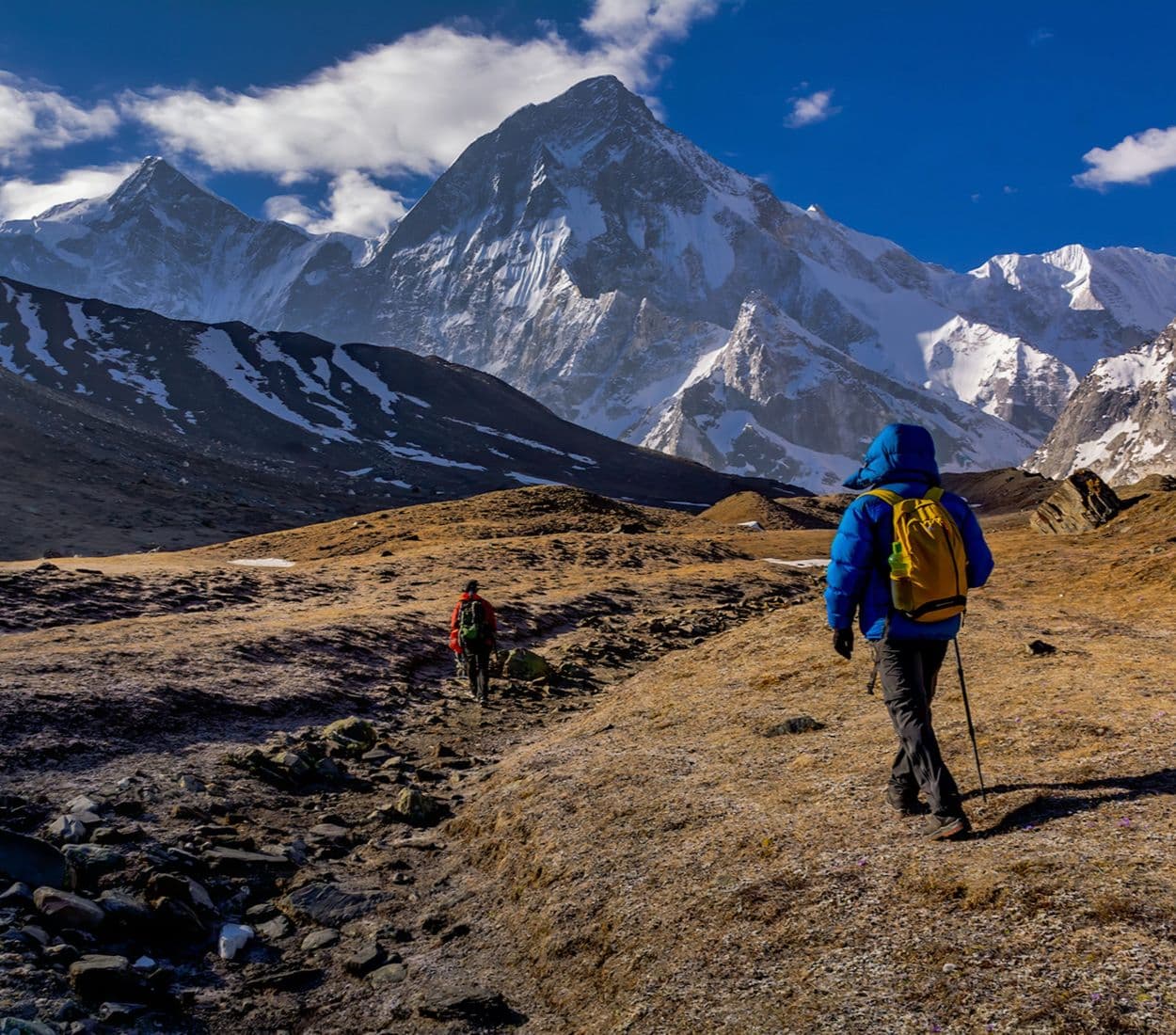
Solo trekking is a highly individualistic journey. It is usually preferred by free spirits or independent travelers. People do solo trekking in search of silence, personal introspection, and complete freedom. It is at your own pace, you can stop when you want, and you tend to connect with nature and the trail more often than not.

The mindfulness of lonely travel and personal development is facilitated by the tranquility. A tranquil atmosphere is absent when traveling in a group. Thus, solo trekking can be incredibly effective for an introspective person. And yes, a traveler who is not afraid of managing their own needs.
With this newfound freedom, however, comes more responsibility and risk. Especially in the remote/high altitude areas. Here, the weather patterns may be hard to predict, or altitude sickness can be a real problem.
Solo trekkers need to bring everything themselves and should deal with any circumstances. With no companion or guide who could make their navigation choices. They carry the vital equipment, being conscious of their physical and mental limits.
The need for permits already makes some areas impossible to trek without an agency. In some places in Nepal and Bhutan, it is prohibited by law. In which case, manpower is effectively considered as part of the agency. Since it handles providing the guides and porters.
Group trekking
Group trekking, on the other hand, is usually arranged with a definite itinerary. It uses the services of an experienced trekking guide or firm, often with a wide span of other tourists on board.
Such an arrangement is particularly attractive to newcomers or those wanting comfort. Since arrangements such as permits, boarding, food, and security are already done.

There is also a good social aspect to group trekking. Many friendships are made when trekking with people in very rugged terrain. The advantage of the group treks is that it comes with aid. Someone will help you in case you have altitude sickness, injury, or a shift in weather patterns.
A trained guide enables you to control the process of acclimatization. They can help to communicate and share the cultural background. This will give you a better impression of understanding.
A group trek is also an affordable way to travel. Other expenses, such as transport and stay, can be divided and shared among the group members. It is one of the most reasonable solutions for travel.
Some trade-offs might follow group trekking. Sacrifices of individual preferences are often made. Sacrifice of pace and the flexibility of the routes to please the interests of the majority. Clash in personality.
Discrepancy in the level of fitness. Or the delays due to other people can interfere with the experience. More so when the group is not well-balanced or lacks any cohesiveness.
Which sounds better for you?
When it comes to deciding whether to trek alone or with others, the decision does not depend on logistics. It is also on the character, the physical condition, tolerance, and expectations.

Then, there are the trekkers who prefer the bare and undiluted solitude of solo wandering. They want a journey in the vast skies. Some find the company and formal network of encouragement and security appealing.
Both styles are equally viable and rewarding in their own way. One should know the strengths and weaknesses of both. And then they can consider a safe, meaningful, pleasurable experience to go through.
Key Differences between Solo and Group Treks
Both solo and group trekking have benefits. It just depends on what one considers as factors. It could determine the experience, safety, cost, and or exposure to the surroundings.

Since these differences have been represented comparatively. You are in a better position to make an informed decision based on your preference. What do you want to achieve as a result of the trekking exercise?
The main difference lies in the major aspects. Things such as flexibility, safety, price, social dynamics, and logistics support. They are highlighted in the table below.
Aspect | Solo Trekking | Group Trekking |
Cost | In most cases, higher because individual payment of permits, guides, accommodations, and transport. | It can usually be cheaper per head as the expense is spread among the group members. |
Flexibility | The greatest freedom of choosing your own pace, route, and halt places. | Fixed schedule and the speed is determined by the leader of the group; little personal choice. |
Safety | Greater chances of danger Since no immediate help is received in case of emergencies; One needs to be well prepared. | Greater security through the presence of guides, porters, and other trekking partners; response to emergencies is faster. |
Social Experience | Chance at solitude, self-reflection, and self-examination; possibility of loneliness. | Good socialization, common inspiration, and attachment with different trekkers. |
Navigation and Logistics | Complete discretion about route-finding, permission, accommodation, and provisions. | Logistics are organized by guides and agencies, which relieves the traveler. |
Cultural Interaction | More unscripted and personal cultural experiences, However, it can be out of context without a guide. | Tours by carefully trained culture interpreters; numbers may restrict the intimacy of contact. |
Pace | The trekker has full control over it; It is slow or fast depending on the fitness levels. | Determined by the lowest participants; contrived to suit the entire group. |
Destination Access | Little to no restricted places where only group trekking is allowed or encouraged. | Gives access to the restricted or distant regions with permits and a group size. |
Emotional Demand | The strong psychological strength required to cope with loneliness, doubts, and barriers on one's own. | Equal distribution of emotional burden and group support; finding it easy to be motivated through hard times. |
Environmental Impact | Generally produces a lower short-term impact on the environment in terms of a lower footprint. | The pressure on trails and resources may be escalated by greater group size, But it is frequently easier to deal with when conducted systematically. |
Pros and Cons of Solo Trekking
Solo trekking is an adventure in itself. Many tourists desire the isolation because of the vow of freedom and exploration. Trekking by oneself is a means of forming very personal self-growth. Being in direct contact with nature without interruptions. And getting out of your comfort zone.

Nonetheless, this kind of trekking also has its advantages and challenges. They include safety issues and emotional aloneness. So the assessment of benefits and losses is vital before takeoff.
Pros of Solo Trekking
Absolute Freedom & Flexibility:
Solo trekking implies that you only make decisions. As such, you set your own pace, and you wake up, take rest, or go on when you feel like it, without having to compromise. You can also discover less popular routes.
Spend time admiring the views wherever you choose and alter your schedule at any time. This adaptability tends to be associated with a more enriched, personalized trek.
Personal growth and self-discovery:
When trekking alone, you are on your own. And this challenge will enable you to grow individually. Become harder, a problem solver, and learn confidently as you manage your problems. Doing all the navigation and daily logistics makes you self-reliant and psychologically tough.
Solo trekkers observe that they undergo a life-altering experience. It provides them with more self-knowledge as well as limitations.
Strong Sense of the Wild:
Trekking alone brings freedom. You can have an immersive experience with the natural world. You will not be distracted by the process of group dynamics or communicating with people.
Trekkers are able to get a full impression of the sounds, views, and atmosphere of the wilderness. This unbroken presence usually contributes to mindfulness. You get a strong sense of serenity and revitalization.
Rejuvenation:
Alone time in the wilderness gives you a unique opportunity! Get to shut off all the stresses of life and leave behind the noise of gadgets. The silence and the seclusion foster introspection and lessen anxiety and clutter. This is usually the period that a solo trekker uses to ponder life objectives. They think about their personal struggles and new outlooks.
Low Social Pressure:
Solo trekkers do not have to follow the demands of other people. They stick to their walking pace. This leaves out the possibility of conflicts or compromising characteristics of group travel. Independence can ease stress. It makes the experience more enjoyable and true to oneself.
Cons of Solo Trekking
Higher Risk of Safety:
The danger of traveling alone is always great in remote places. The risk is similar when visiting places where accidents or diseases of any kind can occur. And altitude sickness can strike at any minute.

In the absence of companions, help can take hours or days, which can be hazardous in the case of urgent medical care. Independent hikers should be even more cautious and carry safety equipment. They need to carry satellite phones or emergency beacons.
Logistic and Route Finding:
It is up to you to find the right way around. Dealing with permits, managing accommodation, supplies, and such can be daunting in itself. More so in new territories. Mistakes made in route-finding or planning may cause delays or unsafe situations.
Individual trekkers are expected to be very organized. They need to have the best navigation skills to make sure that they are not lost or stranded.
Possible Loneliness and Isolation:
Solitude can result in a feeling of loneliness, anxiety, or even homesickness. The harsh weather or physical challenges may contribute to this. Loss of immediate social support may be a heavy burden on the mind.
This is an emotional journey that involves psychological strength. At times, deliberate plans to meet with locals or other trek mates are made to feel part of the bigger picture.
Increased Emotional and Physical Challenges:
All the duties, such as load carrying, food preparation, and management of unforeseen problems, are left solely to the solo hiker. It can be physically stressful and straining.
It gets daunting in tough times of the journey. As opposed to groups, no one helps share the burden. Nor offers encouragement when one is going through rough times.
Restricted entry to some areas:
Restricted permissions or group sizes are also needed in some trekking areas. It disqualifies the individual trekker. More so in regions like the Upper Mustang region, the Manaslu Circuit region, or within Bhutan.
They have harsh restrictions governing safety and cultural conservation. These restrictions limit the destinations that solo trekkers can visit. Plus, it even compels them to join group tours when they want to visit these special areas.
To conclude, solo hiking provides undisputed independence, self-reward, and close encounters with nature. It results in transformative experiences.
At the same time, it requires the necessity of being very cautious, planning, and being emotionally prepared. You deal with the consequences and dangers that come naturally during a solo trip.
Being well aware of these advantages and disadvantages will ensure that people who want to go solo trek. Prepare well and see how such an adrenaline-driven approach suits them as trekkers. Personalities, talents, and expectations included. When planned and approached, solo trekking is one of the most fulfilling experiences.
Pros and Cons of Group Trekking
The combination of exploring difficult terrain and distant areas is important. Feeling safe and sharing experiences with others is part of group treks.

More trekking options are also accessible and more enjoyable. Many are structured settings that will be easier. You shared resources and advice from experts, in this case, in the unfamiliar or risky region.
Nevertheless, group trekking is also about compromises. It is associated with the problems of the group, slowdowns, and individual needs. Know the advantages and the shortfalls of group trekking. It assists travelers in making the right choices.
Pros of Group Trekking
Added Safety and Support:
Traveling as a group is an immediate source of support. Particularly in the case of altitude sickness, injury, or a sudden change of weather.
Group members will provide physical and emotional support to each other. The professional guides are prepared to manage medical cases and evacuation processes. This common safety net makes the risks low compared to trekking independently.
Shared Costs and Logistics:
A typical trek can avoid crowds and reduce the individual costs for many people. They share the costs of permits, transport, guides, porters, and lodgings. The complexities of organizing meals, accommodation, and local transportation services.

They are taken care of by the organizing party or guide. It enables the trekkers to concentrate on the experience. This is cheaper and more convenient. Thereby opening up trekking to even more travelers.
Local Knowledge and Expert Guidance:
Experienced guides are typically in charge of group treks. They offer a good amount of local knowledge, information on the trail, the culture, flora, and fauna. They enable participants to deal with local populations more easily.
They follow regulations about permits and conservation methods. They are knowledgeable, allowing avoiding the ordinary trekking traps. It enhances the cultural and ecosystem understanding of the trek.
Social Interaction and Camaraderie:
Social interaction, support, and memory are made in a group trek. The camaraderie of a trek with like-minded individuals makes the journey special. Members of the team will be inclined to feel obligated to support one another.

You get through the difficult sections, celebrate successes, and tell stories. This type of community can result in having pleasure as well as lifetime friends.
Planned Itinerary and Rhythm:
Group trekking is planned in a way that it is set to optimize acclimatization and safety. More so in high-altitude or tough journeys. The agency makes sure trekkers arrive at important destinations at the appropriate time.
It keeps a consistent pace that matches the level of fitness without straining. Group treks are best for those not familiar with the area. This trekking style decreases uncertainty and stress.
Cons of Group Trekking
Less Flexibility and Autonomy:
When you go on a group trek, you must stick to the itinerary and schedule. Take shorter breaks, so there is no option of taking impromptu detours. Taking long breaks or customizing sightseeing remains unavailable.

Group requirements appear frequently to override the preferences of the group members. It can be constraining to the travelers who believe in freedom. This becomes too fixed in the opinions of others.
Dynamics of Group Variability:
The compatibility of group trek members can vary considerably. It determines the success of a group trek. The fitness, trekking experience, personality, and culture create friction in the group.
It slows the group down. The conflict of personalities or differences in opinion may also cause tension. This may affect the overall enjoyment of the trek.
Speed Limitations:
The entire team has to go at a pace that can be tolerated by the slowest individuals. This can be irritating to the more fit people who would prefer moving faster. More so for those who would like to explore on their own terms.

Faster trekkers, on the other hand, would feel restrained and bound. The extent to which they would not be able to get the best out of the trekking adventure. This trade-off, in some cases, results in disappointment or impatience.
Reduced Intimacy to Nature:
The bond with nature can be influenced by the social setting and the ongoing contact with one another. Hence, it inhibits personal time and time for silence. Group treks have activities, frequent conversations, and noise.
They can cause the members to focus less attention on self-analysis. They have less immersion in the surroundings. Other trekkers can experience difficulty relating spiritually to the scenery.
Overcrowding and Environmental Destruction:
Group treks use the famous trekking routes. As such, they might be crowded. During peak seasons, they strain the tracks, lodges, and other local facilities. Massive visitors add more refuse, noise, and disturbance to wildlife and cultural sites.

It might worsen the environment and local experience. Decent group operators will aim to minimize this, but this is a concern.
Group trekking comes with several important advantages. It offers increased safety, logistical convenience, cost-sharing, and professional guidance. The great social life renders it the perfect access to travel for many people.
It's best for novices or those trekking in out-of-the-way locations. But it is also a matter of trade-offs: flexibility, speed, and dynamics in groups may not be to all likings.
Through these pros and cons, trekkers are able to decide which style will suit them. It depends on personality, level of comfort, and objectives in adventure.
Group trekking can become an enjoyable, secure, and culturally rich experience. Get to explore the most breathtaking paths on Earth, as long as it is planned logically.
Which treks are more suitable for solo trekkers?
Well-marked, popular, and trekking infrastructure routes are the most beneficial to solo trekkers. Trek to a place with lodges, teahouses, and easy access to emergency help. These characteristics decrease the chances of getting lost.

Trekkers have a way to support or reach help. It increases the chances of finding something to eat, some place to stay, and some people who can help on the path.
These famous routes also attract fellow trekkers from across the globe. At least they give you the chance to meet people on an informal basis, even though you may be a solo traveler.
Everest Base Camp Trek
Everest Base Camp Trek is one of the finest options for those who decide to go solo. You find established paths, plenty of teahouses available, and a good flow of trekkers. And most of all in the high seasons. This trail is safer and does not need one to travel with a group.

Facilities and support systems can be found in places like Sherpa in villages. You can visit Namche Bazaar and Tengboche for help or to experience their culture.
Guides and porters on the trail create further security mechanisms. Even if you didn't hire them. It eases single trekking in the region.
Annapurna Base Camp (ABC) Trek
The Annapurna Base Camp (ABC) Trek is another ideal alternative trek for solo trekkers. It offers diverse topography, deep cultural experiences, and a dense chain of hotels.
The trail has clearly marked tracks with daily movement by locals and trekkers. So even a solo hiker will not feel isolated on the tracks. Another added security measure is that local villagers are used to tourists. They can provide useful directions (or even basic emergency support).
Langtang Valley Trek
Another great option is the Langtang Valley trek. It is not too extreme. Langtang has a clear trail and welcomes local people. Reconstruction due to the Earthquake in 2015 is complete. The area today holds better infrastructure.

It is less congested than Everest or Annapurna, with a more relaxed atmosphere. Also, it is not without losing the support system that solo trekkers need.
Accessibility and safety are increased with many guesthouses in all the villages. Additionally, mobile connectivity is available in a large number of regions.
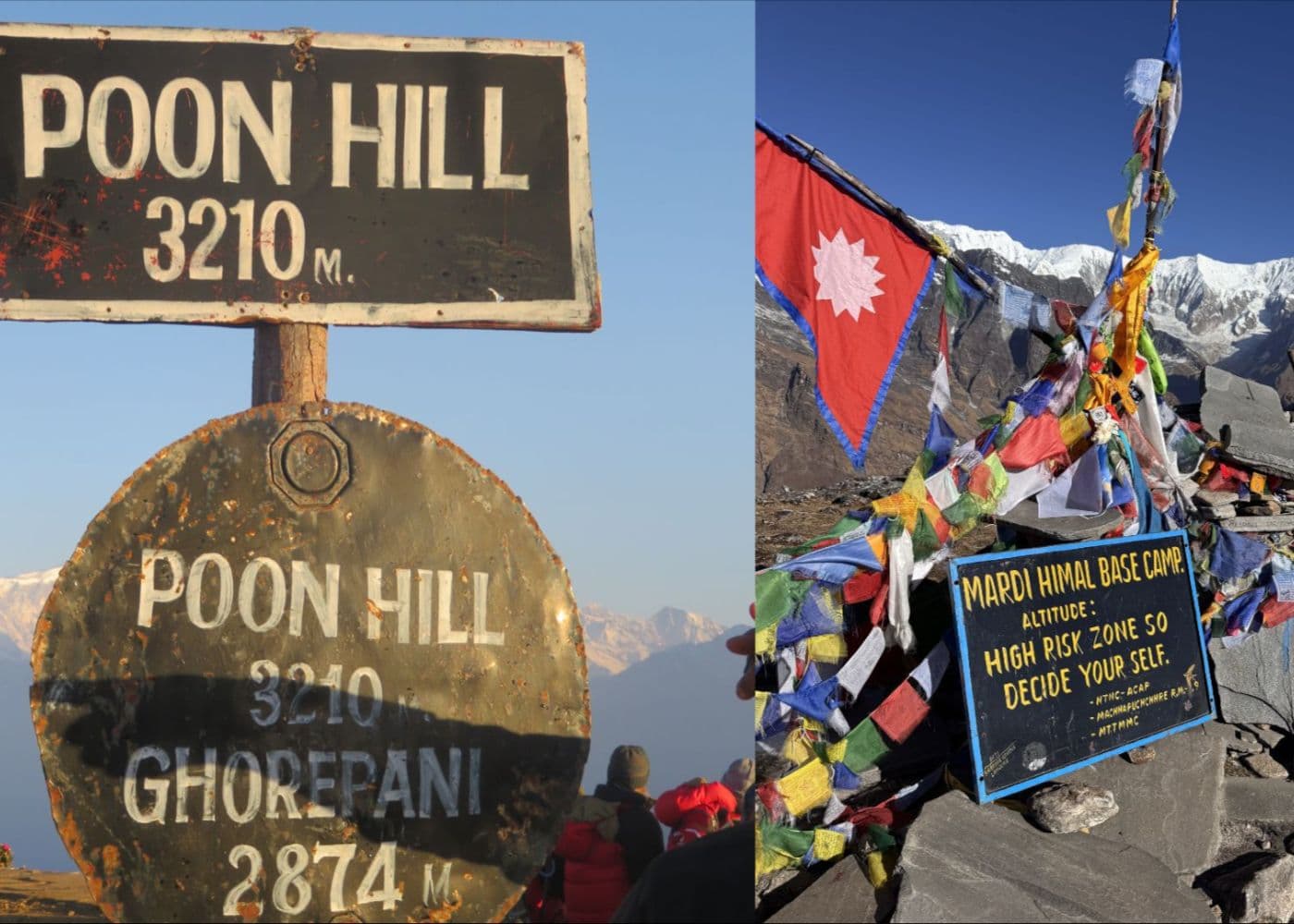
Ghorepani Poon Hill Trek
Ghorepani Poon Hill Trek is perfect for adventure but under shorter distances. Also, it offers an easier nature, particularly for first-timers and solo trekkers.
The trail is paved with stone steps and spectacular scenery. Find accommodation easily along the trail, and meals along the way.
The fact that it is popular means that you will never be too far away from other trekkers. The local help even when you are traveling alone. It is comforting to the lone travelers without any previous experience in trekking.
Places You Can & Can't Go, Solo
Though Nepal offers many trekking spots, do not visit distant or sensitive areas. Places like Upper Mustang or the Manaslu circuit need special permission. You need an authorized trekking guide or company is mandatory there.

Visit easier-to-follow routes. It is also a lot safer when you remain on the more established routes. Don't take your chances on untested and freely accessible trails.
The right state of mind and the right location to hike alone can be a journey of personal enrichment. It is empowerment that can give you an opportunity to learn as much about yourself. You learn about the culture of a different land.
Top Destinations for Group Treks
Group Treks are strongly encouraged to visit areas that are remote. Culturally sensitive places, or those that demand special permits. Logistical arrangements, which are time-consuming and difficult to tackle.
Such trips usually involve transiting restricted areas. You travel through altitudinous routes. Or traverse through places with low infrastructure.
 The presence of a guide and support team creates an extra level of security. It plays a huge role in the overall experience. Traveling as a party offers the advantage of learning about various cultures.
You coordinated acclimatization, as well as touring places. It could not otherwise be achieved alone by the trekkers.
The Manaslu Circuit Trek
The Manaslu Circuit Trek is one of the most well-known group trek destinations. Manaslu Circuit is a restricted area. Legally, trekkers are required to have a minimum of two people and a licensed guide.

It passes through Tibetan-style villages. Cut through wild mountainous passes such as the Larkya La (5,106m). It goes through areas with few or no markings, so having an experienced guide is a big advantage.
Group trekking makes logistics here much easier. Tour agencies handle special permits, and getting into settlements that have limited accommodation.
Upper Mustang Trek
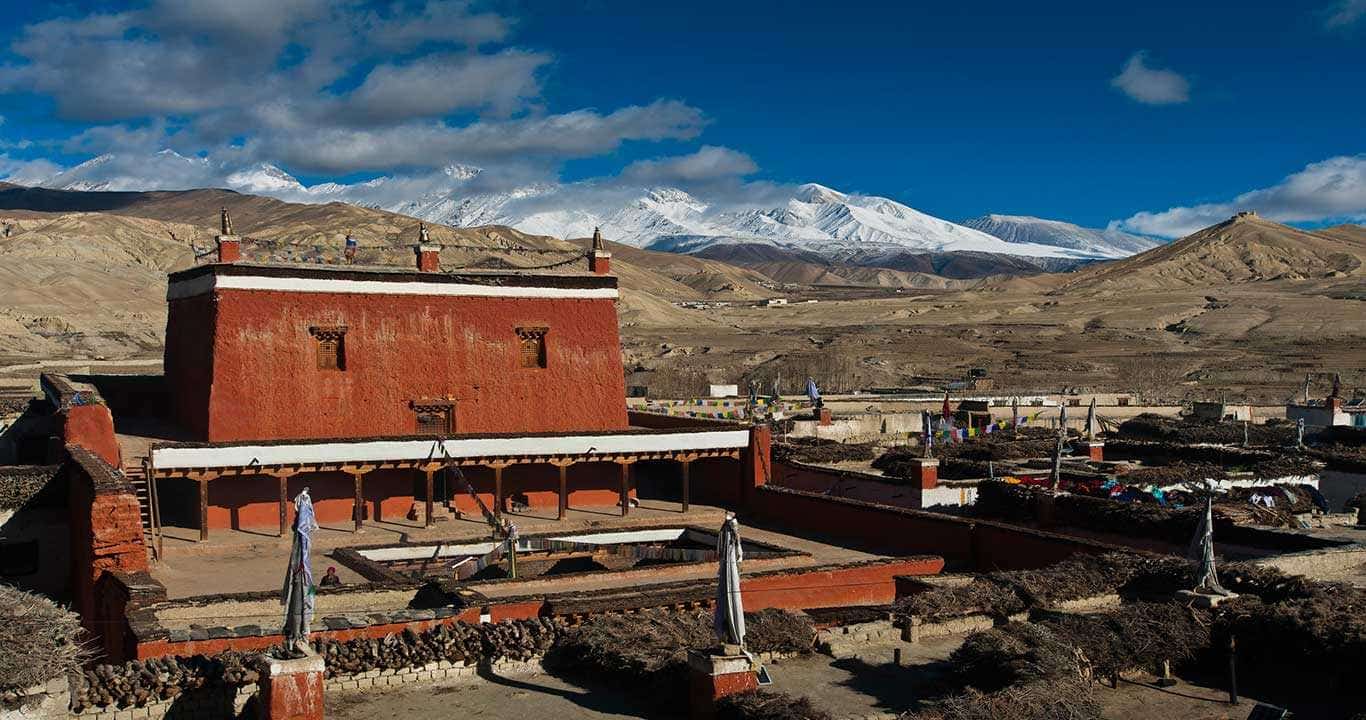
The other great place to do a group trek is the Upper Mustang Trek. It features harsh desert-like terrain, walled cities, and preserved Tibetan Buddhist culture.

Being a controlled trekking area, it needs a restricted area permit. It cannot be given unless a registered agency submits it and has at least a group of two individuals.
Upper Mustang was an inaccessible kingdom before. But in a group and with a guide, you can visit this culturally rich place. You can find cave-dwelling history, monasteries, and the spiritual life of the region.
The Dolpo region
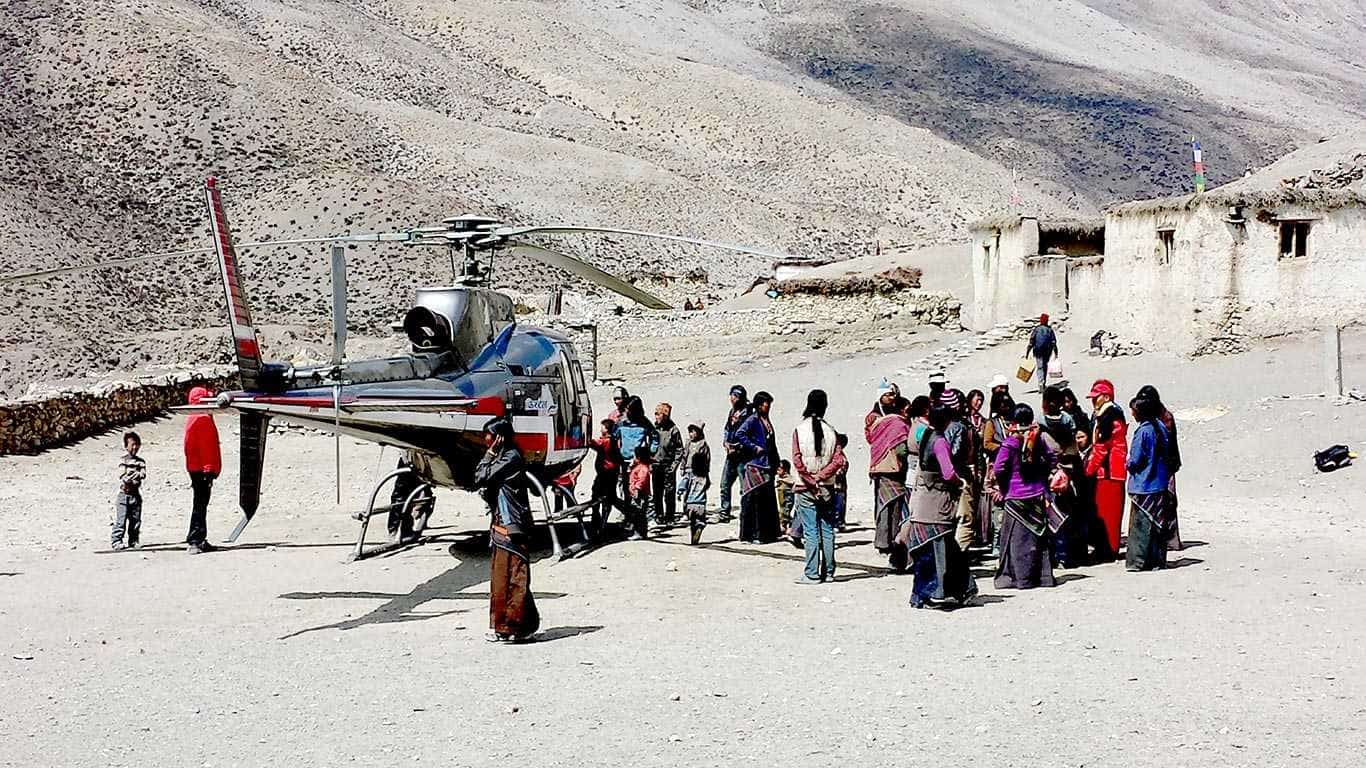
Another best place to visit would be the Dolpo region. Particularly, the Upper Dolpo Trek. This trek is highly enriched by the presence of a group. There is extreme remoteness, absence of infrastructure, as well as spiritual resonance.

The villages are far apart, the mountain passes are steep, and the rules of admission are strict. The region is suitable for a well-planned group.
An organized group brings the needed gear with them to the Upper Dolpo region. The journey needs the necessary camping gear, cookers, and porters. It is a service that most solo trekkers would be unable to access. It would be logistically very challenging.
Everest Three High Passes Trek
Everest Three High Passes Trek is also a good option for group trekking. The route is quite strenuous, and the weather is difficult. You travel in remote regions, Kongma La, Cho La, and Renjo La passes. It requires a high sense of route navigation and physical fitness.

Acclimatization, sickness, and extreme weather support should all be in place. The shelter of a group when walking would allow for some enthusiasm and motivation. Trek here offers several such difficult circumstances.
A guide will add to your traffic safety. It allows you to stay grounded in the culture. Learn about the Sherpa villages or visit Buddhist monasteries.
Bhutan: Snowman Trek
And finally, trekking in Bhutan, including the mythical Snowman Trek. This journey can only be done as a guided party, organized by a licensed Bhutanese tour operator. Tourist Policy states that all treks are pre-booked with all the logistics support. Such as camping and meals, staff, etc.

Bhutan is a country that values its culture and conservation. It offers a pristine environment. Group travel in this country is required by law. But it also enables trekkers to explore the Himalayan vistas of Bhutan and its culture in its true form.
You need a trained guide and a coordinated team to travel in these locations. It eases the journey. It allows the trekkers to enjoy cultural, natural, and spiritual experiences.
Treks with smaller groups visit distant or controlled regions. This provides security, collective wisdom, the convenience of logistics, and community. It adds depth to the sustainability of the adventure.
Safety considerations: Solo vs. Group
One of the most important factors in deciding between having a solo trek or a group trek is safety. It entails a relatively high amount of danger and a certain degree of readiness compared to the other.

There is increased vulnerability in solo trekking. More so in unreachable or high-altitude areas. It is risky with unfixed terrain, fast-changing weather, and distant health support.
Solo Treks
You won't have another person to act as the guide. So, solo trekkers need to solely depend on their own judgment. It is also important in cases of emergencies, based on altitude sickness or any injuries. Hence, competent preparation, physical fitness, and navigation skills are of essential focus.
The absence of immediate help is one of the greatest safety concerns for solo trekkers. Particularly in areas with weak mobile connections or few people walking around.

Such hazards can be reduced by bringing a satellite phone or personal locator beacon (PLB). Inform people of your intentions to trek. Stick to popular and well-documented paths using teahouses. Furthermore, a trekker should not opt to use a closed or less-frequented route alone.
They must be keen to track the patterns of altitude gain. You prevent acute mountain sickness (AMS), which is life-threatening when not treated.
Group Treks
So, group trekking has its in-built safety advantages. It provides you with peer support, experience, and professional input in an emergency. Particularly in the presence of certified guides. Most are educated about first aid and altitude sickness.
Not all the trekkers in a group would be well. One or more of them may be ill or even face an emergency. At such an event, the other trekkers may help to carry gear, seek help, and provide moral support.
Group dynamics also provide accountability, such that no one is left behind. It is inspired to keep going in dangerous situations. It is a vital safety precaution during trekking in unsafe areas.

There are also pre-existing communication channels and evacuation protocols during group treks. More so in the case of an emergency and weather forecasting. It increases the degree of readiness in guided group treks. Porters and guides know the ground and can identify early symptoms of AMS or fatigue. They react before matters become serious.
Treks into isolated or politically sensitive areas become safer and require permits. You need to be in a group to visit places like the former Kingdom of Mustang or Dolpo.
After all, be it your way or in a group, the secret of safety is in the total preparation for a trip. Have decency towards a place and know the boundaries of personal capabilities. Individual trekkers have an added responsibility to take care of themselves. Group trekkers have to communicate effectively and be sensitive to group dynamics.
In both examples, take travel insurance to cover trekking at a high altitude. You need to carry a first-aid kit. Keep an eye open for weather sensitivity. These are non-negotiable aspects of a safe and successful trekking process.
Freedom vs. Structure: What Fits Your Travel Style?
Freedom versus structure is a basic consideration for planning a trekking style. The balance between autonomy and organization contributes to your experience on the trail.
Experience with nature and people will be catered to your satisfaction. Learn your style of travel. You will have an idea of whether a solo trek or a group trek suits your personality and destination more.
Freedom: The Charisma of Self-Guided Trekking
The free-spirited journey is enjoyed by most solo trekkers. It is the most attractive idea to many adventurers. You have the freedom to do what you wish. You wake up at your proper time. Solo travelers can spend more time at the stunning landscapes without worry. Also, you can alter the path at any time without having to consult or adjust with other people.
This independent mode attracts those travelers who like to make uncoordinated choices. It is best for those who prefer to be alone. Those who appreciate individual discoveries.
Structure: The Appeal of Well-Structured Group Travel
Group trekking, in its turn, has a definite structure. It eliminates a significant part of the stress. The tour operator does the planning and decision-making processes.
They offer a routine schedule, a professional guide, and a common schedule. You don't have to worry about the planning. You can spend all your time enjoying the landscape and social life.
This adventurous practice is more appropriate for people who need certainty. It provides a sense of belonging to a group. It may have less experience with trekking or traveling in the area.
Striking a Balance Between Flexibility and Support
It should be noted that there is no correct answer between the two extremes. One with a complete lack of freedom. And the other with a strict structure. What suits you best depends on your character and the aims of your travels.

Certain trekkers enjoy a semi-free adventure with a group. Some like the alone time in their free afternoons or side trips. Be goal-oriented and frank about the degree of control that you desire in everyday plans.
The level of comfort in traveling alone and navigating alone may give you an idea of which style you prefer. This can help make your trekking experience even more enjoyable.
Decision-making style: independent or collaborative
The decision-making style that you have as a trait is also important in this choice. When you are independent, you are sure of your problem-solving skills. You like to handle details independently. Solo trekking suits you perfectly.
But, in case you would describe yourself as sharing the responsibility. One who likes to seek advice and/or make decisions together. Then group trekking would be much more comfortable and enjoyable.
Emotional and Social Preferences
Take into consideration your emotional requirements as well. Social patterns when on the road are important. All the time that one spends during the experience of a solo trek is very rewarding.

It is an introspective experience, though there can be a feeling of isolation at times. Particularly when the trek becomes difficult.
Then there's group trekking. It is a good boost besides providing company, motivation, and social bonds. It is even off-putting on the physically challenging parts of a trek.
Finally, knowledge of your style is crucial.
Knowing whether you are a freedom or structure person, and how this matches with how you prefer to make decisions. The kind of person you prefer to be with is where the basics of deciding on the type of trekking style lie.
Assuming that your trekking style fits your personality. You be able to travel more safely and comfortably. Throughout the entire experience, you will similarly feel absolutely fulfilled and enjoy it.
Environmental and Cultural Consequences: Solo vs Group
Trekking as an individual or with groups of people creates footprints behind. It is along the fragile environments and colorful cultures that are being visited. Hence, it is essential to know the differences between each of these styles. Also, their impacts on the respective areas.
Solo treks
Solo trekkers travel alone or in small groups, which means they will exert a lesser influence on the environment. Most are in the form of littered waste, trail wear and tear, and the use of resources as compared to other people. They can introduce less pressure on fragile ecosystems.

They also avoid overcrowding of popular locations. It provides an opportunity to better explore and experience nature and the local communities. Furthermore, at a lower impact level and in a more intimate fashion.
Besides, solo trekking can have unintentional negative impacts if travelers are not aware enough. Mostly about local traditions and sustainable behavior. Solo trekkers cannot always locate marked trails and get lost on the path. It creates erosion or harm to sensitive plants.
It also disturbs the habitats of wildlife without knowing where and how to do so. Moreover, independent travelers unaware of the cultural etiquette can easily offend the communities. Likewise, they fail to connect with them appropriately. Long-term post-conflict terms can be detrimental to cultural retention and trust between societies.
Group Treks
Group trekking, particularly by professional agencies, usually has more policy rules. They are meant to ensure that they cause less destruction to the environment. It is also for sensitive cultural areas. Organized groups normally move on marked routes. You stay at a booked lodging. Follow the waste management systems. It assists in focusing on the effect on the environment and managing it better.

Even large groups, though, can continue to generate problems. They include trail crowding, littering, and strain on nearby water and food stocks. Particularly in vulnerable or distant areas in which resources are limited.
Group trekking allows a deeper interaction between visitors and the local population culturally. Engage with the local guides, porters, and cultural mentors. They provide education to the trekking group about the local customs. Also experience the traditions and acceptable local conduct.
Such exchanges promote the economies of localities. It also promotes cultural preservation by means of tourism income. The larger group, at times, interferes with the daily activities of the small villages. resulting in commercialization or loss of the tradition otherwise.
Group and solo trekking can be considered sustainable tourism. Travelers and operators treat the environment and cultures with respect. Individual trekkers should accept the individual responsibility to reduce waste. Solo trekkers must use marked trails. Also, educate themselves on the cultural environments of their travel destination.
It is the responsibility of group trekking companies to adopt sustainable operations. Train their clients and take part in community-oriented activities. Here, the community's interests are outweighed by the effects of tourism. It is also integrated into them.
The negative effects of trekking are heavily influenced by an individual's awareness. It can be personal or as part of a group. Therefore, the behavior and ethics of tour operators are important. Sustainable trekking of all kinds would be a positive step. It supports the local economy and helps preserve natural scenery.
To the extent that trekkers can learn about these dynamics. They can make decisions that can enhance their own experience. Also, it protects the wonderful environments and cultures. The very ones in which they are eager to undertake trekking journeys.
Tips for First-time Solo Trekkers
The first solo trek is both action-packed and a challenge. It offers an opportunity to experience an adventure. It develops as a human being on an internal level. Besides, one has to be prepared, sharply on guard, and insist on safety on solitary journeys. It ensures that the journey becomes a comfortable one.
Regardless of the trails you are going on, and whether one is centered or not. These pieces of useful information will bring you confidence and safety. Most of all, it brings out the best part of the solo walking adventure.
Tips You Have to Follow as a First-Time Solo Trekker
Look into the Route:
Clarify the maps and the description of the routes before you get a move on. Having an idea of the main sights, places to stay, and emergency facilities. They make you feel more confident and know what to expect. It is also important to read reports of recent trekkers and the official guidelines.
Select an Established Trek:
Pick an established trek with available infrastructure. A lot of human foot traffic and the availability of support services. This minimizes navigation while increasing safety. Also, loneliness goes down and maximizes your chances of meeting trekkers or locals. They will help in case of necessity.
Tell Someone Your Plans:
Do not forget to tell a close person about your plans in detail. Contact in case of emergency, and what time and place to expect you back. Keeping them informed of your progress regularly adds security to your emergency.
Light and Wise Travel:
Pack only what is essential, that is safe, comfortable, and light. Take with you some navigation tools (maps, GPS). Packing a first-aid kit, a proper source of water purification is a must. To get protection from the weather, wear extra clothes. Finally, emergency communication, such as a satellite phone or a personal locator device.
Physical fitness and Acclimatization:
You should emphasize this by training before the trek. Building stamina and strength is always a good idea. To avoid altitude sickness and becoming overtired. Take time to acclimate to the environment upon climbing the mountain.
Learn Basic First Aid and Emergency Procedures:
Gear yourself with knowledge on how to manage or treat basic trek injuries. Learn about symptoms and indications of altitude sickness. Also, get an idea of how to evacuate people. The preparedness will save lives in inaccessible professional areas.
Always Remain in Touch:
Back up communication with guides or through the emergency agencies. Use mobile phones, SIM cards, or other satellite communication devices. In most trekking areas, the coverage is now available in villages and high points. So make plans accordingly to keep your gadgets charged.
Respect Local Culture and Environment:
Have reverence for communities on your trip. Obey local conditions and lessen your ecological impact by pursuing Leave No Trace. Good behavior will help to create goodwill. It also maintains the natural beauty that you were there to experience.
Trust your gut feeling and know when to call in help:
Listen to your physical and psychological state. Remember not to worry about somebody leaving you unaccompanied. Do not be afraid or embarrassed to ask for help or change your plans. Since nothing in this world is more important than your health and safety.
Remain Positive and Adaptable:
Solo trekking is a challenging activity. You can face unprecedented issues or problems. The way to stay positive and flexible will help you overcome such problems. It his makes this experience filled with richness. Learn to enjoy being alone, and use this stage as a chance to develop and think.
Tips on How to Make the Best of Group Treks
Group trekking is a fascinating combination of community, personal experiences, and security. So, it can be a great option in case you want to visit rough routes and distant areas. Traveling with others needs patience, flexibility, and a spirit of doing things together. So, it makes everyone enjoy the trip.
You need to adopt group dynamics and honor team harmony. After this, you will be more likely to enrich your experience. You make some friendships that will last a long way on the trail.
Practical Tips for Enjoying Group Treks
Be Open and Respectful:
Be open and respectful in communications with other trekkers and guides. This prevents misunderstandings and fosters the development of trusting relationships. Share what you need.
Also, listen to other people's creation of a constructive group environment. Approachability promotes solving problems and teamwork.
Make the Itinerary and the Pace Flexible:
Group treks have a schedule that might not necessarily be in line with your interests. Likewise, the pace at which you can comfortably trek. Learn to be able to accept everyone at the rate that the group can handle. Also, be open to changing your expectations.
You need to recognize that the route is made to accommodate the group as a whole for safety and pleasure. Flexibility minimizes stress and has the effect of appearing helpful in the group.
Provide support to other Trekkers:
Be supportive and helpful to group members. Some might experience some problems in difficult areas or altitude specifics. Little gestures and working in a team can spread morale and a feeling of togetherness. Sharing the successes of a group creates stronger connections. It enhances the experience of the trek.
Respect Privacy and Personal Space:
There might be some social interaction during group trekking. One should understand when other people need personal time or a time of silence. A balance between group activity and individual boundaries must be observed. It helps with having a lively harmony and avoiding burnout.
Take Advice and follow the Leadership of your Guide:
Guides are experienced professionals. They focus on safety and sensitivity to local cultures. Faith in order of decisions on acclimatization, variation of routes, and daily schedule. Their skills and mastery can make you safer. It provides you with much in-depth knowledge of the local nature and culture.
Cultural Normies and Local Communities:
You should be sensitive about culture and local communities. You are representing the whole team, and your actions can affect local perceptions. Respect the traditions and dress code.
Environmental regulations are to ensure good interrelationships with the host people. Ethical behavior assists in maintaining the cultural integrity of a region.
Pack Light, Share Equipment when you can:
Only carry what is necessary. It ensures that the group has to pack as light as possible. It makes fewer logistical requirements. In case you own communal gear, such as cooking tools or tents, manage them responsibly. It makes you work as a team and reasonably.
Be Positive and Patient:
People are different and may have different personalities. They vary in their fitness and travel styles. Remaining optimistic and being patient throughout conflicts or delays would defuse stressful situations. It holds the group together. Concentrate on the common experience. Experience the extraordinary possibility of being with other people.
Socialize but Take Break Time:
Spend time in group dinners, conversations, and activities to develop rapport. Also, learn to understand the need to rest or have alone time.
A healthy balance between social life and personal relaxation keeps you on the go. It keeps you less stressed.
Be Responsible When It Comes to Your Health and Safety:
Although there is a group, it is very important to pay attention to your condition. Report any negative experiences as soon as possible. Be hygienic, be hydrated, and follow safety protocols to add to the welfare of the group.
Get the best out of a group trip by negotiating, showing flexibility, and respect for the needs of others. Following these principles, you make your own experience better. It enhances the whole experience of others taking the journey.
It makes it a shared experience with friendship, exploration, and support. Going on a group trek open attitude and a feeling of working together. It gives you a view of beautiful scenery, but also proves to be a social and cultural experience.
Conclusion: Choosing What is Right for You
The option of a solo or a group trek for a traveler. It is personal and differs based on personal preferences, objectives, and comfort level. Solo trekking can provide absolute freedom. You need knowledge and to delve into the world around you in a touching way. It is an almost overwhelming way, yet at the same time.

It demands organizing it thoroughly. You need independence and a willingness to be alone and run into danger. Group trekking, in contrast, offers security, collective supplies, professional leadership, and social fellowship. It may be helpful to first-timers or those entering hostile or distant areas.
You should also be open and truthful about your physical health. Know the strength of your mind, your navigation, and self-solarces. Choose the style that befits you. Look at the kinds of trails, the degree of infrastructure, and the area it requires permits. Specific cultures are being addressed by a particular destination. It is because of the safety or legal means of the region itself.

Considering how bold you prefer to be in having control over what you will do each day. How you manage group dynamics, and to what degree you can tolerate happening events. This will help define what your dream trek might be like.
In conclusion, there does not exist an absolute right option. Both individual and group trekking will have different sets of rewards and challenges. The trick is to choose the one that fits your personality. The style of traveling or trekking goals.
Learn what interests you and enjoy a safe, satisfying, and unforgettable trip. Be it the solitude of a solo journey or the companionship of a group. It makes your adventure truly rich with preparation. It includes being well-equipped and respecting the environment and the local cultures.
FAQs
1. Can a first-time trekker go solo trekking?
First-time trekkers should not venture into solo trekking because of the lack of support in case of an emergency and the inability to navigate new grounds. The safest option is to begin with the well-marked path, such as Ghorepani or Langtang, and get the experience step by step.
2. Is group trekking cheaper than solo trekking?
Oh yes, group treks are usually cheaper since the costs of guides, permits, and transport are shared. Individual trekkers tend to pay extra for individual services and rooms.
3. As a solo traveler, can I go on a group trek?
Absolutely. Most agencies also offer opportunities to individual travelers to join an already established group, and this is one of the most excellent means of trekking at low costs but still being in company.
4. Are there any treks where one cannot trek alone?
Yes, they have to be at least two trekkers accompanied by a licensed guide in such limited places as Upper Mustang, Manaslu Circuit, and Upper Dolpo. You cannot trek alone due to the issue of safety and legal reasons.
5. What happens when I do not get along with my group members?
It is a possibility. The most essential thing is to remain flexible and polite- concentrate on the experience you are experiencing jointly, and express concerns with your guide if necessary.
6. Does one interact with the locals more easily during a trek?
Sometimes yes. There is a likelihood that trekkers who travel alone have a better chance of having individual dialogues with the locals, since some places do not allow a group dynamic to interfere with the locals.
7. What can I do to be safe as a solo trekker?
Plan carefully, walk the well-traveled paths, bring navigation devices, and inform somebody about your day-to-day plans. A Personal Locator Beacon or a satellite phone is also appreciated very much.
8. Am I allowed flexibility even in group treks?
Not so much. Group tours are already planned according to a specific route to avoid complications and ensure that everyone on the trip will stay on track. Variations or rest days cannot be followed.
9. Is single trekking more demanding psychologically?
Yes, it frequently is. Owing to mental strength is vital when you are trekking alone, as you can be isolated, tired, or when bad weather comes.
10. What are the social advantages of group trekking?
You will get to see like-minded people, talk about the adventures, and give moral support during those demanding parts. Making connections in the mountains at this level is fantastic.
11. What are the ways that group treks minimize environmental impacts?
Leave No Trace is more likely to be adhered to in organized groups, and agencies tend to handle waste disposal and other logistical issues more suitably than individuals do. Nevertheless, traveling in large groups has its toll on local resources.
12. Are the cultural experiences of group treks better?
Often, yes. Essentially, cultural sites are guided, and there is insight into local customs, and either homestays or village visits are often organized, which adds a dimension to the experience.
13. Is it possible to change my option to group/solo trekking during the trip?
It can be done on popular tracks when you can join others or meet a group at teahouses. But changing the logistics and permits is more difficult once you are out on the trail.