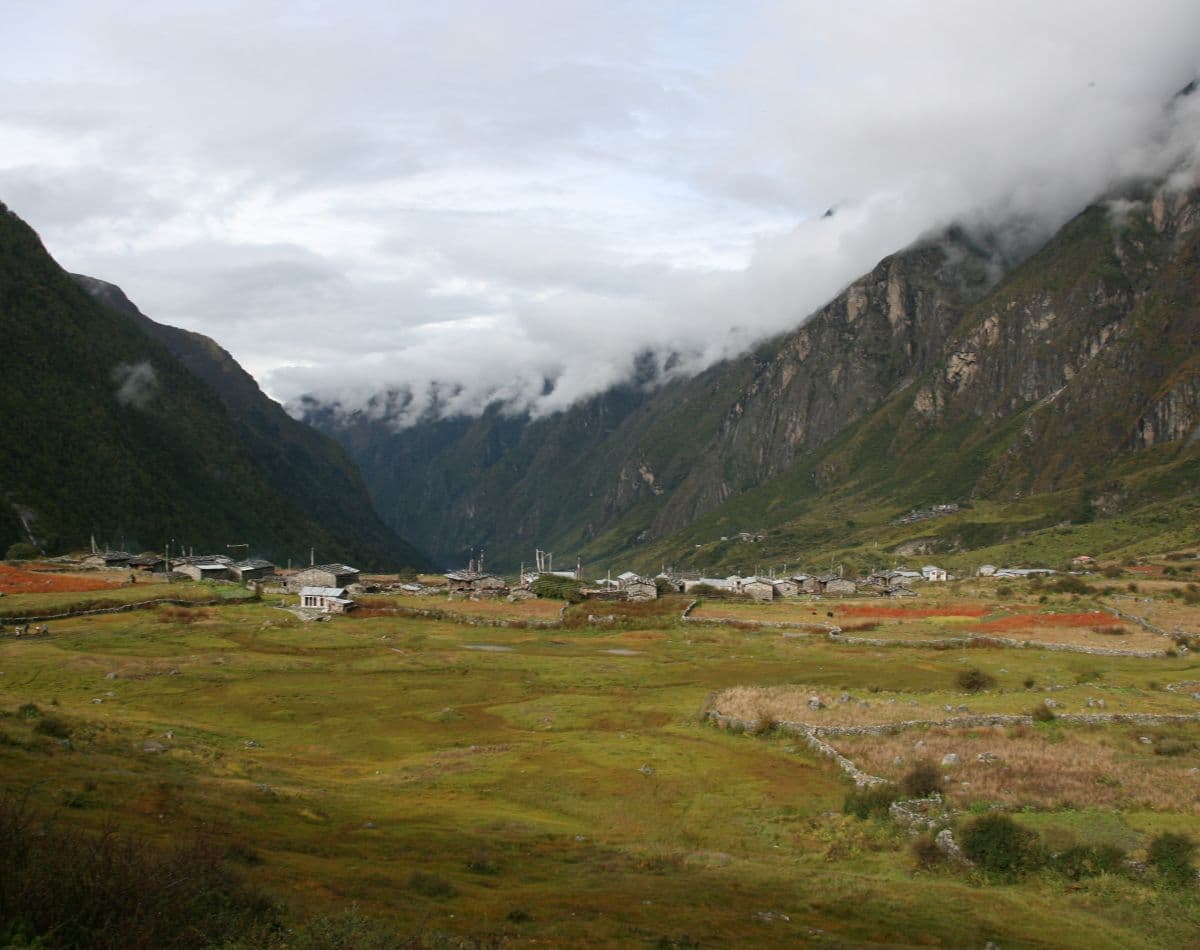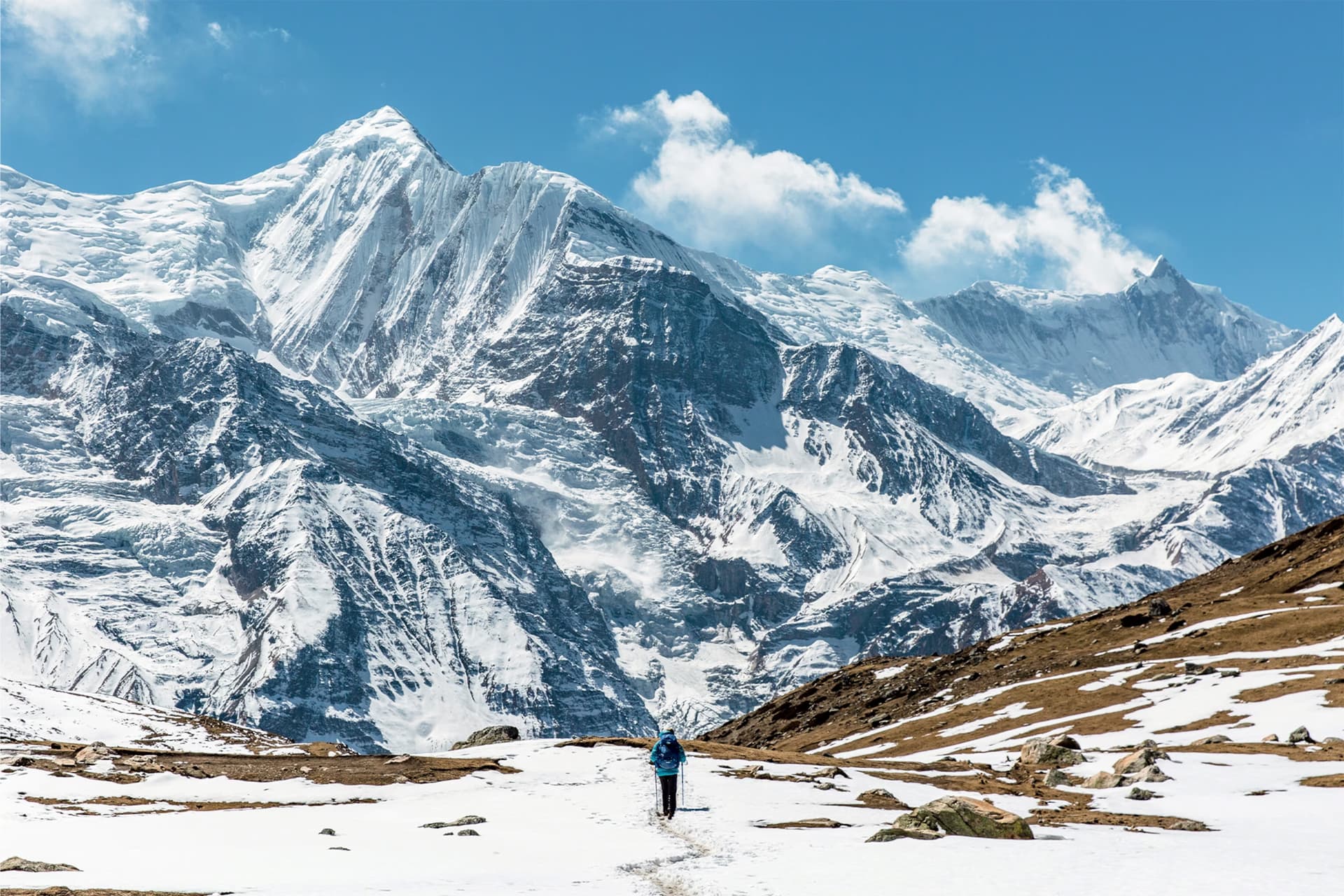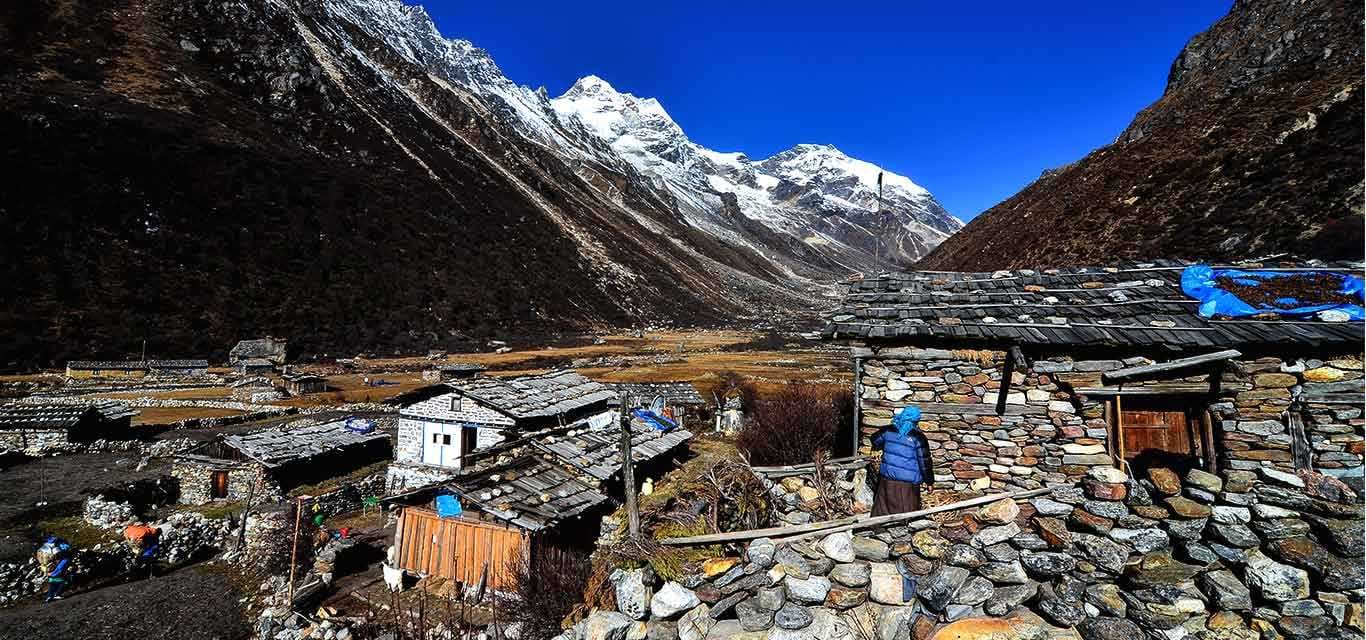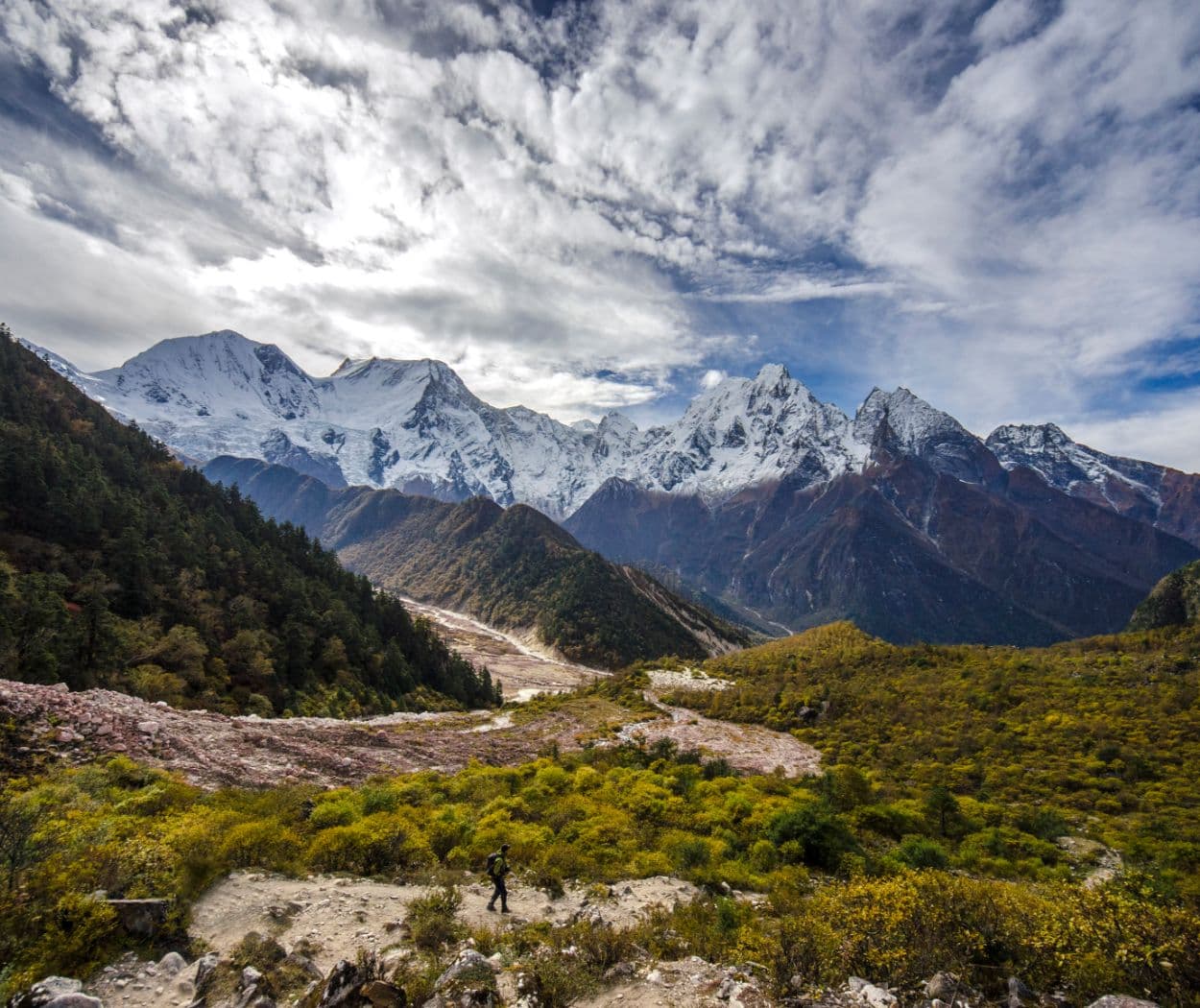
Manaslu Circuit Trek is a very beautiful and difficult route in Nepal. It puts forth amazing mountain views and a rich culture. Safety, which although has its elements of risk, is very doable for the prepared traveler.
The trail is clearly marked out. And local communities are very friendly and supportive. But the trek goes through very remote areas, which have few medical facilities.
Weather changes rapidly, and altitude sickness is an issue. You need preparation, a good guide, and care in planning. The Manaslu Circuit can be a safe and amazing adventure.
Health and Altitude Sickness Precautions
Altitude sickness is a major health issue on the Manaslu Circuit Trek. You will go to great heights which often exceed 4,000 meters (13,123 feet). At which point the air grows thin, and oxygen levels fall.

When you have low oxygen, your body may feel sick, which is called Acute Mountain Sickness (AMS).
At which locations does altitude sickness tend to appear?
On the Manaslu Circuit, altitude is an issue for trekkers. It is more so after we go over high passes like Larkya La Pass (5,160 meters, 16,929 feet).
Even before that, symptoms may present themselves as you climb from lower villages. From like Dharapani (1,860 meters) to Namrung (2,630 meters) and Samagaon (3,530 meters). At high altitude, the risk increases when you do not give your body time to adjust.
Common Symptoms of Altitude Sickness:
Headache
Nausea and vomiting
Dizziness and fatigue
Difficulty sleeping
Loss of appetite
Shortness of breath
If these symptoms persist, they may develop into a deadlier illness. High Altitude Pulmonary Edema (HAPE) or High Altitude Cerebral Edema (HACE). This is life-threatening and requires immediate descent and medical care.
How to avoid altitude sickness on the Manaslu Circuit?
Acclimatize properly: Take it slow to adjust. It may mean adding extra days at points of interest like Namrung and Samagaon. Don’t hurry the climb, which includes the day before and the day after you cross Larkya La Pass.
Stay hydrated: Drink lots of water to help your body adapt to the altitude. Also, avoid alcohol and smoking while on the trek.
Ascend slowly: Follow the "go up early, drop down at night" rule. It is to say that you set out for higher ground in the day and then return to a lower altitude for your night’s rest.
Listen to your body: If you are not feeling well, do not ignore symptoms. Rest, and if they worsen, think of descending.
Medication: Some trekkers use acetazolamide (Diamox), which is a medication for acclimatization. Also, always check with your doctor before taking any medication.
Health Risks Beyond Altitude Sickness
Manaslu Circuit is a remote area that does not have great medical facilities. Some minor issues like cuts or sprains may come up, which is why we recommend that you carry a basic first aid kit.

Also, food and water-borne stomach infections do present themselves. It is why it is best to eat at clean places and drink either boiled or purified water.
Weather Variations and Best Time to Trek
The weather during the Manaslu Circuit Trek quickly changes. So for this reason, one must prepare themselves for weather changes.
The best time for the Manaslu Circuit Trek is in autumn (Sept to Nov) and spring (March to May). During this period, the weather is mainly fine, dry, and stable. You get great mountain views, comfortable temperatures, and it is also safer to trek.
Autumn (September to November):
Autumn is the peak time for trekking. Post monsoon rain, which has passed through, brings in fresh and clean air. Skies are blue and free of clouds, and temperatures are mild by day. Nights are cold, which may require better gear.
Spring (March to May):
In the spring, as the weather warms up, rhododendron forests come into flower. Also, the trails are less crowded than in the fall. But some higher areas still see cool weather, and we get unexpected rain showers.
Monsoon Season (June to August):
During the monsoon season, heavy rain causes landslides, slippery paths, and river flooding. It makes trekking dangerous and, at times, stops access. Mudslides and falling rocks are very common. For safety, it is best to avoid trekking now.
Winter (December to February):
Winter sees very low temperatures, which drop even lower at high altitudes. Snow and ice may completely cover mountain passes like Larkya La.

In turn, this makes them very dangerous to cross without the right gear and experience. One can be at risk of getting hypothermia and frostbite.
Sudden Weather Changes:
In the mountains weather is always changing. A clear morning can turn into an afternoon of rain or snow. At high altitude, storms are dangerous; they do cause accidents and delays. It is important to pack warm and waterproof clothing.
Cold Nights and Temperature Drops:
Even in summer at high altitude, it is very cold. For protection from the cold, trekkers need quality sleeping bags and warm clothes. If they don't it will run the risk of hypothermia.
Tips to Stay Safe Regarding Weather:
Always check the weather report before and during the trek.
Bring layers that you can add or remove as the temperature changes.
Be prepared to put a hold on your hike at the drop of a weather forecast.
Wear proper trekking boots to prevent slipping on wet or icy trails.
Drink hot fluids and eat well to keep your body strong against the cold.
Trekking Permits and Regulations for Safety
Trekking permits are required for the Manaslu Circuit Trek. It also serves to ensure the safety of all participants.
The primary permits that are required are for Manaslu. It is a Restricted Area Permit, and the Annapurna Conservation Area Permit (ACAP). These permits are issued by the government of Nepal to control visitor numbers. They protect the environment and preserve local culture.

In a restricted area, which means that we have set out certain rules for trekkers’ conduct. Some like to only go with a pre-registered guide or trekking company. These fees go toward trail maintenance. It is used for rescue efforts and the development of basic health posts and lodges.
Following rules and getting the right permits is a legal need. It also protects you as a traveler and supports local Manaslu communities.
Quality of lodging and food along the way
On the Manaslu Circuit Trek range of accommodation. It includes basic teahouses to more comfortable lodges. In lower villages like Dharapani and Jagat, the options are very basic but of clean quality. You will get warm beds and shared bathrooms.

As you go up high, in particular near Samagaon and Samdo areas, which have basic lodgings. At night time heating may be an issue. In turn, it can drop the temperature. It is very important to have a good quality sleeping bag for warmth.
Food choices are mainly Nepali and Tibetan dishes. They have dal bhat, which is rice, lentils, and vegetables, and is very common at restaurants. It is a healthy option that also keeps your energy up.
In remote areas, fresh produce may be hard to come by, which in turn sees dried and canned foods take the lead. The taste and variety of the diet may change, but these foods do fill the gap. Drinking water is out, but for that which has to be boiled or purified. Stay away from tap water to avoid stomach issues.
Medical Care and Emergency Support
The Manaslu Circuit Trek goes through very remote and tough areas. It has little access to health care. Along the trail, we find some small health posts and basic clinics. However, only in the larger villages of Dharapani, Namrung, and Samagaon.

These clinics will care for minor issues. Mostly, for breaks in the skin, sprained muscles, or typical illnesses. Get treatment for the common cold or stomach flu. But for life-threatening conditions or altitude issues, they are not ideal.
For altitude-related illnesses, early identification and treatment are key. What to do if symptoms of Acute Mountain Sickness (AMS) or issues like HAPE or HACE present themselves. Immediate descent to a lower altitude is required.
Unfortunately, no specialized medical care for these conditions on the trail is ready. Emergency evacuation is the best way to get a sick trekker to medical care in Kathmandu or Pokhara. The best available is helicopter evacuation.
The service can also be very expensive. Moreover, at times delayed due to inclement weather or high volume of use. It happens often during peak trekking seasons. It’s a must to have travel insurance that includes emergency evacuation before you hit the trail.
Why hire a guide in the Manaslu Circuit?
Trekking companies that operate in the Manaslu Circuit usually have well-trained guides. They are trained in basic first aid and emergency care.
Hiring an experienced guide increases safety. They can identify the early signs of illness. They can give immediate care and organize evacuation if required.
It is advised that you pack a personal first aid kit. It should include remedies for things like headaches and altitude sickness. It may be treated with Diamox, stomach issues, and bandages. Also, you should bring enough water purification tablets or filters to prevent waterborne diseases.
Importance of Experienced Guides and Porters
Having expert guides and porters in their field is key to safety. By doing so, you get the enjoyment of the Manaslu Circuit Trek. The trail goes through very remote areas, presents tough terrain, and variable weather. Guides know the route inside out. They can help you navigate tough paths that may be unclear or very steep.
Guides play an important role in your health care while on the trek. They identify the early signs of altitude sickness or fatigue in you and will get you to rest or descend if needed. They are well-versed in first aid and emergency procedures. It may mean the difference between life and death in a crisis.

Porters carry your heaviest bags, making the trip easier for you. Thus, you are able to walk more easily and pay attention to the trek. It is at hand, which in turn reduces your fatigue and chance of injury.
The experienced porters will take you through rough terrain safely. At the same time, they will give you valuable information on culture, food, and tradition.
Manaslu Circuit access is restricted. You will need to trek with a professional guide. Guides are trained and certified to high standards, which we know to be true.
Trekking Difficulty and Physical Preparation
Manaslu Circuit Trek is a difficult one. It has long days of travel, steep ascents, and high altitude.
The route includes rough and uneven terrain and fords of rivers. At times, very slippery or rocky sections. At high altitude, trekking requires great stamina, strength, and endurance.

If you are not in good physical shape, the trek may present a danger. Fatigue at this level of activity may decrease your alertness. In turn, it increases the chance of you having a slip, a fall, or an injury on rough terrain.
When your fitness is poor, your body may not handle the altitude as well as it should. This raises your risk of altitude sickness.
Physical preparation is key to a safe trek. You may train your body via regular walking, hiking, or cardio. This helps build up your endurance and strength. It also gets your muscles, lungs, and heart to perform better, as you will see during long days of trekking.
Being in good physical condition also improves your balance and also your coordination. It reduces the risk of accidents on rough or narrow terrain. You will be able to carry your pack better or do without a porter.
Proper preparation will have you enjoying the trek more. You go through when challenges do present themselves. You will recover better from tiredness each day and have the energy to handle the unexpected. For example, such as sudden weather changes or minor injuries.
Communication and Mobile Network Coverage
Communication for the Manaslu Circuit Trek may be limited. The area is remote and mountainous. In some larger villages, Dharapani, Namrung, and Samagaon, you find a mobile network.
In most of these villages, you will find coverage by operators like Ncell and Nepal Telecom. Also, the signal quality is at times poor and unreliable. It is seen at high altitudes and in narrow valleys.

Many tea houses have Wi-Fi, which may be at a slow and unreliable speed. Due to poor communication at times, we put out our trekking plans to someone before we leave. We find that having a satellite phone or a personal locator beacon (PLB) is very useful for extra safety.
Guides and trekking agencies also use walkie-talkies and satellite phones. They have at their disposal, to stay in touch with emergency services. This is for coordinating rescues or medical evacuations when required.
Safety Precautions for the Wild and Natural Disasters
Manaslu Circuit Trek passes through lovely forests, rivers, and into remote mountains. They are home to many species of wildlife and natural hazards.
Run-ins with dangerous animals are a rare thing. It is better to keep awareness and preparedness at all times.
Wildlife:
The area is home to a variety of wildlife. They include wild boar, monkeys, musk deer, and, at times, we see Himalayan bears and snow leopards.
As a rule, these animals stay out of humans’ way. But we must play it safe and keep our distance from the wild. Also, don’t try to feed them, which may cause them to become aggressive or too used to human interaction.
In villages and along trekking routes, monkeys at times get mischievous. They try to take food or possessions. Keep your things secure and do not carry food in the open.
Natural Hazards:
The Manaslu Circuit crosses areas that are at risk for landslides. To be particular, it's during the rainy season. You’ll find loose rocks, slippery tracks, and narrow paths, which in turn may cause falls and injuries. At all times be alert, also after rain or in fog.
River passage is a common element of this trek. In the monsoon season or heavy rain, rivers tend to rise and may be very dangerous. You should only cross at known safe points and avoid fast-flowing water.
The weather also brings about cold winds, snow, and sudden storms. To be caught off guard in bad weather is to risk hypothermia or getting lost. Put on warm clothes, rain gear, and before you head out each day, check the weather forecast.
Safety Tips:
Explore with a guide who is familiar with the area and will take you away from danger.
Keep your distance from all wild animals and do not disrupt their habitat.
Store food properly to avoid attracting animals to your accommodation.
Wear sturdy trekking shoes that have a good grip to prevent slips.
Use trekking tools for stability on tough and slippery trails.
Steer clear of trekking during rainstorms.
Follow local recommendations for safe river crossings and trail conditions.
By being aware and respectful to nature, enjoy the incredible wildlife and landscapes.
How to Prepare for Unexpected Situations
Trekking in the Manaslu region is a chance to experience the unexpected. The remote and tough environment presents health issues, sudden weather changes, or delays.
Plan in advance
Before beginning, do your research on the route, weather, and local conditions. Have in mind the emergency contacts, nearest medical facilities, and helicopter evacuation points. Tell your family or friends your plans.
Pack Smart:
Pack out what you need. Include warm clothing, rain jackets, sturdy boots, and an excellent sleeping bag. Also, bring a basic first aid kit and water purification tablets. Pack medicine for headaches or stomach issues.
Stay Flexible:
At times, you’ll have to slow down, rest, or change plans because of poor health or weather. Pay attention to what your body is telling you and your guide’s advice. Don’t push yourself too hard.
Keep Communication Open:
Use your phone when you can. Also, think about renting a satellite phone or personal locator beacon for emergencies. Keep your trekking company apprised of your progress.
Travel with a Guide:
A skilled guide is better at handling the unexpected. It can range from navigation issues to health emergencies or rescue.
Insurance is Key:
For your travel insurance, it needs to cover the unexpected. If you go trekking at high altitudes, make sure it also includes emergency evacuation. Also, print out the policy details.
Emergency Savings:
Bring some extra cash for unexpected expenses. Hold a side budget for extra overnight stay or a helicopter rescue, as these can be costly.
Keep it together and positive:
In tough situations, you should stay calm. It helps you think more clearly and make better decisions. Trust your guide and team.
Local Community Support and Culture
The Manaslu Circuit Trek is more than the natural scenery of the mountains. We also have the warm and welcoming local communities that you will experience.
Locals are the backbone of our trekking support system. Many run teahouses, lodges, and small shops which provide rest, food, and a place to stock up on supplies. They are very hospitable, which makes the trip a more pleasant experience.

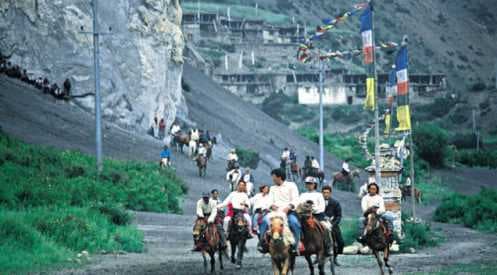
By using their services, you are supporting the economy of very remote villages. A large part relies on trekking tourism. Cultural elements along the trek include visiting ancient Buddhist monasteries. Or seeing prayer flags that wave on hilltops. Likewise, take part in colorful festivals, should you have the opportunity.
It is also important that you respect local customs, dress, and traditions. You gain the best experience as you keep a respectful attitude. Always ask permission before you take photos of people or their homes.
Local communities are also a part of conservation efforts. They include the protection of the Manaslu region’s environment and wildlife. They work with trekking companies and the government, promoting responsible tourism. In return, this benefits nature and people.
Interacting with the natives gives you in-depth insight into their lifestyle. This adds a very personal touch to your trek. They share their stories and kindness. And often become the most memorable aspects of the journey.
Responsible and Eco-Friendly Trekking Practices
Manaslu Circuit helps us preserve its natural beauty and support local communities. By all means, follow the “Leave No Trace” philosophy. It is to pack out what you pack in and not leave any litter along the trails.
Use reusable water bottles. For purification, go that route instead of purchasing single-use plastic bottles. It reduces plastic waste, which is a very large issue in mountain areas.

Respect wildlife also by maintaining a safe distance and not feeding them. Stay on marked paths. They will protect delicate plants and also prevent soil erosion.
Support the local economy through your stay at family-run inns. Or you can dine on the local cuisine. This puts money back into the community, which in turn preserves our cultures.
By practicing responsible travel in the Manaslu region, you help to preserve it. So the future generations may enjoy it as much as you do.
Final Thoughts: Is it safe for you to do the Manaslu Circuit Trek?
Manaslu Circuit Trek is a great adventure, but as with any high-altitude trek, there are risks. Have proper preparation, a good guide, and pay attention to your body’s limits. Following this, it can be safe and rewarding.
Watch out for signs of altitude sickness, weather changes, and trail difficulty. Also, see to it that you have the right permits and that you are aware of local regulations.

If you are in good physical shape, have the mental game, and are at the point of taking it easy. The Manaslu Circuit is also one of the most beautiful and rewarding treks in Nepal.
Always keep safety in mind. Pay attention to your guide and be flexible with your plans. Enjoy the journey through this amazing part of the Himalayas.
Is it safe for solo trekkers to do the Manaslu Circuit?
Manaslu Circuit is in a restricted area. It means that trekkers must follow special rules set by the Nepal government. It is a rule that you do not go solo without a registered guide or agency. This is for your safety and also to protect the local environment and culture.
Trekking on the trail with an experienced guide is a must. They know the route inside out. They are of great help in an emergency. They also make the journey safer. That's especially true for those who are remote and challenging.
While you can go solo in some parts of Nepal, on the Manaslu Circuit, that is not the case. It is safer, and by law, you must trek with a guide. This also helps to reduce risk and see to it that you have support throughout your trek.
FAQs
1. Do you need special insurance for the Manaslu Circuit Trek?
Yes, we recommend you get travel insurance. One that includes high altitude trekking and emergency helicopter evacuation.
2. Is the infrastructure for rest and accommodation along the Manaslu Circuit sufficient?
Yes, the route has several teahouses and lodges for trekkers to break at, eat, and sleep. At higher altitudes, though, facilities become few.
3. Do I have access to credit cards or ATMs on the trek?
No, they do not have ATMs or card services on the Manaslu Circuit, which is why you should sort out your cash in advance.
4. Is crime a risk on the Manaslu Circuit Trek?
Manaslu is a very safe and peaceful area, which also has very friendly local people. There are reports of theft, but do secure your belongings.
5. What is the difficulty level compared to other treks like Annapurna or Everest?
The Manaslu Circuit is considered more challenging. It is due to its longer distance, remote location, and high passes. So, it is best suited for experienced trekkers.
6. Are there any cultural or environmental rules I should follow on the Manaslu Circuit?
Yes, respect local customs. Try to avoid disturbing religious sites. And always follow eco-friendly trekking practices to protect the area.