Nepal is a land of high mountains, rich cultures, and stunning scenery. Making it the dream place for any trekker across the world. But it is often confusing and daunting to decide on the trek to take due to the immense range of trek choices. Their level of difficulty and the experiences that it promises.
Be it your first time trekking, or wanting easy hikes. Being an experienced trekker wanting to cover higher altitudes. It's a choice that best fits your needs. Your trip is safe and can lead to a good walk with the right blend in the direction you want to achieve.
This guide will enable you to organize your trekking options in Nepal. All based on major considerations. Things like your fitness condition, experience, required season, and your interests. Knowing these factors, you can choose a trek that meets your dream trek. Here's how to immerse yourself in a culture, natural landscape, or activity.
Understanding Your Trekking Goals
How to choose the trek to undertake in Nepal? It's to understand your own motives and what you want out of it. The range of trekking routes available in Nepal is simply amazing. You can go from back-breaking high mountain adventures to relaxing cultural pathways. Through the terraces and villages.

Find a suitable journey to tackle. It is advisable to define your trekking goal. It narrows the possibilities. This makes sure that the journey you choose meets your interests. Get a travel to your expectations and adventure degree.
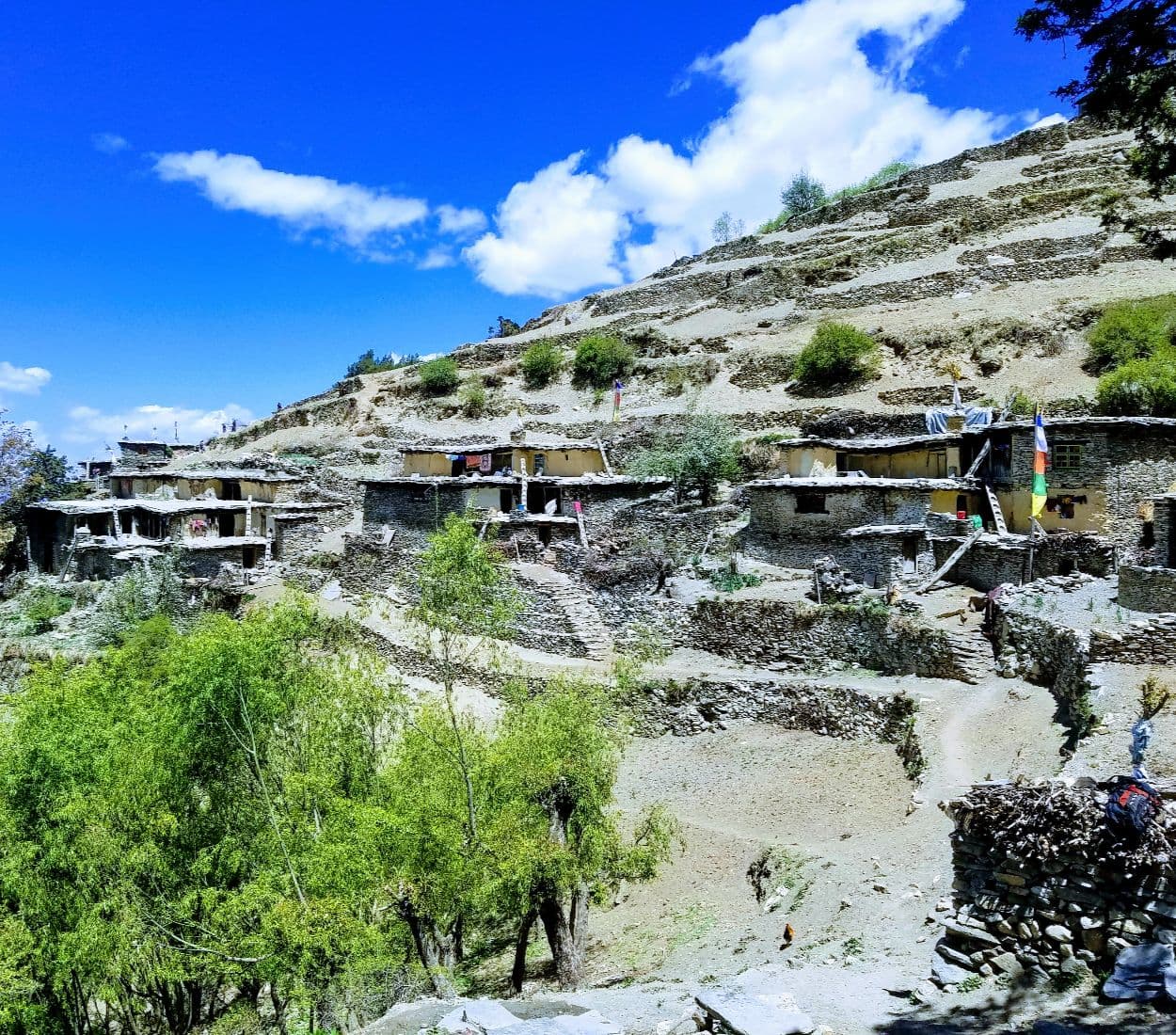
In case cultural immersion is at the top of your list of priorities. You will want to travel to areas where people preserve the traditional way of living. The treks to the Annapurna region, Langtang, or Upper Mustang allow you to visit villages. These places are influenced by Gurung, Tamang, and Tibetan people. Festivals, dress, customs, and architecture are original.
Stay in local teahouses or visit monasteries. Go communicate with locals. Your experience is much better than the physical trail. It becomes an experience of significant connectivity and cultural learning.
Individuals can explore the spiritual or religious terrains in great detail. They can be satisfied with hikes that include pilgrimage places or contemplative settings. The Gosainkunda Lake Trek will bring you to the holy or sacred lakes. Both Hindus and Buddhists worship the lake.
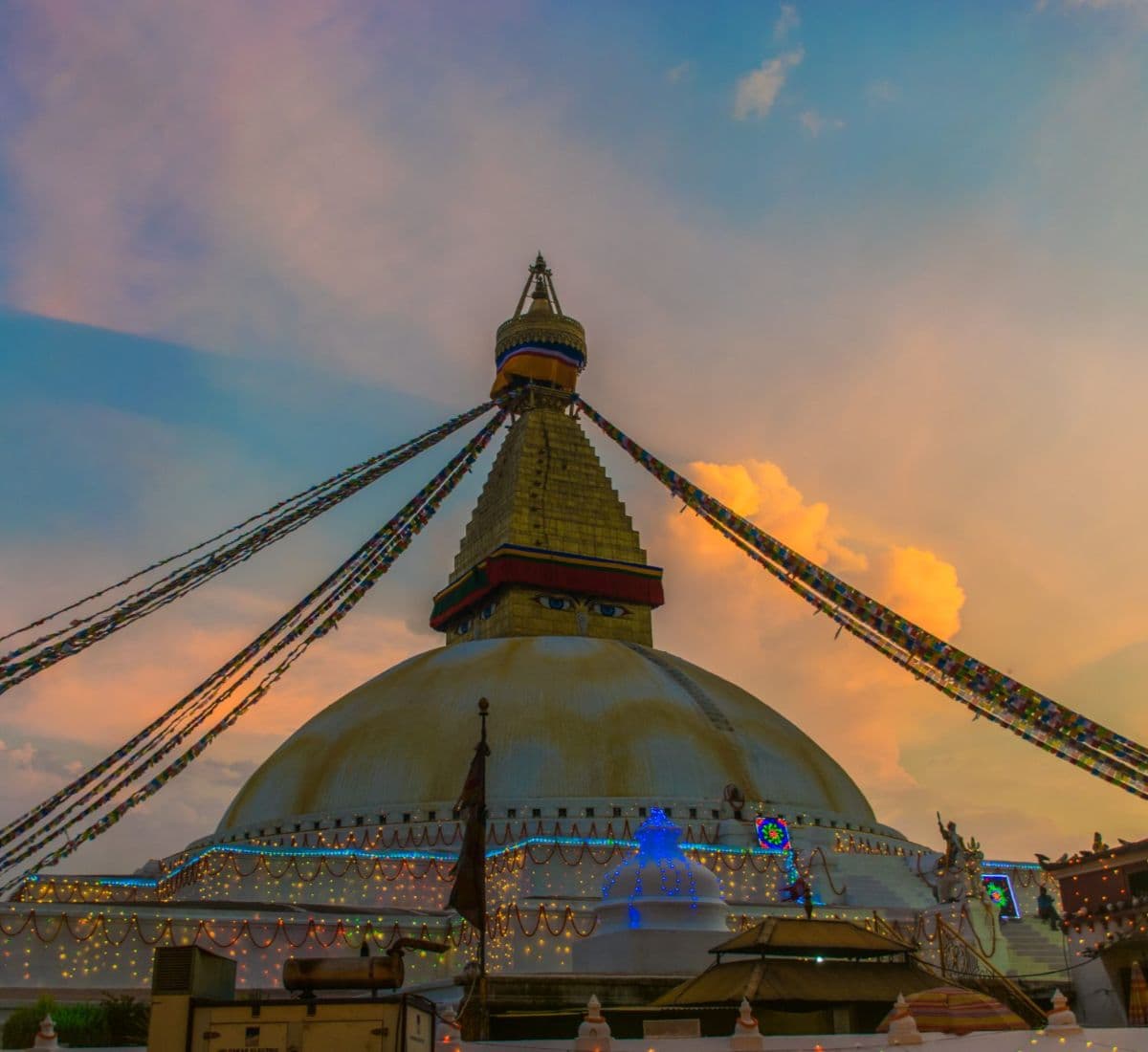
The Muktinath Darshan trek will bring you to one of the most important pilgrimage sites. These paths provide a spectacular landscape. Moreover, it also provides a profound inner and meditative aspect. Find the edges in prayer flags, mani stone, and spiritual verses blown through the air.
Isolated Treks
If you have the urge to explore distant wilderness, then Nepal can offer quaint hiking paths. And yes, it will please your urge to explore and feel isolated.
Dolpo,
Kanchenjunga,
Makalu base-camp Treks
Without Mass tourism, such locations providing the purest of the Himalayas are unspoiled. Longer expeditions involve more planning and usually camping. They will pay off with isolation, wildlife, immersion in nature, silence, and majesty.
Long and Adrenaline Treks
Some paths take you to your limit and create adrenaline. They offer physical challenges, especially in high-altitude trekking, which attracts adventure-seekers.
Everest Three Passes Trek,
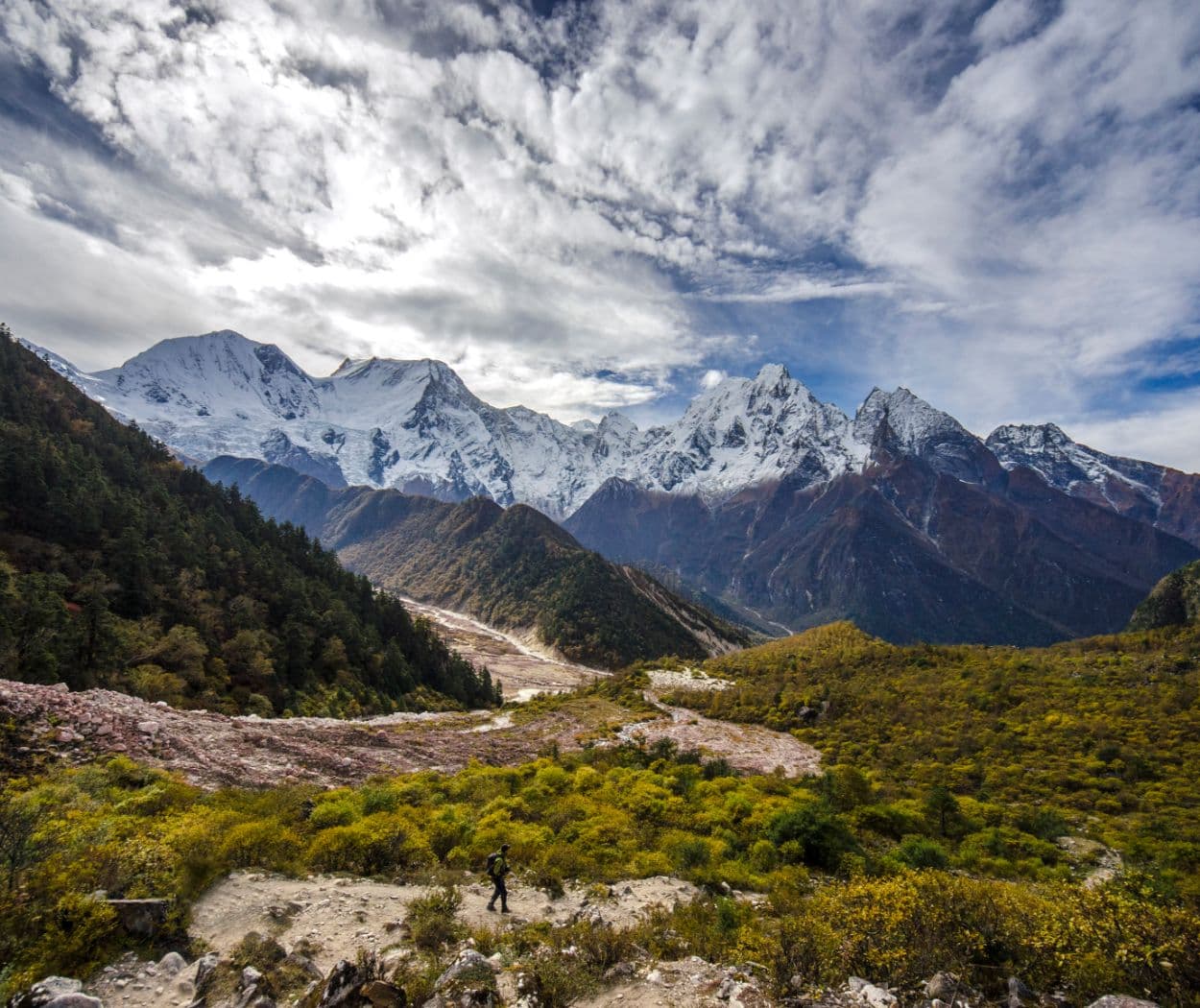
Manaslu Circuit,
Tilicho Lake approach via Annapurna Circuit
They include tough climbs and technical high passes. They are above 5,000 m and challenging for day-to-day walking. Such treks are better suited to physically fit people. Get a panorama at the summit, but the empowering experience of reaching it is one step at a time.
Shorter Treks
New travelers to trekking, those traveling with family members. Those who just prefer shorter, easier hiking are very well rewarded in options, too. Shorter Treks such as:
Ghorepani Poon Hill,
Australian Camp,
Namche Bazar Excursion
They provide a beautiful landscape, moderate altitude, and well-marked trails. They can be the perfect choices to gain confidence. Get panoramic views and relax without the accompanying stress of being up high. And, nonetheless, enjoy the Nepali hospitality and village life.
In other circumstances, your trek choice can be a combination of many motivations. Perhaps a combination of scenery, culture, and moderate challenge. Everest Base Camp, Annapurna Base Camp, or the Langtang Gosaikunda combine such aspects.
These traditional paths provide you with a picturesque wilderness. The view of local cultures and personal satisfaction is why they are good options. They are picked by both experienced and novice hikers.
Aim for what you want!
After all, setting your trekking aim gives you the direction for all other choices. Such as what route to take and how to prepare with regard to fitness, packing, and what to expect. It serves the purpose of making your trip not merely a process of goal achievement.

But rather the process of actualizing a personal desire. Be it reuniting with nature or stretching your physical ability to the fullest. Go exploring cultural richness, or inner tranquility in the mountains. And with a purpose, the Himalayas do not serve as a mere geographical location. They become a reflection of self-development and purposeful discovery.
Trekking Experience and Fitness Level
Your experience and fitness level are important to select the suitable trek in Nepal. The Himalayan trails all have different profiles. They have different difficulties, altitudes, and lengths.

Trying to measure yourself against the trek will prove safer and more gratifying to you as well. Failure to observe this may make you exhausted. Prone to altitude sickness, which may cause you to feel miserable instead of a sense of adventure.
As a first-time trekker, you should begin with shorter and less intense treks. This will help increase your stamina and acclimatization. It also helps you gain confidence before taking the bigger treks.
Ghorepani Poon Hill
Australian Base Camp
Langtang Valley
They have well-trodden paths, altitude variations, and daily hiking times that are managed. With these treks, you can enjoy the beauty of the Himalayas without stressing your body. Nor will you be facing a risk of altitude sickness. The treks are comfortable and well supported in all aspects.
Intermediate-level trails are perfect for those who are experienced in trekking. They have average fitness and offer a good adventure without taking it to the extreme. Try treks like Annapurna Base Camp, Everest Base Camp, or Manaslu Circuit.
They tend to be of greater distance and at a higher altitude, usually over 4,000 meters. They are very doable to those who have trained sufficiently. At such an altitude, it is necessary to be aware of the acclimatization plans. So, stay hydrated and follow the indications of the body to avoid altitude problems.
Highly fit and experienced trekkers may undertake high-altitude treks. They require endurance, mental ability, and technical skills. Such treks are the Everest Three High Passes, Kanchenjunga Base Camp, or the upper Mustang. They are not only demanding physically but can also be mentally challenging.

It includes traversing challenging terrain and steep passes higher than 5,000 m. Also, climbers face erratic weather. Such expeditions need extensive planning and previous high-altitude trekking experience. In some cases, technical climbing. They are to be undertaken safely and successfully in harsh environments.
Health and Fitness
Another key requirement is to consider the health status and pre-existing medical conditions. Even medium treks may turn hard in case you suffer from heart or respiratory conditions. Having a physical check-up.

Consulting a healthcare professional about trekking can help you discover possible dangers. Talk about safety measures you should take. (such as dealing with altitude with medication or through specific fitness training).
All trekkers are strongly encouraged to be physically prepared before beginning the trek. They do at least five hours of cardio, strength training, and hiking practice. The more fit you are, the more stamina you will get on long days out on the trail. You also need mental preparation. You have to remain positive, patient, and flexible, which is equally crucial to the success of the trek.
Your experiences and fitness level assist you in selecting the route. It enables you to appreciate the spectacular Himalaya scenery and is more rewarding. You can have a safe and memorable trek without unnecessary stress and dangers. Preparing your body for the physical rigors of the trek offers a successful Himalayan experience. It is also a moving, life-altering experience.
Easy Treks in Nepal
Shorter day-to-day distances are one of the key characteristics of easy treks. They have a small altitude gain and a mainly flat terrain with proper trails. Such treks never go above 3,000 meters. It is a good match for families with kids. Moreover, beginner trekkers or people with little trekking experience can take them up. The danger of altitude sickness is very minimal.

All the routes have easy accommodation. They have a steady and slow ascent through the beautiful nature. Trekking is less dynamic on easy treks. You get plenty of pauses and acclimatizing, and have ample time. The well-established tea houses and villages are available along the way.
Nepal offers a wonderful mid-hill culture. It houses a dense rhododendron forest and an amazing mountainous view. You will see it all in combination with moderate physical requirements. This altitude is ideal for people wanting the Himalayas experience with moderate effort. They also have good comfort.
Intermediate Treks in Nepal
Intermediate trekkings need more fitness and previous experience. It is further and higher, between 3,000 and 4,500 meters. These treks bring into play steep ascents. You can expect rugged terrain and, at times, crossing one or two moderate mountain passes.

There are also popular moderate treks. They combine cultural experience and magnificent alpine landscapes. At this altitude, trekkers need to know the Signs of altitude sickness. Likewise, they need good acclimatization measures.
The routes are usually less well-equipped than the easy routes. You can expect basic lodges or teahouses. They offer limited hot water or electricity at higher elevations. Medium hikes become desirable to an individual wanting physical and cultural experiences. But it is relatively safe to well trained trekkers.
Difficult Treks done in Nepal
Difficult trips require an experienced and well-trained person. A climber who can spend long days. They need to have considerable amounts of time at high altitudes. Also, experience with harsh weather conditions helps.
They usually surpass 4,500 meters in altitude. It frequently crosses one or more high passes. Climbers are in wild or underdeveloped areas with minimal development. It requires physical stamina, mental strength, and professional guidance.

These kinds of treks need high standards of cardiovascular fitness. It needs an effective acclimatization policy, and carrying or distributing heavy loads. These routes are highly remote. Medical facilities are few.
In most cases, evacuation due to emergencies is problematic and expensive. Tough expeditions yield great benefits to those who are ready. You gain stunning scenery, valuable culture, and a real feeling of accomplishment.
The proper selection of the difficulty level protects your health. Likewise, it allows enjoying the Himalayas to the fullest without excessive tension. Training before your trek, familiarity with personal physical capabilities, and consideration for acclimatization. These are necessary steps, no matter which route you choose. You will experience memorable mountain experiences in Nepal.
Top Treks Duration
Not all travellers spend equal time visiting Nepal. Choosing the right trek that can adjust to your travel window of travel is quite important. So you do not feel rushed in your travel.

You might have some days or weeks to spend here. There are a lot of treks you can choose from depending on your visiting time. Every trek has its own importance, its own scenery, and its own challenging level. The following is a list of the greatest treks under different categories of time:
3-5 Days: Perfect for short trips and first-time treks
Ghorepani Poon Hill Trek- This is not a long trek. However, it is rewarding with a panoramic view. Also, it is best for the sunrise view of the Annapurna and Dhaulagiri range.
Dhampus & Australian Camp Trek - It is a short and picturesque trek around Pokhara. It holds many terraced hills, local culture, and beautiful up-close mountain views.
Nagarkot to Dhulikhel Hike – A low-altitude cultural hike near Kathmandu. This hike offers the views of the distant Himalayan peaks and Newari villages.
6-10 Days: Suitable for moderate treks with diverse landscapes
Langtang Valley Trek: This is one of the most lovely mid-range treks in the forest. You travel through Tamang settlements and alpine meadows. It would be good for cultural and visual immersion.
Mardi Himal Trek: A less-trafficked route with thrilling ridge treks. Equally adjacent encounters of Machapuchare/Fishes Tail and the Annapurna range.
Everest Panorama Trek: It's a trek in the Everest Region to a distance of Tengboche Memorial. It is ideal to explore Sherpa culture and the views of Everest without having to go to base camp.
Khopra Danda Trek: A calm alternative to Poon Hill. It has fewer mountain people. Nevertheless, it looks equally spectacular at Annapurna South and Nilgiri.
11+ Days: Ideal for adventurous and high altitude activities
Everest Base Camp Trek: The classic trek of Nepal. It takes around 12-14 days, provides exciting high-altitude sceneries, and Sherpa cultures.
Annapurna Circuit Trek: A classic circuit trek that is completed over 14-18 days. It circles the Annapurna massif. It includes a variety of terrain, culture, and its highlight is the Thorong La Pass (5,416 m).
Manaslu Circuit Trek: A strenuous 14-16-day circuit trek tracking through remote settlements. You walk through suspension bridges and over the high Larkya La pass.
Kanchenjunga Base Camp Trek: A long-distance, 20+ days trek. It is ideal for the die-hard seasoned trekker. Be in the wilderness and seek the beauty of the raw Himalayas.
Upper Dolpo Trek: The 20-25-day trek through remote highlands. You go through holy lakes and centuries of Hindu and Bon Buddhist ancient culture.
Regardless of the time you can take, Nepal has a trek that suits your time frame. And all without having to settle for the adventure. Whether you need to make a swift getaway to the hills. Or a week-long camping trip to the farthest ends of the Himalayas. The various landscapes and cultures of Nepal will make each trail day memorable.
When to Go: Best Seasons for Trekking
When deciding on the time to go trekking in Nepal, need to get the right season. It will help in determining the experience. Will it be a safe, pleasant, and visually rewarding experience? The weather in Nepal is wildly uneven throughout the year. When you trek is going to determine what the weather is doing. Learn the accessible trails, the availability, and the crowd size.

Each trekking season offers a set of benefits and limitations. You will be able to plan your adventure without fear. Spring and autumn are the most famous periods. It offers high-quality mountain hiking in Nepal and is the most recommended.
They offer clear skies, moderate temperatures, and spectacular mountain views. Spring is characterized by adorned rhododendron forests in full bloom along the tracks. It brings spectacular color and life to the scenery. Autumn is chilly after the monsoon. The air is clear and crisp, and photography and views of the panoramic Himalayas are best now.
Spring
In spring (from March to May), trekkers cherish seeing the flowering beauty of Nepal. Closer to summer, temperatures are gradually warming. It is widely possible to hike comfortably. The mornings and evenings are still cold at higher altitudes.

The season is a favorite among all trekkers. Be it first-timers or experienced travelers, it is an excellent season to trek. You can trek popular areas such as the Annapurna Base Camp, Everest Base Camp, and the Langtang Valley.
The best time of the year to trek is the autumn because of its stable weather and air conditions. It lasts from the end of September to November. After the monsoon, the tracks are free of snow and mud, and the view of the mountains is matchless. The weather is not too hot for spring, but not so cold either, particularly when hiking during the day.
Autumn
Autumn is the most popular season for trekking. This is why the most popular paths might be overcrowded. Find the atmosphere of the holidays and cultural events in this season. The season is a special one for many travelers.

Although spring and autumn are best, other trekkers like to do it in the winter months. December to February is when they claim it is much quieter and more solitary.
Winter and Monsoon
Winter trekking is colder, especially up in high altitudes. And some trails are likely to be closed or covered in snow. This is, yet, possible and still a good time to trek to the lower altitude treks.
Places like the Ghorepani Poon Hill Trek, or the Chisapani Nagarkot trek. Adequate cold-weather clothing and experience of winter conditions are critical.

The least desirable period to trek is usually during the monsoons (June to August). It is rainy, the trails will be slippery, and there may be landslides and low visibility. Even so, the lush greenery, fewer crowds, and lower prices. It also attracts some risk-takers to the mountain trekking tours in this off-peak season.
The Upper Mustang and Dolpo regions are in a rain shadow. They can even be trekked in off-season months with proper schemes. To provide a better understanding of the appropriate trek according to the seasons. Here is a short table presenting the major routes and their possibility during the year:
Permit Requirements for Treks
The first thing you should know about any trek in Nepal is the permits necessary to travel. Various regions need different permits. They allow safeguarding the environment, culture, and safety of trekking regions.

The Nepalese government issues trekking permits. They are compulsory in some notable and sensitive areas. Obtaining the right permits will ensure that you are on the right side of the local laws. It also helps you to contribute to the efforts and lives of the locals.
TIMS (Trekkers Information Management System) Card:
Most popular trekking regions, including Everest, Annapurna, Langtang, and Manaslu, need it.
Assists the authorities in maintaining and controlling nature. It helps with the safety of trekkers in the environment.
Can be obtained in Kathmandu or Pokhara pre-trek. Individual and group-based trekkers will be charged differently.
ACAP: Annapurna Conservation Area Permit:
Required to trek in the Annapurna Conservation Area. It includes the Annapurna Circuit, Annapurna Base Camp, and Ghorepani Poon Hill.
Finances the conservation and community development projects in the area.
Sagarmatha National Park permit:
Needed in the Everest region, such as the Everest Base Camp and the Three Passes Trek.
Assists in conserving the special ecosystem and Sherpa culture in the park boundaries.
Manaslu restricted area permit:
Required on the Manaslu Circuit Trek and the nearby restricted zones.
All permits are issued under registered trekking agencies. By a group of at least two trekkers.
Upper Mustang Restricted Area Permit:
Upper Mustang can only be accessed by trekkers. Seeking special permits through government-authorized agencies.
The number of visitors is restricted by strict regulations. It is aimed at preserving fragile Tibetan culture and environment.
Dolpo Restricted Area Permit:
The Upper Dolpo region requires it. Trekking into this restricted area is only possible with registered agencies and guides.
This license helps to conserve this isolated, but culturally diverse region.
Kanchenjunga Conservation Area Permit:
Required to trek in the Kanchenjunga area of eastern Nepal.
They come through government offices. It tips on responsible tourism in this delicate ecosystem.
Trekking Styles: Tea House, Camping, and Luxury Treks
The different types of trekking in Nepal. Tea house, camping, and luxurious trekking. It will help the traveller know which type of experience he or she wants. This will depend on his or her preference, comfort, and economic abilities.

All the styles provide a certain treatment of accommodation, meals, and logistical support. The selected one can greatly affect the character of your journey. Depending on your scope of adventure, it can be an offbeat destination. Or it could be taking it easy and putting up under the warm weather of Nepal, the country has it all.
Tea House Trekking
The most widespread and available kind of tea house trekking is in Nepal. Particularly in routes such as Everest Base Camp, Annapurna Circuit, and Langtang Valley. Tea houses are the local family-operated or small business lodging facilities. They serve basic food, including dal bhat, noodles, and pancakes.
Facilities differ per region. But most tea houses offer a separate/shared room, a common dining space, and easy facilities. Most are hot showers, at least occasionally, at a fee. This makes it affordable, as well as culturally immersive.

This type of style will enable you to use a light day pack. While porters carry your hefty luggage, making the trek physically easier and enjoyable. Encounter locals and other trekkers. It is an opportunity of sharing stories over warm food.
Getting to learn about the daily life of the mountains firsthand is a benefit of tea house trekking. But you must also be flexible. The rooms are not luxurious, particularly above 3,000 m. You might have to adapt to simple toilets, no heat, and encounters with no electricity.
Camping Treks in Nepal
So, camping treks are often found only on remote tracks. Here, the tea houses' facilities are either very scarce or nonexistent. Most treks around Dolpo, Kanchenjunga, Makalu, and Upper Mustang require camping. At least while staying within the wilderness area.
In trekking style, there is a complete team with guides, porters, cooks, and even assistants. They become your entire support team, putting up tents and cooking. People feel comfortable in remote regions.
Camping treks are the most natural kind of experience. It offers maximum privacy and allows one to explore virgin land. They need a bigger budget and more preparation in advance. You will be sleeping in a tent, eating food cooked in the field. You count on your team for logistics and safety.
It is more physically challenging because of the unpredictable weather and terrain. The payoffs can be a tremendous feeling of adventure. Find exploration with less tourist traffic. Get to visit Nepal to the most untouched places.
Luxury Treks in Nepal
Luxury treks are an exclusive option. Travel without compromising the trekking experience for those who seek comfort. We offer these treks in areas such as Everest, Annapurna, and Helambu. Here, luxurious lodges or smaller resorts have been created.

Rooms are well equipped with comfortable beds. They have electric blankets, attached bathrooms with hot showers, and more. Experience fine dining facilities as well as Wi-Fi and heating. Some even offer spas available in certain places.
Nepal's luxury trekking is the best for the traveler who does not want to compromise on comfort, service, and hygiene. Travellers are professionally guided and accompanied by personal services. They include exclusive transport, fine food, and improved sleeping conditions. These treks are of a high standard and conducted by experienced professionals.
Although the price is much higher than other types, the high quality of the services and comfort is worth it. It's best for honeymooners, elderly people, or other people observing a certain milestone.
Every style of trekking, whether tea house, camping, or luxurious, has its rhythm and reward. It is influenced by topography, infrastructure, and personal expectations of the trekker.
Tea house treks are comparatively cheap and are closer to the local people. Camping trek offers a hardcore adventure. And most time away from human contact. Luxury treks are more focused on comfort without compromising on the beauty.
Selecting an appropriate style will assist you in matching your physical requirements. It aligns with your philosophy of travel.
Popular Trekking Regions and What Makes Them Unique
Trekking in Nepal is available in various regions. Each offers a unique cluster of natural, cultural, and adventure activities. Are you searching for snow-capped mountains, wilderness paths, and historic towns?

Knowing the specific features of every region will assist you in selecting activities. The following describes the most popular trekking areas in Nepal. Read in details of the differences between them.
Everest Region (Khumbu)
The Everest region is the most renowned trekking destination of Nepal. It has the tallest peak in the world-Mount Sherpa (8,848.86 m). The treks in this region are :
The Everest Base Camp Trek
Three High Pass Treks
They have jaw-dropping alpine mountains. You can find a developed tea-house structure. You can understand the cultural aspect of the Sherpa community. You will face ancient monasteries and flowing prayer flags. Listen and share moving tales of mountaineering as you trek through high altitudes. The place challenges your resilience and spirit.
Annapurna Region
Annapurna Region, Nepal, is one of the most versatile non-obstructed trekking regions. It contains a range of short and long treks.
The Annapurna Base Camp
Annapurna Circuit
Ghorepani Poon Hill Trek
These trails offer diverse landscapes. You travel through thick forests, terraces, high altitude passes, and tribal settlements. It has one of the finest infrastructures in the country. It can accommodate both beginning trekkers and well-weathered trekkers.
The variety of landscapes it offers to the visitor is unparalleled. You move from the subtropical valleys to the dry arid plateau of the Mustang.
Langtang Region
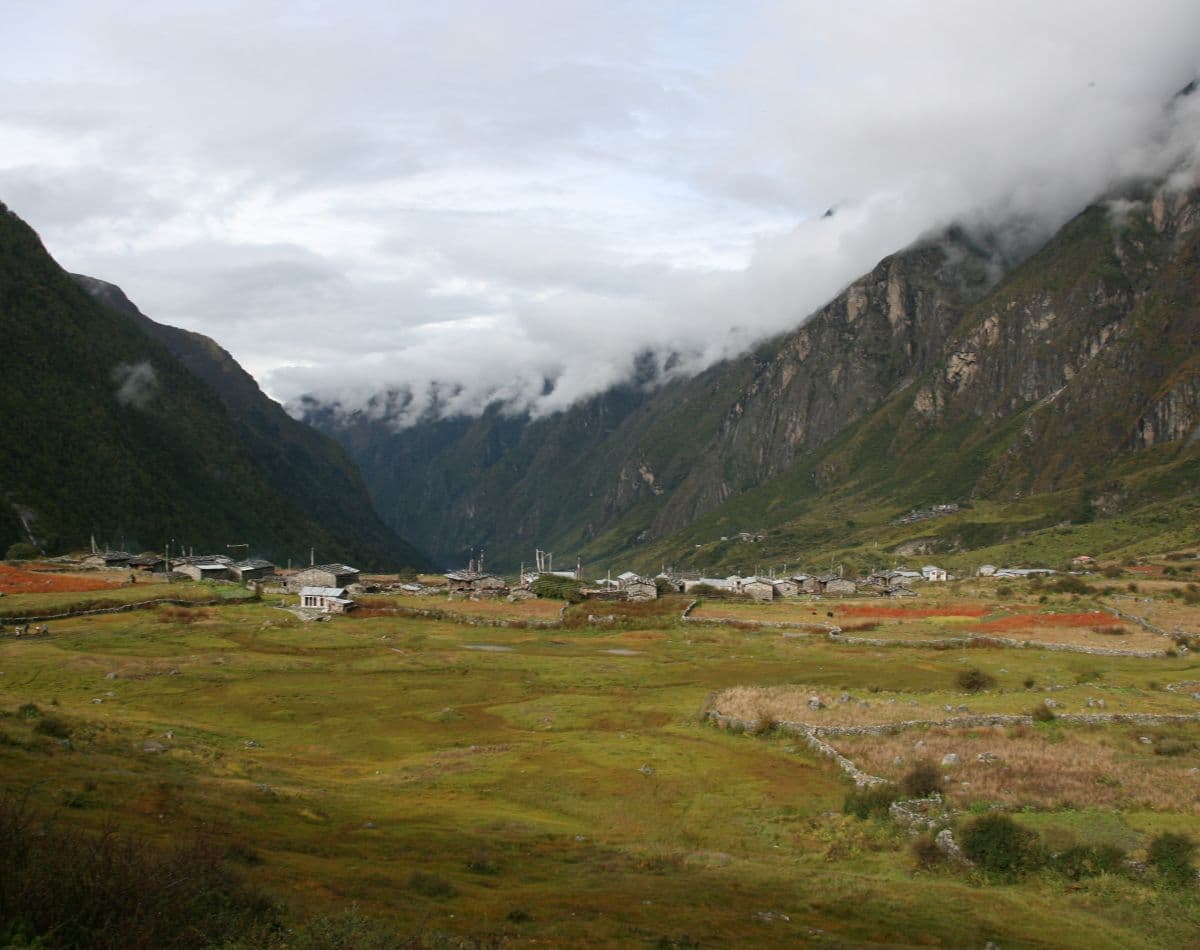
Langtang Region is in the North of Kathmandu. It is a place of tranquil valleys, glacier lakes, and a firm influence of Tamang and Tibetan culture.
The Langtang Valley Trek
Gosaikunda Trek
They are ideal alternatives to a first-hand experience of the beauty and culture. Best part, it's without the crowds of Everest or Annapurna. Langtang is a less commercialized and underrated region. Yet it's one of the most beautiful regions. It has the peace of trekking, which promotes community-based tourism.
Manaslu Region
Manaslu Circuit Trek is one of the new favourites. It offers wilderness in locations that are remote. Besides, the setting offers cultural diversity and high altitude challenges. This trek circles the eighth-highest mountain in the world, Mount Manaslu (8,163 m).
It involves massive gorges, lush hillsides, and a dramatic Larkya La Pass (5,160 m) crossing. This is a closed area, so the only way to get permits is to contract a registered agency. This ensures that the trail is not overcrowded. Thus, this maintains its naturalness.
Upper Mustang Region
The area of the Upper Mustang is a limited trans Himalayan region. It was part of the former ancient Kingdom of Lo. It houses a barren landscape with stark old caves and a Tibetan Buddhist tradition. The culture found here is centuries old.
The Upper Mustang trek is one of a kind. It offers its barren valleys with wind-carved gorges. You can also visit the medieval walled city of Lo Manthang. Visiting Mustang in the monsoon is the best. It lies in a rain shadow region. The only people allowed in are those with a permit. So it is a unique place.
Dolpo Region
Dolpo is among the most isolated trekking areas of Nepal, in the far western part and on the border of Tibet. The Upper Dolpo Trek and the Shey Gompa Circuit are some treks that will take you through rugged trails.
Travel through beautiful alpine landscapes. It will bring you to the core of the ancient Bon and Tibetan Buddhist people. Due to its remoteness, camping might be an essential accommodation. The area is suitable only for experienced travelers. It is for those who want to be alone and highly exposed to the culture.
Kanchenjunga Region
The Kanchenjunga Base Camp Trek is one of the most remote and beautiful treks in Nepal. It goes to the foothills of the third-highest mountain in the world (Mount Kanchenjunga, 8,586 m).
This trek is on the far eastern side of the country. It presents virgin forests, high passes, as well as rare wildlife such as the red panda. It has limited access and infrastructure. Thus, makes it ideal for trekkers wishing for a full experience in nature. It's suggested for those who are willing to go full off-the-grid.
Something for Everyone to Explore
Every trekking region in Nepal has a different soul. It is built up by geography, people, and heritage. No matter what you want. Be the giant Himalaya, remote native cultures, or be in the mood for exploring wilderness. There is always a place that will meet your needs.
Be aware of these differences found in the options. You will be able to select a trek not because of the landscape, but because of the adventure you wish to experience.
Scenic Treks vs Cultural Treks vs Wilderness Treks
Knowing your cultural, scenic, or wilderness preference plays a major role in choosing. It is important to make your decision based on your travel personality. Also, travel expectations play an important role.
Nepal is a land of contrasting scenery and ethnicity. It provides outstanding selections in all three categories. Choosing a trek based on themes makes your journey relevant and enjoyable.
Cultural Treks
If your heart desires cultural treks, you pass through the ancient villages. You will be dealing with the indigenous community. Get to observing age-old traditions that are still held in daily life.
Upper Mustang Trek
Tamang Heritage Trail
Lower Dolpo Track
It introduces a more intense exposure to Tibetan Buddhist practice. Be clothing, old monasteries, and even villages. More so in the medieval walled cities, such as Lo Manthang. These are the best for travellers interested in understanding geography, religion, and history. Learn about the influence of the far-off Himalayan communities.
Teahouses or homestays exist along cultural treks. It allows tourists an opportunity to meet locals during meals. They can also discuss various issues. You will probably visit monasteries, chortens, mani walls, and even meditation caves.
Cultural treks are more deliberate and thoughtful in nature. They are less concentrated on the walk itself. Instead of immersion and comprehension of the local culture.
Scenic Treks
Scenic treks attract those who are more interested in the Himalayan high mountains. Here you find glaciers, lakes, beautiful valleys, and physical beauty.
Everest Base Camp Trek
Annapurna Base Camp
The Gokyo Lake Trek
They are famous for their jaw-dropping views and photography options. The routes will usually offer a fair combination of trek. They are both inspiring and accessible.
Scenic treks tend to be popular, well-marked, and have well-developed tea house networks. It can be enjoyed by a wide variety of trekkers. There are cultural elements, but still, the main emphasis is on a natural environment. Get snowy mountains, waterfalls, and the mountainside.
Such treks are ideal for the person who seeks a traditional Himalayan journey. They gain panoramas in every corner.
Wilderness treks
Wilderness treks, in turn, are great for those who love the wilderness. Still yearn to re-experience the wilderness, the wild nature, and explore off-the-beaten tracks.
The Kanchenjunga Base Camp Trek
The Makalu Base Camp Trek
The Upper Dolpo Circuit
They lead to the areas of remote terrain. There is little human settlement and very few types of infrastructure. Such treks need camp-assistance, special permits, and physical fitness. They have a standard of prolonged days in the harsh, pure wilderness.
Wilderness experiences get you way off the main track. You go into a wild and pristine setting. Here, the feeling of isolation is inspiring, fulfilling, and confusing. You can cross high passes, deep forests, arid alpine meadows, and steep gorges of rivers. Sometimes, not seeing another group for several days.
Such treks focus on experiencing the raw beauty in nature. Treks like this are for only those who appreciate silence, difficulty, and exploration. You need to be okay with being far from convenience and luxury.
Budget Considerations: Cost of Different Treks
Another major consideration when selecting a Nepal trek is the budget. Prices range widely based on the area, duration, style of trek, and services included. Knowing the most likely price ranges, you can manage your budget effectively.

Get to choose a trek based on your budget restrictions. All without compromising your safety or the quality of the experience. The expenses come from permits, accommodation, meals, guides/porters, transport, and equipment. Hire as required.
Below is a table displaying popular treks, regions, duration, and cost in USD. These numbers show middle-of-the-road trekking. Mainly tea-house style, which could change according to season and individual preferences.
Trek Name | Region | Duration | Estimated cost (USD) |
Ghorepani Poon Hill | Annapurna | 4-5 days | $350-600 |
Langtang Valley | Langtang | 7-9 days | $600-900 |
Mardi Himal | Annapurna | 6-8 days | $650-950 |
Everest Base Camp | Everest | 12-14 days | $1200-2000 |
Annapurna Circuit | Annapurna | 14-18 days | $1300-2200 |
Manaslu Circuit | Manaslu | 14-16 days | $1400-2500 |
Upper Mustang | Mustang (Restricted) | 10-14 days | $2000-3500 |
Kanchenjunga Base Camp | Kanchenjunga | 20+ days | $3000-4500 |
Upper Dolpo | Dolpo (Restricted) | 20-25 days | $3500-5500 |
This table can be taken as a useful guide to budgeting your trek. The real costs will depend on the type of comfort, the number of groups, and the services you take. The amenities, such as luxury lodges or hiring personal guides, get costly. That's compared to the simple facilities with group treks. The extras should never lack, i.e., travel insurance, equipment, and contingencies.
Trekking Alone vs Trekking with a Group vs Guided Trek
One of the first decisions that you have to make when you are getting ready to trek in Nepal is how to move. Will you trek alone, or find a group to trek with, or use a professional guide? All these options have their own strengths and weaknesses.

You should also make a decision based on your level of comfort with logistics. Consider your need or preference for getting a community or solitude. Also, your ability to manage the aspects of navigation, safety, and cultural communication.
Nepalese law influences some treks in their nature, whether solo or guided. Some areas require you to use a guide and or trek in fours by registering with an agency.
Nepal is one of the few places where skilled trekkers return for a solo trekking experience. They cherish it as it is a form of freedom, flexibility, and solitude. You go as quickly or slowly as you want; you can schedule it.
You can recover from an involuntary deviation. The experience can be highly personal and introspective. While round-tripping is allowed on most major treks. You can do it at Annapurna Base Camp, Langtang Valley, or Ghorepani Poon Hill. However, it's important to plan the itinerary with care.
You need to use the right maps or GPS. Be aware of the risks of altitude sickness, injuries, and getting lost in areas where few have trekked.
Trekkers need to be accompanied by a licensed guide in restricted regions. Places such as Manaslu, upper Mustang, and Kanchenjunga. At certain locations, trekkers ought to have a companion in addition to the guide.
In remote and rugged terrain, this regulation works as a safety net. It is also helping to create local jobs. You get to integrate with cultural and environmental integrity. Although travelling alone provides freedom, it necessitates a greater responsibility. You require more experience and knowledge of local legislation before trekking solo.
Group trekking
Group trekking includes companionship, shared experiences, and built-in support. Be it done through an organized trip by a travel agency or done with friends. In group treks, the logistics are sorted out so you can concentrate fully on the experience. They include permits, accommodations, meals, and transportation.

This is a great style to choose for first-time trekkers. Furthermore, it's a great choice for those who have language barriers or directions. Or people who love the vibes and inspiration that being a part of a team gives them.
Group treks particularly come in handy in regions with a high elevation. Places such as Everest Base Camp, Manaslu Circuit, or the Three Passes Trek. Here, a medical emergency or weather hitches might occur. Group travel guarantees more safety with the help of comrades and collective resources. Including sheared equipment and first aid kits.
Nonetheless, it can restrict your freedom. Likewise, it demands adaptation to a group routine. Group treks have a fixed schedule, which cannot attract everyone.
Guided Hiking
Guided hikes, either in a small group or privatized, are medium freedom and organized care. A qualified local guide will do the navigation, cultural interpretation, and carry logistics. Porters aid in the transport of heavy gears which makes you pack light and concentrate.

This would be a particularly good idea on more difficult to very demanding treks. Having a guide not only increases the level of safety but also your awareness of the local culture. You gain a deeper dive into the ecology and history.
It enhances your experience, guided treks also give back to the local economy. They hire trained local people in the region. Most guides are trained in first aid, altitude, coordination tactics, and rescue. It can be essential in case of emergencies.
They can serve as translators. This allows you to communicate and deal with natives in a friendly manner. They make sure you observe the local culture and eco-friendly behaviors.
The Best Pick: Which Trek Do You Take?
To conclude, solo trekking is the easiest to navigate for experienced, independent walkers. Freestyle trails and group trekking are more suitable for social travelers. Most of all, it is best for inexperienced trekkers. They need organized logistics and guided treks provide professional assistance and personal attention.

It depends on your ability, risk tolerance, and desire to explore new cultures. They also need to follow local walking regulations. Whichever route you opt for, comprehending your personal travel style is important. This will bring you a safer, richer, and more rewarding journey in the Himalayas.
The Best Suggestions According to Trekking Personality
The decision to take a particular trek in Nepal is not always easily made. Moreover, it is also based on the distance and elevation. It is also a measure of compatibility with your character and purpose as a traveler.
It is also dependent on your personal style, comfort level, and your inner motivations. The type of trekking experience will be most meaningful to you and enjoyable. Chasing adventure, spiritual renewal, or even capturing the raw beauty of nature. Nepal has a trail to suit your trekking personality.
First-Timer:
Ghorepani Poon Hill Trek -
It can be considered a perfect trek. The distance is fairly easy. The tea houses are comfortable. The sunrises are breathtaking from Poon Hill. You can see the Annapurna and even the Dhaulagiri ranges. This is ideally done by novices in high-altitude hiking. Those who desire a secure and pleasant experience.
Langtang Valley Trek -
This is a gentle trek north of Kathmandu. It goes through some gentle elevation gain. Langtang is suitable for first-time trekkers. Also, it can be done with easy fitness levels. Himalayan views complement the trek. Experience the friendly Tamang culture and the paddy fields running along the trail.
Adventure Seeker:
Everest Three Passes Trek -
An intense trek over Renjo La, Cho La, and Kongma La passes. All Passes above 5,000 meters. It is the best option to get bodily exercise, adrenaline, and mountain views.
Manaslu Circuit Trek-
It is an off-the-beaten-path trek that provides a raw Himalayan wilderness. It has fewer people, so great for those wanting isolation. Get the experience of trekking around the eighth-highest mountain in the world. It lets you cross Larkya La Pass at 5,160 meters.
Spiritual Pilgrim:
Upper Mustang Trek-
Upper Mustang offers you a spiritual experience through a former Tibetan kingdom. You can visit ancient monasteries or cave meditation sites. Or explore the unchanging walled city of Lo Manthang with its Buddhist tradition.
Gosainkunda Lake Trek -
Trekking to a holy alpine lake is an adventure. Gosainkunda is crucial for both Hindus and Buddhists. You can find stone shrines in blissful elevation. Learn the legends about Lord Shiva that attract pilgrims all over Nepal.
Wildlife Lover:
Kanchenjunga Base Camp Trek-
Trek through dense forests. Make way through the nature reserves of red panda, snow leopard, and exotic bird species. And with the beautiful backdrop of the third-highest peak in the world, Kanchenjunga.
Upper Dolpo Trek-
This trek is a backcountry journey through Shey Phoksundo National Park. It is known for its wildlife. You can find traditional Bon culture. Travel the secluded valleys that have not been touched yet by tourism.
Cultural Enthusiast:
Tamang Heritage Trail -
It's a recreating trail to the places in the Tamang and Tibetan-flavored villages. You will live in the homestays. Experience the ancient customs and see the sacred places and monasteries.
Lower Mustang Trek -
It is a low-altitude trek. It is an easy access to Tibetan culture, sacred temples, and settlements. Find the bare beauty of the Kali Gandaki Gorge.
Luxury Trekker:
Everest Base Camp Luxury Lodge Trek -
This is the trek where you experience the excitement of the Everest Base Camp. It combines with the luxury lodges, fine dining, and spa treatments. Find them in locations such as Phakding and Namche Bazaar.
Annapurna Luxury Trek -
Traverse the terraced paddies and Gurung villages. Stay in high-end lodges with en-suite rooms. It gives incredible vistas and delicacies after hiking every day.
Photographer’s Paradise:
Mardi Himal Trek-
A golden hike to remember on dramatic ridgelines, with landscape transformations. Gobsmacking views of Machapuchare and the Annapurna range await being photographed. They are especially breathtaking in the golden hours.
Gokyo Lakes Trek -
The turquoise glacier lakes with a view of the shining Himalayan peaks. Also, you will find the legendary bird-eye view of Gokyo Ri. It's perfect conditions for landscape photographers and adventure seekers.
Short-on-Time Trekker:
Australian Camp and Dhampus Trek -
It is an ideal two to three-day trek out of Pokhara. You will find panoramic views of Annapurna and cultural villages. It is a trail that is not time-consuming.
Namche Bazaar Excursion –
Experience a glimpse of the Everest area in only a few days. Fly in a stunning helicopter flight. Or experience the hospitality of the Sherpa in the acclaimed town of Namche.
Off-the-Beaten-Path Explorer:
Makalu Base Camp Trek -
This is one of the most remote and wild treks in Nepal. It is with an undisturbed landscape, steep valleys, and breathtaking scenery. Find Makalu and other mountains in front.
Nar Phu Valley Trek -
Visit some of the most beautiful and beautifully remote Tibetan-style villages. It goes along the dusty pathways and gloomy crevices. Mainstream trekkers don't visit the area frequently.
Each trekker is different, and Nepal thrives on that variety of trail experiences. The Himalayas are popular. They offer something that appeals to your inner adventurer. You want to experience luxury or wilderness, spirituality or physical exertion. A Himalaya destination offers something that appeals.
Finding your trekking personality is what will make your trip more than just going out on a hike. But rather the expression of your soul, the steps you take at your own rhythm, and the reason you travel.
Conclusion: Your Ultimate Choice
Selecting a trek in Nepal is a personal decision. You can expect a level of physical fitness, time, and money come into consideration. The process drives you, i.e., culture, stunning landscape, physical test, or the spirit. They will streamline the wide array of choices.
The practical aspect also plays a factor. Things such as fitness degree, trekking experience, and season. It makes your selected trek a pleasure.

You should be practical in the areas of evaluating yourself. Be it the field of fitness, your experience, or the preparation to cope. The physical as well as environmental stress of trudging through the Himalaya range.
You are free to seek aid by visiting professional guides or trekking agencies. They will offer you special advice. It's all according to your preferences. They can be of help when it is time to understand the allowances, the logistics, and the conditions of the area.
Altogether, this and other practical considerations will only be memorable. It is a valuable trekking experience. It is pairing it with your own individual aspirations.
Nepal comes with a story. It offers a sense of belonging in the mountain kingdom and among the hospitable people. Carefully choose the trek that suits your personality, timing, and resources. You find an adventure that will mould and influence you far beyond the period of time you spend on the trek.
FAQs
1. How do I find out whether a trek is appropriate for my fitness?
Check how physically active you are and how long you can endure. Cross-check this figure with the amount of elevation a trek will have and the number of daily hiking hours. If you have not done many treks at a high altitude before, it is advisable to begin with lighter or moderate treks.
2. Could I trek to Nepal throughout the year, or is there a best time of the year?
Spring (March to May) and autumn (September to November) have the most stable weather and clear views, and thus, it is the best trekking season. The less suitable seasons are winter and monsoons, as they are characterized by cold, snow, or heavy rain.
3. How does a tea house trek differ from a camping trek?
Tea house treks will suit anyone who wants comfort, as the route has a cozy lodge to stop, get meals, and rest. Camping treks involve the carrying of tents and supplies, and are more wilderness and flexible, but more physical.
4. Can I travel alone in Nepal, or do I need a guide?
In places of popularity such as Annapurna and Everest, when traveling alone, trekking is feasible, but trekking with a guide, even better with an accompanying guide, will be a safer experience, as well as have cultural enrichment. In some restricted regions, such as Manaslu or Upper Mustang, a guide, licensed by the relevant authorities, is needed by law.
5. Are luxury treks affordable?
Luxury treks are more comfortable with upgraded accommodation, food, and even spa facilities, which are best suited to those people who are interested in adventures but do not want to lose comfort. They are particularly useful to people who are short of time and have high expectations.
6. What type of permit should I get before trekking in Nepal?
The majority of treks will necessitate the usage of TIMS cards and region permits, such as the Annapurna Conservation Area Permit or Sagarmatha National Park Permit, among others. Restricted areas possess extra authorizations that can only be acquired by licensed agencies.
7. Is it possible to train and take moderate or difficult treks as an amateur?
Some novices cope with moderately difficult treks with appropriate physical preparation and acclimatization, with difficult treks involving experience and superior physical condition. Of course, it is better to ask an expert in trekking before doing so.
8. What is the impact of trekking time and the route selection?
The short treks of less than a week are all about saving time and travelling in easier terrain, and longer treks of more than 10 days are all about the cultural and wilderness experience. Your fitness time and adventure level must be in line with your time available.
9. Are wildlife nature hikes safe and available?
Yes, such regions as Kanchenjunga and Upper Dolpo do provide excellent wildlife viewing opportunities and may necessitate experienced guides because of remoteness. Preparation and local conservation rules are important safety factors.
10. How do I pack differently for an easy trek versus a hard one?
Standard lay, and standard hiking equipment are needed to complete easy treks; this is more ofa comfortable and casual trek. Difficult hikes can require both good technical equipment, such as hiking poles, crampons, and more, as well as clothing in multiple layers to deal with harsh temperatures.
11. Are the types of trek (solo, group, guided) significant to first-time trekkers?
Newcomers are advised to use organized or team treks to have logistical support, security, and cultural enrichment. Off-trail hiking may be dangerous when one has no experience in isolated mountain conditions.
12. Is it possible to tailor a trek based on my trekking personality?
Absolutely! Diversity in trekking in Nepal is vast, so you are able to customize the trek according to your interests, including culture, wildlife, adventure, luxury, or a mixture of some of them. Various agencies have flexible plans according to your style and preference.