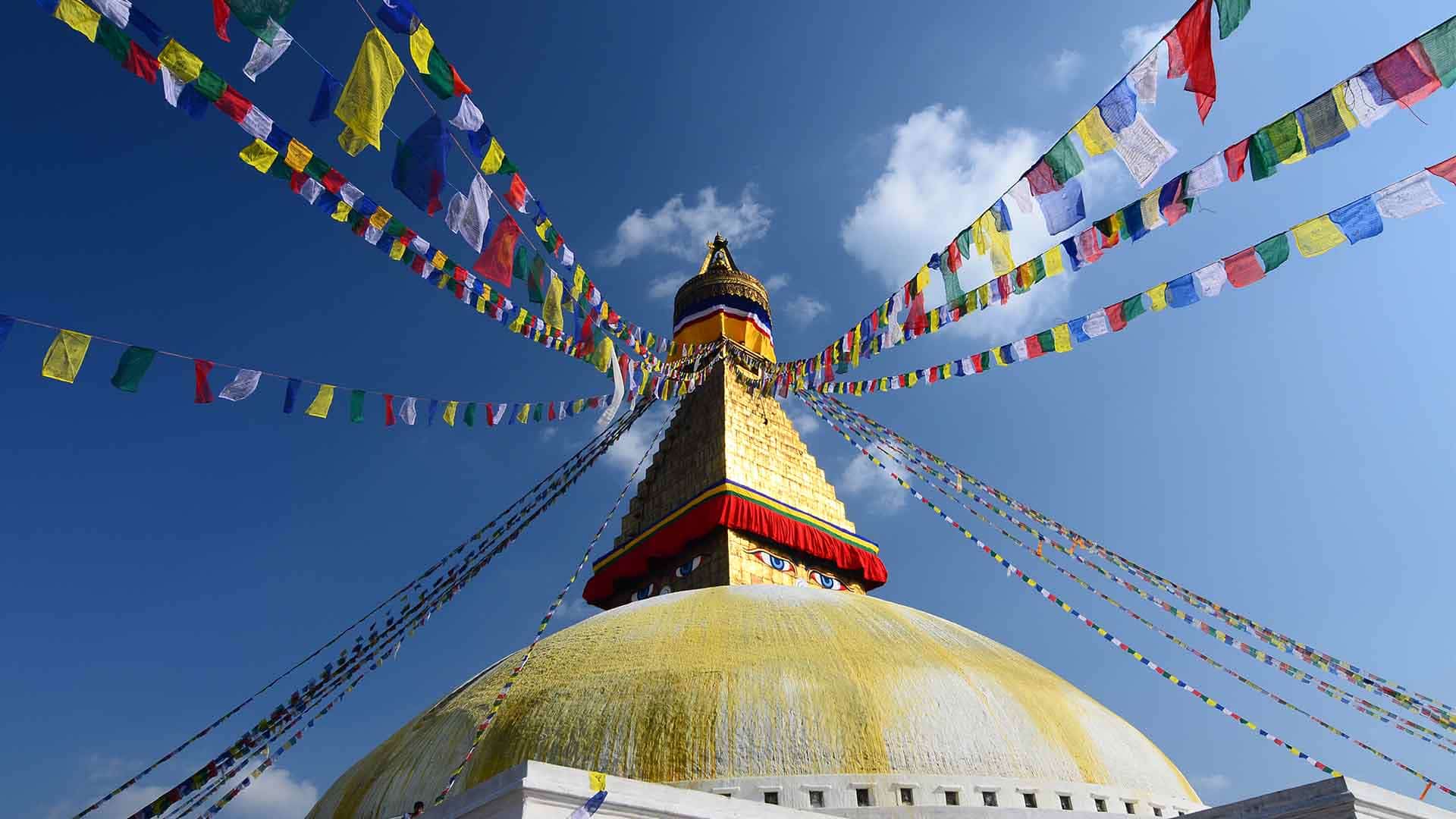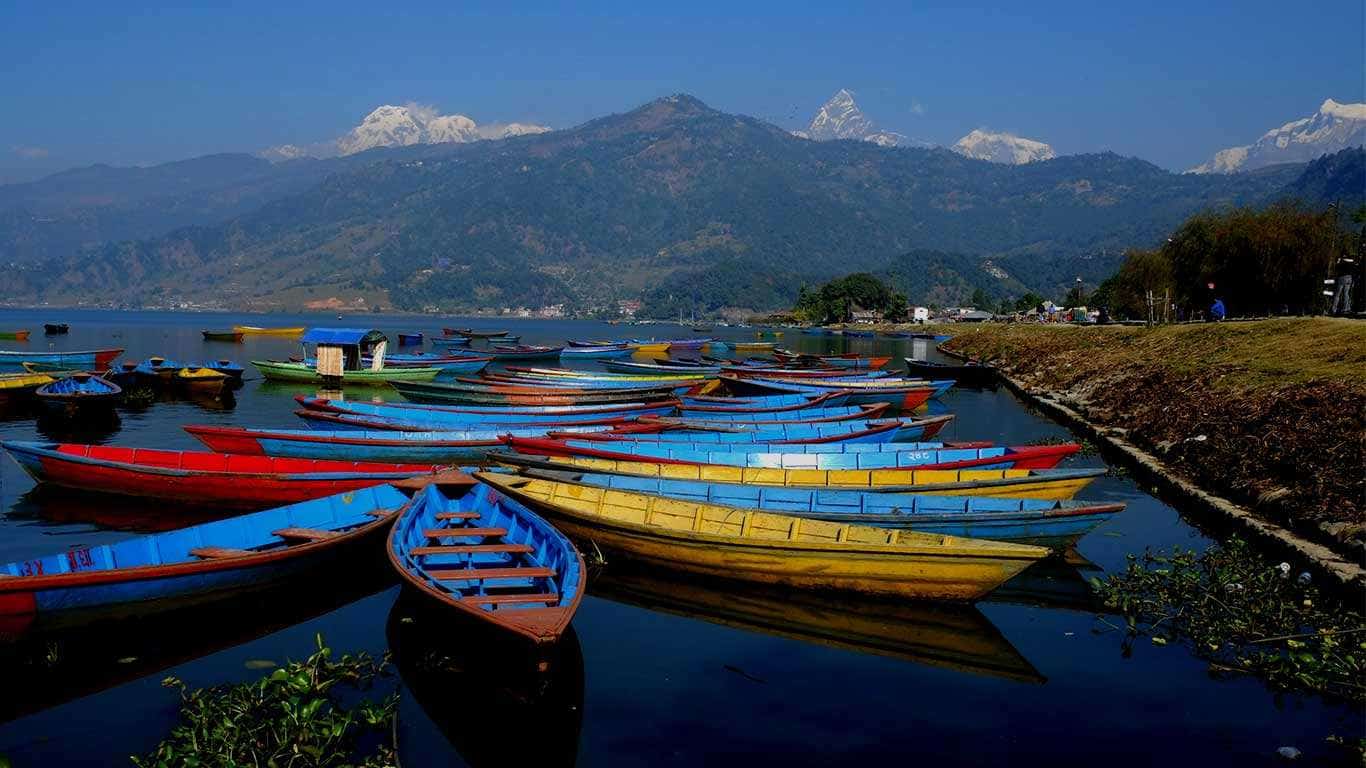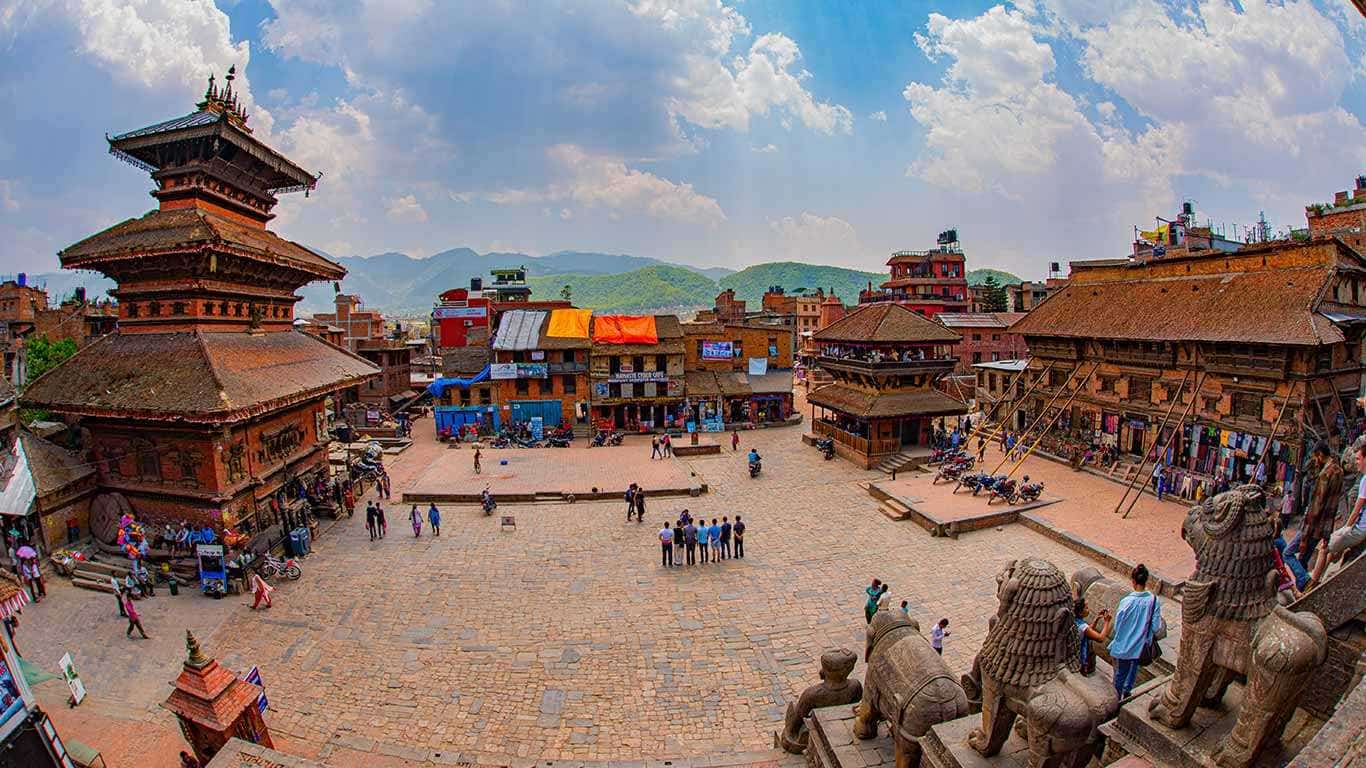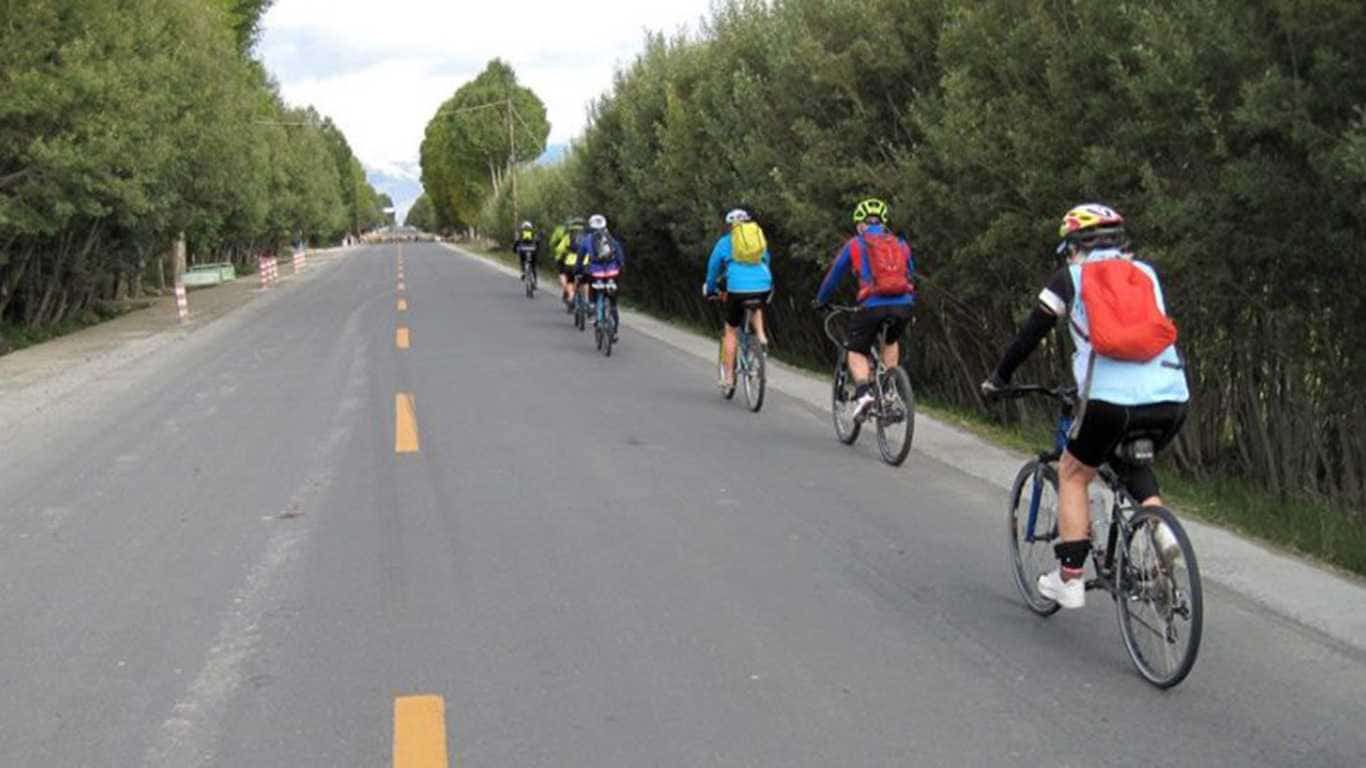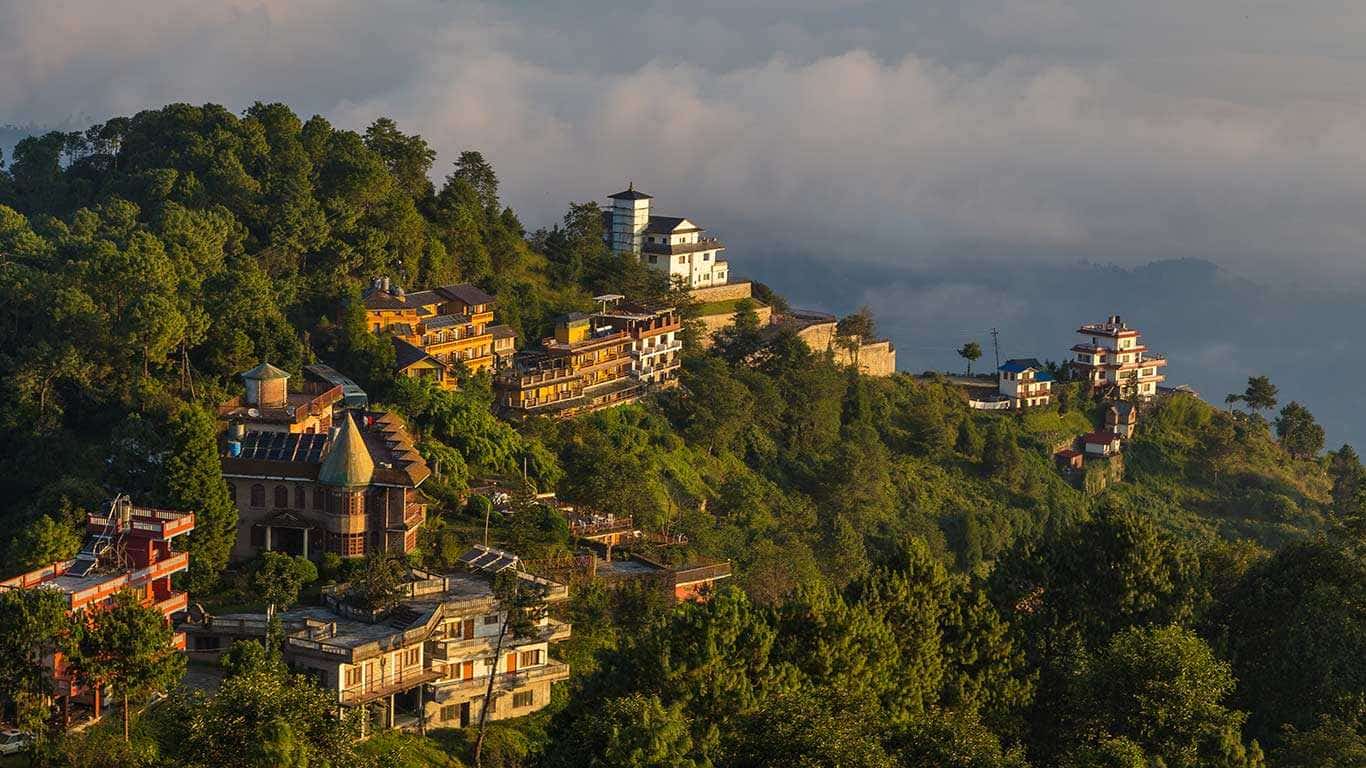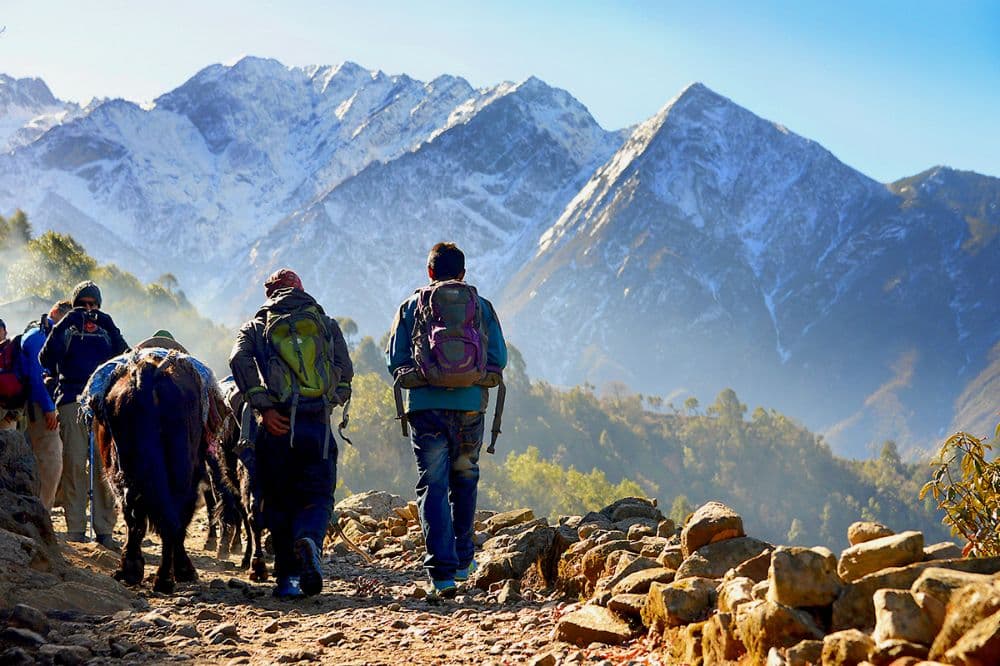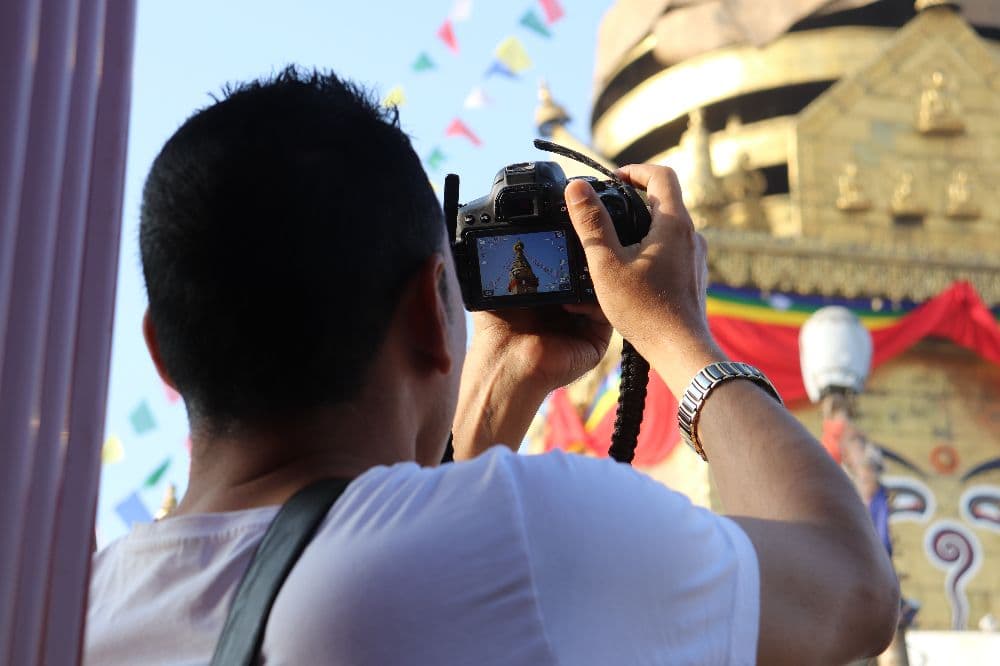
Nepal is home to majestic valleys, peaks, and more natural attractions. The adventure in the Himalayas offers vibrant and breathtaking views. But do you have to trek for weeks upon weeks to achieve them? Not at all! Some short treks in Nepal deliver jaw-dropping views, like any other trek.
Unlike long treks in Nepal, short journeys in Nepal welcome every level of trekker. That’s not all, however, as short treks are perfect for travelers on a tight schedule. Or, even a seasoned trekker looking for a relaxing time on the move.
You don’t need to spend weeks on end standing before snow-capped peaks. You’ll find yourself standing before snow-capped peaks within a few days to a little over a week.

Short treks in Nepal are the ultimate way to experience culture. Likewise, it has breathtaking views. And all of it in rather short periods of time.
It is the perfect way to get accustomed to Nepal’s natural beauty and thriving culture. These cultures have stayed alive for centuries. And most Himalayan trails remain untouched by modernization. These short treks are an amazing escape from the cities.
Why Choose a Short Trek in Nepal?
Short treks in Nepal are the sweet spot between adventure and convenience. These short journey lets you immerse yourself in the Himalayan beauty. However, you won’t need to commit to long, gruelling treks.

Here are some reasons to choose a short trek in Nepal:
Time Friendly for Travelers with Tight Schedules
Most short treks in Nepal comfortably fit 3–7 days. This alone makes them perfect for travelers on a tight schedule. These travels are best experienced by combining other adventures in Nepal. After a short trek, you can opt for Paragliding, Bungee Jumping, Canyoning, and more.
Most Short Treks Have Easier Acclimatization
Short trek routes often stay at lower altitudes. Which means there’s far less risk of altitude sickness. But don’t let that fool you. You can still enjoy crisp mountain air and sweeping views. All without a slow acclimatization process.
Short treks are always budget-friendly
Short treks have fewer days on the trail. And with a few days on the road, you will spend less money.

The expenses in permits, guides, porters, food, and accommodation become more budget-friendly. However, these journeys still offer full cultural and scenic experiences.
Explore diverse routes
Nepal offers a wide range of short treks. You can choose cultural village walks in the Annapurna foothills. Also, you can take up hikes with panoramic views of Everest. Short treks in Nepal are ideal for chasing a mountain sunrise and cultural immersion.
Short treks in Nepal are seasonally flexible
Many short treks in Nepal are accessible year-round. Yes, even outside the peak seasons of autumn and spring. This allows you more flexibility to plan your trip according to your schedule. For example: Kathmandu Chitwan Budget Tour or Poon Hill Short Trek.

Time-friendly: Fits into 3–7 days.
Easier acclimatization: Lower altitudes, less risk of altitude sickness.
Budget-friendly: Fewer days mean lower costs for permits, guides, and accommodation.
Diverse routes: Access to both cultural trails and high mountain viewpoints.
Season flexibility: Can be done outside peak trekking seasons.
Top Short Treks with Brilliant Views in Nepal
Short treks in Nepal offer golden sunrises and snow-capped mountains. Most importantly, you don’t need months to witness Himalayan magic.
These compact adventures are often 3–7 days in the mountains. You will find stunning scenery, cultural immersion, and achievable challenges in short treks.

You can choose rhododendron-filled forests. Or you can visit ancient monasteries. You can also traverse peaceful off-the-beaten-path trails. These routes are packed with experiences with lasting memories.
The treks offer breathtaking vistas and a true taste of Himalayan life. Here are five of the best short treks in Nepal:
Poon Hill Trek (Ghorepani)
Duration: 4 days
Max Altitude: 3,210 meters
Highlights:
Sunrise over Annapurna & Dhaulagiri,
Rhododendron forests
Gurung & Magar culture.
Best Season: Spring and Autumn
Why it’s worth it:
The Poon Hill Trek is perhaps the most famous of all short treks in Nepal. It offers Instagram-worthy mountain views. This moderate hike winds through lush rhododendron forests. You can walk through charming stone-paved villages. Travel across the terraced farmlands before culminating at the Poon Hill viewpoint. From here, the sunrise paints the snow-capped peaks.

The route is dotted with traditional Gurung and Magar villages. Here you can enjoy home-cooked dal bhat and learn about mountain life. It's accessible from Pokhara. The well-marked trails make it a perfect choice for first-time trekkers and families.
Mardi Himal Trek
Duration: 6 days
Max Altitude: Mardi Himal Base Camp 4,500
Highlights:
Close-up view of Machapuchare (Fishtail),
Peaceful offbeat trail
Ridge-line walking.
Best Season: Autumn for clear skies, spring for flowers.
Why it’s worth it:
The Mardi Himal Trek is a hidden gem in the Annapurna region. It’s ideal for those who want the grandeur of the Himalayas without the crowds. The trail follows quiet forest paths and ridge-top walks.

The trek in Mardi Himal has relatively low foot traffic. This means you’ll often have viewpoints all to yourself. Best of all, teahouses scatter around the trail. As such, you can rest in cozy teahouses along the way. If you’re looking for a peaceful and photogenic short trek in Nepal, this is one to remember.
Everest View Trek
Duration: 13 days
Max Altitude: Tengboche 3,860
Highlights:
Tengboche Monastery
Views of Everest, Lhotse & Ama Dablam
Sherpa villages
Best Season: October–November: Autumn. April–May: Spring.
Why it’s worth it:
For many travelers, seeing Everest up close is a dream on their bucket list. Get Everest views without going all the way to Base Camp. Not everyone has the time or stamina to trek to EBC. The Everest View Trek solves that. It offers spectacular vistas of the world’s highest mountain in under a week.
The trek starts with a scenic flight to Lukla. The route passes through the bustling town of Namche Bazaar. Then, head to Tengboche Monastery, where you'll find one of the best views of the surrounding peaks. Along the way, you’ll experience Sherpa hospitality and learn about Buddhist culture. You will walk some of the most iconic trekking trails in Nepal.
Langtang Valley Short Trek
Duration: 7 days
Highlights:
Views of Langtang Lirung
Tamang heritage
Yak pastures.
Best Season: Spring & autumn.
Why it’s worth it:
Langtang Valley is known for its glaciers. Moreover, it combines Himalayan scenery with cultural immersion. Yes, it is one of the most culturally rich short treks in Nepal. It offers an incredible mix of mountain scenery and traditional Tamang heritage. All is just a day’s drive from Kathmandu.
The trail passes through forests of oak, maple, and rhododendron. The route offers regular sightings of yaks grazing in high pastures. The trek’s high point is the Kyanjin Gompa. It offers jaw-dropping views of Langtang Lirung and the surrounding peaks.
Pikey Peak Trek
Duration: 7 days
Max Altitude: Pikey Peak 4,965 meters
Highlights:
Sunrise claimed by Sir Edmund Hillary as his favourite Everest view
Remote Sherpa villages
Best Season: Spring, Autumn, Winter
Why it’s worth it:
The Pikey Peak Trek is an off-the-beaten-path adventure in the lower Everest region. It’s best known for the Everest panorama view. Sir Edmund Hillary once claimed his favourite sunrise in all of Nepal. The trail winds through remote settlements, peaceful monasteries, and alpine meadows.
At 4,065 m, Pikey Peak offers a sweeping panorama of peaks. It includes Everest, Kanchenjunga, Makalu, and Annapurna on clear days. It’s a trek that delivers Everest grandeur without the crowds. This makes it a hidden treasure for adventurous souls.
Best Seasons for Short Treks in Nepal
Preparing gear and planning the route are important. However, choosing the right season is equally essential. True, short treks in Nepal are often more flexible than high-altitude expeditions. But each season offers its own charm and challenges.
Spring (March–May):
Spring is one of the most popular times for trekking in Nepal. Trails burst into life with blooming rhododendrons, magnolias, and wildflowers. The routes in Poon Hill and Mardi Himal are especially colourful.

Daytime temperatures during Spring are warm and comfortable. Mornings are often crystal-clear for mountain photography. To experience the best of nature in Nepal, spring is the top option.
Autumn (October–November):
Autumn is considered the best time for trekking in Nepal. Thanks to its stable weather and unbeatable visibility. After the monsoon rains, the air is crisp and clean. Moreover, you can also experience Dashain and Tihar during the Autumn. It offers perfect views of snow-capped peaks.

Short treks like Pikey Peak and the Everest View Trek are at their most photogenic in Autumn. Daytime temperatures during this time are warm and comfortable. It ranges from 10 to 25 degrees Celsius.
Winter (December–February):
Winter brings cold temperatures, especially at higher elevations. Furthermore, it also means fewer trekkers on the trails. If you don’t mind bundling up, this can be a peaceful time for short treks in Nepal. However, it’s mostly in lower-altitude regions like Langtang or Ghorepani.

The skies are often clear, but daylight hours are shorter. Temperatures during the winter can get rather chilly. Mostly in winter, the temperatures are 7°C to 23°C during the day. Nights can plummet to sub-zero in the upper parts.
Monsoon (June-September)
The monsoon season is generally not recommended for trekking in Nepal. Summer and monsoon bring heavy rainfall, slippery trails, and leeches at lower elevations. However, if you’re determined to trek during this time, consider rain-shadow areas.

Upper Mustang and Dolpo have minimal rainfall. Such landscapes are dramatically different during this time of year. Furthermore, the weather is warm and wet, with high humidity. During the monsoon, Nepal’s temperatures range from 20-28°C.
Packing Tips for Short Treks
When it comes to short treks in Nepal, packing light is key. You’ll enjoy the trail far more if you’re not weighed down by unnecessary gear. Most of these routes pass through villages with teahouses.

You won’t need to carry camping equipment. A few essentials can make your journey safer and more comfortable.
Light Backpack (Under 10 kg):
For short treks, aim for a compact pack that won’t strain your shoulders. A 30 to 40-liter backpack is usually enough for clothing, water, and personal items. You won’t need heavy gear for a short journey in the Himalayas.
Layered Clothing:
The weather in the Himalayas changes quickly. It can turn from a warm sunny morning to a chilly afternoon. So, packing moisture-wicking base layers is recommended.

To put it simply, a fleece or down jacket for warmth. And a lightweight waterproof shell to keep you dry should suffice.
Good Trekking Shoes:
Sturdy, well-broken-in hiking shoes with good grip are essential for uneven trails. For places like Poon Hill or Langtang, you’ll encounter rocky paths. But during the trek, you can occasionally stumble into muddy patches.
Sun Protection:
It’s one of the most overlooked portions because of the cold weather. The Himalayan sun can be intense, even on cool days. So, carry UV-blocking sunglasses, a wide-brimmed hat, or a cap. You’ll want a sunscreen with high SPF to protect your skin at high altitudes.
Water Purification:
Instead of buying bottled water along the trail, carry means to purify water. Things like purification tablets, a bottle filter, or a UV purifier should work like magic. This is both eco-friendly and cost-effective for trekking in Nepal.
Extra Essentials:
Trekking poles for steep ascents and descents
A reusable water bottle
Quick-dry socks
A small first-aid kit
Permits Required for Short Treks in Nepal
Even for short treks in Nepal, you’ll need certain permits to access trekking areas. However, it’s not just for the access. These permits also ensure your safety. What’s more, permits help fund conservation efforts and support local communities.

The permits required for long or short treks in Nepal are easy to arrange. You can get them either in Kathmandu, Pokhara, or sometimes right at the trailhead.
Here are some of the common types of permits you will need to get during your journey in Nepal. Start with:
TIMS Card (Trekkers’ Information Management System):
Purpose:
Registers your trek with Nepal’s trekking database
Improving safety and search/rescue coordination if needed.
Cost:
NPR 2,000 (approx. USD 15) for independent trekkers
NPR 1,000 (approx. USD 8) if trekking with a registered guide or agency
Where to Get It:
Available at the Nepal Tourism Board offices in Kathmandu
Available at the Nepal Tourism Board offices in Pokhara
Available at the trekking agency
National Park or Conservation Area Permits
You’ll also need an entry permit for the protected area. However, it also depends on the type of trek you’ll be hiking in.
ACAP (Annapurna Conservation Area Permit):
For treks: Poon Hill, Mardi Himal, and other Annapurna region routes.
Cost: NPR 3,000 (approx. USD 25) per person.
Where to Get It:
Available at the Nepal Tourism Board offices in Kathmandu
Available at the Nepal Tourism Board offices in Pokhara
Available at ACAP entry Checkpoints
Sagarmatha National Park Entry Permit:
For treks: Everest View Trek, Pikey Peak (via Solukhumbu).
Cost: NPR 3,000 (approx. USD 25) per person.
Where to Get It:
Available at the Nepal Tourism Board offices in Kathmandu
Available at the park gate in Monjo
Langtang National Park Entry Permit
For treks: Langtang Valley Short Trek
Cost: NPR 3,000 (approx. USD 23) per person
Where to Get It:
Tourism Board offices in Kathmandu
At the Dhunche entry point
Costs & Budgeting for a Short Trek in Nepal
One of the best things about short treks in Nepal is that they’re affordable. Compared to long treks and expeditions, short treks are more budget-friendly. But they still deliver incredible scenery and cultural depth. Here’s a breakdown of typical expenses:
Daily Costs:
Accommodation: NPR 500–1,000 (USD 5–10) per night for basic teahouses and mid-range lodges
Meals: NPR 500–1,200 (USD 5–15) per meal, depending on altitude and remoteness
Permits:
Most short treks require a TIMS Card (NPR 1,000–2,000 / USD 8–15)
National park or conservation permit (NPR 3,000 / USD 25).
Guide: NPR 2,500–3,500 (USD 20–28) per day, often negotiable
Porter: NPR 2,000–3,000 (USD 16–24) per day, with a 20–25 kg carrying limit
Budget vs. Mid-Range Options:
Budget:
Around USD 25–40 per day if you trek independently
Stay in basic teahouses and eat standard meals.
Mid-range:
USD 50–80 per day if you hire a guide
Choose better rooms
Occasionally, extra comforts like hot showers or bakery treats
Money-Saving Tip:
Booking a package trek can sometimes work out cheaper than arranging everything separately. Book a package with us, Himalayan Trekkers, for the best bang for your buck treks.
Tips for a Great Short Trek in Nepal
Start Early for Clear Views:
Morning skies in the Himalayas are usually the clearest.
Begin your hikes early to catch the best mountain panoramas.
Hire a Local Guide:
This supports the local economy.
Guides offer safety, navigation help, and rich cultural insights.
Stay Hydrated & Pace Yourself:
Even on lower-altitude treks, dehydration and fatigue can sneak up on you.
Dehydration is a big issue, especially in the sun or during steep climbs
Respect Local Customs:
Dress modestly in villages
Ask before photographing people
Follow teahouse etiquette to keep trekking communities welcoming
Conclusion – Small Time, Big Views
These treks in Nepal are proof that you fall in love with the Himalayas in a short time. These compact journeys offer everything that long treks offer. You can enjoy panoramic mountain views and find cultural immersion. All of them in a handful of days.
For many travelers, these treks become the spark that leads to longer adventures. In just a few days, you can collect a lifetime’s worth of memories. But that’s the beauty of short treks with brilliant views in Nepal.
FAQs – Short Treks in Nepal
What is the easiest short trek in Nepal?
Poon Hill Trek is short, well-marked, and beginner-friendly.How many days is a short trek in Nepal?
Usually between 3–7 days.Do I need a guide for short treks?
Not mandatory, but highly recommended for navigation & cultural insights.Are short treks in Nepal safe?
Yes, especially in popular regions with well-established trails.Which short trek has the best Everest view?
Pikey Peak or the Everest View Trek.Can I do short treks in winter?
Yes, but expect cold weather and shorter daylight hours.Do short treks require training?
Basic fitness is enough, but some uphill walking experience helps.Which is the most scenic short trek?
Subjective—Poon Hill for Annapurna, Mardi Himal for Fishtail, Pikey Peak for Everest.