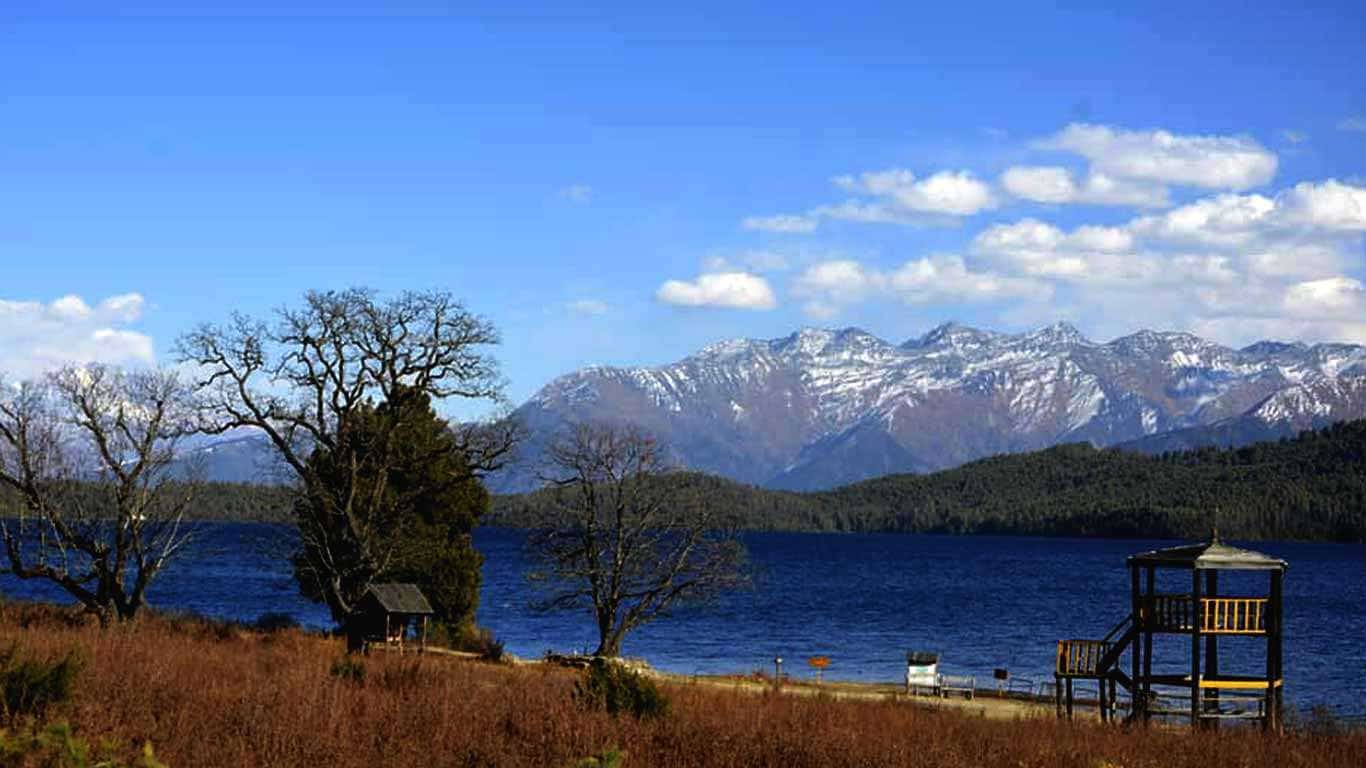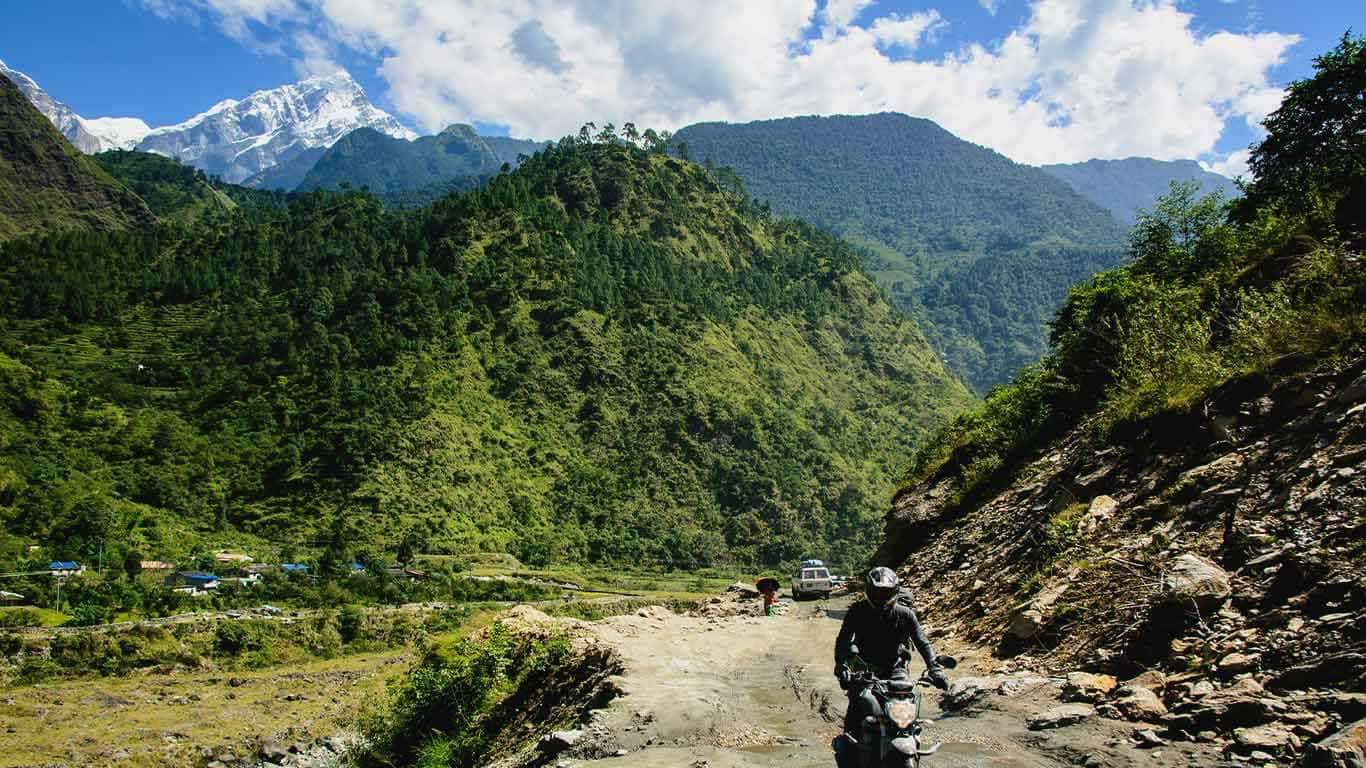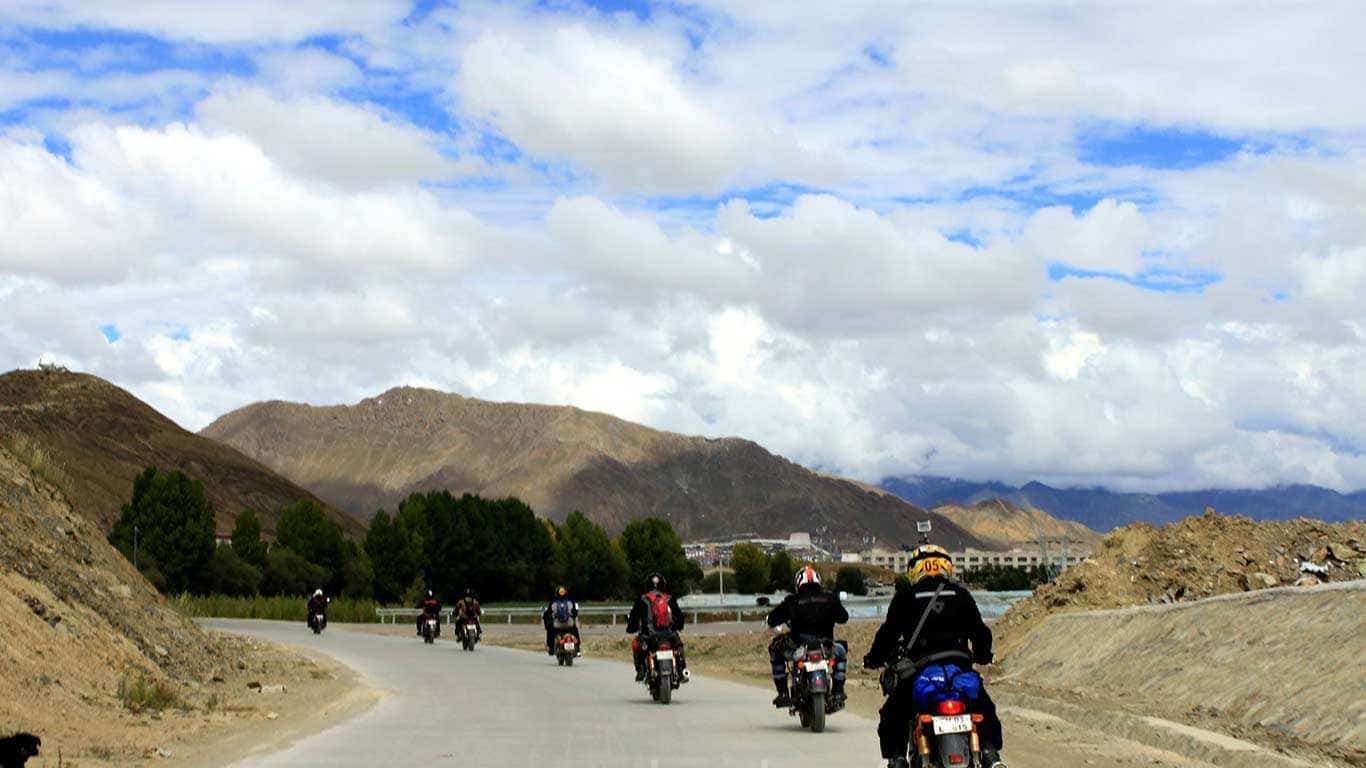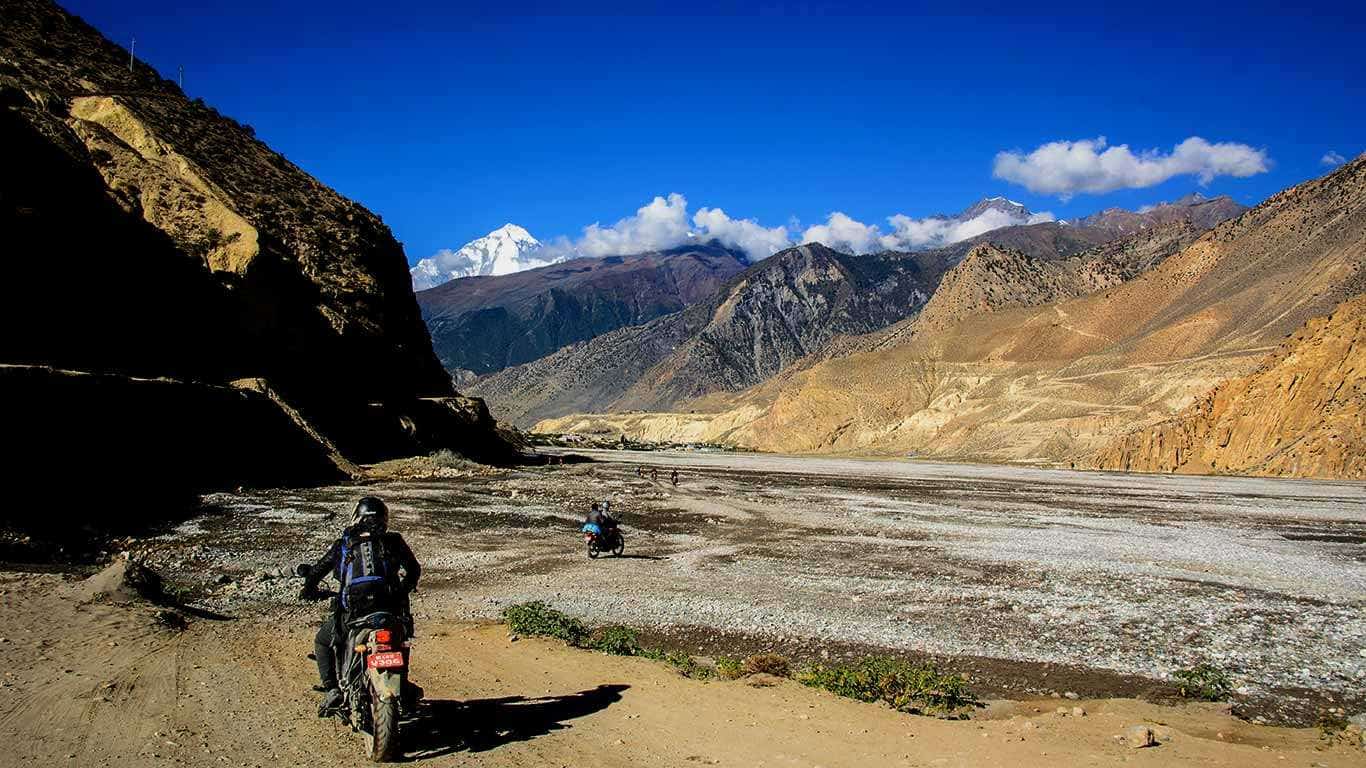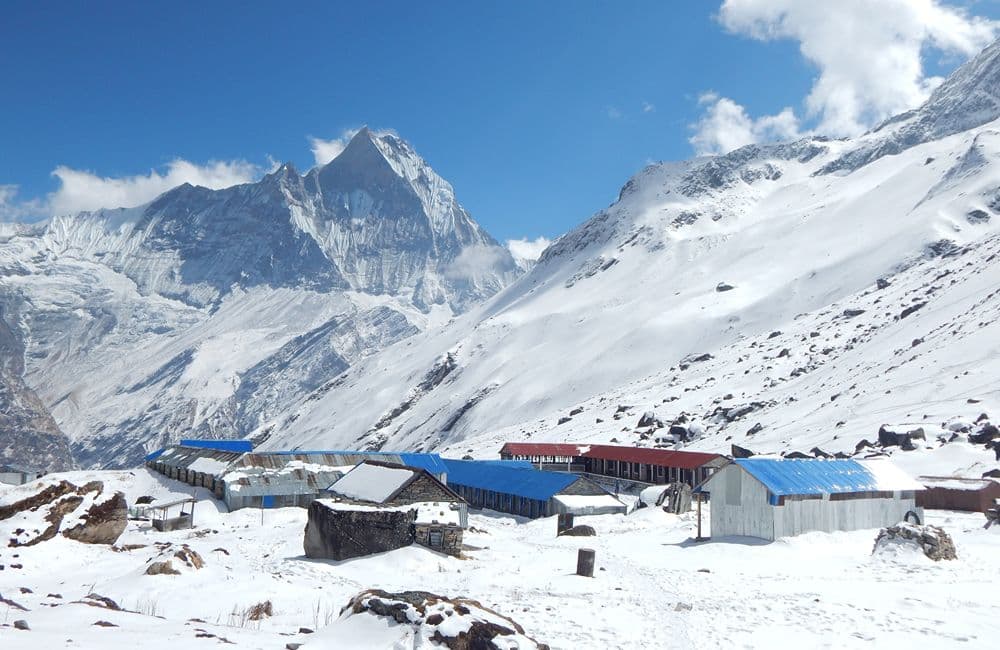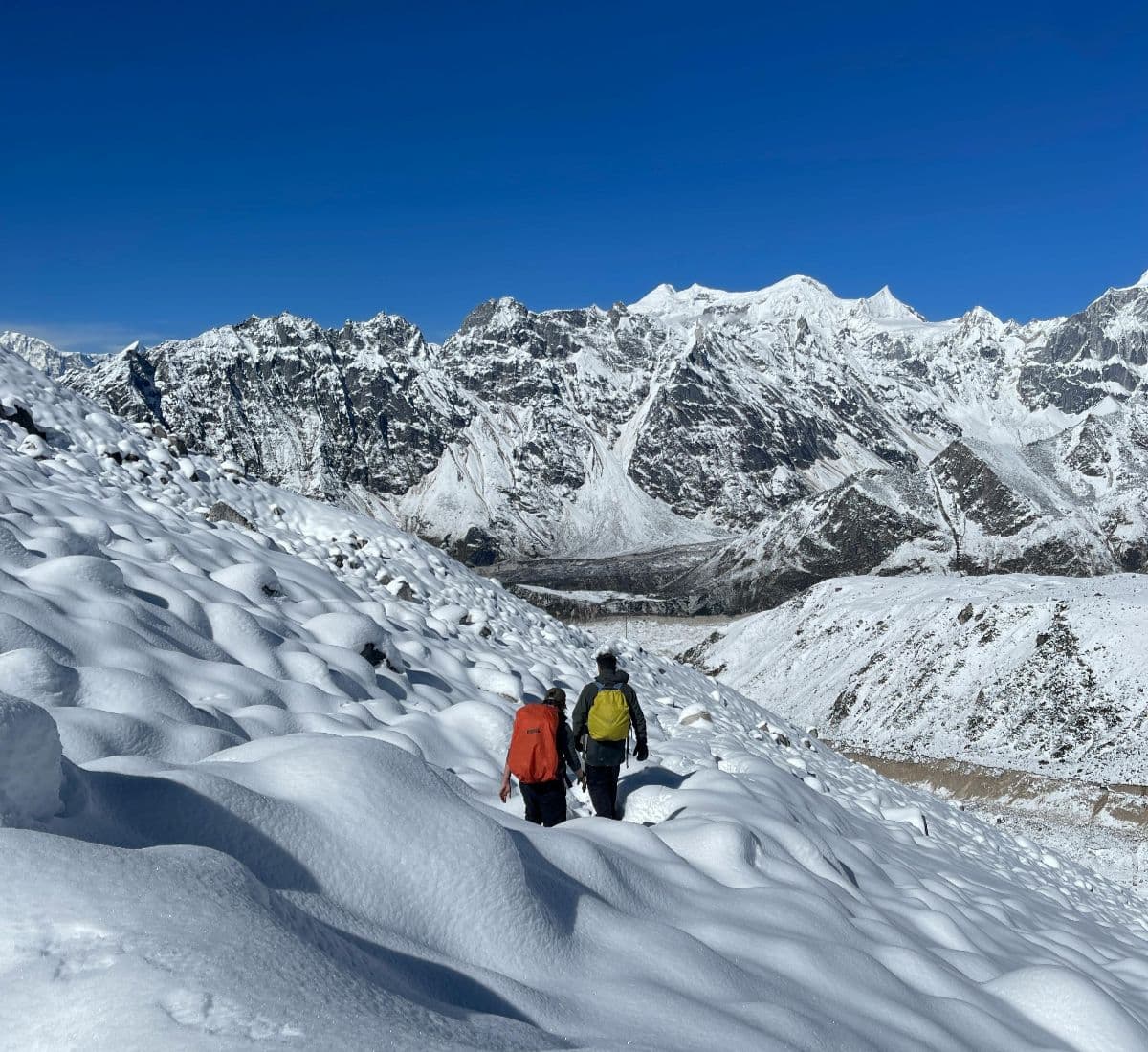
Imagine waking up in a tiny mountain teahouse. You’ll find the first light spills over a chain of snow-capped peaks. And the chill of dawn seeps through the wooden walls.
Your day ahead? Crossing a pass that’s over 5,000 meters. The path winds through yak-grazing meadows. So, yes. The Himalayas are the final frontier on Earth.

Long treks in Nepal are not just walks through beautiful landscapes. They are full-scale excursions. It demands both physical endurance and mental resilience.
Treks and expeditions in the high-altitude Himalaya take weeks if not months. You can summit high peaks or climb to the highest place on earth in Nepal. But long treks and expeditions aren’t for everyone.
Challenges during the Long Treks in Nepal
Long treks in Nepal come with various challenges. It offers steep climbs, relentless descents, and unpredictable weather. To succeed, you need more than a strong body. You need patience, adaptability, and a spirit that thrives on the unknown.

For adventure seekers, these journeys are the purest form of exploration. They strip life down to the essentials. Long treks only offer food, shelter, and movement. Treks in the high-altitude regions drop life to the bare minimum. Long treks in Nepal are more than routes on a map.
Summiting mountains isn’t the only long form of trek found in Nepal. Trekkers can take back-to-back treks to challenge themselves. Adventures in the Himalayas seem never-ending. So, which are the best long treks in Nepal? Find them all in this blog. But before that, here’s what makes a trek a “long trek.”
What Makes a Trek “Long” in Nepal?
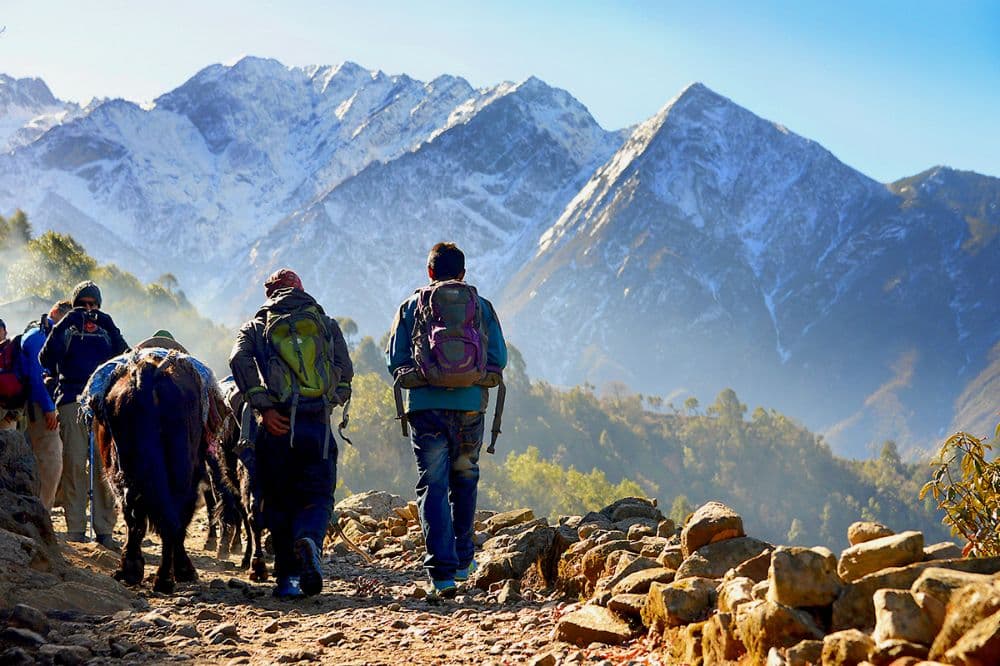
Long treks in Nepal aren’t called long because of the distance. It also requires commitment and determination. These journeys can take weeks to even months. Moreover, each morning begins with lacing your boots. And each evening ends in a new village, campsite, or mountain pass.

Part of what makes long treks in Nepal epic is their remoteness. Many of these trails begin far from any major road. You’ll spend days just reaching the starting point. There’s no quick exit in the mountains. You’re deep in the Himalayas, and the only way forward is on foot.
The variety of terrain is staggering. In a single trek, you might climb over high mountain passes dusted with snow. Likewise, tiptoe across glacier-fed streams, cross arid plateaus reminiscent of Tibet. And descend into lush valleys bursting with rhododendrons.
A long trek is also a cultural journey. You might start in the heart of Gurung farmland. Later, you pass through the Tamang hill settlements. And end among Tibetan-style monasteries in windswept valleys. Each region brings a different language, cuisine, and way of life. The trek provides an experience as rich culturally as it is physically.
But let’s be honest, these treks aren’t for everyone. The logistics are complex. The weather can turn without warning. Lastly, the physical demands are relentless. You need time, preparation, and the mindset to tackle such a journey. So, embrace both the beauty and the hardships that come with walking for weeks on end.
Trek #1 – Everest Expedition
If there’s a trek that embodies the phrase “once in a lifetime,” this is it. Everest Expedition is one of the longest and most challenging treks. It traces the spine of Nepal’s Himalayas.

You travel through the lush valleys of the east to the arid, wind-battered landscapes of the west. The complete High Route can take over 100 days to complete. Our package Everest Expedition takes 65 days.
Route & Highlights
Start/End:
Kathmandu – Lukla – Everest Base Camp – Summit
Max Altitude: 8,849 meters
The South Base Camp: 5,364 meters
The North Base Camp: 5,150 meters
Highlight:
The thrilling Khumbu Icefall crossing
Ascents of the Lhotse Face and the South Col.
The summit push with views stretching across the Himalayas into Tibet and India
Duration: 65 days.
Difficulty: Very Strenuous
Skills required:
Advanced mountaineering skills
High-altitude climbing experience
Outstanding physical fitness
Cultural Experience:
Trekking through Sherpa villages in the Khumbu
Visiting ancient monasteries in Tengboche
Trekking Experience:
Sharing tea with locals before the high-altitude climb begins.
Best Season: Spring & Autumn
Permits:
Sagarmatha National Park entry
Everest climbing permit
Accommodation:
Teahouses
Lodges
Tented Camps
Things needed for such expeditions include supplemental oxygen. You will also need an experienced Sherpa to cross the Kumbu Icefall. Such Sherpas are called Ice Doctors. To summit the world’s tallest peak, one needs more than physical strength. Climbers need a sharp and strong mind.
Trek #2 – Lhotse Expedition
Lhotse is the younger sibling of Everest. It is often overshadowed by Mt. Everest. The mountain is the fourth-highest peak in the world. Lhotse holds an elevation of 8,516 meters. The expedition shares much of Everest’s climbing route. But it later branches off towards its own distinct, steep summit.

It’s a challenging and technical climb. Unlike Everest, the route has fewer crowds. Moreover, Lhotse has equally awe-inspiring views as its older sibling. Our package lasts for 62 days.
Route & Highlights
Start/End:
Kathmandu – Lukla – Everest Base Camp – Lhotse Summit
Base Camp: 5,200 meters on a moving glacier, sharing the same base camp area as Mount Everest
Max Elevation: 8,516 meters
Shared Route with Everest:
Follows the Khumbu Icefall
Up the Lhotse Face
Diverging toward the summit
Highlights:
Steeper, more technical final section than Everest
Close, dramatic views of Everest’s South Face
A more solitary summit experience
Duration: 62 Days
Difficulty: Very Strenuous
Skills required:
Steep Climbing
High-altitude exposure experience
Technical climbing
Cultural Experience:
The same cultural richness as the Everest approach
Sherpa hospitality, Himalayan Buddhism
Panoramic views of Ama Dablam, Nuptse, and Makalu
Best Seasons: Spring and Autumn
Permits:
Sagarmatha National Park entry
Lhotse climbing permit
Accommodation:
Teahouses
Tented Camps
Lodges
Trekking in the Lhotse expedition is similar to Everest. You will need an experienced Sherpa to cross the Kumbu Icefall in this trek as well. Climbers need a sharp and strong mind to summit the world’s fourth-tallest peak.
Trek #3 – Kanchenjunga Expedition
At 8,586 m, Kanchenjunga is the third-highest mountain in the world. It’s one of the most remote and least-climbed 8,000ers. Kanchenjunga is known for its untouched beauty and solitude.

Kanchenjunga straddles the Nepal–India border. The area offers multiple challenging routes on its flanks. The journey has a scenic view of the Eastern Nepali Himalayas. Unlike Everest, the Kanchenjunga expedition follows an off-the-beaten-path route. With our package, the expedition lasts two months.
Route & Highlights
Start/End:
Kathmandu – Taplejung (Flight/Drive) – Base Camp – Summit
Base Camp: Around 5,400 m in an isolated valley.
Max Elevation: 8,586 Meters
Highlights:
Remote approach through wild, culturally rich valleys
Stunning views of the massive Kanchenjunga range and surrounding peaks
An expedition that demands full self-sufficiency and adaptability
Duration: 61 Days
Difficulty: Extreme
Skills Required:
Steep climbing
High-altitude exposure experience
Technical climbing
Cultural & Trekking Experience:
Trekking through Limbu and Rai villages
Experiencing unique local customs
Venturing into pristine wilderness
Fewer crowds than the busy Everest region
Best Seasons: Spring and Autumn
Permits:
Restricted Area Permit
Kanchenjunga Conservation Area entry
Accommodation:
Teahouses
Tented Camp
Lodges
Hotel
Challenges of Long Treks in Nepal
Long treks in Nepal are breathtaking. However, they aren’t for the faint of heart.

The journey takes you beyond the postcard views. Long treks in Nepal push your body, mind, and adaptability to their limits.
Physical demands of Nepal’s long treks
The long treks take 6–8 hours a day. The places are often on steep, uneven terrain during such journeys. What’s more, at higher altitudes, even short climbs can leave you breathless. Strong legs help, but stamina and pacing are just as important.
Altitude sickness risk
Any trek that climbs above 3,000 meters carries the danger of Acute Mountain Sickness. AMS is why good itineraries build acclimatization days. Spending an extra night at certain elevations helps you adjust before moving higher.
Weather unpredictability
The Himalayan peaks have a mind of their own. One day, you’re under a bluebird sky. And the next, you’re navigating a snowstorm. Proper gear and flexibility in your schedule are essential.
Logistical challenges
In remote regions, there’s no corner store to pick up snacks or batteries. Resupplying means relying on porters, yaks, or your backpack. On some trails, it can be over a week before you pass through a well-stocked village.
Mental endurance
Isolation and off-the-beaten-path journeys are real out here. You’ll be far from cities, often without internet, phone signal, or modern comforts. The remoteness can be meditative for some. However, it can be mentally taxing for others. A positive mindset and the ability to find joy in small routines make all the difference.

These challenges are exactly what make long treks so rewarding. You come back not just with incredible photos. You also find a deeper sense of resilience and self-discovery.
Preparation Tips for Multi-Week Treks
These long treks in Nepal are as much about preparation as they are about perseverance. The better equipped you are, the more likely you are to succeed. And we don’t just mean equipment. You need to prepare physically, mentally, and logistically.
Physical Training:
Start your fitness routine several months in advance. Focus on building strength in your legs, core, and back. Add regular cardio to your training routine. So, running, cycling, and swimming help improve your stamina.

Most importantly, try to get used to long hikes with a loaded backpack. Given that’s exactly what you’ll be doing on the trail.
Packing:
In the Himalayas, weather changes quickly, so layered clothing is key. Invest in a quality down jacket, thermal base layers, and a waterproof shell.

Here’s what you need during these long treks:
Warm, high-quality sleeping bag (rated for at least –10°C)
Sturdy trekking boots
Trekking poles for steep ascents and descents
Satellite phone
GPS Devices
Permits & Paperwork
Nepal’s long treks pass through restricted areas. As such, one of the key permits needed is a Restricted Area Permit (RAP). Moreover, these can only be obtained via a registered trekking agency.

You’ll also need national park and conservation area permits while trekking in the Everest region. Some regions require a TIMS card. But treks in the Everest region don’t need a TIMS card. You’ll need to get these sorted before hitting the trails.
Travel Insurance
Not all insurance covers trekking above 4,000 meters. As such, double-check the fine print before signing. Your policy should include high-altitude trekking and helicopter evacuation. These are essential for emergencies in remote mountain regions.
Good preparation isn’t just about making the trek easier. It gives you the confidence to handle whatever you encounter on your way.
Best Time to Do Long Treks in Nepal
Choosing the right season can make or break your Himalayan adventures. True, Nepal’s mountains are stunning year-round. Moreover, certain seasons offer safer and enjoyable experiences. It becomes increasingly important to choose the right season for months-long journeys.
Spring (March–May):
Spring is trekking season at its most colourful. Hillsides burst into bloom with rhododendrons. Moreover, you’ll find forests turn lush and green. Most importantly, temperatures are comfortably moderate.
The skies are often clear in the mornings, with occasional cloudy afternoons. It’s also a popular climbing season for major Himalayan peaks. As such, the base camps can feel lively.
Autumn (September–November):
Autumn is widely considered the best season to trek the Nepali Himalayas. Autumn offers stable weather, minimal rain, and crisp air. The season sharpens the outlines of the peaks.
Trails are busy with trekkers from around the world. The festive season in Nepal adds an extra cultural charm. If you want crystal-clear mountain views, this is the season to aim for.
Summer (June–August)
This is monsoon time for most of Nepal. Summer brings rain, leeches, and landslides to the country. Most regions are not recommended for trekking during the summer.
However, summer is perfect for rain-shadow areas like Upper Mustang and Upper Dolpo. The skies stay relatively dry, and the landscapes are otherworldly.
Winter (December–February)
Winter brings clear skies, but fewer trekkers in the Himalayas. Moreover, it’s also the harshest season for high passes. The upper parts of the Himalayan region can be buried in snow.
The winter season can offer the untamed beauty of the peaks. While high passes may be inaccessible, the lower areas are free to roam. If you’re trekking below or around 4,000 meters, you’ll enjoy quiet trails.
Conclusion – The Reward of long treks in Nepal
Long treks in Nepal are more than just scenic walks! These journeys are life-affirming adventures that push your body. But that’s not all. It also opens your mind. And deepen your connection to the world’s most majestic mountains.

Over weeks of walking, you don’t just cross landscapes. You cross cultures, climates, and your limits. The deeper you venture into the Himalayas, the stronger your bond with the land. Share stories with locals over cups of butter tea and bond with the people.
Travel through the Great Himalayan Trail or the wild flanks of Kanchenjunga. Go across the mystical Dolpo–Mustang. These are not just treks, they are stories you’ll carry for a lifetime.
FAQs Section
Which is the longest trek in Nepal?
The Great Himalaya Trail (GHT) High Route is the longest, spanning the entire country in 100+ days.Do I need a guide for these treks?
Yes, for restricted areas it’s mandatory; for safety, it’s highly recommended.What’s the cost of a month-long trek in Nepal?
Around USD 2,500–4,500 depending on permits, logistics, and style (camping vs teahouse).Are these treks safe for solo travelers?
Due to remoteness, solo trekking is not advised—go with a guide or group.Can I do these treks in winter?
Not recommended for most—passes may be snowed in.How do I train for a long trek?
Cardio, long hikes with a loaded backpack, and strength training for legs/core.Do I need travel insurance?
Yes—must cover high-altitude trekking and helicopter evacuation.Which long trek is best for a cultural experience?
Upper Dolpo to Mustang offers deep Tibetan cultural immersion.