Bhutan Cultural Trek Packages
Bhutan, the Land of the Thunder Dragon, is a small but very spiritual country in the Eastern Himalayas. The country is unlike many other contemporary travel destinations. Most have modernized beyond their heritage.
The Land of the Thunder Dragon preserves its old traditions and religious values. This is what makes it a unique culture for many centuries. Bhutan’s culture reflects Buddhist values. They are very much a part of the day-to-day life of its people, architecture, festivals, and policies.
Visit the grand dzongs (fortresses) and the peaceful monasteries. Or experience the vibrant festivals that are celebrated all over the country. Each corner of Bhutan presents a picture of a very traditional way of life.
What to expect during Cultural Trek?
In recent times, we have seen an increase in the number of tourists in Bhutan. Many are interested in going beyond the mountain scenery in their travel experience.

These treks allow for passage through peaceful valleys. Get to interact with local people, visit sacred places. Find firsthand experience of old traditions that are very much present today.
In Bhutan, you can take part in a community dance at a village festival or spend time in a high mountain monastery. It gives a great mix of action, serenity, and culture, which in fact sets it apart as a top destination.
What does Cultural Trek in Bhutan mean?
A cultural tour of Bhutan is beyond the trek along the mountain trails. It is a full journey into the country’s spirit. Most trekking tours are for the physical experience, high altitude, and natural beauty. What cultural treks do is to put that in a historical, religious, and rural context.
In a travel experience, cultures are what you dive into. You don’t just go by, you stop, engage, and learn. We visit monasteries, traditional homes, rural schools, and community temples on these journeys.

You can stay in a home setting with a local family and drink a serving of butter tea. Or watch monks who are a part of old-world monasteries that sit on cliff tops.
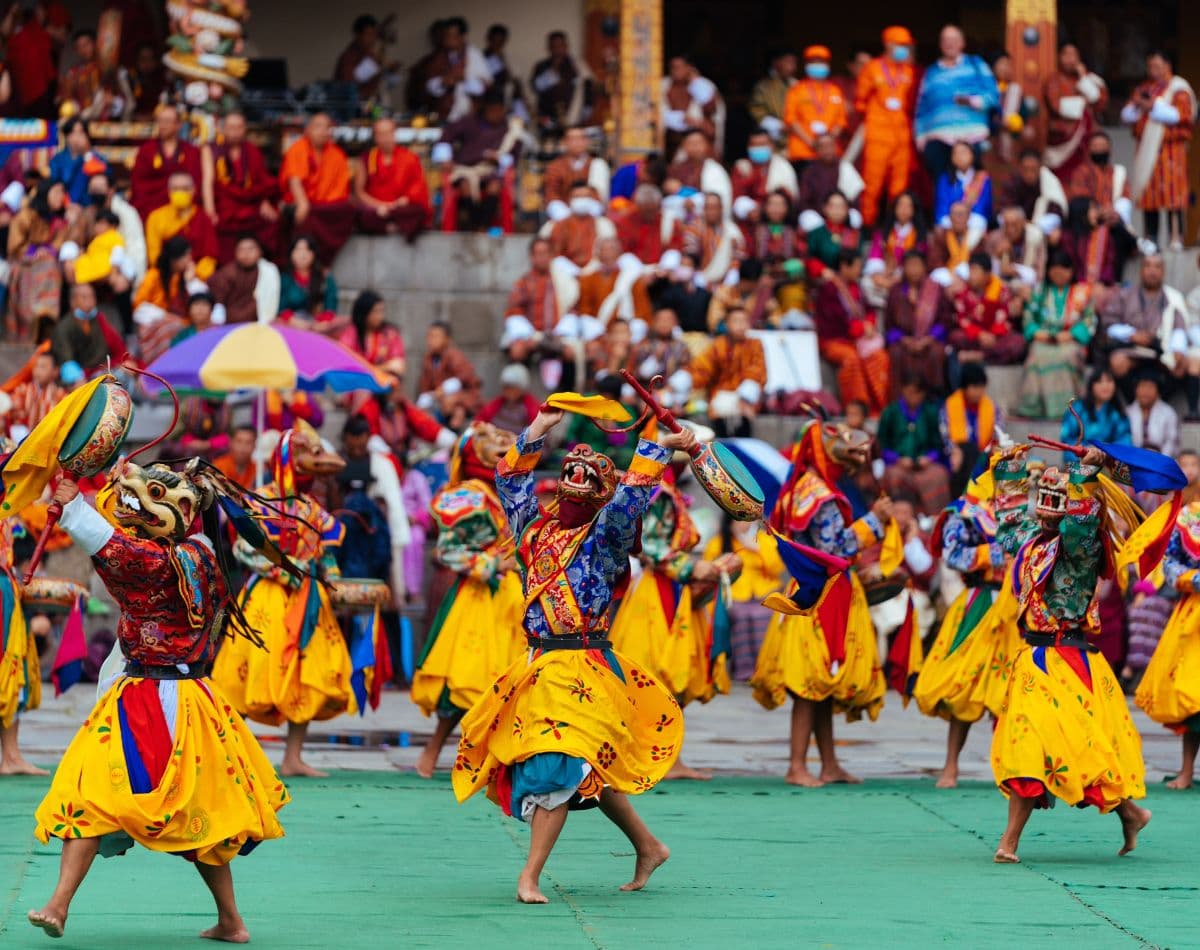
Another aspect of cultural trekking is that it gives you a chance to attend Tshechus. They are Bhutanese festivals at which local people put on brilliant traditional clothing. They perform masked dances and celebrate old stories. They hand it down through the generations.
These moments give you a look into what is important to Bhutan’s culture and beliefs. Cultural tours are for you if you are looking for an easy-going holiday. It also includes great doses of spirituality, culture, and human connection.
It is a mix of natural beauty and cultural heritage. We present to travelers who are looking beyond the typical postcard images of Bhutan.
What makes Bhutan a great destination for cultural adventure?
Bhutan is a rare place in the world that sees culture, religion, and nature in perfect synergy. Here are 5 very good reasons why Bhutan is the best destination for a cultural adventure:
Authentic and Preserved Traditions
Bhutan has maintained its long-standing traditions and way of life. One key reason is to limit tourism. The country focuses on preserving its cultural identity.

In everything from the national dress (Gho and Kira) to traditional farming practices. Or be it spiritual festivals. What you see in Bhutan is very much in its raw and authentic form.
Deep Spiritual Vibe
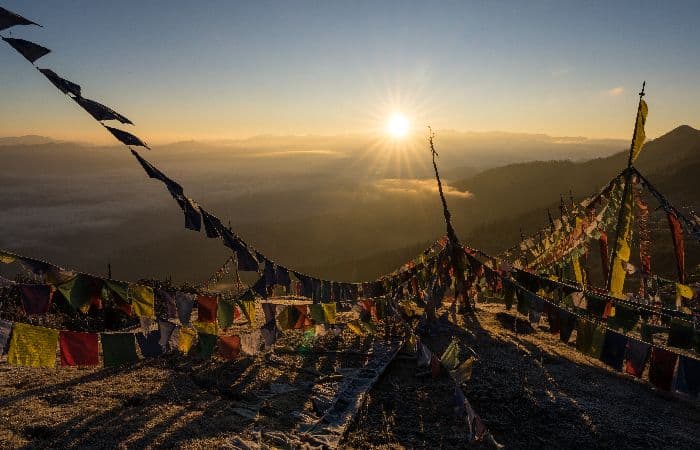
Bhutan is a spiritual place; it’s home to Mahayana Buddhism. We see prayer flags dancing in the wind. Monasteries perched on hilltops. And monks in the distance go about their chants. Find a peace-filled atmosphere that accompanies you throughout your trip.
Vibrant Festivals and Celebrations
Bhutan’s festivals, or Tshechus, are very colorful, spiritual, and filled with meaning. At these events, see masked dances, ancient rituals, and joyous community gatherings. Each one is a story of good versus evil, history, and mythology.
Warm and Welcoming People
Bhutan’s culture is of people who are very humble, kind, and respectful to guests. In villages, markets, or monasteries, you will feel that personal and emotional connection. This enhances your cultural experience.
Scenic Beauty and Simplicity of Life
Bhutan has the terraced fields, pine forests, and Himalayan peaks. It is almost fairytale-like for our culture. Here, life is slow, and it is in this simple pace that travelers can reconnect with nature. They can reflect on what is also a cultural journey.
Best Time for Cultural Trips in Bhutan
The best season for the Bhutan Cultural tour depends on personal preferences. So, to make it easy for you, we have made a detailed highlight of each season.
Spring (March to May)
Spring is the best season for cultural travel to Bhutan. The weather is mild, and the hills put on a show of rhododendron and other wildflowers.

Bhutan offers many cultural festivals in the spring. It presents a great opportunity for travelers. They get to see traditional dances, rituals, and celebrations.
Autumn (September to November)
Autumn is a perfect time for trekking and cultural tours. The weather is usually very fine, which in turn gives us great mountain views.
The air is very fresh, and the landscapes are at their most vivid and green after the summer rains. It is the harvest season, which means village life is very much alive and interesting to watch.
Winter (December to February)
Winter is an ideal time for the traveler seeking peace. At higher elevations, it may be very cold, but at lower altitudes, it is more approachable.

The days are clear and dry, and the crowds are out, which means you will have more of a personal experience. Cultural sites see fewer visitors now in the year.
Monsoon (June to August)
The monsoon season for trekking is not recommended since it is the rainy season. Trails will be muddy and very slippery, and visibility is low.
But for those who are into short cultural tours, it requires a little walking. The monsoon season does still put forward green settings and quiet towns.
Highlights of Bhutan Cultural Treks
Bhutan cultural treks are an ideal combination of scenic splendor. You can go on a spiritual exploration. It is a worthwhile involvement with the local natives.

These treks not only involve walking here and there but are meant to reach the heart of Bhutan.
Hiking in villages deep inside the jungles
The Bhutan cultural trek usually leads one into obscurity. You travel deep into the hills to small villages. Such communities have been keeping the traditional lifestyles over the generations.
A visit to these villages also provides an opportunity to visit the locals. Experience how they live. Learn how they cultivate their fields, as well as their conversational habits.
Seeing historic monasteries such as Tiger Nest
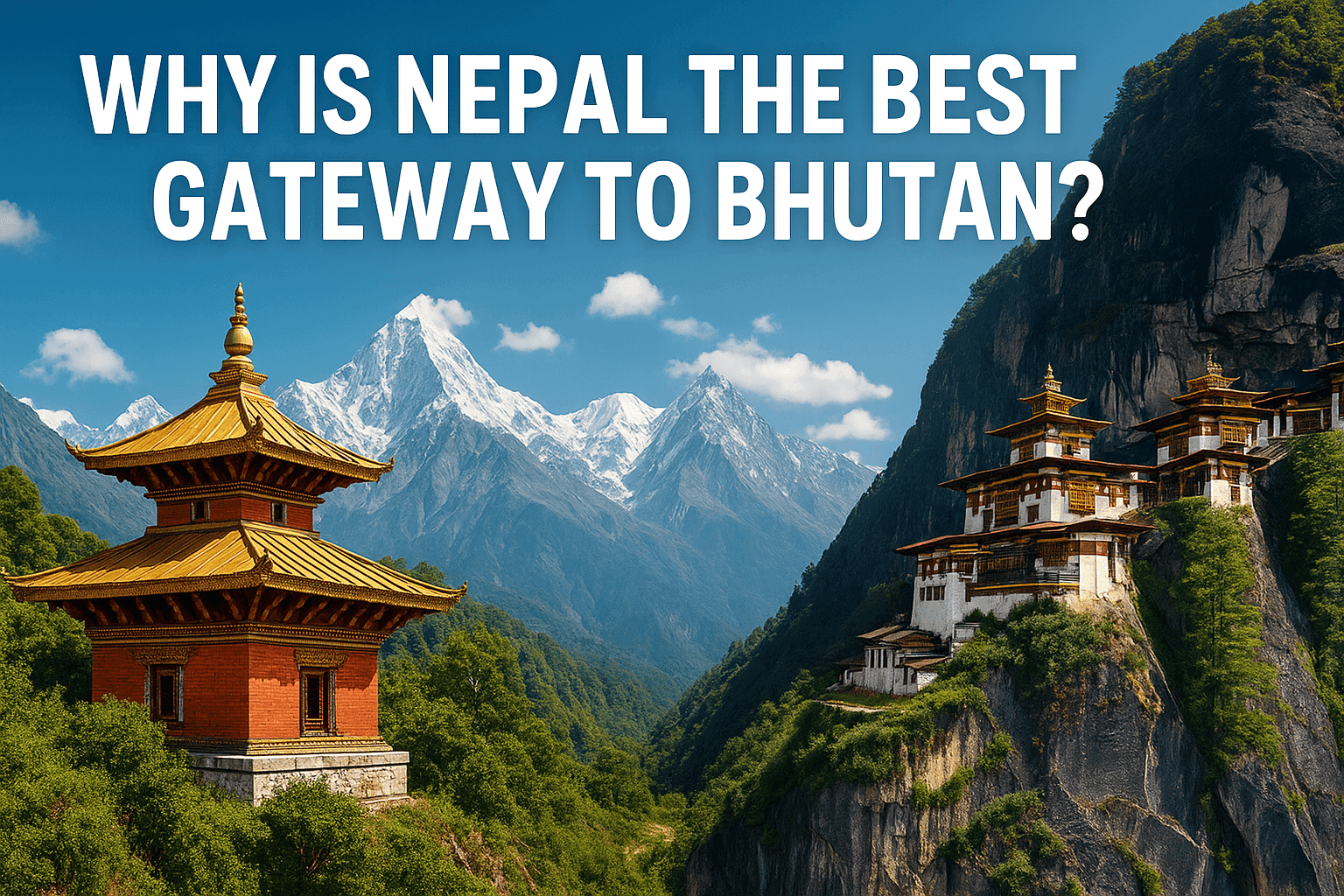
The visit to the sacred locations is one of the most memorable aspects of any trek in Bhutan. Tiger Nest (Taktsang Monastery) is the most popular of them.

Journey to Tiger Nest is a wonderful spiritual (and scenic) experience. This mythical monastery is constructed on top of a cliff. Other quiet temples, stupas, and ancient fortresses (Dzongs) are other religious places. You will come across them during your trek.
Experiencing colorful festivals (Tshechu)
The cultural treks are common in Bhutan with local festivals called Tshechus. Such festivals are full of masked dance, music, storytelling, and colorful ceremonies.
By attending or being a spectator at a festival. You learn more about the Bhutanese faith, folklore, and sense of community.
Learning about the food, dressing, and customs of Bhutan
During the journey, you will have a chance to taste the local food. These traditional Bhutanese cuisines are cooked with local products.

Visiting festivals or staying with homestays, you may also dress up in Bhutanese (gho or kira). Getting to know more about the Bhutanese way is more of a personal and fulfilling experience. Given that it involves butter tea, incense, and offerings.
Meeting with monks and local artisans
Most treks will also visit active monasteries. One can meet the monks and see their daily activities, and learn about the teachings of Buddhism.

You can also meet up with a local artist and craftsman during the trek. They depict traditional paintings, wood carvings, and hand-woven cloths. Moreover, they run in the family.
Top Bhutan Cultural Trek Packages by Himalayan Trekkers
1. Bhutan Saga La Trek with Cultural Tour
This 7-day Bhutan Saga La Trek with Cultural Tour is a mix of culture and easy-going adventure. It is great for beginners and those who prefer a more leisurely pace.
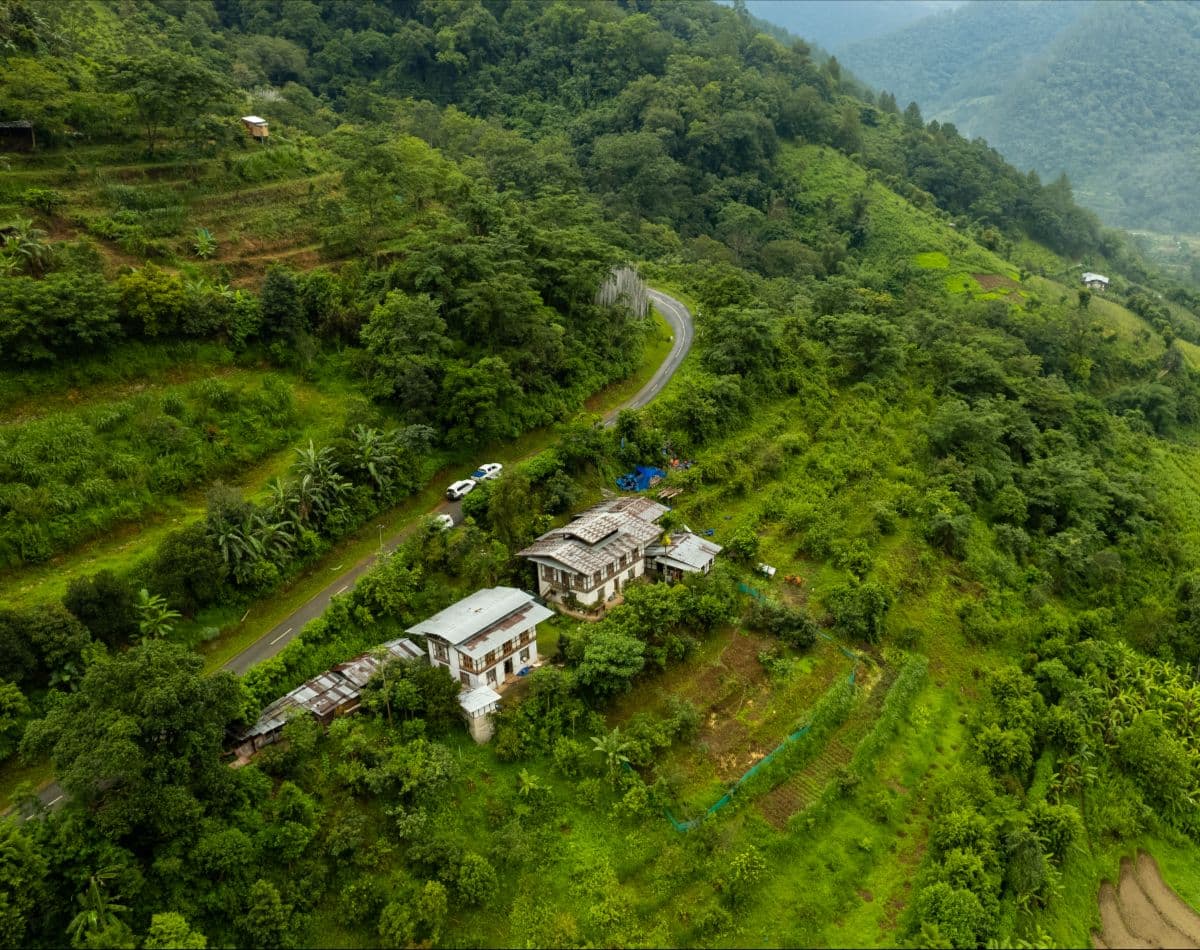
The trail passes through quiet woods of pine, oak, and rhododendron, which surround you. You will pass by still largely traditional Bhutanese villages. They have changed little from daily life as it was once lived.

You cannot miss the journey along the Saga La Pass. You will see amazing views of Mount Jomolhari and the Himalayan range. We will explore holy places that contain ancient chortens (stupas). Visit the secret meditation caves.
In Paro and Thimphu, the cultural tour involves:
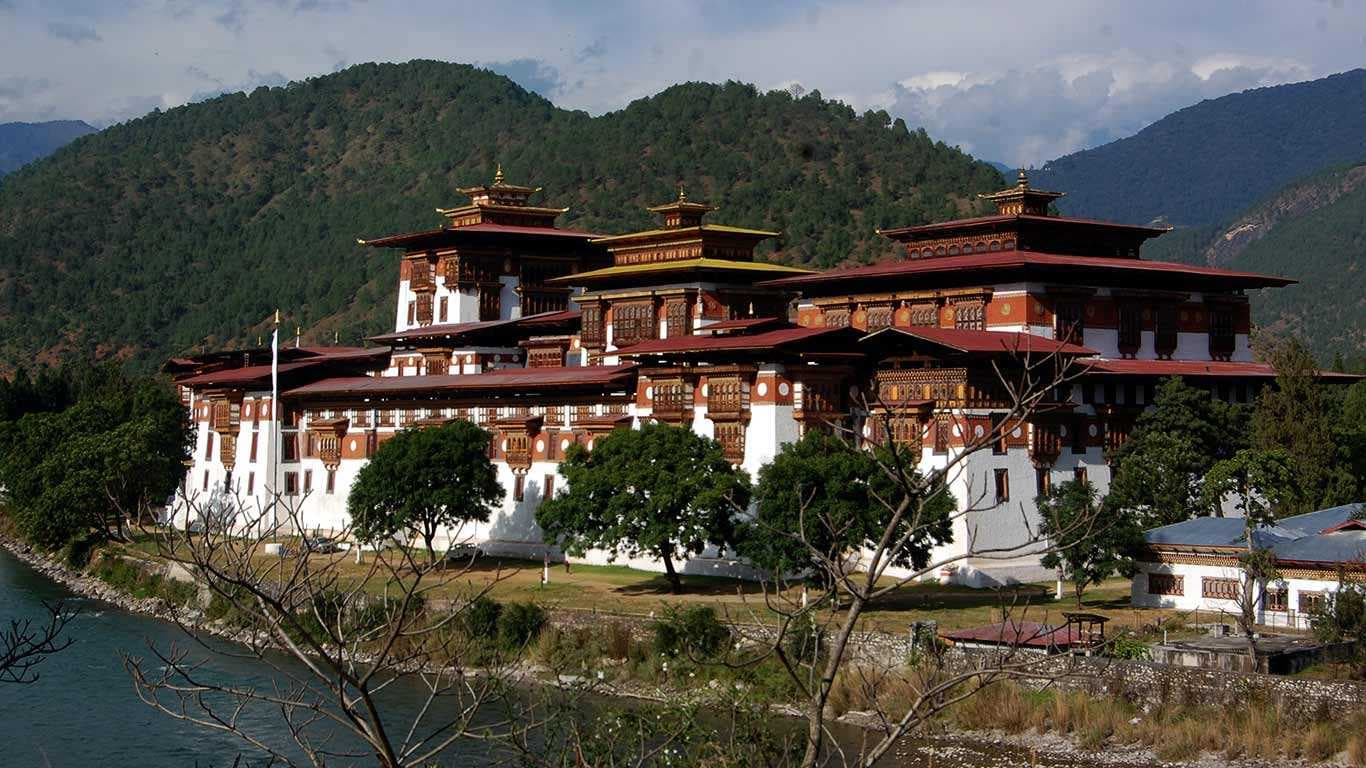
Rinpung Dzong.
The Kyichu Lhakhang.
The Buddha Dordenma.
The Tashichho Dzong.
One has an opportunity to get closer to the locals to make a hot stone bath. Eat some genuine Bhutanese food like ema datshi. And buy some handmade crafts at the weekend market. To the soft trekkers in the world, this tour is the optimal combination. It offers nature, spirituality, and cultural cheer.
2. Bumthang Culture Trip
Bumthang Valley is a Spiritual Centre of Bhutan. Bhutan has a lot of historic temples and sacred monasteries. This cultural adventure is designed for a ten-night exploration. Visit the most beautiful and traditional areas of Bhutan.

We see the oldest temple in the country, the Jambay Lhakhang. It is the place where Guru Rinpoche is believed to have meditated. The Kurjey Lhakhang and Tamshing Monastery are famous for their unique wall paintings.
The route will lead you through serene woods and across steep mountains. Then into idyllic, picturesque villages with typical settlements. Travel across terraced areas and even yak-raising communities.
The difference with this trek is that you can sleep in homestays. Here you will eat with locals, have an idea about their life, their way of farming, and traditional weavers. It is not like a trek; this is a classroom in Bhutanese life, spirituality, and folklore itself.
3. Cultural Journey in Bhutan
This trek-free tour is for guests who wish to fully experience what Bhutan has to offer. In terms of culture, which in turn leaves the physical challenge of long hikes at the door. In 7 days, we take you through three of the most interesting places in Bhutan. Paro, Thimphu, and Punakha. Each present their own set of historical, religious, and artistic features.

In Paro, we present to you Tiger’s Nest Monastery. It is located on a cliffside, and you will access it via a guided hike.
In Thimphu, the capital, we will visit various places. The National Folk Heritage Museum, Textile Museum, and the Centenary Farmers Market. It is a great place to see into the Bhutanese way of life.
Punakha was the former capital. It will blow you away with the beauty of Punakha Dzong that sits at the confluence of two rivers. You will enjoy cultural activities. Take up hot stone baths, traditional cooking classes, and may even put on a gho and Kira for a photo. This tour is for those who want an in-depth cultural experience and a comfortable way to do it.
4. Paro Festival tour of Bhutan
This 9-day journey is a great way to see Bhutan at its festive and spiritual best. Each year at Rinpung Dzong, the festival puts on display sacred masked dances (Chham). It offers colorful clothing, music, and Buddhist rituals. People passed the tradition down for generations.

Upon your arrival in Paro, you will not miss the main festival days. It includes the unveiling of the giant Thangka (Thongdrol). It's a religious painting that is put out once a year and is thought to give blessing on all who see it. Beyond the festival.
The tour features a trip to Tiger’s Nest. A guided tour of Drukgyel Dzong, Kyichu Lhakhang, and a visit to Thimphu to see its cultural sites. This tour is for those travelers who prefer to combine a little bit of sightseeing. It also offers the excitement of one of Bhutan’s largest spiritual events.
5. Explore Bhutan Tour
If you don’t have much time but wish to sample what Bhutan has to offer? Be it culture, natural beauty, or spiritual experience, this 5-day tour is what you need. The trip is short, and it includes the main attractions in Paro, Thimphu, and Punakha.

In Paro, visit Rinpung Dzong, the National Museum, and the Tiger’s Nest, a must-see for all travelers. In Thimphu, we stop at the Buddha Dordenma, King’s Memorial Chorten. And the Craft Bazaar is great for shopping for local crafts.
We do a trip to Punakha via Dochula Pass, which gives you the amazing Himalayan views. The tour also includes a visit to the Punakha Dzong. It is also one of Bhutan’s most scenic fortresses, and it comes to an end.
You will enjoy Bhutanese cuisine, go on short nature walks, and feel the peace that is a hallmark of Bhutan. We include it in just under a week.
6. Druk Path Trek Bhutan Tour
This is for beginner trekkers. This trail, which goes between Paro and Thimphu, is almost perfect. We follow in the steps of the past traders, which were the old trade routes. We go through the forests of pine, fir, and rhododendron.

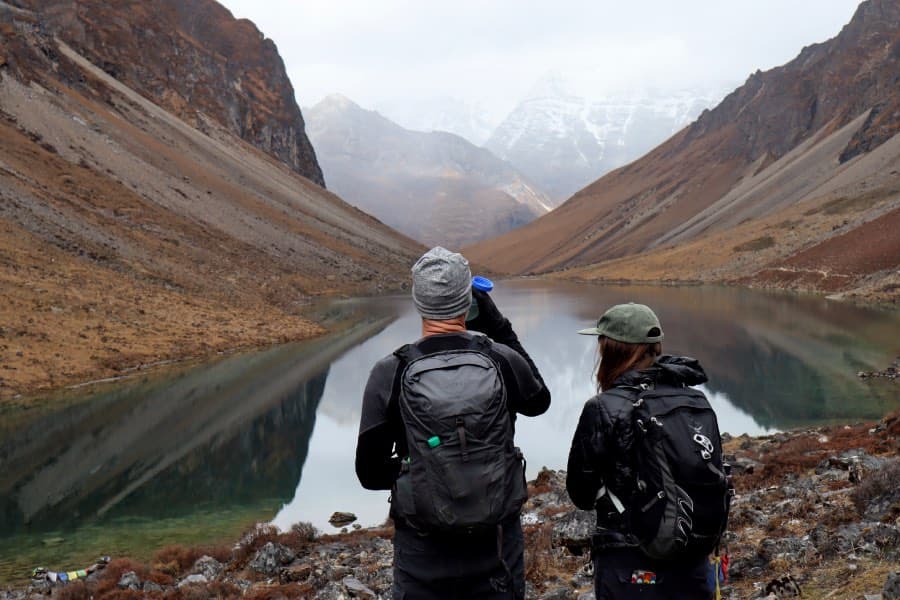
You will pass by beautiful lakes such as Jimilangtsho and Simkotra Tsho. They are great for camping. The trek goes over high ridges. It presents views of Mount Jomolhari and other Himalayas. Along the way, you may see wildlife like yaks and blue sheep.
Cultural sites in Paro are Rinpung Dzong and Kyichu Lhakhang. In Thimphu, we visit the Buddha Dordenma statue. Then the Folk Heritage Museum and the Tashichho Dzong. It is a short yet full experience of Bhutan’s culture and tradition.
7. Chele La Nature Trek Bhutan
This journey starts at Chele La Pass, which is Bhutan’s highest motorable pass (3,988 m). We begin with amazing views of snowcapped peaks. The trail winds through alpine meadows, pine forests, and valleys filled with wildflowers.

You will go to remote temples, yak shelters, and villages that are yet to be discovered. The area is home to a great variety of birds and medicinal plants. Each day, we have slow and peaceful walks at our own pace. You will enjoy the sound of the wind, prayer flags flapping, and the peace of nature all around.
The cultural tour takes you to Paro, Thimphu, and the Haa Valley. In Haa, you will meet farmers and see what their life is like. We will then go to Lhakhang Karpo and Nagpo, the famous white and black temples. This trek is for quiet goers who love nature, people, and peaceful paths.
8. Chomolhari Base Camp Trek
This is for travelers who seek out adventure and culture. We go to the foot of Mount Chomolhari (7,314 m), which is one of Bhutan’s primary sacred peaks. The trip starts at Drugyel Dzong in Paro, and we head to the lovely Jangothang Base Camp.

As you travel through oak and birch forests, over wooden bridges, and up to high yak pastures. At each step of the journey, you’ll sleep in tents beneath the stars.
You’ll visit small villages like Shana and Thangthangkha, which move at a slow pace in tune with nature. The pilgrimage includes a visit to Kyichu Lhakhang. It is one of the oldest temples in Bhutan, and the National Museum in Paro.
You will see how village life is and how they use prayer wheels, and which animals they raise. This trek weaves in a great Himalayan adventure with very rich spiritual elements.
9. Soi Yaksa Tour
Soi Yaksa is a secret gem of a hike. It is out of the way, which allows you to enjoy quiet time in the great outdoors. The trail begins at Jangothang (Chomolhari Base Camp). It winds through wild valleys and forested slopes.
You’ll cross two high mountain passes: Bonte La (4,890m) and Takhung La (4,520m). The trek goes by yak camps, sacred cliffs, and deep blue rivers. Each day is a different picture: snow peaks, glacial rivers, and flowering meadows.

You will meet local yak herders and see what their lifestyle is like. In the culture segment, we spend time in Paro and Thimphu. Take in Tashichho Dzong, local markets, and monasteries. This trek is for hikers looking for a wilderness experience and local interaction.
10. Punakha Dromche Festival Tour
In this Punakha Dromche tour, we see sacred mask dances which tell of gods, demons, and Bhutan’s ancient past. The air is filled with energy, which is enhanced by the fact that the local people are in their best clothes.

The festival has war dance reenactments, which are put on by monks and laymen. These dances pay tribute to the unification of Bhutan. It was done by the great warrior monk Zhabdrung Rinpoche. It is a powerful experience that is full of music, color, and devotion.
You will travel to Paro, Thimphu, and the countryside. We stop at Dochula Pass. Then at Chimi Lhakhang (Fertility Temple), National Memorial Chorten, and Buddha Point. We do cultural walks, have riverside picnics, and visit villages. This trip is great for people who love festivals, stories, and sacred traditions.
How to Pick the Right Cultural Trek for You
Select the right cultural trip in Bhutan based on many key factors. We take into account your preferences and abilities, which in turn will maximize your trip’s value.
Physical Fitness Level
Before you pick which trek to go on, do a self-assessment of your fitness level and experience. Some of the cultural treks in Bhutan have moderate to challenging hikes. It includes high mountain passes and uneven terrain.

If you are new to trekking or are looking for a gentle walk. We offer the Bhutan Saga La Trek or cultural tours, which are a better fit. For the more experienced trekkers, we have longer, more adventurous routes. The Chomolhari Base Camp Trek and the Soi Yaksa Trek.
Interest in Festivals, Religion, or Landscapes
Think of that which most excites you. Do you have a fascination for Bhutan’s colorful festivals and religious ceremonies? Also, do you prefer the ancient monasteries and in depth study of Buddhism?

Perhaps you’re after the natural beauty of the Himalayan valleys and high passes. Each trek has a different focus. Some are designed to be at festivals like Paro Tsechu, while others are not. They are more remote and focus on village life and mountain scenery.
Number of Trip Days and Travel Groups
We provide cultural treks from 5 to 7 days, which is great for first-time or short-term travelers. We also have 12-day expeditions.
We will ask you to choose a package that best fits your schedule. You will also have the option to join a group tour if you are a solo trekker.
Best for Beginners vs. Experienced Trekkers
For beginners, we recommend easier, lower altitude treks. It may last a short number of walking days, like the Druk Path Trek or the Bhutan Saga La Trek. These treks provide a great cultural experience. It offers wonderful landscapes without the physical strain.

More seasoned trekkers can go on longer and to higher altitudes. Routes like the Chomolhari Base Camp Trek or the Soi Yaksa Trek put you in the wild and remote areas of Bhutan.
Essential Travel Tips for Bhutan
Travel to Bhutan is a one-of-a-kind experience. It does need some preparation for your cultural journey to be smooth and enjoyable. Here are key tips to keep in mind before and during your trip:
Visa Process for Bhutan
All foreign visitors to Bhutan need a visa. But for Indian, Bangladeshi, and Maldivian nationals is not required. A licensed Bhutanese tour operator, like Himalayan Trekker, arranged the visas.

The process involves providing your passport information and confirming your tour. Visas are usually issued electronically. Upon your arrival at the airport or border, they will be stamped.
What to Pack for a Cultural Trek
Packing smartly will make your trek a very smooth experience. As for what to pack, bring sturdy trekking shoes. Layers are ideal for changeable weather.
A good quality waterproof jacket. Sun protection in the form of a hat, sunglasses, and sunscreen. A reusable water bottle, your personal medication, and a small first aid kit.
Do pack a camera for the great landscapes and culture shots in Bhutan. As for festivals, bring something modest. You may rent traditional Bhutanese attire local to you.
Respecting Local Customs and Dress Code
Bhutan’s culture is very much spiritual in nature. Upon visiting monasteries, do remove your shoes and hats. Keep a soft tone of voice and don't touch sacred items. It is required that you dress modestly, which means to cover your shoulders and knees.

At festivals, do as the locals do and take part in a respectful manner. In some religious sites, photography may be restricted, so it is best to ask for permission first.
Currency and Payment Options
Bhutan’s currency is the Ngultrum (BTN). It is what you should use, but Indian Rupees (INR) are also used in some places. While credit cards are accepted at some hotels and larger stores, in the country’s outlying areas.
Cash is what you will want to have. It is a good idea to load up on local currency before going into remote trekking areas, which may not have ATMs.
SIM Cards and Internet Access
Bhutan’s telecommunication is seeing improvement. In some cases is still limited in remote areas. At the airport and in the main towns like Paro and Thimphu, you may buy a local SIM card.

Mobile data is present in urban areas and, at best, on the trekking routes. Also, in many hotels and guesthouses, free Wi-Fi is offered.
Health and Safety
Stay well hydrated and take it slow as you get used to the altitude. It is also very important for high-altitude treks. Drinking straight from the tap water, avoid that. Instead, use bottled or filtered water.

Please bring any personal medications you may need. Also, inform your guide of any health issues you may have. Furthermore, we highly recommend that you get travel insurance that covers trekking.
Climate and Weather Considerations
Bhutan has variable weather at best. And experiencing that it can go from warm in the afternoon to cool at night.
Before you go, check the forecast. Make sure you have what it takes for unexpected drops in temperature at high elevation. Also, pack in layers and a good rain gear for your comfort.
Environmental Responsibility
We follow the “Leave No Trace” principles. It includes not littering, using reusable water bottles, and respecting wildlife. By our responsible action, we can preserve Bhutan’s pure beauty for future visitors.
Language and Communication
The national language is Dzongkha, but they also use English in tourist areas. To better connect with the local people, we recommend learning basic Bhutanese phrases. They will, in fact, appreciate.
Booking Tour Packages of Bhutan with Himalayan Trekkers
Upon reaching out, we will put you in touch with a travel expert who will help you choose the best trek for your taste.
When it comes to the details of your trip, go over your travel dates, group size, and any special interests you have.
We, Himalayan Trekkers, will go over the package once it is confirmed by you. At that time, you will also be put through the visa process and asked to make a booking deposit.
The team takes care of all the logistics. It includes permits, accommodation, and guide arrangements. What sets Himalayan Trekkers apart is our flexibility, which allows full trip customization.
Whether you wish to add a local festival to your extra sightseeing days on the trip. Even if you change the amount of trekking or go private, they will tailor the itinerary to what you want.
Final Thoughts
Unlike what you’d expect from an average travel experience, in Bhutan, you get a unique blend. Get natural beauty, deep peace, and cultural richness. You carry it back home with you.
These treks present more than beautiful sights. They give you time to slow down and connect with yourself. See a country that puts happiness and harmony at the top of everything.
As you join a festival, walk to a cliff-top temple. Sit and share a cup of tea with a local family. Each moment is full of meaning.
If you are after what is beyond the typical tourist track, then in Bhutan’s cultural treks, you will find it. It is time to venture out into these unknown routes. See a side of the Himalayas that is full of wisdom, warmth, and wonder.
FAQS
1. Do I have to join a group for trips in Bhutan, or do I go it alone?
Independent travel is not allowed in Bhutan. All travelers must go via a registered Bhutanese tour operator or their partners. You can still go on a solo trek with a private guide, but all arrangements must be put together through an official agency which may be Himalayan Trekkers.
2. What should I expect in terms of lodging during my cultural trek?
Accommodation is at the discretion of the trek. In towns we stay in clean and comfortable 3 star hotels or homestays. As for the treks you may be staying in tents (for remote routes), basic teahouses, or traditional village homes which means the accommodation will vary by location and type of trek.
3. Is altitude sickness a concern on cultural treks?
The level of cultural treks that exists in Bhutan is mainly below the altitude of 4,000 meters, and therefore, the possibility of altitude sickness is minimal. But in case of a trek such as that of the Chomolhari Base Camp or Soi Yaksa, acclimatization and a less hectic pace matter.
4. Are dietary needs and vegetarians acceptable?
Yes, Bhutan is quite vegetarian-friendly, and most food will be rice-based, lentils, and cheese. You can also have a diet or food allergies; in that case, you just must tell your tour operator about it, and they will plan accordingly.
5. Will Bhutan cultural treks be good with children or elderly travelers?
Surely, not all cultural treks are family and senior-friendly because of the lower amount of walking hours and less demanding terrain, as in the case of the Bhutan Saga La Trek or the Cultural Tour of Bhutan. You must select a trek that is in tune with the fitness of all the people on the trek.
6. Do I have to go with cash on the trek?
In bigger towns, card payment will be accepted in a hotel or a store, but you will have to have cash to buy or to tip somebody or to donate in a monastery. It is advisable to change money in Paro or Thimphu and go on a trek after that.
7. What is the type of guide will be with me on the trek?
Himalayan Trekkers offers qualified, government-approved, and English-speaking guides with high competition in cultural perception and first-aid training. Your guide not only guarantees the safety but will also be able to tell you more about the history of Bhutan, its religion, and lifestyles.
8. What is the Sustainable Development Fee (SDF), and has it been included in the package?
Bhutan requires the payment of a 100 USD Sustainable Development Fee (SDF) by foreign tourists daily to assist in healthcare, education, and environmental protection. This fee is specified by most tour operators in the price of the tour package; it is, however, best to check first before making a booking.