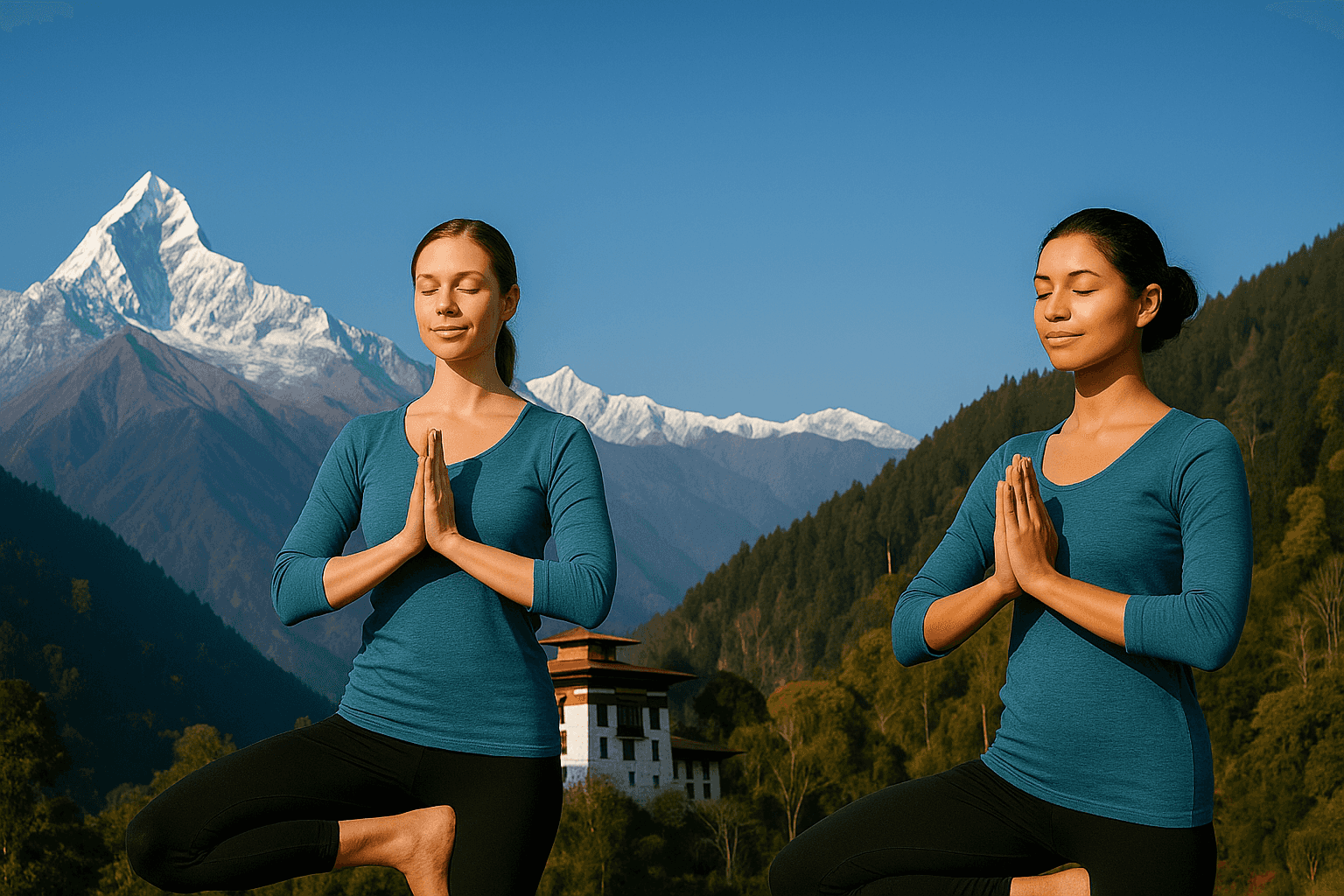
The eastern section of Bhutan stands as a remarkable cultural center. But it is the least developed region throughout the country. The distant Bhutanese territory upholds its sacred aspects. Yet it still maintains its antique natural elements and age-old customs.
They have prevented the advances of modernization. Visitors who travel to Eastern Bhutan gain a genuine understanding of traditional culture. Here, many communities preserve their ancient customs.
Eastern Bhutan and what it offers
The territory houses different linguistic traditions. It also houses semi-nomadic Brokpa populations. They are known for their experienced craftsmen who maintain traditional weaving abilities. Women maintain the Kishuthara silkweaving practice in Khoma village, Lhuentse district. It gained regional fame for its elaborate silk skills. Tourists have the chance to see weavers while they create their artworks. Also, they can buy the elegant handmade fabrics on the site.

The spiritual heritage of Eastern Bhutan dominates the landscape. It contains many historical temples together with ancient monasteries and important pilgrimage destinations. You can find iconic Buddhist architecture in the region. Eastern Bhutan offers some of the best hiking sites. You can visit:
Lhuentse Dzong
Drametse Monastery
Gom Kora
They offer insights into Bhutan’s spiritual heritage. These holy sites organize colorful festivals throughout the year. It brings Bhutanese people together and presents travelers with their vibrant religious customs.
Eastern Bhutan provides an ideal environment of untouched wilderness and off-the-beaten-path travel. It offers diverse biodiversity to nature enthusiasts and explorers. You can encounter the Red panda and the black-necked crane. Them, alongside other endangered species in the region. Their homes are in the Sakteng and Bomdeling Wildlife Sanctuaries. They serve as protected areas.
Trekking routes extend to Singye Dzong. It goes well with the birding trails of Sengor and Yongkola. They create paths to beautiful scenery enriched with spiritual value.
The offbeat nature stands as the main draw of visiting Eastern Bhutan. The lesser number of visitors has created an environment. Visitors can enjoy deep immersion together with serenity in their travel experience. Explore Dungkar Nagtshang royal ancestral homes or visit Aja Ney. Those who find spiritual havens will find genuine hospitality and meaningful human interactions.
The eastern region of Bhutan provides visitors with more than a sightseeing opportunity. It reveals genuine Bhutanese spirituality to true enthusiasts. The distant location preserves traditional ways of life. Traditional customs exist alongside nature. Travelers can find deep connections with spirituality alongside untouched natural wonders. You find them in Eastern Bhutan, it can be the ultimate destination.
Eastern Bhutan’s History
The historical foundation of Eastern Bhutan originates from its strong spiritual commitment. It has a dual role in managing local areas and its past trading operations. The area was a central cultural and spiritual heartland. That is before Bhutan unified as a kingdom. The historical development of this region directly follows the spread of Vajrayana Buddhism. It is together with important religious leaders who influenced its growth.

Around the 8th century, Guru Padmasambhava conducted a religious journey across Eastern Bhutan. And then blessed Gom Kora and Aja Ney. The sacred sites grew to become essential sites of pilgrimage. It stimulated the initial religious growth of the region. Throughout the centuries, Eastern Bhutan has evolved into a holy sacred road. It contains many meditation caves alongside various temples and monasteries.
During the 15th and 16th centuries, the region became prosperous. It was through the spiritual work of Pema Lingpa, who was a prominent treasure revealer known as a tertön. His descendants, especially his son Sangdag, built two main religious establishments. Sangdag established Yagang Lhakhang and Drametse Monastery. Drametse Monastery grew to establish itself as an influential religious center. UNESCO recognized its famous mask dance, known as Drametse Ngachham.

History identifies Lhuentse from where the Chinese Wangchuck dynasty became Bhutan's royal lineage. A traditional house named Dungkar Nagtshang, located in Lhuentse. It serves as part of the ancestral line that led to the first King of Bhutan. The 17th century transformed Lhuentse Dzong. It was established as a vital historical center for spiritual and political purposes.
The region stayed active culturally, even with its challenging topography. It maintains cross-border connections with Tibet and the surrounding Himalayan nations. It is the historical trade routes and pilgrimages. It offers novel ideas, artistic expressions, and spiritual elements from distant regions. They fuel the heritage development of the area. Local leaders also serve as religious figures. They exercise spiritual power combined with administrative authority. It is during the period when Bhutan lacked a central governing body.
The region of Eastern Bhutan received national integration in the early twentieth century. It was during the first monarch, Gongsar Ugyen Wangchuck's leadership. The development of administrative centers, together with roads in Trashigang and Mongar. It made the region more accessible to the outside world. And all without altering its cultural traditions. Many towns in the eastern districts continue to practice governance systems. It unites historical independence with modern national values.
Eastern Bhutan's people continue to hold onto their historical pasts, still modern influences. It presents ancient monasteries and fortress-dzongs. You can get it through oral traditions transmitted over many generations. The past actively shapes current social interactions. The region offers an enduring connection with its past establishments. Eastern Bhutan has an important impact on history. It is also resistant to cultural influences.
Major attractions in Eastern Bhutan
The eastern sector of Bhutan presents major attractions. It unites cultural plenty with divine serenity. It provides untainted natural views which distinguish it from Western Bhutan's touristic routes.
Eastern Bhutan offers visits to remote cliff-side monasteries with traditional festivals. It is a holy pilgrimage destination and has biologically diverse territories. Eastern Bhutan provides visitors with an opportunity to discover authentic Bhutan. They can explore its historical heritage and sacred spaces. Also, it's time-tested appeal.
Notable Buddhist Architecture in Eastern Bhutan:
Lhuentse Dzong
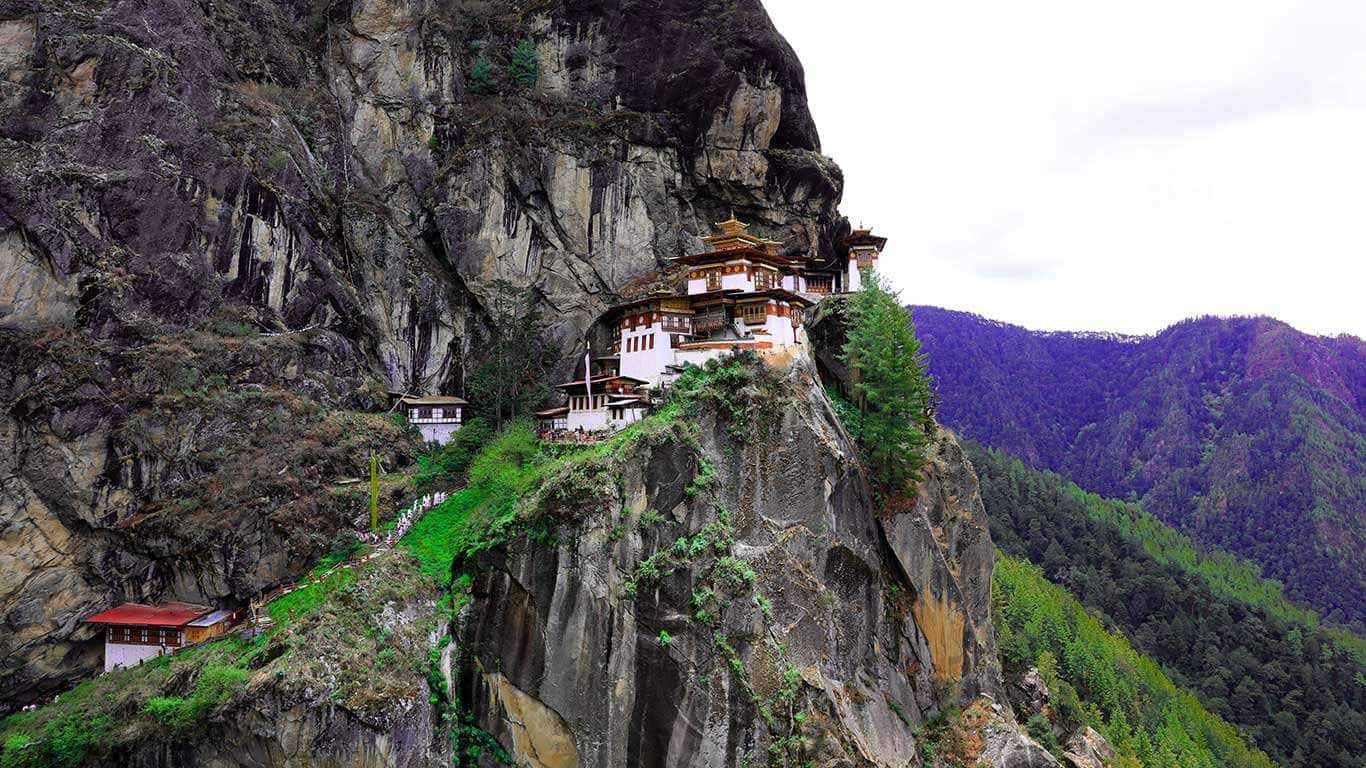
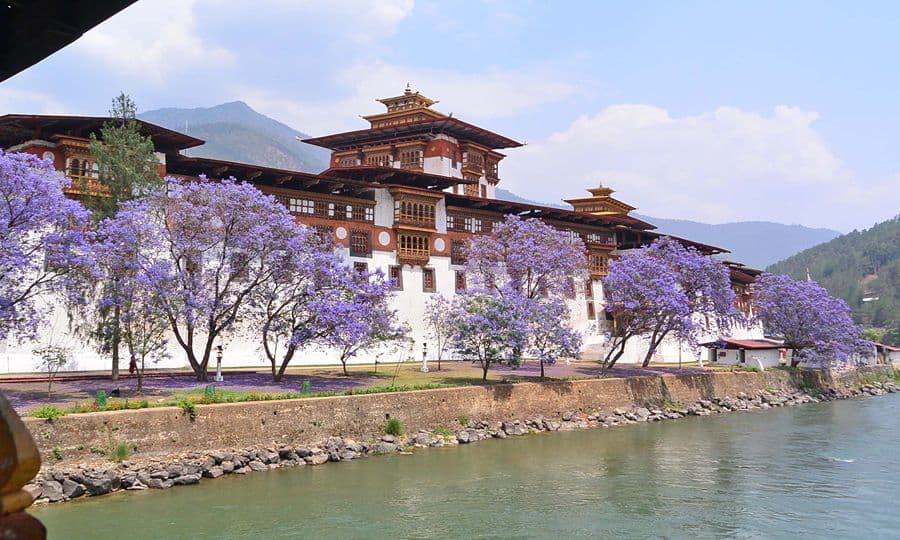
Lhuentse Dzong embodies Bhutanese heritage. It offers spiritual depth and serves as a place representing royal lineage. In the remote Lhuentse district, the fortress was built during the 17th century. It rests majestically on a cliff above the Kuri Chhu river. It provides breathtaking perspectives of the valley with its forested hills as decor.

Kuenga Wanpo, who was connected to Tertön Pema Lingpa as the great-grandson. It is directed to the construction of this dzong. It subsequently became an important religious gateway and administrative center for Eastern Bhutan.
The dzong stands as a vital location. It serves as the descent place for Bhutan's royal lineage, known as the Wangchuck dynasty. Bhutan's first monarch, Gongsar Ugyen Wangchuck, originates from the Dungkar Nagtshang. It is in Lhuentse, while the district maintains essential ties with the royal family. Thus adding historical value to the site.
The traditional Bhutanese dzong architectural elements are displayed at Lhuentse Dzong. This includes massive white-washed walls. You can view the tiered roofs and intricately carved woodwork. They survived many generations. The sacred inner walls of Lhuentse Dzong shelter various temples that venerate:
Padmasambhava (Guru Rinpoche)
Amitāyus (the Buddha of Longevity)
Avalokiteśvara (the Bodhisattva of Compassion)
The shrines function as places where people worship daily. It is concurrently hosting yearly religious events. It allows the community to maintain its spiritual cycle. In this remote area, the dzong maintains an essential function. It safeguards and supports Vajrayana Buddhist teachings.
Lhuentse Dzong remains a relatively undiscovered cultural site in Bhutan. Its distant position provides a peaceful sanctuary for travelers. It offers a genuine experience. People from all walks of life. It includes the monks' visit to the Lhuentse Tshechu yearly, as this festival. It showcases traditional ceremonies and blessings combined with sacred dance performances using masks. Through these festivals, people maintain their inter-community relationships. It has protected traditional ceremonies from time immemorial.
Yagang Lhakhang (Mongar)
The Mongar district of eastern Bhutan has Yagang Lhakhang. It stands as a revered spiritual temple with strong saintly energy. Sangdag, a son of the notable treasure revealer Pema Lingpa, constructed the temple. It was in the 16th century. It is situated beside a riverbank. This temple attracts both pilgrims and visitors. It's a peaceful environment within the Yagang village.

Several holy relics exist within the temple. It includes spiritual treasures that Pema Lingpa himself discovered through his revelation work. These historical artifacts at the temple have magical powers. It fascinates many religious believers who come for blessings. It has fortuitous outcomes and spiritual direction. Yagang Lhakhang follows the Bhutanese design principles. It is a sacred geomancy while staying modest compared to dzongs.
People from far and wide gather at Yagang Lhakhang every year. The Tshechu festival stands as eastern Bhutan's oldest cultural event of immense significance. During the sacred event, monks perform a blessed dance. It is performed along with traditional songs to honor Guru Padmasambhava. His teachings through religious practice. The Tshechu represents a dynamic celebration of religious devotion. People gather in traditional outfits to strengthen both communal identity and spiritual virtue.
Fewer international tourists visit the temple. It's a destination for people seeking an authentic spiritual experience in Bhutan. Community members from the surrounding area maintain support for the temple maintenance. Religious events sustain the sacred legacy of Pema Lingpa. Travelers who seek cultural experiences will find them at Yagang Lhakhang. It offers a chance to behold the surviving cultural heritage of eastern Bhutan.
Drametse Monastery (Mongar)
Drametse Monastery stands as an essential religious and cultural establishment. Among all Eastern Bhutan monasteries, it is the most important. Ani Cheten Zangmo, granddaughter of Pema Lingpa, created this monastery. She built it during the 16th century. It was following her role as a respected nun. Drametse became the biggest central institution for the Peling Buddhist tradition. It spread throughout eastern Bhutan.

Religious practices across Eastern Bhutan find their core at Drametse Monastery. It serves monks with residential facilities. It maintains Buddhist scholarship combined with ritual practices. Religious studies at this monastery rely extensively on Nyingma school theories. It comes with a bit of Peling lineage influence.
This forms the basis of its institutional practices. It includes both liturgical ceremonies and philosophical teachings. Many generations of religious leaders from Pema Lingpa's bloodline have strengthened this institution.
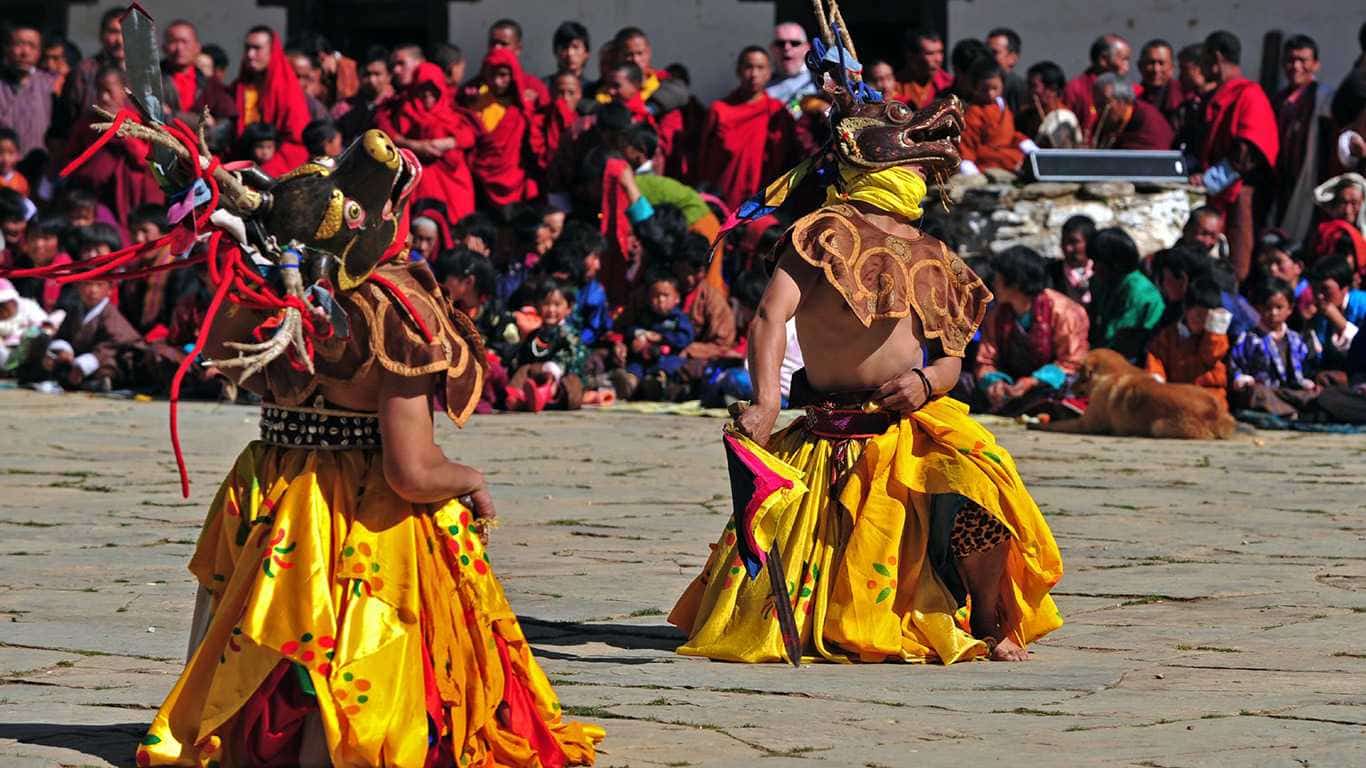
Additionally, Drametse Monastery holds the origin of the sacred dramatic masked dance. It is known as Drametse Ngachham, which monks perform. They add traditional musical instruments and drums. This cham is the Masterpieces of the Oral and Intangible Heritage of Humanity selected by UNESCO.
This cham portrays the divine dance of Guru Rinpoche and his divine followers. Major Bhutanese festivals serve as platforms where this sacred dance. It continues to evoke Bhutanese artistic identity and spiritual expression through its performances.
The monastery displays traditional Bhutanese monastic architecture. It has three-tiered roofs and intricate windows. The walls showcase Buddhist deities and narrative paintings. The religious atmosphere intensifies at this place.
It stands on a high elevation overlooking valley landscapes in the distance. The peaceful atmosphere covers the monastery. The environment moves most visitors who visit Drametse. Thereby strengthening its reputation as a holy sanctuary.
Gom Kora (Trashiyangtse)
Gom Kora in Trashiyangtse district ranks as Eastern Bhutan's most revered pilgrimage site. Many myths surround this place despite the religious teachings and supernatural happenings. According to Bhutanese beliefs, Guru Padmasambhava (Guru Rinpoche) meditated in this very site. He also fought and subdued a powerful demon during the 8th century. The spiritual landmark combines natural features with historical artifacts. It surrounds a meditation cave.

Gom Kora receives its name because it combines the meaning of “Meditation Circle." It's a cave meditation location at the temple and the custom of a religious walk. During this holy practice, devotees kneel down in prostration. They move counterclockwise around the site to get purification of their karma. It is to achieve their desired goals. The carvings on the rock originate from Guru Rinpoche. The holy temple relics still evoke deep devotion from believers.
The Gomphu Kora Festival transforms the Gom Kora temple each spring. It turns into a religious festival. It attracts devotees from Bhutan and Indian residents. Most come from Arunachal Pradesh.
Through mask dances and communal rituals, it enables people to share cultural activities. They gain blessings from various Himalayan ethnic groups. People gather at this holy site during special occasions. They unite meditation with festivity. They keep their respect for the spiritual essence that fills this place.
Gom Kora remains peaceful and contemplative for most of the year. Yes, even after the festival period ends. The peaceful charm emerges from its picturesque location. It borders forested hills and rice fields surrounding the river. The holy site at Gom Kora provides tourists with Eastern Bhutan's spirituality. It is a profound way to experience its sacred territorial boundaries.
Offbeat and Hidden Gems in Eastern Bhutan:
Aja Ney (Mongar)
Aja Ney functions as an important and unusual place of spiritual devotion. It is located within the Mongar district in Eastern Bhutan. Buddhism followers visit Aja Ney because of Guru Rinpoche. He brought Buddhism to Bhutan, used meditation there to leave his body print in rocks.
The sacred site is in the middle of pristine forests. It provides visitors with a serene and spiritual experience. They can simultaneously explore Bhutan's spiritual heritage through peaceful forest surroundings.

The spiritual destination of Aja Ney functions as a site of pilgrimage. It is also a peaceful respite for travelers. Especially if they want to understand the sacred history of the land more deeply. Aja Ney's location can be reached by trekking through a part of nature. Here, visitors will discover the compatibility between religious devotion and outdoor adventure. It has minimal mass tourism. The site provides visitors with an unmatched personal encounter with Bhutanese religious traditions.
Worshippers visiting Aja Ney make prayers and present offerings to sacred sites. These offerings are strategically positioned throughout the pilgrimage route. Aja Ney maintains its status as an undiscovered site within Eastern Bhutan. Moreover, it holds important historical and sacred qualities. Aja Ney delivers a distinctive cultural and natural exploration. This lets visitors unite Bhutan's religious customs with its natural landscapes.
Sengor–Yongkola Birding Trail (Mongar)
Sengor–Yongkola Birding Trail in Mongar is known as the "Birding Capital of the World". It attracts both birdwatchers and nature enthusiasts to its bird paradise. The Sengor–Yongkola Birding Trail extends for 26 km. It goes through the Eastern Himalayas foothills. It contains countless unique bird species in the region. Hikers on this trail experience the diverse features of forests, grasslands, and rivers. They can observe many bird species.

The Sengor-Yongkola Birding Trail attracts many birdwatchers. It hosts different pheasant species, eagles, and many migrating birds. The Sengor-Yongkola Birding Trail plays an essential role in Bhutan's conservation strategy. It is a protected habitat and sustainable wildlife management systems. It retains its abundant wildlife resources. The birdwatching conditions become optimal. The visitors can experience dense forest areas that intersect with rugged mountain landscapes.
Birders find unique value in this trail thanks to its broad accessibility features. The professional local expertise provides in-depth knowledge about species types and habitat information. The trail presents an experience to people. You can explore Bhutan's avian diversity. The area features three prime species.
Bhutanese Himalayan monal
The rusty-cheeked scimitar babbler
The rare Ward's trogon.
The Sengor-Yongkola Birding Trail offers a distinct travel experience. Visitors are welcomed to Bhutan's natural beauties through its tranquil setting.
Khoma Village (Lhuentse)
Located in the Lhuentse district, Khoma Village showcases an exceptional Kishuthara weaving tradition. It remains a well-kept local secret. Some of the best Bhutanese artists inherited traditional weaving skills. Moreover, they live in this serene village. The weavers of Kishuthara use their expertise to manufacture national traditional items. You can find Gho and Kira through their complex pattern designs and vibrant coloring. It sustains Bhutan's cultural history.

The thorough process of Kishuthara weaving can be directly observed. You do it if you visit Khoma Village. Female artisans perform traditional handloom weaving of Kishuthara textiles. It creates textile masterpieces that symbolize Bhutan's national identity. You can meet weavers directly to see them work. You can understand their skills and the history of textile craftsmanship. At the same time, you can buy custom-made textile products as one-of-a-kind collectibles.
Due to its peaceful setting and skillful weaving capability, the village attracts visitors. You can discover Bhutanese traditions and artisanal work. The close link between Khoma and its textile heritage creates opportunities for visitors. It builds better knowledge of Bhutanese artistry while understanding traditional cultural preservation. A visit to Khoma village offers a view of an authentic local lifestyle. People can discover at Khoma a meaningful connection between tradition and modern times.
Dungkar Nagtshang (Lhuentse)
Visitors can find the history of Bhutan's monarchy at Dungkar Nagtshang. It rests in Lhuentse and remains the royal family's ancestral house. The historical mansion blends traditional Bhutanese architectural values. It successfully unites both practical function with artistic beauty. An essential part of Bhutan's royal heritage exists at Dungkar Nagtshang. This place highlights where the Wangchuck dynasty began. It also offers a view with strong ties to Bhutan's history.

The mansion perches atop a hill. Patrons get breathtaking views of the Kuri Chhu River and the landscapes. Local stone and wood construct the building through traditional Bhutanese techniques. The walls showcase intricately carved windows together with decorative details. Historical portraits and royal artifacts with antique pieces display the Wangchuck family's journey. This led to Bhutan's modernization throughout the walls inside the royal house.
Dungkar Nagtshang provides guests with the opportunity to walk through its area. They discover how the royal family shaped the nation through its historical evolution. The site offers visitors a chance to experience Bhutan's historical evolution. It went from a feudal state to a modern monarchy. preserved architectural elements and historical artifacts. The historical value of Dungkar Nagtshang draws history enthusiasts. People who want to learn about Bhutan's political development flock to.
Takila Guru Statue (Lhuentse)
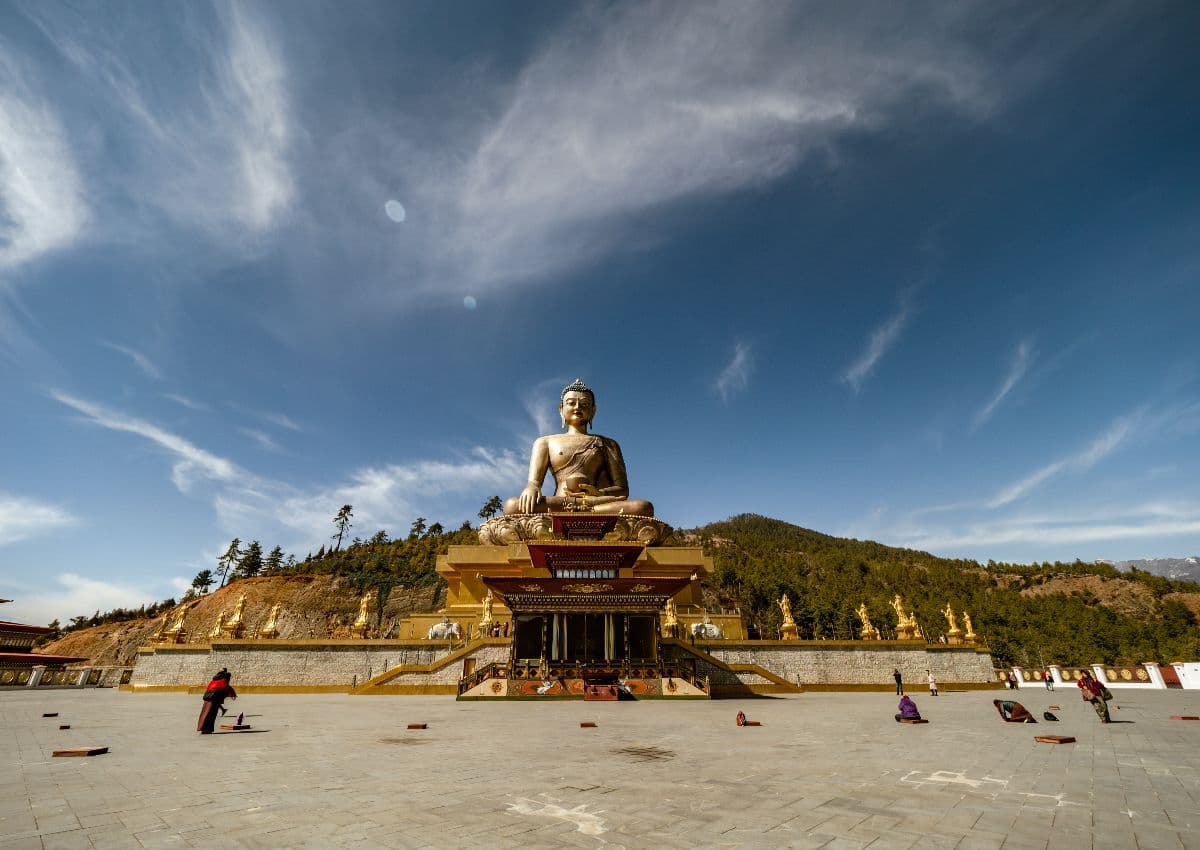
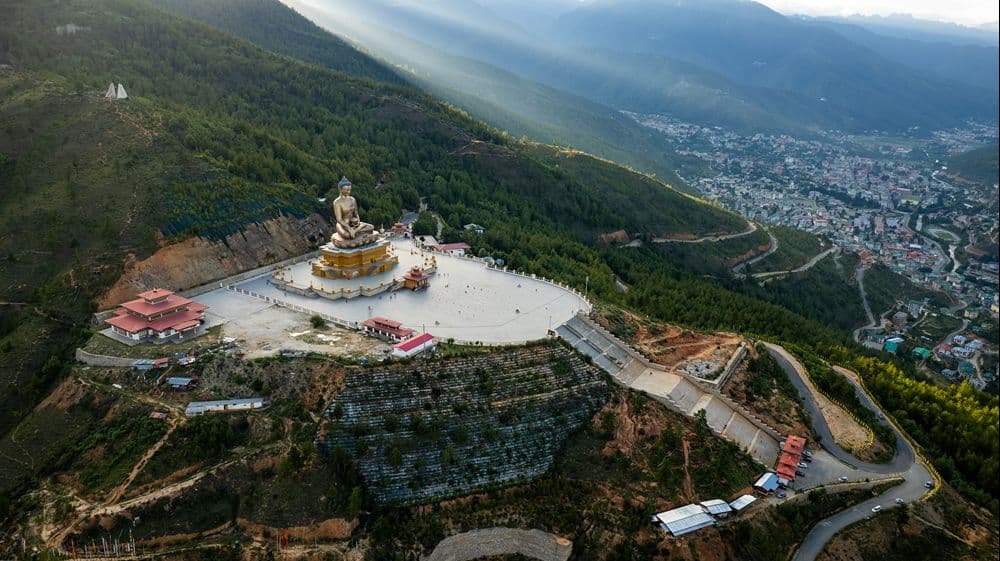
The Takila Guru Statue is located in Lhuentse. It represents Bhutan's spiritual devotion to Guru Rinpoche and his status as Padmasambhava. With a height of 154 feet, the statue ranks as one of the biggest such statues worldwide. It depicts Guru Rinpoche sitting cross-legged, holding a vajra and a scripture. People created this statue to celebrate the Guru's powerful role in Bhutanese Buddhism. It also generates spiritual reverence within the population.

Visitors can experience breathtaking views of mountains and valleys here. The statue exists on a hilltop. Viewers at this elevation enjoy broad views of the landscape. The statue functions as both a statue and a regional spiritual and visual center. Many smaller prayer spaces and meditation areas exist at the site. This allows people to make prayers and contemplate in its serene surroundings.
Any individual traveling to Takila discovers the statue as a meaningful symbol. It represents the teachings of Guru Rinpoche. It forms the core of Bhutan's Buddhist heritage. The Takila Guru Statue serves as an ingenious engineering masterpiece. It has developed into a significant religious destination. People visit to receive blessings. It is also a spot where many come for peace and spiritual bonding. Travelers and devotees find the destination unmissable. Takila Guru Statue brings together religious devotion through natural elements and artistic achievements.
Nature and Wildlife Sanctuaries:
Sakteng Wildlife Sanctuary (Trashigang)
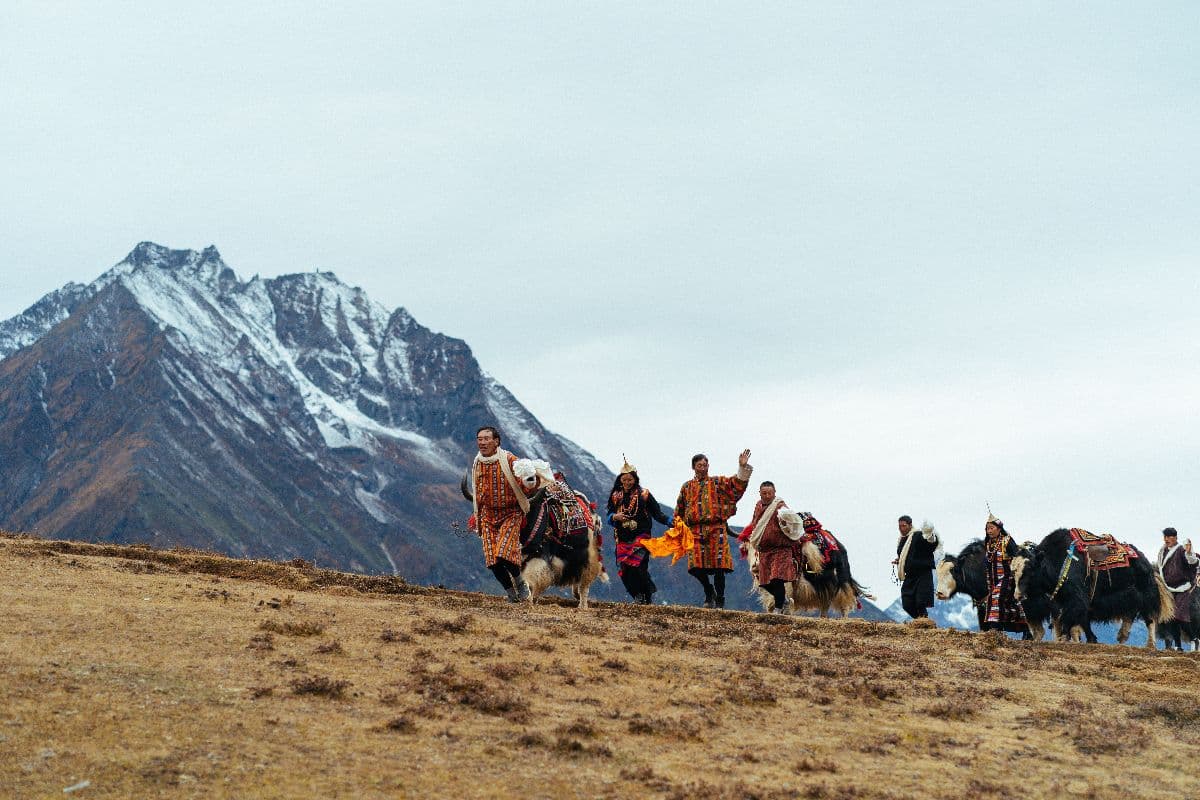
The Sakteng Wildlife Sanctuary in Trashigang is one of Bhutan's purest preservation areas. It presents striking natural scenery combined with diverse wildlife species. The Brokpa people maintain their traditional culture through high-altitude farming and yak herding. Moreover, the Sakteng sanctuary serves as their permanent house.
Sakteng Wildlife Sanctuary benefits from an extraordinary interaction between humans and their environment. This helps develop the local cultural legacy. The Brokpa people safeguard the sanctuary's entire ecosystem.

The wildlife sanctuary holds recognition. It's diverse plant life and animal species. And yes, it includes the shy red panda living in its temperate woodlands. Many endemic species live in Sakteng. You can find musk deer, Himalayan tahr, Bhutan takin, and many other wildlife species. The area protects its diverse life forms through a sustainable conservation approach. This resolves wildlife protection requirements with community needs.
Sakteng Wildlife Sanctuary stands as Bhutan's commitment to preserving its biodiversity. This also serves as an important natural sanctuary with its wildlife sanctuary status. Visitors can explore the exceptional Eastern Himalayan beauty at the sanctuary. Here, they learn about ecological connections between wildlife and local existence. The Sakteng area provides wildlife enthusiasts together with sustainable tourism participants. And this offers a distinct opportunity for direct wilderness encounters in Bhutan.
Bomdeling Wildlife Sanctuary (Trashiyangtse)
Bomdeling Wildlife Sanctuary is among the most important sanctuaries in Bhutan. It protects endangered black-necked cranes and their migration route near Trashiyangtse. These majestic birds find their important wintering grounds at the sanctuary. Bhutanese culture reveres them while honoring them as symbols of longevity and peace. The sanctuary draws both birdwatchers and conservationists. They visit the location during the winter period. Just so they can observe rare cranes existing naturally in their environment.

The territory of Bomdeling houses many ecosystems. It can range from subtropical forests to alpine meadows. This provides abundant habitat space for many plant and animal species. Through its wildlife conservation program, the sanctuary promotes biological diversity. They protect the Himalayan blue sheep, tigers, and red pandas. Its main goal is crane sanctuary efforts.
Local communities near Bomdeling Wildlife Sanctuary play a vital role. They maintain protection efforts and sustainable tourism development. The sanctuary depends on these surrounding villages. Their traditional information and local practices safeguard both wildlife and natural habitats effectively. Bomdeling presents meaningful wildlife and natural experiences to travelers. They get to see Bhutan's ecological balance between humans and wild habitats.
Spiritual and Pilgrimage Sites
Singye Dzong (Lhuentse)
Guru Rinpoche's spiritual essence infuses Singye Dzong in Lhuentse. This makes it a sacred location in Bhutan. It is a trek with many days. It offers seclusion to those wanting physical activity and spiritual revitalization. Reaching Singye Dzong requires difficult trekking. It offers visitors panoramic scenery and inner tranquility. All after conquering the journey and arriving at the monastery.

Bhutanese Buddhists view the site as significant. This was where Guru Rinpoche used to meditate. Religious travelers, along with spiritual devotees, should experience the Dzong. The monastery sits atop a hill, revealing a panoramic view of the valley. It serves as an ideal spot for spiritual growth. The seclusion of Singye Dzong provides seekers an opportunity to bond with nature. Moreover, you get a break from contemporary life.
Tourists travel to Singye Dzong pursuing the venture simultaneously as an athletic mission. It also becomes a meaningful spiritual encounter offered by the site. Visitors who experience this remote location discover absolute peace. This supports their spiritual connection with Bhutan's ancient religious background. People find an unforgettable spiritual journey at Singye Dzong.
Phunying Pass (Lhuentse)
The Lhuentse location hosts Phunying Pass. It is a sacred mountain pass due to its majestic panoramas, religious value, and altitude. The pass is a vital religious travel path. It leads between monastic complexes and holy temples of the area. Thereby enabling devotees to visit between sacred sites. This passage delivers breathtaking views. It combines distant mountain views with valley panoramas. This attracts people who follow spirituality as well as nature enthusiasts.
Phunying Pass stands as a sacred lookout point. It provides prime views of the Eastern Himalayas. It holds particular religious importance for followers of Guru Rinpoche's spiritual teachings. Through their quest to sacred sites, pilgrims cross this elevation. They trust the journey through high altitude helps make their spirits pure. Distant spiritual rituals and prayers are conducted throughout its path. As such, this elevates the sacred character of Phunying Pass.
Those who conquer Phunying Pass must face challenging mountain paths. They experience the achievement of summiting this crucial religious landmark. People trekking here get a special view of nature blending with religion. It is all inside Bhutan's untouched wilderness. Travelers who want to discover unique destinations will find exclusive religious experiences. This brings breathtaking views during their journey at Phunying Pass.
The best time to visit Eastern Bhutan
Early spring, from March through May, is one of the best seasons. From September to November, it marks the season to travel through Eastern Bhutan. During autumn and spring, travelers can enjoy outdoor activities. It includes trekking and birdwatching. Eastern Bhutan offers excellent weather with clear skies, mild temperatures, and magnificent views.

Visitors during spring can observe the flower blooms and colorful natural scenes. It is then followed by excellent autumn mountain views, following the monsoon season.
People wanting stunning snowy vistas, without many tourists, should visit during winter. In winter, the high elevations experience cold weather. The monsoon rains make summer less than ideal for visiting. Yet the region becomes greener during this season. Moreover, it has reduced tourist crowds.
Autumn and spring emerge as the prime travel seasons. They deliver the best possible weather together with memorable outdoor events.
Season | Best time to visit | Weather conditions | Activities to enjoy |
Spring (March to May) | Best season | Clear sky Mild Temperature (15° C to 25°C) | Trekking, Photography, Bird watching Nature walks. |
Autumn (September to November) | Second-best After spring | Clear skies Crisp Air Comfortable Temperature (15°C to 20°C) | Trekking, Cultural Festivals, Sightseeing, Nature walks. |
Winter (December to February) | Off-season But ideal For Fewer Tourists | Cold temperatures Often Below Freezing In Higher Altitudes | Scenic views Cultural exploration Fewer crowds. |
Summer (June to August) | Off–season Monsoon season | Rainy season, Warm Temperatures (20°C to 30°C) occasional heavy rainfall | Photography, Lush landscapes, Waterfalls. (less ideal for trekking) |
Food options in Eastern Bhutan
The eastern part of Bhutan displays fantastic traditional dishes. They mirror the historical traditions of their peoples. Local food in Eastern Bhutan brings together strong flavors from fresh ingredients. This includes vegetables together with rice, along with dairy and meat products.

The traditional food in Eastern Bhutan consists of rice served as the staple grain. It is then served with vegetables and meats together with spicy condiments.
Red rice serves as the base ingredient for meals in Eastern Bhutan. It is a locally cultivated grain with a nutty taste and chewy texture. Here are some of the must-try foods in Eastern Bhutan.
Ema Datshi
Ema Datshi is Bhutan's signature dish, apart from being a perfect food match for the local red rice. The spicy and tangy character of this dish. It defines the distinctive culinary style present in Bhutanese cuisine.

Typical Bhutanese dining includes Ema Datshi with three complementary side options. First is stir-fried vegetables, second is lentil soup, and the third is potato curry. These dishes regulate the spicy Ema Datshi's temperature level.
Momo
Apart from rice-based meals, the popular delight of Bhutan is Momo. They are steamed or fried dumplings filled with meat or vegetables. Momo in Kathmandu, Nepal, is also widely popular.
The traditional Bhutanese dumplings contain meat or vegetables. The dish is then prepared through steaming or frying techniques.
Phaksha Paa
Another must-try traditional Eastern Bhutanese dish is Phaksha Paa. It presents a pork and radish combination with chili. This brings out a rich, savory experience with a low heat level.
Yak Meat
Consumers who enjoy eating meat can find yak meat throughout the region. They use it to prepare stews as well as make dried snacks.
This traditional food dominates the high-altitude regions. It provides an authentic, rich taste experience.
Suja: Butter Tea
A traditional butter tea named suja is popular in Eastern Bhutan. It contains tea leaves, salt, and yak butter. This beverage pairs best with roasted barley flour known as zow. Or it can go with a homemade alcoholic drink named Ara. They appear mainly during special events and celebrations.
International Influence on Food
The food culture in Eastern Bhutan integrates Tibetan and Indian culinary elements. Best seen with dishes like thukpa (noodle soup) and dal (lentil soup). They became popular comfort foods in the cool climate region.
Restaurants and Diners.
The primary food culture in Eastern Bhutan centers on traditional dining. But you can find Western food. And occasional continental restaurants in Mongar towns. The traditional Bhutanese restaurants known as dzongs deliver hearty local dishes. They provide visitors with an authentic experience of Bhutanese cuisine.

The availability of food in remote trekking areas is restricted to basic meals. You get what is served in lodges and homestays. The menu offers rice, vegetables, and local meats. They are the main components of every meal.
Travelers coming to Eastern Bhutan can experience a diverse and flavorful culinary culture. And this significantly enriches their trip.
Eastern Bhutan accommodation
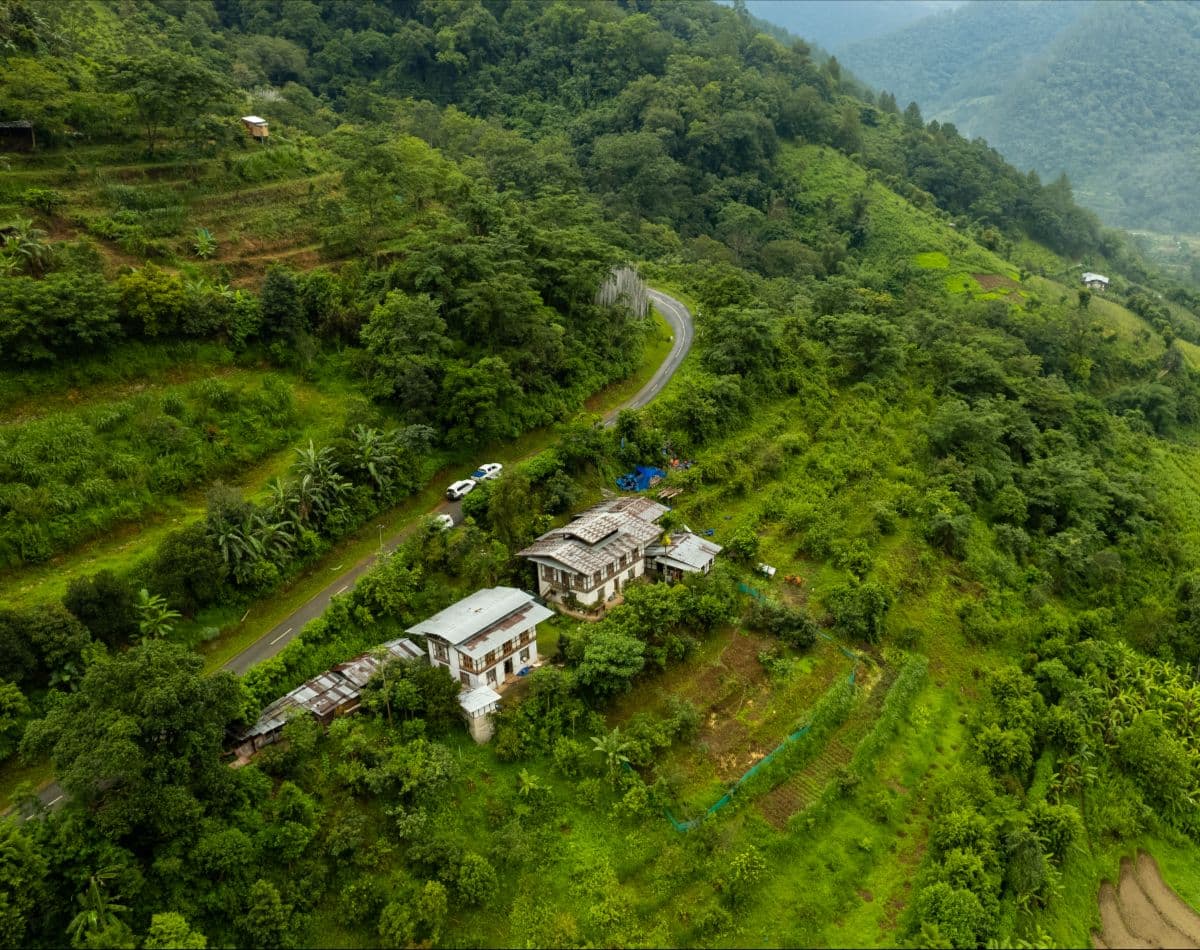
Guesthouses and homestays enable travelers to experience Eastern Bhutan authentically. Staying at these accommodations gives visitors a chance to live with families. They can witness Bhutanese daily life together with local community traditions.

Most homestays include food preparation by locals. This allows visitors to experience local meals. They remain popular choices for both rural settlements and smaller villages.
Lodges and Resorts:
People wanting accommodations with modern amenities can stay in lodges and resorts. Many accommodations are located in photogenic settings in Eastern Bhutan. They showcase natural views of hills and valleys and flowing rivers.

Lodges provide private bathrooms inside their comfortable guest rooms. They feature traditional local Bhutanese architecture, which creates an interesting cultural feel. The extra amenities in resorts include spa facilities and guided tours. They are catered to please guests who need upscale accommodations.
Monastery and Dzong Stays:
A few sections of Eastern Bhutan allow guests to stay within monasteries and dzongs. More so, in areas that are inaccessible to many visitors. The accommodations provide opportunities for exploring deep cultural aspects and spiritual acts.

You can find complete relaxation at monasteries and dzongs. They create peaceful environments that benefit meditators who seek tranquil spaces for contemplation. Guests have the chance to explore Bhutanese Buddhist traditions. They can also take part in regional ceremonies in simple accommodation facilities.
Trekking and Camping Options:
The Eastern part of Bhutan provides trekking and camping possibilities. You can camp in remote wilderness areas within this region. They are accessible to adventurers seeking outdoor experiences.

Guests can find campgrounds that provide tents. It goes well with communal cooking areas at key trekking locations. Guests will enjoy overnight camping with celestial starlight views of the mountains. You will get to experience authentic nature immersion.
Travelers who choose these campgrounds need to be ready for weather changes. Nonetheless, they enjoy the unadorned natural surroundings of the area.
Eco-Friendly and Sustainable Accommodations:
The travel industry of Eastern Bhutan now offers sustainable hotel services. It combines ecological conservation practices with modern guest comfort amenities. The facilities adopt local materials along with energy-efficient systems.

This sustainable operation aims to protect the untouched natural beauty of Eastern Bhutan. Staying in these accommodations helps Bhutan achieve sustainability goals. For visitors, it allows tourists to promote responsible travel.
Guesthouses in Urban Areas:
Guesthouses exist in Urban Areas as centers for affordable yet convenient lodging options. They are found in Mongar and Trashigang due to better facility development. Guesthouses present basic, comfortable accommodation for travelers. It is for those who wish to spend time in urban regions.
Guesthouses in these locations consist of communal and individual lodging spaces. It comes with simple essential services. Moreover, it is quick to explore the local shops and dining areas. Guesthouses in Eastern Bhutan create a budget-friendly lodging experience.
Luxury and Boutique Hotels:
Eastern Bhutan holds luxury and boutique hotels. They blend luxury accommodations with Bhutanese traditional design elements. You can experience them in upscale resorts and boutique hotel complexes.

The facilities of these accommodations include elegant dining establishments. You spa treatment centers, as well as cultural tour programs designed for guests. Hotels in this region combine Bhutan's traditional architecture with modern elements.
It provides sophisticated accommodations for guests. It is for those who wish to explore Bhutan's excellent heritage and scenic sites.
What makes Eastern Bhutan so unique?
Eastern Bhutan functions as an exclusive tourism destination. Its combination of cultural depth combined with enchanting terrain together with religious significance. This area offers Bhutanese local customs with incredible wildlife.
Eastern Bhutan provides visitors with a quiet environment unlike most other regions. Eastern Bhutan stands out with the following important characteristics:
Cultural and Spiritual Heritage:
The eastern part of Bhutan boasts a rich spiritual heritage. It embraces many sacred religious sites, which hold great significance throughout the country. One can visit the Drametse Monastery along with the holy places of Gom Kora. They mark Guru Rinpoche's meditation site.
Several sites in Eastern Bhutan let visitors delve into traditional Buddhism. They show sacred temples alongside celebrations and unusual spiritual traditions. They have persisted across generations.
Untouched Natural Beauty:
The area boasts incomparable, unspoiled natural features. They blend rugged mountain peaks with dense valleys and pure flowing rivers. All see minimal impact from extensive tourism operations.

The eastern part of Bhutan presents travelers with awe-inspiring opportunities. You get to experience virgin landscapes. They blend perfectly with nature explorations and both photographic moments and wildlife appreciation.
People who visit Bhutan can experience peaceful living in the Himalayan foothill villages. They remain off the typical tour path.
Off-the-Beaten-Path Destination:
Visitors seeking seclusion should travel to Eastern Bhutan. This area draws the fewest Bhutanese tourists. Fewer tourists visit this region. As such, it provides visitors with a close interaction with Bhutanese locals.
Visitors can explore traditional festivals or rural village life. All the while, you enjoy minimal tourist activity because there is no large-scale tourism.
Traditional Arts and Crafts:
The eastern territory of Bhutan maintains international distinction through Kishuthara weaving. It stands as an advanced textile art that dates back to previous generations. Tourists can experience the process and cultural importance of handwoven textiles in Khoma. It gains fame as a special hub for textile production in Lhuentse.'

Traditional crafts of Bhutan showcase the country's commitment to cultural heritage protection. It also reveals artistic traditions of the nation.
Biodiversity and Wildlife Sanctuaries:
Eastern Bhutan supports two protected wildlife regions. First, Sakteng Wildlife Sanctuary. And second, Bomdeling Wildlife Sanctuary. They protect endangered black-necked cranes and red pandas, among other species.
Biodiversity preservation, birdwatching, and trekking activities take place across these sanctuaries. It safeguards pristine natural areas. Locals and tourists can appreciate wildlife and nature in these areas.
Challenging Treks and Adventures:
Trekkers find paradise in this territory through demanding trails. They can take up the challenging Sengor to Yongkola Birding Trail. They deliver Bhutan's most arduous yet fulfilling hiking routes.

Most trails take you through remote high-altitude terrain and dense forests. The trekking routes pass through various villages. This makes this spot suitable for exploration-based adventure enthusiasts. The untouched environment allows trekkers to discover Bhutan's natural landscapes. All in their unperturbed state.
Indigenous Communities and Lifestyles:
The Brokpa community that inhabits the Sakteng area holds onto its ancient traditions. Their tradition comes from generations prior. They move from place to place on a seasonal basis. Brokpa practice their traditional pasture farming. These communities have integrated themselves into Bhutanese cultural heritage.
 Travelers who visit these communities get to understand their exclusive cultural traditions. They also experience their festivals. You learn about their efforts to keep their traditional way of living in a modern world.
Sacred Sites and Pilgrimages:
The eastern part of Bhutan features many sacred sites. Many religious devotees from all corners of Bhutan visit them as pilgrims. Religious devotees travel for many days to reach Singye Dzong. It stands as a sacred Guru Rinpoche foundation and holds deep spiritual significance.
Tourists can find serenity at the Takila Guru Statue. It holds the title of being one of the world's top statues of Guru Rinpoche. It also provides sweeping views over the region and peaceful vibes. They align with Bhutanese prayer traditions.
Authentic Travel Experience:
Eastern Bhutan welcomes visitors who want to experience genuine travel. It provides an environment free from mass tourism development. It provides a unique opportunity to discover Bhutan's natural, cultural, and religious heritage. Be it by exploring Khoma heritage sites.
Trekking in forests, or visiting religious temples. Eastern Bhutan offers travelers opportunities to explore a remote environment. It respects the traditional way of life because of its minimal focus on modern tourism.
Conclusion
The eastern section of Bhutan presents an exclusive combination. You get cultural, spiritual, and natural attractions that make it a remarkable destination. Tourists have the chance to discover authentic destinations in Eastern Bhutan. It can be a sacred pilgrimage site. And can be the unspoiled landscapes and their local communities.

Eastern Bhutan invites guests to discover both its historical richness and natural tranquility. You can partake in activities such as visiting the Takila Guru Statue. Or appreciating the Sengor–Yongkola Birding Trail forests. And even witnessing the Kishuthara weaving traditions in Khoma.
Eastern Bhutan remains an untouched destination. It provides an authentic Bhutanese experience for visitors. More so, for those who wish to discover the country's genuine culture. Eastern Bhutan creates a transformative trip for tourists. It can be from the beautiful wilderness areas and spiritual landmarks. All within communal living environments.
Eastern Bhutan is best for people seeking a distinctive travel experience. One that joins outdoor exploration with spiritual discovery. Something with cultural encounters.
FAQs
What sets Eastern Bhutan apart as a distinctive destination for travel?
The region of Eastern Bhutan amazes travelers through its pristine wilderness. With its holy religious spots and deep traditional heritage. The zone presents visitors with a calmer, authentic experience. A lot different from the rest of Bhutan. You gain an unspoiled atmosphere that appeals to people. You can go searching for natural marvels and spiritual discoveries.
When traveling to Eastern Bhutan, which period offers the best conditions?
Travelers should visit Eastern Bhutan in the spring or autumn. Falling from March through May or from September to November, respectively. They offer favorable climate conditions. The spring and autumn seasons provide pleasant conditions and clear weather. They allow visitors to explore beautiful terrain during their outdoor adventures.
Which sites among those in Eastern Bhutan should everyone visit?
Travelers visiting Eastern Bhutan should visit the four principal attractions. They include Drametse Monastery, Lhuentse Dzong, Takila Guru Statue, and Sakteng Wildlife Sanctuary. These destinations align spiritual importance with cultural history. They provide visitors with breathtaking landscape panoramas.
Why does the Takila Guru Statue in Eastern Bhutan hold its present value?
Located in Bhutan at 154 feet. The Takila Guru Statue remains among the largest depictions of Guru Rinpoche. This spiritual site brings people both sacred religious encounters. It also offers outstanding panoramic sights across the environment.
What opportunities exist for visitors to experience within Sakteng Wildlife Sanctuary?
Visitors in the Sakteng Wildlife Sanctuary have a chance to view unusual wildlife. including the legendary red panda, and observe the traditional Brokpa people's lifestyle activities. This place offers visitors a heavenly experience. You get peace alongside nature, alongside an exploration of local culture.
Does Eastern Bhutan provide favorable conditions for trekking?
Trekking enthusiasts will find Eastern Bhutan an excellent destination. It offers demanding trips alongside the extended journey. This region provides exciting trekking journeys to courageous visitors. It contains its remote villages and rugged terrain, and beautiful landscapes.
What makes the Drametse Monastery hold spiritual value to people?
Drametse Monastery holds great religious importance across Eastern Bhutan. Yes, ever since its establishment in the sixteenth century. People of spiritual inclination and culture buffs should consider visiting Drametse Monastery. This is where the UNESCO-recognized Drametse Ngachham mask dance originated.
What are the methods to experience original Bhutanese arts in Eastern Bhutan?
Visitors to Khoma village will find Kishuthara weaving. This complex textile art has been handed down from generation to generation. The cultural traditions of Bhutan, along with its artisanal process. They are accessible to travelers who visit this specific region.
Does Eastern Bhutan host any exclusive wildlife species?
Two rare species are found in Eastern Bhutan’s sanctuaries. Yes, the red panda and the black-necked crane live in Sakteng and Bomdeling. These natural areas present the opportunity to observe Bhutan's untouched biodiversity.
What sacred sites exist in Eastern Bhutan?
The Eastern region of Bhutan contains two sacred facilities. They are named Singye Dzong and Gom Kora. They are considered important sites where Guru Rinpoche once meditated. Many believers, together with spiritual seekers, travel to these locations for religious purposes.
Is there any availability for visiting remote villages that exist within Eastern Bhutan?
The Sakteng area allows visitors to see the remote villages of the Brokpa people. They can be experienced only in Eastern Bhutan. The villages open a window to see how the Bhutanese traditionally live. Be it through their cultural practices, their festivals, along their daily routines.
What types of lodging does Eastern Bhutan provide?
Most accommodations in Eastern Bhutan fit between basic guesthouses and comfortable lodges. This preserves genuine local hospitality. Travelers will enjoy basic accommodations in this region that deliver traditional host-based hospitality.
Does Eastern Bhutan provide a suitable environment for birdwatchers?
Birdwatchers commonly visit Eastern Bhutan as a birdwatching destination. Particularly through the Sengor-Yongkola Birding Trail. This location features an impressive array of bird species. Thus attracting wildlife admirers to its destination.
What religious and cultural values surround Yagang Lhakhang in Eastern Bhutan?
During the 16th century, monk builders constructed Yagang Lhakhang. It demonstrates historical importance through its sacred relics. It also serves as the host of Eastern Bhutan's most ancient Tshechu festival. Those visiting Bhutan to explore its heritage should visit this temple. It should be one of their essential destinations because of its spiritual value.
Are there opportunities to explore natural panoramas and cultural landmarks in Eastern Bhutan?
Absolutely! Visitors to Eastern Bhutan can enjoy nature and culture interaction. You can get stunning vistas and sanctuaries. Visiting sites such as Drametse Monastery and Takila Guru Statue offers this combination. The place lets visitors experience Bhutan's cultural past alongside its stunning natural landscape.