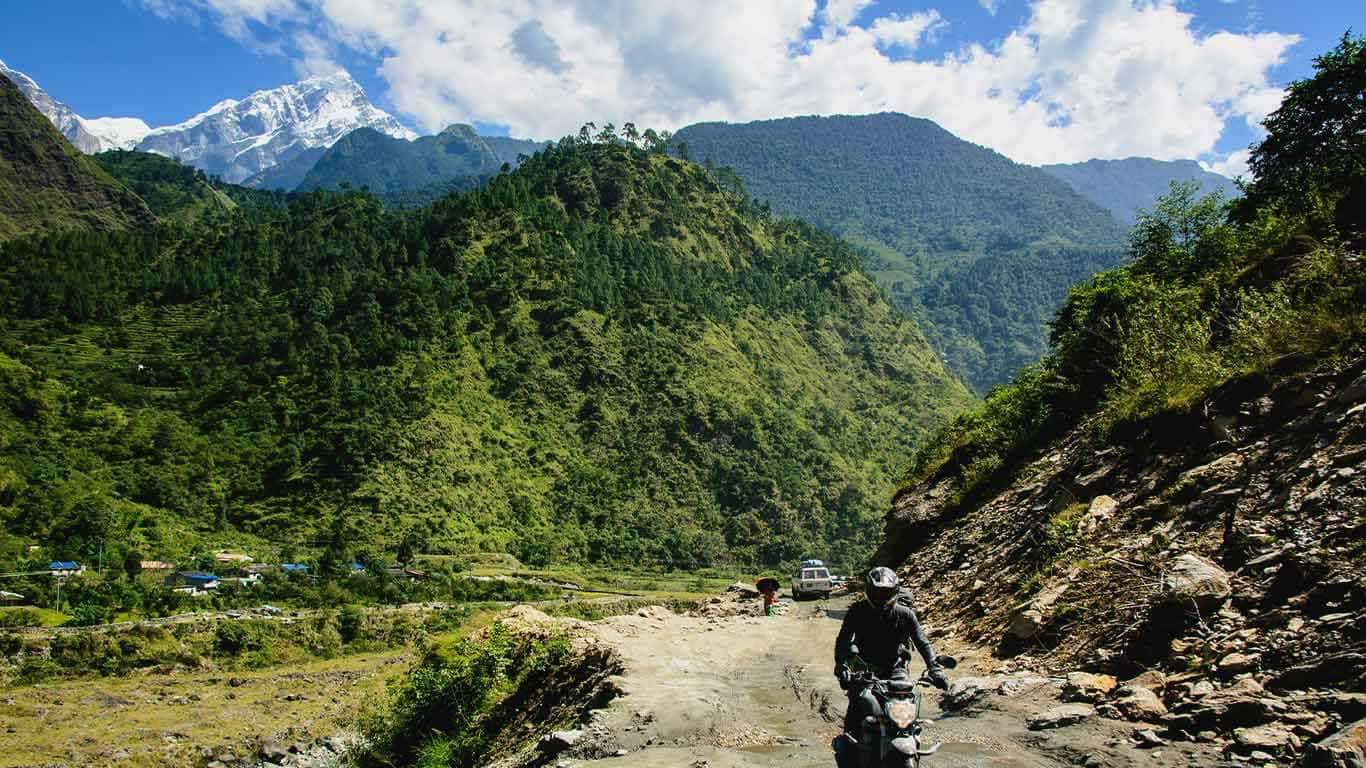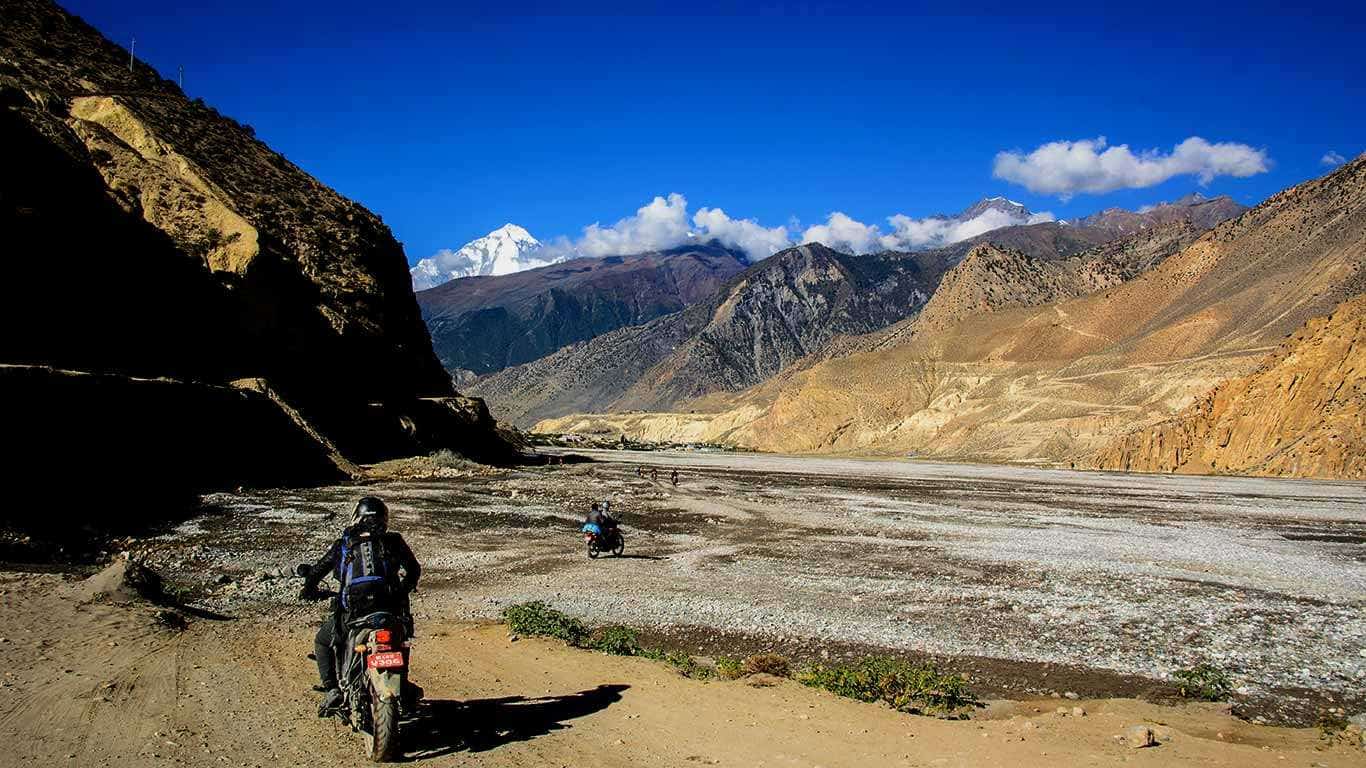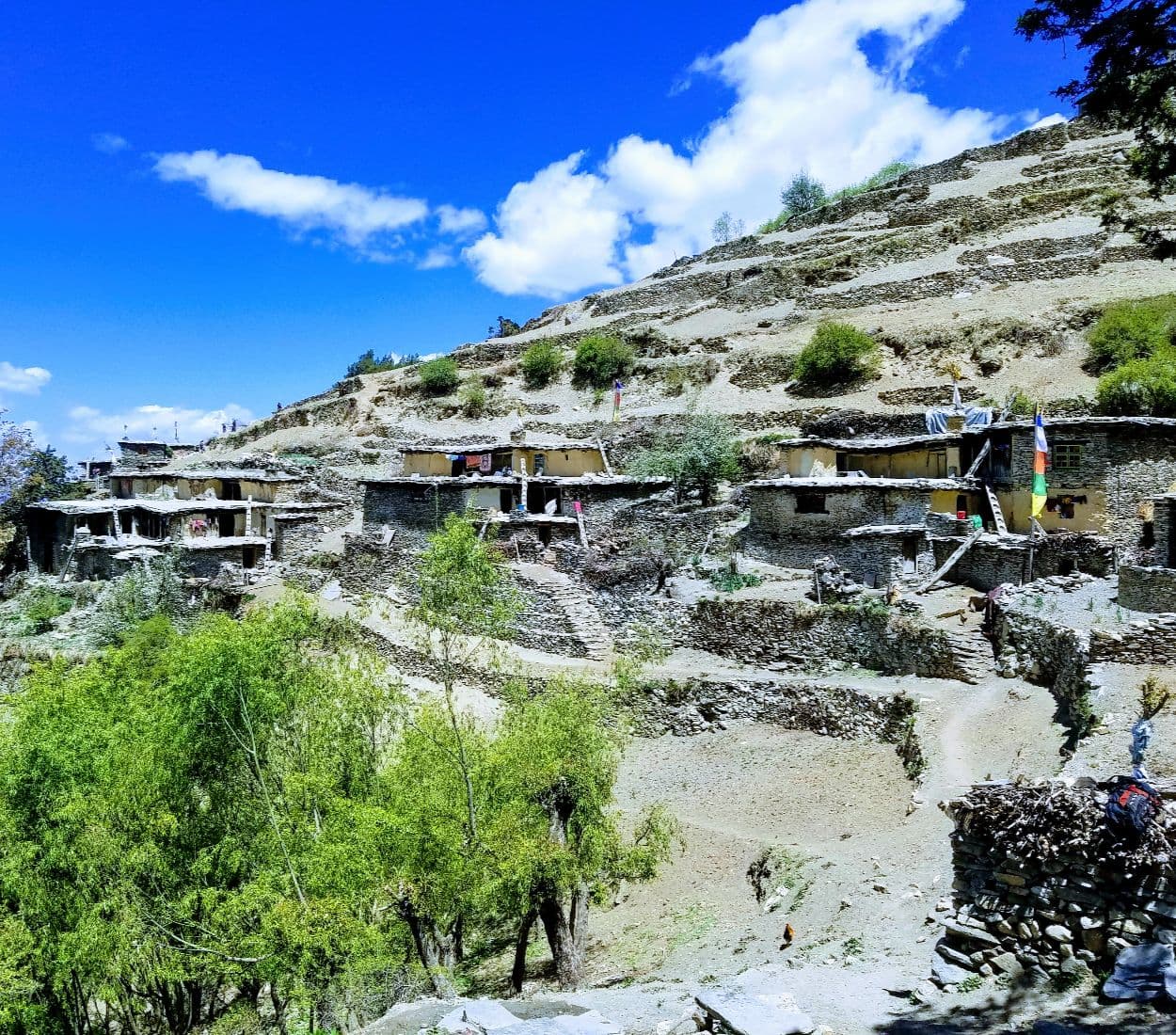
Upper Dolpo is an isolated, remote area. It is where the natural wonders and the spiritual richness come together. It is mountainous and situated in the north-west of Nepal.
It is a region with untouched natural beauty. Here, nature has not been destroyed. The mountainous terrain of the territory has an excellent cultural history. The Upper Dolpo region lies in the Dolpo district, which belongs to the Karnali Province.
Upper Dolpo is in a remote place. As such, it has been free of outside influence. The population of this area stays within the small communities. It holds very rugged mountains and valleys around.
Groups of ethnicity in Upper Dolpo
Upper Dolpo is a place with many ethnic groups. They have their own identities, traditions, and lifestyles. People also refer to the Dolpo people as the ‘Dolpo-Pa’, which is the story of the major ethnic group in the area.

They belong to the Tibetan community and share the same culture and religion as Tibet. The Pa people lived for generations in this rugged and high environment in Dolpo. They have changed their way of living according to it.
Other than the Dolpo-Pa, there are a large number of other small groups. The Shingsa, the Lhopa, and others inhabit this region. They do speak different varieties of the Tibetan languages. At the same time, maintain close cultural lines. Tibetan Buddhism is the dominant religion among the ethnic groups in Upper Dolpo. The life of the people revolves around their festivals and rituals.
Societies are highly knit and, in most cases, live in isolated villages. The family and clans have extremely strong ties. Most of the old practices have been transferred from generation to generation.
Livelihood, the people live from livestock, farming, and trade. They live in a remote area. The ethnic communities in Upper Dolpo still preserve their language and culture intact. A feature of the locals’ rich and diverse culture.
Upper Dolpo Language and Dialects
In Upper Dolpo, they mainly speak the Tibetan dialect, which we know as Dolpo Shö or just the Dolpo language. This language is very much related to the Tibetan language of Tibet. But over time, it developed its own set of sounds and words due to the area’s isolation.
Because of the remote location, the language has preserved its purity. Nepalese languages have less influence in these parts. In addition to Dolpo Shö, some communities in Upper Dolpo say they use Sherpa and Kham. There are other Tibetan-based dialects from nearby areas.

These dialects may vary a little pronunciation and vocabulary. But in general, they are very similar. It helps in understanding between speakers from different villages.
In many areas of Upper Dolpo, which have their own native dialects. People speak and use Nepali for interaction with tourists and for business. Nepali is the official language of Nepal. But in village settings, we don’t see people using Nepali very much.
In recent years, we have seen an increase in education and exposure to the outside world. But the traditional Tibetan dialects are still primary for culture. We see them in practice in Upper Dolpo for expression and in religious and community affairs.
Traditional Clothing and Attire
In Upper Dolpo, people wear heavy clothing, which is suitable for cold weather. The region is very windy and cold almost all year round. Their dress helps them against the severe climate.
Men typically wear thick woolen robes, which we also call ‘Chubas’. These are long and loose-fitting. They tie a cloth belt at the waist. They wear warm wool or cotton shirts and pants under those.
Women in these cultures are attired in woolen robes. They are of bright colors and have decorative elements. They put on colorful aprons named ‘Pangden’ which say that they are married.

They wear long-sleeved shirts under the robes. As for men and women, they wear woolen hats or caps, which they put on to keep their heads warm.
Wool is what they mainly use for their clothing. It is obtained from the sheep and goats that they raise in the area. They spin the wool and weave it themselves. This traditional trade has been handed down for generations.
They also use animal leather for shoes and boots. The shoes are tough and warm, which is great for walking rough paths. During festivals and special events, people wear their best attire. These may include embroidery work and silver jewelry.
Jewelry plays a very important role in our culture. Women wear silver necklaces, earrings, and bracelets. These pieces display their status and beauty.
In Upper Dolpo, clothing reflects the culture and identity of the people. It passes down stories of their history. It is presented through style, color, and decoration.
Religious Beliefs and Practices
In Upper Dolpo, religion is a very large part of what the people do. Mainly, what we see is the practice of Tibetan Buddhism. That form of Buddhism is very much a part of the culture and also the day-to-day lives of the people.
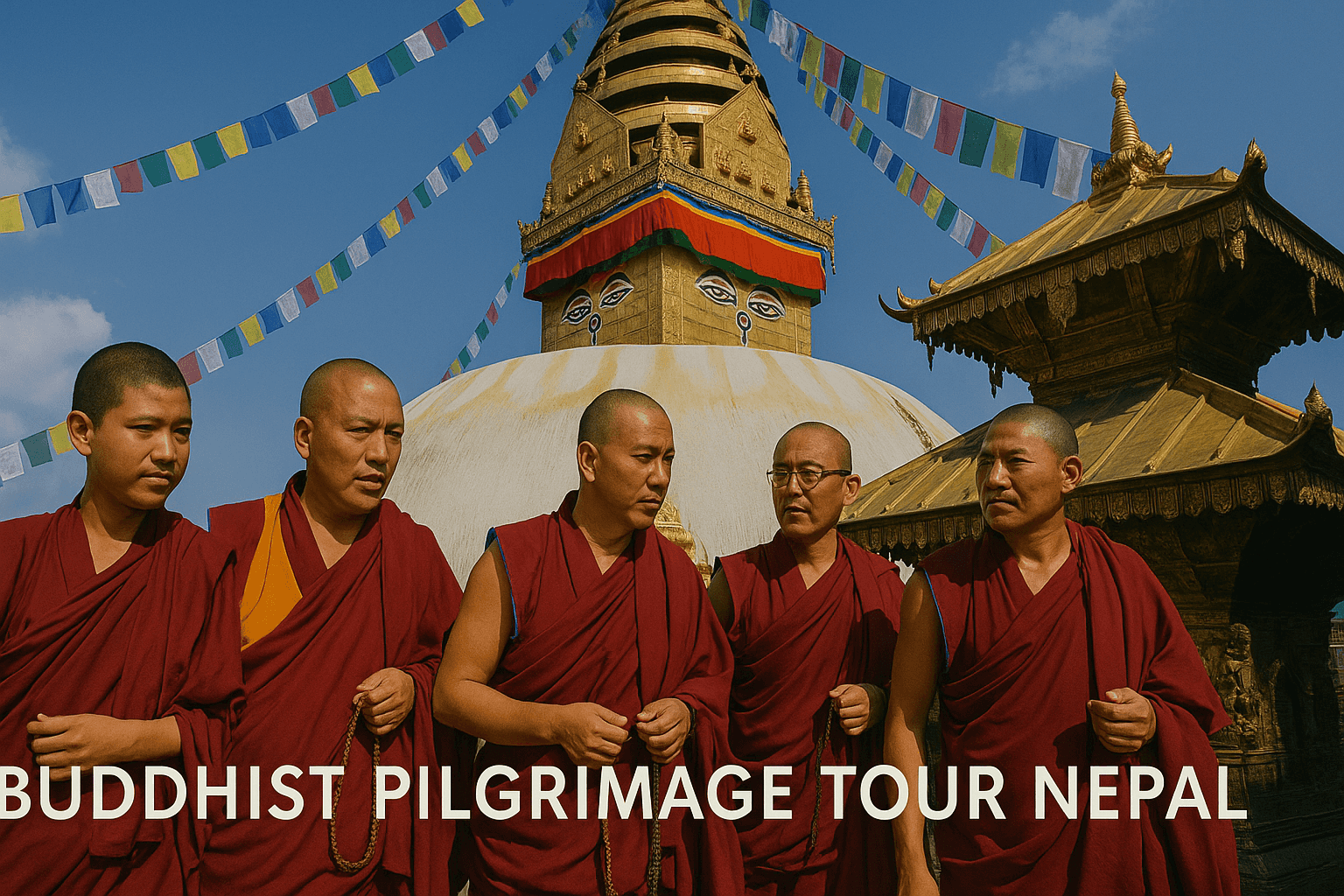
Monastic institutions, what we know as gompas, are the heart of religious life. It is where prayer, study, and community come together. Monks live in these gompas, and they also perform religious ceremonies. In Upper Dolpo, the largest monastery is Shey Gompa, which is very old and very respected.

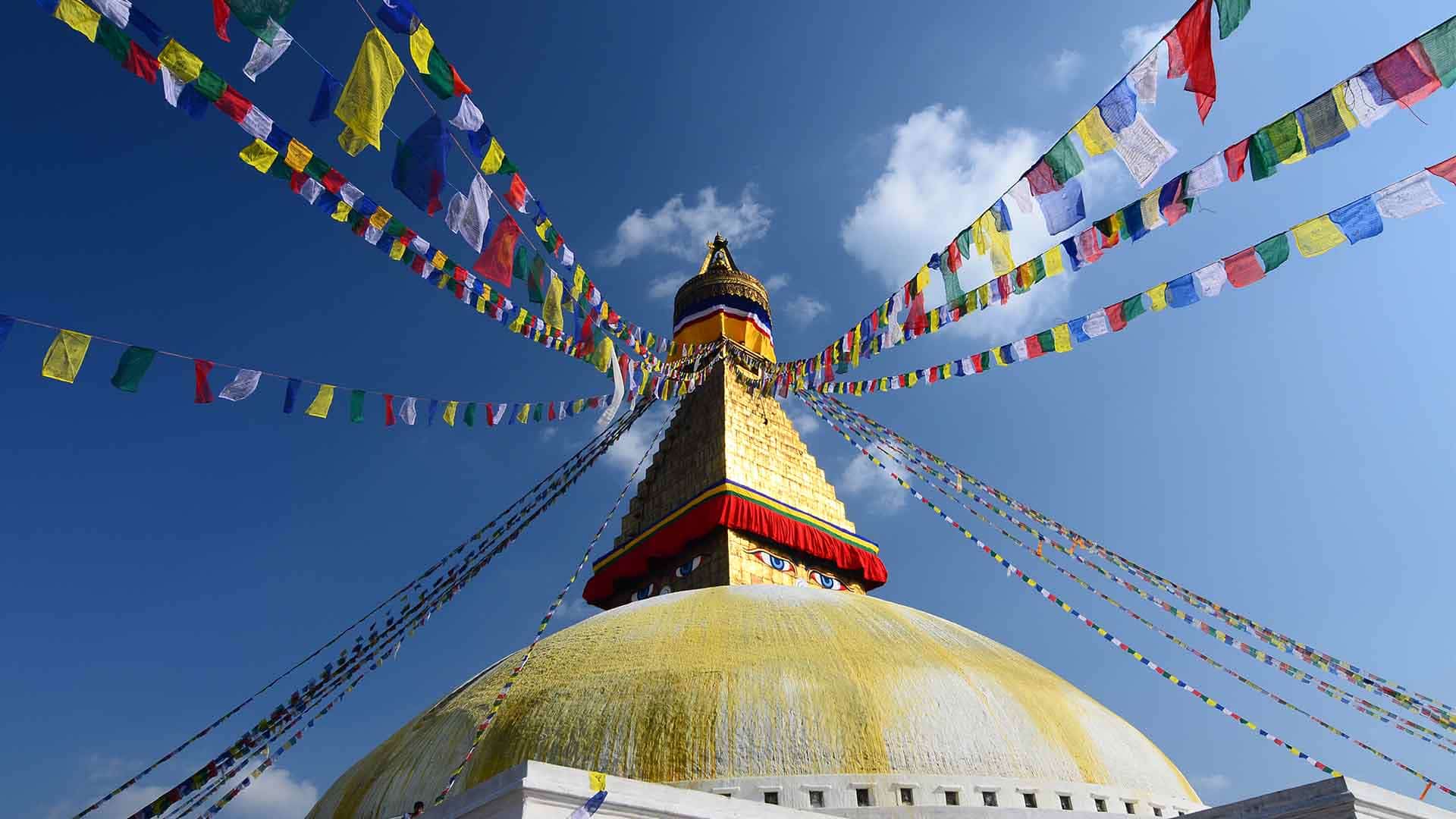
People live out many precepts of Buddhism. It includes practices of compassion and kindness and the cycle of life and rebirth. We see meditation and prayer to achieve peace and good fortune. The prayer flags are blessed, and good wishes are flown and moved by the wind. The wheels that contain prayers are turned to send the prayers out into the world.
Bon practices are still very much a part of Tibetan culture today. Bon is the ancient religion of Tibet, which predated the introduction of Buddhism. Some local people practice a mix of Bon and Buddhist rituals.
Festivals are of great religious importance. In the case of Lo Manthang’s Tiji Festival, we see people in dance and ritual, which is a part of the celebration. These are times of great joy and spiritual refreshment.
People also turn to local spirits and land protectors. They do rituals to keep these spirits content and to ward off problems for their home and animals.
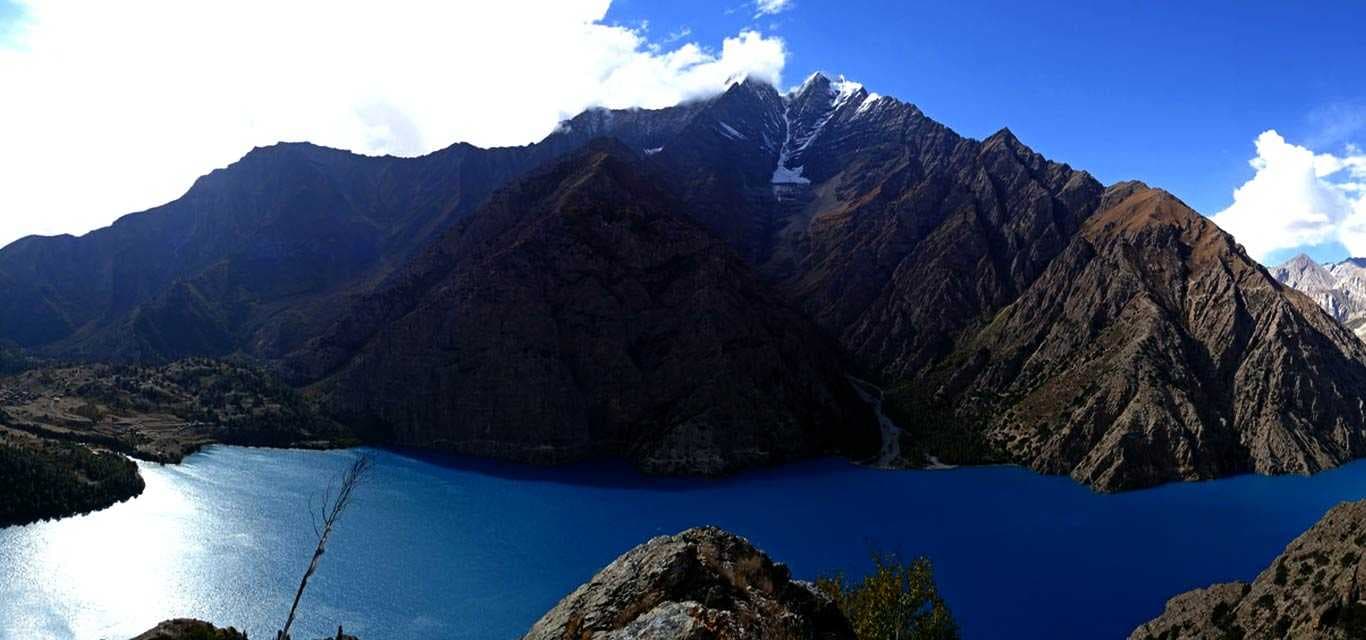
Religious practices are very much a part of the natural world. In the Upper Dolpo mountains, rivers and lakes are looked upon as sacred. People there have great respect for nature, which they see as full of spirit.
In Upper Dolpo, daily life is very much a part of the religious practice. At dawn, people begin their day with prayer. They frequently visit monasteries. They are taught in the religious precepts. They base their social interactions and their relationship with the natural world.
Festivals and Celebrations in Upper Dolpo Region
In Upper Dolpo, there are many festivals that the people celebrate. These events are very much a part of their religion and culture. At festivals, the community comes together for prayer, dance, music, and joy.
Tiji Festival
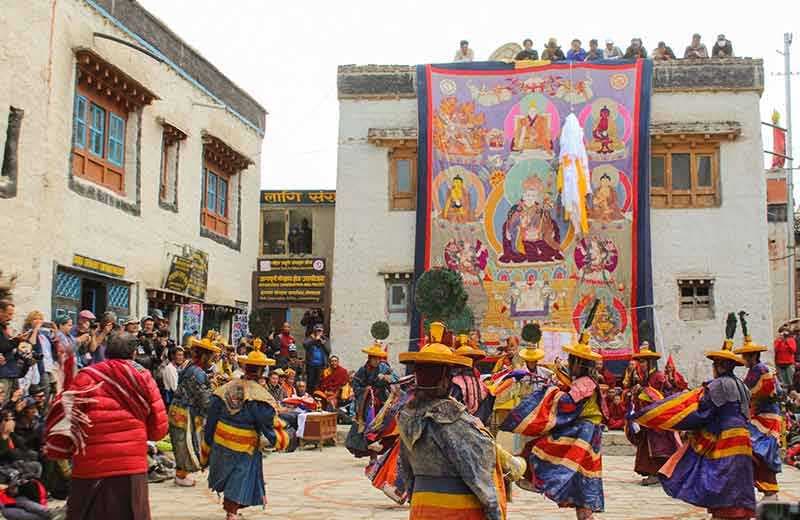
In Upper Dolpo, the Tiji Festival is the most well-known. Each year, it is held in Lo Manthang, the ancient walled city. For three days, the festival plays out. It is a celebration of good over evil.
During Tiji, monks present special masked dances, which are the Cham dances. These performances are from a Buddhist myth. The festival draws visitors from all over Nepal and the world.
Sheychen Festival
In the Shey region, the Sheychen Festival is held. It is a celebration of our local deities and ancestors. People come together at monasteries to pray and leave offerings. Also, this festival is a way we maintain balance between man and nature.
Lhosar (Tibetan New Year)
In many Tibetan communities, including that of Upper Dolpo. They celebrate Lhosar, the Tibetan New Year. It comes off in February or March.
At Lhosar, homes are cleaned out and special foods prepared. The best clothes are worn, and monasteries are visited for prayer. It is a time of new beginnings and good wishes.
Other Local Festivals
We see many small festivals throughout the year. These are harvest festivals and rituals to protect stock. Each village may put on its own special celebrations.
People’s Daily Life and Occupations
Life in Upper Dolpo is basic and filled with hard work. The people live in small villages that are surrounded by mountains. Their daily routines are based on the season and nature.

Most of the population is in the farming sector. They grow barley, buckwheat, and potatoes. These crops do well in our cold and dry climate. Farming is hard here because the land is of poor quality and water is in short supply. We see great cooperation between neighbors at planting and harvest time.
Rearing animals is also a key issue. Many families raise yaks, sheep, and goats. Yaks produce milk, meat, wool, and are used for transport. Sheep and goats give wool and meat. Wool is used for warm clothing and blankets.

Trading is a large component. In Upper Dolpo, people trade salt, wool, and handmade goods with neighboring areas. Traders, who often are forced to travel great distances, do so on foot or in yaks.
Household tasks are very time-consuming. Women do the cooking, cleaning, and care for the children. They spin wool and weave cloth. Men usually repair the homes and fences or collect wood.
Education is a slow process. In some areas, which may be villages or towns, some kids attend school. But many still pass down traditional skills from one generation to the next.
In our day-to-day lives, we see great community support. Neighbors turn to each other in hard times. At festivals and for gatherings, people come together to share food and stories.
Though life is tough in the place where they live, the people of Upper Dolpo carry on with pride. They preserve their culture and land. They adapt to the harsh environment with skill and patience.
Social Structure and Community Life
In close community units, which is what Upper Dolpo has to offer, family and clan bonds are very strong. In most villages, there are a few large families that make up the village, which in turn look out for one another.
The society is made up of groups which we call Tribes. Each of these groups has its own set of traditions and roles. They also play a role in the sharing of resources and in problem-solving.

Respect for seniors is key. Older members of the community guide the young and make decisions that affect the group. They are the keepers of our history and culture.
Leadership often is informal yet very much respected. In villages, heads or elders take to leading at meetings and in settling disputes. Also, the role of religious leaders, like monks.
Community work is the norm. We see people coming together for farming, building homes, or organizing festivals. This cooperation is essential for survival in the harsh environment.
Marriage is usually within the community, but at times between different clans. Families arrange them to strengthen social ties. Sharing and welcome are at the core of what we do. Guests are invited in for food and shelter.
In that community, they have very strict rules about nature and land use. What these rules do is protect the fragile environment. It ensures that resources available now will also be there for future generations.
In Upper Dolpo, we see a very tight community that runs on trust and respect. Also practices mutual help. This strong community tie is what enables the people there to tackle issues in a very remote area.
Architecture and Housing
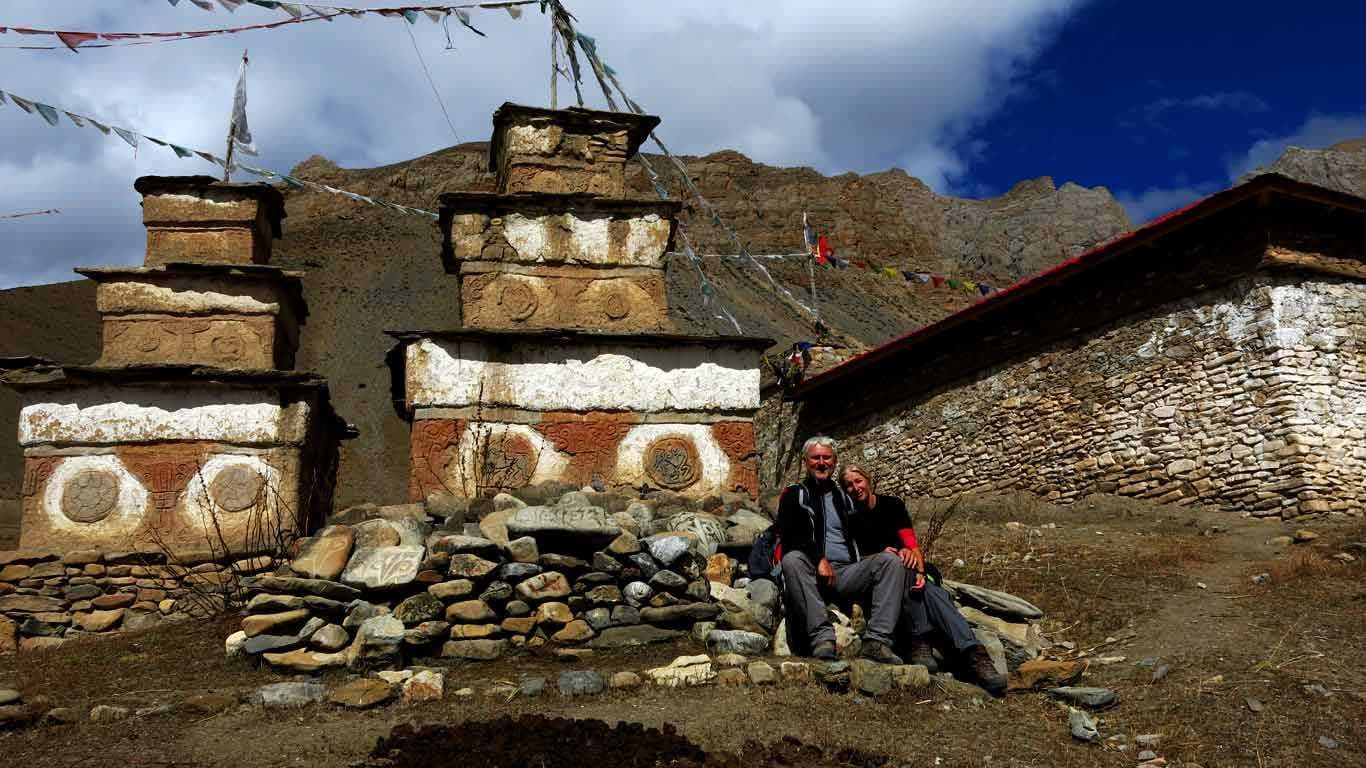
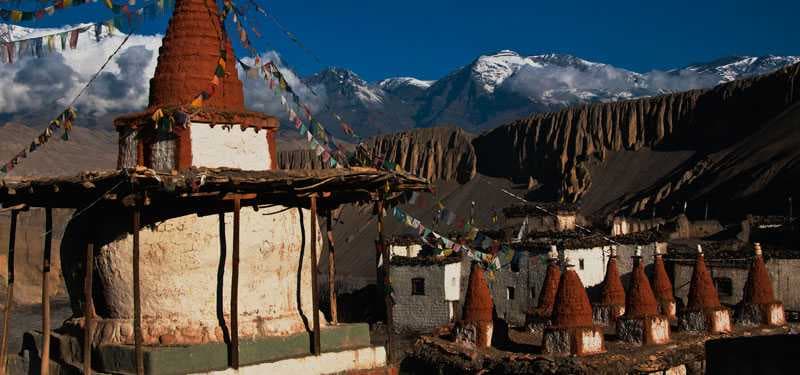
In Upper Dolpo, houses are built to endure cold and wind. Most homes are of stone, wood, and mud. These materials, which are abundant nearby, also help to keep the house warm.
The walls are of great thickness and strength. They insulate against the cold and heavy snow in winter. Roofs are flat, which are made of wood and stone. Some roofs are covered in soil or grass for extra insulation.

In homes, rooms are very basic and practical. Usually, there is a large room that serves for living and also has a small stove for cooking. It also serves as a heat source on very cold nights. Many homes have tiny windows, which are a defense against the cold. As for the doors, they are made of wood and usually decorated with simple carvings and paintings.
In some areas, we see that separate spaces are provided for livestock. Neighbors report that by keeping the animals near. They are better protected from predators and cold weather. Villages are put very near each other for safety and community. Narrow roads that go right to the fields and nearby monasteries.
The architecture is a mix of functional requirements and cultural elements. It displays how people have developed to live in the extreme conditions of the mountains.
Cuisine and Food Habits
Food in Upper Dolpo is basic but very nutritious. The diet here is a result of the cold climate and high altitude. Mainstay food is barley. They have a special type of flour from barley, which is Tsampa.  That is roasted barley flour, and very common as a food that we have at any time of the day. Also, we mix tsampa with butter tea or water to make a thick dough-like meal.
Another common food is buckwheat, which also goes into porridge and bread. Also potatoes, which they grow and eat in many forms, boiled, fried, or in stews. Meat is a key component of the diet, but is consumed less as livestock are valued for other uses. We mainly see yak, sheep, and, at times, goat meat.

Meat is usually put into stews or dried, which in turn extends the supply for months at a time. Dried meat is a great resource that we rely on when fresh meat is not available. Dairy products are a large component of their diet. People drink yak milk and also consume cheese, which is made from it.
The important one is butter, which they use in the kitchen and in making butter tea. It is a salty tea mix of yak butter and salt. Butter tea is a traditional drink that warms people up and also provides energy.
Vegetables are a bit sparse. But do include onions, garlic, and wild greens from the nearby fields and forests. Herbs and spices are few and mostly of home garden variety. It includes what is grown in very small kitchen gardens.
Meals in a community setting. Families often buy a small stove or a low table together. Food is shared, and guests are always given the best dishes to serve. Special dishes are made for festivals and at celebrations. For instance, at the Tiji Festival, they put out great feasts of meat and butter tea for guests and monks.
Arts, Crafts, and Handicrafts
In Upper Dolpo, people practice many traditional arts and crafts. They have been handed down through the generations. Artmanship is important for daily life and culture.
One of the primary crafts is wool weaving. We see people spin wool from sheep and yaks to make yarn. They, in turn, use them to weave into warm clothing, blankets, and rugs. The weaves are usually of simple design but meaningful. Filled with local symbols and beliefs.

Carving is a very important art. In wood and stone, we see many carving projects. It includes religious objects, household tools, and decorations. Monks carve out statues of Buddhist gods and symbols for monasteries.
Painting is a common feature in monasteries. Monks produce colorful thangkas, which they put on scrolls. These depict Buddha, deities, and important stories. Thangkas are used in rituals and festivals.
People also work in jewelry making with silver and beads. Women wear necklaces, bracelets, and earrings. It also tells of their culture and status. They put together turquoise, coral, and other stones. They are thought to have protective powers.
Handcrafted baskets and containers are made of bamboo and grass. They are used for carrying goods, storing food, and doing household chores.
In Upper Dolpo, crafts are not only functional but also have a spiritual element. It presents the relationship between the people, their faith, and the environment.
Music and Dance Traditions
Music and dance play a vital role in Upper Dolpo. They bring the community together and preserve their culture. Traditional music features simple instruments. Drums, flutes, and stringed instruments. They are the daman (a kind of drum), and the damphu (a hand drum) are the most used. These instruments play out rhythms which, in turn, support songs and dance.
Songs present stories of history, nature, and religion. We see people singing at festivals, work, and special ceremonies. Through song, cultures pass down stories and teachings to the next generation.

Dance plays a large role at religious festivals. In those events, monks present what are known as Cham dances. These include stories of good vs evil, of Buddhist protectors, and local legends. The dancers’ outfits are very colorful and include masks of gods, animals, and spirits.
Besides the religious dances that are performed. Villagers often perform folk dances. These are joyous and social in nature. Men and women take part together in the dance, which they may form in circles or lines.
Dancing is a practice that they use to celebrate events and festivals. Things like harvests, weddings, and community get-togethers. In Upper Dolpo, music and dance go beyond entertainment. They are forms of faith, identity, and community spirit. These traditions play a role in keeping the culture strong in the face of modern change.
Role of Women in the Upper Dolpo Community
In Upper Dolpo, women play a large role in family and community life. They are strong, hardworking, and also very skilled at many tasks. At home, women do the bulk of the housework. They cook, clean, care for the children, and attend to the elderly.
Women spin wool and weave it into cloth, which in turn they use to make clothes and blankets. These tasks are very much a part of what keeps the family going in that cold climate.

Women play a role in farming and animal care. They grow crops like barley and potatoes. Also, they feed and care for yaks, sheep, and goats. Their work is what supports the family’s income and food supply.
In terms of social and cultural life. Women are present at festivals and in religious ceremonies. They prepare special foods and help out with the organization of community events. Women wear traditional jewelry and clothing that display their identity and status.
Education for women is improving, which is seen in the increase in girls enrolling in school. Women are gaining new skills and knowledge that education provides for the future.
Despite what they handle, women at times have issues. They do not get paid for much of what they do, and do not see a lot of that work recognized. But still, women are the mainstay of their communities.
Education and Modern Influences
In recent years, we have seen an improvement in education in Upper Dolpo. In the past, many children didn’t attend school because of the remote setting and tough weather. Today, more schools have been built in rural areas.
Children go to school for reading, writing, and basic math. Usually, the language of instruction is Nepali, but some schools also include English. Education provides youth with a chance beyond that of traditional farming and herding.

In spite of changes, many families still value traditional knowledge. Elders pass on to the youth local customs. They share farming techniques and religious practices. This helps preserve culture at the same time as modern education.
In Upper Dolpo, modern conveniences like electricity, phones, and the internet are limited. They put forward new ideas and connect the community to the world. People are using phones for communication and information.
Tourism is also a factor that has brought about change. Foreign visitors are a source of income and of new goods, but also a challenge to our traditional ways of life. Some people have taken up jobs in tourism as guides, porters, or in guesthouses.
While we see growth, modernization also brings issues. Young generations have trouble at times. The balance between old traditions and new ways of life can be challenging.
Struggle with the People of Upper Dolpo
Living in Upper Dolpo is hard. The area is very remote and tough. People there put up with many issues in their daily lives.
One large issue is the rough weather. Winters are very long and very cold. Heavy snow can close down roads and paths, which in turn can isolate communities for 5 or more months. This makes it hard to get food and supplies.

Another issue is that of access to health care. The area has few health centers, and it takes days to get to a hospital. Many people use traditional medicine and local healers.
Education is still an issue. While schools do exist, we see that some children do not attend regularly. It is due to distance and family requirements. The resources include textbooks and trained staff, are in short supply.
Economic struggle is the norm. Low farm production is a result of bad soil and weather. There are a few jobs, which is why many are into animal rearing or seasonal trade. Poverty is still an issue.
Environmental issues do play a role in our region. We see that climate change is causing glaciers to melt and weather patterns to shift. This puts at risk water supplies and farm production. Modern influences and city life cause young people to lose interest. The community, though, puts great effort perserving its language, religion, and customs.
Preservation of Culture and Traditions
In Upper Dolpo, people are very much preserving their unique culture and traditions. The area is remote, and many old practices have endured for centuries. One way that cultures are preserved is through oral stories and songs. Elders pass on history, legends, and religious tenets. They put their cultural heritage into practice. Thus, the past is kept much alive.
Religion is a pillar on which cultural preservation is rooted. Monasteries and monks are at the core. They perform rituals, pass on Buddhist philosophy, and organize festivals. These include the entire community.

Traditional arts and craft skills are a part of our heritage. They are handed down within families. Weaving, carving, and jewelry making are among the arts that are learned. These crafts play a key role in maintaining our cultural identity.
Language is a very important element. In the Dolpo dialect, what is passed down at home and used every day. To keep the language alive is to preserve the people’s unique perspective. Community festivals and ceremonies bring people together. This puts cultural values in the foreground. These events also give all participants a chance to celebrate our common heritage.
At present, some of the modern efforts go towards preservation. NGOs and local groups play a role in documenting traditions. They are promoting cultural education. Despite the outside pressures and modernization, the people remain proud of their culture. They put in what is required for their great traditions to live on for the coming generations.
Impact of Tourism on Culture
In recent years, tourism has developed in Upper Dolpo. Visitors come for the beautiful mountains, ancient villages, and unique culture. Tourism brings pros and cons to the local people.
One benefit is that of economic growth. Tourism puts money in the pockets of guides, porters, and innkeepers. This, in turn, improves the quality of life for families. People can put forward and sell their local arts and food to guests. This supports traditional skills.

Also, tourism brings out issues. The cultural practices may change to fit in with what tourists want. For example, festivals may be made shorter or altered. This weakens the original message.
Tourism brings in new products, issues, and practices to the community. Young people, in some cases, opt for the modern over the traditional fashion. This produces a generation gap. Environmental issues also play a role. Tourism growth brings with it waste, pollution, and the degradation of mountain environments.
The community is putting in effort to do tourism in a controlled way. Local leaders and groups are working to achieve a balance. They want to create harmony between tourism and the protection of culture and nature.
Tourism presents pros and cons. When done well, it can help preserve the Upper Dolpo culture as well as improve lives.
Conclusion: The Uniqueness of Upper Dolpo people
Upper Dolpo is a very cultural and traditional place. For centuries, the people there have been living in balance with nature. They have their own distinct language, religion, clothing, and festivals. It set them apart from other groups.

In the face of many challenges, the people of Upper Dolpo are still proud of their heritage. They put in great effort to preserve their customs. At the same time, they adopt elements of the modern world.
They have great respect for the environment and strong community ties. This keeps their culture alive.
Upper Dolpo’s beauty is in the people as well as the mountains. They are known for their resilience and faith. The base of their way of life presents a special identity. It attracts visitors from all over the world.
This special culture is a treasure to preserve. It shows how people may live simply, at peace, and with great respect for their past and land.
FAQS
How do the people of Upper Dolpo maintain their traditional language?
In Dolpo, that dialect is used daily at home and is passed down through stories and songs.
What clothes do women in Upper Dolpo put on at festivals?
Women on special occasions put on colorful Robes and Pangden. They are a type of apron and also wear silver jewelry.
What roles do monasteries play in Upper Dolpo?
Monasteries are centers of religion, of learning, and of community gathering.
In what ways has tourism impacted traditional crafts in Upper Dolpo?
Tourism has played a role in the preservation of crafts through the creation of demand. It brought in some changes to cater to tourist preferences.
What local foods do they have?
Yes, in that area, foods like tsampa (roasted barley flour) and butter tea are the local foods.