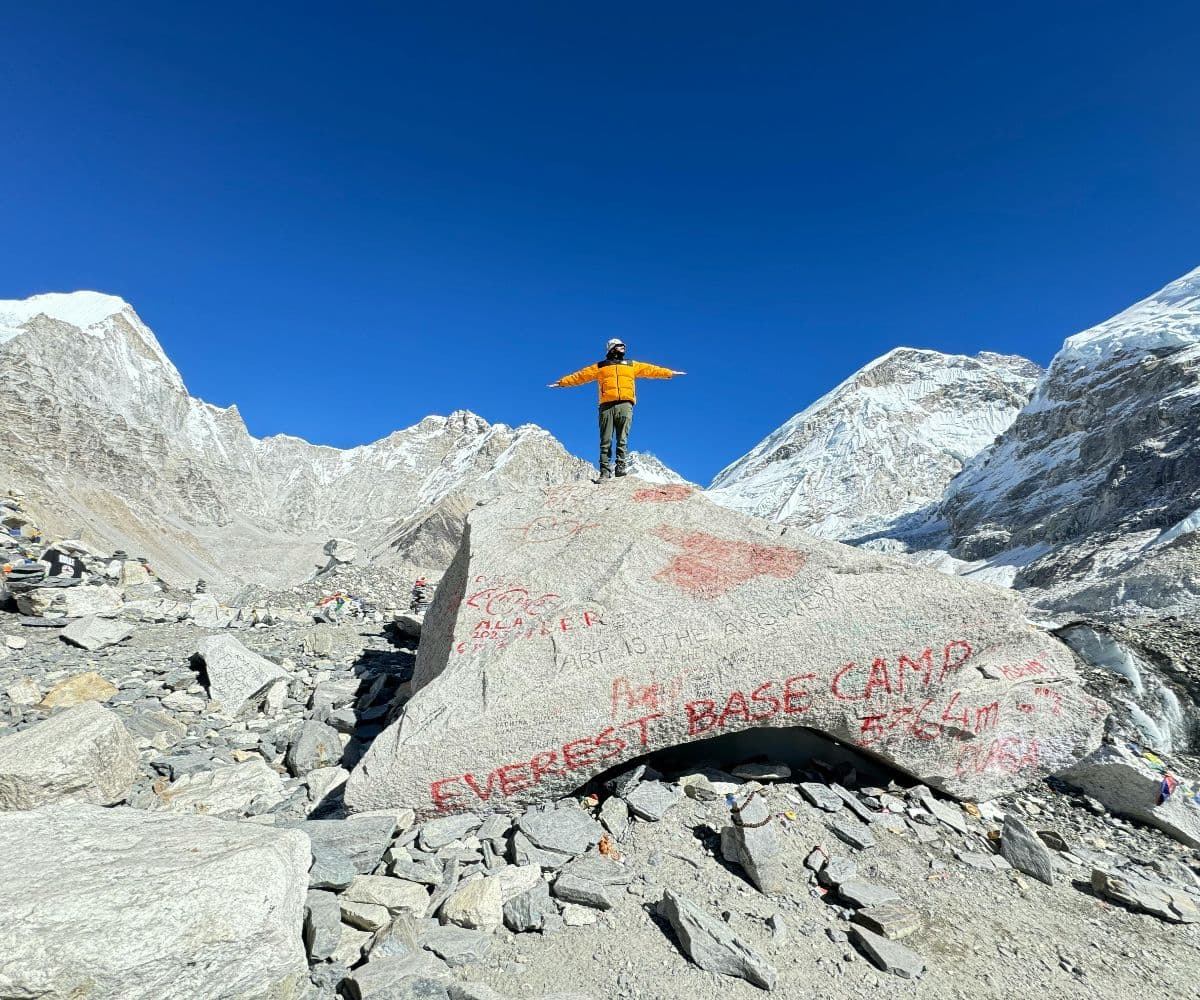
The Everest Base Camp trek is one of the most iconic adventures in the world. Completing the EBC trek is an achievable goal for most people.
Given that they spend enough time preparing for the journey. And no, it’s not just the gears. A trekker must train physically and mentally to trek in the higher elevations.
But it won’t be smooth sailing even with all the training you undergo. There are still varying challenges you face along the trail of Everest. Each step is part of an incredible journey through the heart of the Himalayas.
The good news? With the right mindset, steady pacing, and training, you can attain your goal.
These challenges become some of the most rewarding parts of your trek in EBC. Let’s look at two common hurdles: high altitude and long walking days. And here’s how you can overcome these obstacles.
High Altitude and Risk of Altitude Sickness During the Everest Base Camp Trek
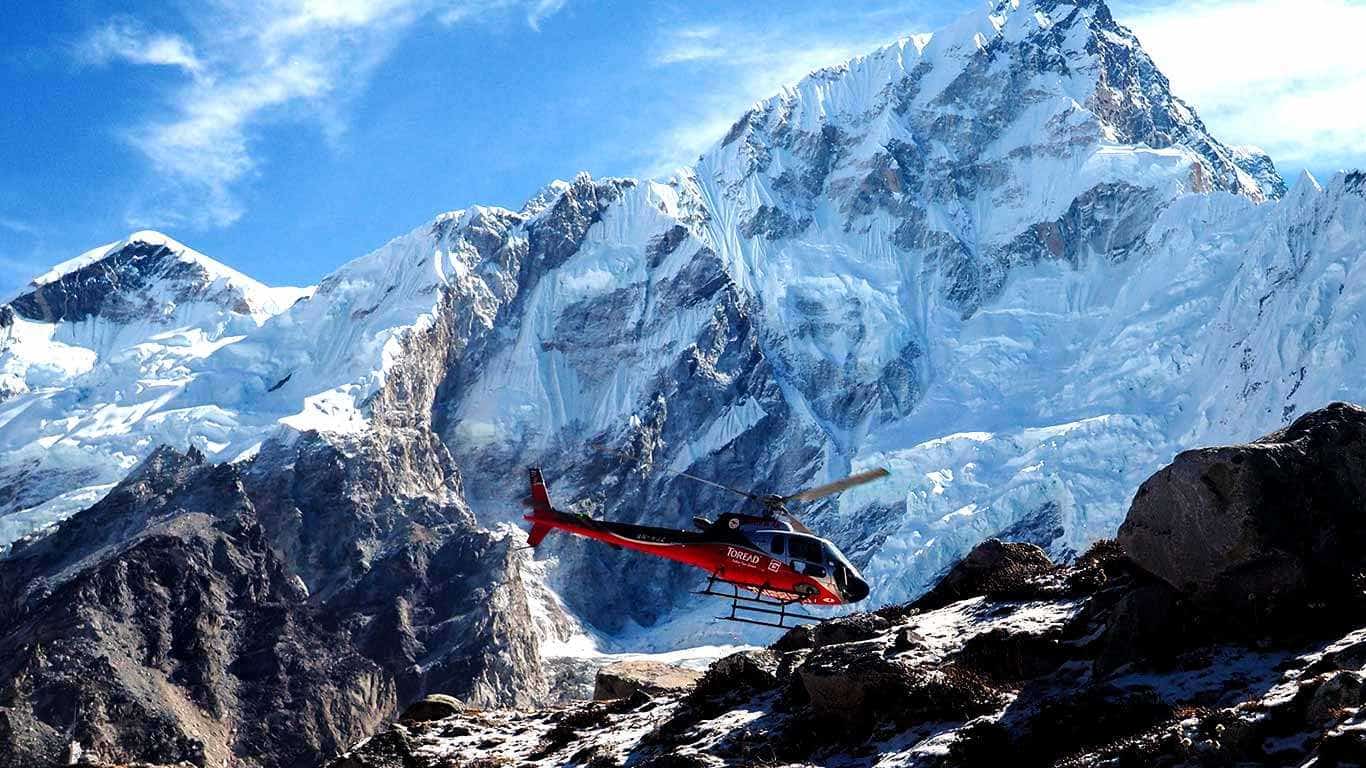
One of the main challenges of the Everest Base Camp trek is acclimatization. In fact, adjusting to the high altitude can prove to be troublesome. And there are multiple ways to reach the EBC trailhead in Nepal.

As you climb above 3,000 meters, the air becomes thinner, and oxygen levels drop. This can make breathing feel more difficult.
As such, gradual ascent and acclimatization days are built into EBC itineraries. These break days give your body time to adapt to the new altitude. Also, it makes the journey far more comfortable.
Altitude sickness is manageable for most trekkers. Well, if you know the signs and act early. Commonly, these symptoms are headache, dizziness, nausea, and tiredness.
If you experience any of these symptoms, please consult your guide immediately. Slowing down and resting makes a big difference.
So, what are the best altitude sickness prevention tips for EBC? Drink plenty of water, walk at a steady pace, and avoid rapid climbs.
Another effective and tried-and-true way is the simple rule of “Walk high, sleep low.” You’ll gain altitude during the day but descend slightly for sleeping.
Long but Rewarding Walking Days in the Everest Base Camp Trek
A typical day on the Everest Base Camp trek involves 5 to 7 hours of walking. But it’s not a race up the trail. While the walks are long, the pace is slow and steady. The timeline for the journey is designed for acclimatization rather than speed. The incline walk begins after you acquire all the permits for EBC.
Engaging in weekend hikes or light cardio training will help prepare you for the trail. Remember, it’s not a competition. The slower you go, the more time to enjoy jaw-dropping Himalayan views.

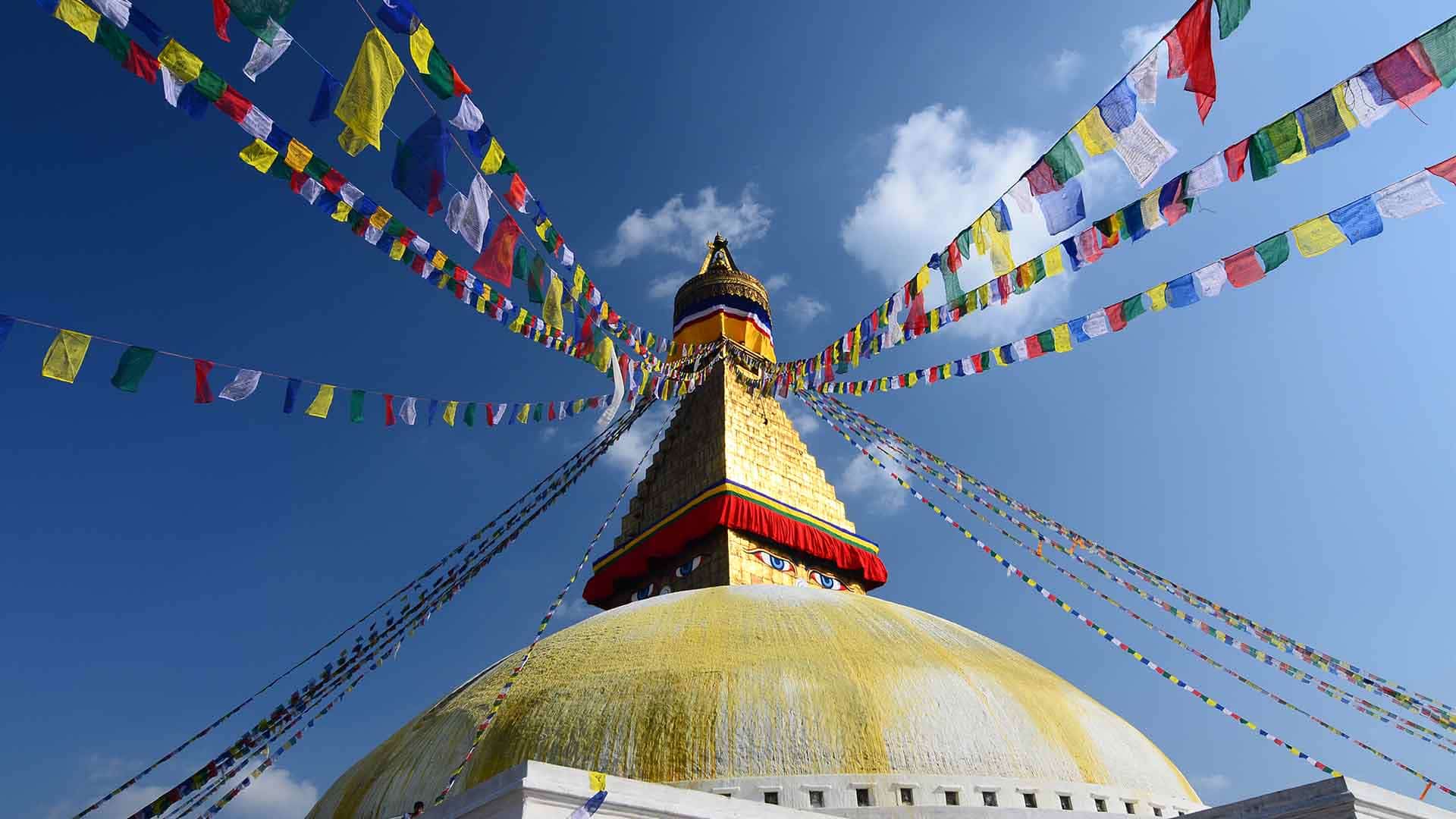
You travel through a prayer-flag-covered bridge. Experience the unique Sherpa culture along the way.
Every step takes you deeper into the heart of the Khumbu region. At the end, the sense of accomplishment will outweigh any fatigue. For seasoned trekkers, those “long” days end up feeling like the most rewarding walks.
Cold Weather and Sudden Weather Changes
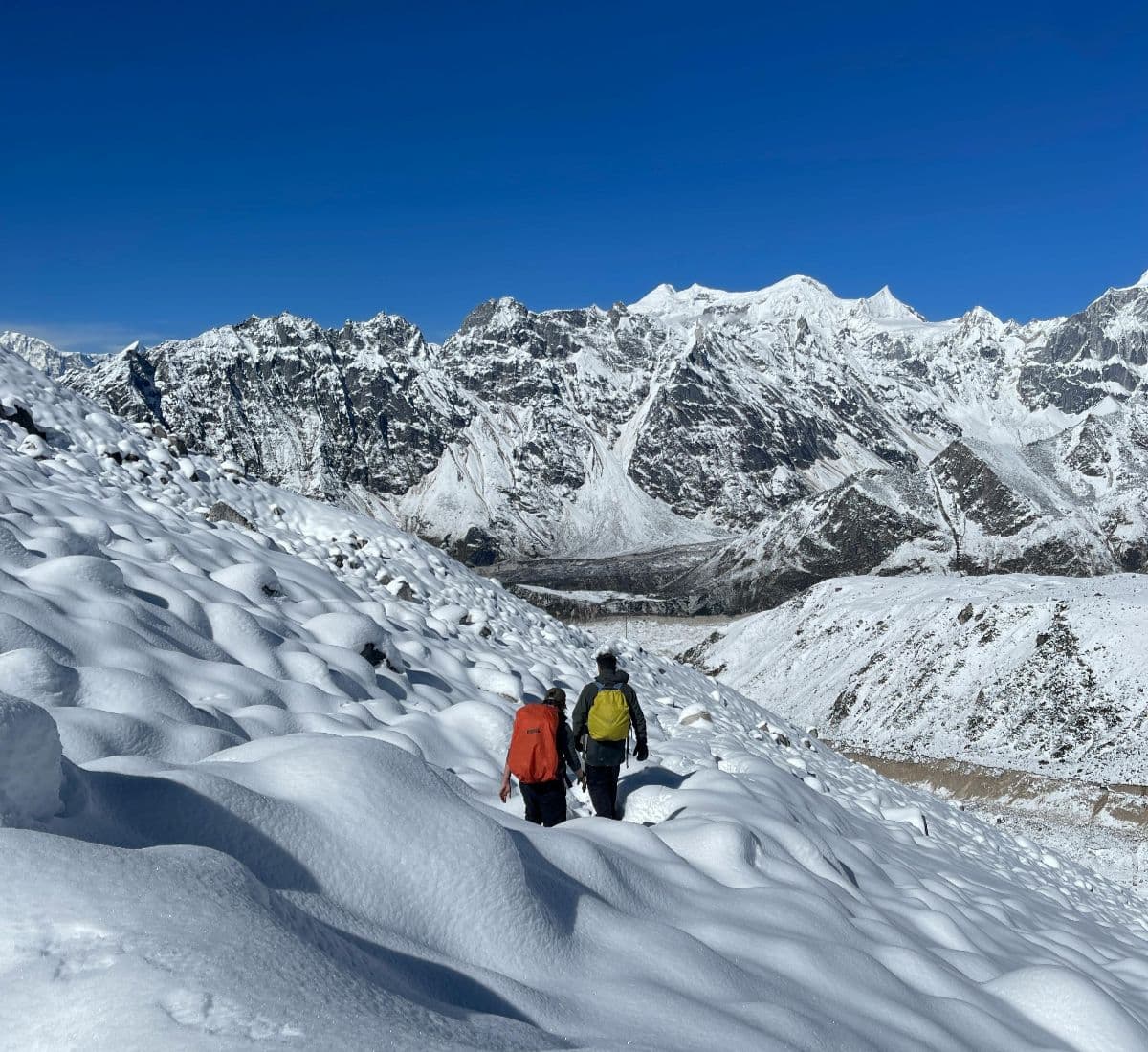
The Everest Base Camp trek takes you deep into the high Himalayas. Here, temperatures can drop quickly, especially at night. In spring and autumn, daytime weather is often pleasant, but evenings can be chilly. Higher altitudes may even bring light snowfall.
The key is layering clothes to combat the weather. Wear trekking gear such as insulated jackets, thermal base layers, and a warm hat. These will keep you comfortable no matter what the trail throws at you. Even if you take the road to Everest Base Camp.

Weather changes here are part of the adventure. One moment, you might be walking under bright blue skies. The next moment, you’re watching clouds drift over towering peaks.
You can enjoy every moment by packing smart and staying prepared. Yes, even the unpredictable ones. These uncertainties are part of the magic of trekking in Nepal.
Cozy Accommodation During the Everest Base Camp Trek
Along the route, you’ll stay in teahouses in Everest Base Camp. These are family-run lodges offering basic rooms. Enjoy hearty meals and a warm, welcoming atmosphere in the accommodation found here.

Rooms are typically simple, with twin beds and shared bathrooms. However, after a day on the trail, they feel heavenly.
One of the best parts? The evenings. Most trekkers gather around the central stove in the dining hall. You can swap stories while sipping tea with other adventurers. These cozy places become some of the warmest memories of the trek.
Accommodations in the high Himalayas also have, at times, better options. And by better, we mean a more facilitated option. Among the lists are lodges and trek lodges. Teahouses are the most budget-friendly option, followed by lodges. Lastly, trek lodges are the most luxurious option.
Teahouses: Between $2 and $10
Lodges: Between $5 and $30
Luxury Trek Lodges: $50-$200
Rising Food Prices at Higher Altitudes
It’s no secret that food prices on the Everest Base Camp trek rise as you go higher. Everything, from rice to tea, is carried by porters or yaks. The further you get from Lukla, the more expensive it becomes.

While the cost goes higher, the portions are generous. Moreover, nothing tastes better than a plate of steaming dal bhat or a hot noodle soup. The meals feel more rewarding after hours of trekking.
To keep your budget in check, bring some favourite snacks from Kathmandu. Carrying energy bars, nuts, or chocolate is always a good idea.
They’re lightweight, easy to pack, and perfect for a mid-trek boost. This way, you can enjoy the hearty lodge meals and treats along the trail.
Varied Trail Conditions in EBC Nepal
The Everest Base Camp trek takes you across an exciting variety of terrain. You can expect to face rocky paths, gradual ascents, and steep sections. While some stretches require extra care, there’s nothing overly technical or dangerous.

A good pair of hiking shoes with a solid grip, along with trekking poles. It will make each step easier. Similarly, trekking through the mountains needs such gear to make it more comfortable.
One highlight for many trekkers is crossing the region’s famous suspension bridges. Walk through the strung high above rushing rivers. Find the route lined with colourful prayer flags.
They add a little thrill to the journey. Likewise, the reward for the trek is the incredible views of the valleys below and peaks above.
Limited but Manageable Connectivity During ECB trek
You won’t be completely cut off on the Everest Base Camp trek. However, internet and phone service become less reliable the higher you go.

Most villages offer Wi-Fi for a small fee, though speeds can be slow. Mobile networks work in certain spots. Nevertheless, you should expect gaps in coverage.
Many don’t see limited connectivity as a challenge, however. Trekkers embrace it as a chance to disconnect from everyday life. Without constant notifications, you can fully immerse yourself in the mountains. Find peace in the Himalayas, away from the buzzing city.
Physical and Mental Preparation
You don’t need to be an extreme athlete to complete the Everest Base Camp trek. Moreover, most people with average fitness can do it with some preparation. The key is building stamina and resilience before you hit the trail. Now, let’s look at these physical preparations:
Start your training at least 6–8 weeks before your departure
Focusing on regular walks, light hikes, and basic cardio
Give cycling, swimming, or jogging a try
Practice hiking on uneven terrain or stairs to mimic the trail’s variety
Strength training for your legs, core, and back
It will help you carry your daypack more comfortably
Incorporating stretching or yoga will improve flexibility
It helps reduce the risk of soreness or injury

Equally important is your mental preparation. The trek is not just a physical challenge you need to face. This place also tests patience and perseverance.
Some days may bring long ascents, thin air, or unexpected weather changes. Moreover, a positive mindset makes all the difference.
To tackle these mental challenges, here are a few ways to do it:
A positive mindset makes all the difference
Focus on the beauty around you
Remember that it’s okay to walk at your own pace
Many trekkers stay mentally strong. It’s not only to reach Base Camp but also to enjoy the journey more fully.
FAQs on Challenges During the Everest Base Camp Trek
Q1: Is the Everest Base Camp trek suitable for regular people?
Yes! With basic fitness, preparation, and a good guide. Most people can complete it successfully.
Q2: How can I prevent altitude sickness?
Take it slow, stay hydrated, and follow acclimatization schedules. Most trekkers do fine this way.
Q3: Do I need to be super fit to trek to EBC?
No! Regular walking or hiking before your trip is usually enough.
Q4: When is the best time for a comfortable EBC trek?
Spring and autumn offer mild temperatures and clear skies.
Q5: How cold does it get?
It can drop below freezing at night. It remains warm in sleeping bags, and teahouse blankets keep you cozy.
Q6: What if I’m a slow walker?
That’s better! Going slow helps you acclimatize and enjoy the journey.
Q7: Will I have to camp?
No, you’ll stay in welcoming teahouses every night. Finding beds, hot meals, and a warm dining room are standard.
Q8: Can older travelers do the EBC trek?
Absolutely! Many trekkers in their 50s, 60s, and even 70s complete it with the right preparation.