Nepal is the finest trekking place in the world. Whether in the Everest region or the far-off Himalayas, thousands come to Nepal each year. They get to know the mountains, the culture, and the natural beauty.
When you are planning a trek in Nepal, one of the first things you must decide is the type of trek. Would you want to trek to a tea house or a classic camping trek? They both have amazing experiences, but they offer very different experiences.
In Nepal, there are tea houses, small local lodges, where you can spend nights and dine. There are the treks that get you to the off-beaten paths. Here, you can take some of your own tents and rations. You camp as you go.
Deciding on the appropriate trekking style is important. It influences comfort, expenses, experience, and even the accessed destinations.
As a novice or a pro, the advantages and disadvantages of each style can help you plan better. In this blog, we will compare tea house treks and camping treks to see which of these better suits you.
Tea House Trek in Nepal
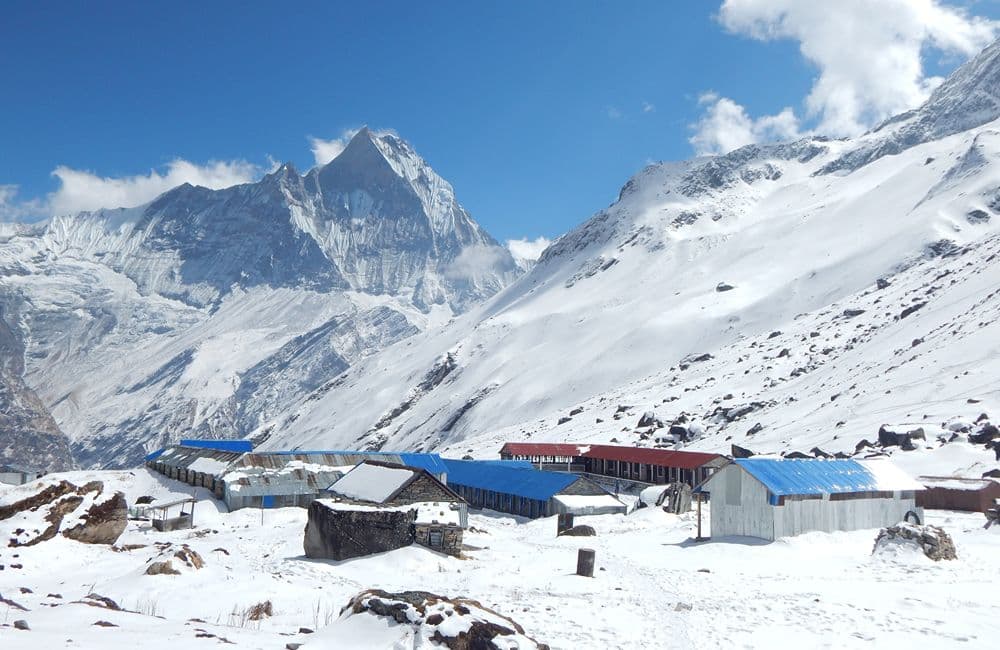
A tea house trek is among the many forms of trekking in Nepal. Trekkers stay in small local accommodations along the trekking route. These lodges or guest houses, dubbed tea houses, are where you stay the night.

These tea Houses are plain guest houses. Local village families within the Himalayan villages make and manage them. Trekkers do not have to carry heavy equipment, tents, and food to sleep and eat. These lodgesturns their journey lighter and more comfortable.
It is among the common methods of trekking in Nepal. Particularly found in established areas such as Everest and Annapurna. This type of trek helps tourists reach their mountain destination. They offer facilities, such as a warm bed and freshly cooked food.
Eminities during Tea House Treks
Tea house facilities will depend on the trekking route and altitude. However, most of them have clean, basic rooms. They offer two beds, mattresses, pillows, and blankets. Private rooms with attached toilets are available. But only in some tea houses at lower altitudes.
When you go higher, the facilities may only offer shared toilets. You'll get a minor amount of hot water and basic squat toilets in higher elevations.

Wi-Fi and charging can be considered an option in certain tea houses, mostly in popular areas. Yet, they can be extra charged and not always stable.
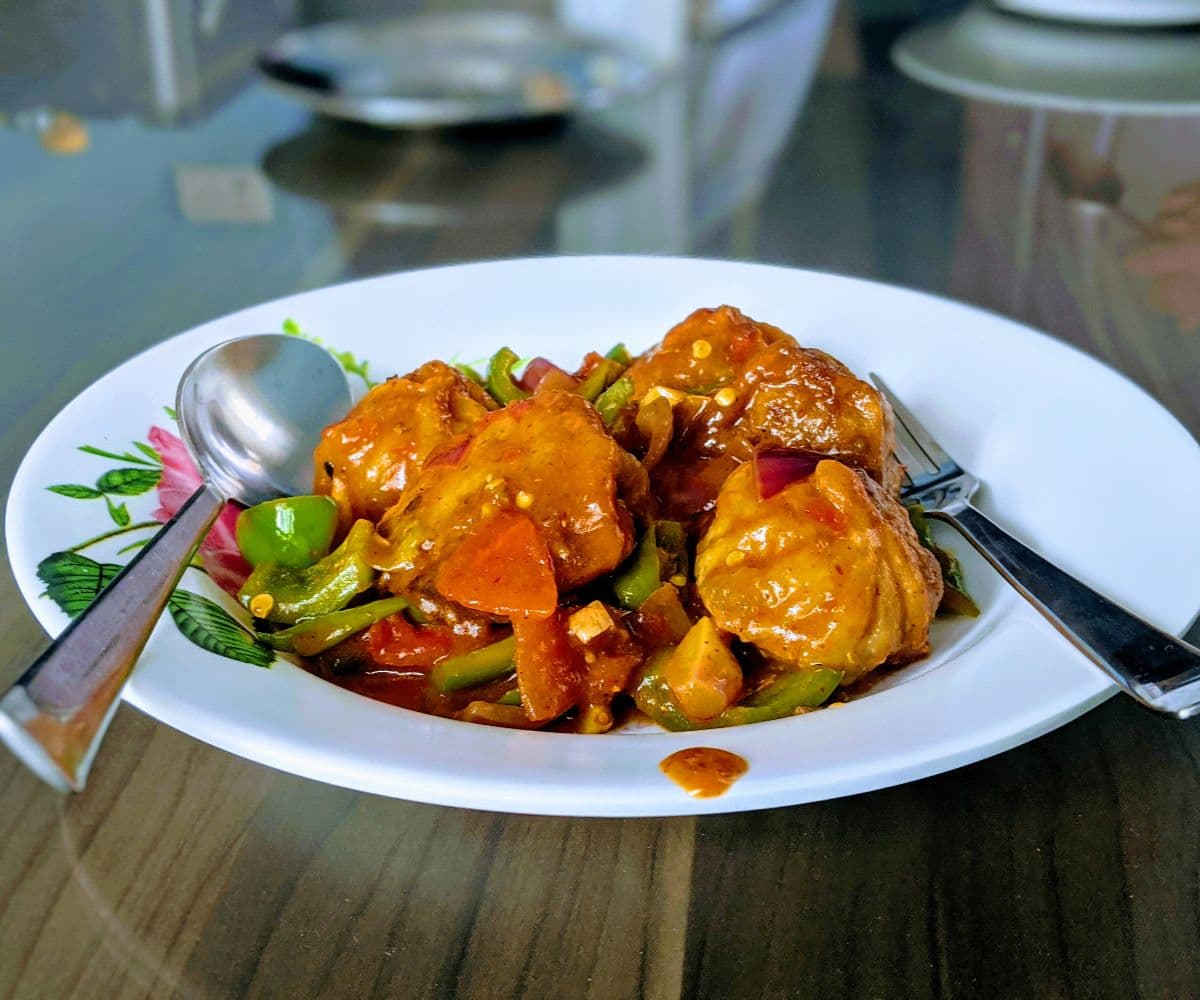
Tea houses also have a warm fireplace within the dining room. Trekkers relax, eat, and chat around in such spaces. You will find an unexpected variety of food. The menu includes Nepali dal bhat, noodles, pasta, momo, and pancakes. As for drinks, hot beverages such as tea, coffee, and lemon ginger honey.
Best Places for Tea House Treks in Nepal
There are tea house treks in most well-known routes in Nepal. One of the most outstanding ones would be the Everest Base Camp trek. Tea houses in the villages such as Namche Bazaar, Tengboche, and Dingboche are better. Comfortable stays in the Annapurna Base Camp trek can also be found. You can find comfy stays in Ghorepani and Chhomrong.

In the same way, other treks such as Langtang Valley, Mardi Himal, and Ghorepani Poon Hill. They are superb alternative treks in case one wants to go on a tea house trek.
These are the most suitable routes that meet the needs of new trekkers. Those who are not so experienced and who would like to see Nepal's mountains and culture. You will not need to bother installing tents and cooking food on your own.
Camping Trek in Nepal
A camping trek is a more classic and adventurous journey in Nepal. He or she handles all the trekking supplies. It includes food supplies, cooking gear, and sleeping equipment.

Camping treks fully depend on a trekking crew. If they are camping by themselves, they are guides, porters, and cooks. They will need to set up the camp, cook, and manage logistics during the trip. That is, unless you take a camping trek package with a trekking agency.
It is a more personal and secluded trekking experience. And the best is if you want to go to unusual locations where there are no tea houses.
Camping package via Trekking Agency
There are several items in a regular camping excursion. You have sleeping tents where the trekkers relax at night. These tents are for two people with sleeping bags and insulated mats. It also has a kitchen tent where the cook and the team prepare food.

A special tent is established where meals happen, especially on a windy or cold day. Toilet tent hygiene and privacy are also provided in some treks. The crew carries everything, including food, fuel, utensils, and water purifying implements.
You make the transitions between one campsite and another day after day. The team oversees the camp setup and breakdown. This helps trekkers enjoy the walk and viewing. In a packaged trek, the crew does all the cooking and pitching tents, as they always do.
Where can you do camping treks in Nepal?
Camping trek is usually carried out in the far-flung areas of Nepal. The tea houses are either nonexistent or minimal in such areas. Some of these areas include the Kanchenjunga region, Upper Dolpo, Dhaulagiri, and Makalu. You can also go camping in Far West Nepal, such as Limi Valley or the Rara Lake.
These trails are not as commercialized as the others. There are fewer trekkers on these routes. It makes them more untouched and remote in nature. The only accommodations in such treks or new routes are camping.
Tea House Vs Camping Treks Differences
Both the tea house and camping treks are interesting treks to the Himalayas. So, we will go through the major distinctions between these two popular types of trekking.
Tea House treks
Tea house and camping treks differ primarily in where you sleep every night. The type of trek I sleep in local lodges built along the trail in a tea house trek. The tea houses are basic but comfortable. Likewise, most consist of twin beds and mattresses, pillows, and blankets.

The rooms at lower altitudes may even be fitted with attached bathrooms. But further up, the only option you can find is the shared toilet and a less complex system.
The rooms are good but not luxurious. It's enough for a good night's sleep after a day of walking. There are also tea houses with a heated eating room where trekkers meet in the evenings.
Camping treks
A camping trek includes accommodation in tents. Typically, a pitching tent is set up at different camps by your trekking company staff. You will sleep in two-person tents, a roomy place to sleep. It comes with insulating mats and cozy sleeping bags.
It is not a permanent building, such as a room, and you can move the facilities completely. You dine in a separate dining tent and in further treks where hygiene is an issue.

There are also optional toilet tents given. Each day, the campsite moves to a different place. As such, you move the gear, and porters or mules take them to the next destination. Camping treks are more adventurous. It's ideal for the person who would like to spend time near nature and not be in the crowd.
Food and Meals In Tea House Treks
The food experience is also different between the two styles of trekking. When you go on a tea house trek, you dine in the lodge you are living in. Most tea houses feature both Nepali and international foods.

The most common dishes are:
Dal Bhat (rice, lentils, and vegetables)
Fried noodles
Pasta
Soups
Pancakes
Omelets
Momo (dumplings)
Pizza
Burgers
You will also find hot drinks such as milk tea, black tea, coffee, and lemon ginger honey. The food in the tea house kitchen, though simple, they are fresh, hot, and filling.
Food and Meals During Camping Treks
A professional cook comes along with you during a camping trek and your food is cooked by them. The kitchen staff carries all the food and utensils, as well as the cooking fuel.
The food is prepared on site and cooked at the campsite in a different tent. On camping treks, the food tends to be wider in variety and tailored to your palate. The cook prepares the menu beforehand.
Soups and curries, boiled eggs, fresh salads, porridge, and even deserts. The dish that can upscale camping meals, given the far-flung places. You also get to have your meals peacefully, with nature, and you are not disturbed by the rush in the dining rooms.
Common Room vs. Outdoor Cooking
During a tea house trek, one will have dinner in a communal dining area in the lodge. These eating rooms are the auspicious room in the tea house, and a central stove heats them.
Trekkers of various countries meet here to enjoy, chat, and rest after a day out. It is a fabulous way to mingle with other travelers and exchange stories. The atmosphere is social and energetic. You can experience them in particularly popular tracks such as Everest or Annapurna.

When on a camping trek, your food culture is totally different. Food is prepared either on the open fire or in a specific kitchen tent. A personal cook prepares food on your trek. The food is then delivered to your group in a tent just created as a dining tent.
You will dine with your group, alone in the peaceful natural surroundings. Forests, rivers, or mountains keep you company. It is quieter and more intimate, but not as social as the tea house dining. This type of experience is cruder and more natural. It is ideal when one wants to feel alone or closer to nature.
Trekking Crew and Support
The support staff on your trek also differs depending on the type of trek that you are taking. The standard crew size in a tea house trek comprises a licensed guide and a couple of porters.
The guide is the one who organizes the trek, informs you about the trail, and keeps you safe. Porters will take your main backpack so that you can walk with a daypack.

Even in the popular, you can find the tea house owners willing to pitch in, and you might not need such a large crew. Camping expeditions need a considerably bigger crew.
You need to hire a cook, kitchen assistants, and occasionally extra personnel. They handle tents and logistics besides a guide and porters. Porters or the mules transport the equipment. They movetents, food, fuel, cooking equipment, and sleeping gear.
The guide remains the head man and controls communication. The rest of the team makes efforts to establish camp, cook, and ensure that the camp functions well. Camping treks are likely to have a stronger bond between the trekkers and the support crew. As such, you cross as one close-knit team.
Packing and Equipment
Depending on whether you have a camping trek or a tea house trek, your packing list also varies. In a teahouse trek, you do not need to take much equipment. A warm sleeping bag, clothes, a head torch, water bottles, and personal effects are enough.
As you sleep and eat in lodges, you will not have to carry tents, food, or cooking stuff. Porters carry most of your luggage. You only have a daypack with other necessities, snacks, water, sunscreen, and a camera.

But camping requires more preparation. The trekking agency will offer the majority of the equipment. You might still need to carry your sleeping bag, warm clothes, and grooming products. As for the large tents, sleeping mats, kitchen tools, and all food supplies. The crew will carry the heavy load.
All should be planned, particularly in high-altitude or remote tracks. One cannot buy anything on the route. It is important to pack smartly and light. The crew makes sure you do not lack anything important. They will do everything they can for yourto stay comfortable and safe during the trek.
Cost and Budget
Compared with cost, tea house treks tend to be cheaper than camping treks. Because you are staying at local lodges and eating with them. You pay only for essential offers, the room, food, permits, a guide, and a porter.
You might be forced to pay a premium for hot showers, device charging, or Wi-Fi. When you are doing a tea house trek. One does not need bulky camping gear or hire an extensive crew. This makes the cost rather low.

Tea house treks, such as Everest Base Camp or Annapurna Base Camp, stay relatively cheaply. But it depends on how high-end you want the services.
Camping treks, on the flip side, are costly. You must pay a whole crew, a guide, porters, a cook, and kitchen staff. And on certain occasions, animals come and assist in the moving of all your gear.
Tents, sleeping arrangements, cooking equipment, food, and fuel add to this cost. Having the major price typically included in the way can have hidden charges in both designs. Last-minute equipment hires, extra support crew, or specialized foods can increase the expenses. Before you begin, it is good to explain all this to your trekking company.
Comfort Level
The other major difference between these two types of trekking lies in comfort. Tea house treks are comparatively more comfortable up to lower altitudes. And they have better rooms and facilities.

You have a bed to sleep in, provided with blankets, and you have hot meals cooked in a properly equipped kitchen. There are even tea houses with attached bathrooms and western-style toilets. It is also cleaner to take care of, you can even wash your hands, and have occasional baths. And sleep in a solid room as opposed to a tent.
During camping treks, comfort comes with the level of equipment of your crew. You will be staying in tents on air mattresses or inflatable sleeping pads. It is more primitive than a room in a tea house. Though your guide and porters are taking you wherever you are comfortable.
It is more private as you do not have shared walls with other trekkers. It may be more problematic in the hygiene department. A toilet tent is typically located close to the camping, and it is usually a pit toilet. No running water or a normal bathroom like tea houses. You will need wet wipes and hand sanitizers, and you will need to cope with little water.
Logistics and Accessibility
The logistics of a Nepal trek depend very much on whether you decide to use a tea house or a camping-based trek. Tea house treks are simpler to plan and organize. It is only necessary to organize your trekking permits (such as TIMS and entry permits). Or hire a guide or porter, and make some basic reservations. All the routes are properly developed, and there are many lodges.
Most of these treks may be arranged in a matter of days. Particularly in the event you are trekking in an area that is well established. It is both an easy choice when dealing with individual trekkers and tour groups.

Camping trips, however, need a lot more planning and organization. You will still have to have the same permits. But it will cost you more time as you must plan tents, food, fuel, cooking apparatus, and support staff. The agency should also design the day-to-day itinerary. Find decent camp locations. They make sure that all logistics are in order during off-road journeys.
There are extra camping treks that need a special restricted area permit. Such as in Upper Dolpo or Kanchenjunga, which can be slower to issue.
All in all, tea house treks are faster and simpler to organize. On the other hand, camping treks involve more time, planning, and labor.
Environmental Impact
Speaking of sustainability, both trekking styles leave an impact on the environment. However, not in the same way. The ecological footprint in tea house trekking is usually lower. It's due to the already constructed infrastructure.
You are sleeping in permanent structures, consuming locally grown food, and sharing resources. Eco-friendly precepts are also adopted by many tea houses these days. Many use solar heating, organic gardens, and appropriate waste management.

But during peak seasons, the flow of trekkers can still strain the environment. Particularly, firewood harvesting, water consumption, and plastic waste. Camping treks give one a more intimate experience of nature. Their effect on nature may even be more profound when the trek is not undertaken responsibly.
All gear and food are hauled in. This creates a possibility of non-biodegradable waste being left behind. Slash and burn cooking on open fires or fuel may also damage the environment. But a responsible trekking company will keep its waste properly managed. They will use clean-burning fuels or will bring all the trash back and leave no trace at campsites.
Camping treks are possible with a good crew and awareness, to leave the least impact on nature. The secret is just the extent to which the team is environmentally friendly.
Pros and Cons of Tea House Treks
Everything always has some pros and cons. So here too, we will discuss the pros and cons of Tea House trekking in Nepal.
Pros of Teahouse Trekking
Teahouse trekking is a convenient trek. It provides hot food and comfortable beds at every step on the route to the mountains. So, what are the main reasons that trekkers adore this style of trekking?
Convenient and Easy to Plan
The ease and convenience of tea house treks can be arranged is also one of the greatest benefits of the same. The routes are well-established, and there are many lodges along the way. So there is no need to worry about heavy camping equipment or to organize large support team.

All the above-mentioned (booking permits, guides) can be done in a short period of time. Yes, even at the last minute. This is one of the reasons why tea house trekking is ideal for first-time or solo travelers. Any person who hopes to have an easy trek or adventure in the Nepal mountains.
Featherweight Backpacks and Comfort Lifted Further
Your pack weighs a lot less because you do not have to carry tents, cooking utensils, and tons of food. All you must bring are necessities such as clothes, a sleeping bag, and a daypack with water and snacks.

This helps in walking with less pressure and fatigue, so you can have a better time during the journey. Additionally, it is very nice to have a warm bed to sleep in, cooked food, and a shared room in which to unwind after a long day.
Associational Life with Other Trekkers
Tea house treks have an excellent social environment. It is simple to get to know and have talks with individuals around the globe. It's simple to meet other trekkers since you share a common place and dining rooms.
The liveliness gives a joyous and social component to your travel. Camping treks are usually more private and isolated than this social vibe one can often find.
Cons of Tea House Treks
Although it is comfortable, teahouse trekking is a more restrictive way of traveling. The possibility of a less-explorer-like experience. These are some of the disadvantages that one needs to consider before selecting it.
Limited Food Choices in Remote Places
Tea house treks typically follow a pretty good menu. The food varies at the higher elevations as you get further away from the more accessible towns. In distant locations, you might be left with a few staple cuisines like Dal bhat, noodles, or Pure soups.

Vegetables and fruits may be short, which could make the diet look monotonous after a few days. This can at times be a challenge for those with special dietary requirements.
Congested At Peak Season
The other disadvantage of tea house trekking is the overcrowding in peak season. Some of the most common routes become extremely congested during peak trekking periods. Particularly, during the fall and the springtime. The teahouses tend to be overcrowded. You may need to share rooms with other trekkers or reserve your place well in advance.
It may lack the serenity that people aim to find in the mountains. The busy dining halls can be noisy at times. It may not appeal to a sense of being alone, so many hope to finding on the mountains.
Simple Amenities in Certain Tea Houses
You get basic shelter and comfort offered in tea houses. The amenities might be rather basic or even primitive at certain locations. Bathrooms can be communal and not necessarily clean. Also, hot showers may not exist upwards.

The heating is typically restricted to the common locations. Hence, your room could be cold at night. Tea house trekking can be very primitive for travelers seeking luxury.
Pros and Cons of Camping Treks
Camping treks provide an exclusive experience of nature discovery. At the same time are rewarding and challenging. So, we should take a closer look at the advantages and disadvantages of camping treks. So, is this the kind of adventure you need?
Pros of Camping Treks
Camping treks also get you in touch with nature and gift you with total freedom on the path. So, we are going to discuss the main advantages that can make camping treks unforgettable.
Fully Customizable Experience
The greatest advantages of camping treks arethat they are very flexible and adaptable. You do not have to stick to the lodge or tea houses because you carry your own tent and kitchen equipment. It will enable trekkers to visit the less-traveled paths. Or to create more tailored itineraries with a longer stay.

When you are camping, you get to have the benefit of extra days in some of the places. You could skip some routes that are congested, depending on how you want to make your adventure match.
Use of the Remote, including Off the Beaten Trails
Camping treks expose tourists to remote places where there is no permanent lodge. Wants to have original and untouched landscapes and nature? Or go visit a traditional mountain village. Camping is sometimes the only option. Such trekking brings the feeling of discovery and loneliness. Which is difficult to gain in busier popular paths.
Total privacy and Communion with Nature
Tea house trekking and camping treks offer a lot of privacy. You choose the places to have your own tent, in calm camping places, without people and noise.

This is going to get deep into the natural environment, as you get to always wake up with fresh mountain air, listening to all the animals, and being able to see the stars without any light. To most trekkers, camping expeditions are the most satisfying because of this close relationship with nature.
Cons of Camping Treks
Although a camping trek is adventurous, there are some challenges you ought to expect. So, we might as well run through the key disadvantages, so we know what we are in for on the trail.
Expensive and Needs a Bigger Crew
The camping treks are more expensive than the tea house treks, as they require a greater support crew. In addition to a guide and porters, you will get a cook and kitchen assistants, and additional staff to pack tents, food, and equipment.

It increases the cost of hiring this larger crew. Moreover, camping treks are more expensive, as you will need to provide tents, cooking fuel, and other necessary equipment.
Having More Set Up and Planning Time
A camping trek is also more time-consuming. The trekking company must cover all these details and plan where the camp will be located every day, food, and logistical support for the crew.
During the hike itself, there is time spent on erecting tents, preparing meals, and breaking camp. This contributes to the total effort and, as such, makes movement slower than in tea house treks where accommodation is readily available.
More Loaded Logistics and Increased Equipment
Camping treks are more complex and heavier in terms of logistics because everything you need to have should go with you. Trekkers should be in a position to carry additional gears and this includes a tent, a sleeping mat, kitchenware, and fuel.

Although this is mostly carried by porters or mules, you need to ensure that you do the management and packing. The volume and weight of the equipment also involve a larger physical part during camping hikes, and are coordinated better.
Famous Tea House Trekking Routes in Nepal
Nepal is one of the countries with some of the most popular tea house trekking routes in the world with comfortable and cultural experience on beautiful trekking trails. We can discuss the well-known treks of the tea houses that trekkers all over the world go to.
Everest Base Camp
The Everest Base Camp trek is one of the most popular tea house treks in Nepal. It will guide you through the villages of Sherpa and rhododendrons and the magnificent Himalayan view.
In the process, you live in relaxing tea houses where warm meals and beds are provided. The trek offers you an unforgettable journey to the highest mountain in the world with the comfort of the local lodges. It is ideal for anyone who is a trekker and wishes to have fun without hassles.
Annapurna Base Camp
Another popular tea house trek is Annapurna Base Camp, which is among the numerous treks of varied topography and culture. Moving up and down terraced fields, across alpine forest, through mountains and valleys, trekkers get a breath of natural beauty.
Tea houses within this route act as rest points and shelter at small mountain villages. It is also an ideal trek that suits people who wish to trek and experience nature together with the locals, but not camping.
Langtang Valley
The scenery trek of Langtang Valley is simpler and less crowded, as it has a tea house trek near Kathmandu. The path goes via beautiful forests, ethnic Tamang communities, and spectacular mountains.

Simple yet pleasant tea houses are located here, offering a good resting place. Langtang Valley is the best place to be treated as a trekker in search of peace and the easily accessible beauty.
Ghorepani Poonhill
The Ghorepani Poonhill trek is well known because of the magnificent sunrise scenes in the Annapurna and Dhaulagiri mountains.
The route goes along scenic villages and rhododendron forests. Innate, comfortable tea houses can be found throughout this area, a good place to take an accommodation after the day hike.
Mardi Himal
The Mardi Himal trek is an emerging, less popular tea house trail in Annapurna. It offers people a close-up perspective of the Mardi Himal Mountain and the Annapurna range.
Trekkers spend the nights in comfortable tea houses in mountain villages on the trail. The trek is ideal for anyone seeking a non-bustling and picturesque journey.
Top Treks in Nepal to Camp
Nepal has various camping treks, but we have made a list of some of the best Camping treks in Nepal.
Upper Dolpo Trek
Upper Dolpo is a far and pristine area of Nepal. This is a trek necessitating camping, as there are not a lot of lodges and the terrain is rugged and remote.

Trekkers enjoy the special area of Tibetan civilization, ancient monasteries, and the out-of-this-world scenery of high altitudes. The camping arrangement gives adventurers the chance to visit remote settlements and the wide wilderness that few tourists get to.
Kanchenjunga Circuit
The Kanchenjunga Circuit trek is an adventure around the third-highest peak on the globe. It is a steep path through isolated valleys, mountains, and various ecosystems.
Tent camping is also a must because there are few lodges. Trekkers experience all the unspoiled nature and cultural diversity by camping out under the stars in some of the most scenic and remote parts of Nepal.
Makalu Base Camp
Makalu Base trek will set you at the base of the fifth-highest mountain in the World. Camping is the most appropriate mode of this trek because of the poor infrastructure and the remoteness of the trail.
Through the journey, there is a panoramic view of the mountains, rare wildlife, and peaceful settings. Camping is an adventure that gives one intimacy with nature.
Dhaulagiri Circuit
The Dhaulagiri Circuit trek is a challenging and adventurous trek to the massive mountain Dhaulagiri. It is a mixture of high mountain passes, deep valleys, and ruggedness.
The trail has extremely few lodges along the sides, hence camping is needed. This is the trek of a lifetime that should suit proficient trekkers who would prefer a challenging trek off the beaten path.
Far West Treks and Limi Valley
Untouched beauty and cultural heritage, the Limi Valley and other regions in Nepal, called the Far West, are part of the Nepal landscape. There is limited infrastructure in these treks, making camping necessary since it is a remote area.

Trekkers have an opportunity to visit peculiar Tibetan-infused cultures, ancient monasteries, and marvellous mountain landscapes. Sharing uncommon and real Himalayan experiences, camping treks can be conducted here.
Which Trekking Style Do You Need?
So, which trekking style would be the best one for you? Let's find out in more detail:
According to Your Fitness Ability
In case you are relatively fit and you want to have a physically undemanding trek, tea house trekking is the best choice.
It can be overseen or managed by most of the travelers, whether they are beginners or old people, because of the light backpack and simple logistics.
Camping trips, on the other hand, are more physically arduous owing to the extra carrying, longer days, and more offbeat paths. Camping treks can be very lucrative, especially if you are physically fit and enjoy a challenge.
Your expectation and travel experience
The first-timers or trekkers who want comfort and convenience should go on tea house treks. They provide the opportunity to interact with other travellers and do not organize camping and preparing meals by staying in the local hospitality.
Camping treks will be loved by those trekkers or adventurists who are advanced and prefer solitude and exclusive experiences. The camping experience is more isolated as it grants access to more distant trails and the ability to stay in nature for longer.
Time and Budget
About the tea house treks it is economical in the normal sense. They can be conducted in smaller amounts of time, and they do not require a lot of prior planning.
The camping work is more expensive in manpower and provisions, equipment, and logistics, and it usually takes some time to organize. In case of a low budget or insufficient time, then the best possible option is to go trekking and reside in a tea house.
Team Size and Individual Choice
It is so simple to book a teahouse trek to get to services. It is safe and easy when an individual is alone or in a small group of people. If there is a family or a group that does not want to be noticed by too many people, and such families or groups might require camping treks more often.
It is personal when you have your privacy and your team during camping. It is based on your preferences in terms of social spots or just sheer silence and the tranquility of nature.
Best Hiking Tips
Here are the best hiking tips for you to make your camping or teahouse trek the best:
Select the Right Season
You should time your trek to ensure that it is comfortable. The best time to go trekking in Nepal would be during spring (March to May) and autumn (September to November), because during these times the weather would be stable, and the scenery would be clear.
Do not visit during the monsoon season because the tracks will be extremely slippery and the rain will be very intense, and you are to go during the winter months, but then you will need to carry warm clothes along. This factor, as a factor of choosing a proper season, ensures safer and more pleasant trekking.
What to Pack on All Types of Treks
Packing smart is advantageous. The trek to the tea house requires airy garments, a pair of warm trekking boots, a jacket, and a blanket lining (this is optional since the tea house is going to offer beds). No need to carry pots, pans, and heavy tents.
Other accessories when undertaking the camping treks are a good sleeping bag, a sleeping pad, camp gear, and other equipment to keep you warm at night. Furthermore, pack accordingly with a first-aid kit, water treatment tables, and sunscreen for both kinds of trek.
Selecting the Best Trekking Company
The guidance of a reliable trekking agency is of the utmost necessity. A professional firm will possess experienced guides, possess the necessary paperwork, organize good accommodation or camping gear, and even guarantee safety.
They also consider the local culture and are eco-friendly. The worth of having things sorted out in a safe organization will mean you get the whole trip comfortable and without any trouble. Whether it's a tea house trek or a camping one, booking with a reliable organization is worth it.
Last Words: Camping or Tea House, What to Do?
The tea house treks would suit most travelers due to the convenience, dealing with people, and fewer items to carry along.
Camping hikes are also more individual, provide solitude, and allow one to reach more remote places at the expense of extra preparation, higher costs, and higher fitness. These styles portray their respective styles of Nepalese beauties as well as culture.
You are a first-time trekker or need a comfortable and easy option, then a tea house trek would be best suited Himalayan expedition. When it comes to experienced trekkers and their desire to get some kind of solitude, difficulty and connect with nature at a deeper level, camping treks are more appropriate.
FAQS
Is it safe to trek alone by camping?
Camping trek would be safe as a solo traveler since you can have a support crew and a guide who has experience. However, preparations and caution are necessary when in camps that are further away than those in the tea house treks, which are more social, and facilities are not far.
Is booking accommodation required in tea house treks?
Especially when joining a famous trekking route (e.g., Everest Base Camp, Annapurna), the tea house accommodation should always be booked beforehand to prevent running out of accommodation during the trekking season. There are typically off-season arrival rooms.
How do weather conditions affect tea houses and camping treks?
Both trekking styles are influenced by the weather. Tea houses are superior in the event of bad weather since shelter is slightly available. The facilities used must be set up with tents during camping trips, and due to the bad weather, it would be harder and less comfortable to establish camps.
Can I get vegetarian or special diet meals at the campsite?
The tea house's items are menu-driven, and there are only a couple of vegetarian items to order, as compared to camping treks, which are freer. With a personal cook, you may go to the extent of requesting him to carry special diets or special meals, provided you provide such details to the trekking agency.
What are the roles of porters and guides in the trekking process?
The two styles also need guides and porters. They carry tons of gear, set up camp or rooms, and walk on the trails. It even makes their company much more comfortable and reduces stress, especially during camping treks where the crew must work more.
Does a camping trek have any related health risks?
The Camping treks expose you to harsher conditions that, at the worst, can make you sick (hypothermia, infection, etc.) when dealt with carelessly. You can avoid such risks by wearing proper equipment, performing hygienic medical practices, and acting according to the recommendations of your guide.