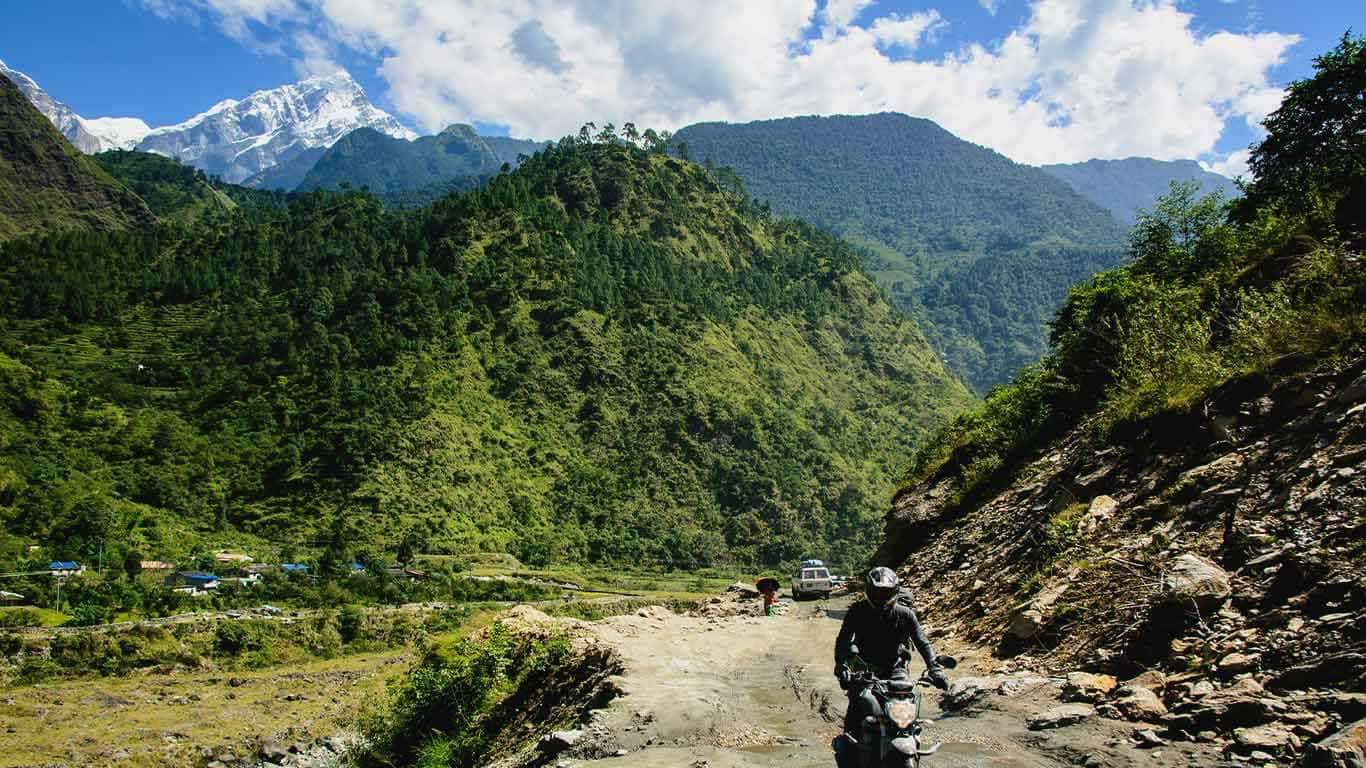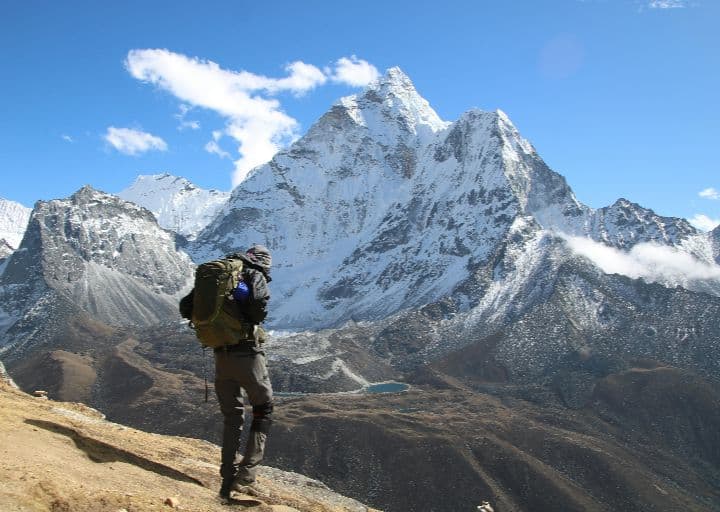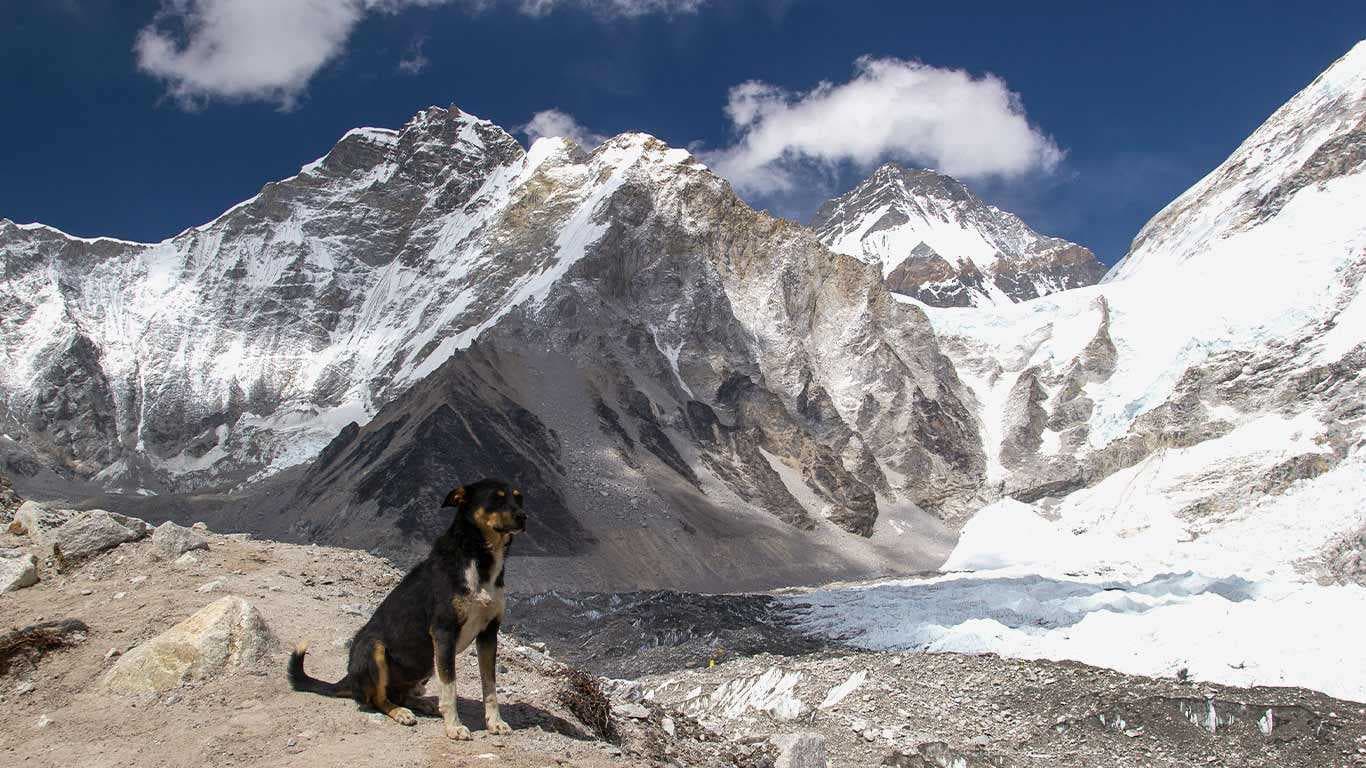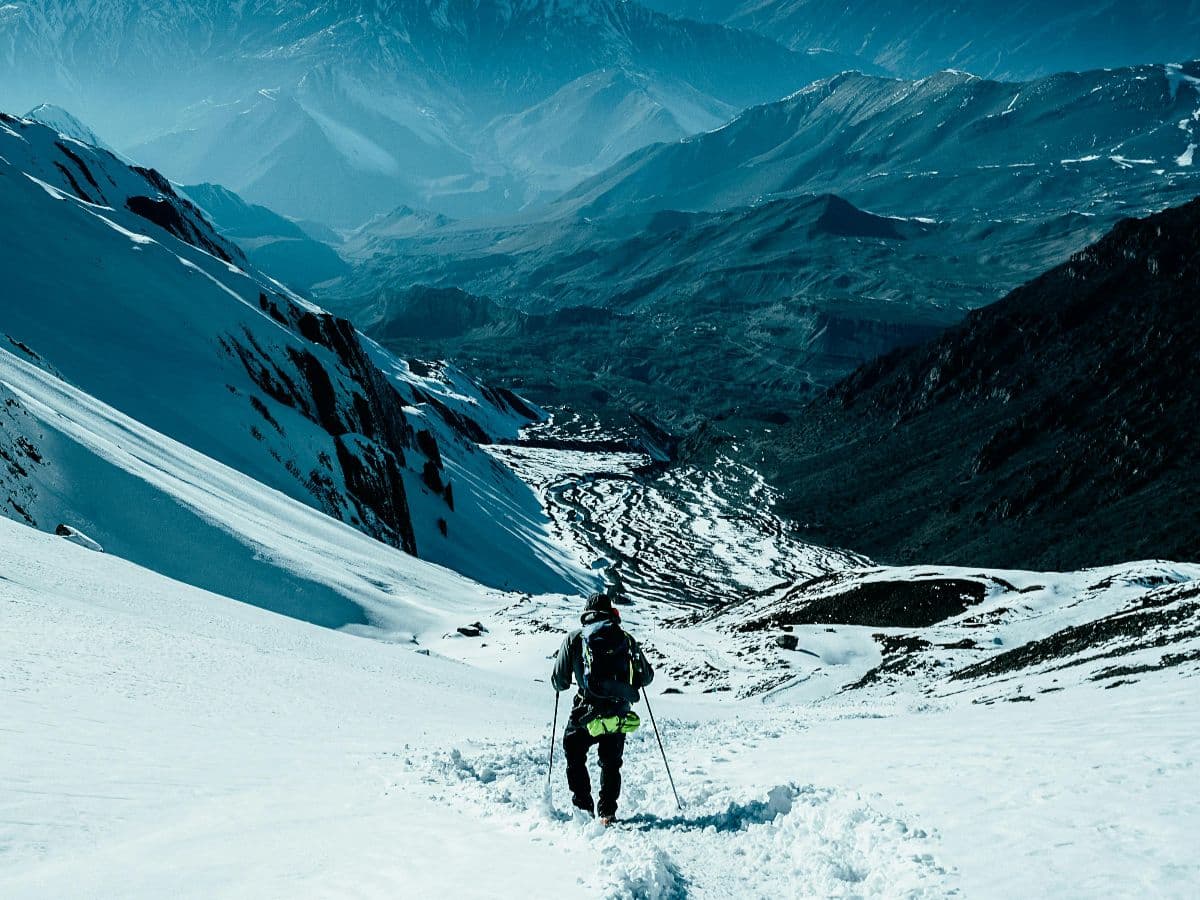
Nepal is a mountaineer’s paradise. It’s home to eight of the world’s 14 highest peaks. Yes, including Everest, Lhotse, and Makalu. So having the right gear is essential. It draws adventurers from every corner of the globe. Every year, thousands of people flock to Nepal as climbers and trekkers.
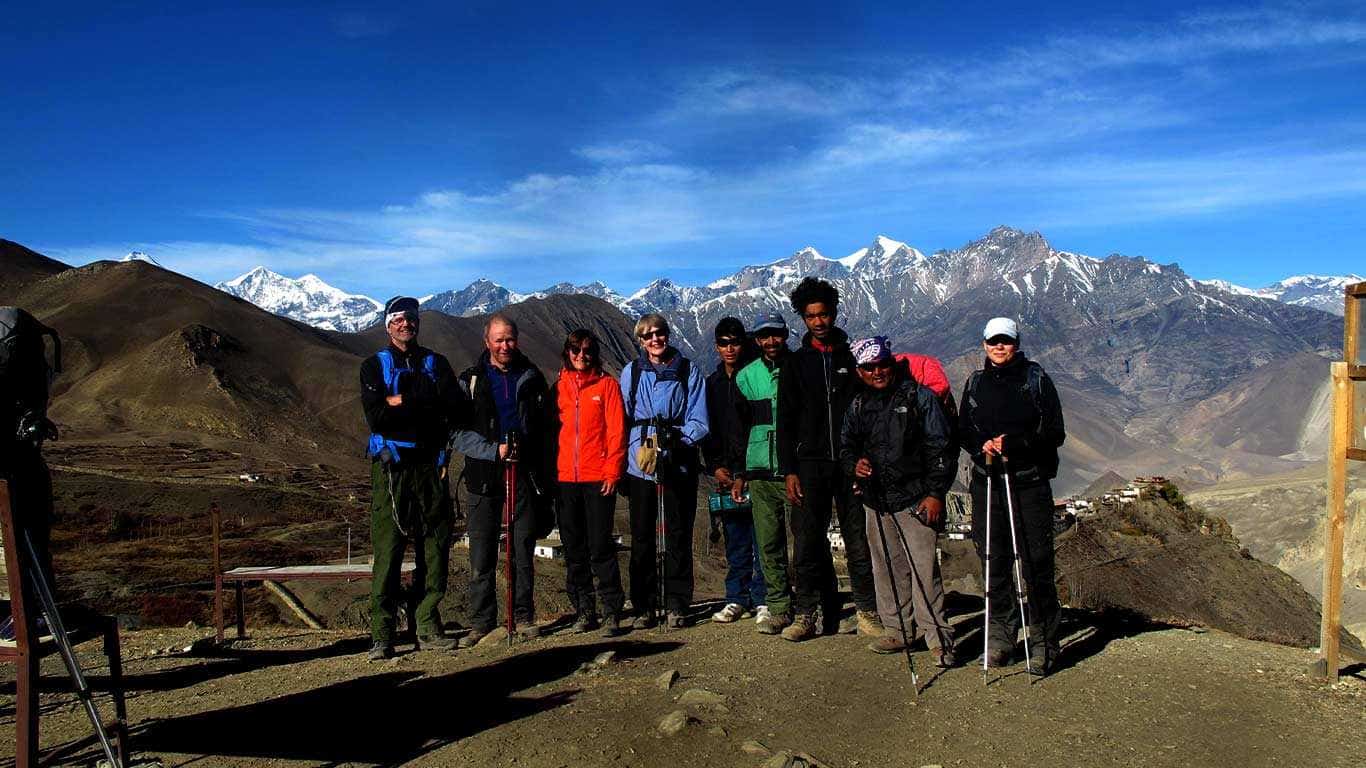
When you picture trekkers and climbers, what do you see? People wearing layers of clothing. People carrying rock sacks are climbing with trekking poles. Do they bring their personal gear to Nepal, or do they rent it in Nepal? The answer is yes and yes. Some bring their own, others rent it in the Himalayan country.
This isn’t just about packing convenience. The right decision affects your safety, comfort, and budget. Reliable gear can make the difference between reaching the summit and descending.
But what can you do if you don’t own them? Can you rent gear in Nepal? Yes. You can. Reliable gear can make the difference between reaching the summit and failing. In the Himalayas, that difference can be critical. Your success on the mountain begins long before you step on the trailhead.
Why This Decision is Crucial in Nepal
Climbing in Nepal isn’t the same as hiking in the Alps or scrambling on local hills. The Himalayas present unique and extreme conditions for you. Moreover, it puts both you and your gear to the test.

The weather can turn at any minute, even in peak trekking season. Mornings can be bright and sunny, only to turn windy and snowy by afternoon.
Also, temperatures often plunge below freezing at night. Similarly, storms can roll in without warning. Gear that performs well at home might fail in these harsher conditions.
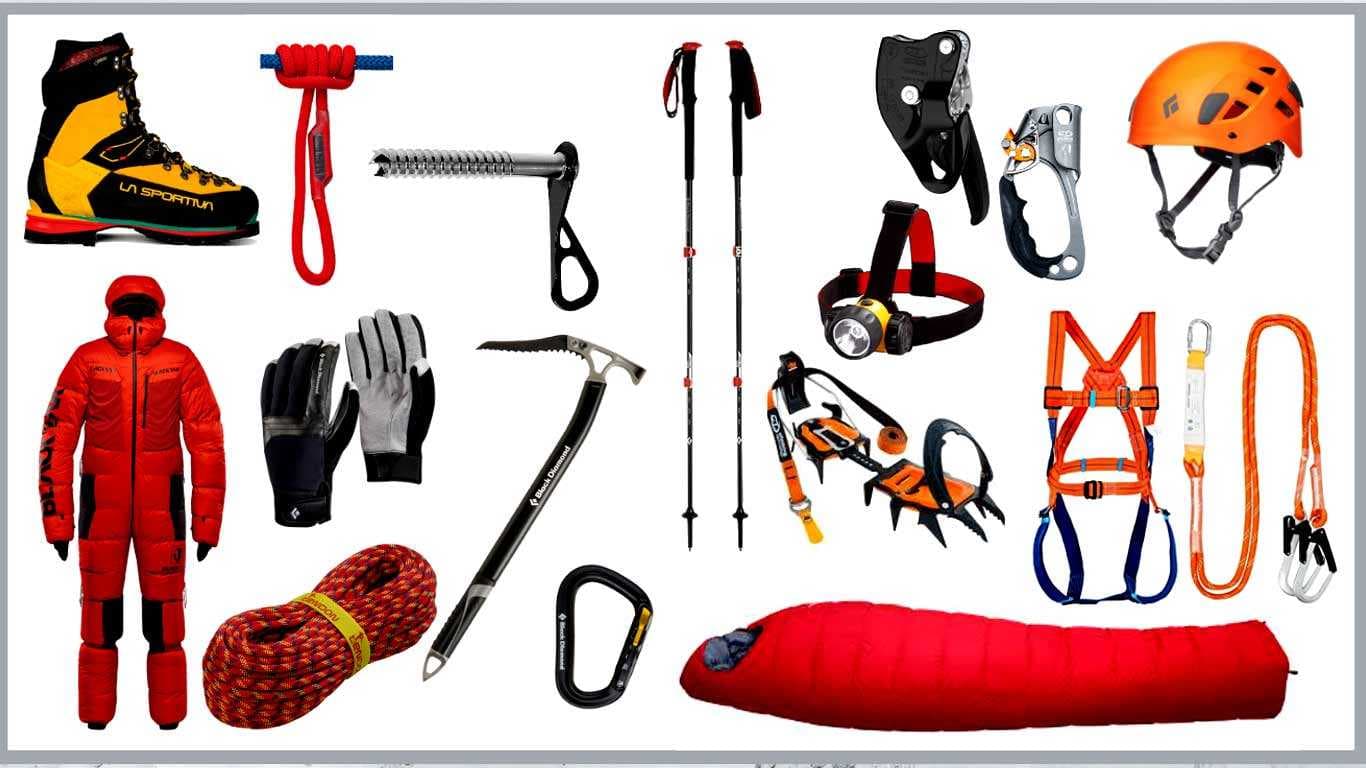
Nepali climbs often involve multiple types of terrain in a single day. You climb steep rock faces, snow-covered ridges, crevasse-filled glaciers, and icy slopes. Each surface demands specific gear, crampons, ice axes, ropes, and helmets. Furthermore, every item must be in top condition to ensure safety.
The higher you go, the harder everything becomes. At 5,000 meters and above, even walking feels like a workout. Add the weight of technical gear, and you’ll understand why traveling light matters. Heavy or ill-fitting rental boots can sap your energy long before summit day.
In the Himalayas, gear isn’t just about comfort. It is your lifeline. A solid harness keeps you secure during steep ascents. Insulated gloves protect against frostbite. A reliable helmet shields you from falling ice. Rental or owned, your equipment must meet the demands of the world’s highest mountains.
Bringing Your Own Climbing Gear – Pros & Cons
Everyone has their favourite things, be it books, shoes, jackets, and more. And yes, every climber has their favourite gear. Be it the boots broken in over countless training hikes. Or it could be the helmet that feels like a second skin.
 Carrying your own equipment to Nepal has undeniable advantages. However, it also comes with many practical challenges.
Advantages of Bringing Your Own Gear To Nepali Treks
Familiarity & Comfort:
When you bring your own gear, you already know how it fits, feels, and functions. On a high-stakes climb, familiarity translates into confidence. The positive mindset becomes priceless on exposed ridges or icy slopes.

Quality Assurance:
Not all rental gear is created equal. With your equipment, you are certain of its history, condition, and reliability. You know it has been properly maintained. It can handle the demands of Himalayan climbing.
Perfect Fit (Boots, Gloves, Harness):
Nothing ruins a climb faster than ill-fitting boots that cause blisters. Or it could be the gloves that let in the cold. Your personal gear is already tailored to you. It offers maximum comfort and performance.
Disadvantages of Bringing Your Own Gear
Airline Baggage Costs:
Climbing gear is bulky and heavy. Boots, crampons, ropes, and sleeping bags can quickly push standard luggage limits. It leads to extra airline fees while traveling.

Risk of Damage or Loss:
Airlines are notorious for mishandling bags. Lost or damaged equipment could delay your climb. It could force you to replace items in Nepal anyway.
Hassle in Transit:
Lugging duffels and gear through airports, taxis, and mountains can be exhausting. Yes, even before you start the trek. The logistical hassle is a real drawback of carrying everything from home.
Renting Climbing Gear in Nepal – Pros & Cons
For many climbers, renting gear in Nepal is a tempting option. Places like Kathmandu’s Thamel and Pokhara are full of gear shops. They offer rental climbing gear.
This approach saves money and lightens your load. However, it also comes with trade-offs. Let’s see the pros and cons of renting gear in Nepal.
Pros of Renting Gear in Nepal
Cost Savings for Short Trips:
If you’re climbing only one trekking peak, renting is cheaper than buying. Why invest in expensive gear if you may not use it again soon? Therefore, renting can be a more budget-friendly option.

Travel Light:
Renting means you can board your flight with minimal luggage. As such, there’s no need to wrestle with crampons at the airport. You won’t need to pay an extra baggage allowance.
Local Expertise on Gear Selection:
Rental shop owners in Nepal often know the gear that works best. They can guide you toward tried-and-tested equipment. You can be sure they can help you choose for your specific climb.
Disadvantages of Renting Gear in Nepal
Variable Quality:
Rental gear quality varies greatly. Some items are nearly new, while others are worn and patched. You’ll need to inspect carefully before renting.

Limited Sizes & Fits:
Finding the right fit for boots, harnesses, and gloves can be a challenge. You have a hard time finding the right size if you have unusually large or small sizes. Poorly fitting gear can lead to discomfort or even injury at altitude.
Peak Season Stock Shortages:
During the busy climbing season, Autumn and Spring, gear can sell out quickly. Last-minute rentals may leave you with less-than-ideal equipment.
Renting vs. Bringing – Which Option Suits Your Trip Type?
Not every climb in Nepal requires the same approach to gear. Your choice should depend on the type of trip you’re planning. Various treks require different types of gear. So, let’s take a look:
Trekking peaks (Island Peak, Mera Peak)
Do you want to climb a trekking peak? Well, renting gear in Nepal makes the most sense for that. These mountains, while challenging, aren’t as difficult as Everest or other summits.

Gears needed for Island Peak and Mera Peaks are available in Kathmandu and Pokhara. Moreover, you can rent ice axes, crampons, and down jackets at reasonable rates. However, it’s recommended to bring your boots and gloves for comfort and reliability.
Technical Climbs (Ama Dablam, Everest)
Your life depends on your gear when going on technical ascents. Personal gears ensure quality and familiarity. Face vertical rocks, fixed lines, and exposed ridges. They require the absolute best gear and physical ability.

Helmets, harnesses, carabiners, and boots should be your own. Renting is risky for climbs of this calibre. You can still source ropes or tents through your expedition operator.
Mixed Trips (Trek + Peak)
For a mixed trip involving trekking and peak climbing, a hybrid approach is best. Bring essentials from home, such as boots, gloves, and helmets. Additionally, you can rent specialized climbing gear for the summit push.
This keeps your luggage lighter when traveling to Nepal. But it still ensures that the most critical items are personally chosen.
Where to Rent or Buy Climbing Gear in Nepal
So, you decided to rent or buy climbing gear in Nepal. Where can you rent or buy these in Nepal? You can opt for three places. You can find them in Kathmandu, Pokhara, and Base Camps.
Kathmandu (Thamel)
Thamel is the undisputed tourist hotspot in Nepal. As such, you can find all climbing gear in Thamel. Almost every expedition begins here, and for good reason.

The streets are lined with shops renting out everything. You get from down jackets and sleeping bags to ice axes and crampons at a reasonable price.
You’ll find a mix of budget-friendly local shops. Of course, you’ll encounter counterfeit knock-offs. Also, find a handful of international retailers. You can find brands like The North Face, Mountain Hardwear, and Sherpa Adventure Gear.
Prices for rentals vary depending on quality and season. Bargains can often be made if you’re willing to shop around. Bargaining is the norm in smaller stores. Most shops offer package deals if you rent or buy multiple items.
Pokhara
Pokhara is the second-best option for renting gear. It mainly serves trekkers and climbers heading into the Annapurna region. Lakeside is home to several rental shops with decent collections. You can find jackets, sleeping bags, trekking poles, and sometimes climbing equipment here.

Prices are generally comparable to Kathmandu. The variety is more limited, especially when it comes to highly technical gear. If you’re planning something in the Annapurna Region, Pokhara rentals are perfect. For more technical ascents, you need specialized gear best found in Kathmandu.
Base Camp Rentals
Some trekking peaks offer last-minute gear rentals at base camp. These can include items like ice axes, harnesses, and boots. While convenient in emergencies, there are some major downsides:
Compared to Kathmandu or Pokhara, it’s expensive
Basic, heavily used equipment that may not be in top condition
Uncertain sizing and availability, especially during peak climbing season
Because of these limitations, it should be used strictly as a backup plan.
Gear You Should Always Bring from Home
Nepal offers quality equipment for climbers. There are certain critical items you should never rely on renting. Bringing them from home ensures not just comfort. It’s also for safety at high altitude.

Here are the items you should bring personally:
Boots / Climbing Shoes:
Trekking boots and climbing shoes are the foundation of your climb. Ill-fitting boots can cause painful blisters and frostbite. What's worse, it can force you to abandon your summit attempt.
 Your feet are your lifeline, so never compromise.
Personal Safety Gear (Helmet, Harness, Carabiners):
Safety is non-negotiable in the mountains. Your life may depend on the quality and reliability of these personal safety gears.

It’s always safer to trust equipment you’ve already tested.
Sleeping Bag:
A four-season sleeping bag rated to at least -20°C is essential in Nepal’s high camps.
 Rental bags are often worn out, less warm, or not hygienic.
Layered Clothing & Gloves:
Insulated mid-layers and weatherproof outer layers should be brought from home.
 Gloves need to be a perfect fit to keep your hands safe from frostbite.
Sunglasses & First Aid Kit:
At high altitudes, the sun is brutal. Sunglasses with proper UV protection are a must. Likewise, packing a personal first aid kit tailored to your needs is better.

It’s far better than relying on what might (or might not) be available locally.
Gear You Can Safely Rent in Nepal
Not everything has to come from home. You can get certain pieces of climbing gear easily, reliably, and affordably in Nepal. Items that are too bulky to carry can be rented in Nepal.
 It makes them good candidates for rentals. You can find these things readily to rent in Nepal:
Ice Axes & Crampons:
Widely available in Kathmandu and at base camps. Just make sure the crampons fit your boots properly.

You need to test their points for sharpness and durability.
Down Jackets:
Down jackets are one of the most popular rental items. Many shops in Thamel and Pokhara rent out down jackets designed for extreme cold.

These are bulky to pack, so renting saves both space and weight.
Tents & Ropes (for Guided Groups):
Traveling through a trekking agency or a guided group provides tents and ropes. Agencies ensure group gear is well-maintained.

As such, there’s no need to carry these from home.
Note:
Book a trip with us, Himalayan Trekkers. You can travel with no worries about gear. We provide all trekking gear in our package.
Gaiters & Trekking Poles:
Lightweight accessories that are easy to rent and return. These items typically do not pose safety risks.

Gaiters and trekking poles can be swapped quickly if they wear out.
Cost Comparison – Bringing vs. Rent
Here’s a quick breakdown of average rental prices in Nepal. It is compared to the cost of buying and bringing your gear.
Gear Item | Rent | Personal |
|---|---|---|
Boots | $5 to 8 For 2 to 3 Weeks | Free: Brought from Home Bought: $250–600+ |
Harness | $3–5 Per Day $50–70 for 2–3 weeks | Free: Brought from Home Bought: $50–120 |
Down Jacket | $2–4 Per Day $40–70 for 2–3 weeks | Free: Brought from Home Bought: $200–400 |
Ice Axe | $3–6 Per Day $50–90 for 2–3 weeks | Free: Brought from Home Bought: $100–250 |
Sleeping Bag | $3–5 Per Day $50–80 for 2–3 weeks | Free: Brought from Home Bought: $200–500 |
Note: These prices are estimated. Costs can be higher or lower. Likewise, the fee for extra baggage isn’t included in the personal section.
How to Inspect Rental Gear in Nepal
Rental gear in Nepal ranges from brand-new to heavily worn-out. Before committing, always take a few minutes and thoroughly check each item.

Here’s how to inspect gears:
Check Wear & Tear
Look closely at stitching, fabric seams, zippers, and straps. Frayed or loose parts can fail at altitude.
Test Moving Parts
For crampons, ice axes, or carabiners, check the locking systems. Check for each moving joint. Everything should be smooth, secure, and reliable.
Ask About Age
When inquiring, don’t be shy to ask shop owners how old the gear is. Also, ask how many expeditions it has been used on.
Try It On Fully
Always wear boots, harnesses, or helmets before renting. Walk around the shop to ensure proper fit and comfort.
Seasonal Considerations for Climbing Gear
The climbing season in Nepal heavily influences what gear you need. Here’s what to consider in each season:
Spring (March–May):
Springs in Nepal give warm days, cold nights, and stable weather. As a popular climbing season, there’s good rental stock available. However, their high demand means you should book or rent early.
Autumn (October–November):
Autumn is arguably the best season for trekking and climbing in Nepal. This season offers crisp skies and ideal conditions for technical climbs. Like Spring, the rentals are in high demand. As such, reserve or inspect gear before heading to the mountains.
Winter (Dec–Feb):
Winters in the Himalayas are cold, and trails are with fewer climbers. Rental prices may be lower, but you’ll need high-quality insulation gear. As such, it is best to bring your own for safety.
Monsoon (June–Sept):
Summer and Monsoon are wet, slippery trails and have limited visibility. As such, it’s not ideal for climbing during the monsoon. If you go, waterproof clothing and gaiters are essential. You can still find most rental shops operating in Nepal during the summer and monsoon.
Packing Strategy for Nepal Climbs
Packing for a Himalayan expedition is half the battle.

Here are a few smart strategies to keep your luggage light yet fully equipped:
Check airline allowances:
Most international flights allow 23–30 kg of checked baggage. However, domestic flights to Lukla or Jomsom are more restrictive. You can only carry 10–15 kg on a domestic airline. Plan accordingly.
Split luggage:
Keep heavy or less-used items in a duffel bag. Porters often carry these heavy bags during treks. As such, you should only carry essentials in a backpack.
Use compression bags:
The best way to save space on travel is by using compression bags. Down jackets, sleeping bags, and base layers shrink significantly in compression sacks.
Label gear:
Many climbers carry similar-looking gear. As such, marking yours with coloured tapes and labels can help avoid confusion. So, when you go on a group expedition, don’t forget to label your gear.
Expert Tips from Himalayan Guides
Himalayan guides climb every season. As such, they know the best when it comes to gears. Here are some of their tried-and-true recommendations:
Personal-fit Boots:
Guides stress this above all else. A blister or poorly insulated boot can end your climb. Always bring boots that fit you perfectly.
Rent Bulky Technical Gear Locally:
Carrying ice axes, ropes, or expedition tents across the world is unnecessary. Renting them in Nepal saves you the burden of carrying them.
Buy Quality Socks at Home:
Socks are a simple but often overlooked detail. Good socks keep your feet dry, warm, and blister-free. As such, don’t skimp on a quality sock.
Inspect Rented Gear Carefully:
Even experienced climbers double-check buckles, crampon points, and stitching. Your safety depends on the gear.
Conclusion – The Smart Choice for Your Climb
When it comes to gear, there’s no one-size-fits-all rule. Smartest climbers know when to bring their own trusted essentials. Likewise, they also know when to rent heavy, bulky gear locally.
 It doesn’t matter whether your gear comes from home or a shop in Thamel. Moreover, what matters is that it’s reliable, well-fitted, and suited to the climb ahead. Choosing wisely can mean all the difference. Either you are successful in your Himalayan adventure, or the trip is cut short.
FAQs – Climbing Gear in Nepal
Should I bring my own climbing gear to Nepal?
Bring your own for technical climbs; rent for trekking peaks.
Is climbing gear rental in Nepal reliable?
Yes, but quality varies; always inspect before use.
What gear should I always bring from home?
Boots, helmet, harness, sleeping bag, clothing, gloves, and sunglasses.
Can I rent climbing gear at base camps?
Yes, but it’s expensive, limited, and often poorly fitting.
How much does it cost to rent climbing gear in Nepal?
An estimated: $5–10/day for boots. $3–5 for crampons. $10–15 for jackets or sleeping bags.
Where is the best place to rent gear?
Kathmandu, Thamel has the widest selection. But Pokhara has fewer options.
Do I need to book gear in advance?
Not online, but in peak season, arrive early for the best sizes.
Is it cheaper to rent gear or bring my own?
Rent for one trip; buy if you plan multiple climbs.
Does the travel agency provide climbing gear?
Yes, the travel agency also provides climbing gear.