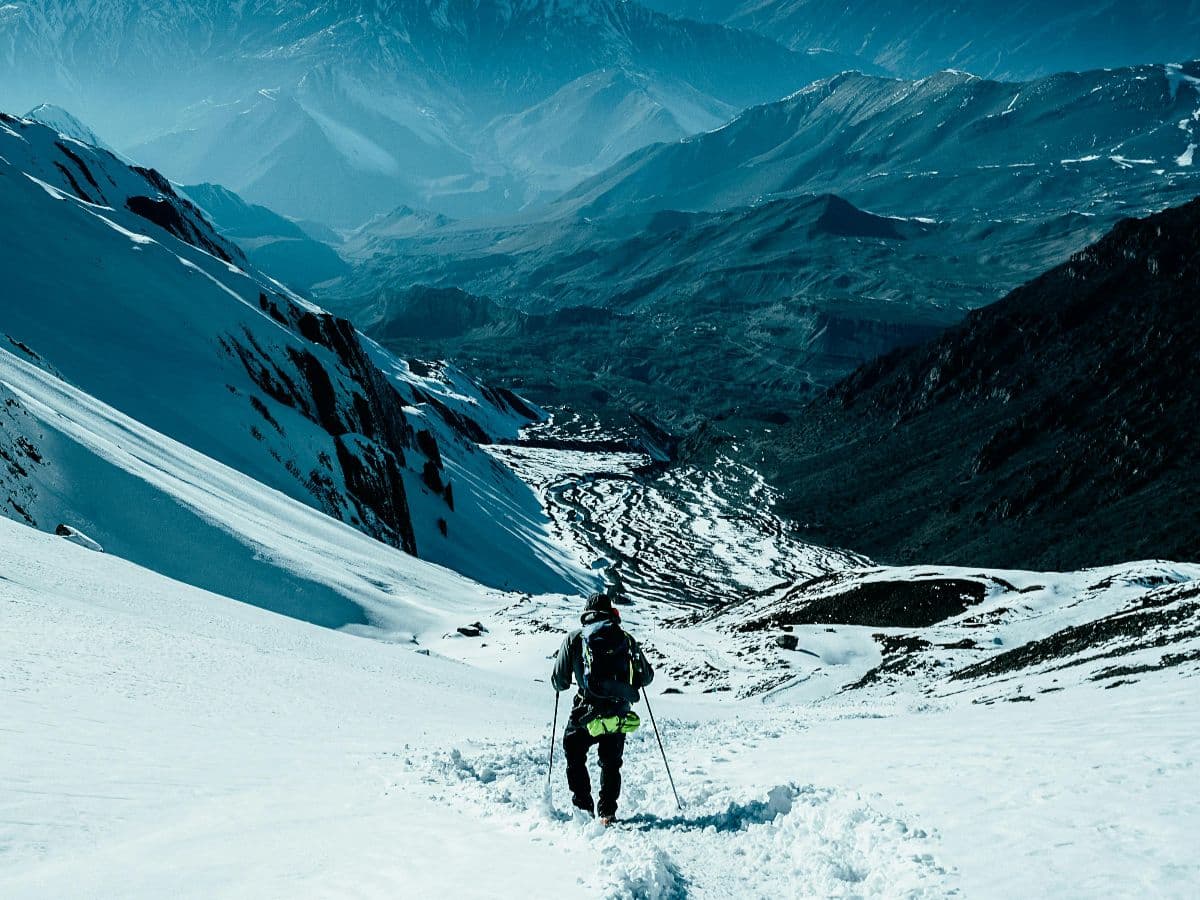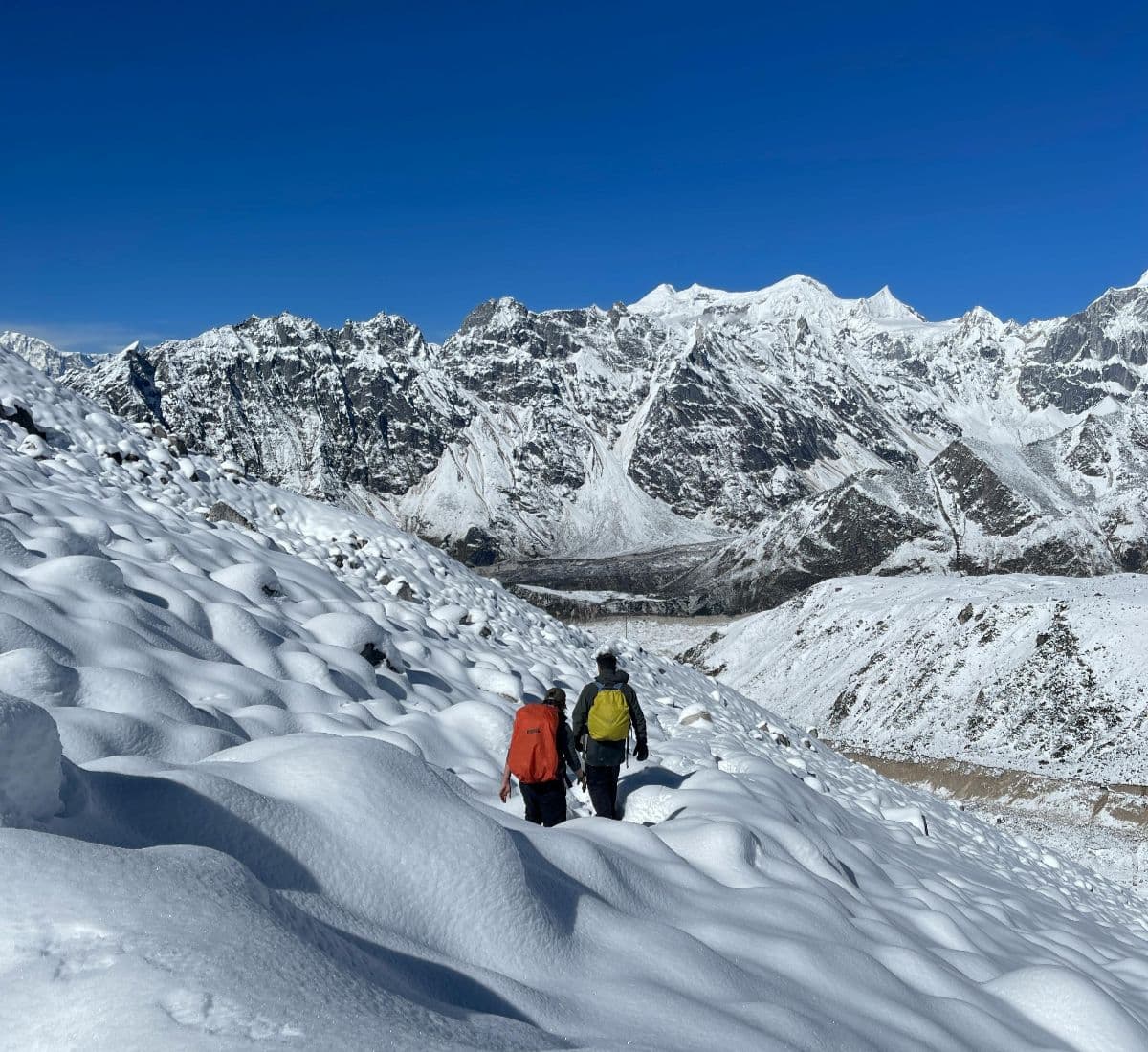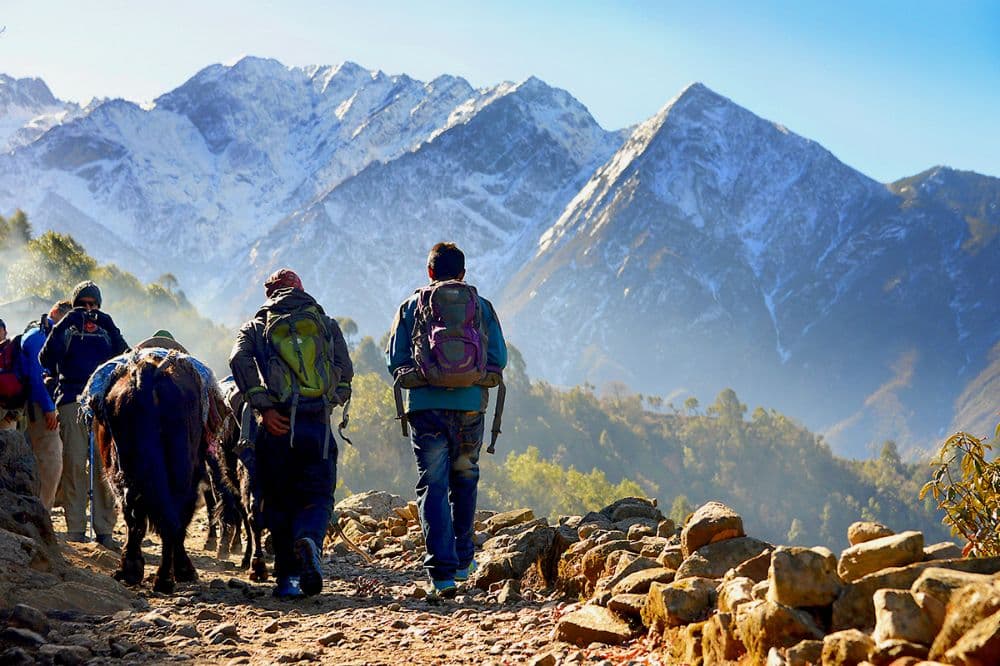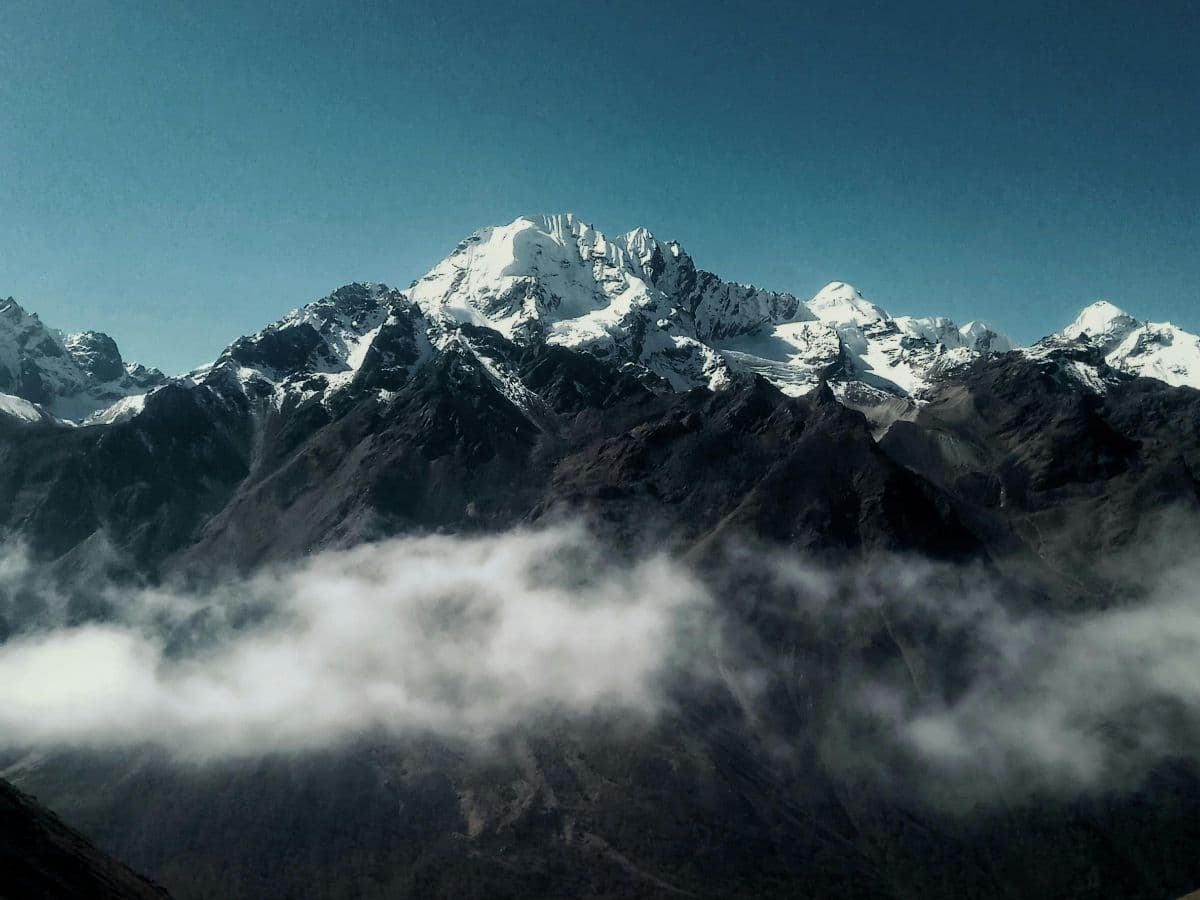
Langtang Valley Trek is a very pretty and very satisfying trek in Nepal. It lies to the north of Kathmandu. You come close to the Tibetan border. It offers amazing views of snowcapped mountains, green forests, and quiet villages.
Langtang may not be as popular as the Everest or Annapurna areas. The Langtang trek has much the same natural beauty. Langtang Valley Trek is known for its peace and the great hospitality. You will find the Tamang and Tibetan-influenced people, and Langtang National Park.
Trekkers will pass through dense rhododendron forests and rare wildlife. Each day, we will experience different landscapes. Along the trail, you will see old monasteries, prayer flags, and traditional villages.
Langtang Valley Trek is a great choice for those who want a short yet fulfilling trek. It has adventure as well as peace. It is very popular among nature lovers and photographers. It is also welcoming for novice trekkers. More so for those who may not have the experience of very high-altitude trekking. Let’s explore in detail what makes the Langtang Valley Trek difficult.
Elevation and Vertical Climb in Langtang Valley Trek
Altitude is a key factor that makes the Langtang Valley Trek a little difficult. However, it doesn’t compare to the challenges of the Everest or Annapurna treks.

The journey usually begins from Syabrubesi. It is at an altitude of around 1,460 meters (4,790 feet) above sea level. It is a slow climb through the forests, by the rivers, and past small villages. You reach the trek’s high point at Kyanjin Gompa, which is at 3,870 meters (12,697 ft).
As a side trip, some trekkers also go to Kyanjin Ri (4,773 m) or Tserko Ri (4,984 m) for a mountain view the challenge begins.
How does altitude gain affect the body?
As we go up in altitude, the level of oxygen in the air drops. At sea level, your body gets all the oxygen it needs. Altitude sickness symptoms include headaches, nausea, and loss of appetite.

Here is the good news about the Langtang trek. It gives your body enough time for gradual acclimatization. We see that the daily distance is moderate, and the altitude gain per day is not great.
Most of the itineraries include rest days, or acclimatization days at Kyanjin Gompa. This allows your body time to relax and adjust before going higher.
The key is to go at a slow and steady pace. Drink plenty of water. Finally, pay attention to what your body is telling you. When you try to rush or skip rest days, the altitude issues will present themselves. Give yourself the time and go at a normal pace. The altitude gain is very much an adventure than a challenge.
In Langtang, altitude is a factor that adds to the challenge of the trek. It is still moderate in grade, so even first-time goers can do it. If you prepare well, go at a steady pace, and respect mountain culture.
Walking Hours and Distance During Treks in Langtang
Langtang Valley Trek is not a competitive trek. Instead, it is a steady pace that goes through beautiful scenery. The daily trekking distances bear that out. Langtang treks are among the shortest treks done in Nepal.
We walk an average of 5 to 7 hours a day, which may vary with the trail of the day and your own pace. Some days are shorter and easier, some are a bit longer. We walk on very steep inclines or descents.

The Langtang Valley Trek distance is 65 to 75 kilometers (40 to 47 miles) each way. It is from Syabrubesi to Kyanjin Gompa and back. You will walk 7 to 12 kilometers (4 to 7 miles) a day. It includes many breaks, where we stop for tea and to take in the mountain views.
The distance presents a challenge, but at the same time, the altitude varies. We have a trail going sharply up through dense forest. Other than that, it goes over rocky terrain or along a narrow ridge.
The path is well marked and safe, it is true that at altitude you will find the going hard, even on what is an easy grade. The best thing is you don't have to be a world-class athlete to do the daily walk.
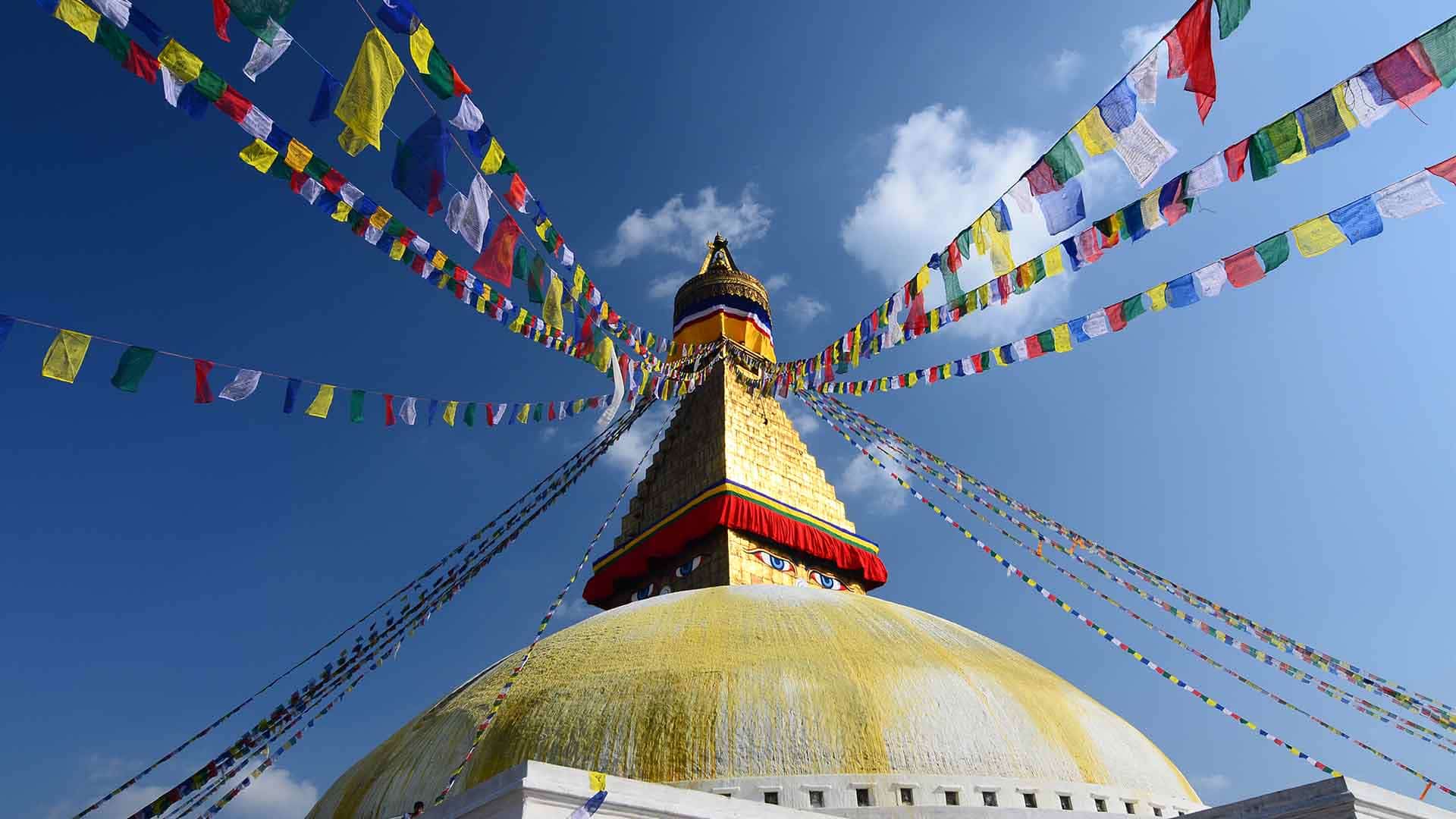
We guarantee you will enjoy it. We have walked through the waving prayer flags with the Himalayas in the distance.
Accommodation and Food During the Langtang Trek
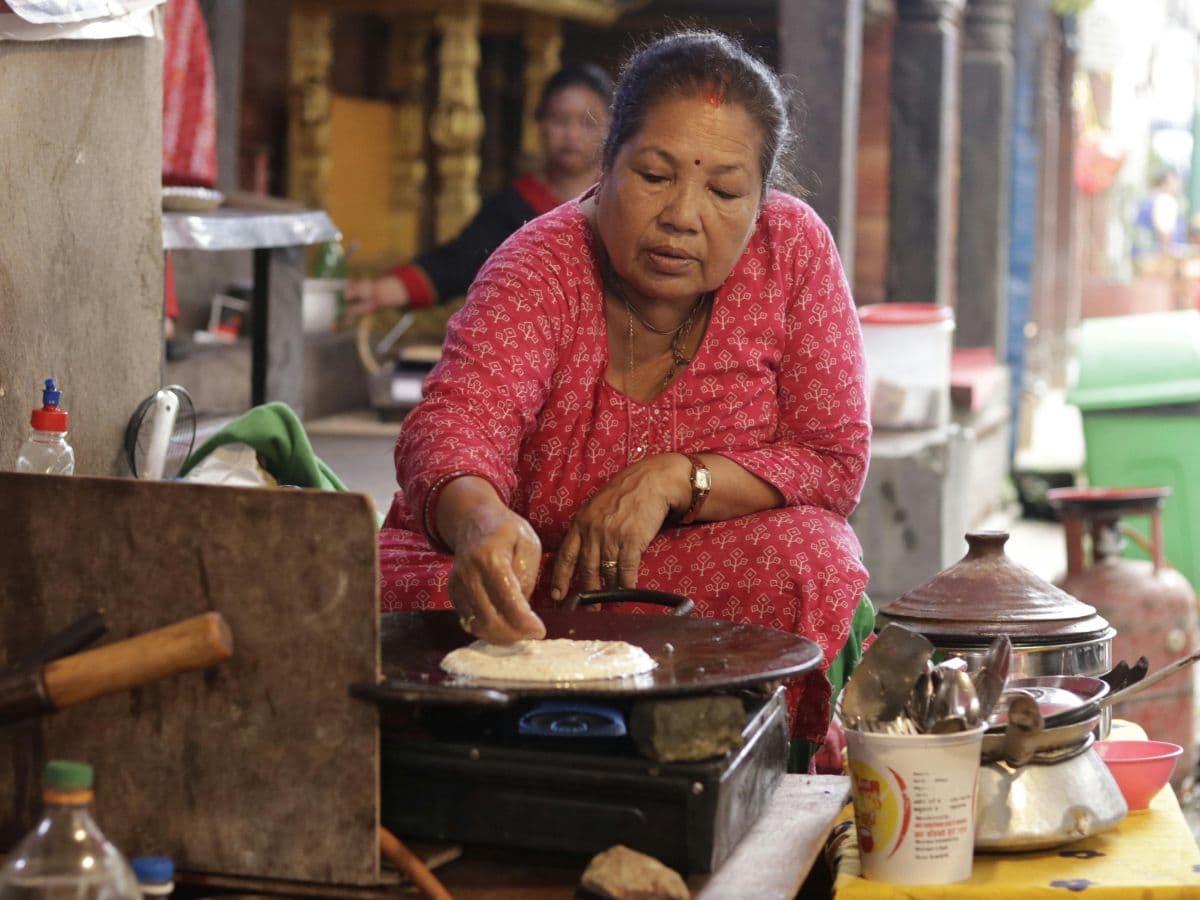
Throughout the Langtang Valley Trek, teahouses are a mainstay of the experience. These are small family-run guesthouses. They provide basic rooms, hot home-cooked food, and a warm welcome at the end of a full day of trekking. That is how the accommodations are in Langtang.
The hotels may not be luxury, but they do have what it takes to make you feel secure and at ease in the mountains. Teahouses have basic dorms which have wooden bunks, foam mattresses, and warm blankets. In some locations, these may also have private bathrooms.
But in the higher villages like Lama Hotel or Kyanjin Gompa. You will find that what bathrooms there are are shared and out in the open.
While a hot shower is not a given service at very many lodges, you can pay for that extra service.
Foods found in Langtang
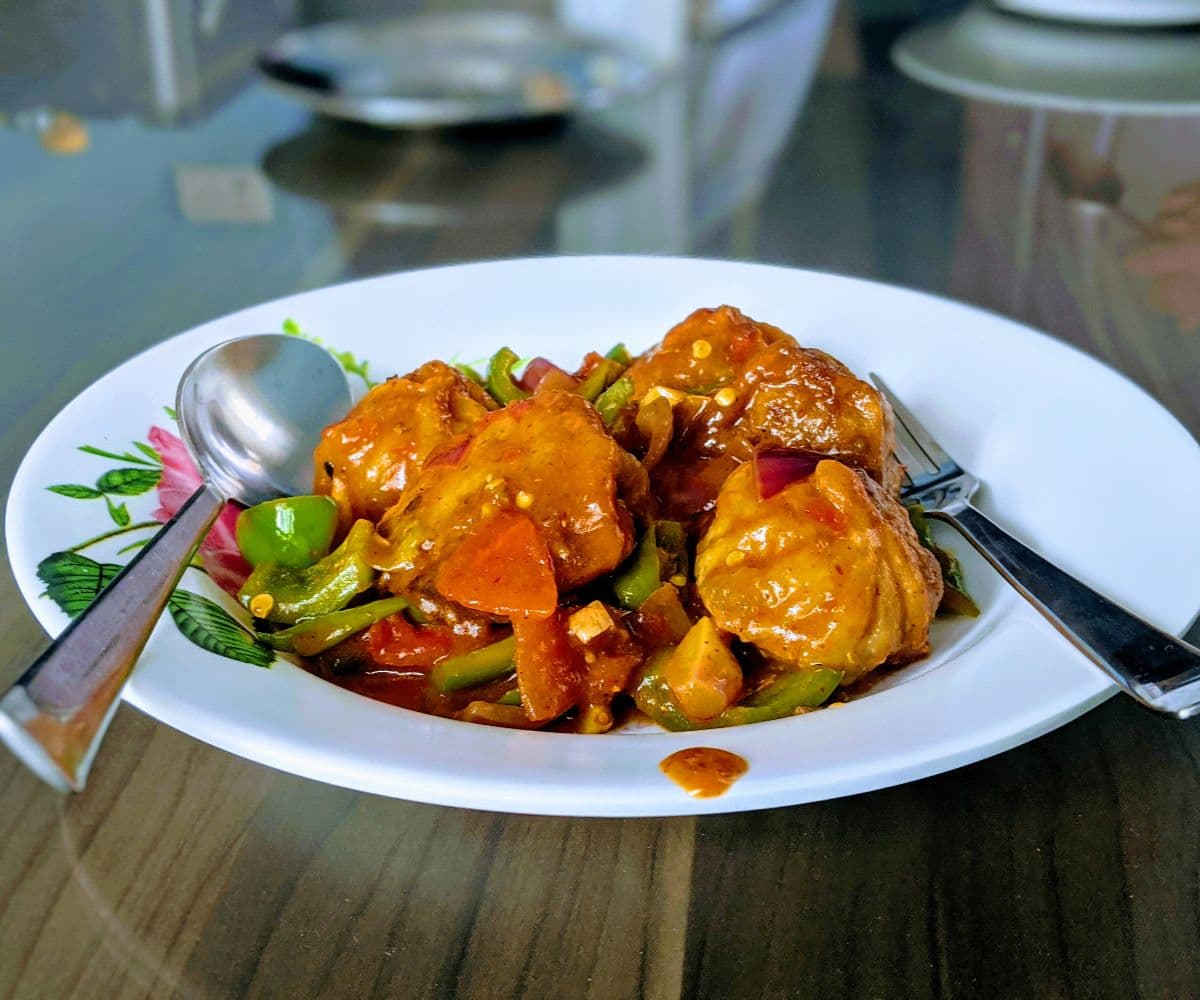
In most teahouses, the food menu is very much the same. They have local dishes. They include dal bhat (rice, lentils, and vegetables), Tibetan bread, and noodles. You can also expect to find pastas, soups, eggs, and fried rice.

Dal bhat is a favorite as it is very fresh, filling, and they say you may have as much as you like! They have tea, coffee, and herbal drinks to warm you up.
Even gas and groceries are brought up by donkeys or porters. It causes prices to go up as the altitude increases. A meal at Kyanjin Gompa may cost you double what it would in Syabrubesi. Water is drinkable, but you will have to use purification tablets or filters.
Challenges of Food and Accommodation in Langtang
Langtang is a very easy-going trek in Nepal food and accommodation. You do not have to camp out or bring your own. The comfort is basic. Do not expect under-floor heating in your lodge, or break out your laptop to work. Yes, you won't be able to treat yourself to 5-star dining.

For some, that may be a hard change. The cold nights in the dorms, the shared toilet facilities, and meager meals may catch you off guard. If this is your first time going trekking, you will need to get used to it. It can take a day or two to get used to the more rustic style of living.
You get a warm welcome from the people. Stay in cozy accommodation with a common dining room. You will find wood-burning stoves and a great plate of dal bhat at the end of a hard trek. This makes it all very fulfilling. You begin to appreciate the small things, like a cup of hot tea with a mountain view.
Weather and Seasonal Challenges in Langtang
You do not need to be a professional athlete, but you should at least be in moderate health. If you can do an 8-to-10-kilometre walk, then you are off to a great start. The health of your legs, your stamina, and the use of your lungs are what will get you through on this trek.
If you plan a trek out, it is best to get started with your preparation at least 4 to 6 weeks in advance. Begin with what you have at home: regular walking, jogging, or light hiking.

Squats, lunges, and stair climbing strengthen your lower body. For altitude performance, include cycling, swimming, or running. This will improve your cardio and, in turn, your endurance.
Also, you can try out yoga or stretching. This improves your flexibility and balance. You will need them for rough terrain in Langtang.
Do not ignore your mental health. When you are out on the trails in remote mountains, you can face any number of issues. It could be sudden weather changes, very long days, or tired legs.
Also, have a calm and positive attitude, which is as important as having physical strength. At the same time, pay attention to what your body is telling you during the trek. Go at a pace that is right for you, stay hydrated, and don’t overdo it.
At spots like the Lama Hotel or Kyanjin Gompa, it is great to take a rest day, which helps your body to adjust. We aren’t out to rush the trip but to enjoy the Langtang Valley one step at a time.
Trail Conditions and Terrain in Langtang Trek
The Langtang Valley Trek is a varied journey, which makes it so appealing and challenging. We go from dense forests and rock paths to steep ascents and narrow paths. Each part of the trek has its own character.
The trek begins in Syabrubesi. On the first day, you’ll do a steep ascent to Lama Hotel. We pass through dense forests and cross many suspension bridges.

That part is very challenging because of the uneven stone steps and long ascents. If it has rained recently, the trail may be very muddy and slippery, which slows you down, and you must be very careful.
From the Lama Hotel to Langtang Village, the section is a little easier. From here, we find a view of an open great river and flat trails in some areas.
But still, some parts need you to walk on rocky, narrow edges. The trail here is more exposed. We see landslides in a few places, which grew from past earthquakes. You must watch your step and be alert in these zones.
From the village of Langtang to Kyanjin Gompa, the trail ascends to higher altitudes. The area is more exposed. We have easy-going sections with gentle grades. The path is, for the most part, dry and wide, but at the altitudes, we begin to see change.
Changes in the trails at high elevations
What may appear to be a simple trail at first has more challenges to come as the air becomes thinner. At this altitude, people show symptoms of altitude sickness. It includes headaches, fatigue, and shortness of breath.
You will also hike up to Tserko Ri, which is the highest point. It is a long and steep go over loose rocks and dry ridges. No teahouses or shelters are found along the way, so you will have to pack your own water and snacks.

The wind is strong at the top, and the cold is intense. It is a very physical and mental test, but also one of the most rewarding parts of the trek.
In most cases, the trail is for walking without technical climbing, and we see some rough and flat spots. You’ll have long ascents and slippery steps. They are more present in the forest areas than tired out sections. They are a result of constant elevation gain.
We recommend proper hiking shoes with good grip, trekking poles, and balance. We don’t require ropes or gear for the terrain. You must take your time, and the descent can be hard on the knees.
Trekking With or Without a Guide in Langtang
You can do the Langtang Valley Trek with or without a guide. Each choice, however, has its pros and cons. What you choose greatly impacts the difficulty of the trek. More so, for the first-time trekkers.
If you go solo, you should be aware of the risks. The trail to Langtang isn’t very technical, and many solo trekkers do it safely each year. But the route does go through remote forests, rivers, and areas that see landslides.

You may get injured or sick at high altitudes, which may not have nearby help. The signs and directions aren't always present between villages. Without a guide, you will have to depend on your own navigation and decision-making.
But we see that hiring a guide makes the trek much easier, safer, and more enjoyable. A guide knows the route, the best spots for food and rest, and how to deal with emergencies.
Pros and Cons of having a guide
If the weather changes suddenly or you begin to show signs of altitude sickness, they will know what to do. Many say that a guide takes the stress out of the planning process. And which in turn allows them to relax and fully enjoy the trip.
A guide will put into perspective the local culture. They point out mountain peaks and put you in touch with the local people. You may not have the chance to meet them on your own.

If you are going out with a group or during the busy seasons of spring and autumn, not having a guide may work out fine. These are peak times for travel in the Langtang region. In the winter or monsoon season, or if it is your first time trekking, we recommend hiring a guide.
You can also think about hiring a porter or a guide-porter, which is a person who will also carry your bags. This takes the physical load off you and makes the walk a lot easier.
Risk of Altitude Sickness in Langtang Treks
One of the main issues with the Langtang Valley Trek is altitude sickness. It presents itself once you pass the 3000-meter mark.
Trekking to places like Kyanjin Gompa and Tserko Ri can cause mountain sickness. Your body begins to feel the effects of reduced oxygen at higher elevations. These places hold an elevation of 3,870 meters and 4,984 meters, respectively.
The primary symptoms are headaches, nausea, dizziness, and shortness of breath. They can present themselves suddenly to the fit and healthy trekker.

In severe cases, altitude sickness presents as Acute Mountain Sickness (AMS). In turn, it may progress to HAPE (lungs fill with fluid) or HACE (brain fills with fluid). They require immediate descent.
To avoid altitude sickness, it is key that you acclimate properly. That means to go slow, drink plenty of water, avoid alcohol, and take rest days as you need.
Many people choose to stay an extra night in Kyanjin Gompa before high-altitude hikes. Also, you may take Diamox (a preventive medicine). But you should discuss with your doctor first.
Langtang Valley is easy for your body gradually adapt to the height. But do not be fooled into a false sense of security. Pay attention to what your body is telling you and don’t push it. Stay safe and enjoy the trek.
Is Langtang Trek Suitable for Beginners?
Yes, the Langtang Valley Trek is a great choice for beginner trekkers in the Himalayas. It is less populated and less difficult than popular treks. Take the Everest Base Camp or the Annapurna Circuit, for example.
The trails are very well marked out, and you will find teahouses along the whole route. And in turn makes it very easy for first-time goers.
For the beginners, you will indeed put in some hard work. You will be on your feet for many hours a day, climbing mostly uphill. Moreover, they will be at a higher altitude,s which in some may cause discomfort.

It is better to have a base level of fitness and perhaps do some training beforehand. If you are into the great outdoors and walking, you will likely find the trek very rewarding and doable.
The Langtang trek is a great choice for people interested in a mix of natural beauty and culture. It also includes moderate adventure but is not at all tough. Families, solo travelers, and small groups prefer this trail. The journey is a balance of great scenery and easy access.
For those just starting, we recommend you hire a guide or join a group. This will make your experience smooth and safe. It is important to keep in mind that the key is to take it slow. Pay attention to what your body is telling you, and enjoy the beautiful scenery at your own pace.
Tips to Make the Langtang Trek Easier
Crossing the Langtang Valley is an amazing experience. And at the same time can be very challenging, as any trek in the Himalayas is. Here are some tips that will make your trip smoother, safer, and more enjoyable:
Train Before You Go
Physical preparation is a must. Before your trek, get into the habit of regular walking. Also, include some uphill hikes or stair climbing into your routine. It improves your endurance and leg strength.

For simple at-home exercise, try out squats and lunges. They will help your muscles better handle the long days of walking.
Take It Slow
Don't hurry. At a regular, easy pace, comfortable for your energy conservation. Is achieved, and the risk of injury and altitude sickness is reduced. Also, remember that trekking is a non-competitive activity. It is meant to be enjoyed as you take in the scenery.
Acclimatize Properly
Plan out your travel schedule to include rest days. Rest in places like Langtang Village or Kyanjin Gompa. This will give your body time to acclimate to the thin air. In return, it decreases your risk of altitude sickness.
Pack Light but Smart
Pack lightly, but do not underpack. Heavier backpacks add to your tiredness. A support light bag reduces strain on your knees and helps keep balance on steep or slippery terrain.
Stay Hydrated and Eat Well
Drink a lot of water daily. At high altitudes and with exercise, your body loses more. Also, eat healthy meals. They must include proper amounts of carbs and protein to maintain your energy.
Wear Proper Gear
Good-quality hiking boots are of f great importance. They provide ankle support and a strong grip. Also, layer your clothes so you can adjust to changes in temperature. And do not ignore sun protection, the sun is stronger at high altitudes.
Use a Porter or a Guide
If you are a first-time trekker or interested in seeing the sights, go for a guide or porter. A porter will take care of your gear, and a guide will handle navigation and issue resolution.
Listen to Your Body
If at any time you are feeling tired, dizzy, or out of it, take a break or bring it up with your guide. Do not ignore signs of altitude sickness or exhaustion. Safety is the priority.
Be Mentally Prepared
Some days will be hard as you face long climbs and rough weather. Be positive and patient. Think back to why you chose to do this trek. The beautiful scenery and the crisp mountain air. Or, the cultural experiences are like nowhere else.
Following this advice won’t make the trek a breeze. But what it will do is enhance your enjoyment of the Langtang Valley trip. Also, it can increase your confidence.
Final Thoughts: How truly is it?
Langtang Valley Trek is for those who prefer a moderate level of challenge. And yes, which includes many first-time travelers.
There are long days of walking, big changes in altitude, and variable weather. They will put your endurance to the test. The set-out trails and options for accommodation make the trek doable.

This trek requires a base level of physical fitness. Likewise, a smart acclimatization plan. And lastly, a strong mental game, altitude issues, and coping with some tough terrain.
But with the right attitude and preparation, you gain a view of beautiful scenery. Experience a rich culture. Finally, a great sense of achievement, which makes the effort very much worth it.
FAQS
What is the typical duration of the Langtang Valley Trek?
The trek will take from 7 to 10 days based on your pace and how many acclimatization days you take.
What is the daily walking time for the Langtang trek?
Daily walk time is for 5 to 7 hours. Some days are better with shorter walks; at other times, we do longer uphill climbs.
What is the challenge in the Langtang Valley Trek?
The primary issues are steady uphill tracks and higher altitudes. They can reach up to 4,000 meters, with variable weather and uneven terrain. Altitude sickness will be an issue if you do not acclimate well.
Do I need to be in good shape for the Langtang trek?
You may not have to be an athlete, but you do have to be in a moderate state of health. We recommend you do some regular walking and strength training. This will, in return, make the trek more pleasant for you.
How far do I have to go up during the trek?
The highest point of the Langtang trek is at 3,870 meters in Kyanjin Gompa. Nonetheless, you can do optional climbs to Tserko Ri, which goes higher. Altitude may also affect how you breathe and your energy.
Is adaptation important on this trek?
Yes, proper acclimatization is key to avoiding altitude sickness. The itinerary we have designed includes rest days. They will help your body to adjust at places like Langtang Village or Kyanjin Gompa.
Do beginners go on the Langtang Valley Trek?
Yes, at the same time, for beginners who have put in some physical preparation. They have well-marked trails. Teahouses serve as great resting points along the way.
What is the terrain like on the Langtang trek?
The range of the trail goes from easy-going paths to very steep, rocky, and at times slippery sections. Some elements that need great physical effort can also be found, even after rain or snow.
What role does weather play in the difficulty of the trek?
The weather is a factor that makes the trek more difficult in certain seasons. Trekkers face the most challenges during the monsoon (rainy) and winter (cold and snowy). In autumn and spring, the Langtang Valley Trek is the best.
Is it worth hiring a guide for the Langtang trek?
Hiring a guide will make your trek go more smoothly, and we see that as very beneficial for first-time goers. They do a great job with navigation. Likewise, set a proper pace and see to safety. Also, if altitude sickness or other issues present themselves.