Trekking in Nepal is not mountain walking. It is a chance to experience nature, meet like-minded individuals, and discover new cultures. In every step we take, we leave a footprint. This is the reason why responsible trekking means a lot.
Nepal trails are hikes involving diverse pathways. Walk through wonderful forests, clear rivers, traditional villages, and sacred locations. Those are special places needing preservation.
Trekking responsibly in Nepal requires caution. We can destroy the environment and interfere with the lives of people in that location. Responsible trekking involves respecting nature, culture, and the people who inhabit it.
We can make Nepal beautiful as a tourist destination with responsible trekking. Trekking to the Everest Base Camp or a walk in a small village in the hills, you could make a difference. To be considerate, thoughtful, and kind in the way we trek, we all learn how to trek responsibly in Nepal.
Learn and respect the local culture and traditions
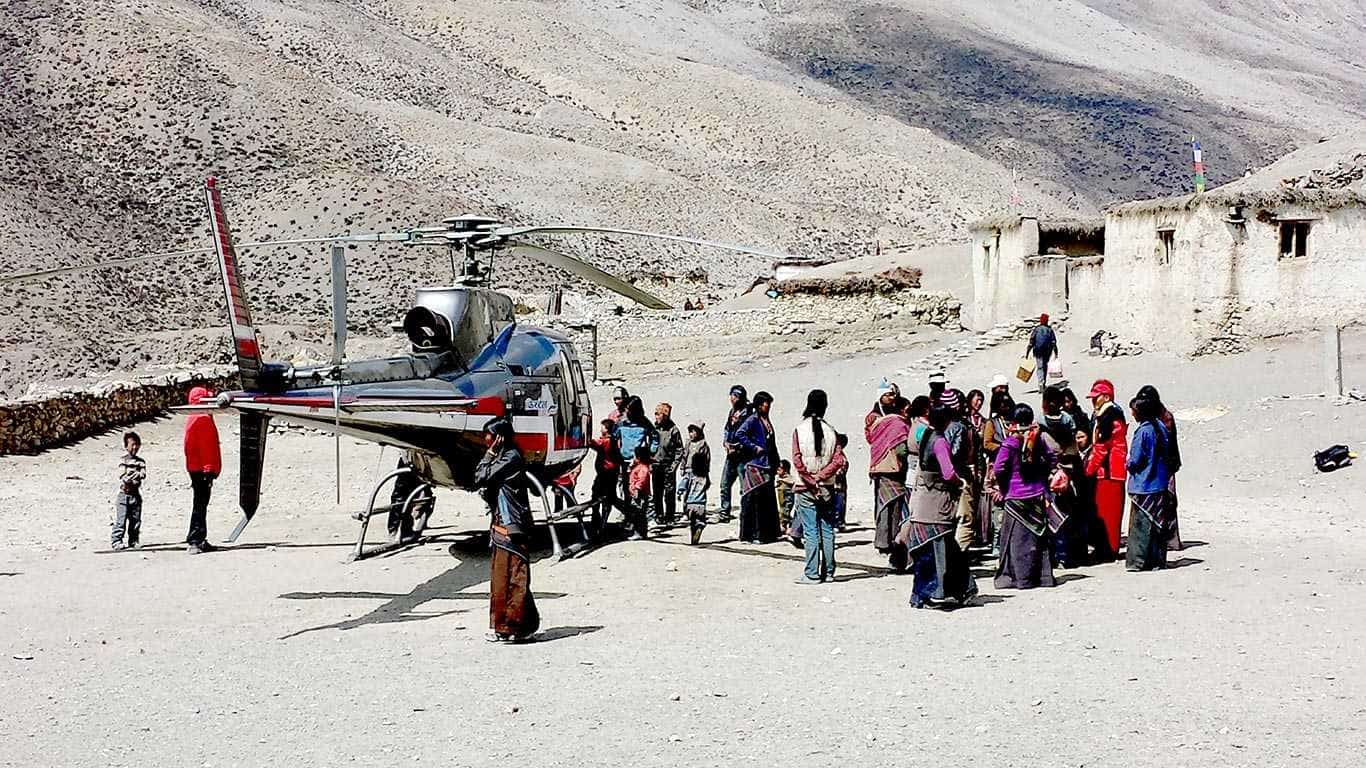
Nepal is a culturally versatile country. When you come trekking here, you are not only going to places. But you are also personalizing the lives and homes of many different communities. Respecting their customs is one way to make your journey special. The other way is by developing good relationships.

Knowing basic Nepali greetings like Namaste is helpful before your trip. It is a polite way to say hello, showing respect and warmth. People will appreciate your effort to speak to them in their own language.
Know a few of the customs as well. When receiving or giving something, you should use your right hand to show courtesy.
Nepal Waredrop Etiquette
Nepalese people wear modest clothes, especially in villages. Here, they dress decently around the temples or monasteries. Decent dressing ensures that clothes cover the shoulders and knees. Do not wear tight or revealing attire. This will make it easier to fit into the environment and show that you respect the local culture.

Never take photographs of local people and their homes. Likewise, ask for photo permission for religious ceremonies. It might make other people feel uneasy. Two things can do magic: a smile and a polite question. When one refuses, just accept his decision without pushing.
This would help you keep the trust and friendship of the people you visit. Showing you respect their culture and traditions goes a long way. This helps you to have a safer, more pleasant, and special trek.
Support the Local Economy in the Nepali Himalayas
When trekking in Nepal, the money you spend can have a significant effect on the villages. Tourism is a source of income for many people in remote villages. When you decide to help them directly, you will help them live a better life. It sustains their daily life, and it keeps their tradition alive.
You can do this by hiring local guides and porters. These are the best people to understand the trails, the weather, and the culture. Approaching and hiring them will not only guarantee your safety. It provides them with an opportunity to make a living. They need to be paid and treated well.

Your accommodation when you are trekking is also important. Select family-owned and operated tea houses and lodges. It keeps local money in the local community. They provide basic and comfortable accommodation and sumptuous home-cooked food. Your visit helps to provide a stable income to villagers. It motivates them to preserve their traditional way of life.
When buying souvenirs, do not go for the factory-made goods but opt for something that is handmade. An abundant part of the culture of Nepal is woven into handcrafted products. Namely, woolen scarves, jewelry, and pottery.
Purchases of these preserve old skills. They help keep small enterprises afloat in direct proportion to large-scale productions. Help the local people and join the story of Nepal. Your decisions contribute to better communities. It preserves the culture you wanted to enjoy. It is among the most responsible ways of trekking.
Leave No Trace Behind
What's the most critical guideline on responsible trekking in Nepal? It is the state where you leave no trace of your stay.
You are not supposed to leave any trash or waste on the trails, in villages, or in natural areas. The magnificent mountains and forests should be kept clean for everyone.

Whenever you are on a trip, always have a small bag. You keep your garbage, such as plastic wrappers, bottles, and even rejected leftovers.
It is a common mistake by many trekkers who leave some waste on the trail. But a piece of the wrapping is also dangerous to the environment and animals. In the event of the unavailability of trash bins, carry your garbage until you get a suitable spot to dispose of it.
A major issue in trekking regions of Nepal is plastic. When possible, avoid single-plastic usage of plastic packaging, water bottles, and bags. Consider using recyclable water bottles and fill them with clean water. You may also carry cloth bags to carry your stuff.
Your responsibility in making sure that you are attentive to your waste. This will ensure that Nepal will remain beautiful.
No Trace means the mountains, rivers, and forests are clean. Safe for the people, animals, and fellow travelers going to the place. It is an easy method of giving honor to this awesome creation.
Save Water and Natural Resources
Water is a valuable commodity in Nepal, including remote trekking regions. Many villages use the natural springs and rivers. It supports their daily water requirements. Water should be used efficiently and not wasted. It is an essential commodity for the trekkers.
Bring bottled water and use water purifiers or purification tablets. Try to avoid buying bottled water that is made of plastic. This reduces the level of plastic waste, which saves the environment. Most of the tea houses serve filtered water on demand. When it comes to washing and bathing, take short showers and avoid excess soap or shampoo.

The natural soaps or biodegradable materials are preferable to use. Try to avoid the destruction of chemical-based soil and water reserves. Never forget to save water and eat only what is necessary.
You should not dump any other wastes, soap, or chemicals into rivers, lakes, or streams. Water contamination produces adverse effects on the ecosystem. People and animals use clean water. Save the water as a sign of respect to Nepal and the health of the local people. And you contribute to the beauty of this country.
Select Green Trekking Companies
The trekking company that you decide to use when planning your trek in Nepal can have a lot of impact. Responsible and ethical activities of eco-friendly agencies contribute to the environment. At the same time, it serves local communities.
Find trekking businesses that respect their guides and porters effectively. They offer good wages, equipment, and working conditions. Unfortunately, there are cases where companies overwork the porters or pay them insufficiently.

By selecting an accountable agency, you can help the living standards of the locals. Those who strive hard to make your journey comfortable and memorable. Conservation projects are also sponsored by many environmentally friendly agencies. These may involve planting trees, processing garbage, or conserving endangered animals and plants.
Other firms donate a part of their businesses to schools or health clinics in the area. With these types of trekking agencies, your visit helps make a difference where you are going.
Carry out a bit of research and read reviews. Finally, ethically strong book companies. Through this, you not only get a stress-free and meaningful trekking experience. You also help support Nepal tangibly and sustainably.
Take Care of the porters and Animals
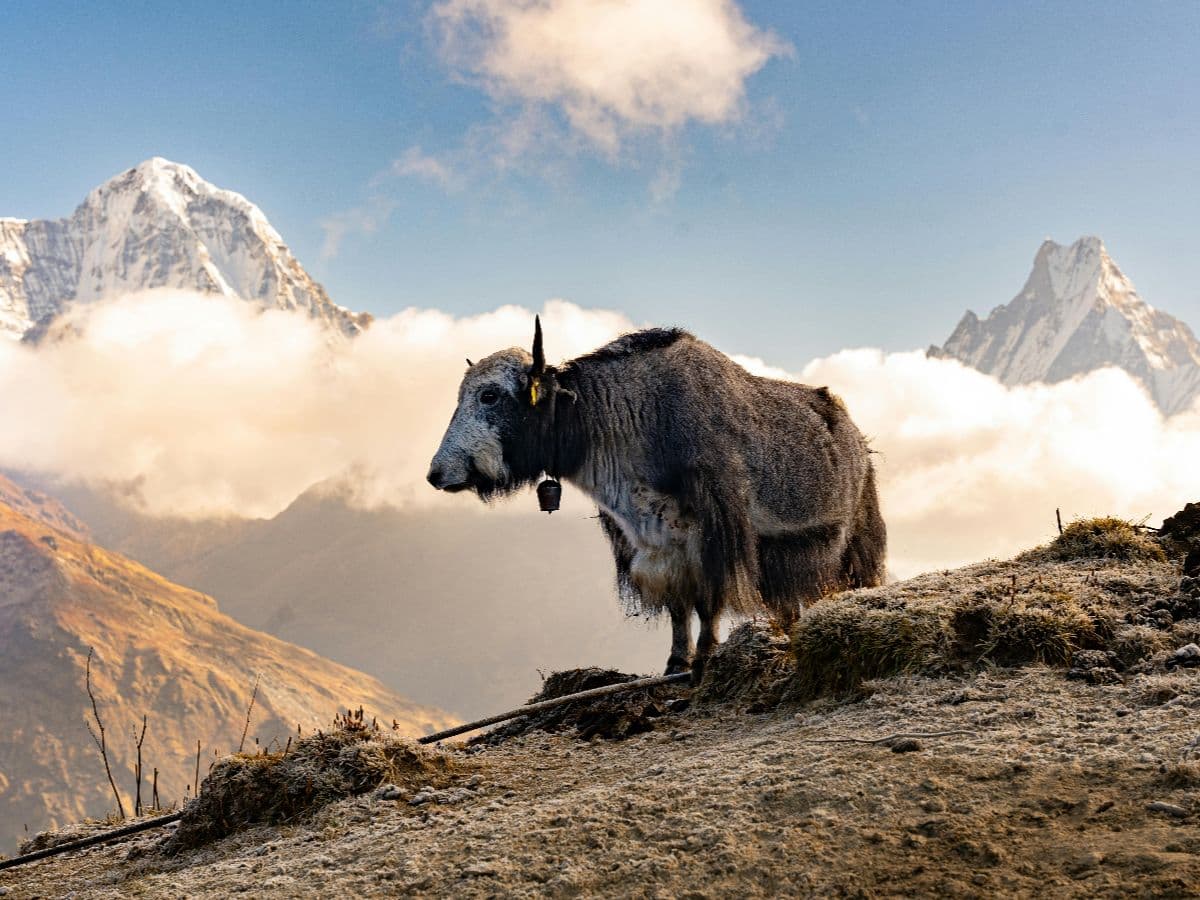
Porters and animals are also very essential to make trekking in Nepal possible. Porters include yaks, mules, and donkeys. They move heavy weights, sometimes walking long hours on hard mountainous roads. It matters to treat them with kindness and gentleness.
Do not make your porter carry too much. A normal porter should not carry more than what is considered safe, around 20-25 kilograms or so. Take only what you need and distribute the burden equally in case you have a team. Porters are already in hard conditions. Moreover, overloading can cause serious health problems, and overloading affects porters severely.

Take care of other animals such as yaks and mules. They are capable but not immortal. Treat them kindly and do not raise your voice or hit them. Good handlers will make sure that the animals receive adequate rest, food, and water. When booking a trek, verify whether the company has humane measures towards animals.
Always say thanks to your porters and animal handlers. A simple word or even gesture really goes a long way. Do not forget that without their efforts, and help the trekking experience would not be safe. Nor would it be as smooth. Responsible trekking is about being kind to the porters and animals. It shows the finesse to the beings and animals on which your travel depends.
Stay on Designated Trails
Staying on the marked trails is one of the easiest tasks on a trek. It's also the most important practice of trekking responsibly in Nepal. These routes are well-designed to preserve nature. It also ensures the safety of trekkers. Also, it benefits the local population.
One can cause serious damage when taking shortcuts. Or walking off the principal trail. Mountain slopes have weak soil. In the long run, most shortcuts may expand into new paths, resulting in more damage to the environment.

Following the path will also preserve wildlife. The forests and mountains provide places where animals have peace and security. Walk through the specified routes. By doing so, you reduce as much as possible the disruption to their houses.
Do not stalk or feed wild animals; any collection of wild plants or wildflowers is prohibited. Nepal has many rare or preserved species of vegetation in the mountains. These are essential to the local ecology.
The official route is also a safe path to follow. Local communities and the government mark and maintain trails. It takes the trekkers through safe ground. Off-trail hiking also makes it more likely to become lost. It also makes it hard to find hard-to-pass parts, such as a cliff or unstable ground.
Travelling the marked paths is honouring the Nepalese nature and people. It assists in maintaining the beauty of the land. This makes trekking safe and pleasurable for anyone.
Reduce Campfire
Nepal is a good place to trek. One should ensure that the natural environment is peaceful and secure while trekking. Campfires and loud noise are two things that may interfere with this peace.

Campfires can pose serious problems. They can cause fires in forests in arid regions. It endangers plants, animals, and human lives. Many pathways wind across vulnerable ecosystems and thick forests.
The burning of fire in this area may cause damage to soil and crops, which may be irreversible. Portable gas stoves should be used instead of making fires to cook your meals. These stoves are safer and environmentally friendly.
Noise Pollution
Quiet areas are mountains and forests where wildlife lives and people sleep. Excessive talk, yelling, or loud music can disturb the animals and other villagers. Noise can scare animals or alter their instinctual behaviour. Villagers spend more of their time leading simple and peaceful lives. They prefer to be in peaceful settings.
Try to hear what the wind says. Listen to birds singing around the trees. And relax with the streaming rivers, speak without noise pollution. One of the visions is a serene and quiet environment. It forms part of Nepal's trekking beauty. Respect this by not being noisy and by following the rules on fire.
You will be contributing to ensuring that the villages and mountains remain peaceful. People, including animals and locals, enjoy nature. Try keeping the campfire and sound pollution to a minimum. It will be showing respect towards nature and the people of such special places.
Keep Ready and Knowing
The mountains that form Nepal are quite exciting to trek, but so is the challenge. Being a prepared and informed person keeps you out of trouble. You enjoy your travel to the fullest.
Altitude sickness is one of the greatest dangers. The higher you are, the thinner the air is, and your body must have time to adapt. Study the signs of altitude sickness, like headache, dizziness, nausea, and fatigue.
When you notice these signs, do not overlook them but act. Rest, use lots of water, and go to a lower altitude when necessary. Familiarity with prevention and remedial measures of altitude sickness can be a lifesaver.

Take a simple first aid kit. It must contain bandages, painkillers, blister treatment, antiseptic wipes, and individual medicines.
This helps you to cope with minor injuries or illness in no time. Bring sunscreen and lip balm protect yourself against the sun. Likewise, insect repellent keeps the bugs away.
You can have guides, and they can have porters, but you should not turn into relying on others. Trek safely at your own pace, pay attention to your body, and apply safety tips. Get physically fit before you trek through frequent exercises.
Ensure that your equipment corresponds to the weather and terrain. Being prepared and smart would lessen the risks and would help you experience the beautiful nature of Nepal with ease.
Respect Religious and Heritage Sites
There are many temples, monasteries, and holy sites in Nepal. These shrines are emotionally significant to locals. Moreover, they are a source of pride and culture in Nepal. It is vital to be respectful and obey local traditions when you come to meet them during your trek.
Never disobey the regulations established in temples and monasteries. Most areas have at least signs or guides on what is and is not permissible. In some areas, photography or entry of certain parts is not allowed. Please take these rules seriously as they are intended to keep the site sacred.

In temples or stupas, move around them in a clockwise direction. It is an old ritual that shows respect and leads to good fortune. Never walk in the opposite direction since it becomes disrespectful to the locals. Never climb over monuments, statues, or walls. These buildings are many hundreds or even thousands of years old and can be easily spoiled.
It is also impolite to touch any sacred objects or relics without prior permission. Treat them as places of worship and history, and not a tourist attraction to climb on or to explore.
You will be able to honor the religion and heritage site. Your visits help maintain the culture and traditions of Nepal. It is also merciful to the humans who cherish such places. The polite nature of your actions makes your visit a good experience.
Learn Before You Leave
It is good to understand the area you are going to visit before beginning your trek in Nepal. Learning about local culture, environment, and people is another approach. These will enable you to plan the trip and be respectful of the place and the locals. Researching the cultures, languages, and lifestyles of the people you encounter.
Festivals and customs vary in each region of Nepal. These will also allow you to socialize with the locals better and not offend anyone by mistake.

Know the simple dos and don'ts of trekking in Nepal. These concerns include littering policies, respecting sacred places, and water shortages. Treating porters and guides favorably. Trekking agencies and websites also give tips to make your trek safer and enjoyable.
Consider, too, what influence you have as a tourist. Tourism is a very good thing, and at the same time, it can cause problems if tourists are not cautious. Excess waste, a lack of respect for culture, or environmental damage impact the places. It affects the trails negatively.
Education makes you a responsible tourist. You can contribute to and preserve the beauty and culture in Nepal. Knowledge gained before your trek will make your experience more meaningful and worthwhile. Experience Nepal fully! Do something good for the people and the environment that accept you.
Keep Wildlife and Natural Habitats Respect
Nepal hosts many spectacular animals and plants. Most are not found anywhere in the world. On trekking, you might be able to find birds, deer, monkey and other wild animals. They should be noticed at a distance, and it is necessary not to make any attempts to feed them or touch them.
When people disturb animals, they might either stress them. It causes them to behave abnormally. Do not do loud noisemaking or pursue wildlife. Lastly, avoid plucking plants or flowers. Because most are endangered and are crucial to the local ecosystem.
Respecting wildlife and their habitats, you preserve the natural treasures in Nepal. You maintain the health of the environment for future generations.
Wise Energy Use in the Trail
In remote walking destinations, fuel and energy are scarce. Lots of villages use solar or small generators to have electricity in their villages. Pay attention to the use of energy on your trek. You should only charge your devices when you need to and attempt to save battery power. Electronic gadgets should not be used in guesthouses at high volumes. Conserve electricity.

Do not waste fuel and cook using gas stoves instead of an open fire. Easy measures, such as switching off lights when not in use, are used to save energy. Energy cautiousness leads to the minimization of pollution. It contributes to the sustainable growth of the mountains and the people.
Carry Sustainable Trekking Gear
It matters a lot to use eco-friendly and long-lasting trekking equipment. Do not buy cheap stuff that will be used up in a snap. Use reusable water containers, biodegradable detergents, or soaps. Try garments made of natural fabrics or recycled materials. Long-lasting, lightweight accessories mean you do not need to change them often.
And carry out any broken or discarded equipment, rather than abandoning it. This maintains clean sewers and villages.
Wearing eco-friendly equipment shows environmental respect. This allows you to trek in a comfortable and environmentally friendly way.
Advantages of Responsible Trekking
Responsible Nepal trekking is not only good for the environment and the locals. It also makes your experience so much better. As you take care of the land, culture, and people, your journey will be enriched and protected. You will have a better sense of purpose.
Trekking responsibly will contribute to the beauty of the natural surroundings. Wildlife, forest health, and a clean trail give a serene and pleasant environment. It gives you an opportunity to witness some of the most beautiful landscapes in Nepal. Find its purest form, with no set of eyes to interfere with the concepts of beauty that exist.

Second, foster positive relations by honoring the local customs and investing in communities. Locals are also welcoming to you when you express understanding and kindness. This results in genuine experiences, such as being able to get knowledge on local customs. Sample locally prepared cuisine and hear stories that you cannot find in guidebooks.
Third, preparedness and awareness will make your trek safe. This list of how to avoid altitude sickness. How to treat your guides and porters with justice. Avoiding any risk posed by the environment lessens the problems on your trek.
Responsible trekking is a source of great satisfaction to you. You contributed to the safety of Nepal's mountains. Also, the welfare of the people who live there, you can feel that your trip is something special. It makes trekking not only a process of travelling. It's also an opportunity to contribute and belong somewhere.
Encouraging Others to Trek Responsibly
Your behaviour on the trail is not the only thing that can affect your trip specifically. By deciding to set off responsibly to trek, you set a strong precedent for others to follow. People around you pay attention to your decisions. Be it friends, family, or even fellow travelers, they can end up doing what you are doing.
Begin by telling what you have learned. Discuss with people about such basic things. Use only reusable bottles of water. Sticking to the trail. Do not offend the local culture before and during the trek.

It is easy to say that many travelers wish to do right, but they would not know how. Even a minor recommendation or friendly reminder may be a considerable difference. You may likewise motivate others through your social media or travel blog.
Do not pass pretty pictures, but talk about the people you get acquainted with. The green suggestions you followed, or how you helped local businesses. This sends a message to other people that trekking is not only about scenic beauty, but also about morals.
When trekking in a group, don't hesitate to tell them off when certain things do not sound right. Such as littering, mistreating locals, or overworked porters. Do it in a nice and yet stringent manner. It is usually a single voice that initiates change.
By motivating others to trek responsibly. You ensure a long life in the land of Nepal by taking care of the environment as well as the culture. Responsible travel is not only contagious, but it begins with you, as we are the leaders.
Become a responsible trekker, not only a tourist!
It is a memorable experience to trek in Nepal. Whether hidden in the towering mountains or deep in the warmhearted folks. All are pathways of beauty, adventure, and significance. However, along with this experience, there comes responsibility.
A responsible trekker is more than being rule-bound. It includes taking care of the earth and preserving the local culture. Promote the people who enable your journey. It is the ability to think beyond yourself and leave something positive behind.

All the little things that you do, such as taking your garbage to go or saying hello. Showing someone respect by saying Namaste helps the environment. In every way and where you can, be kind and conscious when traveling in Nepal. You also preserve the natural beauty and culture of Nepal for future generations.
Therefore, do not just be a tourist. Be a responsible trekker. Travel hard, trek strong, and Nepal will never be the same again.
FAQS
Do I require any special permit to trek in Nepal?
Yes, the majority of trekking regions in Nepal need permits like the TIMS card or National Park/ Conservation Area permits. These permits are used to maintain their trails, conservation, and development of local projects.
What can I do to minimize my carbon footprint on the trek in Nepal?
To minimize your carbon footprint, it is recommended that you travel in small groups, whenever possible, use overland transportation, and replace fuel-powered chargers with solar chargers.
Can I hand out money, candy, or gifts to the kids on the trail?
Gifts should not be directly given to children. It may promote begging and addiction. Instead, give it to a registered organization that aids local schools, health posts, or community projects.
What do I need to do when I spot an irresponsible trekker?
Remind them kindly of what is more acceptable as far as littering is concerned, or adhering to local cultural practices, in case it is safe and proper to do so. You are also capable of informing guides or lodge owners in case it is required.
What can I do to help women and marginalized groups in trekking regions?
Select companies where the female guides are employed or want to see the business run by women. Purchase handicrafts made by women cooperatives and visit cultural programs hosted by the local groups.
Is it possible to volunteer or contribute to the local community when I am on trek?
Of course, but implement the same in credible NGOs or community-based initiatives. You should not volunteer when unsanctioned to do so, particularly in schools or health posts, since it may be disruptive.
Does Nepal have eco-treks?
Yes, some agencies offer eco-treks that are sustainable, cut the effects on the natural environment, and the idea is to improve the conditions of local society. Village homestays, organic food, and nature conservation are some of the other items featured in these treks.