Ice climbing is a winter sport. You climb up frozen waterfalls, icy cliffs, or glaciers with the use of ropes, crampons, and ice axes. It is like rock climbing but done on ice! Nepal, the home to the Himalayas, is seeing a rise in ice climbing tourism. The country is well known for trekking and mountaineering. Nepal also has great ice climbing, which many travelers are not aware of.
Nepal has high peaks, frozen waterfalls, and peaceful valleys. We have what every ice climber could wish for. From beginner to pro, there is a new, thrilling place to explore. The best thing is that Nepal’s ice climbing spots are quiet and very few people are there. You get to experience pure nature, adventure, and amazing views at the same time.
In recent times, ice climbing has seen a growth in popularity in Nepal. We have local guides, training schools, and climbing packages. They will help you into this frozen adventure safely.
Why is Nepal an Excellent Destination for Ice Climbing?
Nepal is the home to the Himalayas. The country has it all. Get stunning natural beauty, high peaks, and the yet undiscovered ice routes.

Here are some of the options for Ice Climbing:
Himalayan Landscape and Ice Routes
Nepal has a vast array of glaciers, frozen waterfalls, and high-altitude valleys. In winter, many mountain areas transform into icy playgrounds.
The most prevalent areas are Langtang, Annapurna, and Khumbu. Natural ice walls, which are great for climbing, are found.
This gives climbers a real and unfiltered experience. Find vertical ice walls in frozen streams. Each ice climb is a different and exciting adventure in Nepal.
Less Crowded and Raw Adventure
Popular trekking routes can face traffic issues. But most ice climbing destinations in Nepal are quiet and peaceful. You won’t see large tourist crowds. Instead, you can experience the true beauty of nature.

Climbing in those remote locations is an experience that truly is adventurous. It is just you, your guide, and the sound of your ice axe against that frozen wall. For those seeking a change from the ordinary trek, ice climbing is an exciting and bold choice.
Mix of Mountaineering and Climbing Skills
Ice climbing in Nepal is a different game. People do a lot of trekking, glacier crossing, and put in a few mountaineering techniques in there. If you have a background in rock climbing or trekking, this is for you. Nepal holds a massive history in Mountaineering.
Here is a chance to prove yourself, to display your strength, balance, and courage at the same time. On trips that are of an ice climbing nature, we have experienced Sherpas and local climbers as guides. They teach you new techniques, and they also make sure of your safety.
What is Ice Climbing?
Ice climbing is a type of sport. It includes climbing frozen waterfalls, icy cliffs, and glaciers. To climb ice safely, you need special equipment. Axes are also very much like sharp hammers are used to get a hold on the ice.
Crampons, which are spiky attachments for boots, will dig into the ice. Ropes and harnesses for safety, and Helmets to protect from falling ice.

Ice climbing also has its own techniques. You will kick in your crampons on the ice, then use your ice axe for a better hold. Slowly, you go up and repeat that process over and over.
This activity differs from rock climbing in that we see rocks. They are hard and dry, but ice, which is what’s variable, is slippery, fragile, and subject to change with the weather.
In ice climbing, you must pay more attention to your balance. Also, the surface you are on can break, so you must climb smart and steady. Ice climbing mostly takes place in the winter and in high mountains, which have strong, stable ice.
With the right gear, a trained guide, and practice, we have found that most people can. In fact, get into this sport, which is as exciting as it is challenging.
Popular Ice Climbing Spots in Nepal
Nepal is home to great places for ice climbing. We see frozen waterfalls, icy cliffs, and very peaceful high-altitude views there. Here are some of the best locations:
1. Langtang Valley (Kyanjin Gompa Region)
Langtang Valley is a beginner’s paradise for ice climbers in Nepal. It is located within a few hours' drive from Kathmandu. It is home to beautiful mountain scenery. Find a range of frozen waterfalls and ice cliffs at Kyanjin Gompa.
During the cold weather of December to February, the water in rivers runs low. It causes the streams to freeze and form large natural ice walls ideal for ice climbing.

The place is very friendly to visitors. And you’ll find that guides and instructors are readily available. Many trekking groups bring their clients to Langtang, which is for ice climbing. It is a challenging but safe setting for beginners and intermediate climbers.
In the mountains, we present you with a peaceful setting. Find snowcapped forests and views of peaks like Langtang Lirung. The area’s location is near Kathmandu. This makes it a very practical and popular choice for short getaways.
2. Manang and Annapurna Region
Manang in the Annapurna region is renowned for its stunning mountain views. It has a wide range of climbing options. During the wintertime, many waterfalls in villages such as Braga and Pisang freeze. This, in turn, forms solid ice walls for climbing.

These ice formations provide a unique experience. This puts together adventure and local culture. The Annapurna range serves as a grand backdrop. Climbers can combine ice climbing with trekking in Nepal. Mostly done in the Annapurna Circuit or Annapurna Base Camp trails.
Ice climbing in the Manang ranges from easy to very hard. It is what makes it great for both new and experienced climbers. The area is a bit more remote than Langtang. This, in turn, gives you that wild and solitary feeling. Manang also offers great accommodations and provisions. Make it a comfortable base for long stays during the cold months.
3. Khumbu Icefall (For Advanced Climbers Only)
The Khumbu Icefall is a challenging and dangerous ice climbing area in Nepal. This is just above Everest Base Camp. It is a large glacier that is in a constant state of change. It has ice towers that vary greatly and deep crevasses. There are seracs, which, at large, may fall at any time.
This area is for experienced climbers. It's great for those with what it takes for ice climbing and mountaineering. The Khumbu Icefall is a major element in the climb of Everest. Teams usually tackle with the help of fixed ropes and ladders, as the ice is not stable.

Icefall demands excellent technical skill. One needs physical fitness. They also need a strong base of knowledge on glacier movement and safety procedures.
Khubu is very risky. That's why we put forth. The experience of climbing here is the best in high-altitude mountaineering. Because of its danger, which is great, we advise casual ice climbers and beginners to stay away.
4. Thame and Rolwaling areas
Thame is a small Sherpa village which is in the Everest region. It is home to some unknown yet very good ice climbing sites. At Thame, you will find frozen waterfalls and ice cliffs. The mid-level climber can take up these places. It helps them improve their skills. It also has a peaceful atmosphere.
In Thame, the main trekking paths have few climbing sites. It means that climbers have a very private experience of the great outdoors. Or you can go to the nearby Rolwaling Valley. Here, you can find more remote and rugged options for ice climbing.

This valley is caught in the shadow of Everest and Gaurishankar. This also leaves it with few tourists. This makes it a great destination for climbers who seek out the off-the-beaten-path.
It has tall icefalls and frozen cliffs. It presents great challenges in very pure Himalayan settings. Climbers also see a very beneficial interaction with local Sherpa communities. The locals are so warm and informative about the mountains.
5. Hinku Valley (in the Mera Peak area)
Hinku Valley is in the east of Nepal and is known for being the approach to Mera Peak. It is the country’s highest trekking peak. During the wintertime, this valley is a prime spot for mixed climbing, which includes ice and rock.
In the valley, you will see ice-covered waterfalls, glaciers, and steep icy slopes. It's a great place for trying out ice climbing techniques. Hinku Valley is a more remote destination that has not been commercialized. It gives a feel of wild adventure to climbers away from the crowds.

It’s a great place for climbers, which is what you’ll do if you’re going from ice climbing to peak trekking. You will have a go at the challenge of Mera Peak after warming up on the easier iced routes.
As you go into Hinku Valley we pass through remote villages and into the forest. This adds to the cultural aspect of the climb.
Best time to go Ice Climbing in Nepal
Ice climbing in Nepal is best during winter, which is from December to February. It is when the temperature drops low enough to see waterfalls, rivers, and cliffs covered in ice. It creates ideal conditions for the sport.
In winter, during the daytime in climbing areas temps may range between –5°C to 5°C (23°F to 41°F). At night it goes much lower, often below -15°C (5°F). At high altitude can go even lower. These low temps, in turn, produce very strong, stable ice, which is safe for climbing.

The weather in this season is dry and bright, which is particularly true for January and February. There is a lesser chance of rain or snow. It gives climbers better visibility and safer conditions on the ice. In mid-winter, the ice is at its best. The low temperatures produce thick, solid ice walls and frozen waterfalls.
In Winter and Spring ice may also see a change in state during the day. As we see rises in temperature, the ice either softens or melts. That time frame makes for a greater risk of icefall or unsafe routes.
Planning out your climb for December through to February. This will give you the best chance to see great ice. Winter offers clear weather and exciting climbs in the Himalayan setting.
Types of Ice Climbing in Nepal
Nepal has a large variety of ice climbing. It presents different challenges and issues. You can choose the one that best fits in with your skills and interests.
1. Waterfalls Climbing
In Nepal, the major appeal to ice climbers is Waterfall ice climbing. We have a boom in popularity in climbers who are going up waterfalls, which in turn are made of cascading ice. It is the cold winter that does the job of turning these waterfalls into walls. Waterfalls essentially become vertical or nearly vertical walls of solid ice.

Climbing out of this ice filled gorges requires skill and balance. The surface, at times, is smooth and at other times is brittle. With the use of ice axes and crampons, climbers very slowly make their way up step by step.
Waterfall ice climbing provides you with great views and an exciting challenge. In Langtang and Manang, which are popular for their ice falls, we see large numbers of climbers in the winter.
2. Glacier Climbing
Glacier climbing is an activity that includes trekking and climbing. You go to large ice fields and glaciers. In glacier climbing, we focus more on crossing over very large ice areas. It also includes crevasses, ridges, and icy slopes.

In Nepal, there are many trekking routes that pass over glaciers. Try going to the Everest and Annapurna regions. Glacier climbing includes the need for knowledge. You need skill of rope work, crevasse rescue, and the use of ice tools for safety.
It is a part of mountaineering expeditions. It also sees action in short glacier climbs. Adventure-seeking climbers enjoy improving their skills.
Glacier climbing brings you to the massive ice fields of the Himalayas. But it requires careful planning and safety measures.
3. Mixed climbing (Rock and Ice)
Mixed climbing is a blend of ice and rock climbing on the same route. Climbers go between ice and rock elements. It requires them to change tools and techniques based on the type of terrain.

This type of climb is technical in nature and requires a high skill level. It sees climbers adapt fast to what the route throws at them. In Nepal, we see this in the Hinku Valley and in parts of the Annapurna range. They have several mixed climbing routes.
Mixed climbing is for the climber who wants to push their limits. Try something different at the same time. It is the best choice for those heading out for more extreme mountaineering. It includes ice and rock.
Ice Climbing in Nepal: What You Need to Know
Ice climbing is an action-packed but tough sport. Prior to getting out there, it is necessary to get in some training and skills for a better and safer experience.
Is Prior Experience Needed?
In Nepal, you do not have to be an expert to go ice climbing. But some basic experience is very useful. If you have no background in climbing, it is best to do beginner courses or guided trips.

Many ice climbing locations in Nepal are for beginners. It doesn’t mean you won't have to pay close attention to your guide.
Basic Climbing Skills or Mountaineering Course
With experience in rock climbing, trekking, or mountaineering, you do better. Basic skills include the use of ropes, wearing a harness, and movement on rough terrain. This will see you through ice climbing.
For those starting, we highly recommend a short mountaineering or ice climbing course. In them, you will learn to use ice axes, crampons, and safety gear. You will be taught how to climb on ice and to recognize common dangers.
Local Training Programs and Guide Instruction
In Nepal, there are several local training centers and climbing schools. They put forward ice climbing lessons in places like Langtang and Manang.

Hiring a professional guide is very much recommended. Our guides teach you skills and also see to your safety. They study the ice and do better route planning for your climb.
Local guides have in-depth knowledge of the mountains. They will assist you with altitude and cold-weather acclimation. They provide support, encouragement, and emergency assistance.
Safety and Fitness Tips
Ice climbing is for the physically fit. You will need strong legs, arms, and core muscles to climb steadily and handle your gear. Also of importance is cardiovascular health. You need to travel to a high altitude, where the climb can be very tiring.
Check in with your gear, climb at a slow pace, and stay in communication with your guide and team. Cold weather may cause frostbite or hypothermia. Dress in layers and take breaks to refresh and renew.
Hiring a Guide or Joining an Ice Climbing Tour
Ice climbing is a thrilling yet difficult sport in Nepal. Its high mountains and cold weather take on a whole new dimension. We recommend hiring a guide or joining an organized ice climbing tour. More so, for beginners and those new to the area.
Why Hire a Guide?
A professional guide is familiar with the local terrain, weather, and ice patterns. Ice conditions may change very fast. A guide can put you on the best and safest routes and in the best climbing spots.

Guides present to you the right way to use your equipment, which includes ice axes, crampons, and ropes. They go into detail and work on improving your climbing technique.
It is a great priority that guides we have been trained in the rescue and emergency procedures. We have a plan in the off chance of anything goes wrong, they are prepared to handle the situation and keep you safe.
Benefits of Going on an Ice Climbing Package
In Nepal, many of the ice climbing trips are run by adventure and trekking companies. Find guide service, rental of equipment, accommodation, and at times, instruction. By going on a package, you take out the stress of organization and preparation.
Tours are a great way to meet up with other climbers and share in the experience. They usually have set itineraries and planned routes. Build up the confidence of beginners.
How to Find a Certified Guide
Find guides that are certified by the Nepal Mountaineering Association (NMA). Or by international climbing organizations do. A certified guide has the right training and experience to keep you safe.

In Kathmandu or online, you can book guides or tours. Many companies that we must choose from include services. Things like airport pick up and the issuance of climbing permits.
Cost of Ice Climbing in Nepal
Ice climbing in Nepal is a fantastic adventure, but it does come with some cost. Knowing what they are will help you to better plan your trip and avoid surprises.
Equipment Cost (Renting or Buying)
Ice climbing requires that you have special gear for safety. Also, to improve your performance. As for what to bring: ice axes, crampons, helmets, harnesses, ropes, and warm gear. Gears designed for cold, icy conditions.
If you are a first-time ice climber or a tourist in Nepal for a short while, you may want to rent equipment. In Kathmandu, there are many rental shops. They have quality climbing gear for daily and weekly rentals.

For example, you may pay between $10 to $20 per day for ice axes and crampons. As for full sets that include ropes and harnesses, the daily rental price may range from $30 to $50. It will depend on the quality.
If you are a regular climber or you are buying gear for yourself, you will find that. In the long term, it is a better deal to buy your own. Please note that the ice climbing gear you purchase can break the bank. Full sets often go for several hundred dollars.
At the same time, by bringing your own gear. You are guaranteed a proper fit and performance. So, do check in with the airline about what you are allowed to bring, such as climbing equipment.
Guide Fees
In Nepal, it is very much so that you hire a professional ice climbing guide. It can be for your safety and a better experience. Guide fees may also be a bit different based on the guide’s level of experience. The length of your climb, and which region you are in.
Usually, a trained ice climbing guide will go for between $50 and $100 per day. As for multi-day trips, guides tend to put out package deals. It includes accommodation and food. Some speciality guides who have high altitude mountaineering experience may charge more.
Group tours split guide fees between climbers, which in turn makes it affordable. Although guide fees do add up, they provide invaluable support. More so, for beginners and those who are new to Nepal’s mountains.
Permit Fees (If Applicable)
In certain areas, you will need permits for a climb or a trek. In the case of Nepal, most ice climbing sites are within national parks or conservation areas. They need permits to enter.
These permits also support environmental protection and the local community. Some ice climbing routes, or protected areas, do need special permits. That is rare for beginner-level ice climbs.
Accommodation and Food in Ice Climbing Destinations
During the ice climbing, people stay in teahouses and at campsites. Each has its pros and cons.
Teahouses vs Camping
In places like Langtang and Manang, which are popular for ice climbing, you will find teahouses. These are small lodges run by local families. The teahouses offer basic rooms with beds and blankets, and sometimes shared bathrooms. In offbeat areas, you will likely need to camp. So, how do teahouse accommodations compare to camping options?
Staying at teahouses is what many choose to do. They offer very comfortable, and for some, it is a must after a long day out in the cold. Camping may be on the cooler side, which is why you should pack extra warm clothes and a great sleeping bag. Also, the cost is low, which may go up a little during peak season.

In more remote and underdeveloped ice climbing areas, have little to no teahouses. Mostly in Rolwaling or Hinku Valley. For these spots, camping is the primary option.
You will have to bring your own tent, sleeping gear, and cooking equipment. Or we can arrange for support staff. Camping gives you that true wilderness experience. But at the same time, it requires more preparation and gear.
Food Access and What to Find in Remote Areas
In ice climbing destinations, food options are based on how remote the area is. In places with teahouses, which are few and far between. You get simple yet hearty meals like dal bhat (rice and lentils), noodles, soups, and some snacks.
These meals are a good source of energy for cold weather and physical activity. For vegetarians and vegans, we usually find sufficient options. It is a good idea to pack some personal snacks like energy bars or nuts.

In remote areas that lack nearby grocery stores, camping becomes a necessity. You may have to bring along your own food. It will more than likely be in the form of a prepackaged meal. Some means to prepare them, which may include fuel.
Local guides and porters will assist with meal prep. It is a good idea to bring along extra high-energy food to keep fueled during long climbs. Water is present in most areas, but in most cases should be boiled or purified before drinking. It is a good idea to carry a water bottle and purification tabs.
Rules and Regulations for Ice Climbing in Nepal
Before you set out for an ice climbing trip to Nepal, you should be aware of the rules and regulations that apply. These rules are in place for the protection of the environment and for the safety of the climbers.
National Park Permits
The best ice climbing places in Nepal are found in national parks and conservation areas. For access to these protected zones, you require an entry permit.
If you go to the Langtang National Park zone, you will pay a permit fee of $30 to $40 for foreign visitors. The Annapurna Conservation Area requires an Annapurna Conservation Area Permit (ACAP). They cost about $30.
These permits fund conservation and support local communities. Park rangers may check your permit at entry points, so always have it with you.
Climbing Permits (For Certain Locations)
Beginner to intermediate ice climbing areas do not need special climbing permits. Some advanced or restricted zones do.
Plan a climb in the Everest region, or attempt it. The Khumbu Icefall is a part of the route where you must get specific climbing permits.
These permits can be expensive. You need approval from the Nepal Mountaineering Association (NMA). Or from the Ministry of Tourism.

Climbing permits to access large peaks range from $500 to $1,000 or more. It varies by the peak and time of year. These fees are for structured expeditions, which also cover rescue and environmental protection.
In most ice climbing situations in less restricted areas, a permit isn’t required. It is best to check with your guide or tour operator first.
Other Required Permits
In addition to park and climbing permits, you may need other documents. You will need a Trekker’s Information Management System (TIMS) card.
The cost is around $20, which is a required expense for many areas in Nepal. It is a tool that the government uses for tracking visitors, and that also ensures safety.
How to Get Permits?
In Kathmandu, you can buy most permits at the Department of Tourism. Or you can also get them through authorized trekking agencies. Some are available at park entrance points or regional offices.
When you book a guided ice climbing tour, we usually take care of all necessary permits for you.
Safety Measures and Issues in Nepal’s Ice Climbing
Ice climbing in Nepal is a great adventure, but it also brings serious challenges. Very high mountains, ice-covered walls, and arctic weather present danger. You can avoid them by proper preparation. Put in the work to come out of it safe and to fully enjoy this once-in-a-lifetime experience.
Risk of Falling Ice and Avalanches
Icefall is a very common hazard in ice climbing. As the temperature changes through the day, pieces of ice may break off at any time. These pieces of the natural environment can put climbers or nearby people at risk. That is why we recommend you always wear a helmet. We see avalanches as a very natural risk.

In regions with heavy snowfall or unstable slopes, snow can fall very quickly. And without warning. We see an increase in avalanches after recent snow events or at the onset of sudden warm weather.
To stay safe, climbers must look at avalanche forecasts. You need to learn about terrain risks and stay away from dangerous conditions. Professional guides who are trained to read into these signs. They make what is best for safety based on present-time conditions.
Cold-Related Issues: Freezing and Hypothermia
In the winter, high-altitude areas report very low temperatures. At over 8,000 feet, the temperature may drop to below -15°C, which is also not uncommon at early dawn and late nights.
In very cold weather, there is a great risk of frostbite, which is what happens when skin and body tissues freeze. Fingers, toes, nose, and ears are the most at risk.

Hypothermia is also a risk that presents when your body is losing more heat than it can produce. This causes confusion, weakness, and in severe cases, unconsciousness.
Climbers can avoid these cold-related issues by wearing many layers. It includes base thermal layers, insulated jackets, waterproof gloves, and warm socks. It is important to stay dry, eat plenty of calories, and drink warm fluids during the climb.
Altitude Sickness Precautions
In Nepal, there are ice climbing areas. You can include Langtang, Manang, and Hinku Valley, which are over 3,000 meters. At that altitude, the oxygen level is much less than at sea level.

Some climbers report having altitude sickness. We also call it Acute Mountain Sickness (AMS). Symptoms include headache, nausea, dizziness, and loss of appetite.
If left untreated, altitude sickness may be very serious and at times fatal. For best results in preventing AMS, do it slowly. So your body can adapt to the altitude.
Staying well hydrated, eating healthy, and out of alcohol are also what you must do. At the first sign of symptoms, they should move to a lower altitude right away. Here, get plenty of rest.
Physical Fitness and Preparation
Ice climbing is a test of both mind and body. You require great stamina, powerful legs and arms, and fine balance to scale ice.
It is a good idea to get your body in shape before the trip with regular exercise. It may include hiking, running, climbing, or the gym. Strength and cardio conditioning, which is what you need for the mountain.
In a safe and controlled environment, practice using tools like crampons and ice axes. This gives you more confidence for the actual climb.
Equipment Checks and Proper Use
Before each climb, it is a must to check your equipment. Damaged ropes, worn-out crampons, or loose buckles may cause accidents. If you rent equipment, make sure it is from a trusted provider that has them well-maintained. Get to know how to use your gear. For instance, tying safety knots, positioning your crampons, and the proper way to swing an ice axe.
Guides will go over the equipment and show you how to use it at the training sessions. It is great, but it also can’t be beat to do some study on your own beforehand.
Insurance and Rescue Information
With dangers present in ice climbing, it is important to have good travel insurance. Not all insurances include coverage for adventure sports or high-altitude activities. That's why you should check your policy. It must hold ice climbing, medical evacuation, and helicopter rescue.
During a fall, frostbite, or altitude sickness, a helicopter rescue is the only option. Air rescue is the only way in remote areas. It is very expensive out of pocket, which may run from $3,000 to over that. Always have on hand your insurance info and emergency contacts. As an added safety, let a friend know your plans.
Weather Awareness and Flexibility
The weather in the mountains is very changeable. It may go from a sunny morning to a snowstorm by early evening. Wind, snowfall, and sharp drops in temperature present great danger in ice climbing. Climbers should also pay close attention to local weather reports. Be prepared to alter or cancel plans when necessary.

Never put yourself in danger for the sake of finishing the climb; your safety is primary. Go with a flexible approach and a guide who knows the Himalayan weather to best protect yourself.
Eco-Friendly and Responsible Ice Climbing in Nepal
Nepal’s mountains are indeed a sacred, fragile home to very unique plant and animal species. It also houses communities of people who have adapted to the harsh area.
The sport of ice climbing grows in popularity. With it, the number of climbers grows as well. As such, they need to adopt responsible practices. Protect the environment and respect local culture. Being a responsible climber preserves these special places for future generations.
Minimize Environmental Impact
Ice climbing is done at high altitudes. As such, in delicate environments. You may see permanent changes from even small actions. One of the best ways to reduce your impact is to stay on designated trails and campsites. Avoid the trampling of vegetation or the disruption of natural ice formations.

Use of eco-friendly products like biodegradable soap. Reusable water bottles and out of plastic packaging as much as possible. Do not leave trash in the mountains.
Even waste from wrappers, tissues, or food damages the environment and wildlife. At all times, carry out your trash with you and get rid of it properly once you return to town.
Support Local Communities
When you travel to Nepal, you will find people at every turn in these mountains. They are known for their warmth and welcoming nature. These people may include Sherpa, Tamang, Gurung, or other mountain communities.
Supporting local businesses better, which in turn helps the economy. Choose to stay at locally owned teahouses. Hire licensed Nepali guides and porters. When possible, buy food or gear from village stores. Supports families, creates jobs, and fosters sustainable tourism in the area.
Showing respect to local culture, trying out a few of their phrases. “Namaste” or “Dhanyabaad” (which means thank you) will help you connect with the local people. In turn, get more out of your trip.
Leave No Trace
The Leave No Trace concept is easy yet very powerful. What you bring in is what you take out, and we leave the natural environment as we found it.
Do not go to the extent of picking out plants, carving on rocks, or building cairns. Also, do not feed the wildlife or get too close to them.
If, while camping, you put up your tents on hard surfaces and burn fires, you may harm the land or trees. The less of your trace, the better.
Packing List for Ice Climbing in Nepal
Make sure you are prepared by having the right gear and supplies. This is what you will need:
Clothing (Layered for Warmth)
Thermal base layers (top and bottom)
Insulated down jacket
Water-resistant and wind-resistant outer shell (jacket and pants)
Fleece or soft-shell jacket
Warm trekking pants
Moisture-wicking T-shirts
Insulated gloves (plus an extra pair)
Lightweight inner gloves
Wear 3 to 4 pairs of wool or synthetic socks
Gadgets (for keeping snow out of your boots)
Warm beanie or woollen hat
Neck gaiter or buff
UV-protection sunglasses or glacier glasses
Sun hat (for lower altitudes)
Climbing Gear
Crampons (fit your boots properly)
Ice axes (pair)
Climbing harness
Helmet (for falling ice protection)
Carabiners and belay device
Rope material (if not provided by your guide).
Mountaineering boots (insulated, crampon-compatible)
Headlamp with extra batteries
Rope gloves or belay gloves
Climbing pack (35–45L)
Camping & Sleeping Gear (if camping)
Four-season sleeping bag (rated to -15°C or below)
Sleeping mat or foam pad
If not provided by the operator, then bring a lightweight tent
Lightweight cooking gear (if self-supported)
Documents
Passport (with extra copies)
TIMS Card
National Park or Conservation Area Permit
Insurance coverage (for high altitude climbing).
Emergency contact list
Trekking/climbing itinerary (print and digital)
First Aid & Personal Care
Personal first-aid kit
Altitude sickness medicine (e.g., Diamox)
Painkillers, bandages, and antiseptic cream
Blister plasters
Lip balm with SPF
Sunscreen (SPF 50+)
Wet wipes / biodegradable soap
Hand sanitizer
Toilet paper and produce bags
Toothbrush and travel-size toothpaste
Snacks & Hydration
High-energy snacks (nuts, chocolate, energy bars)
Reusable hydration systems that are 2 to 3 liters in capacity
Water purification tablets or a filter
Electrolyte tablets or drink mix
Electronics
Fully charged power bank
Charging cables
Extra battery life for cameras (which in cold weather drain fast).
GPS or trekking app (offline maps)
Satellite phone or local SIM (optional)
Who Should Try Ice Climbing in Nepal?
Ice climbing in Nepal is for everyone. With the right attitude, preparation, and instruction, many people can enjoy this adventure.
Also, it is interesting to see which type of person does best with this sort of adventure.
Adventure Seekers with Basic Fitness
If you are into the great outdoors and adventure, ice climbing is for you. You don’t need to be a bodybuilder or an expert athlete, but a good fitness level is a must.
In cold temperatures, you will be out on frozen surfaces. It might demand the use of your arms and legs, and at times you may be at very low temperatures, which is normal. If you hike, trek, or are into regular workouts, you are set.
Beginners with a Willingness to Learn
In Nepal, you don’t need to have years of climbing experience for ice climbing. Nepal welcomes beginners and professionals. For those who are starting should consider Langtang or Manang. They have great beginner-friendly frozen waterfalls.
If you are willing to learn and follow the instructions of your guide, then you may enjoy this adventure. Many tours provide basic training and practice before the real climb begins.
Experienced Trekkers and Climbers
Are you a repeat trekker in Nepal? Are you looking for something more challenging? Ice climbing is the next step for you.
It’s a great way to take in new skills in the same wonderful settings. It comes naturally if you have a rock climbing or mountaineering background. Ice climbing is both familiar and exciting.
Nature Lovers and Solitude Seekers
Ice climbing is a great choice for those who seek out quiet, remote mountain areas. If you love the peace of nature, unspoiled snow, and being away from the crowd, this is the perfect adventure.
Nepal’s ice climbing destinations provide solitude and beauty. Best of all, raw access to the Himalayan wilderness, which most don’t get to see.
Who Should Not Try It?
People with serious heart, breathing, or joint issues should not try ice climbing. Also, it isn’t the best for those who are afraid of heights or extreme cold.
If you have health issues, first speak to a physician before going on your trip. Also, report your health and physical condition truthfully. Be open when you register for a tour or choose a guide.
What to Expect in Ice Climbing in Nepal
Ice climbing in Nepal is a unique experience that is beyond a sport. It is at once a thrilling, beautiful, and quiet time in the heart of the Himalayas.
As you climb over frozen waterfalls and glaciers, you’ll feel the rush of adrenaline. Find thrill with each step and swing of the ice axe. It is a physical challenge but very rewarding. It is amplified when you take a break to look at the magnificent mountain settings.
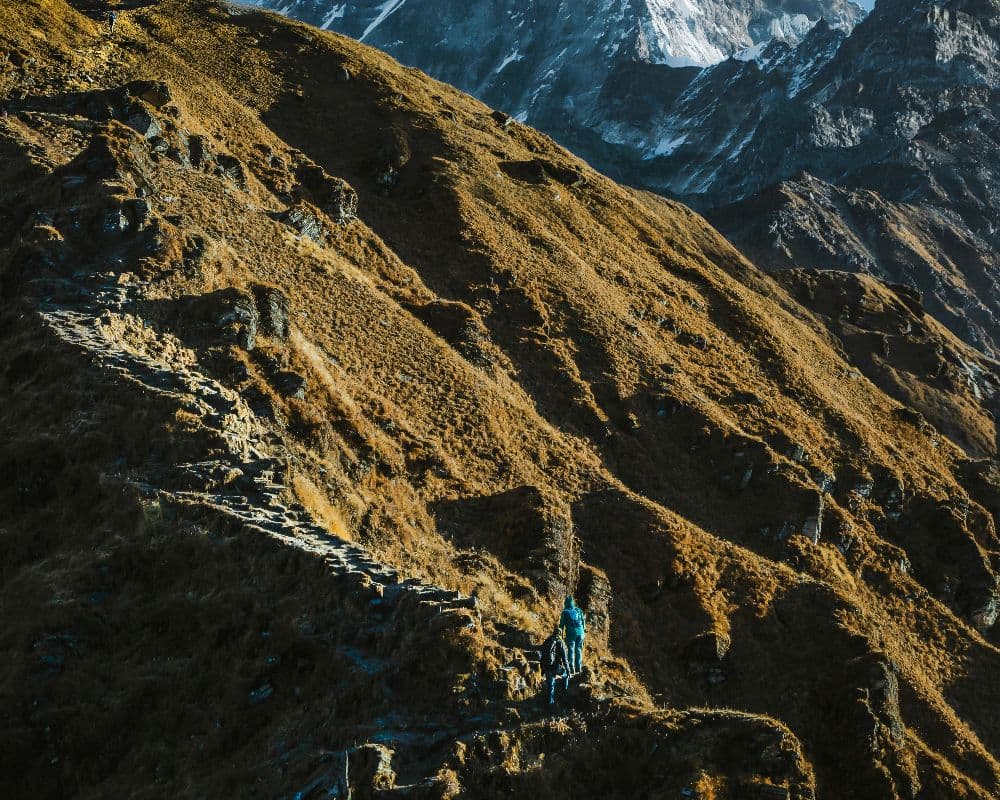
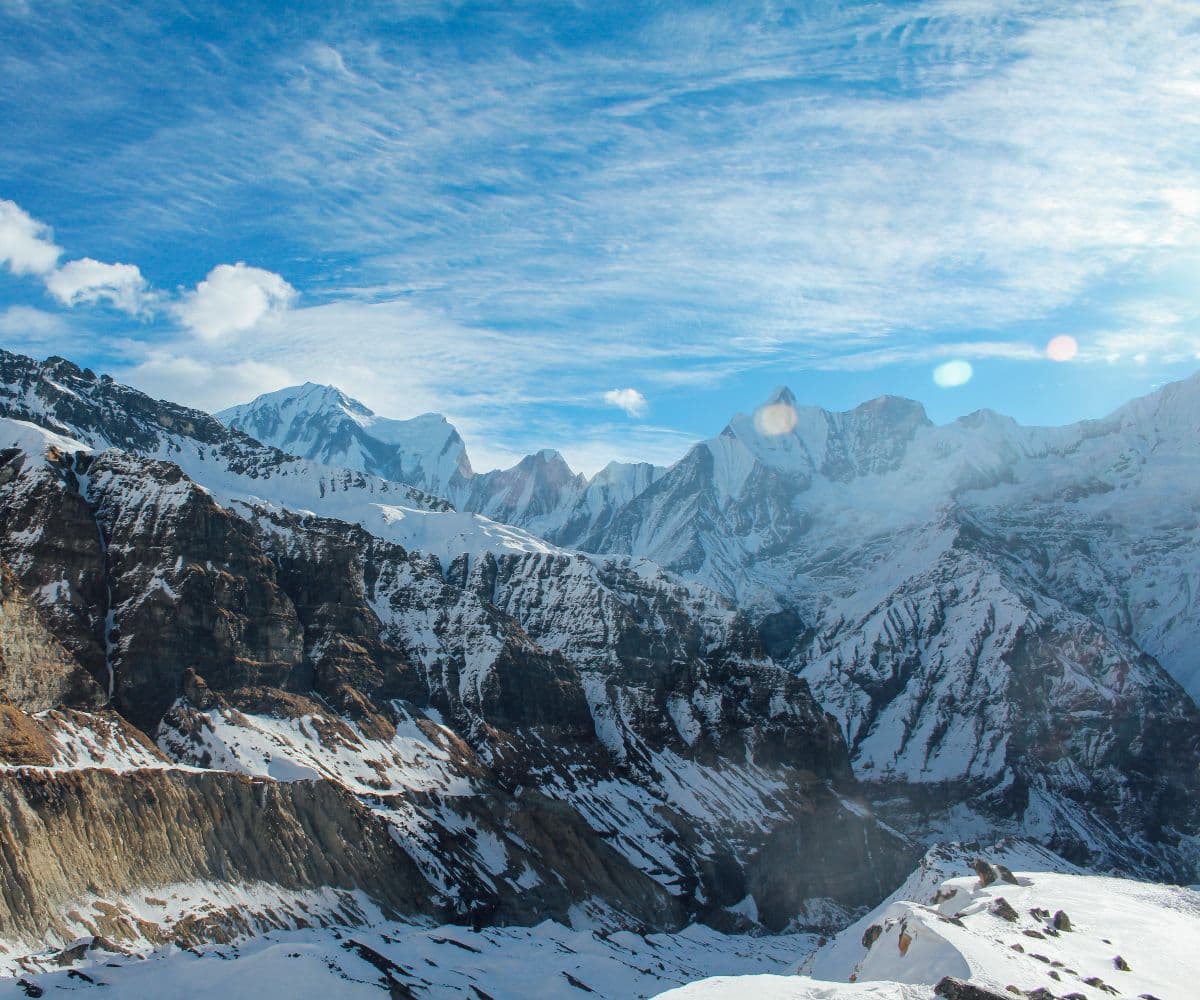
Ice climbs present you with some of the most amazing views out there. You will see snow-covered peaks with frosty cliffs. Watch iced in streams and large expanses of unspoiled wilderness.

Langtang, Manang, and Rolwaling offer an unfiltered view of the mountains. Every location presents you with the backdrop of the Himalayas.
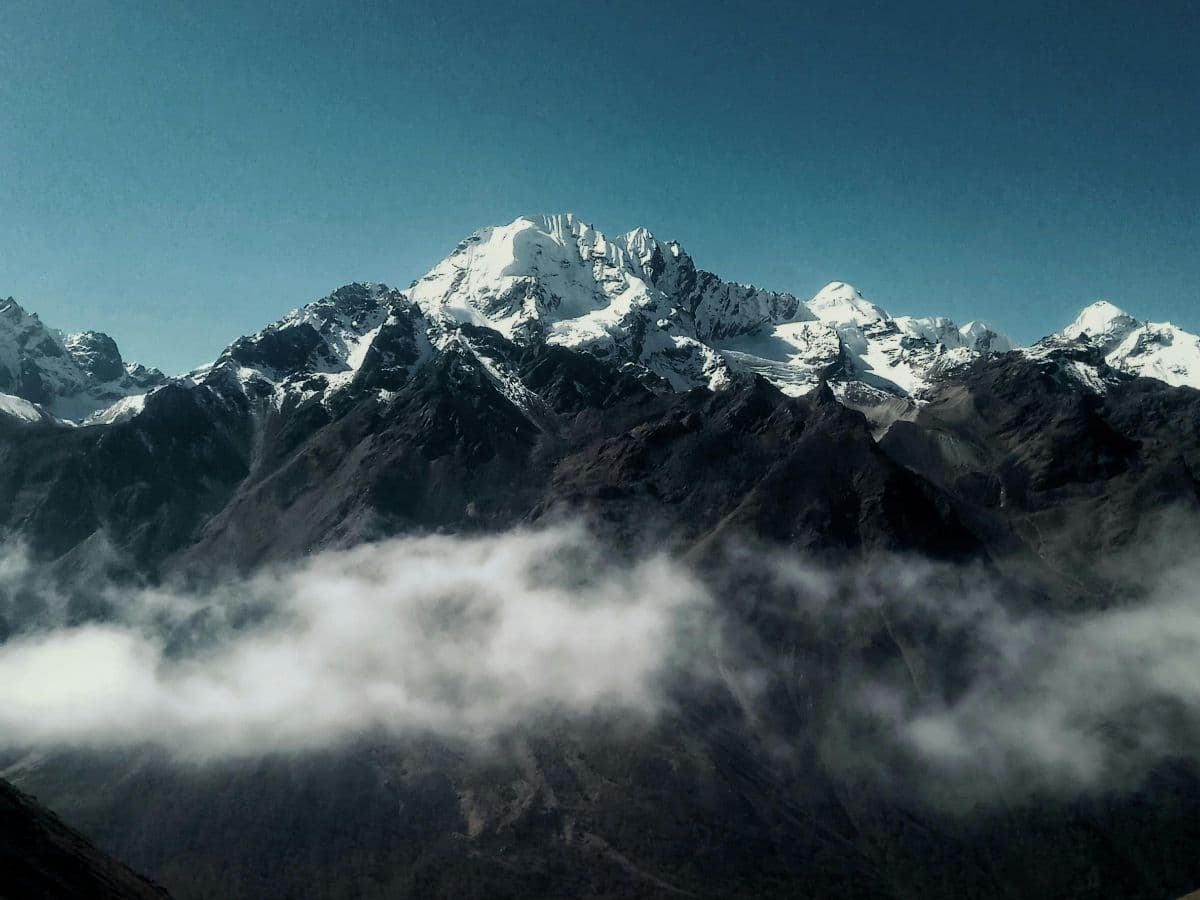
On bright days, you may see out to the famous mountains like Langtang Lirung, Annapurna, or Mera Peak. The quiet in these high-altitude settings is magical.
For photo enthusiasts, what better way to spend your time than in Nepal, which has it all for the ice climber. From action to wide-angle shots of climbers locked into ice walls. Panoramic images of frozen valleys and that golden mountain light. The options for great photos are endless.
At early mornings and late afternoons, we see the best light. This brings out the character and beauty of the mountains. You can use a professional camera or your smartphone. Your picture here will be as amazing as the climb itself.
Conclusion: Push yourself with Ice Climbing in Nepal
Ice climbing in Nepal is a personal challenge. It is an exploration of raw Himalayan beauty. It is a very different kind of adventure from the typical trek.

From climbing glacial waterfalls in quiet valleys. Or stand under huge peaks that loom over you, each moment is a push of your limits in the best way. Whether you are a first-time ice wall goer or a pro after that next great ascent, Nepal has it all.
This is a journey to prove your strength, grow your confidence, and put you in tune with nature. It is a chance to experience Nepal in a very special and unforgettable way.
So, pack what you need, step out of your comfort zone, and see the ice-covered trails of Nepal for what they really are. A chance to see how far you will go.
FAQs
1. Is ice climbing safe for beginners in Nepal?
Yes, for beginners, ice climbing may indeed be safe if you get into it with the right instruction. But always go with an expert guide and do not go at it alone.
2. Can I rent gear for ice climbing in Nepal?
Yes, shops have rental of most of the required gear in Kathmandu and in climbing hubs such as Pokhara.
Crampons, ice axes, helmets, harnesses, and mountaineering boots are available for rent at great prices. It is a great option for people who do not wish to travel with heavy equipment.
3. Do I have special insurance for ice climbing?
Regular travel insurance doesn’t usually include high-risk activities such as ice climbing. We recommend you get adventure or mountaineering insurance, which includes high altitude coverage, emergency evacuation (helicopter rescue), and medical care. Also, read the policy details very carefully.
4. What are the top locations for first-time ice climbers?
Langtang Valley and the area around Kyanjin Gompa are a great choice for beginners. We have easy access, simple routes, and very experienced guides there. In the Annapurna region, Manang has moderate routes and amazing scenery.
5. What level of physical fitness do I have to be in for ice climbing?
While you don’t have to be a professional athlete, we do see that a good level of fitness is a plus. In ice climbing your whole body is used, which includes your legs and arms, while in that heavy gear.
6. Can I get ice climbing training courses in Nepal?
Yes, Nepal has mountaineering schools and local agencies that provide short training programs in basic ice climbing skills. They cover the use of crampons, ice axes, ropes, and safety equipment. Some tour operators include training at the start of your trip.
7. What are the best times of year for ice climbing in Nepal?
Ice climbing is best from December to February when waterfalls and glaciers are fully frozen. During the wintertime, the temperatures are low, which in turn keeps ice conditions stable for the sport.
8. Do I need a permit before going ice climbing?
For most areas, a National Park or Conservation Area permit is necessary. But for advanced climbs, which may include the Khumbu Icefall, special climbing permits are required. It is best to check with your guide or tour operator.
9. What type of lodging is near ice climbing areas?
In places like Langtang and Manang, teahouses are available for lodging. In more remote areas like Rolwaling or Hinku Valley you may have to camp. Your tour company will usually put in place the proper accommodation according to the area.
10. Can I combine ice climbing with trekking?
Many climbers put together ice climbing with trekking into their itineraries. For example, the Langtang trek, which can be done with ice climbing days at Kyanjin Gompa. It is a great way to experience Nepal’s culture and adventure on the same trip.