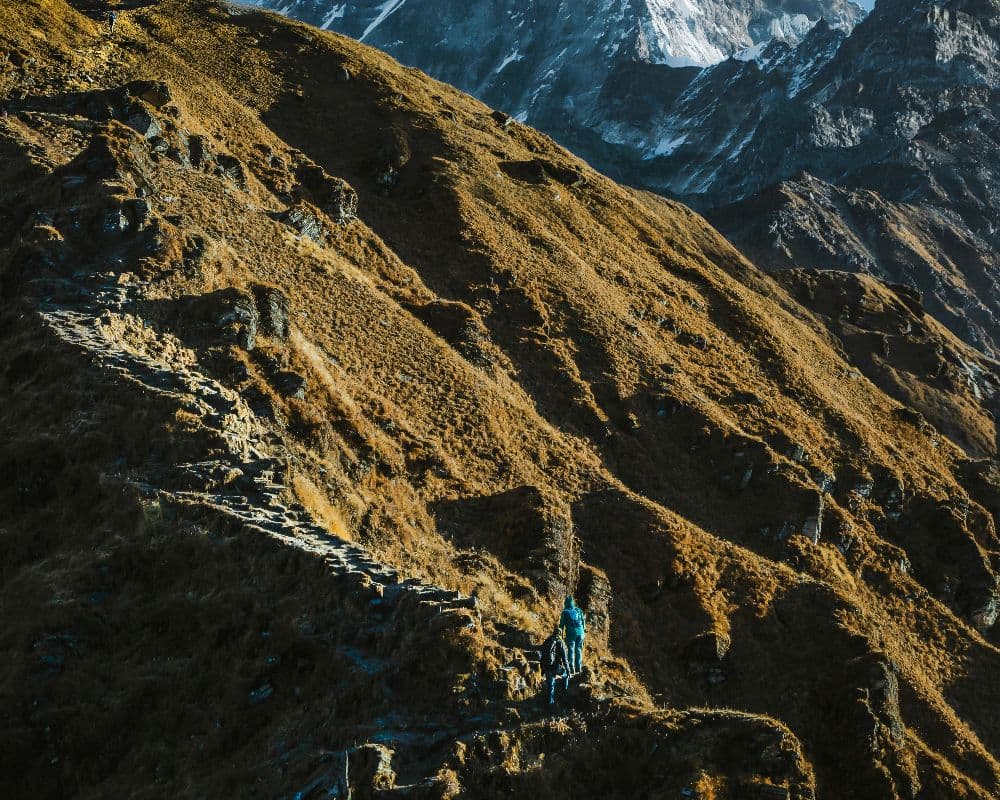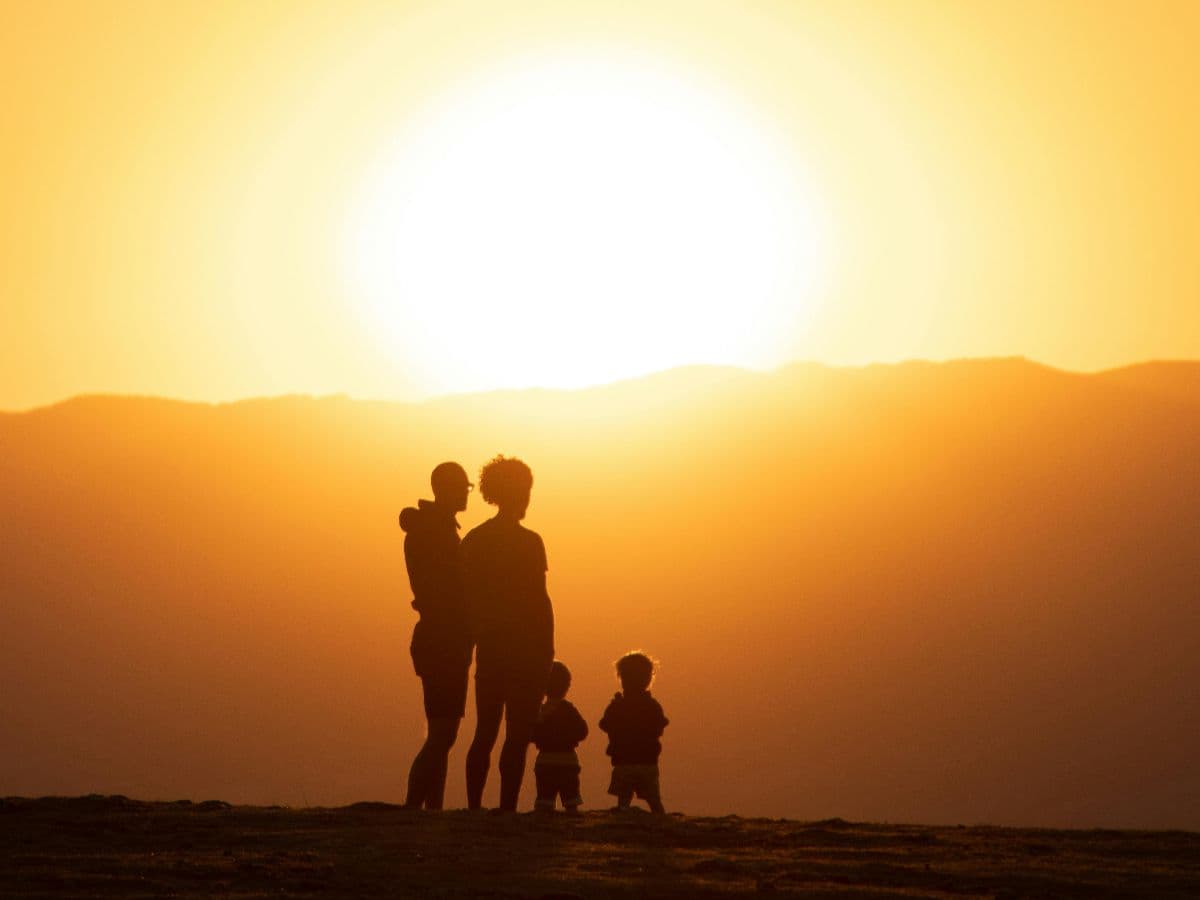
Trekking in the Himalayas is the dream of many, and guess what? You do not need to wait till your children grow up before you can live that dream. Trekking with kids is, in fact, one of the most fulfilling family adventures.
One can imagine hiking through peaceful forests together. You will cross swinging bridges and see yaks and mountain goats. Throughout, snow-capped mountains form the backdrop. Sure, there is more planning to be done. But adventuring in the Himalayas with your mini explorers is possible and safe.
Choose the right route, preparation, and attitude. And a Himalayan trek can be an experience that your children will never forget the rest of their lives. Here in this blog, we are going to take you through all the information that you need. The right trek, packing the kids, dealing with altitude, and making them happy.
This guide can assist anyone who is going trekking for the first time. Yes, even for an outdoor-loving parent who wants to get an exciting new adventure.
Can I Take Children to Trek in the Himalayas?
Yes, you can trek with children in the Himalayas. It is necessary to select the appropriate path and plan accordingly. Lots of families with children trekked in Nepal. They made a memorable experience for these families to spend together. The trick is to know the terrain. Prepare for the altitude. And learn about your child's capabilities.

Hiking in the Himalaya does not replicate a normal hike back home. Getting to the mountains takes longer, the air is thinner, and the weather may turn in a short period. This is the reason safety should be the first consideration. People who have never tried any long-distance walks should not attempt high-altitude trekking. Begin with shorter and lower treks with minimal chances of altitude sickness.
Setting a slow and steady pace and making time to rest and drink water are always essential. Another thing is to keep track of your child's health care on the trek. Look out also on the fatigues, dizziness, or nausea on loss of appetite. It might be indications of altitude sickness.
Being aware that something is abnormal, do not be afraid to go down or have a rest day. Pack a simple first-aid kit. Carry children's medicine, band-aids, and altitude sickness tablets prescribed by a doctor. Trekking with kids in the Himalayas is not dangerous. Moreover, it's not unfriendly to children. But they need proper guidance, a flexible itinerary, and 24/7 care.
It is best to hire a guide and a porter who has been there before. In case of an added difficulty, the person can help in pulling through.
Best Himalayan Treks for Families with Children. The route becomes very important when one is trekking with kids. You will need a trail that is not too long, does not go too high, and has some comfort in between.
The following are some of the finest family-friendly treks in the Himalaya. And yes, they are suitable for people with kids in them. There are fewer walking hours in these routes with scenic views. They have easy access to food and shelter, which are convenient.
Ghorepani Poon Hill Trek
The Ghorepani Poon Hill trek is one of the favorite family treks in Nepal. It is not so long and can be taken within 4 to 5 days. Poon Hill lies approximately 3,210 meters above sea level. It is not dangerous to children new to high altitudes.

It is a beautiful trail that goes through rhododendron forests and attractive villages. You travel through Ulleri and Ghorepani. It has a well-marked path, easy elevation, and the locals are very accommodating to kids.
The magical view of the sunrise from Poon Hill is amazing. Yes, it sits over the Annapurna and Dhaulagiri ranges.
On the route, there are tea houses to stay in and have home-cooked meals or a snack. This makes the journey comfortable.
Langtang Valley Trek
Langtang Valley is another nice choice. It is more adventurous yet at a level that a family can cope with. But most importantly, the trail is rather close to Kathmandu. The hike normally takes 7 or 8 days. Moreover, it reaches a height above 4,500 meters. It is also high but moderate, depending on the altitude.
This hike is not hectic. Few people take up the Langtang trek. So, it's good to take children hiking, who may not cope with busier paths. The trail is up the Langtang River through forest, alpine meadows, and Tamang villages.
It can be organized to go at the speed of your child's ability, and there are some resting places on the way. Young trekkers find trekking in Langtang Valley interesting. It's also educational due to its rich culture and welcoming natives. Also, you find snow-capped mountain views.
Ghandruk Village Trek
The Ghandruk Village trek is just right for newcomers. Furthermore, it is an ideal trek to go with your children. The hike takes no more than 2 to 3 days to complete. The highest altitude is at about 2,000 meters. As such, it leaves nothing to worry about altitude sickness.

The path is flat with a decent climb. You walk by lovely terraced paddies, forests, and small Gurung hamlets. Ghandruk is a beautiful village on top of a hill. It has ancient-style apartments and some amazing landscapes of the Annapurna range.
Children will be happy to walk on the stone-paved streets and talk to various people. There is even a small museum in the village. Here, children can learn about Gurung culture and traditional life in the mountains.
Australian Camp Trek
The short (about 1 hour), easy to trail, an Australian Camp trek. It's located close to Pokhara and is an excellent hike. Yes, even with very little kids or first-time trekkers.

It is most often passed as a day walk or an overnight adventure. The path is not that steep, and the hike takes several hours between Kande and the camp. Families find themselves with vast open views. You will find a view of the Annapurna and Machhapuchhre mountains at the top.
The children have a lot of space to play and explore in many ways without facing danger. You can stay at the camp itself.
The Australian Camp Trek is also popular with young families. Toddlers or young children might not be prepared to undertake long treks. Given the short distance involved, it is easy to navigate, especially in emergencies.
Everest Panorama trek
Everest Trek is the best way to show your family the mountain. But if you are not prepared to take a long and high trek, then the Everest Panorama Trek is where you must visit. This trail leads you to Tengboche (approximately 3,860 meters). It normally takes 5-7 days.

There is an opportunity to observe Everest and other peaks. But you can get it without reaching Everest Base Camp. It also runs through Sherpa towns such as Namche Bazaar. The area holds bakeries, shops, and comfortable guesthouses.
The famous Tengboche Monastery is also open to visitors as a family. And they can experience the culture of the Khumbu region. The path is in good condition. The long ascent rate is significant as regards hiking with children.
What Is the Right Duration for a Family Trek?
The perfect length of a family trip to the Himalayas is based on the age of your child. Likewise, it includes the level of fitness and experience with the mountains.
Adults can take more extended and difficult routes. Children should have shorter routes and have time to rest. Also, a means to entertain themselves and adapt to the environment.
For Children Below Six Years
If your kids are below 6 years old, the safest option is an extremely short trek taking 1-3 days. Such hikes are relatively short in walking hours, easier trails, and lower altitude.
The Australian Camp trek or the Ghandruk Village trek is ideal for this age. Baby carriers allow parents to carry children as toddlers and rest frequently.
Six to Ten Years
With children aged 6 to 10 years, you can organize a 4 to 6-day trek. The age group is curious, much more active than younger children. But, they still need high levels of breaks and encouragement.

The Ghorepani Poon Hill trek or the Everest Panorama trek may be wonderful solutions. Ensure that the number of hours of walking is limited, say a total of 4 to 5 hours daily, and enough rest is taken.
Preteens and Teenagers
You may think treks of slightly longer duration, 7 to 10 days, in the case of preteenagers and teenagers. The young adventurers are generally more conscious of their surroundings. They can walk farther.
Teens and preteens can trek in Langtang Valley or even a part of the Annapurna Circuit. It can be good if your pace is slower and you get the appropriate acclimatization. Do not make things a race. Make it fun together. A family trek is not only meant to get to a destination but also to create memories.
Best Time for Trekking with Kids in the Himalayas
True, the location while trekking with children in the Himalayas is important. One needs to select the right season.

Your choice of time of year depends a lot on the weather, trail conditions, and all-around comfort. To families, spring (March to May) and autumn (September to November) are the best times to trek in Nepal.
Trekking with your kids in Spring
Spring (March-May) is a beautiful season to go trekking. It is warm during the days and not so cold in the evenings, ideal when it comes to children. The skies tend to stay clear. There is a line-up of the flowering rhododendrons. It is among other types of hyper-colored flora.
During this season, the forests become very green. The wind becomes gentle, and there are excellent sights of the snow-capped mountains. Spring is the ideal season with children. The days are long, and the surroundings seem to be lively and friendly.
Autumn treks in Nepal with your Children
The other outstanding trekking season with kids' season is Autumn (September to November). The air is fresh and clean after the monsoon. The mountains are particularly clear-looking. It is not too hot during the day, and there is a tiny probability of rain.

It is also the festive season in Nepal. The largest festivals of the nation, such as Dashain and Tihar adds a cultural depth to your visit. which is both enjoyable and educational to children.
Seasons to try to avoid
Spring and fall have predictable weather and are good conditions with maintained tracks. These seasons are safer and more fun for kids than winter. It can get bitterly cold in the Himalayas.
The monsoon season, which comes with rain and muddy, slippery trails and leeches. After trekking in ideal months, your family will experience nature. Gain an insight to culture and adventure of the Himalayas. But not in a tough way.
Fitness Level of Kids for Trekking in the Himalayas
Children do not need to be sporty or to be involved in athletics to have a trip in the Himalayas. Even though there is a major significance to the general level of fitness.

When you go trekking, you are walking several hours per day, probably on a rather uneven surface. So, it will be far more comfortable and pleasant if you prepare your child. This makes him/her have some stamina beforehand. Start with walks every day that become a part of the life of your child. It can entail easy walks in the park, weekend hikes, or a school trip, wherever it may be.
Increase the amount of distance and difficulty gradually. So that they become used to walking for longer hours. Light jogging, cycling, or other outdoor games can help too. The exercises improve balance. The strength of the legs and energy levels are vital in a trek.
It is also good to train carrying a small backpack. When you go on practice walks, you can make your child carry a light bag of water, shreds, or a jacket. This will be training them to walk using a small day pack when we are on the actual trek.
Finally, talk with your child about the trek. Show them photos of the trail, mountains, and the tea houses. When the kids are aware that they are expected to do something, they will be confident and excited. A physically active and mentally ready child can easily cope with the trek. They will also enjoy every step of the trek.
Altitude sickness in Children: How to manage it
Hiking in the Himalayas will usually involve hiking higher than 2,500 meters. It means that thinner air and concerns of altitude sickness may arise.
Children are not an exception. As such, they too can encounter the symptoms associated with altitude. Hence, one needs to be vigilant and act early, along with the prevention measures.
Symptoms of Altitude Sickness in Children
Watch these advance warnings:
Headache or grumpy mood
Loss of appetite or nausea
Fatigue or abnormal drowsiness
Difficulty sleeping
Lightheaded or wobbly walking
Being short of breath at rest
Note: Children might not manage to state what they feel. So, this is why it is important to watch their mood, energy, and eating patterns.
Prevention Tips for Altitude Sickness
The best way is prevention. The following are some main pointers:
Take it slowly, ascend at low rates: Limit the daily trek to fewer than 500 meters at elevations above 2,500 meters.
Rest days: Have acclimatization days in your schedule. It allows your child to adjust to the same altitude.
Hydrate them: Remember to ensure your child is well hydrated even without thirst.
No heavy exercise in the beginning: Make your child walk slowly and gradually in the initial days.
Do not skip meals: Offer frequent snacks and meals as a source of energy.
Techniques of Acclimatization That Help
The most important thing is to help your child adapt to the altitude:
High up, low down: At least attempt some short hikes to high levels during the day. Descend to a lower altitude to sleep.
Resting and observation: Give your child more breaks than normal. Monitor your child to give out indicators of discomfort.
Night clothes: Night clothes should be warm. Cold weather may contribute to stress in the body. So keep your child comfortable and warm at higher altitudes.
What to Do If Symptoms Appear
In case your child is developing signs:
No more uphill: Do not proceed uphill until all the symptoms are gone.
Provide them with ample fluids: Have them drink loads of fluids to keep them hydrated and away from bed.
Go lower if symptoms worsen: In case they fail to improve or show serious manifestations. Look out for vomiting, trouble breathing, and confusion. Get to a lower altitude immediately.
Medical care: Tell your guide and be willing to call medical help in case it is required.
Medicines and why to use them
Discuss with your pediatrician before the trip about altitude medication. Take Acetazolamide (Diamox). It can either be taken as a preventive or a therapy, but with the right medical guidance.
Make sure a first-aid kit is safe to use on children and carry it along. Know what to do in case of need. Most children may adapt well to modest heights with proper scheduling of the trip. Keep a low rate of speed and frequent monitoring.
Emotional and Mental Preparation for the Trek
Hiking in the Himalaya does not only mean a physical adventure. But it is also a first emotional and mental experience for the kids.

The journey should be positive and pleasant. To achieve that, one should make their child feel confident and excited. Avoid making them feel nervous and scared. Even a small psychological training exercise before the trek can do a lot.
Plan with your Kids
It is also among the most effective ways to build suspense. It is by engaging your child in the planning process. Make them help with the selection of the trek, and show them pictures of your destination. Make them familiar with the villages you will walk through.
Communicate with them about the journey in an entertaining manner. They feel like a part of the adventure instead of only tagging.
Adventure Talks and Storytelling
Make the trek into a narrative. You can tell it like, on this trip, there are chances of finding yaks. Or riding on swinging bridges, and staying in tiny tea houses.

Browse books or watch videos together about the Himalayas. What it's like living in the mountains, or other children who have undergone stuff like this. Fear should be put out of the picture. Instead, put a sense of wonder, which brings in some element of excitement.
Let Them Choose Some Gear
Go shopping with your child to buy trekking supplies. Allow your child to choose what he or she wants, such as a backpack, a water bottle, a hat, or trekking poles.
Possession of their own special items makes them feel responsible. They have something to expect. You may even allow them to bring along a small toy or a pack of notebooks on the trip.
Mini Adventures
To get your body used to the actual trek, take some short hikes or spend the night out before you do it. Such little activities allow children to get accustomed. walking, being outside, and sleeping in unfamiliar locations. The more accustomed they will be, the less scared they will be during the actual trek.
Talk About Difficulties in a Constructive Manner
Say that there can be weary legs, hilly walks, and chilly mornings. You can even mention how enjoyable and rewarding it will also be.
Tell them that it is alright to have a break, and you will be by their side throughout the process. The emotional strength is developed with support and persuasive messages. A child who is mentally prepared will have a better time traveling and deal with the highs and lows of the trip.
Children's Clothing and Gear Checklist
One of the most important things during treks in the Himalayas is packing. You need to pack the correct clothes and equipment for you and your child. It is so you can maintain the comfort and safety of your child.

The mountains have fast weather changes. You will need to be prepared for warm days, cool nights, and even light showers that might occur.
The following checklist of essentials and necessities that your child must carry. Read it in extreme detail:
Clothing Essentials
Base Layers: Thermal tops and bottoms made from light fabrics. It ensures that they stay warm at high altitude.
T- shirts: Lightweight, breathable t-shirts to wear in the daytime during the trek.
Fleece Jacket: A warm and decent fleece layer to keep in the evening.
Down Jacket: Insulated jackets are essential. There are low tensions in the morning air and at high during afternoon. Also, these jackets are normally of kids' size.
Trekking Pants: comfortable, stretchable, easy to walk in a pair of pants. No jeans, please.
Rain Jacket or Poncho: In case of sudden rainfall more layer of rainproof will do well.
Warm Hat/Cap: A warm hat in the form of a woolen cap to keep warm and a sunhat during the day to avoid the sun.
Gloves: You can find lightweight gloves and warm gloves. They will be handy in various conditions.
Socks: Several pairs of rapid-drying socks and extra under garments.
Footwear
Shoes: Strong, ankle-protecting, and waterproof trekking boots. Ensure that they are well broken in ahead of the trip.
Camp Shoes/ Sandals: To use after the trek when walking around the tea houses or the camp sites.
Accessories
Sunglasses: High-quality UV sunglasses. They will protect their eyes when they are at high altitude.
Water bottle or Hydration Bladder: Drink enough water during the activity.
Small Backpack: Small and lightweight daypack. They can be used to carry snacks, water, and a light jacket.
Headlamp / Flashlight: Kid-sized headlamps are useful at night.
Buff or Scarf: To protect the neck or face when it is windy or the ground is full of dust.
Extra Luxury Items
Snacks Motivation: Healthy snacks, such as energy bars, biscuits, or nuts.
Toys or Books: One small toy, a story book, or a sketchbook to keep them occupied between rest.
Notebook or Travel Diary: have them write or draw their experience- it will be a fantastic memory!
Hand sanitizer and Wet Wipes
Toothbrush, Toothpaste, and Sunscreen-safe-kid-safe sunscreen
Tissues and a Small Towel
Individual Drugs and Basic First-Aid Supplies
Hydration and Trail Snack Tips to Use with Your Children
It is important to maintain healthy and hydrated children during a trek. Their energy requirements are also at a higher level. They are still growing and use calories during the act of walking.
Offer the appropriate snacks along with them. Likewise, frequent water consumption can keep them balanced and in a good mood.
It is recommended that when selecting snacks, you select healthy ones. Pick snacks that are easy to carry, e.g., nuts, dried chips, granola bars, and chocolates.

Good fats and protein in nuts sustain energy. Chocolates are used to get instant energy when the body tires. Snacks that melt easily are not preferable, nor are ones that are light enough that they can carry them.
They are also concerned about hydration. Children might never feel the need to drink water all the time. But it is important to drink water regularly to avoid drying up, as it will be even drier at higher altitudes.
Make kids have water bottles that they can easily handle and fill. Other parents prefer to take electrolyte drinks. Some prefer powder mixtures to put into water to restore the lost salts through sweating.
Have children drink water in small amounts through short sips by intervals as opposed to consuming or gulping it in huge amounts. Also, remind them to have little snacks between meals instead of having them wait to have meals.
This constant replenishment of food and water keeps them with well-balanced energy levels. It also prevents fatigue or irritability on the trail.
The Top Family Travel Insurance to Trek in Nepal
Good travel insurance is important when trekking in the Himalayas with family. It gives you relief since it covers you against unforeseen circumstances. Events like sickness, trauma, cancellation of trips, or emergencies.
When travelling with children, it is even more important to select the right policy. Pick one that will cover the nature of risks in high-altitude trekking.
Why is Travel Insurance Important?
Sometimes trekking in the secluded mountain regions may lead to some unexpected experiences, such as changing weather, altitude sickness, or accidents.
Health care help may be distant and expensive. Travel insurance assists in paying hospital bills, evacuation, or rescue by helicopter. It can also save your money by insuring against trips being canceled or lost property.
What Should I Look for in a Trekking Policy for a Family?
Medical coverage:
Ensure that the plan includes medical care. Help with hospitalization and evacuation of all family members, including children.
Trekking to high-altitude coverage:
Certain policies cover trekking above a certain elevation. In case you want to go higher, seek a policy that covers trekking all the way up to at least 5,000 meters.
Trip cancellation and interruption:
This lets you cancel or shorten your trek. The cause can be illness, weather, or other emergencies.
Missing or delayed luggage:
This comes in handy when one is traveling with children. They may have extra items or equipment.
Adventure activities cover:
See that the insurance cover includes the adventure activities. You can engage in trekking, camping, or even paragliding, if you intend to do it.
Homestays as an Alternative to Tea Houses
Trekking with kids, the area where one stays at night is significant comfort and safety. Tea houses and homestays are the two most frequent opportunities available in Nepal. They provide different experiences, but there are several differences that are worth noting by the families.
Tea houses are little shelters situated on the common trekking trails. They often offer single-room or shared accommodations, basic food, and amenities such as a bathroom and even hot showers.
A lot of tea houses cater to children and provide a warm, social environment to families where they have the chance to socialize with other trekkers. In general, they are clean and well-kept, although some areas have worse ones than others.

Homestays, however, are the equivalent of living in the native families or their guest rooms. This alternative will provide a more real flavor of the culture and an opportunity to speak about the local way of life and culture. To children, it may be an entertaining method to also meet Nepali children and taste home-cooked foods.
But facilities are also limited in homestays that might be a bit primitive in the country, as compared to tea houses, and hot water may not always be on. Levels of hygiene are different, so you just need to search their reviews or consult with your trekking guide on the homestays where families can stay.
To sum up, tea houses and homestays are two things that might work as family trekking, and it depends on your preferences. Tea houses are more predictable and comfortable, and homestays are more culturally concentrated.
Picking a camp hotel with individual rooms and well-cleaned facilities will also help you provide your children with the sleep they require once they have been on the trail.
Make Trek Fun and Educational
A trek in the Himalayas with children is a fantastic opportunity to explore and learn at the same time. It is always better if the journey is packed with fun yet educational information, as it will keep the kids stuck to the observation and make each step more memorable in their lives.
Nature journaling is one of the good activities. Provide your child with a small notebook to make notes or drawings describing the things that he or she sees during the walk along the trail. Animals, plants, views of mountains, or people who are native to the area. This promotes observation, creativity, and the ability to recollect the trip.
Just taking photographs is another method of making the trek exciting. Children enjoy taking pictures of exciting viewpoints with cameras or by using a smartphone. You may transform it into a game, suggesting that they take photos of different objects: birds, flowers, or traditional houses. Then you can go together, looking at the pictures afterwards, and discuss what they found.

Ask your child to recognize the plants and animals he or she can encounter on the trek. Use simple renaming of popular trees, flowers, and birds in the Himalayas. It is possible to take a simple field guide to assist with identification or use mobile applications.
This practical education creates an understanding of respecting nature and guides the children toward an understanding of the special biodiversity of the mountains. Lastly, tell tales relating to the neighborhood culture and traditions. Discuss the subjects in the villages you walk in, what they are, their festivals, and how they live. Children like reading stories, and this helps them to develop and recognize the great Nepali heritage.
Trekking with a Baby or Toddler – Is It Possible?
There is a great possibility of struggling with trekking in the Himalaya with a baby or toddler, but it can be done with preparation and with assistance. Lots of families also opt to have very young children with them, which is especially so on not as challenging, low-altitude trails that do not presuppose long walking hours per day.
A good baby carrier or a hiking backpack to be able to carry small children and hold them comfortably and safely is one of the major trekking necessities when dealing with a baby or a toddler.
These devices enable parents to have their hands available, and yet the child remains safe and near. Ensure that you select one that is well-padded, has sun protection, and has a space where your child can sit or nap.

The trek may be eased by hiring another porter or guide. They can also bring other equipment, supplies for the child, and assist with any kind of need along the way. When it comes to going on a trek with a baby or a toddler, the best option would be to choose shorter, low-altitude treks. Trails that do not exceed 3,000 meters prevent the dangers of altitude sickness and make the walking days non-exhausting.
Other tourism zones, such as the lower Langtang valley, Annapurna Foothills, or Pokhara region, present lovely views without necessarily having to be excessively difficult.
By being fully prepared, having the right equipment, and having the correct expectations, hiking with a toddler or a baby can be a positive experience that makes beautiful memories as a family.
Hiring a Guide for a Family Trek in Nepal
When you are trekking with your family down the Himalayas, it can make a significant difference to hire an experienced guide. An excellent guide understands the patterns of the path, culture, and ways to deal with such issues.
To families, the guide must be someone experienced in children's trekking and know what they require. A child would require patient guides that can regulate the speed to avoid tiring the kid.
They can also keep the kids safe on treacherous trails and can teach them or make them learn about the environment and local traditions.
Guides usually book hotels, food, and permits, which may be a big stress reliever for the parents.
Before booking, inquire with your trekking company about guides for a family, about their experience. Other guides are even being trained in first aid or altitude sickness to provide additional safety. With the reliable guide, your family trek will be pleasant, relaxing, and worry-free.
Budgeting for a Family Trek in Nepal
A family trek in Nepal is significant in planning your budget. Prices may easily mount, and it is always nice to be informed about this in advance, particularly when you take kids around.
You will then be required to pay trekking fees, which, depending on the age of the child, may vary in payment fees. During your trip, you must check the active regulations.

Children's food may differ, where they have smaller servings or child-safe food, but it is advisable to carry some comfort snacks with them to avoid unnecessary expenditures. Remember also to put up good gear, such as jackets, shoes, and backpacks, in case your child is not well equipped with good trekking gear.
It is also an extra cost to hire a guide and porter, which can make your experience much better. There are local guides who assist in logistics and safety, and there are porters who also reduce the weight, which comes in handy with children.
Being prepared goes a long way in making your family trek enjoyable without having to cut down on your budget by estimating the prices of some of these items.
Advice on How to Handle Obstacles at Short Notice
Keep your cool and calm, as children are very observant, and they can derive their sense of security from how calm you are.
It is always better to have an alternative to bad weather as well like rest and alternative routes.
Carry a simple first-aid kit with drugs against such common diseases as colds, stomach upset, and headaches.
Allow open communication, kids are allowed to share their feelings and be active listeners.
Use the distracting methods, such as games, stories, or songs, to cope with tantrums or boredom.
But have a loose schedule each day; do not be hard on a child when he or she is tired or not feeling good.
Keep snacking and maintaining a steady number of fluids.
Always bring your warm clothes and other rain gear just in case it smartly changes.
Your guide or porter can be helpful when you need patience solving the issues on the trail- he or she should be experienced.
Remind everybody that difficulties are an adventure part and it is possible to face them together.
Local Culture and How Kids Can Learn from It
Nepal is a fantastic place to do trekking, and children can come into close contact with local culture. Exposing children to the lifestyles, cultures, cuisine, and languages of the Himalayan people enables them to learn and accept other lifestyles.

Encourage children to notice and to inquire about typical clothing that people wear, festivals that people engage in, and activities that people perform every day in their lives in villages. It can be a good idea to provide kids with a local flavour, but by testing the local cuisine, such as dal bhat or momo.
They also learn a few words or greetings in Nepali or local languages, which will be a part of their experience and will develop respect towards the communities that they visit. This cross-cultural experience will make children more open-minded and more inquisitive about life.
Hiking with Solo Family vs With Group Family
The decision to trek alone or as a group will depend on your family's choice and needs. Treks undertaken by groups usually provide chances of social interaction, a fixed itinerary, and are cheaper as the guides and porters are shared.
But there is the danger that group treks are rigid and may not be as flexible, and you might be walking at a particular pace, and you have the kids, and the kids may require more rest or a slower rhythm. Personal space and privacy may also be restricted.
Family treks that are privately arranged are more flexible and comfortable. You can make your own schedule, have additional rest days, and even make the experience completely child-friendly.
The choice option is more personal because of the guides, accommodations, and meal control. There are pros to both; you will need to look at your family's style, budget, and comfort level before committing to an option.
Last Words: Why You Won’t Regret Hiking with Your Kids
When you take your children to trek in the Himalayas, it is not just a visit through the spectacular mountains but a visit that stays with them forever, as it bonds them with the family and opens their eyes to all the marvels of nature.

Well, it requires planning, patience, and some flexibility, but the results are well worth it. You will never forget the sight of your child making his first steps on a mountainous trail.
You will never forget the joy in his eyes when you show him snowy mountain peaks, or you will never forget a quiet moment by the side of a mountain stream.
Therefore, when you think you might not want to trek with children, then the answer is yes. Make the most out of the journey and just live in the moment. The Himalayas are known to strike hearts and reach souls, especially so when it is seen together heart to heart with your little ones.
FAQS
1. When is the most appropriate season to hike with kids in Nepal?
Spring (March to May) and autumn (September to November) are the best seasons to go on family trekking. This is because during such seasons the weather is moderated, skies are clear, and the trails are slipperier and less dangerous to the kids.
2. Can children use trekking poles, and are they worth using?
Yes, trekking poles are suitable to be used by kids. They assist the balance, ease the burden on knees, particularly during steep trails or rough terrains. Children's poles, which are of the adjustable and lightweight variety, are best suited.
3. What can I do to protect my children against insects and bugs on the trek?
Apply insect repellent appropriate to children and make them wear long trousers and long sleeves in the morning and evening hours when insects are in high numbers. A mosquito net is available in case mosquitoes are a problem in the tea houses or homestays.
4. Do popular family trekking routes have any medical facilities?
Simple health clinics and first aid posts are available in most trekking regions, though such facilities are variable. One should bring a small medical kit with him/her and have an emergency evacuation plan in case of an emergency.
5. What can I do to keep kids well-fed on a trekking diet?
Promote balanced carbs, proteins, and vegetables at tea houses alongside snacks. Where applicable, take some home food, especially where your child is hard-nosed.
6. What type of shoes should children wear on Himalayas treks?
Stable, ankle-supporting trekking shoes, waterproof and comfortable to wear, are preferred. Don’t wear new shoes on the trek; break them in long before.
7. Should children be allowed to play with electronic devices on the trek?
Though a little screen time may be beneficial at the time of prolonged walks or rest, everyone needs a tip in electronics and activities involving nature. Teach children to look at the things around them and interact with them.