Nepal is renowned as the land of towering peaks and world-famous trekking trails. To reach the trails, you have two means, as it is a landlocked country. One is by road and the second is by flight.
Many tourists opt for the shortest way, which is by plane. The views from the aeroplane are mesmerizing. But they are rather short. It also comes with frequent delays and cancellations. To extend the timeframe, a road trip is the best way.
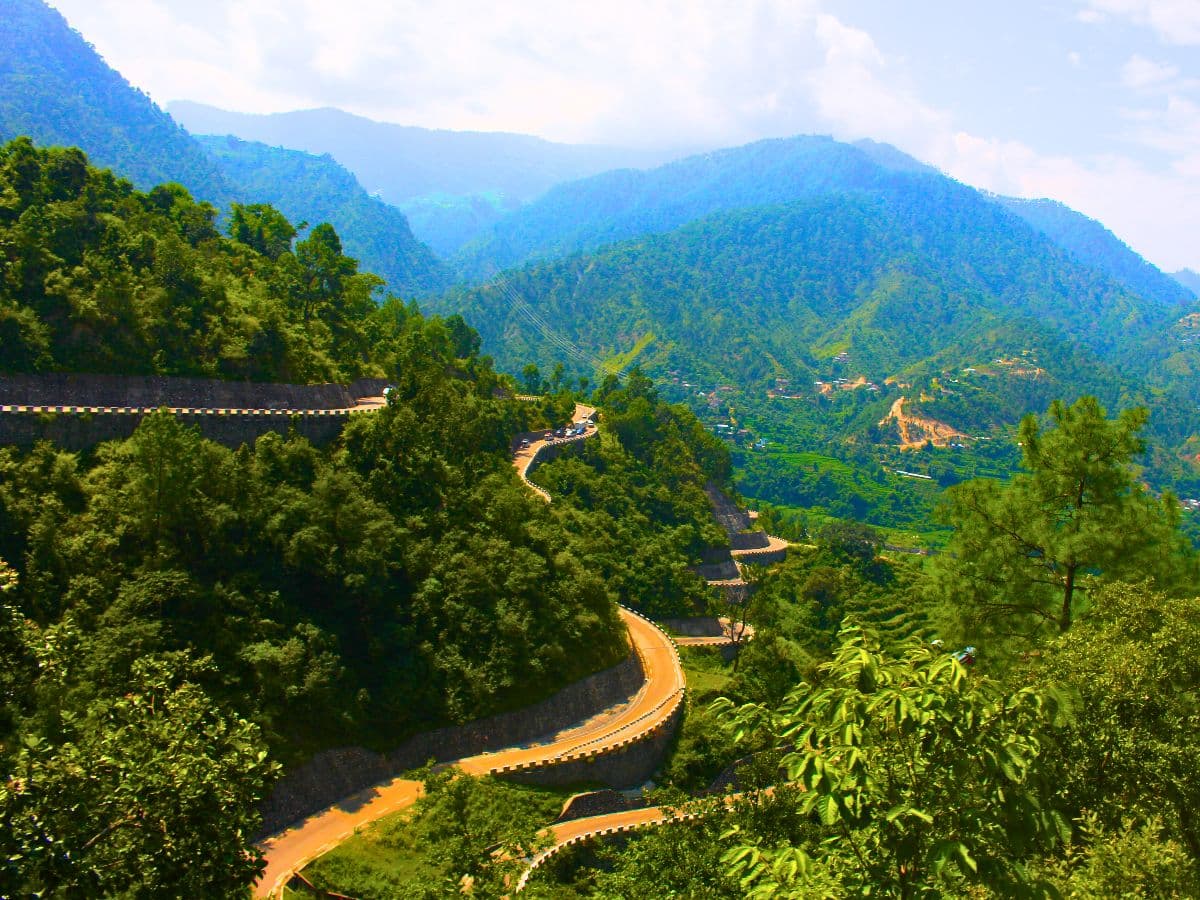
Imagine riding along winding mountain roads. Watch the snow-capped Himalayas glinting ahead. And jeep past rice terraces, waterfalls, and centuries-old villages. A road trip in Nepal offers something trekking can’t. You can weave between regions in days. Experience multiple climates and cultures on a single journey.
But here’s the big question: Is a road trip worth it in Nepal? If so, should you use a motorbike or a jeep? Let’s explore the pros, cons, costs, and best routes. Decide how to chase the horizon in the Himalayas.
Why Consider a Road Trip in Nepal?
The most common way for tourists to travel in Nepal is by flight. However, it keeps you confined to the flight’s schedule. You make plans around the plane’s takeoff.

A road trip in Nepal offers you freedom, flexibility, and variety. Road trips open dozens of detours. When you choose the road, you’re not just getting from A to B. And yes, you can reach Everest Base Camp by road.
You are making the journey part of the adventure. You can pause to photograph a mist-filled valley at dawn. You can also detour into a hillside village. You can stop for fresh momo, or shop at a small-town bazaar most travelers never visit.
Road trips not only offer freedom, but they are also more cost-effective. It can become the most budget-friendly if you split the cost with friends or fellow trekkers. You can experience the gradual shift from subtropical to alpine landscapes. It can be a natural acclimatization.
Road Conditions & Travel Realities in Nepal
Opting for road over air in Nepal isn’t without trade-offs. Main roads such as the Prithvi Highway and East–West Highway are relatively smooth. You can still find potholes and roadwork commencing commonly.

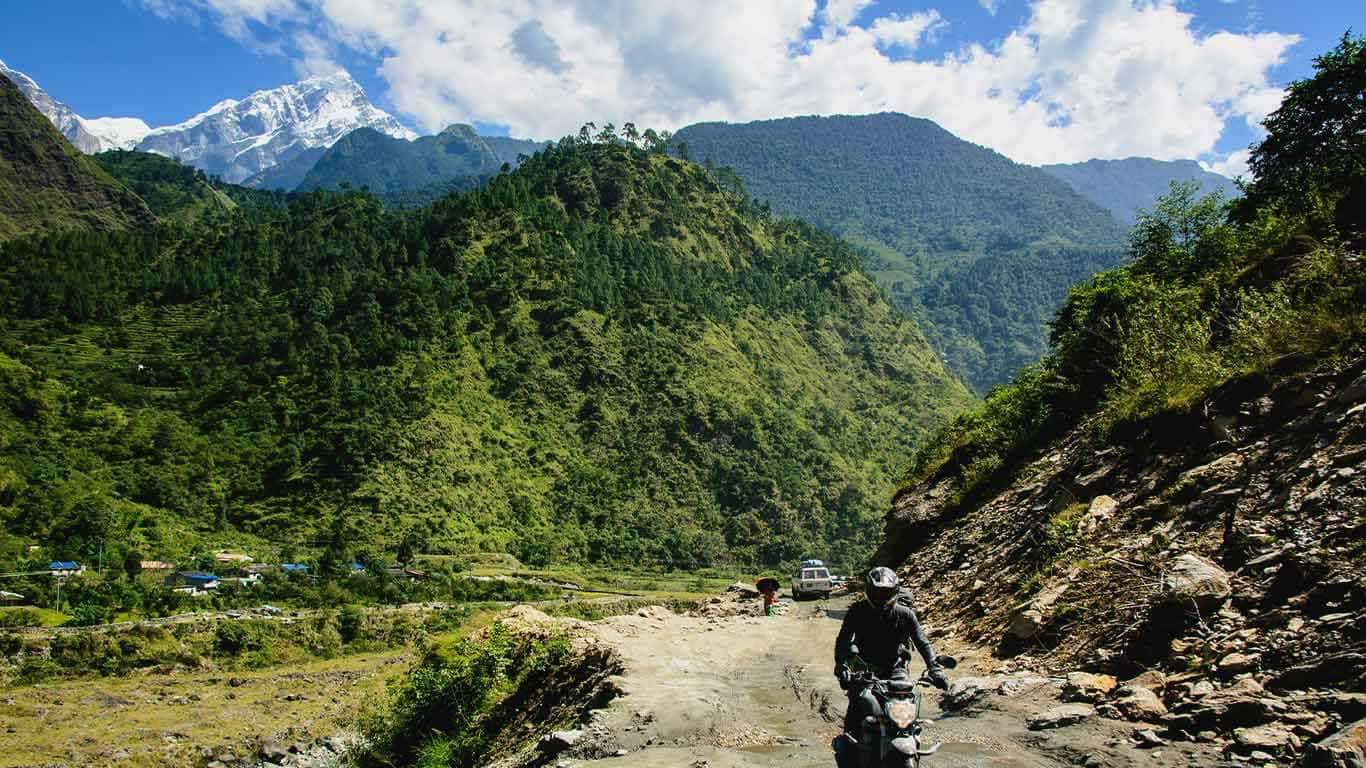
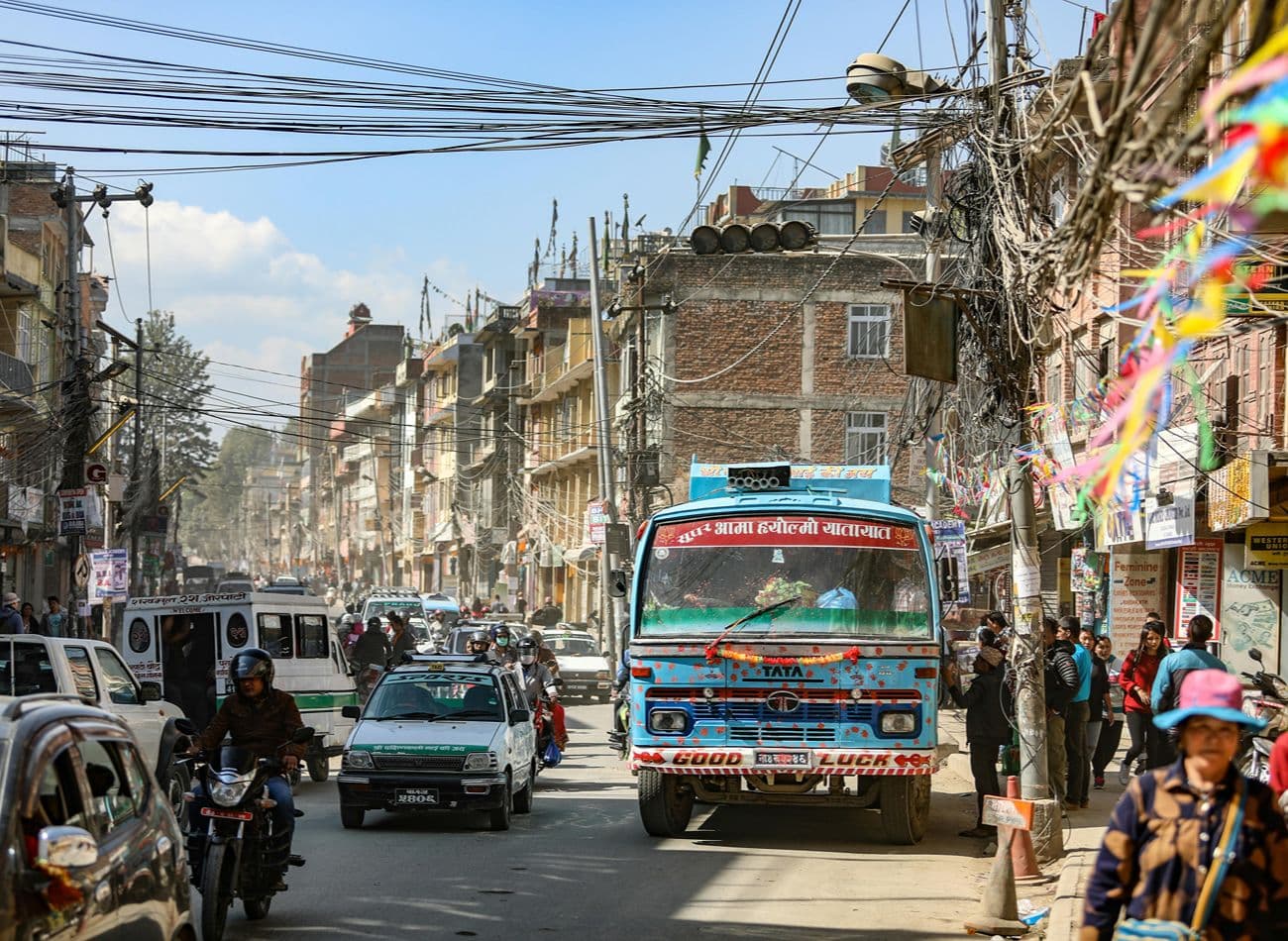
Heading toward more remote areas means navigating gravel, dirt, and rocky sections. It makes the ride slower, but often more scenic. However, Nepal’s driving culture takes some getting used to. You find livestock in the way. Moreover, buses take mountain curves faster than you’d expect.
Another aspect to keep in mind is the availability of fuel. You can find fuel easily in towns. But in remote areas, it’s mostly scarce. You may find it in reused bottles at roadside stalls. So, carrying spare fuel is always a smart choice.
Factoring in seasons is Crucial When Riding
Seasons are one thing that you cannot compromise on. Sure, you can deal with the delays and cancellations of flights. Yes, longer travel times are manageable. But the situations you face during the varying seasons are a hard, cold truth.

Nepal’s magic is the changes in the country’s geography throughout every season. You can expect various landscapes to change according to the season you visit. However, it also means each season brings its own set of rewards and risks.
Spring & Autumn (March-May and September-November)
These are widely considered the best times for travel in Nepal. Spring welcomes a burst of life and colour. During this season, rhododendron forests bloom, and hillsides are dotted with wildflowers. The temperatures are comfortably warm in the day, while still cool at night.
Autumn is widely considered the best season to travel in Nepal. Post-monsoon brings clear skies, stable weather, and a freshly washed landscape.

You have razor-sharp views of mountains and are photogenic. Roads are in their best condition after the monsoon repairs. You can find the landslide debris mostly cleared.
In both these seasons, you’ll have the smoothest road conditions. It is the safest travel window. These seasons have the highest chances of reaching your destination on schedule.
Monsoon (June to August)
The summer/monsoon transforms the hillsides into lush green wonderlands. However, it also brings heavy rains. This can quickly turn mountain roads into muddy, slippery challenges.
Landslides are the most common hazard during this period. Even the main highways can experience partial closures or slowdowns due to washouts.

If you’re traveling during the monsoon, flexibility is key. You may need to wait out road closures or reroute via alternative valleys.
There is some bright side, too. You’ll see fewer tourists and cheaper accommodation in towns. You can also experience vibrant rural life as farmers work their paddy fields. You can join the rice planting celebration, Ropai Festival.
Winter (December to February)
Winter offers crisp skies and generally dry roads in lower elevations. However, higher passes and mountain routes can be snowbound.
The road to Upper Mustang or Manang may become impassable after heavy snowfall. The icy conditions in the early morning or evening can make riding a motorbike risky.

Daylight hours are shorter during winter. This season has less time to cover long distances before dark. It is something to plan carefully in regions with minimal roadside facilities.
Winter road trips to mid-altitude destinations can be spectacular. You can also find hypnotizing views of snow-capped peaks framing every bend in the road.
Motorbike Tours in Nepal
Motorbiking in Nepal is an untamed adventure that welcomes almost anyone. These days, all places are connected by a road. True, some paths are dusty gravel roads instead of paved asphalt. Nevertheless, the off-road adds to the sense of adventure.

So, what are the top motorbike tours in Nepal? You can choose a package designed to keep you on track. If that’s not what you seek, you can venture out without an itinerary, fully unscripted. Here’s a breakdown to help you decide:
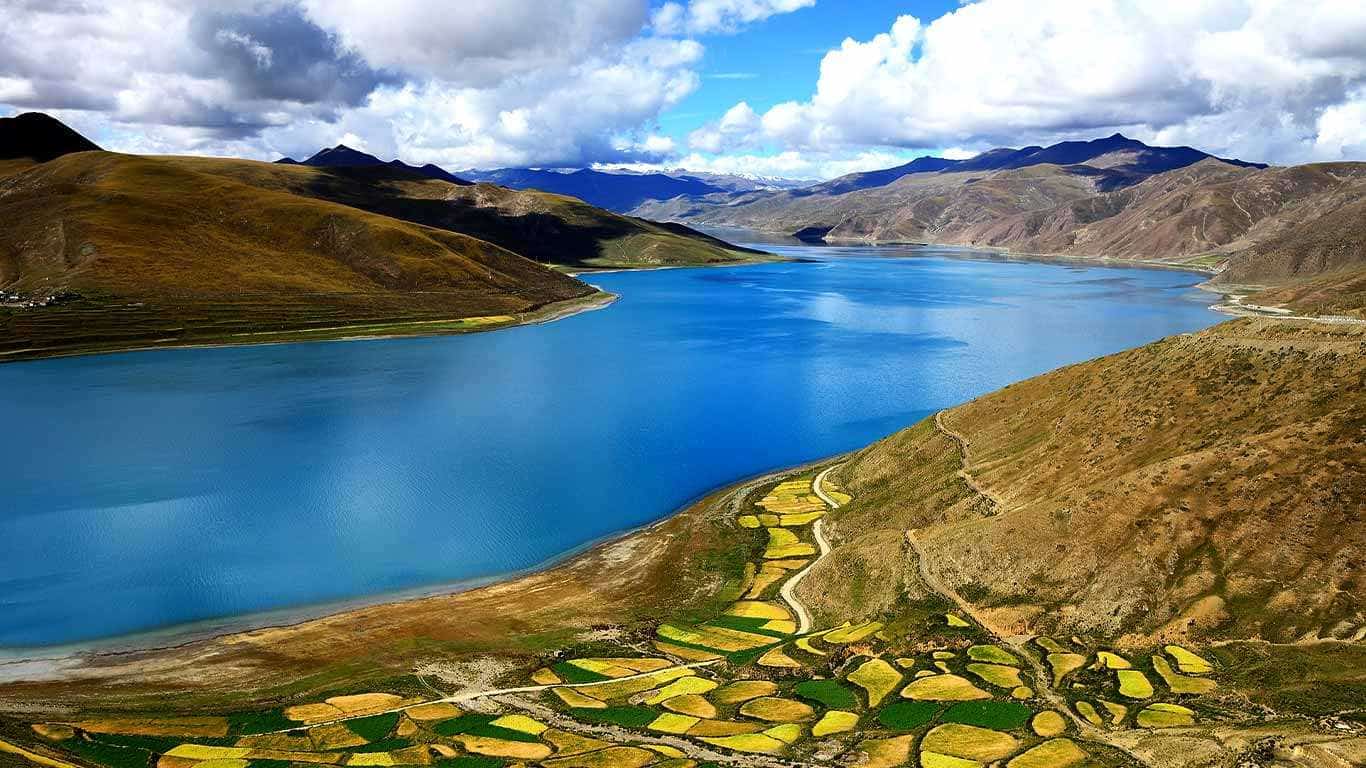
Kathmandu Lhasa Motorbike Tour
In our Kathmandu Lhasa motorbike tour, you will spend eleven days on the road. Himalayan scenery and spiritual and cultural exploration are included in this package. You will visit some of the holiest sites in Nepal and Tibet. Explore world heritage sites and more.
When is the best season for the Kathmandu Lhasa Motorbike Tour? That’s the best part about this tour. You can go on this tour in any season. But for the best experience, touring in Autumn and Spring is recommended. These seasons offer you sunny and pleasant weather.
Duration: 12 Days
Max Altitude: 5,200 Meters
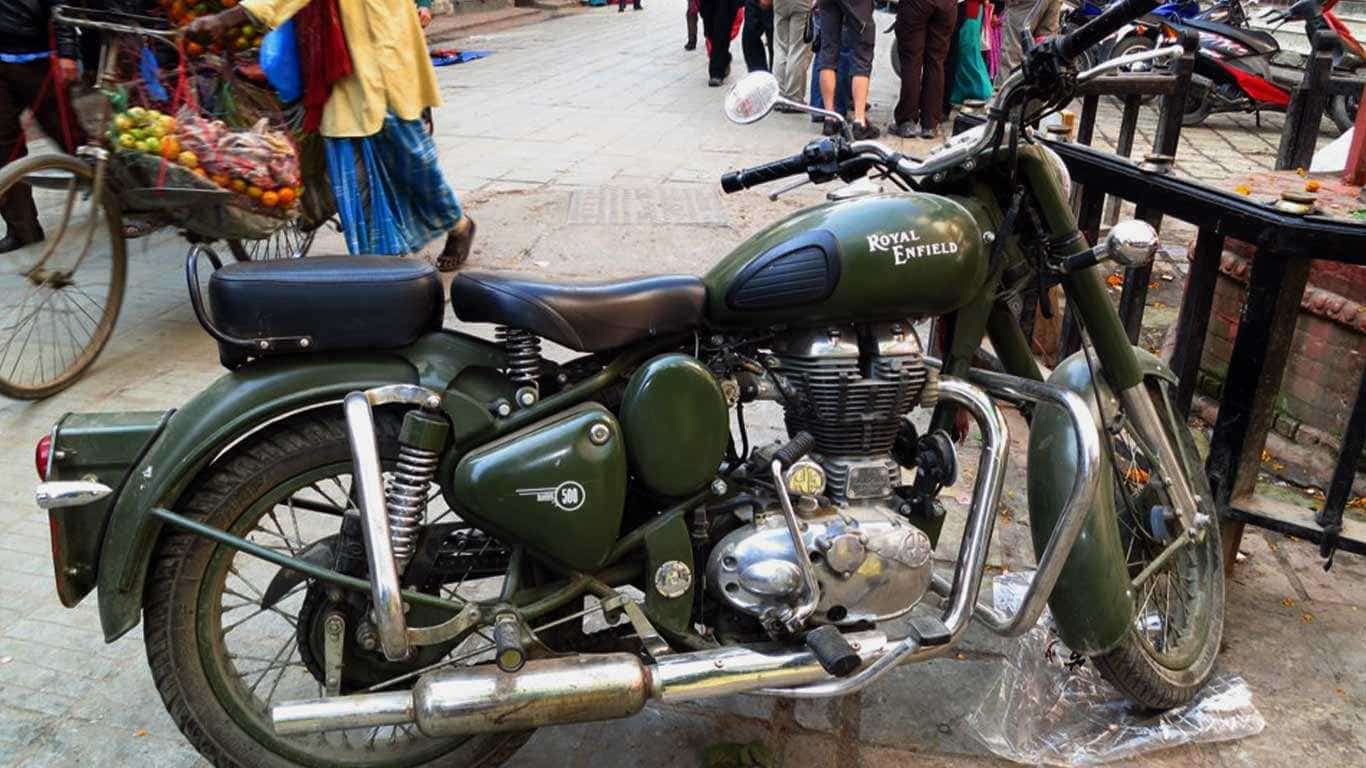
Motorbike: Royal Enfield Himalayan 411
Fuel: Included in the package
Support Van: Essential Tools & Medical Supplies
Upper Mustang Motorbike Tour
Find the ultimate freedom and relaxation as you let your engines scream. A bike tour to Upper Mustang is a must-do for a biker in Nepal.

The Upper Mustang region offers you a chance to explore untouched parts of Nepal. In this adventure, you cover five hundred kilometres.
Can the Upper Mustang Motorbike Tour be done in any season? Yes. This tour can be done in any season in Nepal. However, for the best possible experience, most do it in Autumn and Spring. Upper Mustang falls in the rain-shadow region. The roads remain relatively dry even in the monsoon.
While you can tour in Winter, snow covers the road. As such, the ride becomes difficult, and the bike may slip during the ride. You must take caution when motorbiking in winter and cold weather.
Duration: 14 Days
Max Altitude: 4,660 Meters
Motorbike: Royal Enfield
Fuel: Included in the package
Support Van: Essential Tools & Medical Supplies
Muktinath Motorbike Tour
A trip to Muktinath is filled with adventure and beautiful views of the Annapurna ranges. You can get the best experience via a motorbike tour.

Stop by some of the well-known towns such as Pokhara, Kagbeni, Marpha, and more. You experience an unfiltered Thakali culture and warm hospitality.
Is the Muktinath Motorbike Tour in Nepal available in every season? Yes, you can technically tour Muktinath in all seasons. However, for a pleasant experience, many go in the Spring and Autumn. The weather during these seasons is optimum, with mostly dry roads.
The Muktinath Motorbike tour in Nepal is available in Summer and Winter. Its path gets very cold during winter. Likewise, most roads at the upper altitude in the Muktinath area get covered with snow. The roads are wet and muddy during the monsoon.
Duration: 10 Days
Max Altitude: Muktinath 3,800 meters
Motorbike: Royal Enfield
Fuel: Included in the package
Support Van: Essential Tools & Medical Supplies
Why Choose a Motorbike Tour?
A motorbike tour in Nepal isn’t just transportation, it’s the journey of a lifetime. You find the thrill in the mountain curves and the freedom to stop wherever you please.

You can squeeze down narrow trails that larger vehicles can’t navigate. Riding through the Himalayas puts you in direct contact with the country.
Travel as you feel the crisp mountain air. Find relaxation with the smell of pine forests. You can share quick conversations with roadside tea sellers. Traveling on a motorbike offers an intimate connection with both the land and its people.
Pros of Motorbike Travel in Nepal
Ultimate flexibility:
Pull over for that perfect mountain shot
Explore a side road on a whim
Stop at a local market that catches your eye
Lower running costs:
Fuel expenses are less compared to a jeep
A budget-friendly choice for solo travelers or couples
Better manoeuvrability:
Bikes weave through traffic and obstacles
Better option for crowded villages, busy highways, or rocky mountain paths
Cons of Motorbike Travel
Weather exposure:
Rain, dust, and cold winds are part of the package
You’ll feel the weather change instantly
Physical strain:
Long hours in the saddle can be exhausting
Rough roads require constant focus and balance
Luggage limitations:
Storage space is limited
Packing light becomes a necessity
Jeep Tours in Nepal
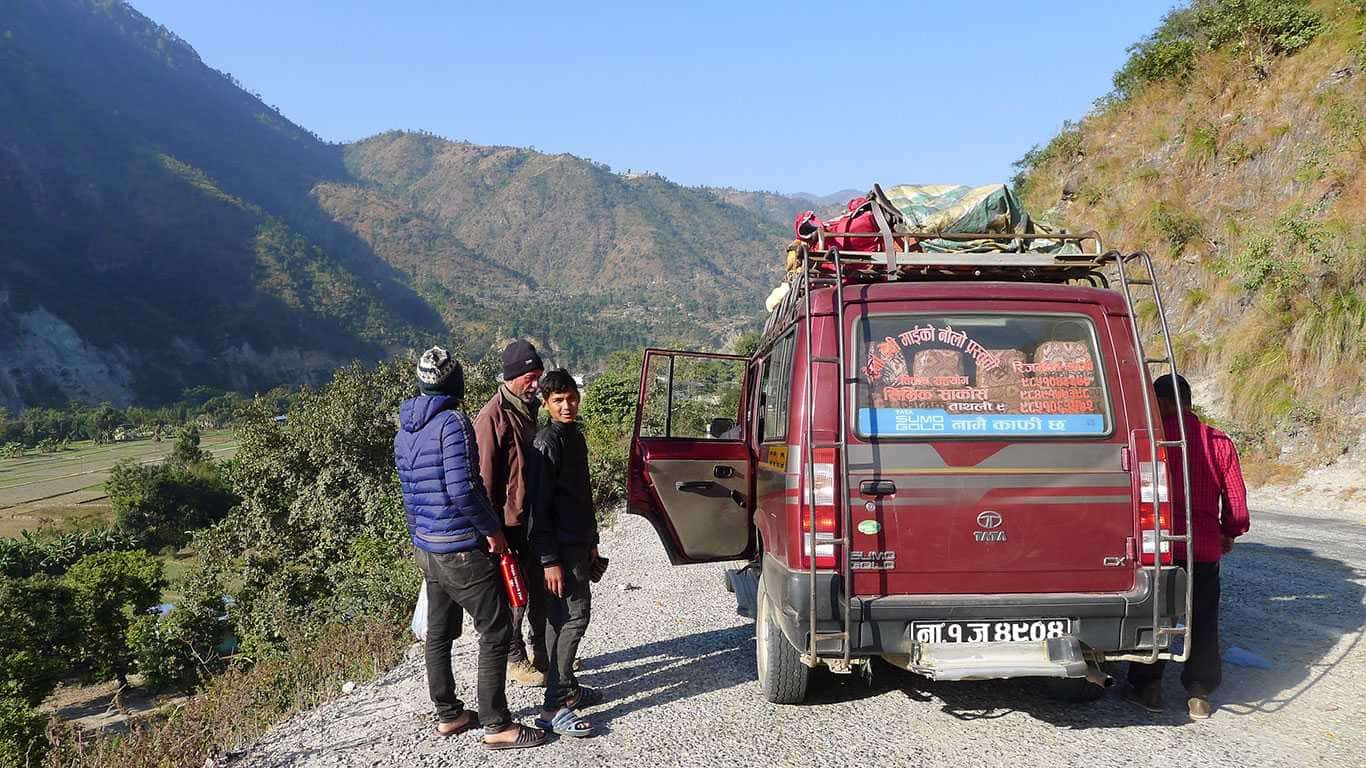
You get the thrill and intimate experience with a motorbike, true. A jeep tour offers comfort and capacity. The jeep provides the ability to handle rugged terrain with less physical strain.

Unlike motorbike tours, jeep tours are perfect for groups and families. You can have beautiful scenery without worrying about driving or trekking. Here are some of the most rewarding jeep journeys in Nepal:
Jomsom Muktinath Jeep Tour:
The Jomsom–Muktinath route blends Himalayan beauty with spiritual significance. The jeeps take you through the rough, offbeat trails.

Experience the first-hand beauty of Kagbeni and the Kali Gandaki Valley. You can comfortably tackle the bumpy, rocky stretches past Marpha on jeep tours.
You reach Muktinath without much challenge in a jeep. The temple is a sacred pilgrimage site for both Hindus and Buddhists. Seek blessings and renew your soul after offering prayers in the Muktinath temple.
The tours are available for almost all seasons. However, for the best experience, the Spring and Autumn seasons are recommended.
Duration: 10 Days
Max Altitude: 3,800 Muktinath
Jeep Type: 4WD Land Cruiser
Medical Supplies: First Aid Kit
Upper Mustang Jeep Tour
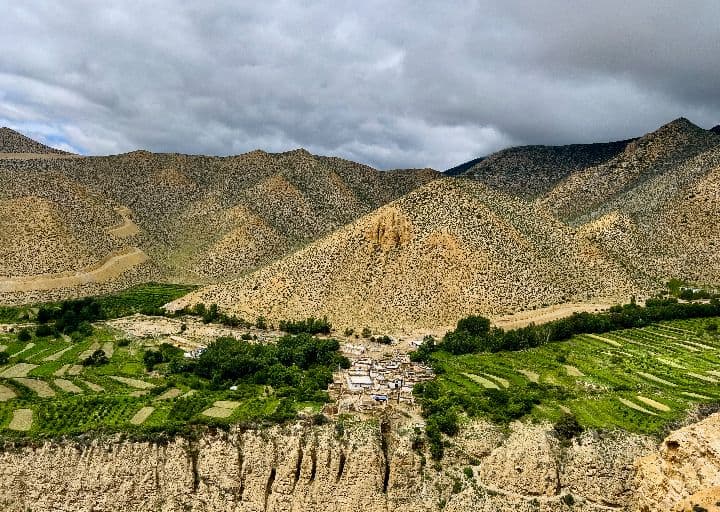
Upper Mustang Jeep Tour is hard to beat when it comes to mystery and landscape. It is known as “Last Forbidden Kingdom.” This remote region is a restricted area as it is home to Tibetan Buddhist culture and traditions. The jeep journey through a windswept desert plateau.
Comfort is key here, as the roads are rough and dusty. Journeys through the jeep allow you to explore deeper into hidden valleys. You gain it all without the physical toll of multi-day trekking. You can experience the tour during Spring, Summer, and Autumn.
Duration: 14 Days
Max Altitude: 3,800 Muktinath
Jeep Type: 4WD Land Cruiser
Medical Supplies: First Aid Kit
Rara Lake Jeep Tour
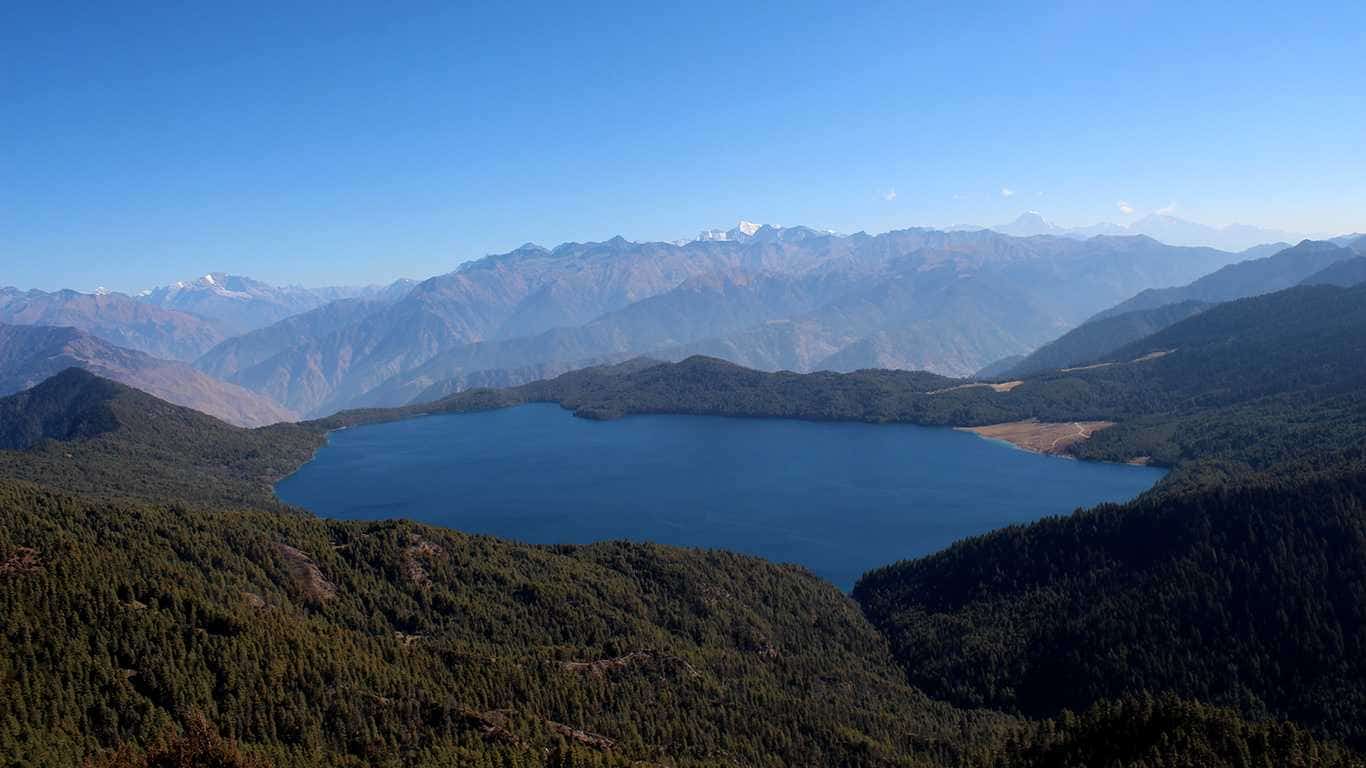
Rara Lake is tucked away in northwestern Nepal. Rara is the largest lake in the country and arguably one of its most beautiful. The journey is long with multiple days of travel.

A jeep makes it possible to traverse remote mountain passes. You venture through forested hills and high-altitude meadows with relative ease.
The serene blue waters set against snow-capped peaks welcome you in the national park. This trip offers travelers an immersion in Nepal’s untouched wilderness. All of this without committing to a lengthy trek.
Duration: 10 Days
Max Altitude: 3,710 Murma Viewpoint
Jeep Type: 4WD Land Cruiser
Medical Supplies: First Aid Kit
Why choose a Jeep tour?
A jeep tour offers comfort, convenience, and luggage capacity. As such, touring in a jeep is often the most practical choice for a road trip in Nepal.
Enclosed seating offers protection from rain, wind, and dust. It becomes a big advantage during unpredictable Himalayan weather.

The larger storage space means you can carry more luggage. It’s perfect for multi-day journeys or trips that involve camping gear.
If you want to travel in a group or with your family, jeep touring is perfect. Everyone can have the experience without multiple vehicles.
Pros of Jeep touring in Nepal
Safer in poor weather or rough road conditions
Less tiring over long distances
Can carry more food, gear, and camping supplies
Comfortable seating for groups or families
Better stability on muddy or rocky tracks
Cons of Jeep touring
Higher rental and fuel costs than motorbikes
Limited manoeuvrability in narrow village trails
Less “open air” adventure feel
It can be slower in heavy traffic compared to two-wheelers
Safety Considerations on the Road
Nepal’s roads can be thrilling, but they’re also unpredictable. Safety should be your top priority. Expect sharp blind curves, loose gravel, and unpredictable traffic patterns. These can cause accidents in Nepal.
Road accidents and how to avoid them:
Keep your speed moderate on the Himalayan roads. Mountain roads have shorter braking distances. Anticipate hazards like landslides or sudden potholes. Avoid night driving, as many rural stretches have no street lighting.
Importance of helmets, seatbelts, and insurance:
A certified helmet is a must for motorbike riders. Helmets are important for protection and legal requirements. In jeeps, always use your seatbelt; it can make all the difference on bumpy roads. Pick insurance that covers a motorbike or vehicle in Nepal. They are important for medical facilities and repair costs.
Driving in mountain passes and during the monsoon:
High Himalaya roads are narrow and can be slippery due to snow or rain. During the monsoon season, landslides and flooding are common. As such, you must check road conditions before departure.
Essential Tips for a Nepal Road Trip
Pack layers for varying altitudes:
A single road trip might take you from humid lowlands to snowy mountain passes. Layering keeps you ready for sudden weather changes.
Carry cash for rural fuel stations:
Cities accept digital and card payments. Most small villages only use cash. But these days, some places accept digital payments.
Download offline maps:
Mobile signal can vanish in the hills. Prepare with apps like Google Maps or Maps.me’s offline data is invaluable.
Learn basic vehicle maintenance:
Knowing how to fix a flat tire or tighten a loose chain can save you hours of delay.
Get the right permits:
TIMS card
National Park Entry Permit
Restricted Area Passes
Motorbike or Jeep – Which Should You Choose?
For those wanting maximum adventure, motorbike tours are the best. Moreover, if you want to explore solo or with a partner, motorbiking allows it. And if you want to go on a spontaneous journey, go without a package with a travel agency.
Traveling on a bike lets you weave through narrow village lanes. Feel free as the wind in your face. But you will be dealing with dust, rain, and fatigue. If that sounds ideal, you can tour Nepal on a motorbike.

On the other hand, if you want comfort, safety, and luggage, jeep tours are for you. You can travel with family members and a group. Sharing incredible memories with your loved ones is easily available.
A jeep shields you from the weather. Unlike a bike, the vehicle protects you from rain and dust. Moreover, you cruise through rough terrain in comfort. With bigger luggage space, you can carry more gear. And if these sound like your ideal journey, jeep tours will be perfect for you.
Conclusion – Is a Road Trip Worth It in Nepal?
The big question is, is the journey via road worth it in Nepal? Yes, absolutely. Suppose you crave a blend of adventure, cultural immersion, and scenic routes. A road tour here isn’t just about reaching the destination. These road trips are about the moments in between.
The freedom of stopping for impromptu mountain views. The thrill of experiencing landscapes shifts from subtropical forests to snowy peaks. Whether you take a motorbike or a jeep, the journey will be memorable.

So, do you go for an independent biking tour or book a package? It depends. Touring the country solo offers freedom. However, the responsibility for your trip falls on you.
If you take a package with a travel agency, all you need to do is keep up with other bikers. We, Himalayan Trekkers, will handle all permits and on-road support.
FAQs – Nepal Road Trips
Do I need an international driving permit in Nepal?
Yes, tourists need an International Driving Permit. Your home country license is also required to drive legally in Nepal.
Is it safe to ride a motorbike in Nepal as a tourist?
Yes, if you ride cautiously, wear proper safety gear, and avoid night driving. Mountain roads require extra attention.
Can I rent a jeep without a driver?
Self-drive jeep rentals are rare. Most companies provide vehicles with experienced drivers for safety and insurance reasons.
What’s the daily budget for a Nepal road trip?
Expect USD 40–80 per day for a motorbike and USD 100–200 for a jeep. Traveling agencies include such expenses in the package.
Which is better for high mountain routes, a motorbike or a jeep?
A jeep is safer and more comfortable on rough, high-altitude roads. But motorbikes offer more adventure and flexibility.
Do I need special permits for road trips in restricted areas?
Yes, you will need special trekking or restricted area permits. Places like Upper Mustang or Manaslu require them.
What should I do in case of a breakdown in a remote area?
Carry basic tools, know simple repairs, and ask locals for help. Villages often have small roadside mechanics. In traveling packages, support vans and repairmen follow along.
Are road trips in Nepal suitable for beginners?
Yes. Expect both easy and hard routes. So, stick to easier routes. Hire a local driver/guide as a safety net. Avoid the monsoon season for the safest experience.