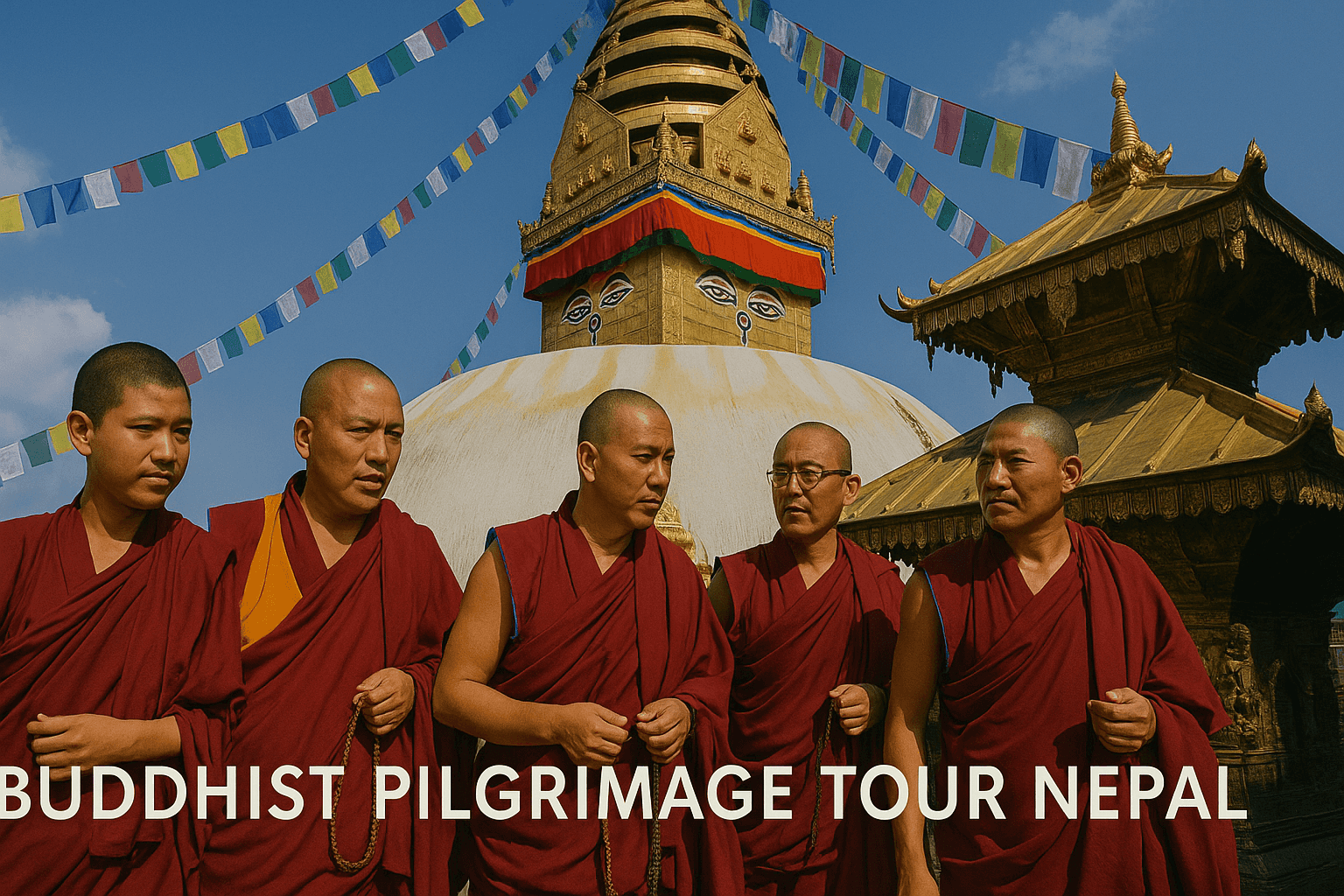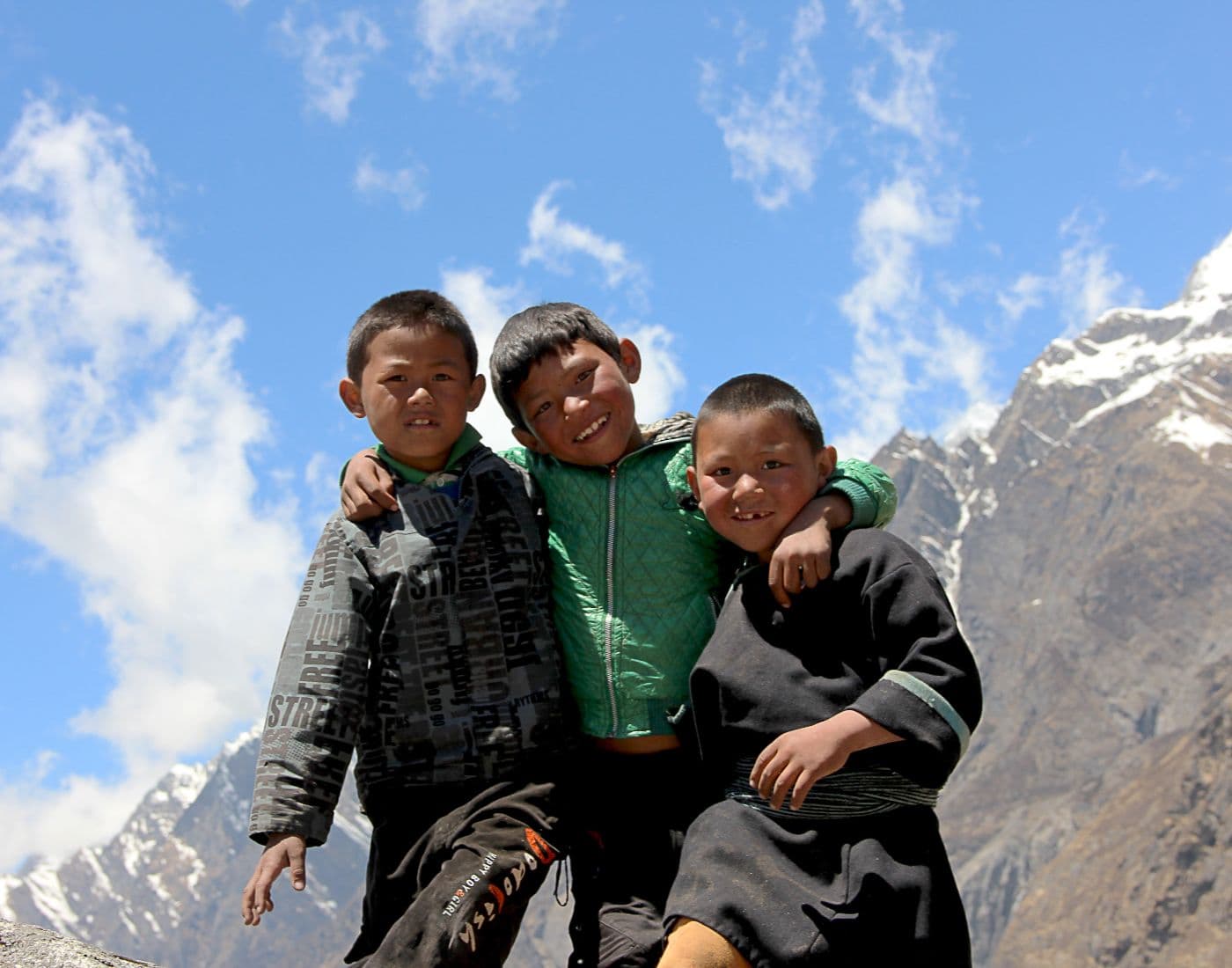
The Langtang region lies high up in Nepal's mighty Himalayas. Moreover, it is one of the most beautiful trekking locations. Langtang is also a rich cultural centre. Even today, it keeps ancient customs alive. Trekking in Langtang offers a plethora of ethnic groups. Traveling in this corner of Nepal is an immersion in spirituality.
The Langtang region lives in harmony with the harsh mountainous topography. And it has been a very long period of time. The people and culture here produce noteworthy language, art, religion, and social customs. It speaks of their history as well as their enduring strength.
How is the journey in the Langtang region?
The journey through the Langtang region is filled with culture. It will be an exciting experience beyond its breathtaking scenery. Travelers here find the experiences, ceremonies, and lifestyles unchanged for centuries.

You can enjoy traditional festivals. Watch age-old crafts and family life. Tekkers can dive into the spiritual life. This region offers a documented history. Find living heritage that is still practiced in modern times.
This blog takes a deeper look into the cultural identity of Langtang. It gives you insight into the heart and soul of its people.
Ethnic Groups of the Langtang Region
Langtang in Nepal is a culturally diverse and rich democratic region. It is located in the Himalayas north of Kathmandu. It has several ethnic communities calling it home. Moreover, each group has its own history, language, and cultural background.

The biggest ethnic communities are the Tamang, the Sherpa, and the Hyolmo. They are known for centuries of history, religion, and adaptability to mountain life. In the present position, they have determined the way of the region. Locals of the Langtang Valley are identified by these people.
Tamang people in Langtang
The Tamang are the largest ethnic group in the Langtang area. Moreover, they are one of the native Tibeto-Burman peoples of Nepal. The Tamang people are very closely related to the Himalayan geography. Their ancestor of migrated from Tibet to Nepal.
Tamang villages are widely located along the valleys and the sides of the mountains. Their native language is Tamang. Also, it is part of the Tibeto-Burman language family, and it continues that way to the present day.

The lifestyle of the Tamang people relates to Tibetan Buddhism. They brand their rituals, festivals, and practices of the day in Buddhism. Besides, animism and the traditions of shamanism are also preserved in them. It indicates a strong feeling of respect for nature and ancestors.
This mix of religious beliefs is realized through skilled ceremonies and events. The best example is Lhosar, the Tamang New Year. It is celebrated with traditional music, dancing, and communal feasting.
Social and Community
In a social context, Tamangs are very communal, as well as family-oriented. Their culture in rural areas is based on farming and animal husbandry. Trade for the economic foundations of their culture.
There is also oral literature that the Tamang people have. But their folktales, songs, and proverbs are transferred from life to life. As a result, their history and their values have been retained.
The Sherpa Community
The Sherpas are the most well-known ethnic group globally within the Himalayan region. They owe this fame to their famous mountaineering ability. In Langtang, Sherpas inhabit villages lying at higher altitudes. They have a role as part of the mountaineering and trekking industry.

Tibetan Buddhism has a solid impact on its language, culture, and religion. The Sherpas are religious people. This can be seen in the many monasteries and sites of prayer spread all over their villages.
The worship of God is a major aspect of everyday life. The activities that are carried out are praying, offering, and some festivals. Festivals like Saga Dawa, that mark the birth, enlightenment, and death of Buddha.
Society and Culture
Culturally, Sherpas were farmers and animal herders. Over the years, a great part of them switched professions. Many are mountain guides, porters, and climbing professionals. It is thanks to the rise of tourism in the region.
Their strength is familiarity with the mountains. Their way of hospitality has been the key factor in boosting the trekking economy. And it is not only increasing tourism in their region but also preserving the culture.
The Hyolmo People
Besides Tamang and Sherpa, another ethnic group is important in the Langtang area. They are the Hyolmos. They have their roots in Tibetan culture. Their existing culture is present in their language, traditions, and religion. The Hyolmo language is a Tibeto-Burman language. It is spoken by the Hyolmo ethnic group and is used actively.

The Hyolmo religious beliefs are very close to the Tibetan Buddhist religion. They have rituals of nature, spirits, and Buddha's teachings. It is much like those of the Sherpas and the Tamangs. Hyolmo festivals are colorful and combine ceremonies. You will find ritual forms of spiritual activity and social activities. They enhance the connection of people to the community.
Heritage and Culture
Storytelling and oral traditions are extremely important in the Hyolmo culture. Their culture is composed of folklore, myths, and historical stories. They give us insight into the lives of their ancestors and the ideals they follow.
The Hyolmo have been exposed to modern ways of life. They still live closely and in harmony with nature. They follow subsistence agriculture and animal husbandry.
Cultural Interactions and Unity in Langtang
Every ethnic group in Langtang is characterized by specific practices and traditions. The history of cultural exchange and coexistence is long-running. The intermarriage, festival sharing, and joint agricultural activities contribute to the people's unity.

This exchange of cultures is what enriches the social environment. Likewise, it makes it possible to preserve various cultures dynamically. The Tamang, Sherpa, and Hyolmo share a general respect for nature and spirituality.
The mutuality of their interconnectedness can be felt in the passing of festivals. Moreover, they also have similar rituals and other events within the community. That is overcoming ethnic barriers in how people come together. They share in certain events and support one another.
Languages Spoken in the Langtang Region
The Langtang region is widely known to be a cultural hub. And the languages spoken by the people in this area articulate this fact very well. Language, in this case, is not a simple communication device. It is a crucial verbal expression of identity, history, and tradition. Langtang is linguistically diverse, as many ethnic groups have long coexisted.

Nepali is the official and common language in Langtang. Nepali is a common language in Nepal. It links the various communities as the national language. Also, it allows communication across ethnic lines.
It is widely applied in teaching, governance, commerce, and tourism. For tourists, it is quite helpful to learn a few Nepali greetings. It makes interacting with the locals much more convenient. Besides Nepali, many indigenous languages are in active use in Langtang. They are closely connected with ethnic groups in the area. Here are some of them:
Tamang Language:
The Tamang language is the largest ethnic group spoken in Langtang. And it is a Tibeto-Burman language with its own linguistic structure. These are the languages with a lot of oral tradition, such as songs, folktales, and proverbs. They serve as the means of preserving the history and worldview of the community.
Although there is a growing need to use Nepali, the Tamang language forms the core of society. Particularly in villages where people are conservative.
Sherpa Language:
The Sherpa community is the most recognized nation in the world. It is due to its talent for climbing mountains. But it is also thanks to the fact that the Sherpa language is similar to that of the Tibetan dialects.
Religious and cultural knowledge depicting Tibetan Buddhism. It cannot be done without the Sherpa language. The language is commonly spoken in conversational contexts in the Sherpa villages. Most of the religious books and practices are carried out using this language. It creates a great spiritual attachment.
Hyolmo Language:
Hyolmo speaks a language of the Tibeto-Burman family. Yet it is unique due to its phonetics and vocabulary. The language is commonly used within the home and during communal activities. This has helped sustain a strong cultural identity.
Storytelling in Hyolmo is an oral tradition. The native language is quite rich in folk stories and folk songs.
Tibetan Language (Lhasa Dialect):
The Tibetan language, the Lhasa dialect in particular, influences Langtang. It's not the most relevant spoken language for the majority of Langtang residents. It is practiced mostly in monasteries and religious rituals.
It supports the spiritual existence of the area. The Buddhist Tibetan literature and songs have been maintained for over a hundred years of practice.
Multilingual Langtang
This aspect has been streamed lately. English is also used in Langtang extensively. More so in the younger generations participating in tourism and trekking services. Tour guides, porters, and the owners of businesses use English. It's mostly to communicate with the foreign tourists.

This is a multilingual skill that has assisted them in overcoming cultural divisions. It has also assisted them in facilitating the tourist industry in Langtang. It is increasingly gaining popularity. Langtang is influenced by many nations. But the local communities are very interested in maintaining their native languages. Oral traditions, festivals, and religions are essential in the preservation of linguistic diversity.
Culturally sensitive adults and cultural leaders ensure the younger generation acquires cultural knowledge. They teach their ancestral languages, as language is the window to cultural survival. The linguistic geography of Langtang is an impressive mixture. It holds both the past and the present. The visitors to the area will be able to feel this variety.
It is not only by listening to old songs of Tamang and Hyolmo that they can feel it. It is also by communicating with Sherpa guides in their own language. This colorful combination brings texture and substance to the cultural life of Langtang.
Traditional Festivals and Celebrations of the Langtang Region
The Langtang region sits deep within the Himalayas. It is not only known to be home to some of the most astonishing landscapes. It is also home to a rich cultural heritage that is enriched with centuries of culture.

The Langtang people hold many festivals. They depict their spirituality, community, attachment to nature, and respect for nature. Such festivals are necessary for maintaining the culture and enhancing connectivity among people. They impart ancestral knowledge to future generations. Every festival is a combination of ceremony, song, dance, and a feast. It is a whole community that can enjoy in harmony.
Festivals and Celebrations in the Langtang Region
Losar (New Year in Tibet):
The biggest festival of the Tamang, Sherpa, and Hyolmo is Losar, which is held in Langtang. It is usually celebrated during February or March in the lunar calendar, and it signals a new year. This festival is several days long, with elaborate rituals by monks. It also includes members of the community.
They perform them to purify bad energy and allow good luck to enter the community. Noble processions, singing, and dancing are usual. The families make special meals and pray at local monasteries. Losar is the period of renewal, hope, and social unity.
Saga Dawa:
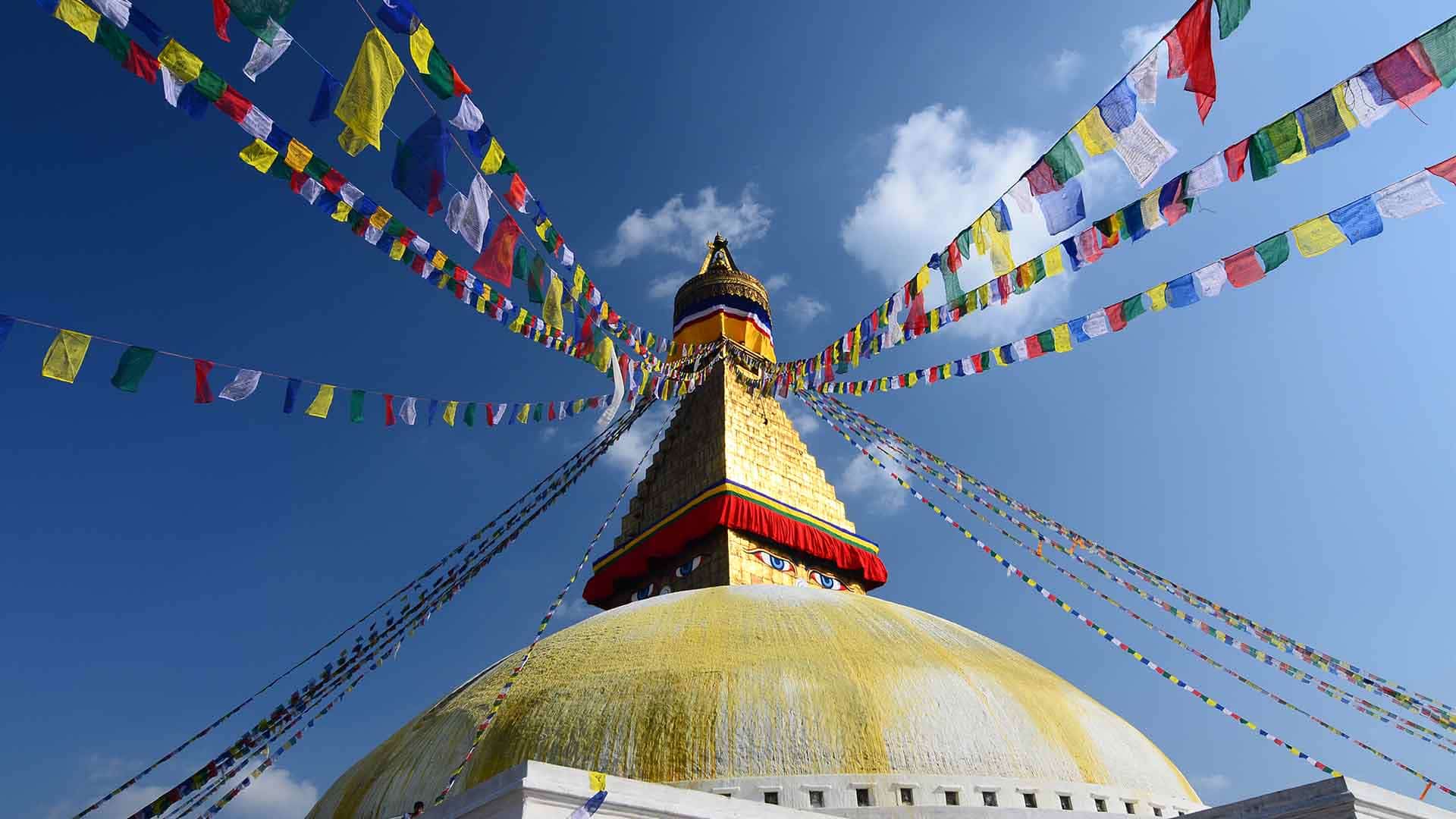
This religious festival celebrates the birth, enlightenment, and passing of Lord Buddha. Saga Dawa is celebrated with much religious solemnity. It falls on the day of the full moon during the fourth month of the Tibetan lunar month (March). The people practice prayer, circumambulation around stupas, and charitable donations to generate merit.
Monasteries are religious centers of activity in Langtang. The residents engage in offering lights of butter and recitation of religious books.
Tamang Selo Festival:
Celebrating the Tamang music and dance culture. The Tamang Selo Festival is a vibrant event that features traditional songs. It is done in the presence of the damphu, a hand drum that is part and parcel of the Tamang culture.
The festival is a celebration where different age groups gather to sing and dance. They indulge in their culture. It becomes a major platform for preserving the cultural arts of the Tamang. Besides, it also brings pride to the community.
Hyolmo Community Lhosar:
Hyolmo Lhosar is comparable to Losar in terms of spirit. Hyolmo Lhosar has its own unique ritual, dances, and family gathering. The festival is all about spiritual purity and welcoming the new year. It is also used to pass with good fortune. The Hyolmo people wear traditional clothes with pride. They make special foods to commemorate the occasion.
Chhewar Festival:
A serious festival is Chhewar, which is in honor of ancestors. Families conduct rituals and offerings for the protection and blessings of their ancestors. This memorial enhances kinship and the persistence of the family. The Langtang people really value their lineage and background.
Udhauli and Ubhauli:
These festivals are closely linked to agriculture and farming. Udhauli is a late autumn festival. And Ubhauli of the spring. They presuppose the downward migration of the animals to warmer regions. The upward movement in the higher pastures, respectively.
Both festivals have prayers for a good harvest, animal protection, and group fests. These celebrations are characterized by traditional dances and songs. It points out the cyclic presence of human beings, animals, and nature.
Buddha Jayanti:
Buddha Jayanti is a religious event and is celebrated as the birthday of Lord Buddha as a solemnity. Langtang has attractive monasteries where the faithful visit to worship. It enhances the good Buddhist heritage in the area.
Chhechu Festival:
This festival is unique to the Sherpa community and has sacred masked dances called cham. It is believed that these exorcisms drive evil spirits away as well as bless the community. The festival is a pulsating representation of spirituality, art, and mass devotion. It gives a boost to the communal strength and religion.
Local Attire and Handicrafts in the Langtang Region
The traditional dress of the people of Langtang combines utility, culture, and craft. This attire was for surviving in the cold Himalayan region. The dressing codes of the local people aim for maximum comfort and warmth. Also, it tends to the need to show ethnic identity.
Each costume bears symbols of history and traditions. The dressing is therefore an essential aspect of social and spiritual life.
In the Tamang community
The Tamang community's traditional dress for men and women is different. For women, you have ghalek, or the coloured hand-woven skirt, which is loosely tied around the waist. This is accompanied by beautifully embroidered blouses. They also wear thick jackets that are either woolen or cotton.

Men can be found in wool coats called chubas. They are durable and insulating, thus fitting the rigors of the mountains. The patterns on their clothes and their colors are usually symbolic. It holds a relation with nature and the beliefs that they hold.
Sherpa Attires
Sherpa people wear something like the Tamang. But they have special features that show their attitude, living habits, and religion. The perak, a flashy headpiece adorned with turquoises, corals, and other precious stones. It represents a status symbol and spiritual defense.

The common dress of both the Sherpa men and women is a series of layered woolen clothes. The women often wear various traditional aprons called pangdens. They are colorful and have intricate designs woven across. These costumes are used most often during festivals and ceremonies.
The Hyolmo
The Hyolmo are famous because of their unique dressing styles. It incorporates the use of multi-layered robes and tunics. They are constructed using thick wool. They usually wear clothes that they hand-dye. The colors are all natural and rendered using plants and minerals of the area.
In the Hyolmo dress, jewelry is an important part of the dress. They have amulets made out of silver, brightly colored beads, and charms. They are considered to be sources of good luck and repellents of evil spirits. This decorative piece of their clothes. It emphasizes the strong spiritual ties embedded in daily life.
Other than dressing, Langtang is renowned for a strong culture of artistic crafts. They are made out of locally available materials. It depicts the high creativity and versatility of the people. These arts are not only important culturally but also economically.
It saves old methods and offers financial sustenance to many families. Handicrafts are frequently exemplified by symbolic outlines. They are associated with Buddhist iconography and the local legends.
Among some of the well-known Langtang handicrafts are:
Woolen Textile:
Locally produced wool is coloured by natural dyes. They then produce warm shawls, blankets, and clothes. These fabrics usually have some geometric patterns and flowers. They have cultural meaning behind them, including protection against bad power.
Traditional Jewelry:
Jewelry made of silver and semi-precious stones. You will find that turquoises and coral have both aesthetic and spiritual uses. The necklaces, earrings, and bracelets are used to mark festivals. Likewise, other important life events mark status, identity, and protection.
Wood Carvings:
Wood carving occupies a great deal of religious practice in Langtang. Crafts produce elaborate prayer wheels, ritual masks, and other household objects. Most are inscribed with elaborate Buddhist signs. They are very carefully made. They hold refined details and devotion to worship. Sometimes they are found in the temples and houses.
Handwoven Baskets and Bags:
These are bamboo, cane, and local grasses woven to form bags. People use them in everyday chores as they carry food, record firewood, and farm products. They are solidly built and are quite beautiful. Hence, appreciated both locally and by visitors.
Thangka Paintings:
Thangka Paintings are religious scroll paintings of Buddhism. They represent deities, mandalas, and spiritual topics. Production of thangka is a laborious effort. It entails minute brushwork and deploying vivid natural pigments. Thangkas are both meditation texts and valuable works of culture.
Some of these handicrafts can be found in the local markets. Or while trekking through villages. The artisans can earn a livelihood through them. This makes people overcome the tradition. These rare products are in demand by tourists who buy them as souvenirs. Thereby promoting the economy of the community and the culture.
Langtang local dress and traditional craft resemble a living memorial of the region. Its attitudes, and the way of passing on the adaptation to Himalayan conditions. Visitors can glimpse the innovation and survivability of the Langtang people. Through their culture, which links the earlier practices with modern civilization.
Religious Beliefs and Practices in the Langtang Region
The spirituality of the Langtang region is an overwhelming aspect of the culture. It is one of the Himalayan settings of that region. In this case, religion does not only refer to a collection of beliefs. It is actually a lifestyle in which the community is viewed through the worldview. In daily activities and the organizational framework. Tibetan, animist, and traces of the Bon pre-Buddhist religion of the area have their religious impact.

The Tibetan Buddhism religion is the most common among the people of Langtang. The Tamang, Sherpa, and Hyolmo communities. This Buddhism believes in compassion, meditation, and the practice of rituals. Stupas and monasteries are scattered around the landscape. They are used as places to learn and to congregate. It is a time of the year that is highly sacred, and a mix of prayer, music, and dancing takes place.
In Langtang, there are animistic beliefs that go hand in hand with Buddhism. It is a part of its spiritual heritage. These superstitions revolve around the philosophy that nature has spirits. Most are associated with mountains, rivers, trees, and rocks.
These spirits are also worshiped, and many rituals are carried out by villagers.
It is a way of promoting harmony, safety, and wealth. Landmarks and sacred places are considered to be the homes of gods and spirits of the ancestors. The humility of some people towards these places is very fundamental. They ensure that there is harmony between the human population and nature.
Bon in Langtang
The impact of Bon, the old religion that existed in Tibet. It is also found in the rest of the Himalaya region before the arrival of Buddhism. It is still present in the local customs and rituals.

Bon beliefs focus on shamanism, healing practices, and nature spirits worship. It is with the course of time that they have integrated with the Buddhist customs. Spiritual healers, also commonly known as shamans. They are occasionally crucial figures in a community. Here, they perform rituals to keep away negative spirits and heal disease.
Langtang religious life is very communal. They all take part in religious activities that strengthen interpersonal relationships. They help maintain their traditions. Such mixing of Buddhism, animism, and Bon emphasizes the spiritual diversity. It also brings forth the organicity of the area.
Such beliefs provide opportunities to comprehend the roughness of the natural environment. It promotes respect, compassion, and strength. Religion in Langtang is a strong, alive tradition that is embedded in all facets of life. It maintains old knowledge and heritage. It also holds the ability to adapt to the changes of current times.
Tourists visiting the region discover a great experience for spiritual practices. People coming to Langtang find great value in the settlement. It gives them a look into the connection between people and the Himalayan Mountains.
Lifestyle and Livelihood in the region
Langtang people enjoy a life much dependent on the environment. They have a great cultural heritage. The economic options there are limited within this remote region of the Himalaya. Families learned to harmonize with the harsh conditions of terrain and weather. It has led to the creation of a rigorous lifestyle that is balanced in age-old customs. Now, it faces newly emerging changes.

Agriculture is the main component of the everyday life of the majority of the population. The rugged and sloppy land has forced the farmers to cultivate staple food crops. You will find barley, millet, potatoes, and buckwheat in terraced agricultural lands. These crops have been adapted to the short growing seasons and high altitude climate.
Agriculture is a family-based activity. One can find many generations working in tandem using methods that are centuries old. They install irrigation canals dug in the mountain rivers. The seasons give rise to the agricultural calendar. Both planting and harvest periods occur during spring and autumn. And the preparation for long and cold winters.
Animal Husbandry in Langtang
Farming is supplemented by livestock herding. It is a natural source of food, clothing, and income. Yaks are known for being strong and resilient in harsh mountain weather. They play a key role in transporting and carrying goods over rugged trails. Sheep, cows, and goats provide milk, meat, and wool. They are also used to make traditional textiles and clothing.

Raising animals is associated with round-the-clock care. Going out into the alpine landscapes in summer to feed and returning to their homes in the winter months. Many people associate herding with a family affair. Children learn early in life how to take care of the animals, the landscape, and so on.
Tourism Boom in Langtang
Tourism expanded recently in Langtang. It has led to the economic transformation of Langtang in a big way. Hiking trails across the area entice the adventurer to visit. Many enjoy the area's beautiful scenery and diversity in cultures.

Most of the locals have taken the opportunity to become guides, porters, or owners of lodges. Many provide tourist-oriented services to the clients. Many teahouses and guesthouses have appeared along popular trails.
It combines traditional hospitality with modern conveniences. The tourism-based livelihood diversified the sources of income. But it needs a balance of sustainability and cultural conservation.
A Day's Routine in Langtang
Langtang's daily activity is a mix of work, social interaction, and spirituality. Days usually start early at the crack of dawn. Families work on their fields and animals, and then come back to have breakfast. Food is usually in the form of locally bred vegetables, grains, and dairy products. While being simple, it is self-sufficient on the mountain. All day, people have different activities to do. For example, mending, making handicrafts, or serving neighbors. Evenings mean storytelling, religious prayers, or socializing, frequently by a warm fire.

The cooperation of the community is traced to Langtang. This is due to harsh conditions that need them to assist one another. The collective labor under villages is done on farming, roads, and festival preparations. Social functions promote relationships and maintain cultural customs. It sends information to the young ones. Religious festivals break the year. These days are for spiritual renewal and celebration, of thanksgiving and revitalization.
Still, the Langtang people have amazing resiliency and flexibility. They face the hardships of poor infrastructure, terrible weather, and natural disasters. The centuries of tradition now face a possibility of change. It gives great insight into their adaptability and sustainability.
According to many who visit Langtang, they are usually left with admiration. Visitors experience the generosity, friendliness, and persistence of the people in Langtang.
Social Structure and Community Life of the Region
Langtang is intertwined with strong family bonds. It follows a distinct division of roles. You find a culture of collaboration that has helped communities in the mountainous areas. It is through the family units that social life is centred. Everyone in the household and the community contributes significantly. It is based on tradition, age, and gender.
The traditional way for families stay together. They choose to be in a close neighborhood, which can be found in Langtang. This is a support system critical in meeting the demands of agricultural activities. They help with livestock processing and household chores. The status of elders is respected. They are custodians of knowledge, culture, and spiritual guidance. Their opinion and judgments tend to sway about family and communal matters.
In Langtang, the social hierarchy is low-key but present. Village leaders, or spiritual leaders, are in charge of settling conflicts. These leaders are selected either because of their experience, wit, and morality. They are not based on their wealth or authority. The roles of Monks and Shamans are significant. They combine religious leadership and social power.
In the Langtang region, collaboration in the community is one of its features. There are collective activities to carry out farming. They construct infrastructures to hold festivals. This kind of cooperation helps to cope with a challenging task. It also enhances social connections and the feeling of trust in each other. Neighbors tend to work together in seasonal activities and share tools and labor. In the crop-planting or harvest seasons, cooperative activity may be the rule.
Family Roles and Responsibilities
Elders: Keepers of tradition, advisors to the family and community. Those who take charge of the spiritual world.
Men: Food producers, mainly engaged in farming, cattle keeping, building houses, and guarding animals.
Women: Take responsibility for the household chores, raising children, cooking, and, in most cases, aid in agriculture and crafts.
Children: Give back by assisting in household tasks, animal herding, and cultural learning.
The religious and cultural affairs make communities identify and collaborate with each other. Festivals give a chance to group praying, feasting, and cultural performances involving all age groups. These meetings are also used to settle disputes and negotiate about communal decisions. It enhances social harmony.
Social organization and village life in Langtang are strong, self-help, and traditional. This flexibility system reminds us that life in the mountains is not easy. But the communities are tight and healthy. They are upholding their traditions as well as changing with the times.
Impact of Modernization and Tourism in the Langtang Region
Modernization and tourism have made a drastic impact on the Langtang region. It transformed the traditional culture and everyday life. It also influenced constructive and problematic aspects. Such an influx of trekkers and other adventurers has been steadily going up. Over the last few decades, it has brought new economic opportunities to the community. Though they have also brought in outside influences. It can change the cultural activities and social relationships.
Tourism has increasingly become a big revenue earner for the families in Langtang. Development of guesthouses, teahouses, and guiding services has resulted in employment to supplement. It can even replace traditional economies such as farming and keeping cattle.

An example of this is that a lot of youths who used to work on farms now get jobs as trekking guides. Some run lodges and hence earn much-needed cash income. It is increasing their living standards. The change has also stimulated better infrastructure. It includes road networks, electricity, and communication networks. They are beneficial to both the locals and the tourists.
Nonetheless, the rate of development and tourism in Langtang. It has also created a challenge to the cultural identity. Old traditions and dresses are also cast aside by the new trends in clothes and way of life. Even the youth tend to follow the world trends.
Cultural practices like the performance of traditional dances. The sale of handicrafts is mainly to tourists. May be deprived of their spiritual or social meanings due to commodification. In addition, growing human traffic on trekking paths poses a dilemma. Environmental destruction and pressure on the local resource is an issue.
Still, most communities are directly taking steps. They ensure that modernization does not come at the expense of their cultures. Sustainable means of tourism are advocated by local organizations and guide the visitors. They abide by the cultural rules and nature. Rituals and festivals are still at the core of community life. It forms the element of continuity and resilience during change.
During big celebrations like Losar, people fully embrace their traditions. They engage in cultural practices and entertain visitors.
Modernization and tourism have transformed Langtang's economy and lifestyle. They offer new opportunities but also challenge local culture's resilience. To shape the future, we must keep a delicate balance. We can embrace progress and still honor the unique culture of Langtang.
Cuisine of the Langtang Region
Langtang food reflects its tough Himalayan environment and the culture of its people. Food is served in practical and traditional ways. It is meant to sustain and warm in a cold, high-altitude climate. The use of ingredients is as close to the local surroundings as possible.

You find grains, veggies, dairy products, and meat of livestock. At least one that can survive the mountain altitudes. Dinners tend to be very basic yet filling. They are supposed to support the hard-working days on the fields, grazing cows, and packing.
Techniques used in cooking are more often traditional. It is slow cooking through simmering, steaming, and fermentation. There are ways of adding flavors to food and keeping food edible. During times when fresh food may be scarce and seasonal. In Langtang, the people share their food.
Their social life is considered. It is very instrumental in helping to build family connections and hospitality to guests. They usually get special meals at festivals, religious events, and social events. These events become memorable with flavors and mass celebration.
Common food and cuisine in Langtang are:
Dal Bhat
As the staple food in Nepal, dal bhat comprises steamed rice accompanied by lentil soup. It is also offered with vegetables in curry and pickles. Most households consume it every day. It gives a perfect balance of carbs, proteins, and micronutrients. There may be minor variations in a dal bhat. It all depends upon the seasonal vegetables and local tastes.
Gundruk
The leafy green vegetable is fermented and raw, and is a singular staple, with its health benefits being nutritious and mostly used as a soup or side dish. Gundruk is valued because of its tart taste, and people believe that in the winter, when fresh greens are unavailable, gundruk is a good source of vitamins.
Tingmo
Tingmo is a soft, fluffy steamed bread more like a dumpling or a bun, usually served with meat or vegetable dishes. It is mostly common in off seasons because it is warm and satisfying.
Momo
Wanting Tibetan cuisine, momos are dumplings served steamed or fried and stuffed with minced meat (usually, yak, chicken or buffalo) or vegetables. Momos are the favorite snacks and entrees that originate in the Langtang and are commonly served with spicy tomato-based sauce/chutney.
Thukpa
It is a warming noodle soup with vegetables, meat, and aromatic spices, and is a good solution to the cold outside. Thukpa is homemade and just depends on the house. Locally prepared noodles and fresh ingredients are most common.
Yak Meat and Cheese
Yaks play a very important role in the mountain lifestyle in terms of feeding them with meat and dairy products. Yak meat is usually dehydrated or given to slow cookers to become tender and tasty in stews. Chhurpi, commonly known as Yak cheese, is available in hard and soft forms and is either consumed as a snack or cooked.
Butter Tea (Po Cha)
Butter tea is a kind of traditional tea in Tibetan style; it is prepared by adding yak butter to strong tea, salt, and occasionally milk. People drink it to have warmth, energy, and to hydrate. They do this on a daily basis when high altitude is experienced, particularly on cold days.
Sel Roti
Deep-fried ring-shaped bread made of rice is a staple food served at festivals and special occasions. Sel roti is sweet and crispy, served usually with yoghurt or curry.
Alu Tama
It is a spicy and sour curry made out of bamboo shoots (tama) and potatoes (alu), and enhanced with fermented substances. The food is a product of regional practices, fermentation, and local wild plants.
Chhyang
Chhyang is a traditional fermented alcoholic drink typically based on millet or barley, which is typically drunk during celebrations, festivals, and to signify hospitality and social happiness.
In Langtang, food is more than just a source of nutrition; it serves as an abundance of nature, cultural identity, and fellowship. Often, visiting tourists who have tasted the local foods get the opportunity to realize a close relationship between people and the environment. Conservation and sharing of traditional recipes are acts of love, and thus every meal is a representation of adaptation and friendship amidst the adversities of the Himalayas.
Notable Cultural Sites and Monasteries
The Langtang is a natural paradise in itself, coupled with the fact that it is a repository of spiritual and cultural heritage. Sprinkled in its valleys and hills, however, are ancient monasteries, shrines, and historical attractions that represent the religious nature and cultural values of the local people.

These facilities are places of worship, learning, and gathering, and hence give one a different understanding of Buddhism and the indigenous culture of Langtang. Visiting these cultural sights makes every trip more meaningful and makes people learn what lies at the core of history, art, and spirituality, as followed by people in the Himalayas.
Site Name | Location | Significance |
Langtang Gompa | Langtang Village | The monastery is a centuries-old Buddhist religious institution of the Tamang and Sherpa communities. It contains old scriptures and religious festivals. |
Kyanjin Gompa | Kyanjin Gompa Village | This monastery is well-known for its panoramic views Its close cheese factory, became a center of Tibetan Buddhist life The pilgrimage of the region. |
Rosu Gompa | Near Langtang Village | The temple, a much smaller monastery, with a peaceful environment and old buildings, frequented by trekkers who are in search of spiritual comfort. |
Gosaikunda Lake Shrine | Gosaikunda Lake | A holy Hindu-Buddhist place of pilgrimage associated with Lord Shiva and Lord Vishnu which is frequented by pilgrims at the festival of Janai Purnima. |
Langshisa Temple | Near Langtang Village | An ancient shrine celebrating local deities, which has exceptional carvings seasonal ceremonies significance in the community. |
Tsum Valley Monasteries | Tsum Valley | A borderland of remote monasteries where Bon and the Tibetan Buddhist religion is kept intact, with spiritual art of precious objects Ancient manuscripts abound. |
Langtang Cultural Museum | Langtang Village | A local museum that focuses on museum photography exhibition of local cultures of the Tamang and Sherpa people in terms of their costumes, tools, and historical artifacts. |
Langtang has cultural sites and monasteries, which help one connect to the spiritual and historical origins of this region of the Himalaya. Centuries of history, art, and community living are embodied in every single site that gives them a divine sphere during present times, as well as visitors. Visiting these attractions enhances the journey by increasing their value towards the understanding of the Langtang unique combination of Buddhism, local beliefs, and the culture of the mountains. To the individual who wants to know the heart of this region, a visit to the monasteries and the cultural sites is a must.
Conclusion
Langtang country is an enchanting composite of rich cultures, strong communities, and deep spiritual ritual at the scenic backdrop of the Himalaya chain. Langtang features a wide range of ethnicities and languages. Its traditional apparel, crafts, and delicacy provides an enriching cultural center whose trademarks were entrenched and established centuries ago and adapted to the mountainous environment.
The vibrant social institutions, collaborative nature and form, and the dynastic religious values encompass the tremendous capability of the people to adapt to a harsh environment and retain their own identity.

Tourism and modernization have come with their opportunities and challenges and are influencing these communities to find a balance between modernization and their cultural existence. The festivals, monasteries, and sacred places of the region are living witnesses of the unbroken spirituality and unity of the people who characterize Langtang.
The visitor, delving into this cultural terrain, offers more than a nature-based adventure; it also delivers a positive experience with the people, who have traditions that promote the spirit of resiliency, friendship, and neighbourhood.
Finally, the experience of people and culture of Langtang makes every trip to this Himalayan jewel richer with a large amount of information on how ancient culture and modernization may co-exist in a vibrant and changing society. This combination of natural scenery and culture is what makes Langtang a very memorable place.
FAQs
1. Which are the major ethnic groups within Langtang?
The main ethnic groups are Tamang, Sherpa, and Hyolmo. Every group also has different types of language, traditions, and cultural practices, which make the area diverse.
2. What are the popular languages in Langtang?
Tamang and Sherpa are dominant languages, as well as Nepali, the lingua franca. Most of the locals are multilingual, mixing the traditional dialects with Nepali to communicate.
3. What are the local dresses of the Langtang people?
Women have also been known to use woven skirts, which are colorful in nature and have an embroidered blouse, whereas men put on warm woolen coats, which are known as chubas. They are comfortable clothing to be used in the chilly weather and have a high cultural value.
4. Does Langtang have any special handicrafts?
Yes, there is wool fabric and traditional jewelry (with silver and turquoise) and fancy wood carvings. They are both religious and practical forms of art showing spiritual subjects.
5. Which are the religions practiced in Langtang?
It is Buddhist, mostly Tibetan, together with animistic views and vestiges of the ancient Bon religion. Here, spirituality has a strong sense of life in all its daily activities and proceedings.
6. What is it that people in Langtang do mostly to support themselves?
The local economy consists of farming, the herding of animals, and, more recently, tourism. Most of the locals are guides and lodge owners, who supplement the traditional means.
7. Why is family an important part of Langtangs so’s social system?
Social life is focused on families, and elders are very respected, and in most cases, several generations live under one roof. There is a clear definition of social roles, and as such, cooperation and continuation of culture are created.
8. What is the influence of tourism on Langtang culture?
Tourism has posed some economic advantages, such as modern infrastructure, as well as challenges to the traditions. Societies strive to make a trade-off between development and culture.
9. What are some of the attractive festivals in Langtang?
The Tibetan New Year (Losar), Saga Dawa, and Tamang selo are well celebrated. Such festivals consist of a combination of religious rituals, music, dancing, and communal feasting.
10. Are there cultural sites and monasteries to visit in Langtang?
Absolutely! Such places as Langtang Gompa and Kyanjin Gompa are spiritual and historical sites that are available to pilgrims and trekkers. They provide a look at the local religion.
11. What are common foods in Langtang cuisine?
Typical examples of staples are dal bhat (rice and lentil soup), momos (dumplings), and yak meat delicacies. The traditional warming drink is butter tea, which is taken on a daily basis.
12. What is the significance of knowing the culture of Langtang to visitors?
It also increases the trekking experience by creating opportunities to appreciate and understand the locals better. Experiencing the culture is not a mere source of scenic beauty.