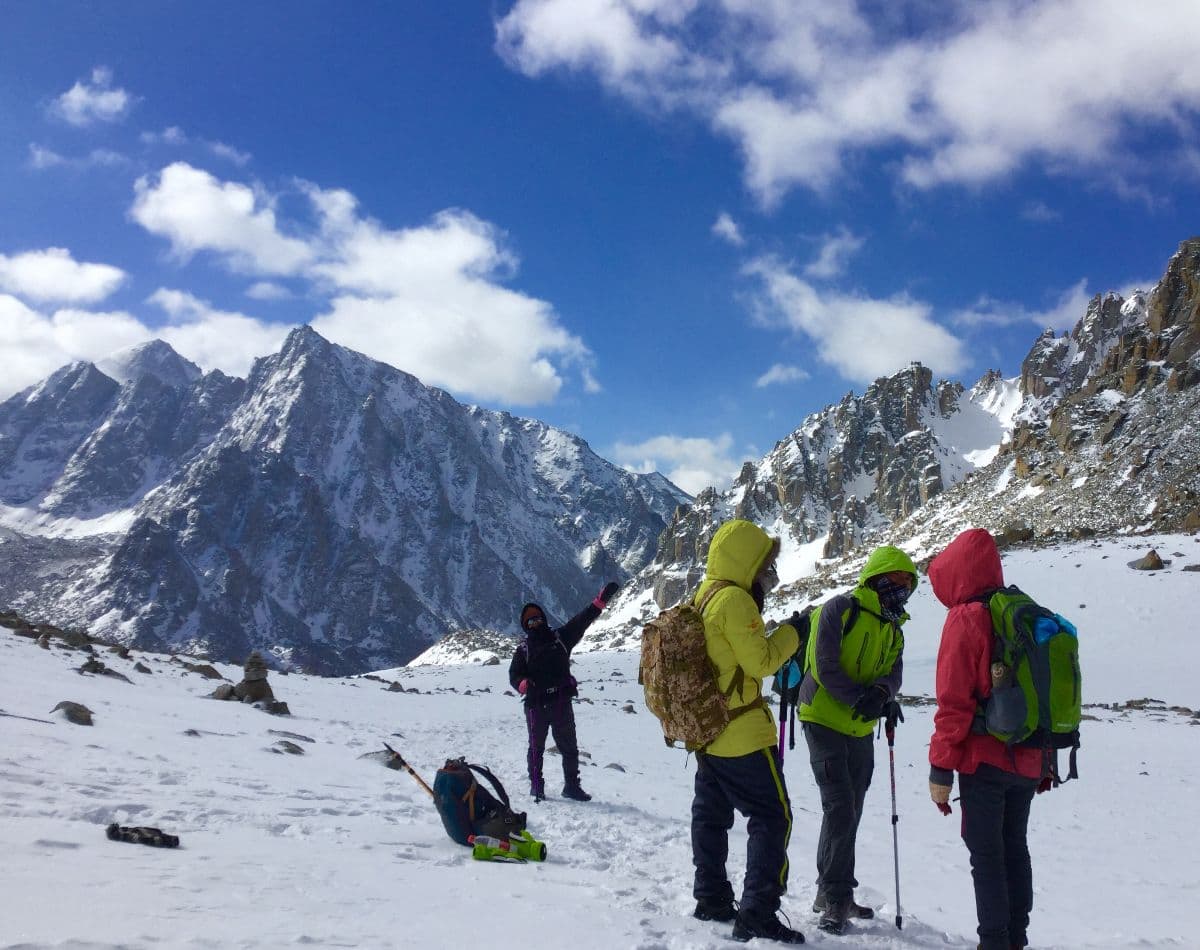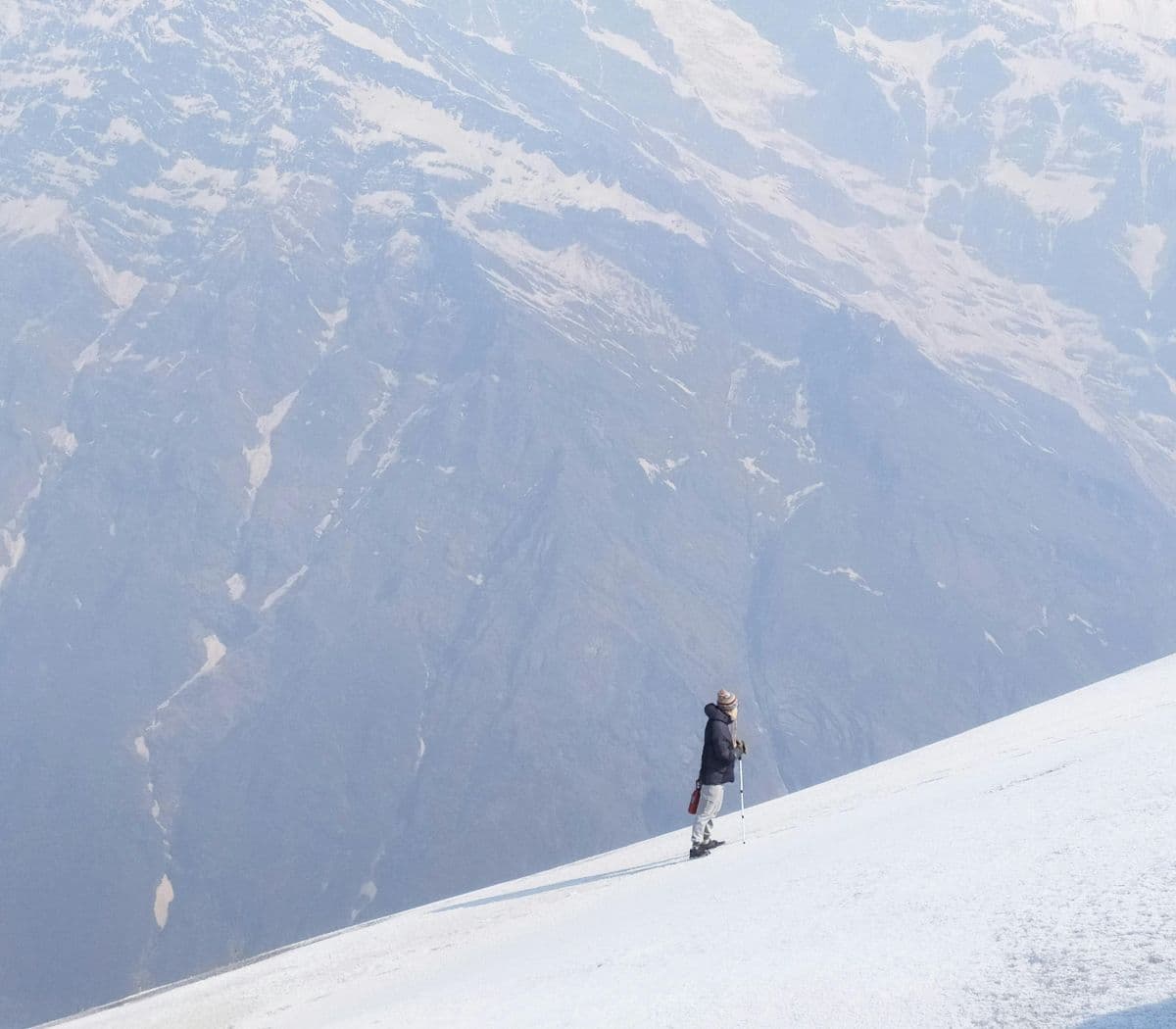
When organizing your very first trek, it is natural to have a thousand questions that arise in your head. What to bring, where to stay, and how physically-fit you have to be? To more serious issues, such as altitude sickness and emergency planning.
There is a lot to consider. But do not be afraid. All seasoned trekkers were once in the same position that you will be in. Curious, excited, and a bit indecisive.
The most common questions among first-time trekkers have been gathered in this blog. Also, here are good practical answers. Find them in comprehensive detail, with experience to give you a guide. Nearly everyone dreams of Himalayan peaks, jungle trails, or high desert plateaus.
If that sounds like you, then the information here can assist you. It will help in planning, trek responsibly, and above all, enjoy the journey that lies ahead. And so we will begin with the basics and work your way to the mountains, step by step, question by question
What is Trekking and How is it Different from Hiking?
Trekking is an extended overnight, long-distance walk. It usually goes over rough, wild, and mountainous terrain. Here, modern services are scarce or non-existent. It includes hiking for many hours daily. It is normally 4 to 8 hours within different altitudes, terrains, and climates.

Contrary to popular belief, hiking is a casual pastime. It can be undertaken within a day on marked trails. Trekking is more complex and physically demanding in this sense. It requires stamina, cerebral weight, and some amount of logistical organisation.
Trekking is not just a simple walk, but a full expedition. It involves rigorous activities such as navigating mountain passes. Go through forest trails, glacial moraines, or even through arid desert valleys. It all depends on the area of the journey.
Nepal or Bhutan are some popular trekking destinations. They often involve high-altitude routes. It needs proper acclimatizing equipment as well as the weather patterns. In remote areas, trekkers usually carry a pack with clothes, gear, food, and water. Guides, porters, or pack animals support the expedition. There may be no opportunity to replenish provisions.
The terrain/elevation is one of the core differences. Hiking tends to be at low altitudes, i.e., in forest parks, countryside trails, or foothills. It has walking grades that are fairly moderate with visible paths.
Trekking, in comparison, you can easily find yourself up over 2,500 meters (8,200 feet), and up above 5,000 meters (16,400 feet). On such treks as the Everest Base Camp or the Thorong La Pass on the Annapurna Circuit.
What are the different challenges?
Trekkers challenge thin air, altitude sickness, and the ever-changing weather. There are essential concerns at such heights. Days of acclimatization as well as pacing are necessary components of the adventure.
The other significant difference is the cultural and experiential element of trekking.

Hiking across the Himalayas is not just a physical exercise. It's a chance to experience rural communities, ancient paths, sacred places, and culture.
You might end up staying nights in tea houses owned by Sherpa families in Nepal. Tour past centuries-old monasteries in Bhutan. Hiking is scenic and fun. It is not generally so diverse in respect to culture. Or cross-cultural engagements, as is the case with this.
Logistically, trekking requires a lot more preparation and planning. You must take into consideration some permits, weather windows, insurance, and proper gear. Depending on the part of the world, sometimes vaccinations. Some even regulations by the government.
Hiking, however, tends to be spontaneous and straightforward. As you just put on your shoes, pack snacks and some water, and go out for a few hours without much risk or planning.
Trekking entails more emotional and psychological investment as well. You are usually out of touch with the world. No phone, no internet, and you lack the services of modern conveniences. This gives you the chance of reflection, mindfulness, and clarity in your mind. Hence, the reason why many individuals consider trekking to be a spiritual journey.
Finishing a trek will give you a tremendous feeling of accomplishment and fortitude. It remains even after you come back, particularly a difficult one.
Moreover, trekking is closer to sustainable tourism and eco-tourism. It places responsible tourists in touch with vulnerable habitats and isolated economies. Here, they can learn to value environmental protection and encourage local economies.
Trekking, when carried out respectfully and carefully, contributes to the conservation of traditions. Experience cultural exchange and the conservation of threatened landscapes.
So, which is better?
To sum up, hiking and trekking seem similar on the surface. But they have different spectrums, difficulty, length, and amount of grit. Hiking tends to be a shorter, low-risk recreational activity. People of most fitness levels can take part.

Trekking is a life-altering experience that challenges you physically and spiritually. It exposes you to new cultures and places you in one of the most stunning settings within the universe. Learning about these differences will not only help the first-time trekkers.
Learn about the choices that they make and the preparations that they make. But also permit them to enter into their first trek. The confidence, respect, and enthusiasm that such a trek requires.
How Fit Do I Need to Be for My First Trek?
Mostly, the fitness you need to climb your first trek is dependent on the kind of trek you select time involved. The altitude involved, the distance you have to walk daily, and the terrain involved. Nonetheless, a good guideline is that you need to be physically fit. They have a healthy state of cardio fitness, core support, and stamina in the legs.
Trekking, particularly climbing high or doing so over several consecutive days. It is an enduring physical activity. Thus requires preparation and conditioning, even for beginners who select lower-level trails.

You do not have to be an elite athlete or marathon runner. But you should be able to comfortably walk 5 to 6 hours a day. Much of which can be with some ascent and descent, and with a day pack. Going on the trek is not as much about running as running, but it is about staying on the course.
Although your passage may be easy, such as the Ghorepani Poon Hill Trek or the Everest Base Camp Trek. You will be walking continuously for several days. And often with an uphill component, your muscles, joints, and lungs must be prepared. It repeated stress and other conditions.
If you are trekking in areas above 2,500 meters (8,200 ft), you will also experience low levels of oxygen. which makes any physical activity much tiring. It is possible to find even healthy people unable to handle it at high altitudes. That is, unless they have acclimatized.
This training helps you increase your stamina. It also makes your body more efficient in its use of oxygen. This puts you in a better position to have a great time during the trek. It is without experiencing a feeling of constant exhaustion. Or being at risk of altitude sickness.
A typical training schedule of 8 to 12 weeks is suggested. It prepares you for your first trek involving a moderately active lifestyle. Your training must comprise a combination of:
Cardio: walking, running, swimming, cycling
Hard work: Particularly legs and core
Flexibility exercises
Train to do long weekend walks or hikes with an elevation increase and a backpack. Slowly prepare yourself by gradually extending your distance and increasing the weight load. So that you can experience the trek condition. When climbing stairs, going uphill, and trekking using poles is also a good form of conditioning.

Besides having physical fitness, you require mental fortitude. It is an important issue in your success in trekking. Even seasoned trekkers can find it uncomfortable due to weather, altitude, or exhaustion.
An optimistic approach, patience, and the capacity to endure physical pain.
Handling them without panicking is also paramount. Becoming fit, you will put less emphasis on the need to survive the trek. You focus more on the beauty, the culture, and the enjoyment of going on a walk through nature.
When you are worried about the level of fitness, do not forget that different treks are different. These entry-level treks include Australian Base Camp, Langtang Valley, or Tamang Heritage. They are best suited to beginners and would not need extreme physical training.
Such paths help a progressive change, including teahouses or lodgings at frequent points. Even their maximum elevation is, in most cases, comparatively low. Other treks like the Annapurna, Everest Base Camp, or Snowman goes greater heights. Distance and physical hardship demand a higher fitness requirement and more serious conditioning.
Age and Health
It is additionally worth mentioning that, as long as you are fit and healthy, age does not disqualify you so much. Treks by people in their 50s, 60s, or even older are usually accomplished due to training. Also, by trekking at the right pace.

Even so, those with pre-existing health issues need to talk to the doctor before they go. Particularly at high altitude. Trekking can increase blood pressure, exert joints, and test respiratory capabilities.
You do not need to be an elite athlete on your initial trek. There is an important aspect of being fit enough that you are safe, comfortable, and have fun. You need regular pre-trek training and the correct choice of trek. Also, a realistic estimation of your physical capabilities are important step.
When done properly, your inaugural hike can prove a fulfilling experience. It will provoke numerous other adventures in the future.
What Do I Need to Pack for a Trek?
The packing is one of the key components of trek preparation. You need to be smart about it, no matter which trail you are going on. You will have to balance being as light as possible and being prepared to carry everything you need. Particularly when you are traversing various terrain and weather conditions.

Here is a well-designed list. It would make sure you take everything you need to be relaxed, safe, and successful on your trip.
Clothing(Layering system Suggested)
Base Layer: (moisture-wicking and breathable):
2-3 moisture-absorbing t-shirts (synthetic or merino wool)
1-2 thermal tops and bottoms (in particular, high-altitude hikes)
Mid Layer(insulated warmth):
Fleece or a down coat
Light insulated vest ( optional and useful)
Top layer (weather-resistant):
Shell jacket (preferably Gore-Tex), waterproof, windproof.
Wetproof trousers or over pants
Bottoms:
2–3 pairs of trekking pants (light, quick dry)
1 thermal leggings or base layer bottoms
Casual, comfortable shorts (warm days when you are not at high altitude)
Other Clothing Wear:
4- 5 pairs of such moisture-wicking socks
2 combination of thick wool socks (cold nights)
Undergarments (recommended quick-dry)
Gloves: thin-lined gloves + insulated and waterproof gloves
Warm hat (fleece wool) and sunhat/cap
Neck protection: neck gaiter, buff, scarf
Trekking Equipment/Trekking Gear
30-40L rain-cover daypack (day-to-day)
Duffel bag(with a porter) or 60-70L Backpack
Sleeping bag (with the lowest forecasted temperature)
Additional batteries with a headlamp
Adjustable and (collapsible) trekking poles
UV-Blocking sunglasses ( preferably polarized )
Water bottles (2 liters in total) or hydration bladder
LifeStraw, Water purification tablets, or SteriPEN
Dry bags or zip-lock bags (to save the documents or electronics)
Toiletries and lightweight towels
Power bank/ solar charger
Footwear
Trekking boots in broken-in with ankle support
Camp Shoes or sandals (used for relaxing at lodges)
Gaiters (optional, to protect one against the snow, sand, or leeches)
Health & Hygiene
Personal first-aid kit (bandages, treatment of blisters, antiseptic, etc.)
Altitude pills (Diamox, in case of prescription)
Prescription drugs (in case of them)
Sunscreen (SPF 50 +), SPF-lip balm
Hand sanitizer, wet wipes, biodegradable soap
Travel packs or toilet paper
Menstrual hygiene items (in the case of necessity)
Documents & Essentials
Valid Passport with a minimum of 6 months validity
Visa (where needed)
Trekking permits (e.g., TIMS, ACAP, Sagarmatha, and so on).
Travel insurance (providing contact details in case of emergency)
Passport, insurance, permit copies (digital as well as hard copy)
Card of an emergency contact person
Local money (small bills)
Charging cables and an adapter charger
Snacks Extras (Handy Free, Optional)
Trail mix, electrolyte tablets, and energy bars
Down time reading a book, a journal, or playing cards
Lightweight camera or action cam (memory cards)
Sleep mask and earplugs (teahouses, in particular)
Tips to guides/locals (if acceptable culturally)
Trekking requires careful packing. One does not need too much, and yet one cannot afford to pack too little. Using this checklist, you can cope with weather, terrain, and altitude being light. It is efficient and ready to handle both scheduled and accidental events.
The last thing you should do before you hit the road is to make sure all your gears are in place. You take care of breaking in your boots. Keep in mind: smart packing is the way to start your confident and joyful trek.
What Kind of Footwear is Best for Trekking?
Selecting the footwear is one of the most essential choices you need to make before the trek. Your footwear will be your best friend during the trip. Taking all the weight of each movement, good boots prevent your feet from being scarred. Constantly keeping you horizontally on varying topography.
Ineffective footwear selection may result in blisters. Easy leg exhaustion or twisted ankle. Or even worse, turn trekking into a very unpleasant experience.

Two types of footwear can be used during a trek. You can opt for hiking boots and trail shoes. They each have their benefits based on the nature of the terrain to be covered. Weather conditions and the duration of the trek are affected by the footwear.
Multi-day hikes are usually done in hiking boots. More so, in hikes with rocky surfaces or across rivers or in high-altitude terrains. The boots provide ankle support, a sturdy sole, and improve insulation. thus being good in cold or wet situations.
They have the advantage of a low chance of twisting the ankle. It offers a high level of guarding against abrasions or collisions with rocks and roots.
Trail shoes (see also hiking shoes and trekking shoes) are a lighter option. Many knowledgeable trekkers would choose shorter or medium-length paths. Trail shoes are more breathable, lower-cut, and less voluminous than hiking boots. It makes them suitable for the warmer climates and well-worn trails.
They are simpler to break in, dry quicker, and they can help to decrease foot fatigue on less hilly ground. They also do not have ankle support. They are not suited to snow, deep mud, and steep ascents in which extra stability is required.
How to choose properly?
To choose between hiking boots and trail shoes, choose the terrain of your expedition. Hiking shoes are highly advised on high-altitude or off-the-beaten-path treks in the Himalaya. Trail shoes are better options and more comfortable to wear on longer hikes. It is applicable in lower altitude hikes with stable and dry terrain.
Fit is essential irrespective of the style. Shoes that are too tight or too loose and poorly tied ones may result in blisters, toe damage, or plantar pains. Whenever you are trying on trekking shoes, this should ideally be done in the afternoons. Your feet have slightly swollen up at noon. The use of the same kind of socks you are to be wearing on your trip should be used.

A thumb width should be left in the toe box to accommodate any downhill walking. The heel should be snug so as not to slip. Wear your shoes in use so that you end up breaking in the shoes before the trek. Preferably a long distance, 50 to 100 kilometers of mixed terrain. The shoes are adjusted to your feet and can be worn comfortably over long distances.
Another important factor is material. However, leather boots are more durable and waterproof. Break in slowly and are more weighty. Artificial boots or shoes are lightweight and easy to dry, hence they are better in wet and humid weather. Such waterproofed membranes as GORE-TEX might be useful in rain or snow.
But may decrease breathability in warmer weather, causing sweaty feet and potentially blistering. Think of a halfway balance of weather protection and ventilation in the climate on your trek.
And do not neglect grip and sole-construction. Shop for shoes with deep soles with lugs that provide grip on loose gravel, wet rocks, or muddy slopes. A stiff midsole will help during long downs and rocky paths. But a flexible one is much more comfortable on smooth, flat trails.
Vibram soles are not unheard of either. Mainly because of its high traction and long-wearing nature. Most of the high-quality trekking shoes will have it in them.
Which is better?
Whether your choice of trekking shoes will be the best to use will depend on your route. Terrain, the weather, and a personal preference for support over comfort. First-time trekkers are best off investing in a good-fitting pair of hiking boots.
Trail shoes may be an option that is lighter and more breathable in case of easier and drier weather treks. Whichever you prefer, wear good shoes, find your fit, and wear them in. Comfort and safety of your whole adventure start with your footwear.
How do I select the trek that is right for me?
You are advised to be careful and choose the best trek so that you can have fun. At the same time, feel secure. Likewise, your personal goals and health capacity.

The world is full of trekking options that you can handle. Be it affordable weekend hikes in the lowlands. It could be an isolated and physically challenging trek at thousands of elevations. It is worth doing a bit of research on some of these matters before making a booking.
The considerations below are the main factors. Read it as a guide for you to come up with the trek. A journey that would best fit your preferences, capabilities, and any special interests.
What to Keep in Mind when Selecting a Trek:
Duration: Determine the number of days that you will be able to dedicate. Short treks (1-5 days) are suitable for beginners or travellers with little time. At the same time, there are long treks (7+ days) where more effort is needed.
Difficulty Level: Determine your physical level and expertise. Easy treks are mostly flat, with very low altitude. Moderate treks involve a few steeper sections and moderate altitude. The difficult treks involve long mountainous uplifts and high elevations. They demand a lot of strength.
Altitude: Think about how much you can tolerate altitude. Consider the threat of altitude sickness. Low-level treks (below 3000m) are not so risky, and they are suitable for a beginner. Mid-level treks (3,000-4,000m) are also ok with a few decent acclimatizations. Finally, the high treks (beyond 4,000m) are serious one that needs more preparation and care.
Scenery and Region: Think about the location, scenery, and cultural context you want to have. Whether it is the Himalayas, tropical forests, Alpine environment, or plains. Various regions exist that are composed of diverse terrain, climate, and customs.
Interests and Goals: Do you want to experience culture immersion or spot wildlife? Do you want to engage in physical activities or explore religious sites? There are treks to remote villages and treks to heritage sites. Try treks to scenic beauty, wildlife, and mountain tops, or religious pilgrimages.
Season and weather conditions: Want to avoid harsh weather or traffic on the trek? Make your choice according to the optimal season to trek in the respective region. Certain treks can only be climbed in certain months because of the snow or rainy season.
Support and Infrastructure: Check how comfortable you will feel about accommodations and facilities. Teahouses or lodges are available during popular treks. And camping is necessary during remote treks where the supplies are on your own.
Take all these factors into consideration carefully. You will be able to choose a trek that will be adequate to your physical ability. Best available time and personal interests. It will give you that rewarding and pleasant experience.
The kind of trek that will be the best one for you is the one that pushes you. Something that lets you stretch and grow, but is safe and pleasurable. Whenever uncertain, check readings with expert trekking companies. Or talk to guides who will be able to adjust suggestions according to your needs.
What is Altitude Sickness and how can I Avoid It?
Acute Mountain Sickness (AMS) is an illness resulting from a deficiency of oxygen. Most suffer altitude sickness at 2,500 meters (8,200 feet) due to increased height and low oxygen levels. With the elevation in altitude, the oxygen concentration in each breath drops. And you take less oxygen at higher elevations.
The drop in the oxygen pressure in your system will make it hard to proceed with the critical functions. For some individuals, it can lead to a range of symptoms. It can impair physical capabilities and jeopardize their health.

The most common one, AMS, often begins with headaches, nausea, and tiredness. It is also accompanied by dizziness and sleep disturbance. Most often, the manifestations occur within 6-24 hours of attaining a new elevation.
In increasing doses, AMS can turn to High Altitude Pulmonary Edema (HAPE), fluid in the lungs. Or it can turn into High Altitude Cerebral Edema (HACE), brain swelling. Both of which are fatal conditions that compel lowering of elevation and medication.
Altitude sickness can affect anybody. Both young and old, both male and female, and both fit and unfit. What's more, it can progress so quickly unless properly addressed.
Prevention of Altitude Sickness
The first principle in altitude sickness prevention is gradual acclimatization. It takes time to adapt to the lower amount of oxygen. A proper itinerary must afford a gradual ascent. Moreover, no more than 300-500 meters (1,000-1,600 feet) per day above 3,000 meters.

Additional rest or acclimatization days every few days. Trekking adventures in Everest, Annapurna, or Manaslu include such acclimatization breaks. Shops of Namche Bazaar or Manang, where the body can slowly acclimate. It will not risk any altitude sickness on the way.
Hydration is a very essential part of acclimatization. With the altitude, your body sweats more and breathes out moisture more rapidly. Therefore, you will need to consume at least 3-4 liters of water per day, whether you feel thirsty or not.
Ditch the alcohol and high caffeine, as they lead to dehydration and affect sleep. Sleep is an essential part of healing at altitude. Another way is by eating light, high-carb foods. The energy they give and the way they assist in the transportation of oxygen in your body.
The second effective form of prevention is acclimatization medication, which includes acetazolamide (Diamox). This prescription medication will assist your system to adapt faster to altitude. It is balancing the blood pH and encouraging deeper breathing.
Trekkers are likely to take Diamox prophylactically when they intend to climb. More so when they stay above 3,000 meters. Nonetheless, it should be consumed under professional care. Trekkers should also check for any side effects. Mild symptoms of headache may be managed with the help of ibuprofen or aspirin in some instances.
When to Descend
The most crucial guideline on handling altitude sickness is knowing when to go down.
In case symptoms of AMS have not reduced after 24 hours
In case you suspect you have HAPE. (constant cough, tightness in the chest, difficulty in breathing even when resting)
Symptoms of HACE (disorientation, poor coordination, hallucinations),
Then you might have to rush downwards by at least 500 to 1,000 m. Increasing upward with mild, moderate, phenom, or severe symptoms is deadly. The most effective treatments are descent, hydration, and rest. Evacuation by helicopter might be necessary. Or the delivery of oxygen in remote and extreme cases.

You also need to pay attention to your body and inform your guide or fellow trekkers. Never ignore symptoms and never think that you can endure them. Experienced guides/porters in Nepal and Bhutan are trained to identify altitude sickness. They will work their best to alter the route. The itinerary remains without jeopardising your safety.
Registered agencies have supporting risk procedures and an emergency plan. It includes medical support and the capability to evacuate should an emergency arise.
Altitude sickness is a potentially life-threatening but preventable condition. Everyone planning to trek in high altitudes should be aware of it. Proper acclimatization, staying hydrated, understanding the symptoms, and knowing when to descend. They can help you stay within a safe comfort zone and enjoy the breathtaking beauty of the mountains.
Preparation, knowledge, and caution. They are your best tools for staying healthy. It ensures that your first trekking experience is stunning, safe, and successful.
Where will I be staying on my trek? (Accommodation Types)
Your choice of accommodation on the trek is important. It is in determining your comfort, multicultural experience, and enjoyment.
Facilities include hotels, guesthouses, restaurants, and many others. Each differs greatly depending on the trekking area. The popularity of the route, as well as the isolation, impacts the journey.
Here are the most common categories of places where you can stay. Be during treks in Nepal or all around the world.
Teahouses:
Teahouses are basic guesthouses. The likes of which can be found along common trekking paths. Such as the Everest Base Camp or the Annapurna Circuit in Nepal. They provide simple rooms, which are typically shared or have their own bathroom. Common social places where local food and hot beverages are offered.

Accommodation offered by teahouses includes basic facilities. You can expect to find Heating and simple amenities. They offer a crucial shelter or a place to socialize with other trekkers.
Lodges:
Lodges are better facilities than teahouses. It usually includes attached bathrooms, running hot water, and more comfortable beds. Trek lodges are an improvement over teahouses.
It is found in regular paths. Local families run lodges and have a homelike ambience. They offer home-cooked local food and possibly electricity. They are well balanced in their rustic appeal and comfort, added on.
Homestays:
Homestays will provide a special cultural experience. They can enable trekkers to live in villages off the beaten track with local families. This kind of accommodation gives one an idea of local culture. You can taste homemade cuisine and a welcoming reception.
The homestays are of different levels of comfort. However, when a traveler requires critical cultural exposure. If that's what you want, then homestays offer a perfect option.
Camping:
Camping is common in more remote or less-developed treks. Places such as Snowman Trek in Bhutan or the Dolpo region in Nepal are normal camping. Trekkers do it themselves or through support staff who put up tents and cook food.
Camping is comparatively less restrictive by route and time. Though it requires a higher number of pieces of equipment and needs to adjust with the weather.
How to select an accommodation?
The selection of the type of accommodation will depend on how you find your comfort. The budget available and the infrastructural size of the trekking area.
Staying in teahouses, homestays, or camping adds a certain flavour to your experience. Having different options for comfort will allow you to rest and recuperate. Rest well after every enjoyable day out on the trail.
What I Will Eat During the Trek?
The dishes you consume during a trek are supposed to make you feel full. They are also supposed to keep you ready to exercise intensively. You feel energized over extended periods in a wild location.
Food of high nutritional value and energy is available on most of the trekking routes. You can find them in the Himalaya or any other mountainous region. Your best bet is places such as teahouses, lodges, or guided camps.

The menu might vary depending on where you are in the country and the travel distance. However, most of the meals will be well-balanced. They contain some carbohydrates, proteins, and other essential fats. They will keep you going for the day.
An example of a typical trekking meal could be the traditional Nepali Dal Bhat. It is a hearty and nutritious dish. It is based on steamed rice, lentil soup, sauteed vegetables, and pickles. Normally coupled with a piece of meat or a fried egg. It is high in calories and vegetarian-friendly. The meal compensates for lost energy and salt.

Breakfast tends to be porridge, pancakes, toast, eggs, or muesli. Lunch/dinner is likely to include noodles, pasta, fried rice, momos, soups, and potatoes. In Bhutan and Tibet, treks offer local menus. You find tsampa (barley flour porridge), yak cheese, soups, or meat, etc based on the trekking places.
Trekkers travel by road for organized camping treks. Snowman Trek in Bhutan or Upper Dolpo in Nepal, a cooking crew or trekking cook usually provides food. Such meals are well devised to meet your nutritional requirements. The cooks use ingredients that are convenient to carry along and to store.
The staff will usually offer you freshly prepared products. It can contain soups, curries, stews, boiled grains, fresh or dry fruit, tea, coffee, and even desserts. The remoteness does not imply that these meals aren't varied, tasty, and satisfying.
The majority of the credible trek providers offer dietary restrictions and preferences. Find vegetarian, vegan, gluten-free, or allergy-friendly diet options. You can also have your trekking agency arrange meals according to your requirements. But you need to inform them beforehand.
Teahouse menus are frequently standardised in popular trekking areas. Places in the Everest or Annapurna regions. Vegetarian curries, omelettes, pasta, pancakes, and chapatis are common dishes.
In lower villages, where refrigeration is more reliable, meat is also available. But at high altitude, vegetarian food is preferable to any meat meals. There may arise hygienic problems about storing meat.
Hygiene will be a legitimate issue. Food is prepared via simple kitchens or distant camps during treks. Hygiene is important to established teahouses and companies in the trekking business. They use filtered or boiled water to cook. They clean their cooking utensils and cook in a hygienic environment.
With that said, trekkers should never go without hand sanitizer when they eat raw foods. Things such as salads are not safe since they might be washed in untreated water. Taking with you a set of your own utensils or a reusable spoon and fork may also provide extra security.
Safety with Water
Another very important part of your trekking diet is the quantity of water. To aid acclimatization and energy, you should also keep yourself well-hydrated. Clean drinking water will generally be accessible in teahouses, camps, or filling stations.

Most lodges sell boiled water at a minimal fee. Moreover, some guided treks offer bottled, filtered, or UV-purified water. Still, it is recommended to carry a reusable water bottle or hydration bladder.
Also, you need water purification tablets or a personal filter, LifeStraw, or SteriPEN. More so, where bottled water is unavailable. Or otherwise inappropriate to buy due to environmental considerations.
Food and water during treks
In summary, the food on the treks is simple and energy-giving. They prepare meals by considering nutrition, fillingness, a touch of love, and comfort. You will eat heartily, whether it is in a comfortable mountain teahouse or in a camp kitchen in the starry sky. Food will be a regular highlight on the way.
Think well in advance, maintain proper hygiene, and use safe/drinkable water. You can rest assured of a safe and satisfying culinary adventure during treks. And no matter how remote you are in any part of the world.
What Should I Know About Trekking Etiquette & Local Culture?
Knowing the local culture and good etiquette adds value to the trekking experience. It also eliminates a point of contact between outsiders and the people you are visiting.

The local community and its way of life. Their clothing code and social behaviour. Youshow courtesy and result in positive relations. These, among others, are the key instructions you will have to keep in mind during your trek.
Don't Insult Religious Sites and Traditions:
Act respectfully toward monasteries, stupas, and prayer wheels. Do not use loud noises and photography when it is not allowed.
It is advisable to bow or greet the locals when passing by them, particularly monks or elders. When coming into religious premises, do take off your hat and shoes as a sign of respect.
Dress Modestly:
In villages and around sacred spots, wear items that cover your shoulders and knees. Hardly ever dress flashily, or in bright colors, instead be modest. Wearing practical trekking outfits that can accommodate local customs.
Ask First Before Snapping Pictures:
It is a custom that you should seek permission before taking photos of the local people. Particularly, the women and children, or when they are having a religious ceremony. A striking smile and a mere greeting may open gates to true communication.
Meet and Greet-Smile and Simple Local Words:
Know some of the greetings in the local language, e.g., Namaste in Nepal or Kuzuzangpo in Bhutan. Good manners with a smile will do wonders.
Mind your Space and Contact:
The shoulder and head are, in fact, personal or sacred and cannot be touched by another person. Touching should be kept to a bare minimum and is not invited between unrelated men and women.
Accept Local Food and Drink Practices:
Accept without making a fuss with food or drink, even though you might not eat/drink everything. It is advisable to eat using the right hand because the left hand is believed to be dirty in most cultures.
Leave No Trace:
Discard waste properly or take it with you; do not litter it to keep the environment pristine. Use existing trails and be considerate of wildlife.
Be forgiving and Adaptable:
The local culture and routine can be a bit different than yours. So, being able to show patience and be open-minded will give you more cultural experience. It is always good to remember that remote trekking means gradual progression. Also, you can face unpredictable delays.
Respectfully relate with other Trekkers:
Considerately share trails. Give way to uphill travellers. And keep noise down in group lodgings to leave others to rest and recuperate. Encourage other trekkers to create an excellent and positive environment.
Cultural integration and trekking culture enrich your adventure. It is also a way of respecting the people who host you. Through respect and sensitivity, you help provide sustainable tourism. Both the travelers and locals gain.
Remember, these tips can become simple but significant. They work on your trek to make your journey sacred, worthwhile, and memorable.
Do I Need a Guide or Porter?
Your decision to hire a guide or porter to go with your trek depends on many factors. Things such as the route, trekking experience, fitness, budget, and personal preference. First-time trekkers are recommended to hire a guide and/or porter. Specifically for the trekker going high-altitude or remote area.
Hiring porters or guides can make your trek safer, more comfortable, and culturally rich. Independent trekking offers more flexibility and gives autonomy, but physical load increases. Also, you need to cover navigation, logistics, and risk management.
Why Guides while trekking in Nepal matter
A guide is not merely a person who takes you on the path. They are a local expert, a safety net, a translator, an ambassador of culture, and a first responder. Licensed trekking guides have been trained in first aid. They manage high altitude illness and emergency procedures.
They check up on your physical state on the trek. They take their decisions keeping in mind your health and acclimatization. Furthermore, they are familiar with the trails and able to interpret weather patterns. Guides know alternative directions in case of emergencies.
They can provide information about local cultures, flowers, and wildlife. Also, you won't miss out on the places of interest you would have otherwise missed.
Porters in treks and their importance
Porters are essential for long treks and journeys in Nepal. They will carry your primary backpack so that you enjoy carrying a small daypack. It cuts physical pressure at high altitude and also avoids injuries due to fatigue. It keeps one at a constant pace during the trek.
The porters are mostly locals, used to their terrain, and can carry up to 20-25 kg ( depending on regulation ). They come in handy on longer treks. Mostly during the Everest Base Camp or the Annapurna Circuit. Here, you can spend 10-20 days with considerable elevation gain and changing weather.
Employing a guide or a porter, it will bear on the local economy as well. In Nepal and Bhutan, mountain communities rely heavily on tourism as a source of income. Employing locals is able to support their communities. Make sure that your trek is very much a part of the people and the culture of the land.
Where to hire guides and porters?
Reputable trekking agencies that make sure that the guides/porters are well paid. They are insured and have the proper gear and offer accommodation.
It is also an important aspect of ethical trekking. That is why it is good to use personnel from a registered responsible trekking company. So try avoiding hiring them on the spot or on the trail.
What to Expect in an Independent Trek?
Individuals can enjoy independent trekking on a secure trail. They need to acclimate to altitude and have no difficulties with planning logistics. It allows you to have more freedom to pace yourself, watch side trails, and do your own timing.

But it also means that you manage everything by yourself. It includes finding or marking the trail. You book permits and accommodation, all on your own. It includes hauling your own equipment and responding to emergencies.
Independent trekking is possible on popular trails. You can trek in Ghorepani Poon Hill or Langtang Valley by yourself. It suits both fit trekkers with some experience of trekking.
Even the foremost trekkers are forced to endure the utterly unpredictable weather. Sometimes breakage, sickness, or altitude-related sicknesses. Once this occurs, it is the availability of a guide that results in a minor inconvenience or a major blowout.
Why having guides and porters matters
For first-timers or seasoned trekkers, an experienced guide will put them at ease. They encourage journeymen through difficult setbacks over 3,000 meters. But above all, leadership at critical moments.

Although you can certainly trek alone on fairly well-established, popular, low-risk hikes. The benefits of a guide, or porter offers a great deal of physical respite. They are relevant in the areas of safety, local knowledge, and local contact. Moreover, they help you with cultural participation and orientation.
On your initial expedition, this support system offers an enjoyable trek. More so, in the Himalayas or other far-flung locations. It also enables you to concentrate on the experience rather than being distracted. Be it by logistics and physical exertion.
It is all about reaching your destination. It improves your confidence in other treks. It remains relatively comfortable. Moreover, you bond with the land and its people.
How Safe is Trekking? What About Emergencies?
Trekking is considered safe for most individuals, particularly when the treks are planned. Considering the trail developed, the trekkers are in good shape. Yet one should remember that the wilderness, altitude, and remoteness do imply perils.

These risks may include minor injuries. You might gain blisters and muscle strain on a minor level. More dangerous issues, such as altitude sickness, slips, hypothermia, and dehydration. Moreover, keep an eye out for sudden changes in the weather.
When you are out there, the number one thing you should remember is that you need to prepare well. Hike with awareness, and be able to know what to do in some situations.
Popular trekking areas have developed emergency services and facilities. Routes such as the Everest Base Camp of Nepal or the Druk Path of Bhutan. You find rescue helicopters, satellite communications, and trained first-aid guides in these places.
Besides, in the distant or poorly represented areas, the response time may be longer. Access to some medical assistance may be little to none. Self-care, clever thinking, and secondary support are important. Secondary help comes from a qualified guide.
Always tell a person, your guide or trekking agency, your schedule. They can take action as soon as possible in case you fail to report as expected.
Precautions For Safety During Treks: Insurance
Among the most important precautions is buying a comprehensive tourist insurance. They need to cover emergencies during treks. You need evacuation at high altitude, medical, trip extension, and helicopter rescue.
Trekking or mountaineering may not be covered in normal insurance policies. So, ensure you buy a policy designed for trekking/adventure activity.
In Nepal, a large number of helicopter evacuations are due to altitude sickness or injury. Once in Nepal, without proper insurance, this can cost thousands of dollars out of pocket.
Hiring a Licensed Guide for Safety
When you are trekking with a licensed guide, you are considerably safer. Licensed guides can know the symptoms of altitude sickness, injury, and exhaustion. They notice them before they become serious enough to cause significant problems.
An excellent guide will also understand how to change the schedule. They offer first aid, emergency response, or evacuation in an accident or crisis. Moreover, group trekking will provide psychological help. It even increases safety! There would always be a person to seek help or assist in case something goes wrong.
Basic Practices for Safety in Treks
Consideration of the basic needs. Such as hydration, eating instructions, and wearing a moisture-wicking and weather-appropriate layer. How to dry and protect your gear is also an essential aspect of general safety.
This also includes not overdoing it (when you begin to feel the wear and tear). Follow your body, and then, grasp acclimatisation programmes.
Carrying a simple first-aid kit, headlamp, whistle, emergency blanket, and communication device. You may prove useful in the event of your ever being caught in a bad situation. More especially during a solo or out-of-the-way hike.
The experience of trekking can be rich and risk-free with the proper preparation. Understanding and respect of unknown ways of nature. Many emergencies can be prevented or managed with precautions and help.
Hikers need to have a responsible attitude that is shown by trekkers. As a first-time trekker, you also want to be well-informed, well-insured, and well-equipped. You want experienced local teams dedicated to your well-being at all times.
Which Travel Insurance is Best to Take on a Trek?
Travel insurance is one of the most crucial arrangements for any trekking trip. More so in cases you are going to high altitude/remote areas with no wide-range of medical services. An inclusive insurance covers your investment in the event of trip interruption.
You must receive emergency help. They include evacuation and elevation-induced treatment in case of such an emergency. Trekking or mountaineering may not be covered by default in all insurance policies. Therefore, when selecting a plan, one should pay attention to the coverage.
Features to consider when considering Trekking Travel Insurance:
High-Altitude Medical Coverage:
Ensure that your policy takes care of the trek to the altitude you intend to reach. As an example, treks, such as Everest Base Camp (5,364m) or the Annapurna Circuit (5,416m), need to cover up to 6,000m. Most of the basic policies only cover 3,000 or 4,000 meters.
Helicopter rescue and Emergency evacuation:
One should also include the plan of emergency helicopter evacuation. Regions such as Nepal, where helicopters are the main mode of high-altitude rescue. This may be thousands of dollars at once in the case of no insurance.
Accidents and Medical Treatment:
Note that hospitalization, outpatient treatment, and medication should be covered in full. Seek policies that cover at least USD $100,000 in medical. It is the international standard of trekking adventures.
Trips Cancellation and Interruption:
This covers you in case you need to call off on health grounds or injury. It also ensures you against other eventualities like natural calamities or travel bans. Also offers a payment back if you're forced to return earlier than the trek due to emergencies.
Baggage/Luggage and Gear Loss or Damage:
Baggage or delayed baggage cover is crucial. It would be important that your trekking gear is checked in the baggage. Seek policies that provide compensation for old or damaged luggage.
COVID-19 and Pandemic Coverage:
Lots of destinations demand COVID coverage. Seek policies with coverages, quarantine costs, and COVID-19 or other health crisis-caused cancellations.
24 Hours Emergency Hotline:
Insurance should always provide 24/7 emergency service. Preferably, partners worldwide with an expert in the trekking location.
Cost of Search and rescue (separately):
Certain policies separate search and rescue from evacuation. Make sure you have carried both- at least in case you go trekking. It is important in remote areas like Dolpo, Mustang, or even the Snowman Trek in Bhutan.
Pre-existing Medical Problems:
Declare to your insurance company any known pre-existing conditions (even minor). So, later, the claim is not denied in the future.
Weather, altitude, and health can change by the hour in the mountains. And so, buying the correct insurance is not an option, but compulsory.
Trekking insurance is an assurance when something goes wrong. It is not only that you are insured with money, but you will also be covered physically and logistically.
Read the fine print, compare policies, and make sure it covers your trek. It can be altitude or geography, and your unique health needs. So you can walk fearlessly and further, and trek with confidence.
When is The Best Trekking Season?
The optimal time for trekking is mostly dependent on your favorite destination. But trekking experience also affects the ideal time for the journey. You can enjoy diverse experiences in different seasons.
Still, most trekkers target spring (March to May) and fall (September to November). The two are the most consistent and attractive trekking periods.
More so in areas such as the Himalayas. Even so, every season has a collection of unique appeals and issues. So it is always important to learn as much as possible to organize your trek.
Spring:
Spring(March to May) is one of the most preferred trekking times, especially in Nepal or Bhutan. The weather is light with longer days.
During this period, the rhododendron of the mountains is covered in snow. The trails with dense wood and views are bustling.
Later in the season, the heat grows at low altitude. And in late May, pre-monsoon haze or scattered rain may begin to be included.
Autumn:
Normally, the most effective trekking season is autumn (September to November). It offers excellent mountain visibility, clear blue sky, light temperature, and dry trails.
The wind is fresh, and mountains bloom in the post-monsoon months. The trails, Everest Base Camp or Annapurna Circuit, are the busiest during this season.
The weather remains stable. The high popularity also means that trails and teahouses may have increased traffic. And one may often need to book them in advance.
Monsoon:
The high-altitude trekking during the monsoon (June to August) would not be advisable. The rains make the terrain sloppy, wet, and prone to leeches, sliding, and the weather is also hazy.
This season can create special opportunities in the rain-shadow areas. Mostly in Upper Mustang or Dolpo, which can be dry when the rest of the country is getting drenched.
Such treks are culturally remote and can have a desolate, desert-like appearance. Logistics can prove more difficult along the way. More so when weather patterns sometimes change unpredictably.
Winter:
Winter (December to February) offers calm trails, blue skies, and snowcapped hills. Snow blankets cover the higher hills. But it is an outstanding season to make lower-altitude hikes.
You can travel in Ghorepani Poon Hill, Helambu, or the Tamang Heritage Trail. The daytime temperature is chilling but bearable. Even so, passing high altitudes, such as Thorong La or Cho La, is closed.
It can be dangerous due to high snow levels and extreme temperatures. So it can be dangerous for new trekkers without special equipment and experience.
Final thought on the best Season
To conclude, spring and autumn are the most suitable seasons for first-time trekkers. They provide a comfortable environment, stunning view, and clearer weather.
Monsoon and winter treks are ideal to go with a seasoned trekker. It's for those who want to find some off-beat routes or not to meet too many people. And these treks need more planning, adaptability, and endurance.
Regardless of the season, you need to consider the right clothing, gear, and attitude. They need to fall under your consideration to make the most of your trek.
Conclusion
The first time trek will be a life-changing experience. It will be a journey of discovery, challenge, and reward. It can be so daunting at the beginning.
There are so many things to research. Things like equipment, security, physical readiness, culture, and practicalities. With every possible question you can resolve, you realize how much you can step forward.
Before you take the path down into the beautiful Annapurna trails. Before remote crossings in Bhutan. Arming yourself with information allows you to trek wiser. You will be safer in your trek and hold more respect.
This guide aims to provide the best answers to the most common yet most critical questions. Many first-time trekkers need to ask before they start walking on the trail. Respect the local culture. Know the basics and get physically and mentally ready to go, and you are bound to have the adventure of a lifetime.
The mountains cannot be predicted. But with enough preparation, the trip becomes an experience of your life.
FAQs
1. Can a first timer go on long hikes?
Yes, absolutely! Most of the easy treks, such as the Ghorepani Poon Hill trek or Langtang Valley, should be tried by people with an average fitness level.
2. Is special travel insurance required when trekking?
Well, ordinary travel insurance is not enough. Insurance covering high-altitude trekking, medical evacuation (including flights or helicopter rescue), and trip cancellation will be required.
3. What is the difference between hiking and trekking?
Hiking, as it is generally understood, is a day out walking in the outdoors, on paths and trails, frequently in proximity to towns or in parks. Trekking is more challenging and may include remote or mountainous areas, and can need as many days, with the altitude increasing or decreasing.
4. How much water should I bring per day?
It is recommended that you be well-equipped with at least 2 liters of water each day. When in greater elevation or warmer conditions, more is advised, and purification processes should always apply in case of non-bottled waters.
5. Should I train before my first trek?
Well, it is recommended to have at least 4-6 weeks of easy cardio, uphill walking, and strength training. This aids stamina and stops incidents on long hikes.
6. Are there going to be Wi-Fi or cell service on the trail?
It varies according to the region. In major trekking routes such as Everest or Annapurna, teahouses provide very basic Wi-Fi (and sometimes at an extra charge), but their signal and mobile connection tend to be weak even in general areas.
7. What is a teahouse, and how comfortable is it?
On most Himalayan trekking routes, there are small, family-owned guesthouses called teahouses. They provide simple accommodation, hot food, a cosy feel- it is ideal to rest after hard days, but heating and hot showers can be scarce.
8. Will I be able to charge my phone or camera on the trek?
It may, but often only communal areas have charging facilities, and this will have an extra charge. Solar chargers or power banks are also quite handy on the remote trails.
9. How can I prevent altitude sickness?
Climb slowly, drink a lot of fluids, and stick to the rule of climbing higher and sleeping lower. When symptoms of headache, nausea, dizziness develop, rest or descend at once; do not force it.
10. What do I wear on the trek?
Wear layers: base (moisture-wicking), mid (insulation), and outer (wind/rain). The system enables you to adapt to more varied temperatures during daytime.
11. Can children or the elderly join a trek?
Well, yes, when the distance is small, not high above sea level, and properly supported, then anyone can find a nourishing experience out of it. Visit the doctor first and go on trails appropriate to your age.