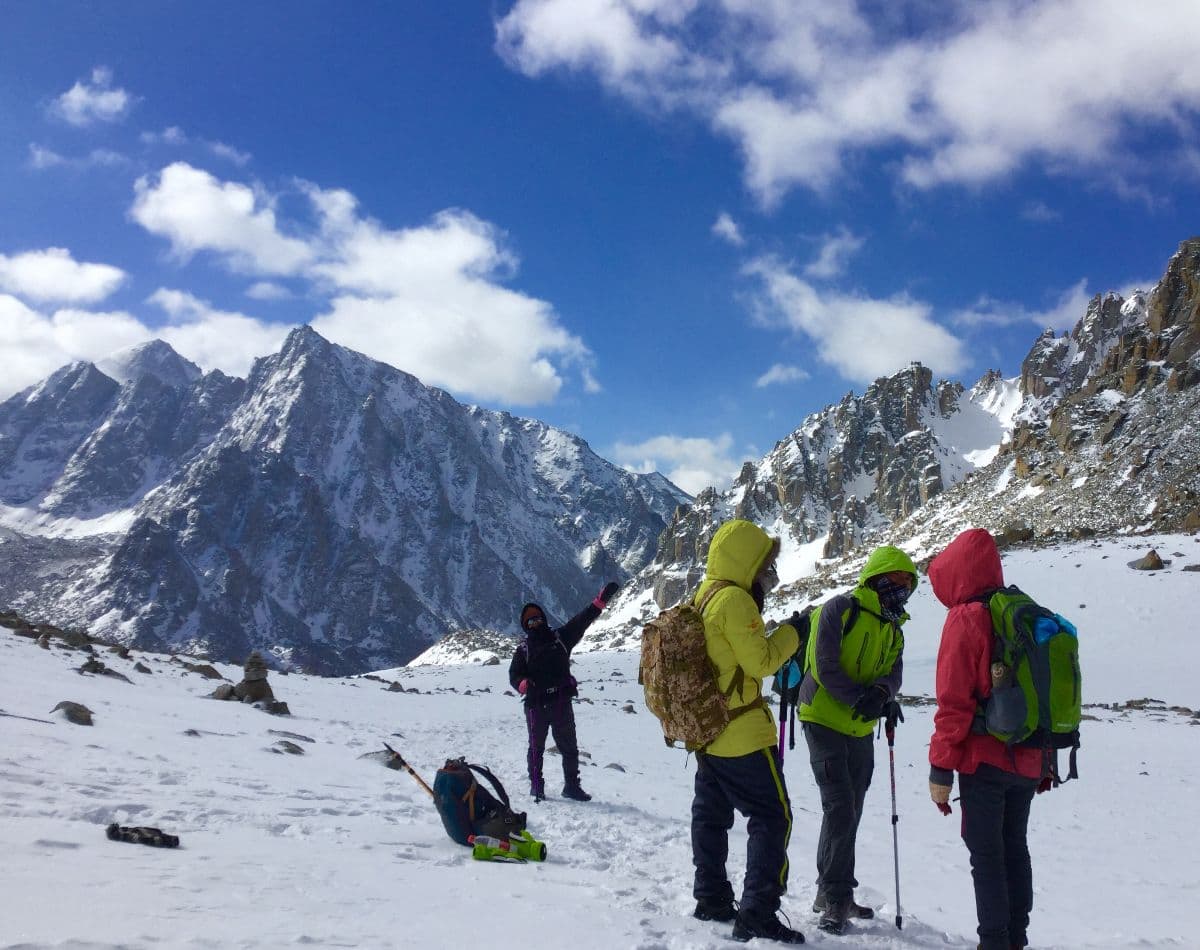
The Kailash Overland Journey is a very sacred and adventurous trip in Tibet. This trip takes you to Mount Kailash. It is a holy peak in the Tibet Autonomous Region of China. The Kailash Overland Tour starts in Kathmandu, Nepal. It goes on overland through high mountain passes. You travel to scenic landscapes and ancient Tibetan towns.
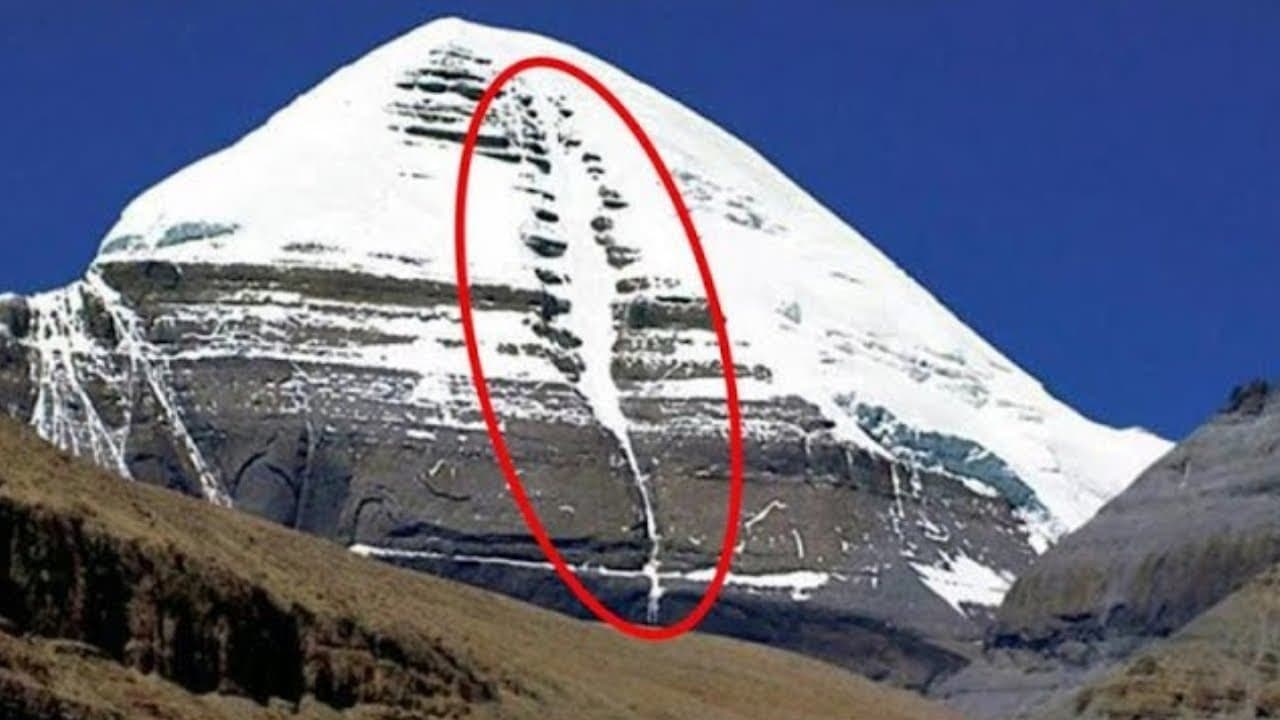
Mount Kailash is more than a mountain. It is a spiritual place for millions worldwide. This peak is sacred to Hindus, Buddhists, Jains, and Bon followers.
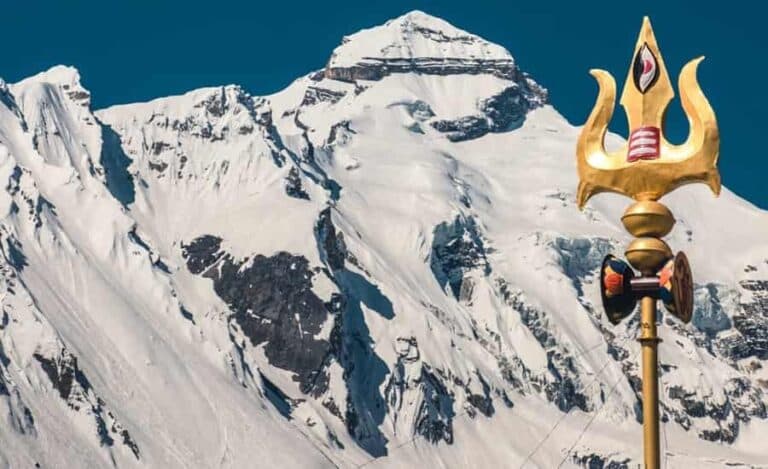
According to Hinduism, Mount Kailash is the home of Lord Shiva. He is one of the principal deities in Hinduism. For Buddhists, it is the center of the world and the place where Lord Buddha at one time meditated.
Journey to the Mystic Kailash
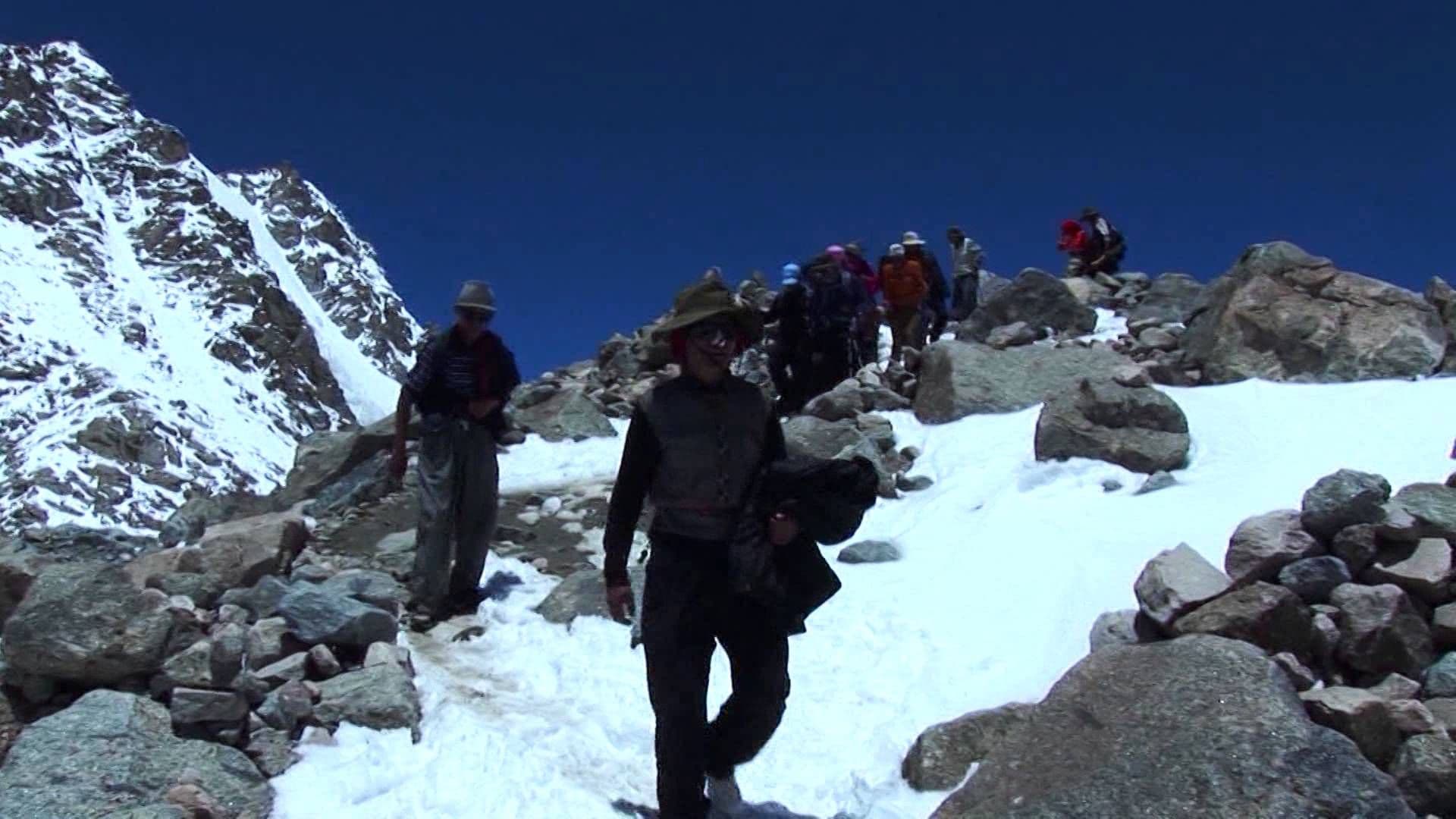
Every year, thousands of pilgrims and travelers visit this remote mountain in Tibet. The main event of the trip is the Kora, which is a 52 km trek around Mount Kailash.

But at Kailash, we see beyond the religious aspect. In the mountains' shadow is a picture-postcard setting of natural beauty. You will see snow-covered peaks. Travel to turquoise lakes as Lake Manasarovar, barren valleys, and very peaceful monasteries.
Lake at the base of Mount Kailash, which is the highest of the world’s freshwater lakes. Also, in the Hindu and Buddhist traditions, this lake is very sacred.
The overland trip is a rare adventure. You will pass through remote villages and rugged landscapes. The route from Nepal to Tibet provides a look at Tibetan culture, lifestyle, and geography. Along the journey, you will pass through old monasteries. Talk to local people, and see a different world.
Visa and Documentation Required
Traveling to Mount Kailash via the overland route is a complex affair. It requires a great deal of permitting and documentation. The trip includes passage through international borders. It then moves into the Tibetan restricted area.

First, you will need your valid passport. It needs to be good for 6 months past the travel date. Moreover, we recommend that you join a package with a tour operator. They help you gain a Chinese group visa. That’s the one specially given to travelers visiting Tibet via Nepal.
This visa is of a different type from the typical Chinese tourist visa. It is issued in Kathmandu at the Chinese Embassy. You cannot apply for it in your home country.
Tibet Travel Permit and others
You will need a Tibet Travel Permit. For all foreign visitors, the Tibet Tourism Bureau issues this document. This permit contains your travel route, duration, entry/exit points, and group details. Only a tour company has the application process for you, and it takes about 7-10 days to get.

In addition to this, you will also need an Alien’s Travel Permit. It is needed to get to locations beyond Lhasa. Yes, including Mount Kailash and Lake Manasarovar. Upon your entry into Tibet, we will manage this for you in cities like Shigatse and Saga.
Another important document, Military Permits or Border Permits, is critical. The Kailash area is near the border with India and Nepal. These permits, which are sorted out by your travel agency, do need extra time.
Indeed, you can’t travel to Kailash on your own. The Chinese government only permits group travel. This requires that you use a certified operator for all your documentation.
How to get to Mount Kailash from Nepal
The journey to Mount Kailash from Nepal is a trip of a lifetime. In most cases, travelers begin their Kailash Overland Tour in Kathmandu. Yes, it starts in the capital of Nepal.
From there, the route takes you across the Nepal-Tibet border. You travel into the Tibet Autonomous Region of China.
Overland Route from Kathmandu
From Kathmandu, we head to Syabrubesi or Rasuwagadhi for the start of the tour. The drive, which lasts between 7 and 8 hours, takes you through hills, forests, and small villages.
From the border post at Rasuwagadhi, you will enter Tibet at Kerung (Gyirong Port). In here, you will go through Chinese immigration and customs. Your documents and bags will be checked. Once in Tibet, your trip will continue in the local transport, which is arranged by your tour operator.
Transport Options
The tour company arranges transportation for the Kailash Overland Tour. Typically, you'll travel in a private land cruiser, van, or bus, depending on the group size. These vehicles are designed for rough terrain and high altitude. In Tibet, foreign vehicles and drivers are the exception.
Domestic flights are out of the picture for the overland route. But in some cases, we arrange for a helicopter transfer from Nepalgunj or Simikot to the border. It is for luxury or alternative itineraries. For the classic overland route, though, it’s all by road.
Best time to go on the Kailash Overland Tour
The best time to take a Kailash Overland Tour is between May and September. During this time, the weather is better, and the roads are in good condition. You will see the most beautiful of the mountains, valleys, and high-altitude lakes at that time.

May and June also see large numbers of tourists out on their vacation. There are clearer skies and more moderate temperatures. By mid-day you can expect bright sunny weather and pleasant afternoons.
July and August see the monsoon in Nepal. Also, this time of year, Tibet finds little rain, which in turn makes travel safe. These months are very popular for Indian pilgrims. Many religious groups organize their yatra. The weather is good, but in some parts of Nepal gets very muddy.
September is also a great time for the Kailash tour. The rain has mostly stopped for the season. The sky is clearing up, and we see good visibility. It is also what we recommend most for people wanting a great weather experience. It offers a more peaceful crowd-free environment.
Seasons to Avoid
Winter is a bad time for the Kailash Overland Tour, which is from October to April. At that time, the roads may close due to snow. And the region has very low temperatures.

High mountain passes and the Tibetan plateau are very cold. And the wind becomes a risk for travelers. Most tour operators don't run services at that time for safety reasons.
So, for your Kailash trip, any time from late spring to early autumn. It will give you the best views, comfort, and access.
Road Conditions for Overland Tour
The Kailash Overland adventure is a very long trip. It takes you to some of the most remote and high-altitude areas of Nepal and Tibet.
We have paved highways, rough gravel tracks, and mountain passes for the route. But the path is beautiful and full of adventure. What we do ask of you is to prepare for bumpy rides and variable road conditions.
Road Conditions in Nepal
The trip generally starts from Kathmandu to Rasuwagadhi or Syabrubesi. That section of the route takes 7 to 8 hours, which is also true of very narrow and winding roads.

The road goes through hills and valleys. At times are rough and prone to landslides in the monsoon season. We have seen an improvement in road conditions in recent years, but still, in some spots, it is dusty and uneven.
Road Conditions in Tibet
Once you pass the border in Kerung (Kyirong) and enter Tibet, the road quality improves. In the Tibetan plateau, we find very open roads, which are also mostly paved and great for long drives.
The drive from Kerung to Saga and then to Lake Manasarovar and Darchen is a more comfortable one. But still, you will go through high mountain passes, which include some above 5,000 meters.

Some of the roads in Tibet do still present issues, such as potholes, being rocky, or unpaved. The weather plays a factor, which is more of an issue when we have snow or rain.
Type of Vehicles Used
During the journey, which includes high-altitude regions and rough terrains. Only strong and reliable vehicles are used for the Kailash Overland Tour.
In this tour, we provide:
4x4 Land Cruisers or equal SUVs are best for small groups.
Large-capacity tour coaches and minivans, for bigger groups.
Tibet registered vehicles for use in Tibet.
We use cars that are fit for mountain terrain. It also has better suspension for rough roads. From Nepal, we may hand over your car to a local Tibetan. Well, once we cross the border into China. At that stage, you will get a local driver.
Travel Tips for the Road
Always wear your seatbelt.
If you suffer from motion sickness during long rides, bring medicine.
Take neck pillows and snacks for extra comfort.
Be prepared for potholes, especially on gravel roads.
Accommodation Options During the Tour
Accommodation during the Kailash Overland Tour is simple. But, for the most part, very comfortable for the journey. As the tour goes through very remote and high-altitude areas, do not expect luxury hotels.

But you will have a clean, safe, and functional lodge. You will find along the route that your tour operator has arranged.
In Nepal (Kathmandu and Border Towns)
Kathmandu is the starting point, and we stay in 3-star or 4-star hotels based on your package. In these hotels, we will have comfy rooms that come with en suite baths, hot showers, free Wi Fi, and meals.

Option for a night stay in Syabrubesi or Rasuwagadhi is available. They are towns near the Nepal-Tibet border. In this area, accommodations are more basic. We usually stay in local guest houses with shared toilets and limited hot water.
In Tibet (Kerung to Darchen)
Once you enter Tibet, you will notice the type of lodging that is available has changed:
Kerung (Gyirong):
This is a little town right at the border. We’ll put you up at a simple hotel or guesthouse. The rooms are very basic but clean, with a twin bed. Some have private bathrooms.
Saga:
This town does have better options. They have budget hotels which have good quality beds, blankets, and at times hot water.

Power is available for your devices, which is great, and yet the Wi-Fi may be slow or nonexistent.
Lake Manasarovar:
The lake’s area is very remote. We will be staying in guesthouses or at fixed tented camps, which are very basic to the point of being primitive.

In fact, you may share the bathrooms that do not have showers. The temperatures drop very quickly at night very quickly.
Darchen:
This is the primary town for Mount Kailash. We have simple hotels and guesthouses where pilgrims and tourists stay. They find it before and after the Kora trek.
Some rooms do have attached toilets, but it is rare to find a geyser with hot water. You may get power for charging your phone, but internet services are not at all reliable.
During the Mount Kailash Kora (Parikrama)
During the 3-day trek around Mount Kailash. You will stay in basic guesthouses and dorm-style lodges at Dirapuk and Zuthulphuk.

These accommodations present multi-bedrooms. You share rooms and do not have heating, and very little bedding. Bathrooms are outside and are of basic squat style. There are no shower facilities, and water is a very limited resource. It is important to bring your own sleeping bag, warm clothing, and toiletries.
Some companies provide portable tents for large groups that want to camp. Our staff set up the tents. We offer sleeping mats and kitchen equipment. We prepare simple meals during camping. But most guests prefer to stay in permanent guesthouses. These accommodations offer better shelter from the cold and wind.
What to Expect
No luxury: Focus is on the essentials.
Shared facilities: Be ready to share bathrooms and rooms.
Altitude cold: Rooms are not heated, so bring along warm sleepwear.
Limited resources: Bring your hygiene products, flashlights, and power banks.
Food and Water Availability
During the Kailash Overland Tour, food is basic. Moreover, it's mostly vegetarian and has a local flavor. In Kathmandu and Tibetan towns, Saga and Darchen, find simple guesthouses and hotels. They serve rice, noodles, soups, vegetables, and Tibetan bread.
A tour company typically includes set meals or packed food in the trip to Lake Manasarovar and along the Kora, which are very remote areas. Food options are few, but they are enough to keep you going.

Instant ramen, porridge, boiled potatoes, and a variety of teas are what we see a lot of. Also do bring in your own, for instance, energy bars, dried fruits, or instant meals, which will add to your comfort.
For water, you must only use that which is safe and purified. In these areas, tap and stream water is not for drinking. Your tour group will supply you with either boiled water or bottled mineral water.
Also, bring a reusable bottle that has a filter or water purification tabs to go by. They will help with waste reduction. At high altitudes, what you put in your body is very important. This is why it is key to keep well hydrated for the prevention of altitude sickness.
Training for the Kailash Tour
Kailash Overland will take you to the most remote parts of the world. We go to altitudes over 5,000 meters, which is a challenge for many.
You don’t have to be an athlete or a professional trekker for this tour. What we do ask is that you have a base level of fitness. You will be traveling long distances by road. Yes, including some sightseeing, which requires walking.

You will be doing a 3-day trek around Mount Kailash. Begin to prepare at least a month beforehand. Try things like daily walking, light jogging, stair climbing, or yoga. They will improve your stamina and breathing.
The greatest issue on this tour is altitude sickness. It's also known as Acute Mountain Sickness (AMS). At high altitudes, your body doesn’t get enough oxygen. Symptoms are headache, nausea, dizziness, and shortness of breath. The body may also respond with shortness of breath and tiredness. To which we note it’s a good idea to go slow.
The itinerary includes days set aside for acclimatization. It will help your body to adjust. Also, pay attention to your health. Drink lots of water, and stay away from alcohol and smoking while traveling.
Medication and Health
Doctors might also suggest you take Diamox (Acetazolamide). Or some other medications to prevent altitude sickness. Do not take any of these without first speaking with your doctor.
What to do if you have preexisting health issues? If you have asthma, high blood pressure, or heart conditions, have a full health check before the tour.
Bring along any personal medicines that you may need on the trip, as drug stores are few along the way.
Cold weather, dry air, and strong sun at high altitude will also impact your health. We suggest packing warm clothes, sunscreen, lip balm, sunglasses, and moisturizers.
Keep your body covered, which will, in turn, prevent dehydration and sunburn. As washing facilities are limited at Kora, pack wet wipes and sanitizers to keep clean. But if you are calm, positive, and patient, the journey will go more smoothly. Travel in a good group, follow the guide’s instructions, and get plenty of rest.
Cultural Experiences on the Kailash Tour
The Kailash Overland Tour is more than what meets the eye, with scenic beauty and high mountains. It is a very cultural and spiritual journey. As you go from Nepal into Tibet, you will see small towns, sacred sites, and ancient monasteries.

Along the way, you will see age-old traditions and religious practices. They are very much out of the ordinary for most people, and the everyday life that we think of as very different.
Local Life in Tibetan Villages
Once you enter the border into Tibet, everything changes. You will see the traditional Tibetan homes. Find the prayer flags that fly in the wind, and the people in their distinct Tibetan clothing.

In remote places such as Kerung, Saga, and Darchen, we see the simple and yet very spiritual lives of the people. Most Tibetans are into Tibetan Buddhism. You will see them out there spinning prayer wheels, reciting mantras, or bowing in prayer.
Tibetans are known for their warm welcome. May not speak English, but a smile, a gesture, or a cup of butter tea can create a connection. It is a great experience to wander through their markets. You get to see handmade crafts and note their traditional way of life.
Visit to Ancient Monasteries
During our journey, you will visit many ancient monasteries. It, at times, dates back hundreds of years.
These sites are not for tourism, but for the monks who still live, study, and practice meditation in them. Inside, you will see colorful murals, statues of Buddha, and the smell of burning incense.

Monasteries around Lake Manasarovar and on the way to Mount Kailash. It provides a very peaceful and spiritual atmosphere. If you are lucky, you will see a Buddhist prayer ceremony. Monks chant and play ritual instruments.
The Sacred Pilgrimage of Mount Kailash
The highlight of the Kailash Tour is the Kora, that holy walk around Mount Kailash. This 52 km trek is done by pilgrims of many faiths: Hindus, Buddhists, Jains, and Bon.

In Hinduism, it is the home of Lord Shiva. For Tibetan Buddhism, it is the center of the universe. For Jainism, that is where their first saint had his enlightenment. And in the Bon religion, it is a sacred spiritual mountain.
Along the Kora, you will meet individuals from around the globe. Some do full-body prostrations for each step they take.
As you go along, you will see Mani stones. They have prayers carved into them. Then you come across chortens, which are small stupas, and piles of offerings, which may be of yak horns or food. It is not a physical journey only, but a spiritual one that is shared by people of all backgrounds.
Lake Manasarovar Rituals
Lake Manasarovar is also a very sacred site on the tour. The lake is of great holiness and is a place of purification for many pilgrims. Devotees take a ritual bath in its very cold waters.

In some beliefs, it is said that what one does in the lake removes all past sins. Though not for everyone, the cold, just to touch the water or stand by the shore, is a very powerful experience.
They light butter lamps and make small offerings to the gods. These quiet practices show out of great devotion that this trip causes.
Festivals and Special Occasions
If you are to attend during the Saga Dawa Festival, you have that very special opportunity. The festival is celebrated as the birth, enlightenment, and death of Lord Buddha.
During Saga Dawa (which is in May or June), thousands of pilgrims converge on Mount Kailash. Their main goal in Saga Dawa is to make the Kora, pray, and put up new prayer flags.
The festival is a dynamic, spiritual, and colorful affair. At its best, you will see Tibetan culture on full display. They include chanting and drumming. They come out to celebrate from all over the Himalayan regions.
Challenges You May Face During the Tour
Kailash Overland Tour is an experience of a lifetime. But also presents a series of physical and mental challenges.
At present, we see that high altitude is a great issue. We go very high for the greater part of the trip. It goes over 4,500 meters, and the Mount Kailash Kora takes us to even greater heights. It includes the Dolma La Pass at 5,630 meters.

High elevations hold low oxygen. Many people have experienced symptoms of altitude sickness. Them being headaches, shortness of which are shortness of breath, tiredness, and nausea.
In that which we put our faith in predictability, the weather in Tibet is a challenge. Even in the best seasons in Tibet weather can turn bad sometimes. It may be bright and sunny in the morning can see a snowstorm by early afternoon. Also, it is very cold at night, and at high altitudes, there is usually strong wind.
You will put in long hours on the road over rough terrain. In parts is especially bad near the Nepal-Tibet border and in remote areas of the route. In the rainy season, roads may become dusty, uneven, and muddy. This may cause discomfort for travelers and delays.
Basic services are a challenge for the modern traveler. The most prominent of them are shared toilets and limited access to hot water. But with the right frame of mind and preparation, these issues become part of the adventure.
Safety Tips and Travel Advice
Acclimatize right. Take the rest days your guides recommend to avoid altitude sickness.
Consume at least 3 to 4 liters of water daily.
Stay away from alcohol and smoking, as they increase your risk of altitude sickness.
Pack your personal medicine, and bring along a basic first aid kit.
Eat a clean diet. Go for veggies, which should reduce your stomach issues.
Layer up. The weather is changeable; go for warm and windproof options.
Pay attention to your guide. Always stick to safety instructions and group schedules.
Walk at a slow pace during the Kora, take breaks when you need to conserve your energy.
Always have access to emergency contacts, and share your itinerary with a friend.
Be ready for anything from basic facilities to rough roads and long drives.
Respect the local culture, put on modest attire, and ask first before taking pictures.
Spiritual Significance and Pilgrimage Experience
Due to the great religious value, climbing Mount Kailash is off limits. It is a mountain to be revered and walked around, which is not at all to be conquered. The primary event of the pilgrimage is the Kora, a 52 km trek around the mountain. It is thought that this walk cleanses the sins and brings inner peace.
Many pilgrims do full-body prostrations on the way, which is a display of great devotion. Also, some chant out prayers while others walk in silence, pondering over their life and faith. The mountain’s spirit is very present. Non-religious travelers report very moving experiences.
Group vs. Private Tour Options
When you book the Kailash Overland Tour, you will see that we have a group and a private option available. Each of these has its own pros and cons. It is based on your travel style, what you are looking to spend, and personal preference.
Group travel is a more economical option than we have. It is because the costs are passed out among the group members.

Our group tours also have a pre-determined set of activities and usually have 15 to 25 guests. It is a wonderful way to meet other pilgrims. This puts into practice what you believe with like-minded people.
We find that traveling in a group gives you a sense of security and support. It is very useful in high-altitude areas.
At the same time, you will have to go along with the set schedule. This may not always play to your individual preferences. As such, seeing sites that you were hoping to see will be difficult. Likewise, you might not get to rest when you are tired.
Private tours also offer comfort and choice according to your preference. You may choose your travel dates, set the pace of the trip, and design your own itinerary. It is great for families, small groups, or travelers who value privacy. You get more individual attention from the guide and driver.
Private tours have the drawback of being more expensive. It is true especially for groups of 1-2 people. You’ll find the per-person cost is greater. In out-of-the-way areas, there is a lack of group energy and shared spiritual experience. You get from traveling in a group.
How It Feels to Be at Kailash Manasarovar Lake
Standing at Lake Manasarovar with great Mount Kailash as a backdrop. This will be a very peaceful and powerful moment. The lake is vast and clear, and surrounded by quiet. As you look at the peaceful waters, they mirror not only the sky but your soul also, which is what many pilgrims say. Time seems to stand still there.

The air is rare but clean. The wind is cold yet soothing. If you dip into the frigid water, sit by the shore for silent prayer. Or look at the mountain reflections with the snow-crowned, something within your changes.
It is not just the beauty that touches you, but the place’s energy. You may feel soul-free, but at the same time be a part of something much bigger. It is more than a trip; it is a spiritual journey that you carry with you long after you leave.
Conclusion: Is this the Kailash Overland tour for you?
The Kailash Overland Tour is not a typical trip; it is a spiritual and emotional journey. You travel through remote landscapes, to sacred sites, and across high mountain passes.

If you are looking for a respite from the fast pace of modern life. Are you interested in ancient cultures? Or in search of a spiritual awakening? Then this journey is for you. For the spiritual or the secular, if you wish to explore the Himalayas and the Tibetan plateau.
Kailash Overland journey, which is a journey that touches the soul. It may not be the easy way out, but in the end, it will truly change how you see the world and yourself.
FAQs on Kailash Overland Tour from Nepal
1. Do seniors and beginners do the Kailash Overland Tour?
Yes, many seniors and first-time high-altitude travelers can have success with the tour. But they should be in fair health and see a doctor before the trip. Acclimatization days and slow ascent help to make the journey safer.
2. What is the connectivity like during the tour?
Mobile networks are at a premium in Tibet. In some towns like Saga or Darchen, Wi-Fi is available, but it is slow and not very reliable. It is best to inform your family in advance and to have a local SIM if you need to use the mobile network.
3. What type of toilets and hygiene facilities should I expect?
In city hotels, they have Western-style toilets. But in remote areas, basic squat toilets are the type. During the Kora, toilets are usually outdoors and shared. Bring along your own toiletries, toilet paper, and wet wipes for personal hygiene.
4. Are women included in the Kailash Yatra?
Yes, we have women on the tour, and in fact, they are very much a part of it. But we do tell pregnant women to stay home to play it safe about the altitude issues. For all female travelers, we ask that you bring your own personal hygiene items, as we have very little to offer.
5. May I plug in my phone or camera during the tour?
Yes, you may plug in at what we may term very few stops. It really is overnight at most, and the electricity supply may be an issue. We recommend you bring a power bank or solar charger for the Kora. In some areas may completely run out.
6. What type of currency should I have?
In Tibet, you should use Chinese Yuan (CNY). In Kathmandu, you may exchange currency as well as at the border. ATMs do not always work along the route. This is why we recommend carrying enough cash for your personal needs.
7. Is travel insurance a requirement for this tour?
Yes, indeed, we need high-altitude travel insurance. It should include emergency evacuation, medical care, and trip cancellation. Please see if you can get insurance from your home country’s providers. This coverage is not available in Nepal or Tibet.