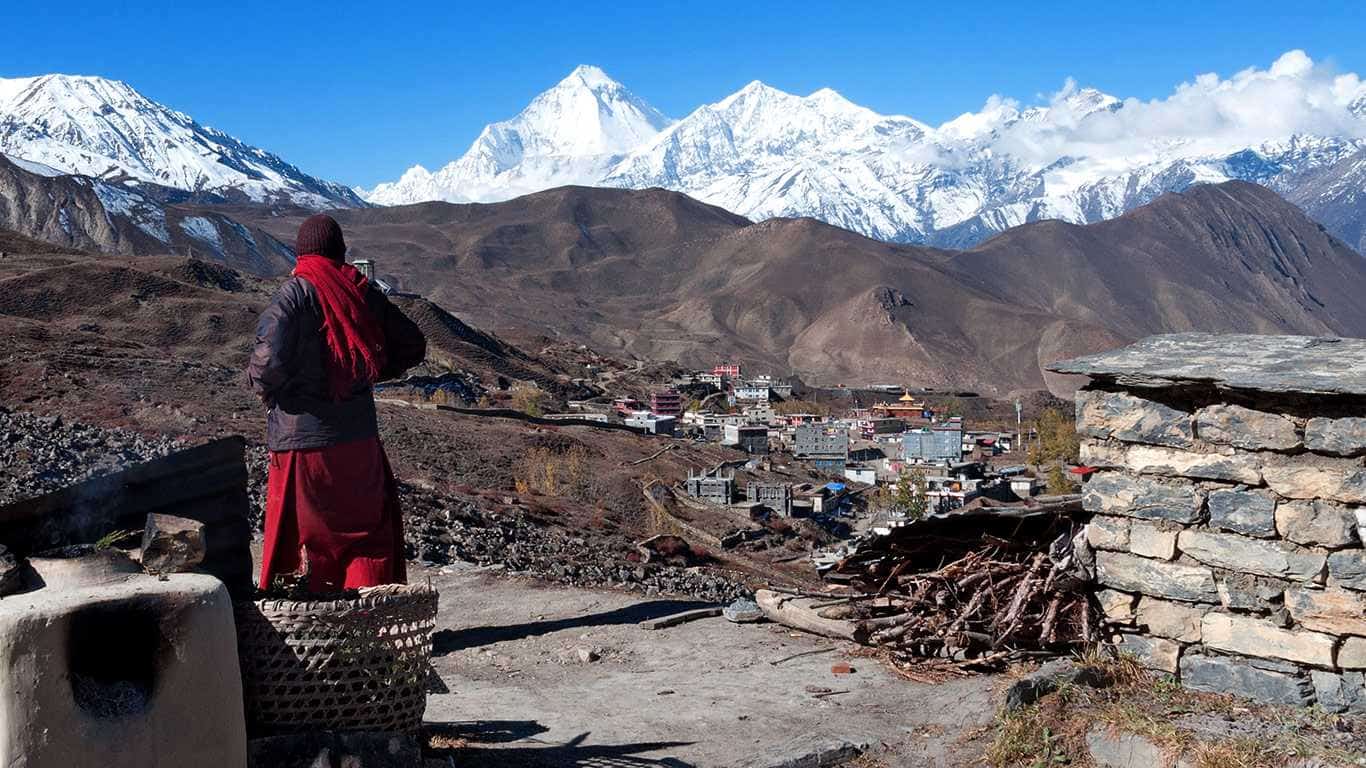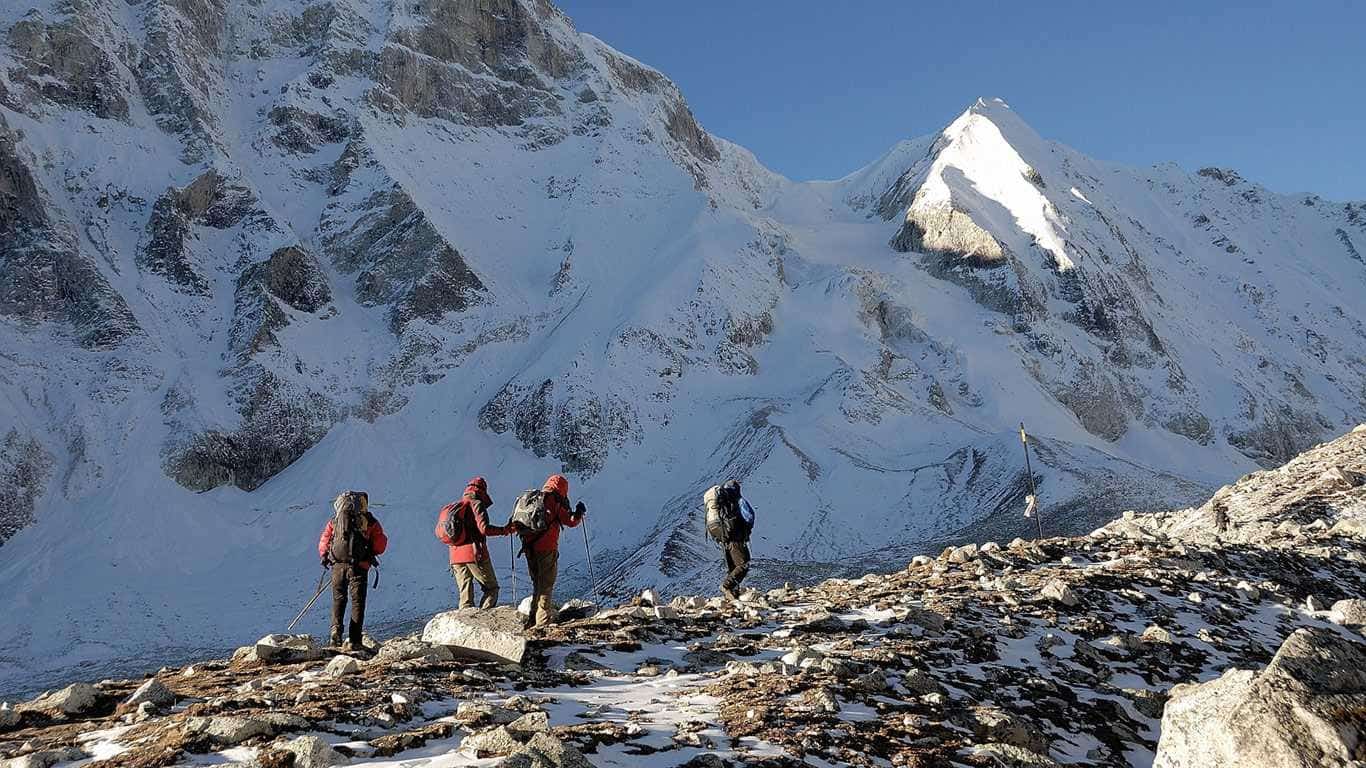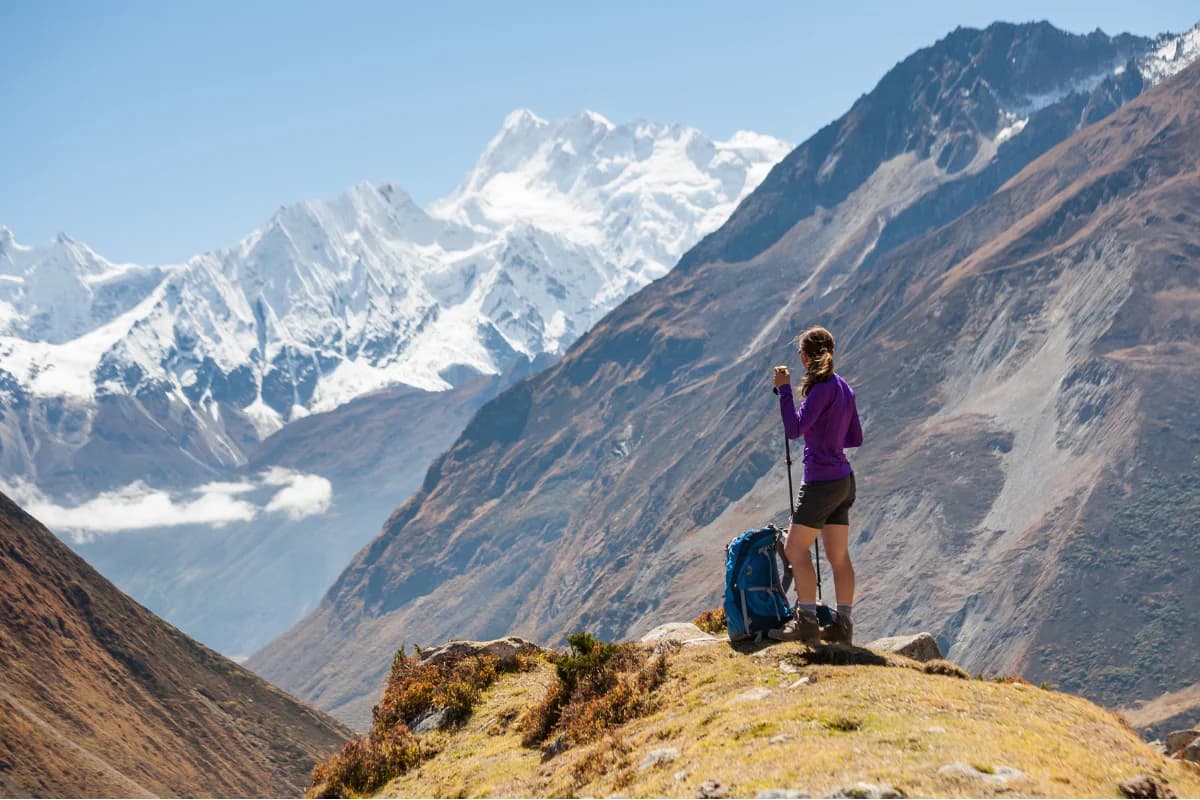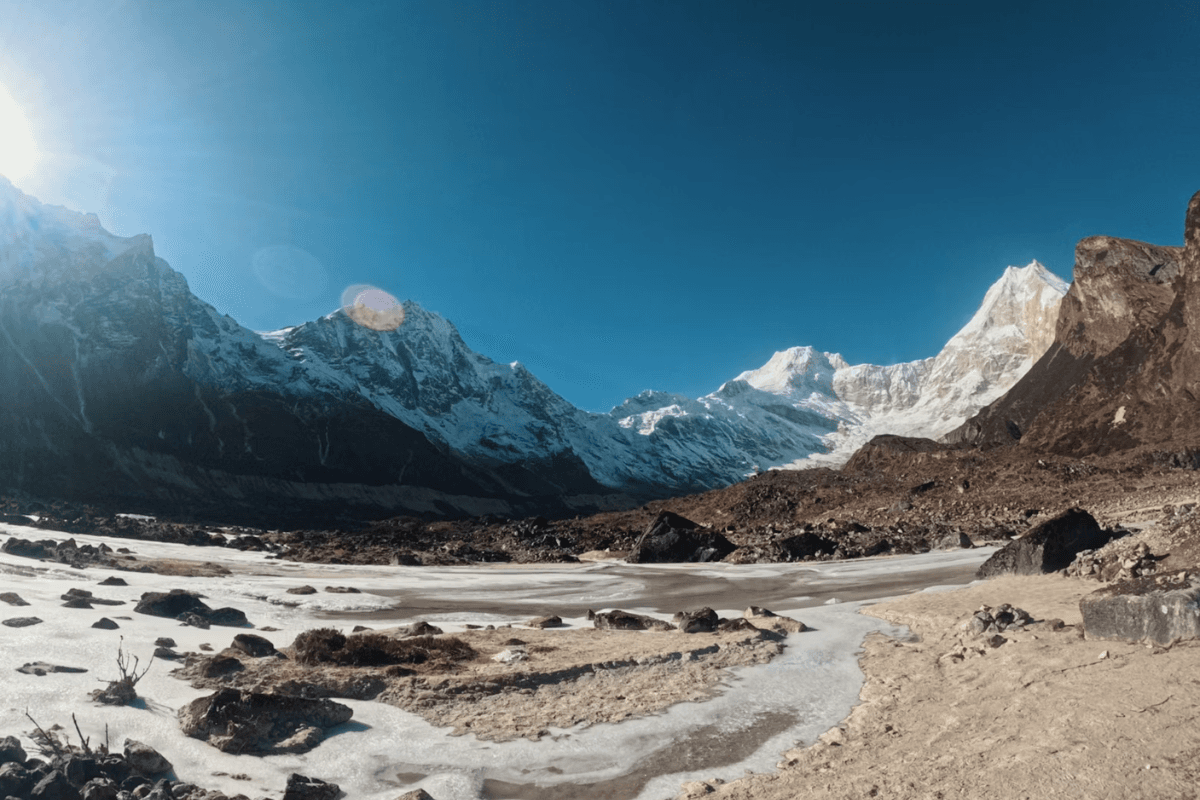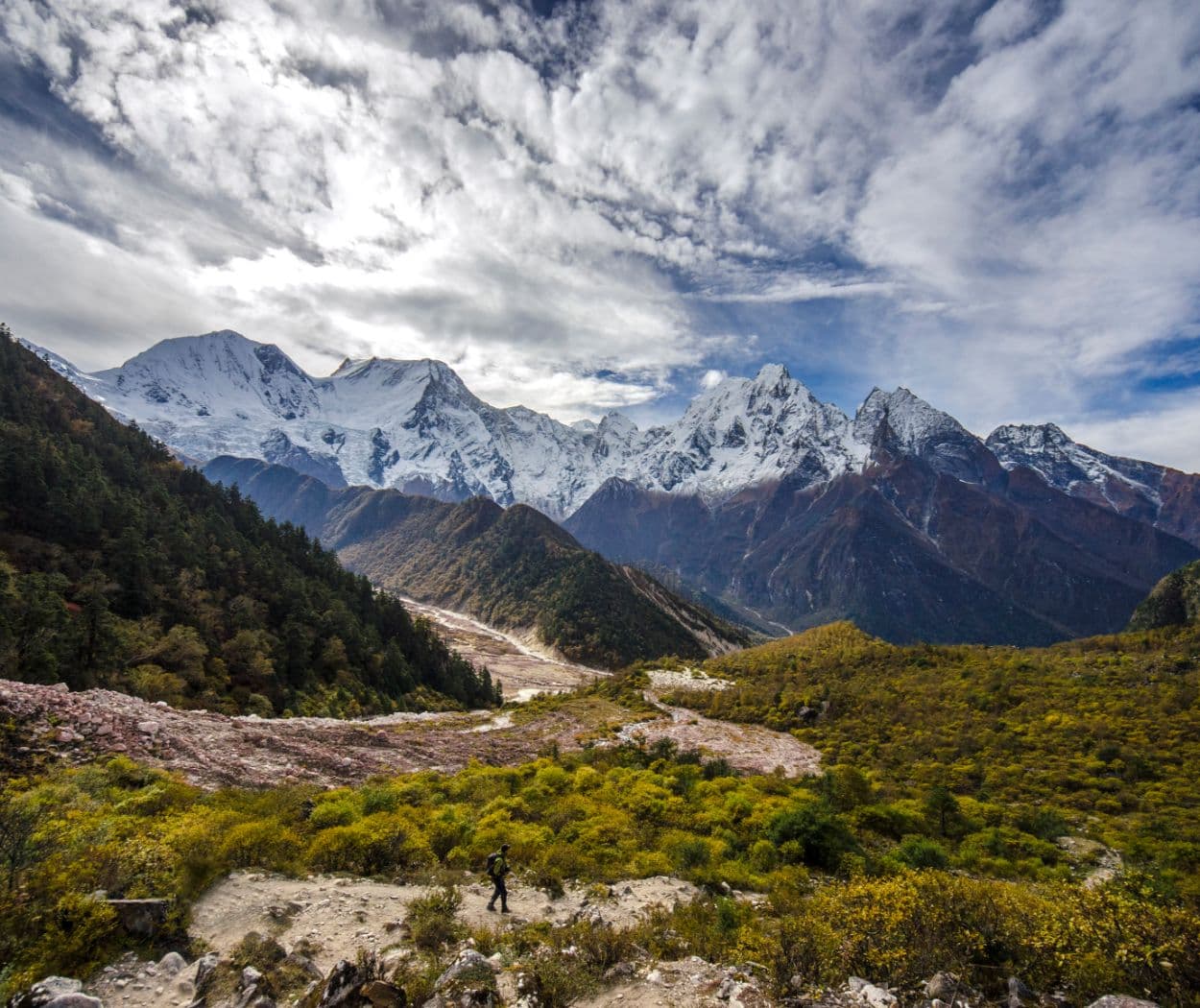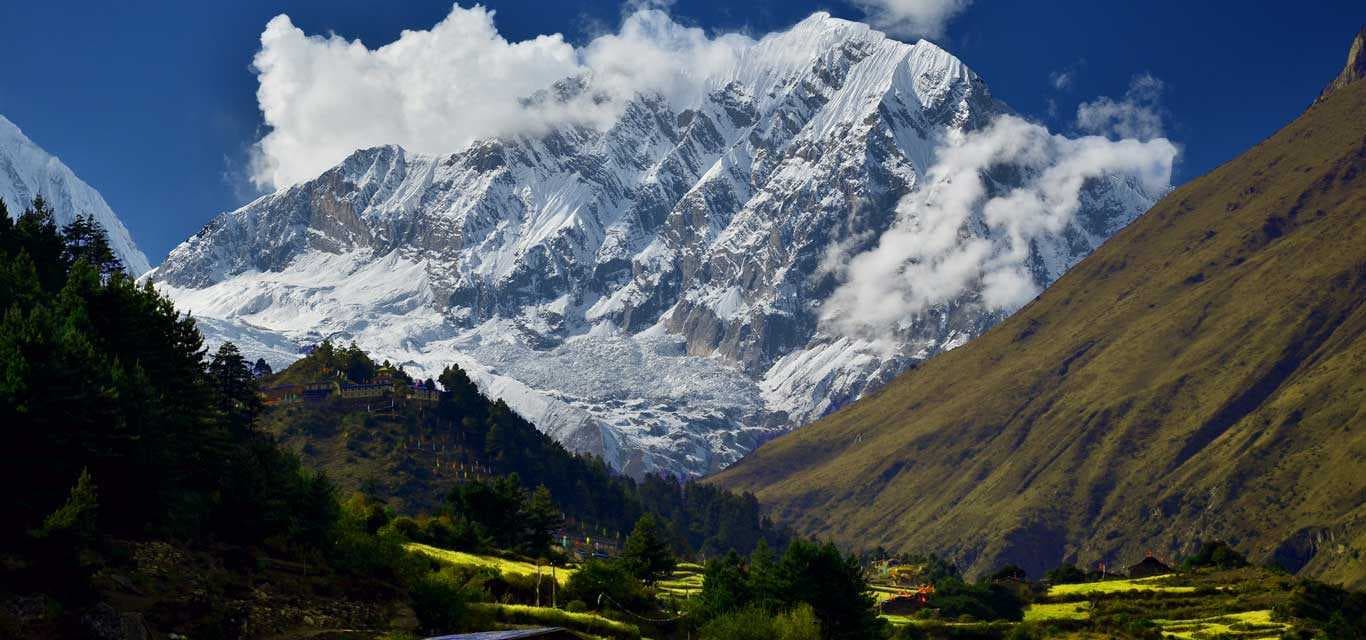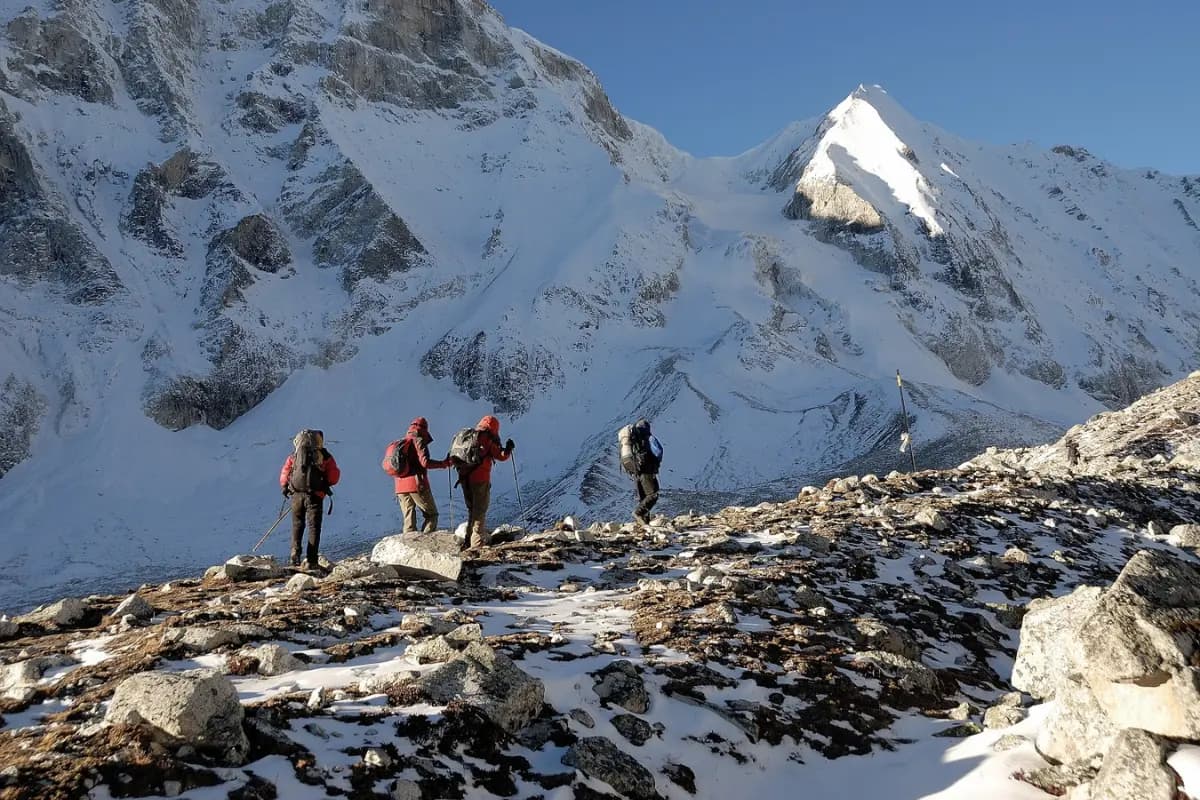
Larkya La Pass Crossing at 5,106 meters (16,752 feet) is an absolute thing to do in the Manaslu Circuit Trek. This is what makes your trek so special. However, altitude sickness on Manaslu Circuit Trek is one of the main factors behind the failures of trekkers to reach the top of Larkya La Pass.
The misconception that altitude sickness occurs mostly to the beginners is not true since experienced trekkers suffer from it too, but only due to rapid elevation gain.
However, there is nothing to worry about since altitude sickness can easily be avoided provided that you know how to do it. This guide contains all necessary information related to the problem starting from its symptoms to the emergency evacuation and how to prepare for the Manaslu Trek.
Understanding Altitude Sickness on Manaslu Circuit Trek
This health hazard is called Acute Mountain Sickness (AMS). The human body finds it difficult to adapt itself to lower concentration of oxygen present at high altitudes.
When one is at sea level, each breath brings a sufficient quantity of oxygen into his lungs and bloodstream. Once one gets above 2,500 meters (8,202 feet), there is a sharp reduction in the oxygen content which demands effort on the part of the human body to function normally.
As far as Manaslu Circuit Trek is concerned, altitude becomes a matter of concern only when one arrives at Jagat. It becomes important once one reaches Samagaon at 3,530 meters and Dharamsala at 4,460 meters before moving further to Larkya La. The impact of altitude is experienced by individuals regardless of their age and fitness level.
Where Is the Highest Risk of Altitude Sickness on the Manaslu Circuit Trek?
Altitude risk increases as you gain elevation. The following sections carry the highest risk.
Namrung and Lho
Namrung is located at an altitude of 2,630 meters (8,629 feet). Lho is at 3,180 meters (10,433 feet). The symptoms begin to show at this point, especially among trekkers who exerted themselves too much at the previous levels. Headaches and exhaustion are common.
Samagaon and Samdo
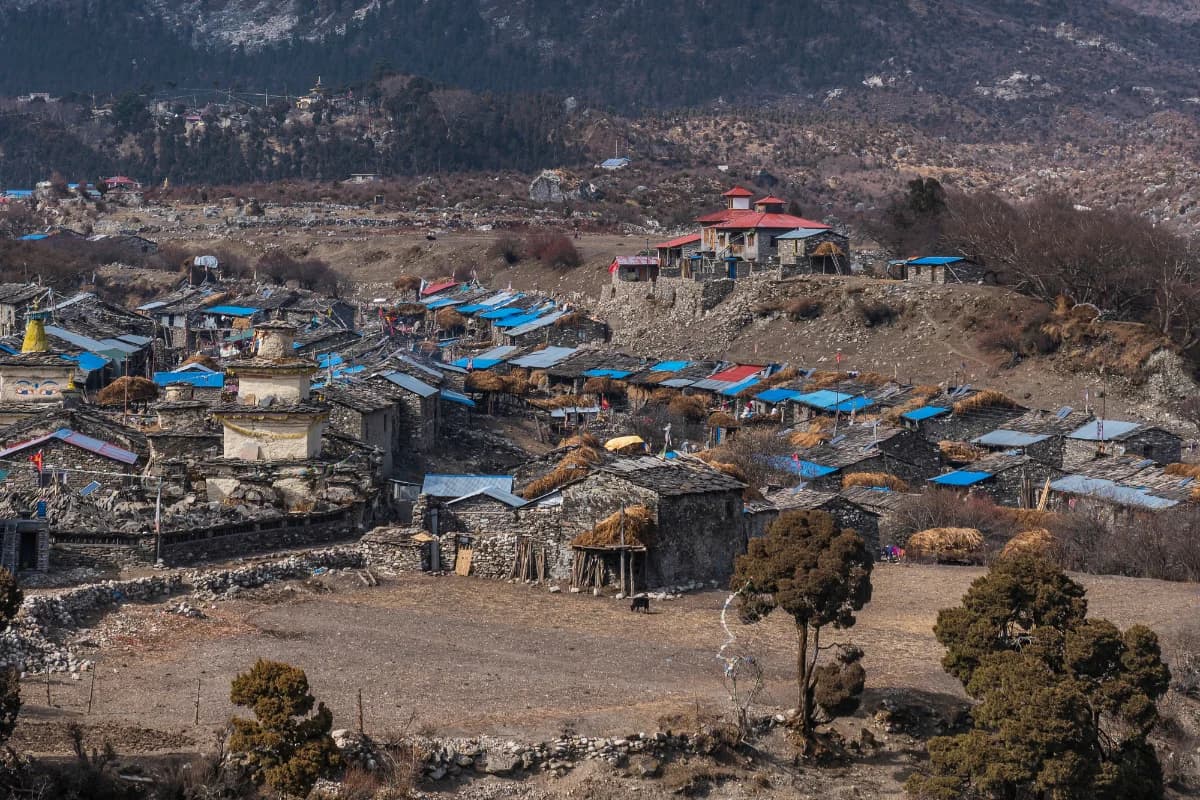
The most crucial acclimatization stop at an altitude of 3,530 meters (11,581 feet) along the circuit route is Samagaon. Samdo located at 3,875 meters (12,713 feet) marks the last village on the route to Dharamsala. This is where the chances of developing AMS become very high.

Samagaon village, best acclimatization stop on Manaslu Circuit Trek
Dharamsala and Larkya La Pass
The Dharamsala camp is the highest camp before crossing the pass at 4,460 meters (14,633 feet). The Larkya La pass itself is the highest point on this trek, with an elevation of 5,106 meters (16,752 feet). Here is where most of the cases take place. It is because of the combination of high altitude, cold weather, and physical stress that this segment becomes the most dangerous.
Signs and Symptoms of Altitude Sickness During the Manaslu Circuit Trek
Early symptoms are often overlooked. This is the biggest mistake trekkers make. The first symptom of altitude sickness that develops towards the evening or night, after a whole day of trekking, is headache. The feeling resembles that of pressure in the temples and base of the head.
Some of the other symptoms are tiredness even if there is no physical activity, loss of appetite when having dinner, pain in the stomach, and insomnia. Having any single symptom does not mean much; however, having two or three symptoms together means that the climbing should be stopped.
Symptoms that indicate serious problems include vomiting (not just nausea), headache unresponsive to resting and medications, loss of coordination, mental confusion, and a coughing attack that gets worse during the night.
All of these are indicators of HACE or HAPE.
Both conditions can cause death within a few hours if left untreated. Descent of 300 to 500 meters (984 to 1,640 feet) can alleviate the symptoms. On the Manaslu Circuit, descent is the first thing to do anyway.
How to Prevent Altitude Sickness on the Manaslu Circuit Trek
Prevention is simple but involves self-discipline. The following preventive measures will help.
Follow a Gradual Ascent and Acclimatization Schedule
This is the rule of thumb for increasing your sleeping altitude in increments no greater than 300-500 meters (984-1640 feet) daily past 3,000 meters (9842 feet).
Acclimatization occurs during sleep at nighttime, and not while hiking. It’s sleeping altitude that matters, and not how much distance you walk each day. You need to strictly follow the classic itinerary of the Manaslu trek.
Take an Acclimatization Day at Samagaon and Samdo
Samagaon and Samdo are meant to be stops for acclimatization. The rest day at Samagaon is not an option. It will allow you enough time to acclimatize before going into the next sections. Failure to observe this is the most frequent cause for problems that trekkers face on Larkya La.
Walk Slowly and Avoid Overexertion
The walking slow rule is broken by many trekkers during their trekking journey. It is because trekkers who feel very powerful while moving in the lower parts of the route tend to walk quickly. After two or three days, the error becomes apparent. Try to maintain a speed where you can talk easily.
Stay Hydrated and Eat Regular Meals
Drink at least 3 to 4 liters of water on Manaslu Circuit Trek. Dehydration can produce similar effects as AMS, and worsen the symptoms of AMS. Eat regularly even when you lack an appetite. It is best that you take Dal Bhat since you can have all the refills you want.
Drink Garlic Soup and Other Natural Remedies
A garlic soup is one of the common natural remedies for altitude sickness available in high altitude regions in Nepal. The soup is warm and soothing, and also easy to consume even if one lacks appetite. Ginger tea is also helpful. Neither of these cures are scientifically proven to cure AMS, but are helpful in terms of hydration and comfort.
What to Eat and Drink at High Altitude on the Manaslu Circuit
When one is at high altitude, there is an increased need for food and water intake. One feels decreased appetite, hence difficulty in eating. Foods rich in carbohydrates should be taken. Examples of such foods are Dal Bhat, fried rice, noodles, and potatoes.
It is important to ensure that you drink sufficient amounts of water during the day, even if you do not feel thirsty. You can take drinks like herbal tea and soups. Consumption of alcohol is prohibited as it causes dehydration and sleeplessness.
Should You Take Diamox on the Manaslu Circuit Trek?
Diamox (Acetazolamide) helps the body adjust to high altitudes by speeding up the breathing rate and making red blood cells.
Diamox does not cure altitude sickness. Diamox does not enable the body to go higher at a rate faster than it would naturally be capable of doing. The action of Diamox on the body is that it reduces the severity of the symptoms in most cases.
The dose of Diamox is 125 mg twice per day beginning a day or two before exposure to high altitudes. Some individuals use 250 mg twice per day. You should discuss this with your doctor before you leave.
Tingling in the fingers and toes, frequent urination and lack of taste in carbonated drinks are common side effects. People with sulphonamide allergies should not take Diamox.
What to Do If You Experience Altitude Sickness on Manaslu Circuit
Should symptoms manifest themselves, discontinue climbing and do not attempt further climbs to a higher teahouse at Manaslu Circuit. Instead, rest, hydrate, and evaluate your condition. Should improvement be evident within several hours, you might try continuing the next day at a more leisurely pace. However, should symptoms be worsening, descent should take place.

View of Mount Manaslu from Lho village
Descent is the most effective method of treatment. It works far quicker than any medication will. Typically, a descent of 300 to 500 meters (984 to 1,640 feet) will suffice for a resolution of symptoms.
If symptoms are very strong, don’t wait until morning, descend right away. In case of any signs of disorientation, loss of coordination or trouble breathing at rest, descent is mandatory.
What to Pack for Altitude Safety on the Manaslu Circuit Trek
Carry medications and things that will be required in case of altitude sickness. Paracetamol and ibuprofen can be used to treat headaches. Bring medicine in order to prevent nausea.
The rehydration solution will help you to restore the electrolytes which are lost by you. Pulse oximeter is the device used to measure oxygen saturation. Consult your guide if the oxygen saturation falls below 80%.
Bring along all your prescription medicines. Make sure you study the guidelines of your travel insurance coverage prior to setting out for your trip. The travel insurance coverage will typically not cover treks above 4,000 meters or 4,500 meters (13,123 feet or 14,764 feet).
The travel insurance coverage needs to have helicopter evacuation coverage above 5,000 meters (16,404 feet).
Altitude Sickness Risk at Larkya La Pass
The highest point along the Manaslu Circuit is Larkya La Pass at 5,106 meters (16,752 feet). This is also the location of greatest risk for altitude sickness. The pass is traversed over a day that can last between 9 and 11 hours, beginning early in the morning.
The majority of trekkers who backtrack due to altitude problems experience these issues during their time at Dharamsala or on the pass.
Your safest course is acclimatization at Samagaon and Samdo. If you get a headache at Dharamsala that doesn't go away through rest and hydration, do not continue to pass. Go down and try again next year.
Rescue and Emergency Evacuation on the Manaslu Circuit Trek
The Manaslu Circuit Trekking route is far-flung. Evacuation procedures are less straightforward than on the Annapurna or Everest treks.
In case of severe AMS, immediate descent is the priority. Don't rely on helicopter evacuation; don't wait till the morning; descend immediately.
Evacuation via helicopter can be arranged from certain points along the circuit; however, it depends on weather conditions and the availability of landing areas. Above Samagaon, there are few options for a landing area; bad weather may ground the chopper for days or even longer. Never presume that you'll be rescued soon enough.
The guide is going to be your best help when there is a problem. A guide who has enough experience knows the location of the nearest health post, the contacts for communication, windows of weather for helicopter evacuation, and the time for descent.
Helicopter evacuation above 5,000 meters (16,404 ft) needs to be included in the travel insurance. Study your travel insurance very carefully before departure for Nepal.
Final Thoughts
Every year, trekkers underestimate altitude on the Manaslu Circuit. They train hard, pack well, and still struggle. The reason is almost always the same. They treated altitude as a fitness problem. It is not. It is a physiological problem. Fitness helps, but it does not protect you.
If you remember one thing from this guide, remember this. You cannot rush altitude. Your body adapts on its own schedule. Walk slower than you think you need to. Take the rest of the day. Drink the water. Eat the dal bhat. Sleep low.
Plan Your Manaslu Circuit Trek With Us
Are you planning for a Manaslu Circuit Trek in 2026? Please send us a WhatsApp message at +977-9851042334, and we will be very glad to arrange your trek as per your requirement.