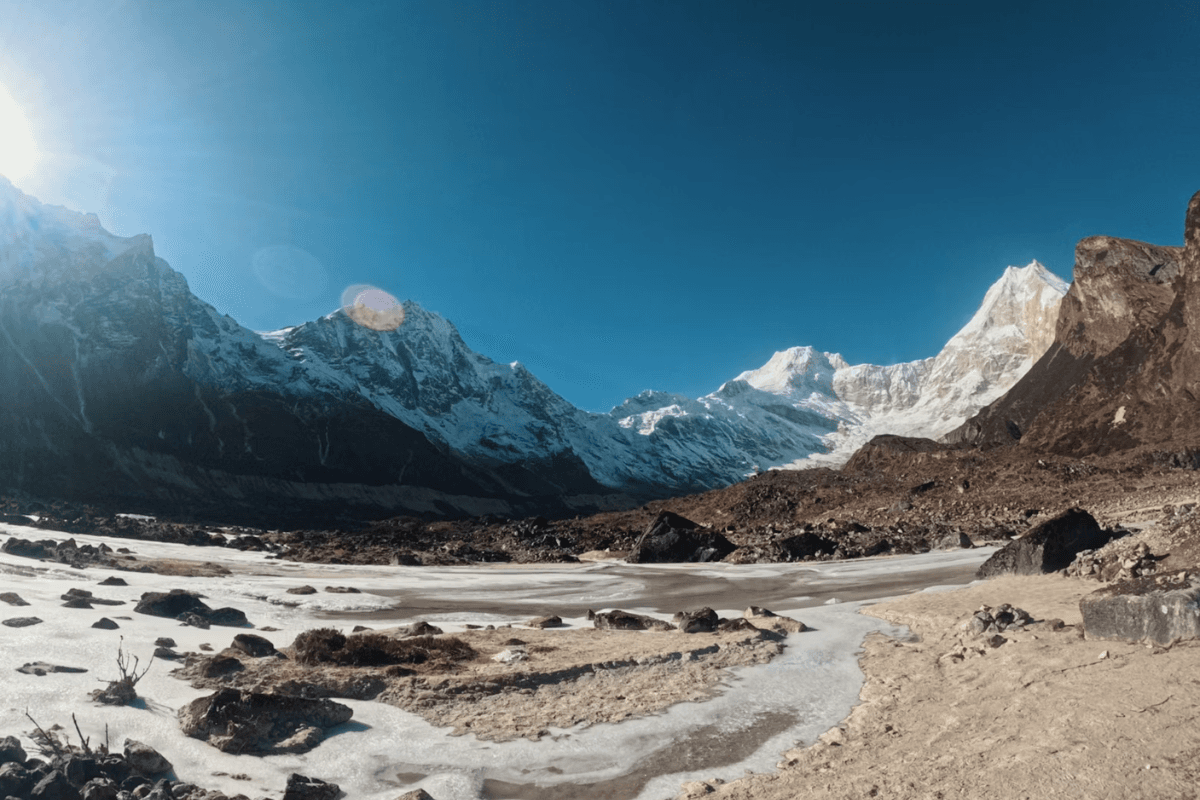
One thing is very important during the Manaslu Circuit Trek: staying hydrated. The trek passes through elevated altitudes, which are usually over 4,000 meters.
When you are at these altitudes, your body will lose water at a faster rate than when you are at the lower altitudes. Water loss is enhanced by breathing more in thin air, walking long distances, cold weather, etc.
Dehydration may impact your energy, mood, and focus. Mild cases of dehydration have the potential to induce headaches, dizziness and fatigue. Extreme cases of dehydration can be risky and can contribute to altitude sickness.
Hiking through isolated places implies that there is no guarantee that the water sources are safe. Consumption of untreated water may lead to stomach problems and diarrhea. Such diseases may delay your journey or even halt you.
This is the reason why clean drinking water during Manaslu Circuit Trek is necessary. Adequate water will make your body adapt to the altitude. It also makes you firm and active even on the long trekking days.
Drinking Water Sources During Manaslu Circuit Trek
Various sources along the Manaslu Circuit Trek have drinking water. Not every source is, however, safe to drink directly.
Before drinking water, he or she must purify it. In natural sources of water, teahouses, and villages, water can be available on taps.
1. Natural Streams and Rivers
Numerous streams and rivers pass over the trail. Most of them are of glacial melting and mountain springs. There are streams close to such villages as Sama Gaun, Samdo and Dharamsala.
These are clean waters that are not polluted but they may have germs or bacteria. Always boil, filter or use purification tablets before taking.
2. Teahouses and Lodges
Most of the villages along the trek have teahouses. Lodges have water are available to trekkers at stops like Jagat, Deng, Namrung and Lho. Lots of teahouses offer the option of boiled water or purified water.
There are also stores that sell bottled water. There is a possibility of an increase in the prices as you climb high up and beyond Larkya La Pass.
3. Tap Water Availability
On the trail, there is a shortage of tap water. Minimal tap water systems are available in such villages as Soti Khola, Jagat and Namrung.
After boiling or purification of water, it is normally safe. Tap water is a luxury above Samdo and Dharamsala. Trekkers are also forced to use teahouse water or natural supplies.
Water Purification Methods
Safe drinking water is highly essential during the Manaslu Circuit Trek. Germs may be present in the water of streams, rivers, and even certain teahouses.
Purification makes you healthy and avoids stomach diseases. The following are the key methods of water purification when trekking:
Boiling Water
The easiest and most effective is boiling. Boil until the water boils. Bacteria, viruses, and parasites are killed by boiling.
Hot water is provided in almost every teahouse, and therefore you can boil water in a pot. Always remember not to drink it too soon after it is boiled.
Water Purification Tablets
Water Purification Tablets are tiny pills that make the consumption of water safe. In most cases, chlorine or iodine is found in tablets. Take one tablet in a liter of water and wait 30 minutes and then consume. They are not very heavy and can be carried easily.
Portable Water Filters
They are portable filters that are very important to trekkers. They are made in a way to eliminate of dirt, bacteria, and certain parasites.
The filters are quick and can supply water which is clean on the trail at any time. The main brands are Sawyer, Lifestraw and Katadyn.
UV Water Purifiers
The UV purifiers are known to kill germs by use of ultraviolet light. They are useful and light. All one must do is to put the device in water and press the button in a few minutes.
The UV purifiers are effective against bacteria, viruses and protozoa. It should however be mostly clear water to work best.
Any of these ways prevents you being unhealthy or dehydrated. Most trekkers mix techniques as in filtering followed by tablets or boiling.
Which Kind of Bottle should you carry during a trek?
The Manaslu Circuit Trek has a choice of an appropriate water bottle. Reusable bottles should be used in place of disposable bottles as they are sustainable and environmentally friendly.
Find bottles consisting of stainless steel or plastic, BPA-free. Stainless steel maintains the coldness of water and does not hold odors. Plastic bottles are one that are light in weight. A bottle with a capacity of 1-1.5 liters is best suited in trekking. A hydration bladder (2-3 liters) can also be carried and used to drink when walking without any hands.
Wide-mouthed bottles are quite convenient to fill, clean, and put purification tablets as required.
There are also bottles that have insulated covers, which are beneficial in cold weather to avoid freezing of the water. Ensure that the cap has no leakage particularly when using that cap in a backpack.
It is a nice idea to carry two bottles or a bottle and a hydration pack. This is to make sure that you have some other water in case one of them gets finished or gets polluted. When trekking in Manaslu, it will be easy, safe, and environmentally friendly to drink water by picking the correct bottle.
How Much Water Should I Drink during Manaslu Trek?
It is very important to be hydrated on the Manaslu Circuit Trek. In high altitudes, water is lost in huge amounts from your body.
The goal of the trekkers is to take 3-4 liters of water daily. This involves water when eating, tea breaks and when walking. Regular drinking will help avoid headaches, fatigue, and elevated sickness.
The quantity of water depends on the weather, activity, and altitude. During cold weather in Manaslu, you do not feel thirsty, yet your body water is lost through breathing.
Water requirements may increase on hot or sunny days, as one sweat. The consumption of water can also increase after passing Larkya La Pass due to increased altitude as well as trekking. You need to drink in small portions periodically as opposed to large portions at once. To maintain energy and prevent dehydration, it is possible to add electrolyte powders or salts to water.
To make it easy on the trail, always have a refillable bottle or a hydration pack that will make it easy to drink water. Hydration is an essential aspect that makes your body acclimate to the altitude level, makes energy levels constant, and makes your trek safer and more enjoyable.
Advice on How to Be Hydrated on the Trail
Frequent and small sips will ensure that your body is hydrated, and you are less likely to develop stomach upsets.
When trekking, it is always advisable to bring water with you so that you do not need to go far to the stream or teahouses.
The use of electrolyte supplements comes in handy during the long trekking days. They help in the replacement of salts and minerals that are lost in the sweat.
Electrolyte powders can be added to your water, or you can carry them in the form of tablets. This is useful to retain energy and avoid the effects of dehydration such as cramps and dizziness.
It is up to you choice to use hydration packs or water bottles. Hydration packs help you drink water without taking breaks and have your hands free.
The bottles could be refillable and washed at teahouses or streams. A lot of trekkers carry both: a small bottle of additional water and a hydration pack to walk.
Also, monitor the color of your urine. When the urine is pale yellow, then it indicates that you are properly hydrated. Dark urine is a sign of dehydration and thus increase the amount of water taken as soon as possible.
Consumption of alcohol and too much caffeine should be avoided because they promote the loss of fluids.
You might not be thirsty in colder regions, yet you require water. Keep in mind that you need to drink frequently in particular higher than 3,500 meters of altitude dehydration may exacerbate altitude sickness.
It is also convenient to have a spare water bottle. In case some gets lost or contaminated, there will be backup water. The water stops should always be planned depending on the location of the trails and villages.
Common Water-related Health Issues on the Trek
Waterborne diseases may arise due to use of unsafe water during the Manaslu Circuit Trek. The common problems are diarrhea, stomach upset and vomiting.
Such diseases may cause trekking very hard and slow down your speed. In isolated locations, the primary cause of germs is usually streams and untreated water. At elevated levels, more water is lost by breathing. The cold climate and the dry air will increase fluid loss even when one is not thirsty.
Altitude sickness may be aggravated by dehydration, which produces headaches, nausea, and dizziness. One should be able to notice the signs of dehydration at the initial stages. The symptoms include dark yellow urine, dry mouth, fatigue, and high heart rate.
Extreme weakness and fainting are some of the effects of severe dehydration. In case you experience these symptoms, take water and sleep.
It is best to avoid the problems than to cure them on the trail. The water should be purified before consumption. Bring enough water and hydration packs or bottles. Water-related illnesses can be prevented by combining regular hydration with electrolyte supplements.
Buying Water During the Manaslu Circuit Trek
Bottled water is sold in most of the villages during the Manaslu Circuit Trek with varying prices depending on the altitude. In the villages such as Soti Khola, Machha Khola and Jagat, bottled water is not very expensive with an estimated price of NPR 50-100 per liter.
The higher you go the higher the prices you see. A liter of bottled water would cost NPR 250-500 in villages above Namrung, Samagaun and Dharamsala. Water in bottles might not be available at all, and very costly, at very distant locations, such as Larkya La Pass.
Do not use bottles that have cracks or dirty water. If uncertain, refilter the water by using tablets, boiling, filters and then drink. It is always good to carry along an extra amount of water. Having a refillable bottle or hydration pack and refill at the streams or teahouses. Trekkers can also carry 1-2 liters of additional water in cases of long distances without water.
In places such as Deng and Samdo, there will be less water points and therefore plan accordingly. It is important to always have several bottles of water to prevent shortage in case one bottle spills or gets lost.
With the help of planning and purchasing water ahead of time, you will never be in the condition of being thirsty and not be able to have enough water or get unsafe water in your trip.
Sustainable Water Management on the route
The environment of the Manaslu Circuit Trek is highly significant to be taken care of. There is a shortage of water resources, and the pollution may cause damage of local community and wildlife.
The following are some of the tips to remain eco-friendly and at the same time remain hydrated:
Use Refillable Bottles: Reusable bottles or hydration packs are useful to replace the need to purchase bottled water daily. This will minimize plastic waste and save money. Refilling can be made at teahouses, streams, or with tap water.
Avoid Disposable Plastics: Do not purchase the small disposable bottles too often. They accumulate and contaminate the mountains. Request your trekking team to carry big bottles or recyclable ones.
Proper Disposal of Wastewater: It is not advised that dirty water be poured in streams or rivers. Wastewater needs to be disposed of in specific places at teahouses or remote to natural waters. This maintains the cleanliness of rivers and streams.
Use Environmentally Friendly Purifiers: Purification methods such as boiling or UV purifiers, do not produce any chemical waste. We should not overuse chlorine tablets that may harm the environment when they are not disposed in the right way.
Bring a Little Trash Bag: Take the plastic wrappers, empty bottles, etc. Get rid of them in the village or transport them back to Kathmandu.
Water in an Emergency Situation
Water scarcity may occur in the Manaslu Circuit Trek, and this may happen at the higher elevations such as Samdo, Dharamsala or around Larkya La Pass. Such situations demand the carrying of extra water. Always plan where you will get water each day and where the teahouses are or the streams.
When you cannot find bottled or tap water, then make use of safe procedures to gather and purify water. Ordinary sources are the natural streams and glacial melt. And always boil, filter or use purification tablets/ UV purifiers before drinking. Small quantities of safe water in case of an emergency are more useful than untreated water.
Have a spare hydration bladder or a bottle that you can use in case of an emergency.
Dehydration can be avoided by sharing water with trekking mates and rationing on long distances. It is better to be ready and be able to finish the trip without any health risks.
Conclusion
Safeguarding and hygienic drinking water is of great importance to the Manaslu Circuit Trek.
Through adequate water consumption, dehydration, altitude sickness and other water-related diseases are avoided. Sip up water, always purify it and drink.
Hydration pack, and refillable bottles also facilitate trekking and make it a safe place to be. By remaining hydrated, you will be able to have sufficient energy to appreciate the beautiful scenery and to make it through the trek.