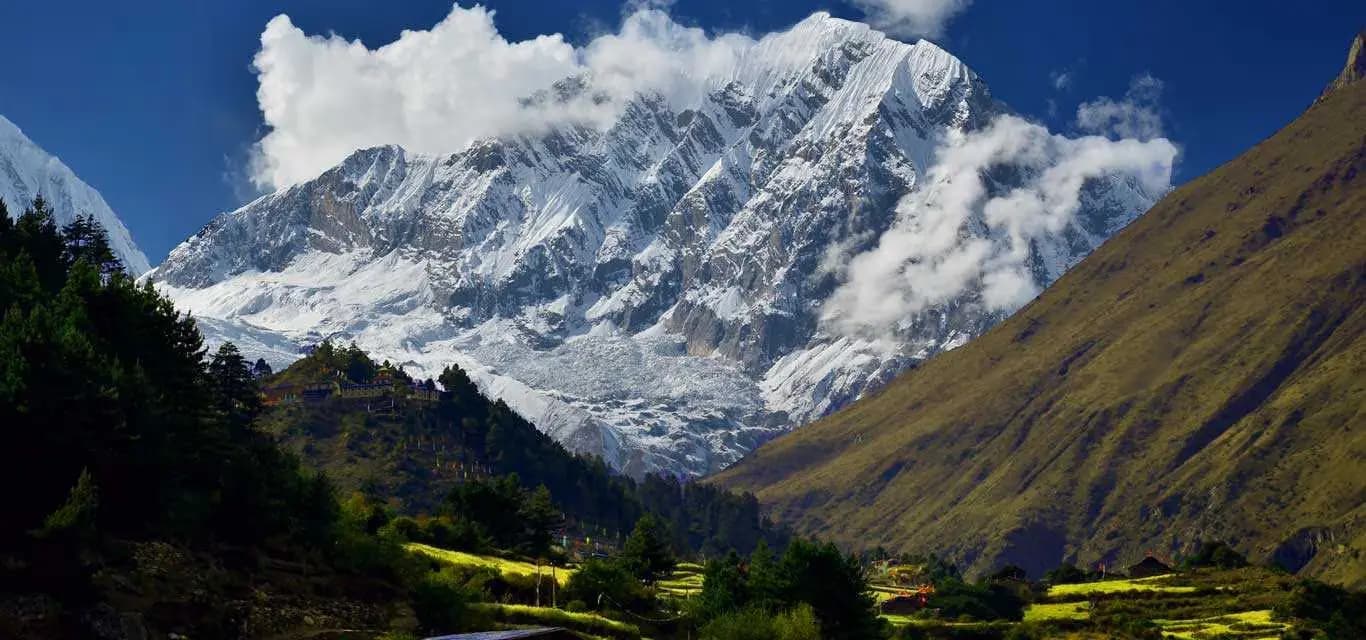
Selecting a trekking agency for the Manaslu Circuit Trek is not just about selecting one based on cheap cost. First of all, the Manaslu area is located remotely, features the 5,106 meters high Larkya La Pass, and is a restricted trekking area, where permits need to be arranged in accordance with Nepalese rules.
For this very reason, the proper trekking agency will provide services which go beyond a simple 16-day program. You need to find a licensed local trekking agency registered by the Nepalese government, licensed guides, transparent pricing, permits, reliable transportation, proper acclimatization, and responsible approach to tourism.
If you are planning to choose among different agencies providing Manaslu Circuit Trek services, this article can help you.
Quick answer: The best Manaslu trekking agency for you is one that is legally registered, experienced on the route, transparent about its services and pricing, uses qualified guides, and properly handles the required permits and logistics. It should also have a clear safety and evacuation plan, know how to coordinate with local authorities and rescue services in case of an emergency or natural disaster, and maintain regular communication with the trekking team throughout the situation. If a family member or emergency contact is in touch with the agency, keeping them informed with relevant updates can also provide valuable reassurance during an unexpected situation.
.
Why Choosing the Right Manaslu Trekking Agency Matters
The Manaslu Circuit Trek is generally considered an off-beat path experience as compared to Nepal's famous trekking trails. The name lives up to its billing.
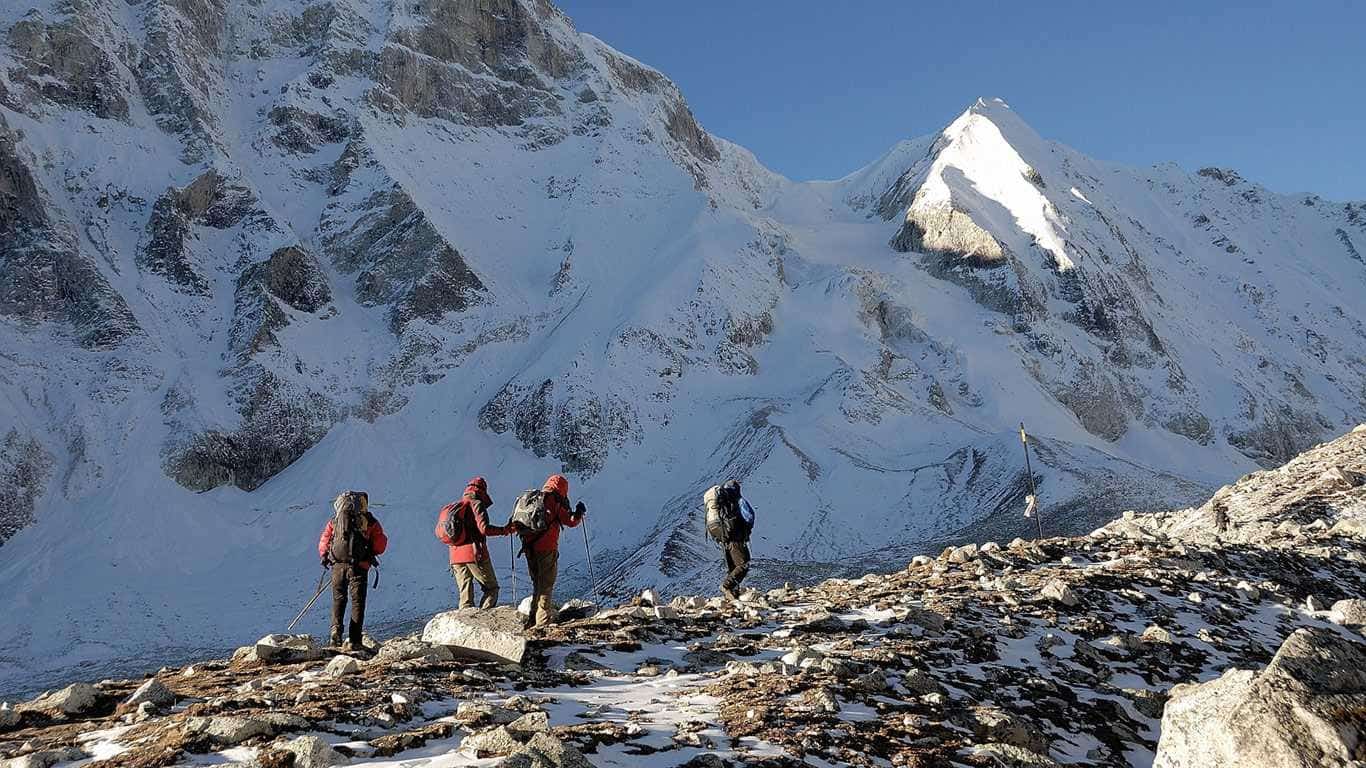
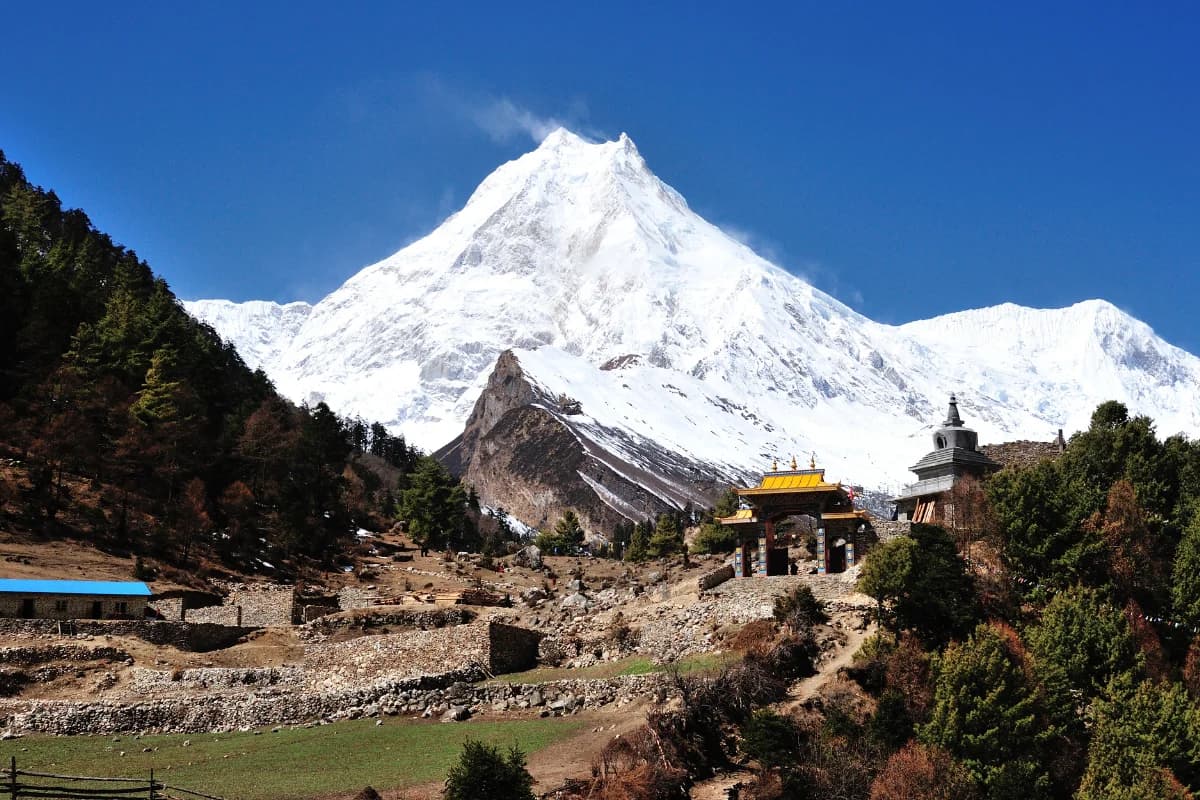
It begins from villages and subtropical regions and moves up to the high altitudes of Himalayas, villages that have been influenced by Tibet, monasteries, beautiful valleys, and Larkya La pass which is around 5,106 meters high.
A typical 16-day trek as provided by Himalayan Trekkers involves preparation in Kathmandu and travel to Soti Khola, trekking through villages like Machha Khola,
Jagat, Deng, Namrung and Sama Gaon, acclimatization around Sama Gaon and Samdo, the crossing of Larkya La, and the descent toward Dharapani.
Because the route is remote and reaches high altitude, agency quality can directly affect the trekking experience.
A good agency should be able to answer practical questions such as:
Who will be my trekking guide?
Is the guide licensed?
Who processes my Manaslu Restricted Area Permit?
What conservation permits are included?
What happens if the itinerary needs to change?
How does the company handle altitude sickness?
What transportation is included?
Are meals included every day during the trek?
What happens if bad weather affects the route?
Are porters properly equipped and treated fairly?
What exactly is included in the advertised price?
These questions are more useful than simply asking which company is “the best.”
1. Check Whether the Trekking Agency Is Legally Registered in TAAN Website
The first step is to check if the company is indeed a genuine Nepali trekking agency.
For this purpose, ensure if the trekking company is registered with TAAN (Trekking Agencies’ Association of Nepal). It should be made sure that the details such as company name, registration numbers, and contact numbers match those of the agency that is going to be booked with. Listing in TAAN is another means to confirm the identity of a trekking agency in Nepal.
2. Make Sure the Agency Has Physical Office Present
Before confirming any trek, it is advisable to ensure that the trekking agency has a verifiable office in Nepal. It is more preferable that the agency has an office in places such as Kathmandu or other known tourism centers.
Having an office allows for easier interaction with the agency personnel, and one can get help in case things do not work out according to plan. Be careful of agencies that just have online presence without a verifiable office.
3. Office Verification Through Google Business Profile and Google Maps
A. Business Information Consistency
Business name: Ensure the name matches the agency's official website.
Office address: Compare the address listed on Google Maps with the official website.
Contact number: Verify that the phone number is consistent across both platforms.
Official website: Confirm that the website linked to the Google Business Profile belongs to the same agency.
Opening hours: Check the listed business hours and contact the agency to confirm availability.
B. Office Photos and Customer Reviews
Office photographs: Review pictures of the office exterior, signage, reception, and staff.
Customer reviews: Read recent reviews to assess the agency's reputation and customer service.
Review authenticity: Look for detailed, varied reviews rather than relying solely on ratings.
Customer-uploaded photos: Check whether visitors have shared images that help verify the physical office.
Response to complaints: Observe how the company responds to negative feedback and customer concerns.
C. Final Verification Before Booking
Cross-check all business details before paying a deposit.
Contact the agency directly to clarify any discrepancies.
Request relevant business registration or licensing details where applicable.
Remember that a Google Maps listing and positive reviews alone do not guarantee that a company is legitimate.
4. Key Criteria for Choosing a Manaslu Circuit Trekking Company
Before booking your Manaslu Circuit trek, make sure the trekking company meets the following criteria to ensure a safe, well-organized, and enjoyable experience.
1. Itinerary
Daily walking hours: Confirm the estimated trekking time and distance for each day.
Overnight stops: Check the villages or teahouses where you will stay each night.
Altitude details: Review the elevation gain and sleeping altitude for each day.
Acclimatization days: Ensure adequate time to adjust to high altitudes.
Daily highlights: Ask about key attractions, challenging sections, and important stops.
Contingency plans: Confirm alternative routes or rest days for delays and unexpected conditions.
2. Guide Qualifications
Certification: Verify that your guide holds the necessary trekking guide qualifications.
Manaslu experience: Ask about their experience guiding trekkers on the Manaslu Circuit.
High-altitude expertise: Ensure they understand altitude-related risks and acclimatization.
First-aid training: Confirm that they can recognize and respond to common medical emergencies.
Guide-to-trekker ratio: Ask how many guides will accompany your group.
3. Safety Equipment
First-aid kit: Confirm that the guide carries a properly stocked kit.
Medical monitoring tools: Check for a pulse oximeter and thermometer.
Emergency supplies: Ask about essential medical equipment and communication devices.
Altitude sickness support: Ensure the team can recognize symptoms and respond promptly.
Equipment readiness: Confirm that safety supplies are checked before departure.
4. Weather Monitoring
Weather forecasts: Ask how the company checks forecasts before and during the trek.
Trail conditions: Confirm that guides monitor snow, ice, landslides, and trail closures.
Larkya La Pass preparation: Ensure special attention is given to conditions at the approximately 5,106-meter pass.
Flexible scheduling: Check whether the itinerary can be adjusted when conditions deteriorate.
Safety-first decisions: Confirm that guides can delay or cancel a pass crossing when necessary.
5. Emergency Procedures
Medical emergencies: Ask how the company responds to altitude sickness, injuries, or other illnesses.
Emergency communication: Confirm access to reliable communication devices where possible.
Evacuation arrangements: Understand how helicopter evacuation or other transport would be coordinated when needed.
Unexpected delays: Ask what happens if bad weather, difficult terrain, illness, or transport disruptions extend the trek.
Additional costs: Request clear information about extra accommodation, meals, guide fees, transport, and evacuation expenses.
Emergency contacts: Ensure you know whom to contact and what support the company provides.
Practical tip: Ask the trekking agency to confirm these details in writing before booking. A reliable company should provide a clear itinerary, experienced guides, appropriate safety equipment, flexible weather policies, and transparent emergency arrangements.
5. Confirm Accommodation, Equipment, Food, and Total Trekking Cost
A. Accommodation and Facilities
Accommodation type: Ask what types of teahouses or lodges are provided at each overnight stop.
Room arrangements: Confirm whether rooms are twin-sharing, private, or shared with other trekkers.
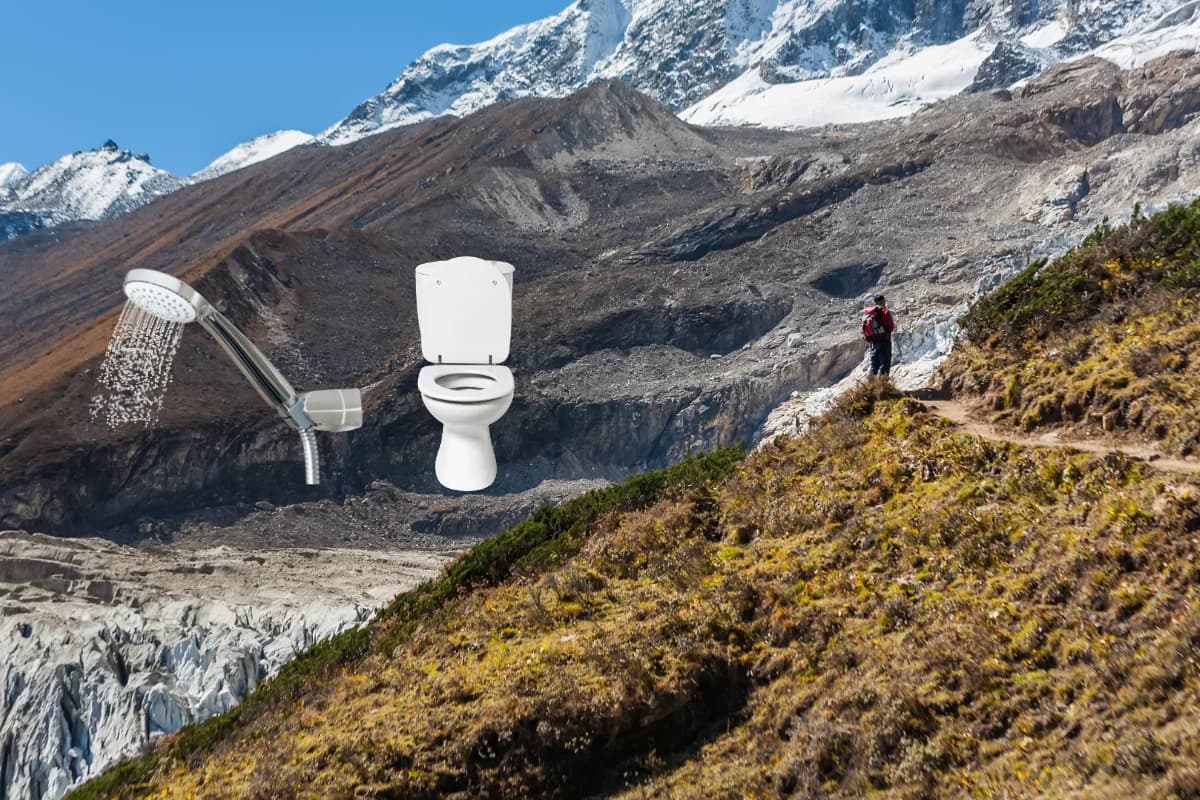
Higher-altitude facilities: Check the availability of toilets, hot showers, electricity, Wi-Fi, and charging facilities at higher elevations.
Bedding arrangements: Ask whether blankets are provided or whether you need to bring a sleeping bag.
Additional charges: Clarify the costs of single rooms, hot showers, Wi-Fi, and device charging.
B. Clothing and Trekking Equipment
Included equipment: Confirm whether the package provides sleeping bags, down jackets, trekking poles, and other essential gear.
Personal equipment: Request a checklist of items you must bring yourself.
Gear rental: Ask whether equipment rentals are available and whether they incur additional charges.
Quality and suitability: Check whether provided equipment is appropriate for cold temperatures and high-altitude conditions.
Return policy: Clarify when and where rented or provided equipment must be returned.
C. Meals and Drinking Water
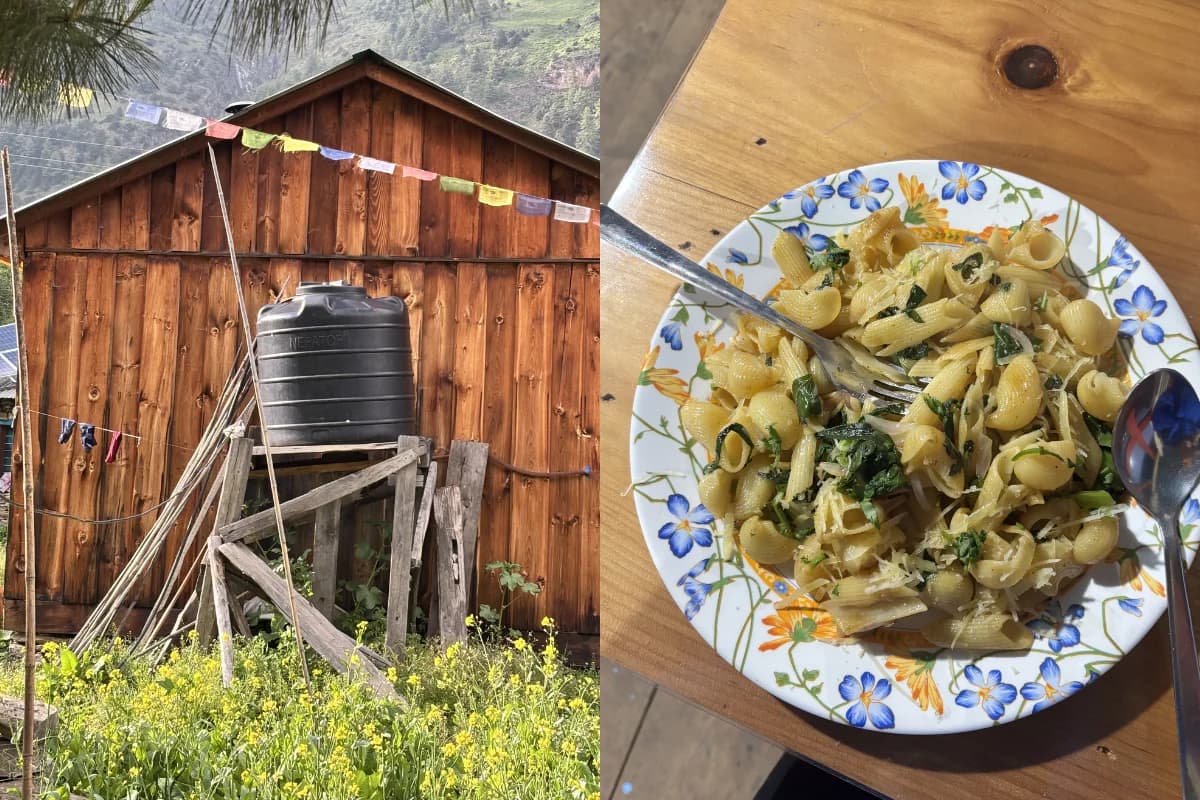
Meal inclusions: Confirm whether breakfast, lunch, and dinner are included throughout the trek.
Meal options: Ask about available food choices, portion sizes, and vegetarian or other dietary requirements.
Drinking water: Check whether safe drinking water is provided, filtered, or available for purchase.
Water purification: Ask whether purification tablets, filters, or other treatment methods are included.
Extra expenses: Clarify whether snacks, hot drinks, bottled water, and meals outside the package are charged separately.
D. Complete Cost Breakdown
Package price: Confirm the total cost per person and whether the price changes according to group size.
Guide and porter fees: Check whether their wages, meals, accommodation, insurance, and transport are included.
Permits: Verify which required trekking permits and associated fees are covered.
Accommodation and meals: Confirm that the quoted price covers the agreed lodging and meal arrangements.
Transportation: Check whether transfers to and from the trekking starting and ending points are included.
Additional services: Ask about fees for equipment rentals, porter services, extra trekking days, and itinerary changes.
Emergency expenses: Clarify potential costs for medical assistance, evacuation, and unexpected delays.
Payment terms: Request a written quotation detailing deposits, final payments, cancellation policies, and refunds.
6.Ask Who Will Arrange and Pay for Your Manaslu Trek Permits
When you plan to take part in the Manaslu Circuit Trek, be sure that you won’t get all the necessary permits included in the price of the journey. Before you finalize your booking process, try to get information from the agency about which permits you will receive and if their fees are already included in the total price.
The usual permit list for the Manaslu Circuit trek includes the Manaslu RAP (Restricted Area Permit) and Manaslu MCAP (Conservation Area Permit). Additionally, the ACAP (Annapurna Conservation Area Permit) will be required due to the restricted area of Manaslu.
While making comparisons between the different trekking agencies, you can ask one basic question: "Does your agency cover all the necessary permits and pay for them, or will I have to pay for the permits separately?" In addition, make sure that you know exactly how much will be paid for the permits.
A good agency must be able to give you detailed information regarding the permits and let you know exactly what is covered by the stated price, and what not. You must feel comfortable and worry free about the permits and just enjoy the trails of Manaslu.
7. Ask About Emergency Transportation and Evacuation
In addition to asking about the quality of your trekking agency for the Manaslu circuit, you should also find out what happens in case of an emergency during the trek such as an accident or sickness, landslide, road obstruction or other emergencies. The agency should have an effective plan for contacting and coordinating the evacuation process in case of an emergency instead of planning regular transportation.
You should also ask if the guide could contact your agency's office in Kathmandu, Nepal Police, and the helicopter rescue service. Nepal Police's national emergency telephone is 100, whereas at the moment the Nepal Tourism Board gives the emergency contact details of the Gorkha/Manaslu region, which include District Police Office and District Emergency Operations Center.
Finally, you should find out how your agency organizes helicopter rescue and how long it normally takes to organize the evacuation and what happens if poor weather prevents the helicopter from taking off. According to current information regarding Manaslu rescue, it normally takes between 1 and 3 hours under favorable weather to arrive with a helicopter but the time of the actual evacuation depends on many factors.
Make sure that your insurance will cover evacuation by helicopter at altitude, as well as asking what costs will be incurred if an emergency makes your trek longer. A reputable trekking firm will explain all of this to you before you begin your journey.
Why Himalayan Trekkers for the Manaslu Circuit Trek?
It is not just the pricing that determines which trekking agency one chooses when undertaking the Manaslu Circuit Trek. An agency should be able to manage the route, handle the permits and logistics, have professional guides, and make a proper arrangement for emergencies or unforeseen occurrences. This is what Himalayan Trekkers tries to achieve when offering its clients trekking in the Manaslu region.
Since it has a local presence in Nepal, Himalayan Trekkers takes care of its customers from the preparatory stage to the end of the trek, including the transportation to and fro from Kathmandu to the start and destination of the Manaslu Circuit Trek. In addition, it arranges the acclimatization to cross the 5,106 meters high Larkya La Pass.
Emergency Communication and Rescue Support
The safety of the trekker takes precedence on the Manaslu Circuit. In case there is any accident, sickness, extreme weather conditions, landslides, road closure, or any other emergency, Himalayan Trekkers stay in touch with the guide and keep monitoring the situation along the trail.
In case of a serious emergency, the Kathmandu team will liaise with the local rescue agencies in Nepal and the concerned authorities such as the Nepal Police and, in case of necessity, other security or government officials. Nepal Police can be reached using the emergency number 100.
The Himalayan Trekkers team will be able to communicate and keep up-to-date with the trekking guide and the affected team members regarding the situation and organize the appropriate response to the situation. In case of a more serious medical emergency, the team will be able to coordinate with local rescue services and helicopter evacuation services as necessary. The Nepal Tourism Board guidelines also state that you should call your local trekking agency for helicopter evacuation as necessary.
One aspect of emergency communication is informing your relatives. If you have given an emergency contact or relative to Himalayan Trekkers who is in touch with the agency, the team will be able to give information about the situation. This way, your relatives will have a contact person in Nepal to get the information about the situation.
Other Reasons to Consider Himalayan Trekkers
Complete trek organization: Transportation, accommodation, meals, guides, porters, and required permits can be arranged according to your selected package.
Local trekking support: A Nepal-based team can provide practical assistance before and during the trek.
Experienced guides: Local knowledge is valuable when dealing with altitude, weather, trail conditions, and remote sections of the Manaslu route.
Proper acclimatization: The itinerary includes acclimatization around Sama Gaon and Samdo before the Larkya La crossing.
Permit assistance: The agency handles the necessary Manaslu restricted-area and conservation permit arrangements included in the package.
Transportation planning: Ground transportation is arranged for the road sections of the journey according to the itinerary.
Transparent costs: You can confirm what is included and ask about possible additional costs for itinerary extensions, transportation changes, private rooms, equipment, or emergencies.
Responsible local tourism: Trekking with a Nepal-based agency helps connect your trip with local guides, porters, accommodation providers, and communities along the route.
Ultimately, choosing the right Manaslu trekking agency means looking for clear communication, experienced local support, proper organization, and a realistic emergency plan rather than simply choosing the cheapest package. For travelers looking for a locally organized Manaslu Circuit Trek with support before, during, and after the trek, Himalayan Trekkers is an option worth considering.
Conclusion
Choosing the right trekking agency for the Manaslu Circuit Trek involves more than comparing prices. Before booking, verify the agency’s registration, office address, reviews, trekking experience, itinerary, guide qualifications, accommodation, meals, permits, and total costs. Ensure the company prioritizes acclimatization, safety, and proper preparation for crossing the 5,106-meter Larkya La Pass.
A reliable agency should also have clear emergency procedures, experienced guides, and transparent communication regarding unexpected delays, medical emergencies, and evacuation arrangements. If you are considering Himalayan Trekkers, carefully review its services and confirm all important details before making a reservation.