October is one of the best months to trek in Nepal. Generally, the monsoon days are over, mountain visibility improves and the trails dry out in most of the trek areas.
October also means more settled daytime weather, comfortable walking temperatures and clearer weather up the hill over the Himalayas. However, some of the most popular routes do get busy and the higher elevation accommodations are booked up soon.
October is suitable for various types of trekking from the Everest region to Annapurna, Langtang, Mustang to Dolpo. This is up to what you are capable of, how much time you have, your budget and how well you can deal with being in crowds.
Why October Is a Popular Month for Trekking in Nepal
October sits within Nepal's main autumn trekking season. Overall, the monsoon is now mostly gone and the weather is more stable in the mountains.
October and November are months with some of the clearest skies in Nepal after the monsoon, according to the Nepal Tourism Board. This combination makes October attractive for both first-time trekkers and experienced hikers.
October's popularity comes from a number of key reasons:
Better visibility in mountain areas.
Most popular routes experience much less rain than during summer.
Lower and middle elevations remain pleasant for walking.
Good photography conditions: Clear mornings give excellent mountain shots.
Major trekking passes are typically more open after the monsoon.
Tea Houses, lodges, guides and vehicle service are up to capacity.
October is often a time of Nepali festivals and local cultural events.
Both classic and remote treks can work well during this month.
October isn't always sunny and dry. Although snow showers have begun, there may still be a few spots of short rainfall, cloudiness or high winds at the higher altitudes.
Weather in Nepal in October
October typically means a change from the late monsoon to dry autumn conditions. There is still a chance of rain in early October in lower and eastern areas. Generally, drier conditions occur during the month.
It is sometimes possible to tell the difference between early October and late October. The first week can have some humidity, later weeks can have clearer skies.

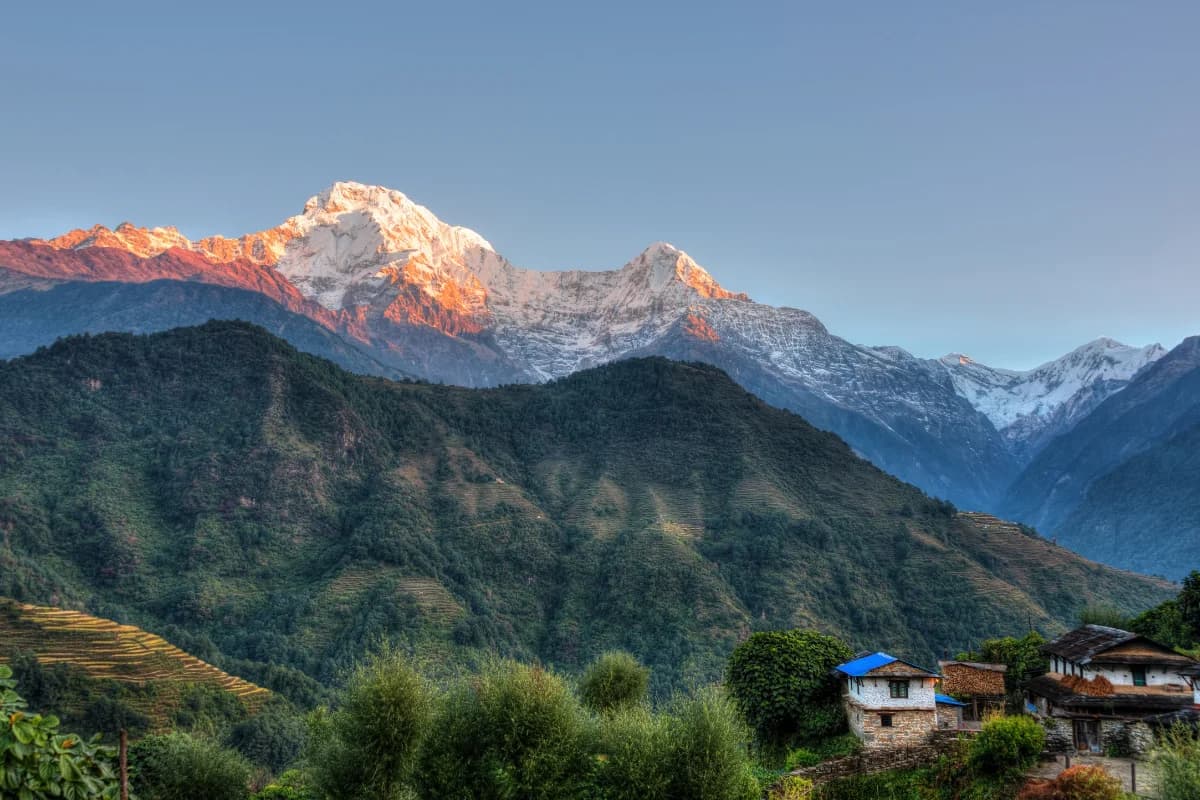
Clear mountain range seen during October in Nepal
Mornings vary in temperature and are often chilly until the sun comes up at higher altitudes. Once the sun goes down, the temperature plunges rapidly, particularly at elevations above 3,000 m. (9,843 ft.)
Rainfall is quite reduced during monsoons. However, weather patterns vary between regions. In the southern slopes of the Himalayas there can be occasional clouds or rain as well. Mustang and areas in Dolpo are significantly drier as rain-shadow regions.
The climate is very varied throughout Nepal and is subject to extreme changes with respect to altitude. The Nepal Tourism Board notes that annual rainfall differs greatly between regions, with Mustang receiving far less rainfall than wetter areas such as Pokhara.
It is advisable to take precautions against rain as October weather can turn quickly and become intense in the mountains.
Temperature in Nepal in October
The temperature in October is not the same across Nepal. Elevation makes a huge difference between Kathmandu, Pokhara, lowland cities and higher Himalayan trekking townships.
Daytime and night-time conditions in major travel hubs are approximately:
Location | Approx. October Daytime | Approx. October Nighttime |
Kathmandu | 20-26°C | 10-15°C |
Pokhara | 22-28°C | 14-18°C |
Chitwan | 25-30°C | 18-21°C |
Biratnagar | 25-30°C | 18-22°C |
Nepalgunj | 26-31°C | 18-22°C |
These figures are not guaranteed daily temperatures, but rather planned ranges.
As the height increases, the temperature decreases. Trekking villages above 3,000 meters (9,843 feet) can feel much colder after sunset. Nights tend to freeze above 4,000 m (13,123 ft). High winds can cause exposed passes to be even colder.
The weather in Kathmandu and Pokhara is quite warm and comfortable for sightseeing and preparations. Other lowland places like Chitwan can remain warm during the day.
The overall climatic information from the Nepal Tourism Board further reveals a large variation in temperature between Kathmandu, Pokhara and Chitwan.
Best Treks in Nepal in October
October offers one of the most excellent trekking options across Nepal, from classic Himalayan routes to cultural trails and remote high altitude adventures. The best preferred trek depends upon your fitness, time and experience.
Everest Base Camp Trek in October
October is regarded as one of the best months to trek to Everest Base Camp due to the post-monsoon favourable weather conditions which make it easier to see the mountains.
In the mornings, with clear sky, you can get a good view of Everest, Lhotse, Nuptse, Ama Dablam and other peaks. In addition to this, October is a good month to fly to Lukla compared to other wet months.

Mount Ama Dablam seen during EBC Trek
The main drawback is popularity. Trails and teahouses around the Khumbu become busy, especially during the middle and later parts of October.
Annapurna Circuit Trek in October
October is one of the most popular months for the Annapurna Circuit Trek due to the several climatic zones passed along the way.
The trail becomes greener toward the lower valleys while the higher landscape remains dry and dramatic. Mountain views around Manang and the northern section can become especially clear.

Dry and arid landscape of Annapurna Circuit Trek in October
Thorong La Pass (5,416 metres / 17,769 feet) also opens up for crossings in October. Even in ideal conditions of the season, this pass is still physically demanding. High winds, cold weather and elevation still need proper acclimatization.
The route becomes busy in October, particularly around major settlements. Planning on accommodation beforehand can help to prevent additional pressure during peak periods.
Annapurna Base Camp Trek in October
October is a great time to hike Annapurna Base Camp due to the comfy weather and better visibility of the mountains.
From the sanctuary the peaks of Annapurna south, Hiunchuli, Machhapuchhre and surrounding peaks are often visible in clear weather.
Lower areas may still be warm in the daytime. The higher regions grow colder, especially at Annapurna Base Camp (ABC) at 4,130 m (13,549 ft).

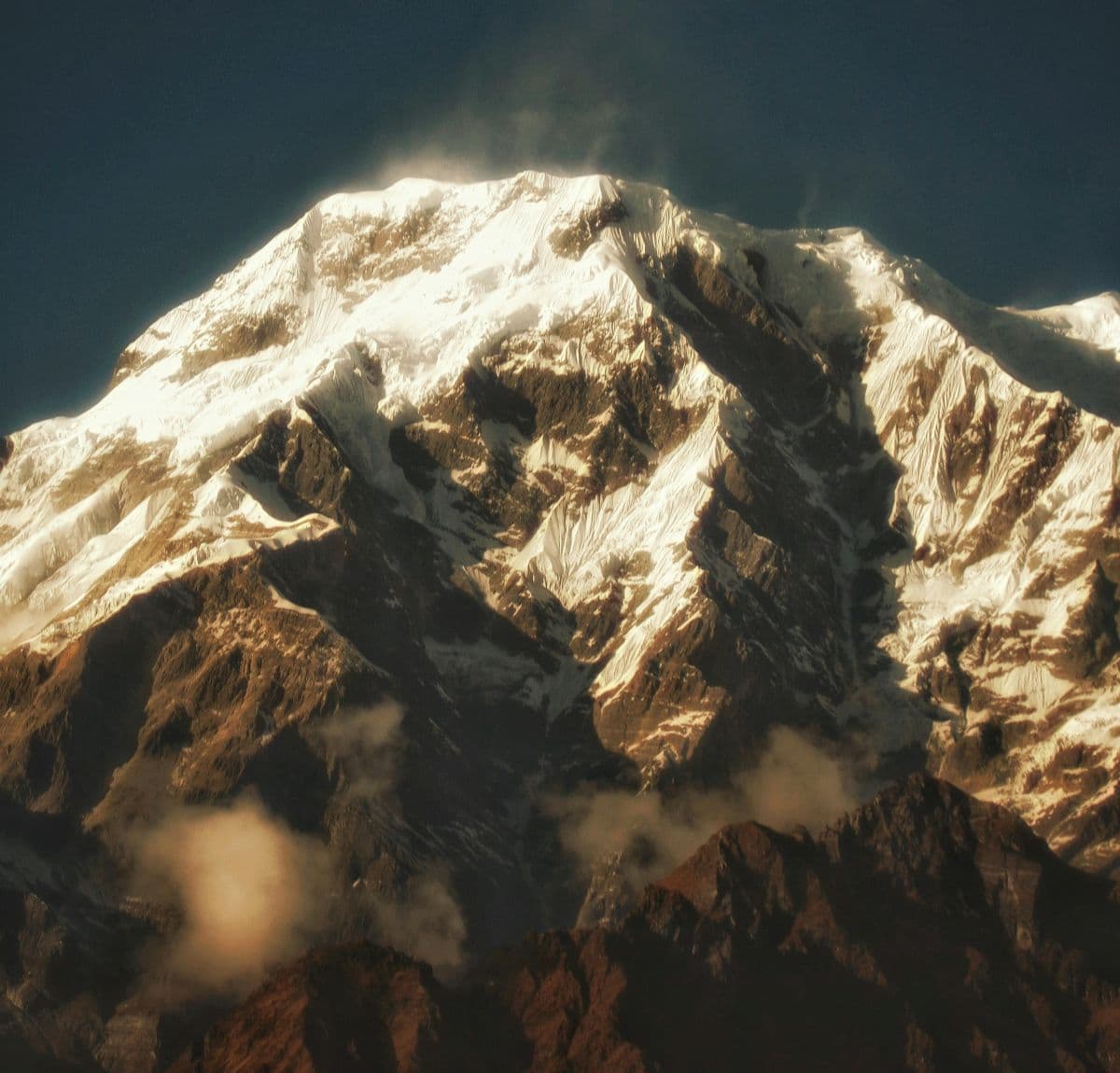
Snowy view of ABC Trek in October in Nepal
Because of its user-friendliness, the trail could be quite busy, and in fact is one of the most accessible high altitude trails in Nepal. October is, therefore, a good time for trekking if one is fond of the scenery, but not so fond of solitude.
Manaslu Circuit Trek in October
October is a great time to explore the Manaslu Circuit, as there is no monsoon and the climate is generally cool and dry.
The route includes stunning views of Manaslu mountain and the adjoining peaks, crossing various landscapes and traditional mountain villages.

Autumn season in Manaslu Circuit Trek
The Larkya La Pass, which is 5106 m (16752 ft), is also noteworthy in October. It can be easier to cross than in wetter seasons, due to dry trails and clearer skies.
But the pass is still vulnerable to cold and strong winds. The remote nature of the route also makes preparation more important. Manaslu is quieter than Everest and Annapurna in many sections, but October remains a peak trekking period.
Langtang Valley Trek in October
October is one of the best months for the Langtang Valley Trek. The trail has a very good blend of mountain views, Tamang culture, forests and alpine scenery. Clear weather improves views toward Langtang Lirung and surrounding peaks.
The walk is also easier following the heavy monsoon season. Langtang is ideal for those who want to do a bit of the Himalayas, but not all the way.

Tserko Ri and Mountains of Langtang Valley
Mardi Himal Trek in October
Mardi Himal Trek is a good option for planning a trekking trip in October and those looking for a shorter route with high mountains views and landscapes.
The trail climbs through forests before reaching open ridges with views toward Machhapuchhre, Annapurna South, and Hiunchuli.
Sunnier conditions allow better sightings from the upper vantage points in October. But with its shorter length, the route can still get crowded. On smaller treks, there is less accommodation than on larger ones. Scheduling is beneficial in busy October months.
Upper Mustang Trek in October
Upper Mustang remains an excellent October destination because the region lies within a Himalayan rain shadow. This area also does not receive large amounts of rainfall like the south of Nepal's mountains. This creates a dry landscape even when some other trekking regions experience occasional post-monsoon showers.
October is a good time to visit Mustang's isolated cliffs, caves, villages, monasteries and Tibetan culture. It is also a different sort of experience than greener valleys in the Himalayas. Wear strong sun protection, sunglasses, a sunhat and gloves for cold nights and dusty or windy weather.
To trek in the Upper Mustang it is necessary to obtain a restricted-area trekking permit and make arrangements through a registered trekking agency. Current government permit information lists the Upper Mustang fee at USD 50 per person per day.
Upper Dolpo Trek in October
For advanced trekkers seeking a distant journey in the Himalayas, Upper Dolpo is perfect. October is a dry period in the region, with fewer clouds and a clearer view of the mountains.
The trek includes arduous high altitude terrain, sparse infrastructure, backroads and an extended distance of walking. Some sections reach above 5,000 meters (16,404 feet), making acclimatization essential.
October also provides a practical seasonal window before winter conditions become more severe. A restricted area permit is needed in Upper Dolpo. The current government schedule lists USD 500 per person for the first 10 days and USD 50 per additional day.
Trekking Conditions in Nepal in October
October is a good time to trek in general, but it is highly variable based on the higher altitudes and a particular location.
Trail Conditions
When monsoon season is over, most popular trails dry up. Lower trails can still contain mud during early October, especially after late rainfall. Higher trails usually become firmer as the month progresses.
Stone steps, suspension bridges, forest paths, and exposed ridges can still become slippery after rainfall. Trekking boots with good grip and rain protection should be worn for the entire trek.
Remote trails may receive less maintenance than major routes. In such cases, trekkers are advised to go on the guide's route decisions.
High-Altitude and Pass Conditions
October is typically better for bigger, high-level crossings. But, good weather won't eliminate altitude risks. Big passes like Larkya La and Thorong La are still open to the winds.
October can have snowfalls at high elevations. When fresh snow is created, a pass can take longer and be more challenging to traverse.
Care needs to be taken to allow sufficient flexibility around the larger crossings for trekkers. Being up early also minimises afternoon wind and climate change.
Mountain Visibility
October offers excellent mountain visibility as one of its best features. Often it may be the post-monsoon season, with less moisture in the air, and distant peaks come into view more sharply.
The best visibility is usually in the early morning. Depending on the weather pattern and location, clouds may develop into the afternoon.
Photography and navigation are enhanced by good visibility. But never assume clear views as a certainty for the rest of the day.
Rainfall and Snowfall
October is significantly drier than June-September, although often not without rain.
Lingering monsoon showers are more likely at the start of early October. Precipitation tends to be less frequent towards the end of the month.
Flights, passes, and trail conditions may be impacted by rain or snow. A flexible itinerary can be very useful even in the height of the trekking season.
Festive Season in Nepal
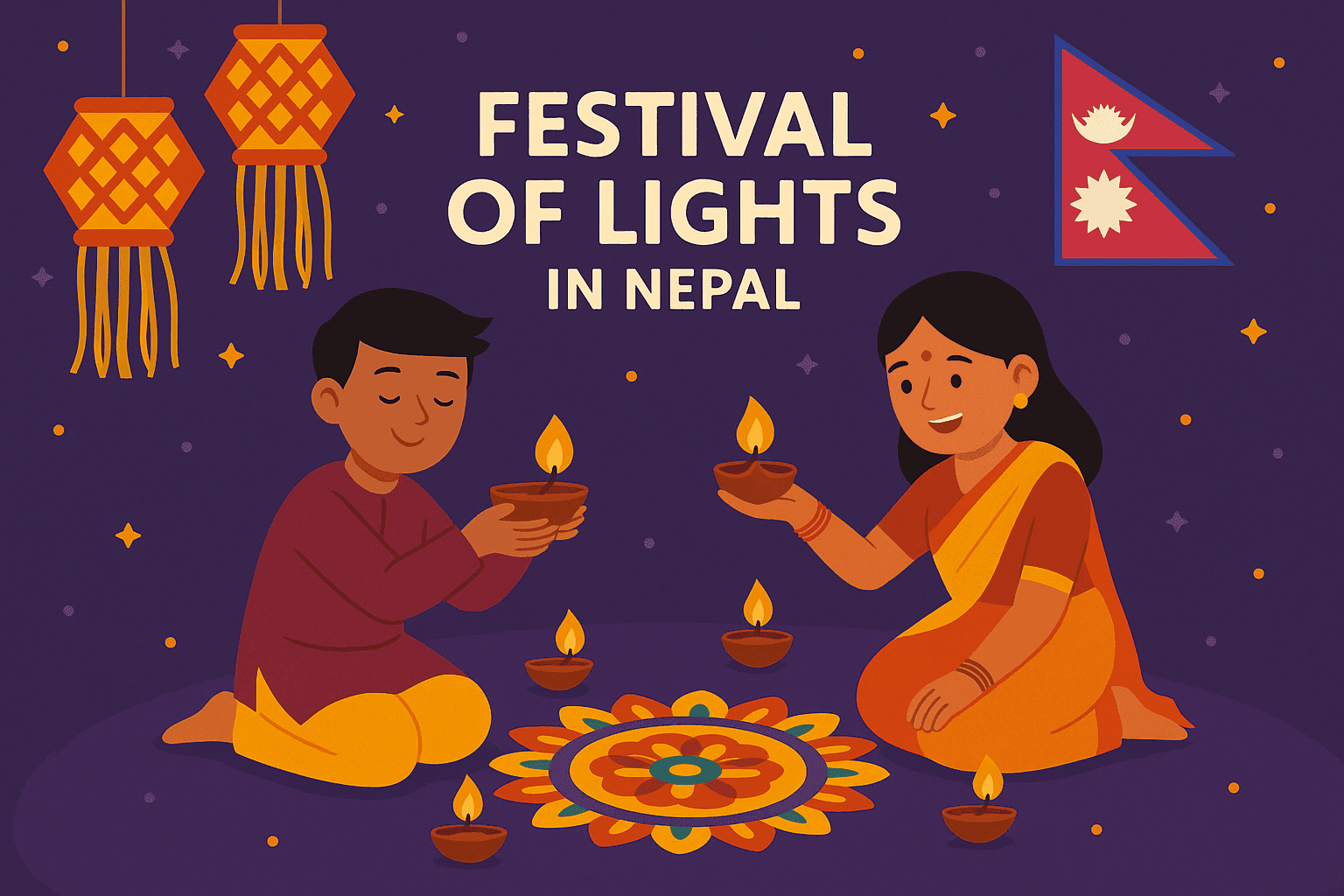
October is commonly a month of big festivals in Nepal including the most significant Hindu festival of the year, Dashain.
The timing of Dashain may either end in October or go into late September or November depending on the lunar calendar.
There's also the possibility of Tihar falling in late October or early November. Kathmandu, villages and trekking communities come to life during festivals. These can also impact on transport and trading hours.
If your journey coincides with a national holiday, please make arrangements well in advance.
Is October Crowded for Trekking in Nepal?
Yes. September and October are among the busiest months in Nepal for trekking. Stable weather, clear mountain views and also propitious trail conditions draw trekkers from around the globe. Crowds vary significantly between routes.
Crowds on Popular Trekking Routes
October is a busy time at Everest Base Camp, Annapurna Circuit as well as Annapurna Base Camp and Mardi Himal. The most crowded segments tend to be near big settlements, vantage points, trail intersections, and popular overnight campsites.
Generally, the Manaslu and Langtang routes are quieter than the Everest and Annapurna routes. Less busy routes can offer more seclusion with additional October perks.
Teahouse and Accommodation Availability
Teahouses are open extensively in October, but popular lodges can get booked up early. This applies particularly in the high season and in small villages where there is not a large number of places to stay.

Crystal clear view of mountains reflection in Phewa Lake
Groups and trekkers on fixed itineraries should book in advance. You should not assume that every village has unlimited rooms. There are fewer accommodations available on remote routes as compared to established trekking corridors.
If demand is high, the rooms can be coordinated through a guide or trekking agency.
Flights and Transportation
October is a busy travel period for Nepal's trekking industry. There may be high demand for flights to Lukla or other trekking gateways. Weather can still cause delays despite October's generally favorable conditions.
Road transport can also become busy during the festival season. Plan and rent essential transport arrangements with flexibility. Do not make flights overseas immediately after any mountain ascent; leave out a buffer day.
What to Pack for Trekking in Nepal in October?
October calls for multiple layers of clothing instead of just one big coat. Lower elevations can feel warm during the day, while high camps can become freezing after sunset.
Essential clothing
Moisture-wicking base layers
Lightweight trekking shirts
Warm mid-layer (fleece)
Insulated down jacket
Waterproof and windproof outer shell
Trekking trousers
Thermal underwear
Warm hat
Sun hat or cap
Gloves
Warm socks
Comfortable sleepwear
Footwear
Broken-in trekking boots
Lightweight camp shoes
Wool or synthetic trekking socks
Gaiters for muddy/snowy areas
Trekking and safety equipment
Sleeping bag suitable for cold mountain nights
Trekking poles
Headlamp with spare batteries
Sunglasses with strong UV protection
Sunscreen
Water bottles or hydration system
Water purification tablets or filter
Personal first-aid supplies
Blister treatment
Basic medication
Reusable waste bags
Pack as per the particular trail you will be taking. A trek crossing a high pass requires warmer equipment than a lower-elevation cultural trek.
Trekking Permits and Guide Requirements in October
October does not bring any changes to Nepal’s trekking permits or guide requirements. The rules typically depend upon your trekking destination, nationality and whether the route falls within a restricted area.
Some trekking regions require a licensed guide, while restricted areas such as Manaslu, Upper Mustang and Upper Dolpo require permits arranged through an authorized trekking agency. Permit fees vary by route, nationality and permit type. The requirements may differ by the destination, so double check the recent regulations before the trek.
Cost of Trekking in Nepal in October
October is typically one of the more costly times in Nepal to trek due to it being the peak season of the fall.
Your total budget will depend on the route, the length of the trek, the mode of transport, your level of comfort in the lodging, guide/porter to climb and some of your personal expenses, permits, and accommodation.
A practical budget structure can include:
Expense | Typical Planning Range |
Budget teahouse trekking | USD 30-50 per day |
Comfortable guided trekking | USD 50-100+ per day |
Guide | Approximately USD 25-40+ per day |
Porter | Approximately USD 20-30+ per day |
Food | Around USD 20-35 per day |
Accommodation | Around USD 5-15 per night |
High-altitude or restricted routes | Often significantly higher |
Domestic flights | Varies by route and season |
Permits | Depends on trekking region |
These are not guaranteed prices, but are price ranges.
Other more challenging high altitude routes such as Everest, Upper Mustang, Upper Dolpo, etc. may be more expensive. Prices may rise for flights, accommodation, guides and transport in October.
Is October Suitable for Beginner Trekkers?
Yes. October is a great month for novices, but what really matters is the route. For the novice there are relatively moderate hikes like Mardi Himal, Ghorepani-Poon Hill, or shorter trails in the Langtang area.
The longer and higher routes are more demanding. Everest Base Camp, Annapurna Circuit, and Manaslu involve substantial elevation gain and longer walking days. While some trekking experience is useful, it is important to be well prepared.
Beginners should consider:
Current fitness level
Previous experience at altitude
Trek duration
Maximum elevation
Daily walking hours
Number of acclimatization days
Availability of medical support
Weather flexibility
Cold comfort tolerance level
Not all options are suitable for October due to the weather. Decisions should be based on capabilities and limits of altitude.
Pros and Cons of Trekking in Nepal in October
Advantages | Challenges |
Clearer mountain views | Popular routes become crowded |
Generally dry trails | Teahouses can fill quickly |
Comfortable daytime temperatures | Nights become cold at altitude |
Better conditions for high passes | Sudden high-altitude weather remains possible |
Excellent photography opportunities | Flights can still experience delays |
Wide range of trek choices | Peak-season prices can be higher |
Strong trekking infrastructure | Popular trails may feel busy |
Festive atmosphere | Festival schedules can affect transport |
Good visibility after monsoon | Early October can still receive rain |
Suitable for many experience levels | High-altitude routes still require acclimatization |
The weather and visibility is the largest benefit. The biggest challenge is managing high demand during the same period.
Tips for Trekking in Nepal in October
Book in advance: Book popular flights, guides, and teahouses well in advance.
Be early: Rise early as it is generally better to depart while it is cooler, and the routes are empty.
Layering: The temperatures are apt to shift throughout the day.
Take rain protection: October doesn't quite turn away the rain but not completely free.
Use sun protection measures: Clear weather means increased UV exposure.
Use buffer days: Flights and/or high-pass crossings are still likely to be delayed.
Acclimatize: Acclimatize adequately; avoid rushing.
Obtain permits: Assess pathway-specific needs before using the trail.
Carry a good amount of cash: Cards and ATMs are not as functional in rural settings.
Planning high-pass passes: Be flexible with Larkya la or Thorong la crossings.
Be aware of any significant holidays that are celebrated locally (and may alter the usual schedule).
Review the insurance: Be sure your policy extends to trekking at the proposed height.
Have an extra warm layer on hand: Never pack a down jacket deep into your bag.
Wear good hiking boots: Protect your feet from rocky or uneven ground.
Please remember to drink water: cold weather can lower your thirst.
Follow local advice: Guides are aware of and responsive to alterations in times of trail/situational change and weather warnings.
Don't pack everything tightly together: Pack accordingly and keep things at reach.
Bring a Power Bank: The higher you travel, the more reliable power banks are.
Conclusion
October is one of the best months for trekking in Nepal, where the trail is generally dry and clear for mountain views except for rare rains, and the weather is generally fine for walking. Post-monsoon weather and the fact that the season is well-developed for trekking makes it a great period to explore the Himalayas.
When considering a trek, don't just go for popularity; consider your fitness, experience, time, and comfort with altitude. Realistic preparation and a route that matches your ability will allow you to get the best out of the trekking season in October in Nepal.