The human body starts to complain above 3,500 m. The first symptom is a mild headache, often barely noticed. Later, the legs feel heavy, even when running on level ground. By evening, one's appetite fades, as well as one's sleep, strange dreams, waking short of breath, and the odd feeling of forgetting to breathe altogether.
It's altitude talk and something most trekkers eventually encounter when in the mountains. It doesn't matter how fit you are. Whether you're a first-time hiker or a marathon runner, your fitness level means nothing to how you'll feel at altitude.
Trekkers eventually begin to seek out ways to deal with this and typically end up in one of two places. Some take one side by the small white pill that appears to be magic to some, and does nothing for others: Diamox. The other side is just about relying on traditional garlic soup, ginger tea and slow and steady acclimatization days, the stuff that's been handed down on these trails for decades.
Diamox vs natural remedies are not competing remedies; they are not used for the same group, and they do not work in the same way. This guide distinguishes each of them, what the research really shows, what guides in the field are saying, and how to inform a plan that will keep you safe without hampering your trek.
What is Altitude Sickness?
Altitude sickness isn't one single condition it's a spectrum, ranging from mildly annoying to genuinely dangerous. This helps a lot in knowing when to slow down, relax, and turn around at each stage.
Types of Altitude Sickness
Acute Mountain Sickness (AMS) is the most common type and almost all trekkers get to a greater or lesser extent above 2,500-3,000m.
It begins as a ‘bad’ headache, tiredness, reduced appetite, nausea, and difficulty sleeping. It feels like a hangover: bad, draining, but not otherwise in itself too much of a danger.
AMS typically starts as soon as 6-12 hours after arriving at the new elevation and can resolve after a few days.
HAPE
This is an increased severity called High Altitude Pulmonary Edema (HAPE). Fluid begins to accumulate within the lungs, and it becomes increasingly difficult to breathe at rest.
Early symptoms are wheezing, coughing that does not get better with rest, and shortness of breath while doing normal activities.
If not addressed, HAPE can be life-threatening in hours and is not something guides take lightly, no matter how minor it appears initially.
HACE
In the most severe and rare type, “High Altitude Cerebral Edema (HACE),” edema (swelling) occurs around the brain.
The major symptoms include confusion, loss of coordination, problems walking straight, and persistent headaches that don't get better with pain medication.
HACE can develop rapidly, and there is only one true treatment, which is immediate descent.
What Is Diamox (Acetazolamide) and How Does It Work?
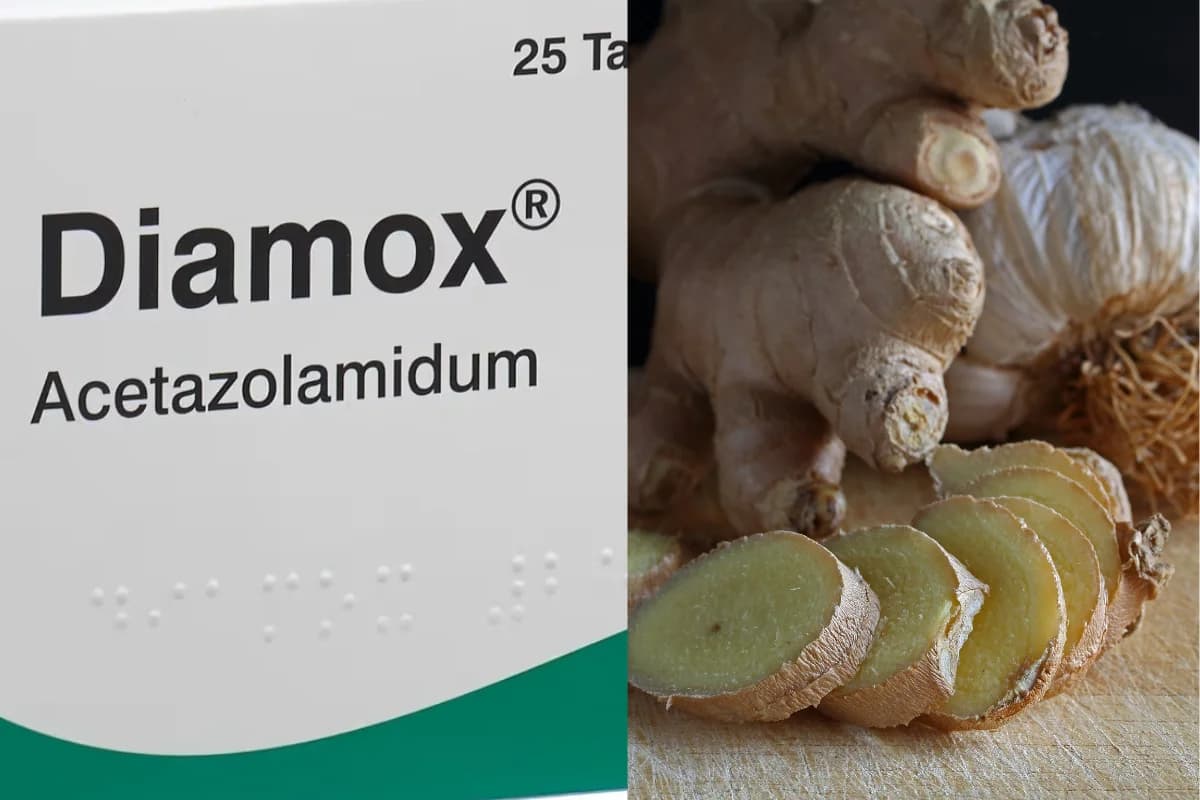
Diamox is one of the most misunderstood meds and enticing trekking buzzwords. It's more properly called acetazolamide and was originally intended to treat glaucoma and some types of seizures, not altitude sickness.
Its benefits were stumbled upon as trekkers and mountaineers started preparing themselves for the journey, and it is now used universally in high-altitude preparations throughout the Himalayas.
Diamox will acidify the blood. As a consequence, the body breathes more often, breathing in more air with each breath, even when at rest.

Diamox, a medicine used to treat altitude sickness
Also known as forced acclimatization, it is an action undertaken by the body in a short amount of time that the body would do on its own, just much later.
It also prompts the kidneys to shed more bicarbonate in the urine to help with pH and to help more rapidly adapt to less oxygen.
What this means is that Diamox doesn't stop the effects of altitude on the body. It facilitates the body's adjustment to the altitude more quickly than it would otherwise take.
When to take Diamox: Before or During the trek?
The majority of guides and mountain doctors recommend you take Diamox 24-48 hours before reaching altitudes above 2,500- 3,000m.
Some trekkers like to carry it and begin to consume once they have mild AMS symptoms. This can sometimes help but it is a reactive and not a preventative strategy, and would imply that the first day or two at altitude is without any assistance.
Early starts have a significant effect on treks of high ascent rate, such as EBC Trek itineraries.
Recommended dosages of Diamox
The normal dosage of Diamox is 250 mg, but always check with the physician first, as it can be different if a person's health status changes.
A divided dose (morning and evening) is more effective than a single larger dose, as this makes the level in the blood more constant, and breathing is also more normal during the night while asleep.
It should be noted that Diamox is not an instant remedy. To be effective, it should be used regularly for several days, which is why prevention is more important than treatment when symptoms do occur.
Side effects and risks of Consuming Diamox
Diamox is relatively well tolerated, but it has a peculiar side effect which tends to surprise first-timers: tingling of the fingers, toes, and lips.
It's okay, but a little unnerving the first time it occurs. Another common side effect, directly attributable to the medication, is an increased need to pass urine, which is another good reason to keep well hydrated whilst using this medication.
Nausea, drowsiness, or an unusual metallic taste (less common, sometimes after taking carbonated drinks) may occur.
Diamox is a drug of the sulfonamide class, and therefore should not be given to any individual with a sulfa allergy, and alternative medications should be discussed with a medical professional.
It's not a replacement for sensible pacing, however. Taking Diamox is not a way to speed up the process of gaining elevation; it is used to boost the body's ability to gain it safely with slow ascent.
Home Remedies for Altitude Sickness
Well before Diamox appeared on travellers' backpacks, many communities in the mountains of Nepal had their own strategies to deal with the lack of oxygen.
A lot of these treatments have endured for a reason. While not in the same way as medication or such quick chemistry, they can contribute to the natural acclimatization as it happens and in ways that really help, when combined with sensible pacing, for example.
Garlic Soup
Garlic soup is listed on almost every teahouse menu in the mountains over 3000 m and for a good reason. It has become a kind of trekking tradition.
Garlic is mildly blood-thinning, and this also helps in circulation at altitude, but only in a small way. The soup itself is nice and warm, hydrating and easy on an already struggling stomach as they climb the altitudes, which tend to cause loss of appetite.

Garlic Soup, a cure for altitude sickness
People here often say it is less of a treatment and more of a habit. Whatever their daily routine is, they take it every evening to ease themselves into a new altitude.
It's low risk, but could be a comforting thing added to a day on the trail when someone is at risk of AMS, but without any meds.
Ginger Tea and Other Home Herbs
Like most teahouses, ginger tea is helpful for digestive issues with its anti-nausea and stomach-calming properties, which are both early signs of AMS.
Because it warms, it also helps with the chill that creeps down the higher elevation once the sun sets.
In addition to ginger, some areas use local herb mixes, which include the use of the herb tulsi (also known as holy basil) or turmeric, which have historically been known for their anti-inflammatory effects.
Although not scientifically proven, these are all altitude remedies that promote general well-being in a physically demanding trek. Many trekkers will swear by the value of a hot cup of tea after a long day.
Cinnamon and Honey Water
Another natural altitude sickness remedy is having some warm water with a teaspoon of honey and a pinch of cinnamon first thing in the morning.
The combination of cinnamon promotes circulation, and honey, as a quickly digested form of energy, helps them feel good in the morning if they don't have an appetite for a big breakfast.

Hot lemon served with herbals
Peppermint and Deep Breathing
Peppermint tea or peppermint essential oil diluted and quickly inhaled can be helpful in alleviating headaches and opening breathing passages.
Paired with slow, deliberate breathing exercises before setting off each morning, it's become a small ritual for some trekkers to mentally and physically prepare for the day's climb.
Local Salt + Electrolyte
At high altitude, the changes to fluid intake will also cause a loss of body salts at a greater rate than most trekkers anticipate, resulting in sweating more than usual.
A bit of salt in water or some diluted electrolyte powder is simple and easy, and can be overlooked. It can prevent muscle cramps and dizziness due to mild dehydration at high elevations.
Rhododendron and Teas made of Local plants
Along the Annapurna and Langtang routes, teahouse owners have preserved tea, which originated from rhododendron flowers or some other local flora, handed down through generations, in some areas.
None of these is in any way clinically proven, but they all relate hugely to the traditions, and using them is as much about the experience as anything.
Slow Ascent Proper Acclimatization Days
This is the one natural remedy that's supported by good scientific research. The golden rule of high altitude trekking is: gain no more than 300-500 meters of sleeping height above 3,000 m and plan to take a rest day for every 1,000 m of altitude gained during the trek.
Climbing high and sleeping low (or sleeping on the slope) during the day is the best way to do it and is often summarized by the phrase "climb high, sleep low”.

Trekkers at High altitude trek
This allows the body to have numerous sessions of relative hypoxia (without having to be asleep at the highest elevation attained that day). Routes following this principle, such as the longer EBC and Manaslu, have a much lower incidence of serious AMS than do shorter, more hurried routes.
Hydration, Diet, and Breathing techniques
Dehydration exacerbates and can mimic nearly every symptom of AMS, including headache and fatigue, so drinking plenty of water (3-4 liters daily) can help.
During high altitude, alcohol and sleep medication are best avoided as both decrease breathing during sleep, which is when our body most needs oxygen.
Diet matters too. Whether it's easier to process at altitude or simply providing more sustained energy for the following day of climbing, carbohydrate-laden meals are easier than fattier foods.
A form of pressure breathing is also commonly used, where slow, deep breaths are taken followed by a strong exhalation. It can boost the individual's oxygen saturation during more challenging aspects of the trek.
Diamox vs. Natural Remedies
Comparing both helps to make your decision much easier. As neither one is inherently better in every aspect, it depends on the trek, the time frame, and how the body reacts to the altitude.
Diamox | Natural Remedies | |
How it works | Speeds up acclimatization by changing blood chemistry | Supports the body's own gradual adjustment |
Speed of effect | Noticeable within 24–48 hours | Gradual, builds over several days |
Best for | Fast itineraries, sudden elevation gain, higher-risk profiles | Longer treks with built-in acclimatization days |
Side effects | Tingling fingers/lips, frequent urination, occasional nausea | Minimal to none |
Prevents AMS? | Reduces likelihood significantly when started early | Supports prevention indirectly, mainly through pacing and hydration |
Treats existing AMS? | Can ease symptoms once they've started | Mostly supportive, not curative |
Availability | Needs a prescription in most countries; available over-the-counter in Nepal | Found naturally in teahouses and local markets |
Cost | Low cost, but requires doctor consultation beforehand | Often free or included in teahouse meals |
Who should be cautious | Sulfa allergy sufferers, certain kidney or liver conditions | Generally safe for most trekkers |
Can You Combine Diamox With Natural Remedies?
The answer to this is a firm yes. Diamox does the chemistry portion of acclimatization so that the body's process of acclimatization can take place at a faster rate.
Natural remedies fill in these gaps around that. By helping to manage nausea, often preventing superfluous fluids from being lost, soothing the tummy, and helping to maintain general comfort during that adjustment phase.
Neither of these opposes the other and there is no known negative interaction between Diamox and other herbs, such as ginger, garlic, or herbal teas.
One possible combination might be something like this. Start consuming Diamox one to two days prior to ascension to a higher elevation and it is taken regularly during the duration of the first couple of days.
In addition to that, hydration is maintained, food is warm and carbohydrate-rich, and dinner is a routine favourite: garlic soup or ginger tea, nothing of any special note in terms of medical benefits, just a nightly familiar ritual.
Just to note, the only thing that should be kept in consideration is: Natural remedies are not an excuse to skip out on Diamox during a trek where it's a real recommendation.
The same goes for Diamox being used as an excuse to skip out on pacing and acclimatisation days on a trek.
These are best treated as a supplement, rather than a substitute for thorough trip planning. If you don't follow just one method, but a combination of several, your trek will tend to be easier.
Advice from the Guides
It's one thing to read about altitude sickness online. It's a lesson that is learned again and again from watching hundreds of trekkers run through the process.
After years of trips on the Everest, Manaslu and Annapurna routes, guides acquire their own rather empirical way of doing things, which emphasizes fewer rules and more attention to the individual's performance.
Most guides don't routinely give Diamox to everyone. They would rather read the itinerary first. With fewer acclimatisation days and a more aggressive pace, a larger dose of Diamox is strongly advised. This may require little more than good hydration, decent food and a watchful waiting approach if it's a longer route and the pace is good. It's more important the plan, than the pill.
Often it is the trekkers who minimize a headache or a bad night's sleep because they don't wish to slow the group down who get themselves into trouble.
Trekkers who complain about it early on (no matter how insignificant it is) are the ones who will be taken care of carefully and who rarely go on to develop anything serious.
What Our Guides Pack for Altitude Sickness on the Trail
The essential kit is carried in all guides' daypacks. Almost always, there is a pulse oximeter (saturation meter) which is used to measure blood oxygen levels every stop, as often the numbers can show a problem before symptoms are noticed.
In addition to this, a fundamental aspect of the fight against altitude sickness is the "first-aid" kit, consisting of Diamox as respite, anti-nausea tablets, rehydration salts, and Paracetamol for headaches.
Most guides have a thermos of ginger or a garlic tea on the colder days not so much for medical purposes as a morale booster and for hydration during the brutal days of climbing.
It may be a minor point, but a way that guides infused the practical with the traditional and not choose between the two.
Tips to Avoid Altitude Sickness during the Trek
Most cases of altitude sickness are not due to bad luck but rather to a few preventable errors. Trying simple healthy habits on a trek will have a greater effect on lowering the risk than any one particular remedy or pill alone.
The following are tips to avoid altitude sickness:
Schedule within reasonable time limits. Trekking routes with built-in days for acclimatization have consistently fewer AMS cases than routes with no built-in days.
The climb high sleep low guidelines should be followed.
Let's not wait until you are thirsty to drink water. By the time you are thirsty at altitude it is too late. Sipping throughout the day (3- to 4-liters total) will prevent symptoms such as headaches and fatigue from sneaking up on you.
Even if a person is not very hungry, eat sufficient food. Carbohydrate-heavy foods are easier to digest and give more sustained energy levels compared to heavy or fatty foods, which tend to feel heavy at high altitude and can contribute to nausea.
Don't drink alcohol or sleep pills. When the body needs consistent, constant oxygen intake. Even a poor night's sleep resulting from the light symptoms of altitude sickness is significantly safer than a period of no breathing.
Monitor symptoms; this means on a daily basis, and honestly. Simple, everyday check-ins even something as easy as ranking headache, appetite and sleep on a scale of 1-10 can identify issues early on in the day, before they get too bad.
Walk at a conversational pace. Any pace that does not allow a complete sentence to be uttered while walking is too fast. Don't rush in the morning; it usually means a lot more pushing around in the afternoon.
Travel insurance with high altitude/evacuation cover. It won't prevent AMS, but having proper coverage in place removes one major source of hesitation when a guide recommends descending, which is exactly the moment hesitation becomes dangerous.
Final Thoughts on Choosing the Right Approach
Of all of the above, that's probably the most honest answer when it comes to Diamox vs natural remedies.
Suitable on shorter, steeper trip itineraries, Diamox provides a dependable, scientific approach to fast-tracking acclimatisation needs.
Natural remedies- the rule of slow ascent and good daily habits are just as effective, if not more, over a longer trek.