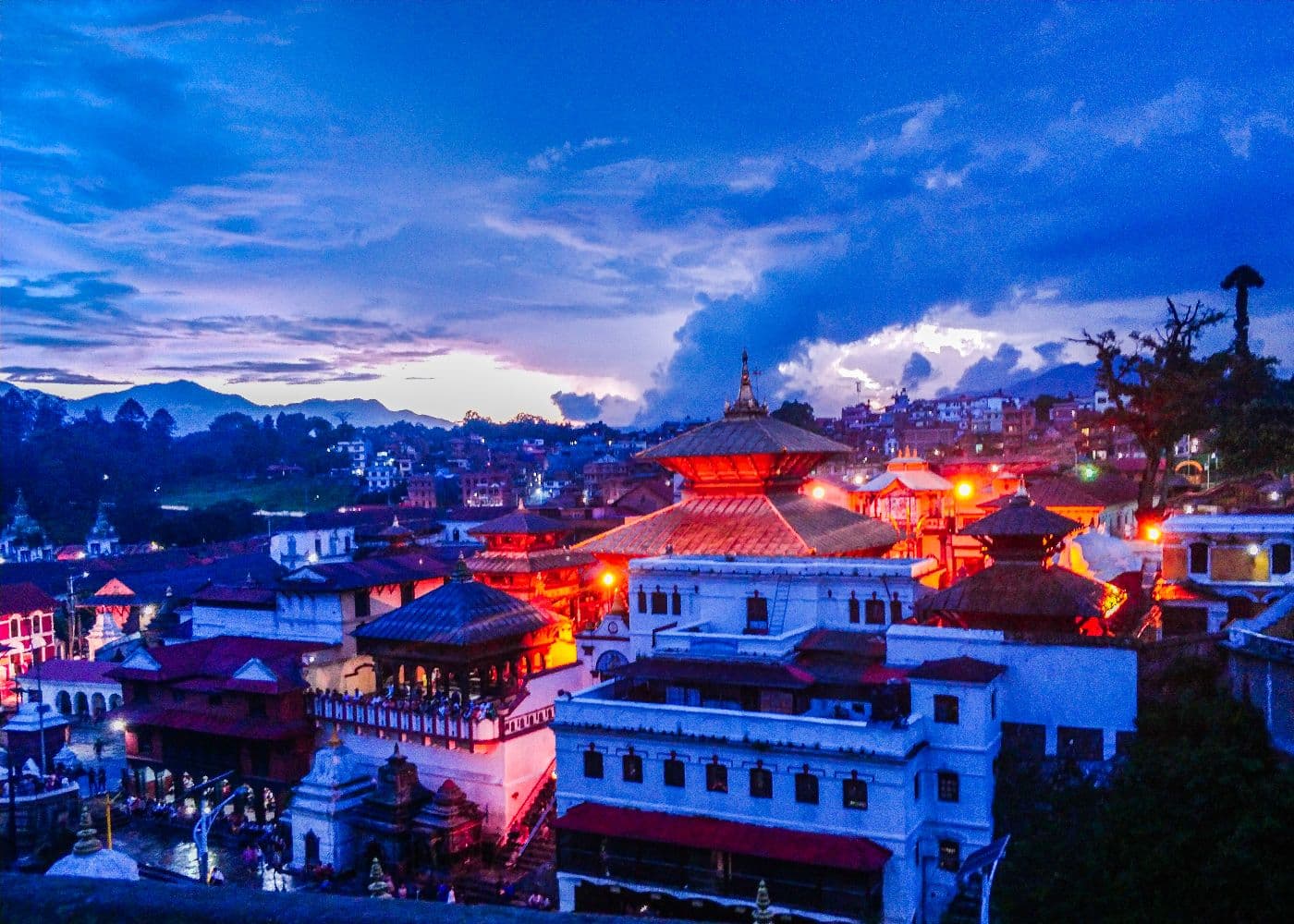
Nepal is among the many attractive countries in the world. It is known to have some beautiful mountains, a variety of cultures, and friendly, welcoming individuals. Be it a hiking trip through the Himalayas, a visit to crowded cities, or an experience of local customs.
Being equipped with proper information before the visit will make things way easier. It is important to remain connected via good mobile networks. So, learn to use your currency effectively, as well as how to stay safe when travelling to Nepal.
The world of telecom may be an intimidating sea to wade through. Nepal comes with quite a few providers of SIM cards. And choosing the right one depends on the type of visitor you are, short-term or long-term.
On the same note, it is advisable to learn where to exchange currency. Also, find out where the most favorable rates are, and do not fall into any scam schemes. It is important to know any recommendations on safety as well as common pitfalls a tourist might encounter. So that you can explore the beauty of Nepal without the need of worrying.
The focus of this blog is to give an informative idea about the necessary travel tips in Nepal. It comes with the relevant information about SIM cards, currency, and safety in Nepal.
Arming yourself with such knowledge, you will be more ready to cope with common situations. For example, how to spend time on the Internet? Or how to manage money safely? How to approach the local culture in a way that is respectful to others. So, what are these essential details you should keep in mind to have the best experience in Nepal? Time to explore them.
1. Buying a SIM card in Nepal
In Nepal, buying a SIM card is a fairly easy procedure, even for foreign tourists. In the Tribhuvan International Airport, Kathmandu, there will also be SIM card counters. Run by these two big telecom companies, Ncell and Nepal Telecom (NTC). The counters are just beyond the immigration. They are regularly open during international flight hours. This makes it easier on the tourists.

You can buy them easily from the main mobile phone dealers in tourist destinations. Such as Thamel in Kathmandu or Lakeside in Pokhara, in case you missed them at the airport. Or you want to compare prices and data plans, among other things.
The outlets are plentiful. Moreover, they are typically marked as official dealers of telecom providers. Indeed, it is important to buy it from an authorized dealer. So that the device can be registered, and one can receive valid data plans and good customer support.
The tourists are required to have a valid passport to buy a SIM card, and his/her picture should be of passport size. The vast majority of retailers will keep a photocopy of your passport.
In some cases, even a digital picture of you is added to the records. This is a measure that has been required by the government to uphold national security. Also, a way to limit the abuse of mobile numbers.
SIM Activation time and procedure in Nepal
When your identity has been confirmed, the seller/carrier will activate your SIM. They do it by online procedure. Activation may take between 5 minutes and two hours. It depends on the telecommunication provider and network congestion.

When you enable it, you receive a confirmation SMS. You can activate or recharge data packages over USSD Codes. Or mobile applications immediately.
Tourists are free to use either a pre-paid tourist SIM card or a standard pre-paid card. Tourist SIMs can also be bundled with data, talk-time, and SMS services. This is best suited to short-term visitors who desire immediate connections.
Depending on where you are going and how long you are staying there. The standard SIM cards might have more potential top-up variety and packages to take advantage of.
SIM Prices and Packages in Nepal
It is important to note that SIM cards are cheap, typically costing between NPR 100 and NPR 150 ( less than 1.50 USD). But an extra purchase is required to buy a data or a talk-time plan.
You can easily buy recharge cards at convenience stores and mobile shops. You can also use the digital wallet, such as eSewa or Khalti, which is very popular in Nepal, and recharge.

Ensure that you keep the packaging of your SIM card. Or at least write down your mobile number somewhere secure. So that, in case you need help or otherwise, you can register your SIM in your name when you find the need to use it later on.
It is better to buy a SIM card in Nepal to communicate freely. You get access to navigation services such as Google Maps. Access to connections in case of emergency cases or online booking.
Be it in the Himalayas or in the cultural sights of Kathmandu. Connectivity only adds comfort and security. You should always request help from your trekking agency or hotel staff in case you encounter any problem when registering the SIM card.
2. Top SIM Card Providers in Nepal
The most important step is selecting the right SIM card provider. One that will enable you to communicate and get good internet coverage. The three major Telecom operators in Nepal are Nepal Telecom (NTC), Ncell, and SmartCell.
Each provides different ranges of coverage, internet speeds, prices, and quality of service. The following table is a comparison that would help you make a choice. Know which provider would be most satisfactory for your travel needs.
Provider | Coverage (Urban/Rural) | Internet Speed | Price Range | Best For |
Nepal Telecom (NTC) | Excellent | Good | Low | Rural Connectivity |
Ncell | Great | Very Fast | Moderate | City and Tourist use |
SmartCell | Limited | Moderate | Budget | Basic Use |
The state-owned operator is Nepal Telecom (NTC), which is more well-known. Many use it due to good coverage both in the towns and in the distant rural places.

The speed of its internet connection is normally high. But it might not be at the peak of its competitors in urban areas. It also has fair prices. It is used by travelers going towards the mountains or an underdeveloped area.
Ncell is a commercial telecom operator that has good urban coverage and high-speed internet. It is frequently more efficient than the services provided by other operators. Mostly, in cities such as Pokhara and Kathmandu.

It is popular with high-speed data and a reliable network. Many find its service quality better, and it is thus preferred by tourists. Prices are more or less moderate due to high standards of service in the tourist centers.
SmartCell is a smaller operator that operates on affordable plans. It offers mediocre internet speed. Also, its network coverage is not wide, particularly in rural areas.
It can suit those travelers who have a limited budget. Or those staying in cities most of the time, and do not need a wide rural coverage. Nevertheless, SmartCell has a small coverage. As such, it becomes a disadvantage when trekking or travelling to inaccessible regions.
3. Internet & mobile Data Packages
Being online during travel in Nepal is important for many reasons. The top three are navigation, communication, and travel-related resources.

Both of the major telecommunication companies, Ncell and Nepal Telecom (NTC), provide a myriad of prepaid mobile data plans. They are specifically designed to cover both tourists and locals.
There is flexibility in these packages depending on what your data requirements are. It also matters how long you will be staying.
This means that you will always be able to get an affordable package. And it is regardless of the duration of your internet usage, be it short-term or longer.
Ncell Tourist SIM Data Packages:
1 GB valid for 1 day — ideal for quick online needs and light browsing
3 GB valid for 7 days — good for social media, emails, and light streaming
7 GB valid for 15 days — suitable for moderate users needing regular connectivity
15 GB valid for 30 days — for heavy data users or those on longer trips
Ncell Standard Data Packages (for longer stays):
500 MB for 3 days — budget option for light users
10 GB for 30 days — popular among digital nomads and travelers
Unlimited social media pack for 7 days — cost-effective for social users
Nepal Telecom (NTC) Tourist SIM Data Packages:
1 GB for 1 day — perfect for brief visits or emergency data needs
5 GB for 7 days — balanced option for regular internet use
10 GB for 15 days — fits moderate data users on mid-length trips
20 GB for 30 days — best for heavy internet users and frequent travelers
NTC Standard Data Plans:
300 MB valid for 3 days — low-cost plan for minimal use
5 GB valid for 30 days — widely used by locals and tourists alike
Unlimited data packages available in some areas — check offers combo Packs (call + Data)
Both companies have bundles that consist of talk time, text message and data at different periods. It is convenient for travelers who may need all-in-one packages.
Activation & Recharge:
There are two ways to activate a data package: by USSD codes (e.g., dialing *123# on Ncell). Or by mobile apps, e.g., Ncell MyAccount or the Smart Cell App by NTC.

Recharge cards can be purchased at mobile stores and convenience stores. You also topup your SIM card online through digital wallets like eSewa and Khalti.
The selection of the best data package is a matter of your stay period. The data consumption, intake, and travel route. Ncell and Nepal Telecom have a wide coverage, so you will be in touch in most urban and popular trekking regions.
Make sure you verify the validity and conditions of each package before you commit to it. When you run out of data, supplement your package accordingly. So your adventure through Nepal is not interrupted.
4. Where to Exchange Currency in Nepal
The currency exchange in Nepal is quite easy. There are various safe and secure places to exchange. Simultaneously, convert foreign currency into Nepalese Rupees (NPR).
The most familiar locations to exchange currency are the commercial banks. Or you can visit the authorized foreign exchange counters. And the money changers in tourist centers.

Airport counters are also offered, although they normally give lower rates than those offered in the city. When you are dropped off at Tribhuvan International Airport of Kathmandu, you will find the authorized currency exchange booths.
It is right outside the immigration and close to the baggage collection point. Such cashiers are convenient when exchanging small sums to pay for your taxi cost, SIM card, or urgent spending. But due to the price pressures of convenience prices and overhead costs. Airport exchange rates tend to be 5-10 percent cheaper than what you will find downtown.
Finding better rates in
To get better rates, it is advisable to change your money at licensed money changers. Or try at the banks in Kathmandu or Pokhara, particularly in tourist areas such as Thamel or Lakeside. Stationed in these neighborhoods are good and reputable currency exchange shops.

They openly put up the daily rates on billboards outside their offices. The majority of these are registered with Nepal Rastra Bank (the central bank). A printed receipt will be given after successful completion of the transaction.
Commercial banks also offer exchange services at reasonable and government-controlled rates. Visit Nabil Bank, Standard Chartered, Nepal Investment Bank, and Himalayan Bank. Banks are usually open between 10.00 AM and 3.00 PM on working days (Sunday to Friday).
Though the process is more secure, it might be time-consuming and involve paperwork. When exchanging at the banks, it is prudent that you carry your passport. You are normally asked to present it as identification.
One of the most suitable places to exchange money is Thamel. It is the center of tourist life in Kathmandu. Since the competition is high, the currency exchange rates are displayed very clearly. There are tens of foreign exchange points.

Each accepts the most popular international currencies such as USD, EUR, GBP, AUD, and JPY. The competition makes the exchange rates in Thamel usually most favorable in the country. It mostly occurs fast and hassle-free.
Another advantage is that the lakeside region of Pokhara is. It has a good quality of currency exchange with the same competitive price within Kathmandu. The exchange shops are fewer than they are in Thamel.
But they serve the trekkers and the travellers who visit the Annapurna region. Before you make the exchange, it is best to compare the rates in two or three outlets nearby. As rates might differ by a slight margin in each outlet.
What to avoid
It is dangerous to buy or sell money on the street or without unofficial sources. Even when the rates are attractive, purchases like this lack security and are usually illegal. And in some cases, counterfeit notes or short-changing.
There should always be words such as “Authorized by Nepal Rastra Bank or Licensed Money Exchange.” So that a person knows that they are dealing with a legal provider.
What to do
When you are changing a lot of money, inquire whether the money changer provides an improved rate when done in bulk. Some money changers provide a fractional improvement in exchange rate when you do it in bulk.
At every point, count your money and never forget to keep the receipt. Sometimes, you may be requested to do so by hotels and trekking agencies to confirm your transaction. Also, you should know that worn or written foreign bills may not be accepted, so you should carry clean, crisp bills.

Regardless of whether you are going on a mountain trek in the Himalayas or a sightseeing tour of Nepalese cities. You must have local currency with you. Since most of the transactions, other than upscale hotels and restaurants, use cash.
Exchanging money is not usually a challenge for the traveling person. Since there are always enough, safe, and controlled means of exchange in tourist destinations.
All you have to do is exchange the amount that you need. You should not carry huge sums of money. Particularly when you are visiting distant locations.
5. Accepted Currencies and Using Credit Cards
To ease financial transactions during your visit to Nepal, it is good to know what currencies and where you can use credit cards. The official currency is the Nepalese Rupee (NPR). But a few payment methods and foreign currencies are also accepted in common tourist destinations.

There is a need to learn where cash is king, and when you can use credit cards to prevent inconveniences. When travelling to remote areas, especially.
The currency used and generally accepted all over the country is the Nepalese Rupee (NPR). Every local market, shop, restaurant, transport facility, and trekking lodge operates on NPRs.
To travel to the less-touristy places in most rural areas, Nepalese rupees are required. And hence, recommended that you have enough of the local currency when exploring beyond the cities.
Where can and can’t you use Credit Cards or other currencies?
In most tourist attractions, such as Kathmandu, Pokhara, and Chitwan, USD is accepted. You can pay for hotels, travel agencies, souvenir shops, and high-end restaurants, especially.
USD bills must be new and in good shape to be easily accepted because if they are old and damaged, they will be rejected. The price is sometimes quoted in USD, although change is mostly given in NPR.

The use of credit cards is also gaining acceptance. Most mid-range to luxury hotels, international restaurants, major shopping centers, and airports accept cards.
The most widely accepted categories of cards are Visa and MasterCard. On the other hand, the cards of American Express and Discover might be less accepted. Nevertheless, it is important to carry cash. Many small businesses, small markets, and places to stay during trekking do not take credit cards.
In the far-off trekking spots and the countryside, cash is the only form of payment that is accepted. Most lodges, tea houses, porters, and guides accept payment in NPR, and there are few ATMs, if any. When trekking in places such as Annapurna, Everest, and Langtang, tourists are advised to carry along cash to cover daily expenses.
Banks and currency exchange counters usually favor exchanging foreign currencies to NPR, such as USD, EUR, GBP, and AUD. The other currencies can be either difficult to trade or subject to lower prices. This is advisable because it is best to carry well-recognized currencies and not to change money in the street or underground.
What you need to be aware of when using cards
When paying with a credit card, you should also note that some stores can impose a service charge or a minor card charge. Moreover, there can be a fee charged on foreign purchases depending on your card issuer. Never forget to inform your bank whenever you are travelling to Nepal to prevent withdrawals on your cards.

As much as your main currency will be the Nepalese Rupee. It is advisable to carry with you some US dollars and a credit card to take care of many of your financial requirements in the course of your travel.
You should also maintain sufficient cash reserves. It can be useful in making small purchases, tips, and long-distance traveling. By doing a bit of planning, you can even spend your money in Nepal in a hassle-free manner.
6. ATM and Cash Withdrawals
Automatic Teller Machines in Nepal are found in many ATM facilities in most urban areas. You can rest easy in Kathmandu, Pokhara, and Chitwan, among others.

There are machines of major banks like Nabil Bank, Himalayan Bank, Standard Chartered, NIC Asia, and Nepal Investment Bank. Such ATMs tend to be close to the tourist sites, hotels, and shopping centres. They are not just around the corner but even in the supermarket or the departmental store.
Nepali ATMs, in most cases, are compatible with international cards. I.e., Visa, MasterCard, and occasionally Maestro or Cirrus card. But it is less likely to take American Express.
It is most convenient to perform withdrawals through a foreign debit or credit card. The interface of an ATM allows users to use the English language option. Besides, it is always a good practice to inform your home bank about your traveling plans. It cuts the possibility of blocking your card when you use it abroad.
All Nepal banks have different ATM withdrawal limits. But most have a limit of NPR 10,000 to 35,000 per transaction (USD 75 to 260). Nevertheless, the policy of international withdrawals of your home bank can include some extra limits per day.
So the sum of a day is possible to take out, which can be less. In the case of higher withdrawals, you might have to make the withdrawal in various chunks and pay an extra fee every time.
Fees for Foreign Card Use
The foreign cardholders are meant to pay a fixed price. The user must pay a transaction fee of NPR 500 to 750 (4 to 6 USD) to the local bank that runs the ATM.
Your home bank or card issuer can charge an international service fee or currency conversion fee, as well as the local ATM fee. Such charges accumulate over time. And thus, whenever possible, one should withdraw bigger sums on average to cut costs. Whenever one feels safe carrying money.

Kathmandu and Pokhara’s ATMs are typically reliable and stocked with enough cash. Yet possible problems might arise with insufficient cash, technical issues, or power problems.
During peak tourist season or a national holiday, no cash may be dispensed in the nearest ATM close to the main attractions or trekking agencies. When this happens, it will be highly advised to use ATMs found at the branch of the bank. They are refilled more frequently and are, in most cases, attended to during working hours.
Places where you won’t find ATMs
ATMs do not exist in trekking trails like Langtang, Mustang, Annapurna, and Everest Base Camps. Or are absent in the rural locations.
Some towns, such as Namche Bazaar (Everest region) and Jomsom (Mustang), are likely to have one or two ATMs. But they are unreliable and are typically out of order, and may not accept foreign cards.
In this regard, travelers outside the city borders are highly recommended to carry enough cash. Kathmandu or Pokhara support their day-to-day needs, lodging, and emergencies.
Things to be aware of
Nepal seems to be the place where ATMs are safe to be used only during the daytime. Particularly ATMs connected to bank buildings and those situated in high-traffic, well-lit streets.
Always cover your PIN and never use a standalone machine in a secluded place. Besides, inspect the card skimming machines or possible dishonest activity.

If it gets stuck or swallowed, go and notify the bank at once. The operator helpline is visible on the screen or on the ATM itself in most machines.
Nepal is drifting to digitalized payments. But cash is popular, particularly in local restaurants, trekking accommodations, markets, and transport providers.
ATMs are convenient for drawing local money. Since they have limitations in accessibility, especially in rural areas, and withdrawal amounts, one must be able to plan.
Carry a combination of cash and card, and perhaps a little in emergency money in USD or Euros. These occasionally get accepted or exchanged easily in tourist-heavy spots.
7. Currency Exchange Rates and Tips
It is needed to exchange foreign currency into Nepalese Rupee (NPR). It is a usual need for all travelers. It is possible to provide you with some approximate rates and better rules to save your money. The exchange rates vary marginally according to the supplier and location. But the most credible rates are normally available at the banks and the controlled money changers. There you will find a comparison of typical currencies and useful tips to protect you against bad exchange rates and scams.
Currency | Approx. Rate (NPR) | Notes |
USD | 130-135 | Best exchanged in Kathmandu at authorized counters; avoid street changers |
EUR | 140-145 | Bring new, clean notes to ensure acceptance and better rates |
INR | 1.6 (fixed) | Only INR 10, 20, 50, and 100 notes accepted; INR 500/1000 not accepted |
Ways to Prevent Bad Rates:
Whenever exchanging money, always do it in banks or exchange counters that bear Nepal Rastra Bank licensing details.
Do not share money with street vendors or others who are not official sellers because they can provide counterfeit money, or give you change with less.
Carry fresh, clean Dollars without any damage; damaged and marked bills will not be easily accepted, or with real bad rates.
Before exchanging large amounts of money, compare two or three counter rates, particularly in high tourist spots such as Thamel or Lakeside.
Avoid losing your exchange receipts because you may want to change remaining rupees at the end of the vacation.
Knowing these approximate rates and avoiding losing money with the help of the tips above. It will help you make the most of your Nepalese Rupee and make the most of your trip.
You should always think in advance. Learn how to get your money exchanged. How to travel with a combination of major currencies. Always use official agencies where you can exchange money safely and without being cheated.
8. Staying Safe in Nepal
Nepal, in general, is perceived as a safe place to travel. It holds a welcoming culture and a low prevalence of any violent crime, particularly against tourists. The majority of the visits are trouble-free.
Locals are believed to be hospitable, friendly, and ready to assist. Still, like any other tourist attraction, pick-pocketing, bag snatching, and rip-offs are possible, most especially in big tourist spots.

Be cautious with your belongings in crowded markets, on buses, in main streets, and in other places that attract larges tourists. You need to stay cautious in places like Thamel in Kathmandu, or Lakeside in Pokhara, to avoid trouble.
Use a money belt or neck pouch, carry less cash, and expensive gear. And lock the valuables in your hotel room when you are not using them. You should especially be careful at night and avoid staying alone in dark and unfamiliar areas.
Scams but no violence
In Nepal, tourist scams are not violent but rather include overcharging taxi drivers. Or overpriced souvenir sales, counterfeit or illegal trekking guides, or the unofficial donations. Book in advance with your hotel. Take an official taxi with meters. And ensure the validity of any trekking and tour guides.
Including them in checking the identity and license. In searching for or buying and selling currency, check the rates and use authorized shops or registered businesses.
Respecting Customs and Traditions
Learning to respect local traditions is an essential resource to stay safe and out of misunderstanding. Nepal is a very religiously oriented and culturally conventional nation. Thus, decent clothes should be worn in temples, monasteries, in villages, and other places as well.
You should never enter holy areas without removing your shoes. You should not aim your feet at anything that is deemed religious. You should always ask first before taking pictures of people and rituals.
Nepal is a relatively safe country for female travelers, although when traveling alone. Females need to use a slight bit more caution, especially in offbeat areas or during the night. It is best not to use the isolated trails without the guide.
In comfortable establishments with a good reputation, you will gain a higher level of security. In some areas in the countryside, female tourists can be subjected to staring. It is not an issue of danger, but a sign of their curiosity.
Other Forms of Danger
The mountain trekking trails are as spectacular as they are dangerous, but not in a criminal sense. A licensed guide should always accompany you. Or in case you choose to go in a group, due to the weather. Travelers need to be wary of landslides and altitude sickness along high-altitude routes.
Enroll for your trekking permit through the Trekkers Information Management System (TIMS). Also, keep weather updates.
Generally, Nepal is a safe country as far as health is concerned. Hence, precautions such as drinking purified bottled water. You also might want to use mosquito repellent in the lowlands. And raw street food should be avoided.
Medical infrastructure is good in the hospitals of Kathmandu and Pokhara. In the rural or remote areas, it is not satisfactory. Emergency evacuation travel insurance is highly recommended for a person planning to go on the trek or into the mountains.
Whom to call for Help in Nepal?
And in case you ever feel unsafe or need help, Nepal does have a special Tourist Police force. They work in cities and tourist destinations.
They are well-trained in handling matters that relate to foreign visitors, and they speak English. Call them at +97714247041 or request your hotel or tour operator to assist you.
You can experience all that Nepal has to offer in peace of mind by remaining alert. Keep yourself prepared, and be respectful about the culture.
Regardless of the place you visit, whether you are climbing in the Himalayas. Or strolling to ancient temples. Or just getting a taste of hospitality, safety is usually not a worry, as long as you are careful.
Nepal is still one of the most rewarding and trouble-free places in South Asia. Its authentic people and orderly peaceful setting.
9. Popular Tourist Scams & How to Prevent Them
Nepal has a reputation for hospitality and a travel-safe environment. Tourists are advised to watch their backs to avert some of the common scams that can spoil their adventure.
Tourists, particularly in tourist centers and trek sites, are prone to scammers. They may not know the local prices or local practices. Being familiar with such pitfalls and making sure you are safe. This will make your trip much more pleasant.
Surprising fare of taxis and Sim card vendors:
In tourist spots such as Kathmandu and Pokhara, taxi professionals occasionally reject the meter. They will charge excessive fixed fares. And you must never take a ride without the meter or a designated fare.
When you buy SIM cards, always buy them from authorized sellers. Ensure that you check prices in advance to prevent overcharged prices.
Fake trekking guides:
In the popular trekking areas, there are unlicensed guides or inexperienced guides. They offer their guiding services at a cheaper rate. They lack the appropriate skills or permits.
Never fail to book a trekking guide for a safe journey with recognized companies. They offer professional certified guides. This does not just safeguard your safety, but also helps in adhering to local regulations.
Foreign exchange schemes:
On the streets, money changers can be helpful, provided they give a good exchange rate. But most turn out to defraud or give fake money, or rather, they short-change.
Do not change cash, at any rate, except at their official change counters or in banks. Make a careful reckoning before quitting. Damaged or old notes of a foreign currency are not accepted everywhere. Treat them carefully.
Expensive souvenirs in tourism marketplaces:
Shop owners in areas like Thamel can overcharge the tourists. They are offering them a souvenir or a handicraft. Never negotiate rudely but assertively.
Try to compare prices in different stores before you start buying. Fair prices and genuine products can also be ensured by purchasing the goods directly through a cooperative or fair-trade store.
Other scam tips:
Watch out at airports and tourist destinations. Unsolicited tourist loops, transportation services, or any other offers of services by strangers are to be avoided.
It is best not to share any personal information or make payments without any known documentation or a receipt. The recommendation of the hotel or tour agency for guides, transport, and shopping has minimized the chances of being scammed.
These are the types of scams you should watch out for and be informed about. You'll have a positive experience of learning the rich culture of Nepal and exploring the beautiful scenery. Trust your gut, research, and map out in advance.
Don't hesitate to call the Official Tourist Police or local friends you know if something does not seem right. And here it is, with such precautions in mind, you will be able to focus on the warmth and beauty that Nepal offers.
10. Emergency Contact and Phone Numbers
Knowing how to contact important people in case of an emergency is essential to a secure trip to Nepal without worries. Be it a case of medical emergency where you find yourself having to call in, or the need to seek help with law enforcement, or even trekking rescue help.
The need to have the right contacts makes all the difference. These are the most crucial contact lines and points that no traveler should leave without having them.
Tourist Police: +977-1-4247041
Specifically trained to assist foreigners who are on vacation. The Tourist Police can assist tourists when they are mugged, harassed, or lose their documents. Also, when a customer has a safety issue, in general. They also speak English, and they exist in big tourist destinations like Kathmandu, Pokhara, and Chitwan.
Emergency Ambulance: 102
In case of a medical emergency, which needs immediate hospitalization, call 102 to get the ambulance service. There are ambulances in major cities, and they can offer basic life support and can transport patients quickly to hospitals.
Trekking Rescue: Get in touch with your trekking agency
Injuries or emergencies during trekking are organized by most tour operators to rescue people with altitude sickness. If you have a medical emergency whilst on a trek. Make sure you notify your trekking guide or trekking agency as soon as possible so that evacuation can be done. It is often by helicopter, and treatment can follow.
List of Local Embassy Contacts:
Legal affairs, emergency evacuations, and missing passports can also be of help in the embassy or consulate of your country. It is advisable to save the number and address of the embassy before travelling. There is a huge concentration of many embassies in a diplomatic district in Kathmandu. They offer 24/7 emergency services to their nationals.
Extra Emergency Numbers:
Nepal Police (General Emergency): 100
Fire Service: 101
Disaster Management Hotline: 1133
Having these contacts at hand is a good idea. Whether it is on paper with you or in your phone memory. Or via your tour operator, so that you could access the help in case of an emergency.
Having these numbers at the front can give you a sense of relief. Especially when you are out in the wild, high altitudes in the Himalayas, or roaming the streets of the big city. Every time you travel, inform someone about where you are going. This could be your family or your agency, so that help could be sent to your location in time of need.
11. Travel Insurance and local Support
When a person visits Nepal, it is important to buy full travel insurance. Particularly in case the person intends to do trekking and explore remote places. Or indulge in adventurous activities.
You need to be insured in case of a medical emergency. Stay in a hospital, loss or theft of possessions, or flight cancellation. And above all, high-altitude helicopter rescue. The evacuation out of an environment such as Everest Base Camp or the Annapurna region may cost as much as 5,000USD or more. And may be made out-of-pocket unless adequate insurance cover is taken.
Ensure the insurance also covers trekking above 3000 meters. It is regarded by most insurers as a high-risk activity. Additionally, adventure sports or high-altitude hiking are commonly not covered under the conventional policies. So, go through the terms and conditions and look to use a specialized insurance policy should that be necessary.
Emergency airlift and mountain rescue cover must be in place, as most of the trekking trails are days away from the nearest road or medical center. Registered trekking agencies or tour operators in Nepal are very important in the case ofan emergency. As they conduct rescue missions. They serve as your immediate support as they inform authorities.
Set phone calls with your insurance company. And order a helicopter rescue or medical service when needed. Most of the top agencies also have a robust network with hospitals in Kathmandu and Pokhara. So that a patient can be transferred easily.
The tour operators are also important in non-medical emergency cases like lost passports, theft, altitude sickness, or natural disasters. And they are helpful on the ground. They know the local protocols and have contacts in embassies.
Also, the logistical experience makes them a must-have companion to a foreign traveller. Besides, most trekking operators ask you to provide evidence of your valid travel insurance before booking your expedition. Particularly in restricted or high-altitude areas.
Also Good To Have
A copy of your trekking itinerary can also be left in such schemes as TIMS (Trekkers Information Management System). Or your national embassy in Kathmandu as an extra insurance. This helps the authorities to locate where you are.
The response time is also quick in case you are either lost or in a natural calamity like a landslide. Powerful insurance coverage, along with local agency support, will make sure that you are covered. Be ready, and take care of all through your trip in Nepal.
Trekking in the Himalayas, or exploring traditional Kathmandu. Travel insurance is not a prerequisite or a formality. It is a matter of life and death. With a strong, stable local operator covering over 99 percent of Nepal.
You can have the safety and assurance to explore Nepal at its finest. Maintain your insurance policy and emergency contact numbers within easy reach when you are out on a trip.
Conclusion
A trip to Nepal is highly rewarding. To learn how to avoid the most frequent pitfalls and inconveniences, some preparations should be made.
With the right provider of a SIM card, you are assured that you will be able to connect everywhere, be it in Kathmandu or when trekking in a distant region. Equally, changing your money at the trusted organizations. Being familiar with payment channels will leave your finances safe and comfortable within the host country.
Especially by keeping an eye on personal safety issues like knowing scams. Observing local cultures and people to contact in an emergency, you can explore Nepal safely and responsibly.
Just bear in mind that it is much easier to have a good and stress-free time traveling when careful planning is supported. It comes with an accessible and respectful approach to the local environment and people.
You may find practical information. This will allow you to travel smarter and focus on marveling at the beauty of nature and the cultural richness of Nepal. Be a daredevil, be confident that you are all set on what you must be aware of. It comes to handling communications, money, and your safety in this gorgeous country of the Himalayas.
FAQs
1. How can I get a SIM card in Nepal?
Arriving at the airport, you are able to buy the SIM card there, but you can also buy it at the special mobile shops in the tourist destinations such as Thamel in Kathmandu or Lakeside in Pokhara. Make sure you carry your passport and a passport-sized photo.
2. What SIM card provider is best in rural parts of Nepal?
The Telcom Nepal (NTC) has the best coverage in the rural and mountain areas. NTC is usually the safest configuration where you are trekking or traveling off the beaten path.
3. Do I require a passport to purchase a SIM in Nepal?
Yes, it is compulsory to provide your passport during the registration of a SIM in Nepal according to the government rules. Others will also ask you to provide a passport-sized photo or capture your photo in a digital device.
4. Will I be able to use my international credit card in Nepal?
Most of the hotels’ mid and luxury websites, restaurants, as well as some of the shops found in towns accept credit cards. Cash is, however, the choice of payment in remote areas and in the trekking regions.
5. Which is the best currency exchange point in Nepal?
The most reliable rates are offered by authorised exchange counters and banks in the Thamel area of Kathmandu and Lakeside in Pokhara. You should avoid changing money in the street or the airport because you will get low rates or fall into a scam.
6. Can US dollars be used directly in Nepal?
Yes, the US dollars can be accepted in large tourist destinations and some of the hotels or tourism organizations, although in small businesses and distant places, you will always be required to have Nepalese Rupees. Ensure that your bills are clean and fresh to be easily accepted.
7. What is the trustworthiness of the ATMs in Nepal?
Most banks in Kathmandu and Pokhara have ATMs which are usually reliable and accept the majority of international cards, but might have a withdrawal limit and some fee. In rural or trekking regions, there are hardly any ATMs. Therefore, bring some cash in case you go off the beaten path.
8. What safety measures must I take while traveling to Nepal?
Be vigilant in busy places to prevent mugging, hire registered cabs, and watch out for possible tourist fraud. As well, be polite to local culture and be modest in dress, particularly when visiting religious places.
9. Are there any scams to watch out for in Nepal?
Yes, taxi and SIM sellers overcharging, fake trekker guides, un-authentic currency exchange, and expensive souvenirs are some of the common rip-offs. Nevertheless, it is important to use only official services, compare the prices, and purchase SIM cards or currency from the official sellers.
10. Which emergency numbers should I have in Nepal?
You should keep contact numbers of the Tourist Police (+977-1-4247041), the ambulance (102), and the rescue point of your trekking agency. Also, have the number of your embassy in case you need it immediately.
11. Do you need travel insurance to trek in Nepal?
Absolutely. Travel insurance with sufficient coverage, which encompasses medical emergencies, theft, and high-altitude evacuation, is very necessary, particularly for trekking. Most trekking companies ask you to provide a document proving you have insurance before you travel.
12. How to recharge my mobile data in Nepal?
Recharging can be done with scratch cards purchased at mobile shops or with applications such as eSewa and Khalti online. Ncell and Nepal Telecom also provide USSD codes that enable fast activation of packages.
13. Is mobile internet available in Nepal?
There is strong mobile internet coverage in urban areas, and in high traffic trekking routes, especially Ncell and Nepal Telecom. But in extremely distant or high altitude locations, signals might be weak or non-existent so make provisions accordingly.