Nepal shows amazing contrasts. This is true in its height, culture, and scenery, but also in its unique wildlife, especially its birds. The small nation is located between the high Himalayas and the green plains of the Terai.
Nepal is home to more than 900 avian species. Thus, it is one of the most rewarding birdwatching destinations in Asia. The skies and forests of Nepal are alive with color and sound. Colorful pheasants fly through alpine forests. Large flocks of migratory geese spread across the wetlands. Many bird species fill the air with their vibrant hues and songs.
Birdwatching in Nepal is special because it offers many habitats in a small area. Birders can quickly move through subtropical rainforests full of hornbills and kingfishers. Then, they can head to cooler hills where laughingthrushes, babblers, and sunbirds live.
If you’re an ornithologist or a traveler with binoculars, Nepal is a great place. You can see endangered species, rare birds, and unique endemics. In all these animals, you will find a small aspect of the rich ecological history of the country.
Introduction: What makes Nepal a paradise for birdwatchers?
Nepal may be small, but it’s surrounded by giants: China and India. It has one of the world’s most diverse ecosystems. The subtropical Terai plain lies to the south, while the alpine tundra of the Himalayas is to the north. Nepal stands out not just for its species but for its birdwatching. Here, you can enjoy this activity on a grand scale. It blends culture, spirituality, and the environment beautifully.

The elevation rises from 60 meters in the southern lowlands to 8,848 meters at Mount Everest. This change creates many different natural habitats. This diversity supports a remarkable range of plants and animals.
Notably, there are over 900 bird species here, making up about 9 percent of all bird species on Earth. Nepal is one of the best birdwatching spots in the world. Its rich diversity is packed into a small area, making it truly special.
This area sits at the border of the Palearctic and Indomalayan realms. This location adds to its importance in ornithology. Nepal hosts migratory birds from both northern Eurasia and the Indian subcontinent.
This makes seasonal birding lively and diverse. In winter, migratory birds like waterfowl, raptors, and passerines arrive. Then spring brings breeding residents and colorful Himalayan species. This change offers birding fans a lively display of birdlife throughout the year.
Bird watching in Nepal is both a personal journey and a scientific study. It also helps raise global awareness for conservation. You can find the Spiny Babbler (Turdoides nipalensis) here. Also, the endangered Bengal Florican in Nepal. They are vulnerable and unique species. They show why this country plays a key role in bird conservation.
Birding Sites in Nepal
Birding sites in Nepal are in national parks, community forests, and Ramsar-designated wetlands. The country’s main nature conservation areas balance nature tourism and national interests. They also help protect biodiversity and support global environmental goals.

Every birding trip offers more than just a checklist of species. It features monks chanting in Himalayan monasteries. Also, the Terai’s thick sal forests come alive with bird calls at dawn. It will be an experience where man and nature are seen as a whole.
The spiritual and ecological collaboration aligns with Nepal's conservation philosophy. Local people, global researchers, and national groups work together. They aim to protect bird habitats and also promote sustainable tourism.
Bird Conservation Nepal (BCN) is one that has helped Nepal a lot with birdwatching. It partners with other organizations like BirdLife International. They carry out research and community-based conservation projects on birds. The preservation projects are at Important Bird Areas (IBAs) in the country.
Nepal has much to offer in avian life. The country gains accessibility through eco-friendly birding tours and guided expeditions. These experiences introduce the world to the birdlife wonders of Nepal. Its inhabitants are educating visitors about the proper approach to wildlife observation.
This country is gaining more prestige with every review by international ornithologists and the common birder. And Nepal is becoming something more than another hidden gem. It is rapidly becoming a key location in the world of avian diversity and conservation frontiers.
Top Bird Species Found in Nepal
Nepal's diverse altitudes and habitats host many bird species. This makes it a top spot for birdwatchers worldwide. Bird species reflect the country’s rich ecological diversity. They range from the subtropical wetlands of Terai to the alpine meadows of the Himalayas.

Nepal is a treasure for bird lovers. You can find stunning pheasants, rare migrants, and unique species. Each bird is captivating in its own way.
Spiny Babbler (Turdoides nipalensis)
Spiny Babbler is the only endemic bird in Nepal. This secretive species resides in dense scrub in the middle hills around Kathmandu. It is known for its specific warble calls.
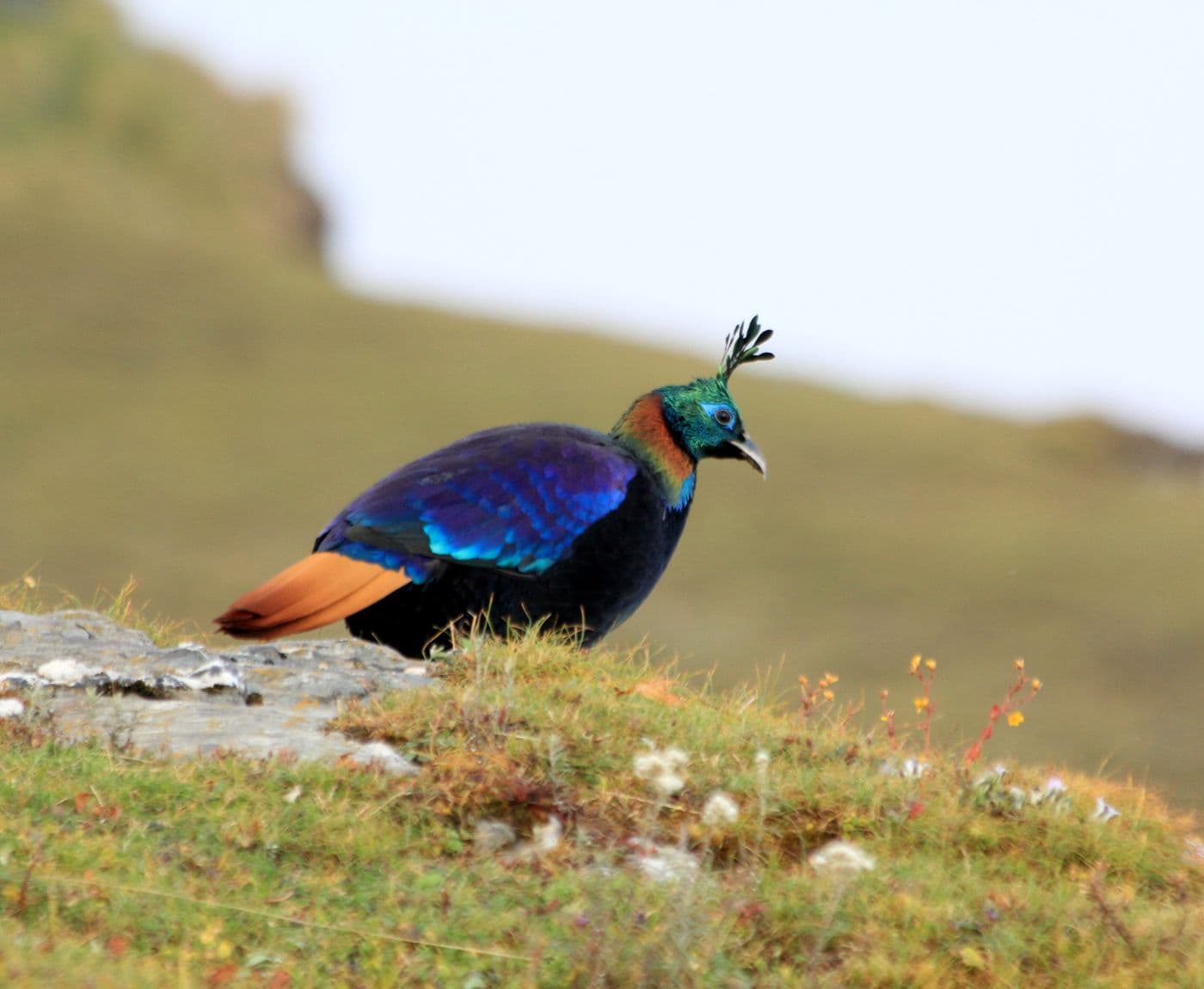
Himalayan Monal (Lophophorus impejanus)
Nepal's colorful national birds are known for their bright plumage. You can find them in subalpine forests and alpine meadows. They live at heights between 2,700 and 4,000 meters.
Bengal Florican (Houbaropsis bengalensis)
A seriously endangered meadow exists in the long meadows of Chitwan and Koshi Tappu. It is known for its amazing ecosystem.
Great Hornbill (Buceros bicornis)
One of the largest hornbills is known for its bright appearance and quick call. It lives in the subtropical forests of the Terai and lower hills.
White-rumped Vulture (Gyps bengalensis)
Once endangered, the Mehtar ecosystem is slowly recovering. It's vital for the area's health and can be found in protected spots like Chitwan.
Satyr Tragopan (Tragopan satyra)
Satyr Tragopan is a colorful pheasant with a blue face and a red body. It lives in the dense rhododendron forests of the middle hills in Nepal.
Bar-headed Goose (Anser indicus)
The geese are well known for migrating over the Himalayas. They spend the winter in Nepal's wetlands, such as Koshi Tappu.
White-throated Bushchat (Saxicola insignis)
A winter migrant to Nepal's grasslands is threatened. It’s known for its dull black-and-white feathers and shy behavior.
Chestnut-breasted Partridge (Arborophila mandellii)
A rare and quiet ground bird lives in thick mountain forests. Birders really want to spot one.
Spotted Forktail (Enicurus maculatus)
This bird is admired for its striking black and white feathers and lively tail movements. You can often find it in mid-hill forests, especially by rushing rivers and lively streams.
Sarus Crane (Antigone, Antigone)
The largest flying bird in the world lives in Nepal's wetlands and sacred ponds. It is known for its long life and trustworthiness in local culture.
Hoary-throated Barwing (Actinodura nipalensis)
It is a rare species found in Nepal's mid-hill forests. You can spot it by its pale throat and unique barred pattern.
This place shows just a small part of Nepal's birdlife. There are many different habits, habitats, and conservation stories for each species. These details make birdwatching a richer experience.
Nepal's diverse landscapes make it a prime spot to see rare bird species. This helps us understand one of the world's richest bird areas. It still has many mysteries.
Best Birdwatching Destinations in Nepal
Nepal's diverse geography offers birdwatchers many unique habitats. These include subtropical forests, wetlands, alpine meadows, and mid-hill woodlands. Each area provides a special experience for those who love birds.

Nepal is a great place for birdwatching. Many different bird species live in each region, adapting to local environments. This makes it ideal for both new birders and ornithologists.
In lowlands and high altitudes, birdwatchers can find rare Himalayan birds. These areas let you see resident and migratory birds in their homes.
Koshi Tappu Wildlife Reserve: The Wetland Wonderland
Koshi Tappu Wildlife Reserve is in the eastern Terai plains of Nepal. It’s one of the top bird-watching spots in South Asia and is also an international Ramsar wetland site. The floodplain gets water from the Koshi River and its tributaries.
It is home to over 500 bird species. This includes rare and endangered ones. Birds like the Swamp Francolin, Sarus Crane, and black-necked Stork.
You can also see the migration of the Bar-headed Goose here. With enough rich biodiversity, it is far but accessible with ease. It takes a 1.5-hour road trip once a domestic flight is taken to Biratnagar.
Chitwan National Park: Subtropical Jungle Birding
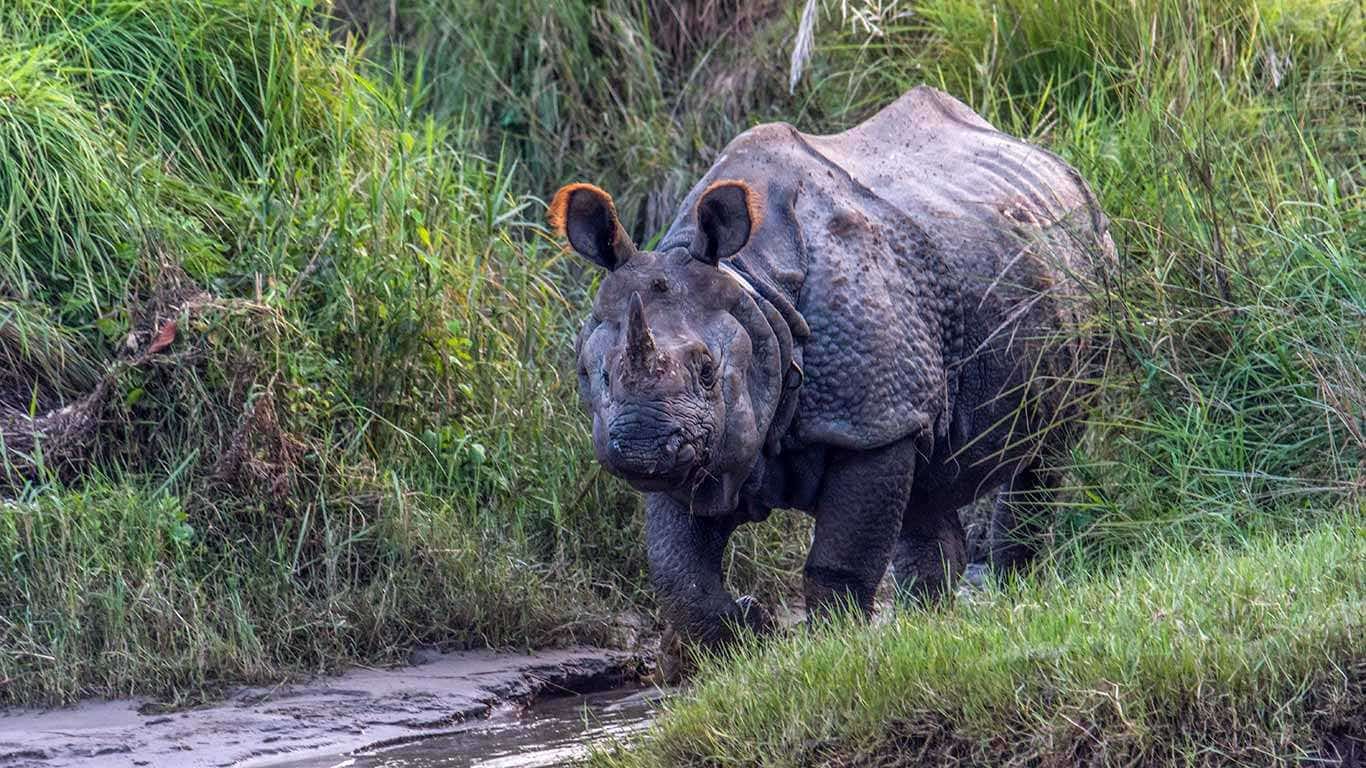
Chitwan National Park is renowned as the place to go on jungle safaris and to see rhinos. But it is also a birdwatcher's dream, with over 600 species having been sighted.
In the heart of Terai, it is surrounded by a mosaic of riverine forests, grasslands, and oxbow lakes.
It is home to Species like:
The Great Hornbill
Grey-headed Fish Eagle
Red-headed Trogon
Bengal Florican
Chitwan National Park is located within a 25-minute flight or a 5 to 6-hour drive from Kathmandu. Chitwan has guided birding walks, canoe trips, and quiet forest trails. They are all suitable for all grades of bird watchers.
Phulchowki Hill: The Mid-Hill Birding Hotspot close to Kathmandu
Phulchowki Hill (2,760 m) is the most famous birding spot in the capital valley. It's less than an hour southeast of Kathmandu. It is known to have a rich montane forest and a variety of seasonal birds.
More than 300 species have been observed in this area. It includes Himalayan Cutia, Hoary-throated Barwing, among other laughingthrushes, sunbirds, and flycatchers.
The pathway on the hill full of forests gives a good, calm experience. It goes through rhododendron and oak types of forest. Very suitable enough to photograph. It also provides easy daytime trips by traveling short distances to the city.
Shivapuri Nagarjun National Park: A sanctuary on the edge of the valley
The National Park is a group of biological diversity. The easily accessible birding around the northern rim of the Kathmandu Valley. It occupies an area of 144 square kilometers. This park has a height of 1,300 to 2,700 meters.
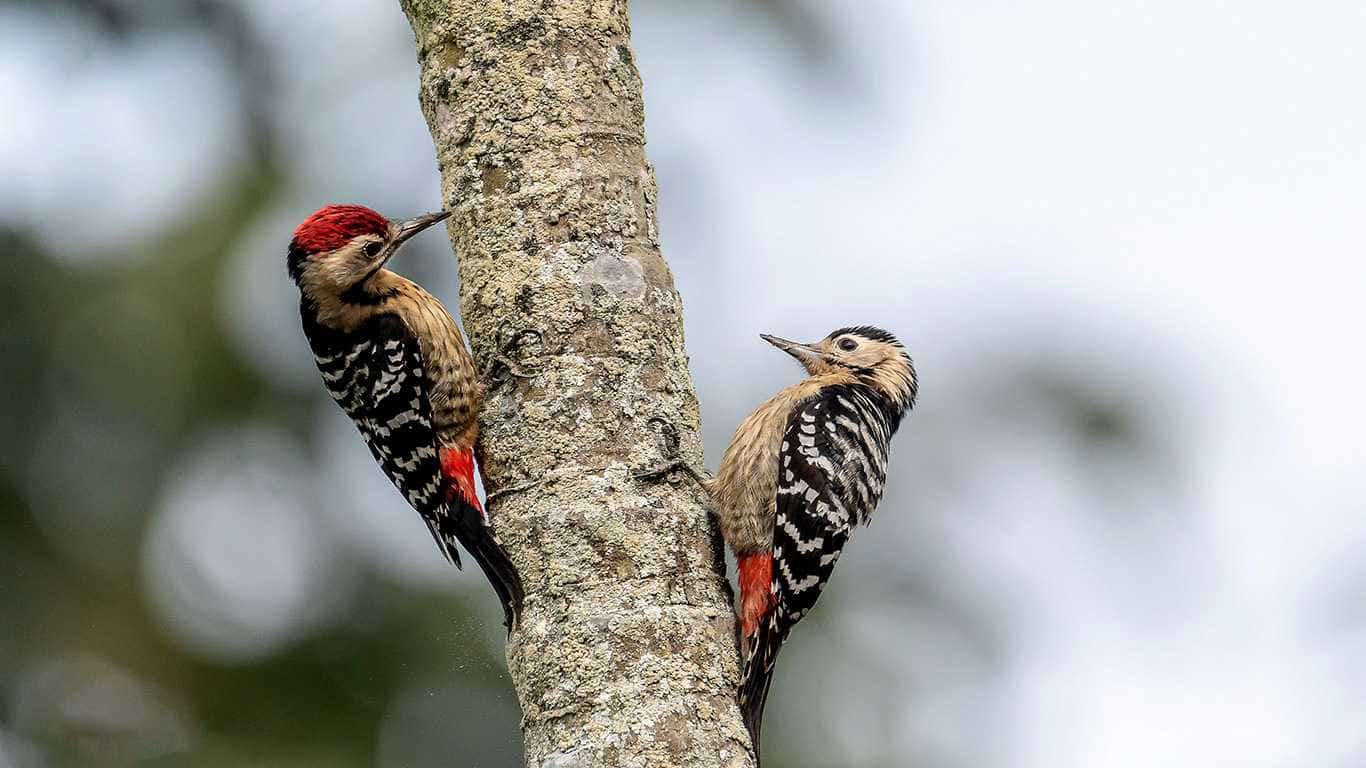
It accommodates more than 300 species of birds. It includes the Yellow-bellied Bush Warbler, Spotted Forktail, different woodpeckers, and thrushes.
It is quite easily accessible by vehicle or on foot. It is within a few kilometers of central Kathmandu. As such, allowing both casual birdwatching and academic research on ornithological management.
Lumbini Gardens: The Holy Grounds with Bird Sightings
Lumbini is best known as the birthplace of Lord Buddha. It is slowly coming up as a distinct bird-watching destination. The wetlands that surround Lumbini, together with the nearby Lumbini Crane Sanctuary.

Over 150 species of birds have been reported in the region. The Sarus Crane, Black Drongo, and Indian Roller are found in this place.
A western Terai destination, Lumbini can be reached via flight or road. It goes by connecting to major cities. It makes an excellent route to mix spiritual tourism with relaxing birdwatching.
Why take up birdwatching in Nepal?
Nepal has the best birdwatching sites. They not only provide biodiversity but also accessibility, cultural wealth, and ecological significance.
It does not matter whether you are visiting wetlands where you can see migratory birds. Or you are trying to hike in the forests of the foothills of the Himalayas. The destination shows Nepal's contribution to global bird conservation.
Such hotspots open the doors to watching some of the rarest and most beautiful species. The enhancement of sustainable ecotourism and the protection of habitats.
Seasonal Birdwatching Guide: When to Go
The bird-watching events in Nepal change so gracefully according to the seasons. This provides an interesting shifting experience to birders all year round.

The lowland overwintering of migratory species. The spectacular breeding plumage of the Indian birds of the Himalayas in spring.
The rich diversity of avian species in every habitat is a delight in the different seasons of the year. The best period to visit various birding areas enables one to maximize birdwatching. They have a gratifying and timely visit to birdwatching sites.
Winter (Nov-Feb)
Breeding time of migratory birds coming to Siberia and Central Asia. Such as water birds, raptors, and songbirds. The season also provides some of the best bird-watching opportunities.

Species such as the Bar-headed Goose, the White-throated Bushchat, and the Pallas Fish Eagle. The Terai wetlands and lowlands have cooler temperatures. As such, making it comfortable to go birding there.
Koshi Tappu Wildlife Reserve
Chitwan National Park
Bardiya National Park
Lumbini Wetlands.
Spring (Mar-May)
Many resident birds arrive in their reproductive season. Males have bright colors and courtship activities. This is an exciting period because migrating species come into the nest. They can withstand any color species. Such as Himalayan Monal, Satyr Tragopan, and Warblers and Flycatchers, among others. The middle-house forests are full of music and livelihood.

Phulchowki Hill
Shivapuri Nagarjun National Park
Langtang National Park
Annapurna Conservation Area
Summer/Monsoon (Jun-Aug)
The access may be restricted by rain, but this is a time you will find insects. This attraction brings in insectivorous birds. And with probability, you will get to see fledglings and young birds. Some species migrate to breed at higher altitudes.

Forest trails may offer a glimpse of rare birds in the Himalayas. It is not as touristy as other places, but a rewarding experience for the serious bird-watcher. Some lowland refuges have dense foliage. Higher elevation forests in:
Langtang Region
Annapurna Region
Manaslu Regions.
Autumn (Sep-Oct)
Birdwatching is best done during the post-monsoon period. It is during this time when skies are less clouded, and temperatures are bearable. And migratory birds come to seek asylum before winter. Before migration, there are a lot of birds busy feeding and performing. And this makes it easier to observe their behavior. It is an excellent bird photography and trekking season.

Mid-hill and lowland areas such as:
Shivapuri
Phulchowki
Chitwan
Koshi Tappu
This seasonal guide serves to guide the birdwatchers on when they should plan their trip. Due to the activity and diversity of the available birds in various regions of Nepal. Timing your visit with these seasons would help you maximize the number of residents. Moving species sightings within their habitats.
Rare and Endemic Birds of Nepal
The incredible altitudinal range and wide variety of ecosystems in Nepal. It has resulted in an impressive richness of rare and endemic bird species. They have become the pride of ornithologists and other conservationists.

These are not biologically important birds. But they are also symbolic of the unique biodiversity of Nepal. Many of them are seen only in a particular habitat or at a particular time of the year. Here are some of the most prominent birds illustrating Nepal's significance for birdwatching.
Spiny Babbler (Turdoides nipalensis): Nepal’s Only Endemic Bird
Unique to Nepal, the Spiny Babbler is the sole endemic bird-like species in the country. So, it has a special privilege of being endemic to Nepal only. It is an elusive and shy bird, most easily found in the scrubby mid-hill areas around the Kathmandu Valley. (e.g., Phulchowki, Godavari, and Shivapuri). It lives in dense undergrowth and thorny bushes.
Spiny Babbler is listed as Least Concern by the IUCN because of its stable population. Its living space is being steadily broken due to urban sprawl. As a result is an extremely sought-after experience for birders. Some are fortunate enough to hear its scratchy/warbling call bounce off the hillside.
Bengal Florican (Houbaropsis bengalensis): Critically Endangered Grassland Jewel
The Bengal Florican is one such bird. It is one of the rarest and at the same time the most threatened birds in the world. Its population is down to less than 1,000 all over the world. This bird is found in Chitwan National Park and Koshi Tappu Wildlife Reserve.

It carries out elaborate courtship rituals during the breeding season. It needs extensive, intact grasslands to survive. According to IUCN, it is critically endangered. It is due to loss of habitat due to agricultural encroachment. Also, its survival depends upon conservation activities in Nepal.
Himalayan Monal (Lophophorus impejanus): The National Bird of Nepal
Nepal, as a country, has its national bird as the colorful and iridescent Himalayan Monal. It is usually sighted in the alpine and subalpine habitats. Mostly, in Annapurna and Langtang in Nepal, the altitude usually ranges between 2,700 and 4,000 m.

The males are found attractive with metallic green, blue, and red shades. They are a delight among the wildlife photographers and trekkers. Himalayan Monal is categorised as Least Concern.
The Himalayan Monal is vulnerable to habitat destruction and exploitation. Its existence is an indicator of intact high-elevation forest ecosystems.
White-throated Bushchat (Saxicola insignis): A Winter Visitor in Danger
The White-throated Bushchat or Hodgson Bushchat is a lowland grassland bird. It is an uncommon winter migrant in Nepal, where it is common in Chitwan and Bardia National Parks. It has now been listed as Endangered. It is because of the decline of its wintering habitats and breeding grounds. Both Mongolia and eastern Russia.

This bird can only be sighted during the cold months of the year. But when bird watchers see it, it presents an exciting but short sighting. It’s unique black and white coloration and standing posture.
Cheer Pheasant (Catreus wallichii): A hidden gem of the Himalayas
Cheer Pheasant is a solitary bird found in the Himalayan foothills and grassy slopes. The bird is especially found in the Dhorpatan Hunting Reserve and Kalinchowk area. Its cryptic feathering helps it disguise itself in the scenery. It is heard far more frequently than it is seen. Its ghostly whistle is heard on the crest of the hills in the early mornings and late evenings.
The Cheer Pheasant is rated as Vulnerable by IUCN. It is threatened due to loss of habitats, concentrated grazing, and hunting. It is a species that Nepal is focusing on as part of its mountain biodiversity projects.

These endemic and endangered birds are not the latest additions to the birdwatchers. But ecological gems, capturing the great natural heritage of Nepal. The sighting of any of these animals is an unforgettable experience.
It involves patience, ethical conduct, and treating nature. Their protection relies upon habitat maintenance and scientific investigation. Additionally, it is also based on the increased regard for responsible birdwatching tourism.
Essential Birdwatching Gear
Before venturing into the jungles of Chitwan or the hills of Phulchowki. It is important to gear up with an array of necessary tools. You make the best of your bird-watching experience in Nepal with good gear.

The right equipment not only will make you successful, but you will enjoy it too. This is a basic checklist that every bird watcher must pay attention to.
Pack these items so you can have a productive and respectful birding encounter. Find diverse habitats of Nepal.
Binoculars (recommended 8x42 or 10x42): Good-quality binoculars are more relevant to birdwatching. It allows clear, close viewing of birds without making them panic. Select a model that is waterproof and fog-proof model that will perform well in low light to view the dawn and dusk.
Field Guide to Birds of Nepal: A heavyweight field guide that is oriented to assist in finding the species in the field. Grasping important features such as plumage, sounds, and habitat. Apps or hardcover field guides like Birds of Nepal by Richard Grimmett. It is common among professionals and leisure birders.
Spotting Scope on a Tripod: A spotting scope becomes helpful in open surroundings. (such as Koshi Tappu or Lumbini), When birds are commonly either far away or on very high perches. Tripods provide ease of use and support for birdwatching hours.
Notebook/Birding Journal: Journaling will help birders keep a journal of observations. You will learn behavior patterns and lifelist species. Point count and real-time recording of sightings are also kept using printed checklists. Try mobile applications, common to some of them.
Camouflage/Earth tones clothing: Shiny bright colors are also to be avoided. This will attract the bird to one's presence, and it will fly away. Light, breathable, and earth-colored garments are useful for camouflage. Particularly in wooded areas or in grassy terrain.
Appropriate Clothes and Rain Wear: Nepal also has a quick-changing weather over altitude and location. You need to pack waterproof jackets, sunhats, and thick layers. They should be carried accordingly. Silent, rustle-free materials are preferable, so as not to scare off birds that have come near.
Rigid Hiking Boots or Shoes: Good shoes always keep your feet comfortable, safe, and silent on different terrains. Whether you are hiking the mid-hills or trudging across wet grasslands.
Sunscreen and Insect Repellent: More so in the lowlands. Such as in Chitwan and Koshi Tappu. Here, there is a prevalence of mosquitoes and high levels of exposure to the sun. Feel free to make choices that are environmentally friendly.
Snacks and a reusable water bottle: Stay hydrated and energized when in the field. Always carry enough drinking water and light snacks. Especially when you are birding in accessible or remote regions as well.
Zoom Lens (Optional) Camera: A camera with a strong zooming lens is the appropriate equipment. It lets photography lovers take excellent pictures of birds without approaching them closely. A mirrorless or DSLR arrangement, with at least a 300mm lens, may be utilized in birding.
GPS device or local maps: very handy in national parks or in hard-to-reach local forests. Clicking on offline maps or handheld GPS devices will help you be oriented. You can identify those good birding spots.
Obtaining proper bird-watching equipment helps you increase possible encounters. It also helps to promote ethical and responsible wildlife watching.
Traveling with preparation gives the chance to focus on the flora and fauna of the aviary in Nepal. It is amazing, and at the same time, produces less effect on nature.
Tips for Ethical Birdwatching in Nepal
Birdwatching is no mere hobby. It is a key to learning and appreciating the naturally delicate ecosystems. So many birds and so many other kinds of life depend on it. Ethical birding in Nepal, which hosts rare, endemic, and migratory birds. In a variety of sensitive habitats, it is paramount to reduce human disturbances.

The observance of wildlife, natural behavior patterns, and conservation-friendly practices ensures the survival of Nepal as a viable bird-watching destination in the interest of future bird watchers as well as locals.
The following are some of the most crucial ethical tips. Each responsible birdwatcher is to observe when visiting the birding hotspots in Nepal:
Do not Disturb Birds During Nesting Season: Birds nesting are very sensitive to the intrusion of people. Do not go too near nests or stay in their vicinity, as this can bring about stress, abandonment, and predation.
Do Not Use Bird Calls or Playback in an irresponsible way: Recorded bird calls have the capability of confusing or disturbing birds. Particularly when they are in breeding or migration seasons. Limit your use of such tools by only using them for research or for identification, and abide by the local guidelines.
Remain in Marked Trails and Designated Paths: Off-trail hiking may cause destruction of the habitat. Particularly in grasslands and wetlands, and in the delicate alpine zones. Such protected reserves as Shivapuri or Koshi Tappu have charted paths. Stick to them to leave a light footprint on the environment.
Maintain a decent distance and use binoculars or a scope: Never follow or get near birds. Observe using optical equipment that allows watching birds discreetly. Use it at a significant distance without influencing their natural behavior.
Do not feed the wild birds: Dependence, health problems, and distorted foraging behavior may occur in wild birds as a result of feeding. Birds should be left to get their own food naturally in their ecosystem.
Reduce Sounds and Sharp Motion: Birds and other wildlife may be scared off by loud chats, the use of phones, or rude gestures. Walk softly and wait when in woodlands or other wild locations.
Assist in Local Preservation of Nature and Local Guides: Employing local guides and making donations to conservation-oriented groups assists in the protection of habitats. It further promotes ecotourism within communities with high bird counts.
Leave No Trace: Make sure you always pack out your trash. Do not litter, and watch out for breaking the delicate plant life. Cleaning the birding region is helpful to wildlife as well as future visitors.
Birding the Cultural and Sacred Spaces with Respect: The many bird-watching spots in Nepal are close to monasteries, temples, or even cultural sites. Do this with respect, get their approval where possible, and notice the local customs.
Engaging in ethical bird watching and performing such an act will make your feelings more worthwhile. It will be helpful in the preservation of bird species as well as bird habitats in Nepal.
By making a conscious and respectful experience in the field, you are a part of an international trend. A trend of responsible tourism. One that respects both nature and the people protecting it.
Role of Bird Conservation Organizations in Nepal
Nepal has a long way to go in bird conservation. Efforts have been focused on uniting the cause through various dedicated sets of organizations. They are collaborating on the work to save the residents of Nepal:
Scientific research
Habitat protection
Community
Policy advocacy
Of them all, Bird Conservation Nepal (BCN) is the leading organization in bird study and conservation. BirdLife International appointed it to represent Nepal.

Since its establishment, BCN has been a pivotal part in recognizing and surveying more than 30 Important Bird Areas (IBAs). It has significant bird habitats of abundant, endemic, and migratory birds in the nation.
BCNs do not merely track. Conservation work also includes engaging local communities in conservation via education programs. They hold community-based habitat restoration and citizen science projects.
Their grass-roots style employs the locals in self-help. They are securing nesting habitats and decreasing dangers such as unlawful hunting. And sustainably utilizing their land to meet both the animal and economic requirements.
In the development of conservation policies, BCN also helps in incorporating the protection of birds into existing biodiversity strategies.
They engage with the government through contacts in various government departments. They work in tandem with the Department of National Parks and Wildlife Conservation.
IUCN Nepal, the local office of the International Union of Conservation of Nature, is another key player. They help with species assessment. Also, IUCN produces strategic action plans to combat threats to the avian populations.
The intensive Red Listing carried out by the IUCN Nepal. It aids in prioritizing the activities to address endangered species. Birds such as the Bengal Florican and the White-rumped Vulture.

They focus conservation interventions at the national as well as regional levels. Their initiatives advance landscape-scale conservation. It is an attempt to repair degraded habitats and policies. (Foster the cross-continent connectivity of habitats vital to both migratory and resident birds).
Simultaneously, the National Trust for Nature Conservation (NTNC) works alongside these initiatives. NTNC operates in important protected areas. They act as bird biodiversity hotspots.
They have places such as Chitwan National Park and Annapurna Conservation Area. NTNC combines scientific research and eco-tourism development to benefit competing local economies. And they do it without compromising bird conservation awareness to the masses.
The widespread community forest schemes of NTNC allow the forest-based communities to take their own initiative towards the conservation of bird habitat. They present an exemplary model of conservation and stewardship by locals.
Local Community Forest User Groups (CFUGs) also play an important role. Particularly in the mid-hill and Terai areas. They manage forest resources sustainability and check bird population levels. CFUGs can determine if the ecosystem is healthy or not.
These societies are working as the ground realities guardians of biodiversity. They try to keep the resources and habitat in balance. This safeguards the ecological wholesomeness of the environment required to support the birds. Their participation supports a distinctive Nepali strategy. It is about combining local wisdom and Western conservation science. It makes bird protection both culturally appropriate and ecologically efficient.
These organisations and communal initiatives combine to make a network. It helps Nepal to emerge as one of the most registered bird-watching sites in the entire world. Their continuous research, education, habitat management, and even policy advocacy work speak volumes. It helps safeguard the avian diversity of Nepal against any threat. Including but not limited to habitat loss, climate change, and illegal wildlife trade.
Nepal has been able to construct a strong foundation of bird conservation. It's all thanks to the cooperation among the scientists, policymakers, and locals. It exposes the local people to a rich history of wildlife conservation. Also, it provides the wildlife with a stable framework to thrive in.
Checklist of Commonly Spotted Birds (Optional Add-on)
The variety of ecosystems in Nepal provides birdwatchers with many species to observe. This rapid reference checklist provides information about some of the remarkable birds in different habitats.
We listed the geographic areas, hence making it easy to expect birds in the areas one intends to visit. Whether you are an experienced birder or a novice, the table can be used as a convenient field guide. It helps identify resources and a trip schedule planner.
Region / Habitat | Common Bird Species |
|---|---|
Terai Wetlands (e.g., Koshi Tappu, Chitwan) |
|
Grasslands (e.g., Chitwan, Lumbini, Bardiya) |
|
Subtropical Forests (e.g., Chitwan buffer zones, Bardiya) |
|
Mid-hill Forests (e.g., Phulchowki, Shivapuri) |
|
High-Himalayan Forests and Meadows (e.g., Langtang, Annapurna, Manaslu) |
|
Rivers and Wetlands (e.g., Narayani, Rapti, Bagmati Rivers) |
|
Urban and Farm lands (e.g., Kathmandu Valley, Pokhara outskirts) |
|
It is an effective checklist for discovering commonly observed birds across Nepal. It is not an exhaustive list. But it will help you get the best out of birdwatching by featuring those species you may expect to observe on a reasonable birding trip.
This list will be much more suitable when combined with a regional field guide or a local birding expert. For more specialized species, ask your tour guide.
Final Thoughts: Soaring into Nepal’s Birding Future
Birdwatching in Nepal is not simply an adventure. It is a significant process of exploration of nature, conservation, and cultural contact. The flapping of wings and birdsong melodies contribute to a more in-depth impression of ecological diversity in Nepal. It's necessary to be preserved.
With the increased interest in ethical eco-tourism, birding in Nepal becomes a place where you may see rare sightings. It also becomes a place where you make valuable contributions to biodiversity.

The capacity to see world-famous species such as the Himalayan Monal, Bengal Florican, or Spiny Babbler mere hours apart is what makes Nepal so uniquely rewarding. Its compact yet hugely diverse terrain allows you to see worlds inaccessible to most birders. The course can also take an entire year in other places.
The checklist, it is the experiential aspect. The spooky whispering of a bird in the reeds. The silence of a frosty morning trail. The enthusiasm of the local guides, who draw returning birders year after year. As you walk in mountain forests or paddle slowly across wetlands in a dugout canoe. Nepal's birdlife will bring nature nearer than any other place in the world.
Nepal is still doing its part to preserve birds in the region. The future of birdwatching here is not secured, but also meaningful. Any visitor can help preserve this feathered legacy by using responsible tours. Caring about the conservation groups, such as BCN, and being more ethical in the field.
Well, all you need to do is put on your bird's binoculars, then bring along a sense of wonder and prepare to be captivated. Since, in Nepal, birdwatching is more than a hobby, but the gateway to the soul of the wild.
FAQs
Where can I find the endemic bird of Nepal?
The Spiny Babbler is the only local Nepalese bird that can be commonly found in the scrub jungles around the Kathmandu Valley, in particular. In areas such as the Phulchowki and Shivapuri. It is shy and sometimes more readily audible than visible.
Does Nepal have birdwatching tours?
Yes, many eco-tour groups do birding tours. And yes, they include professional guides. They are usually accompanied by trekking or safaris. There are day tours around Kathmandu, and longer ones in the Terai or the Himalayas.
Are there any special permits necessary to bird watch in national parks?
In more than the majority of the national parks and conservation lands, there is a need to have an entry permit. It is either available on site or at the registered agencies. Such access is required in Koshi Tappu, Chitwan, and Shivapuri.
What equipment is needed to birdwatch around Nepal?
Binoculars, a field guide, a notebook, and clothes with neutral colors are a must. In the case of wetlands or alpine areas, a spotting scope and thick footwear are strongly advised.
Is it possible to do birdwatching in Kathmandu itself?
Absolutely! Two of the most popular birding locations in Nepal are within one hour of the city. The Phulchowki Hill and Shivapuri Nagarjun National Park.
Does Nepal have any conservation measures for its birds?
Yes, there are organizations such as Bird Conservation Nepal (BCN) and IUCN Nepal. They play a crucial role in the conservation of birds through research, policy-making, and community linkage activities. There is also the active participation of local groups of forest users.
Which habitats hold the most varied sightings of birds?
There are hundreds of species in wetlands, like Koshi Tappu and the lowland jungles of Chitwan. Mid-hill forests and alpine meadows can also give rare views. More so during the breeding season.
Is birdwatching in Nepal possible even for a beginner?
Absolutely, Nepal is beginner-friendly. There are many accessible places to visit and guided tours. Casual strolls in town gardens or along the borders of woods will be very thrilling.
Do birds have danger or caution to observe?
Look out for leeches in monsoon forests, check the guidelines for following trails, and do not harass nests and overcall the birds. Ethical birding is very necessary for both conservation and your own safety.