Everest Base Camp trek (EBC) is often considered best in the spring (March to May) and autumn seasons (September to November) in Nepal. So many of our guests wonder if trekking EBC in January (the coldest month of the year) is possible or not, and whether the experience is really worth it.
Let us answer your question honestly: yes, trekking EBC in January is worth it. This month offers you the clearest Himalayan views, calm and quiet trails, and peaceful teahouses.
However, you have to be thoroughly prepared for the temperature that can drop to minus 15 or even minus 20 degrees Celsius at night.
In this guide, we will walk you through how January actually feels in EBC, what the skies look like, the challenges you will face, who this trek is most suitable for, and exactly how you should pack differently than you do for spring and autumn treks.
How Cold January Really Is in EBC?
January is the coldest month of the year in Nepal, and it is also the driest and sunniest. Khumbu Valley also enjoys the warm sun all day, but the nighttime scenario is quite different.
Daytime vs Nighttime
During the day, the temperature will be quite comfortable, in fact perfect for trekking. Sometimes, you may even shed your down jacket and simply hike in fleece under the warm sun.
The temperature will be between 0°C and 5°C (32°F to 41°F) even in Tengboche and Dingboche. The real cold hits when the sun starts to drop behind the mountains.
In Lobuche and Gorak Shep, the temperature plummets between -15°C and -25°C (5°F to -13°F). You will feel this cold instantly in your teahouse room, as they are unheated except for the common dining hall.
We therefore suggest our guests get inside their all-season, heavy-duty sleeping bag as soon as they are finished with dinner.
Where will you feel the coldest?
The high-altitude sun in EBC will be intense all day, which will keep you warm as long as you walk steadily. However, there are some sections on the trail which are exposed to winter winds that can suddenly lower your body temperature.
The trail between Dingboche and Lobuche and from Lobuche to Gorak Shep are such sections where the mild afternoon wind of around 15 km per hour can be your real enemy.

Suspension bridge covered with snow in Everest Region
Therefore, our guide always starts these days early in the morning to avoid the afternoon mountain winds. We also suggest you wear a windproof down jacket and thermal gloves when trekking on these stretches.
Also be mindful that water can freeze by mid-morning in Dingboche, Lobuche and Gorak Shep in January.
General Temperature to Expect on the EBC trail in January
Undeniably, in terms of temperature, January can be quite uncomfortable. The more you climb and get to higher altitude, the lower and colder the temperature will be.
Village | Altitude in Meters | Average Daytime Temperature | Average Nighttime Temperature |
Lukla | 2860 | 8°C to 12°C | -2°C to -6°C |
Phakding | 2610
| 9°C to 13°C | -1°C to -5°C |
Namche Bazaar | 3440 | 4°C to 8°C | -6°C to -10°C |
Tengboche | 3867 | 2°C to 6°C | -8°C to -12°C |
Dingboche | 4410 | 0°C to 4°C | -10°C to -15°C |
Lobuche | 4940 | -2°C to 2°C | -12°C to -18°C |
Gorak Shep | 5164 | -4°C to 1°C | -15°C to -20°C |
EBC | 5364 | -5°C to 0°C | No Overnight |
Kala Patthar | 5545 | -8°C to -2°C | Early Morning Visit only |
Why is January still a good time to trek to EBC?
Although spring and autumn seasons attract thousands of trekkers to EBC, there are also other groups of trekkers who prefer January over any other month in Nepal. This month gives you a rare opportunity to experience Mount Everest in your own solitude and that too well under budget.
Clearest Himalayan Panorama and Unmatched Photography
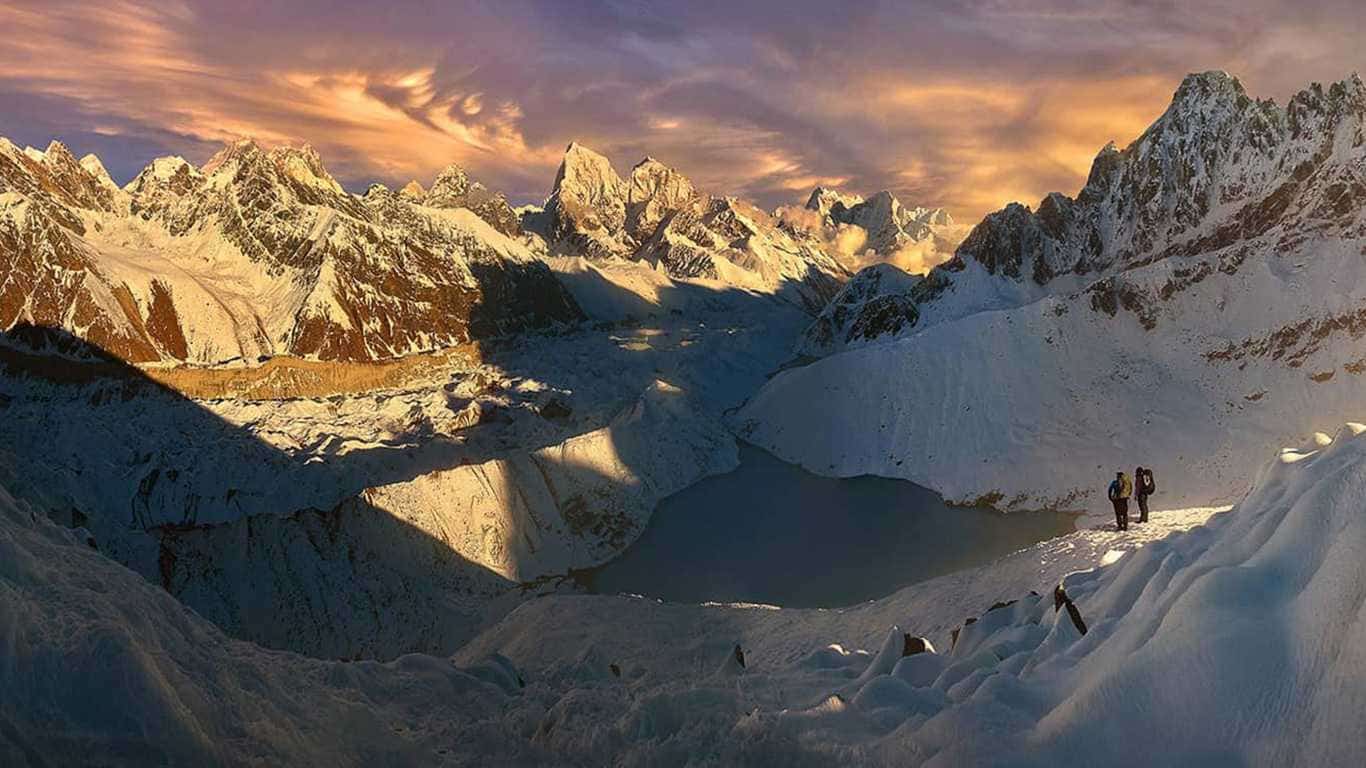
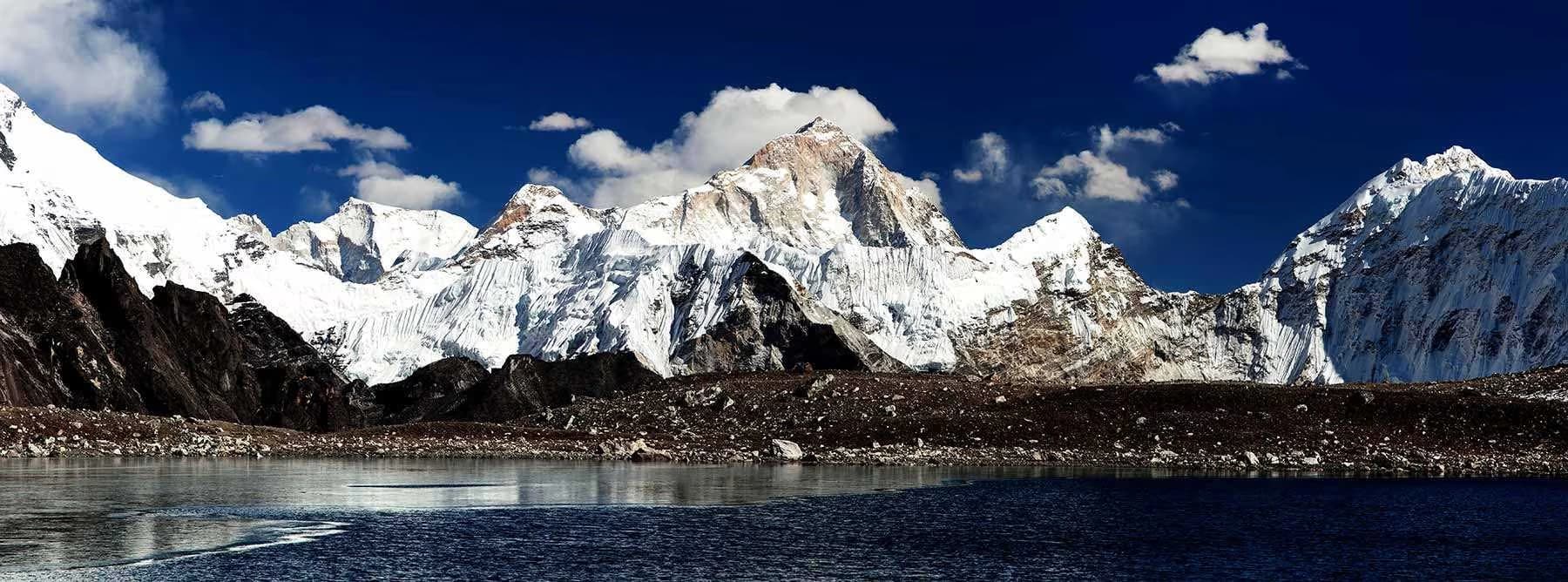
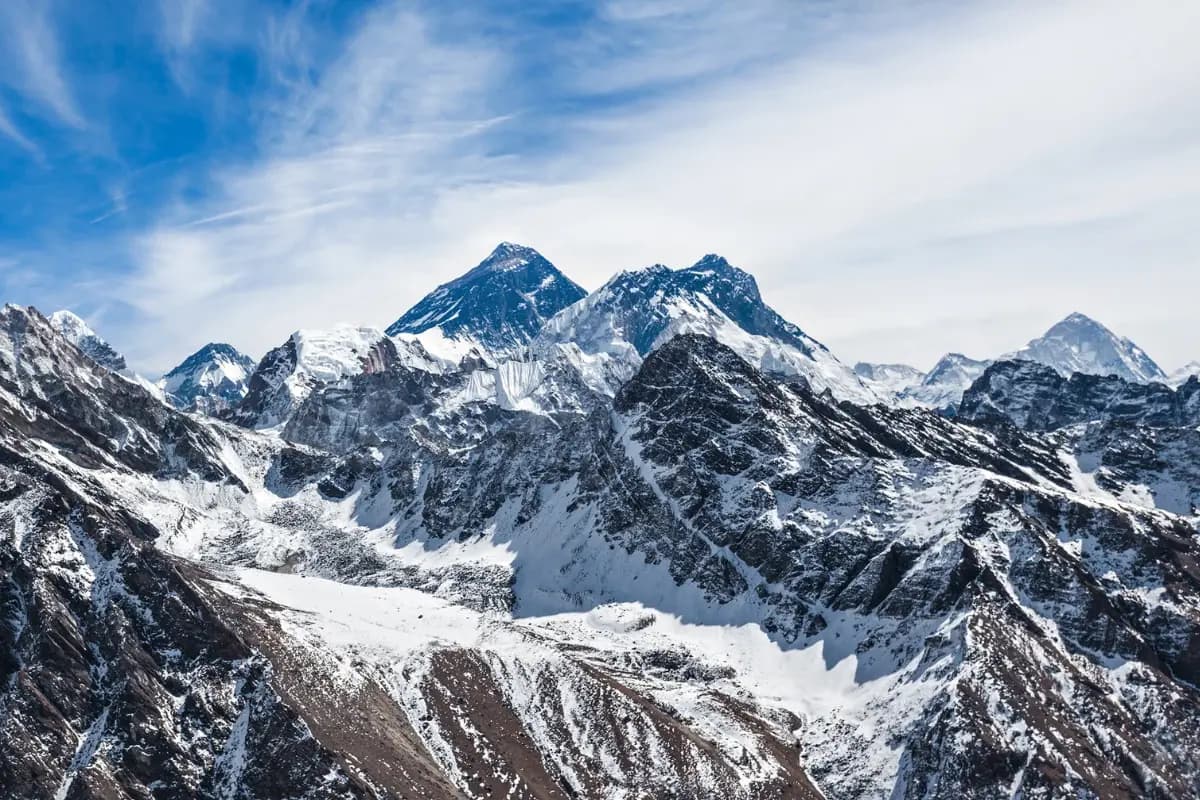
January is the driest time in Nepal with the clearest atmosphere in the entire Sagarmatha National Park. You will get razor-clear exceptional visibility till dusk, the most favorable opportunity to capture the majestic beauty of Royal Peak, Mount Everest along with Lhotse, Ama Dablam, and Nuptse without a single cloud in the sky.
Likewise, the sunrise and sunset from Kala Patthar are simply splendid, so you don’t have to hurry to get to the plateau to click the iconic photography of EBC Trek. You will not share the viewpoint with the crowd, and you can enjoy the landscape quietly just by yourself.
Peaceful Trails and Zero Crowd
You will often encounter human traffic jams on the trail to EBC during spring and autumn. However, in January, the inflow of tourists in EBC drops by almost 80%, which means you have wide open trails just to yourself.

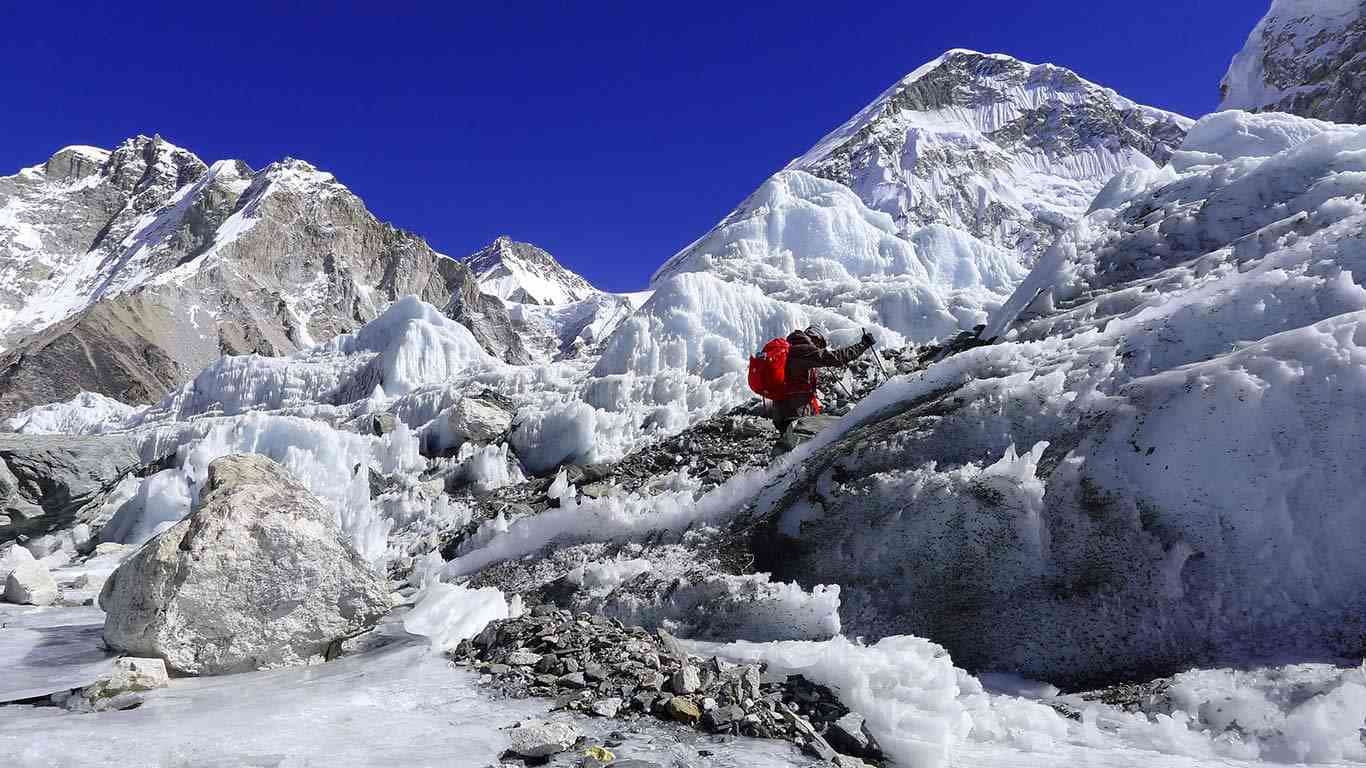
Snow-covered view of EBC trek during winter
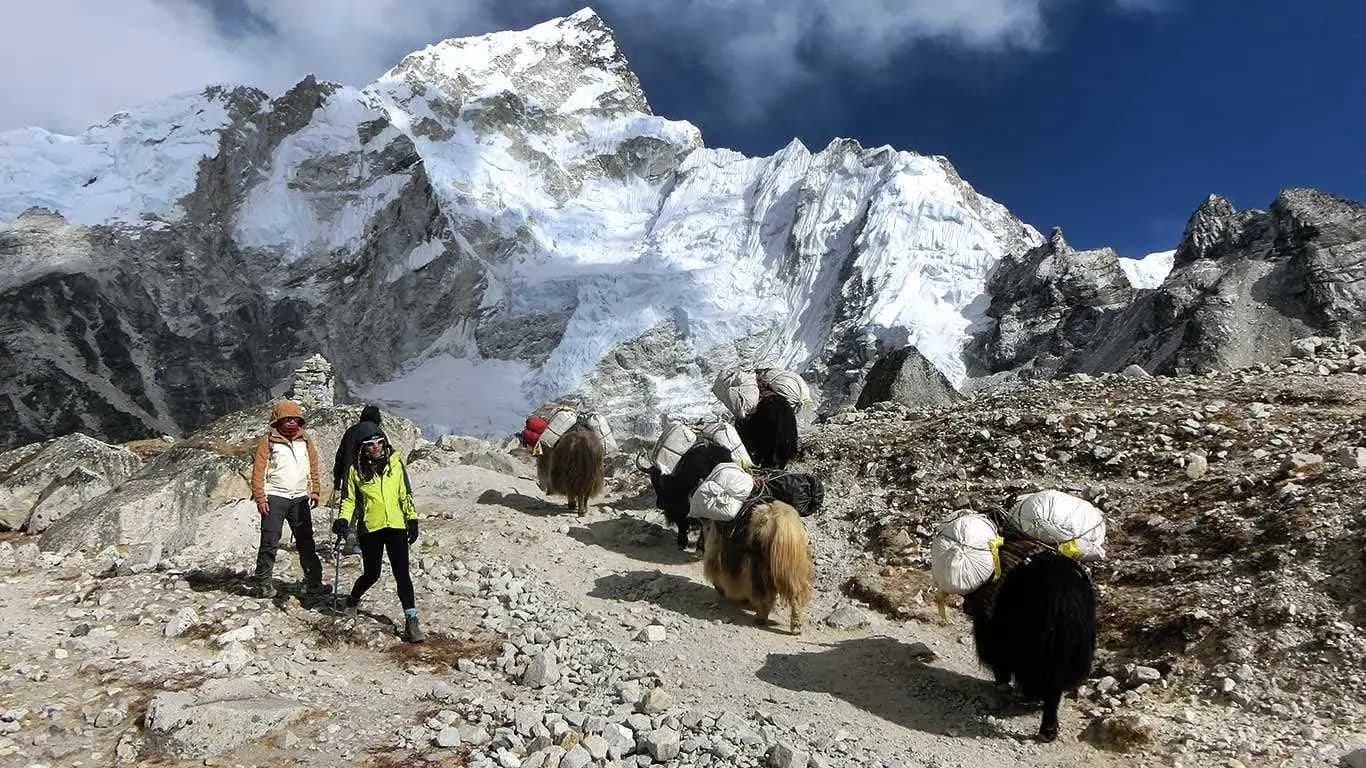
Only mountains will be your peaceful companion, and the tranquility of the forest will follow you all along. Since the local yak herders also migrate to lower altitudes, the trail will also be free from long yak caravans. Enjoy your day hike in clean air, quiet path, and lonely villages.
Lonely Teahouse and Personal Hospitality
Teahouses in the EBC trek during spring and autumn are crowded, noisy, rushed, and chaotic. In January, very few teahouses are open, which makes them peaceful and quiet, so our guide makes sure to book the teahouse in advance.
You will have plenty of time to just sit, chat, relax, and enjoy your time by the warmth of the central stove in the dining area. The lodge owner will also be delighted to offer you personalized attention, warm hospitality, and faster food service.
Less delays in Lukla Flights
Pleasantly, in January, the early morning Lukla flights operate continuously without much interruption or delays due to the stable morning weather.
It means you won't have to stress about the extra days or flight cancellations, giving you a reliable start to your January adventure.
The Challenges of Trekking EBC in January
We will be completely honest with you; trekking EBC in January certainly comes with physical discomforts and challenges. So if you choose EBC in January, then you must be mentally and physically prepared for these EBC Trek difficulties:
Frozen Water System
Water resources and plumbing in teahouses located above Namche Bazaar froze solid in January. This means no flushing of toilets and using basic water buckets filled with ice blocks supplied by the teahouse owner.
Likewise, simple activities such as washing hands or face with ice-cold water can also be a real challenge. Even though, on request, the teahouse may provide you with a hot bucket of water, it really is impractical to take a shower, particularly when you are above 4000 m altitude.
Just undressing at these altitudes can cause you severe Khumbu Cough and hypothermia. Therefore, we suggest you bring wet wipes and use them instead of taking a shower for your body hygiene.
Our guide suggests our guests keep their wipes inside their jacket pocket or sleeping bag to avoid using frozen wipes straight on the skin.
Short Days and Freezing Nights
Days in winter will be quite short and nights will be long; particularly in EBC, the sun rises around 6:45 AM and sets behind the mountains by 4:30 or 5 PM.
This means you will only get around an 8-hour window to complete your trek of the day and reach your overnight teahouse. Once you reach the teahouse, you will want to rush to your room and rest inside your sleeping bag due to extreme cold.
Our guide suggests our guests bring books, podcasts, or a Kindle to pass the longer, colder nights in the EBC trek.
Trail Conditions and Snow Accumulation
Snow is part of the trekking EBC in January, as heavy winter snowfall often occurs on the trail. The lower trail till Namche is usually snow-free or dusted by only light snow.
But once you are above Namche, you may find icy patches slippery to traverse, especially near Tengboche and Dingboche. Thus, wearing crampons or micro spikes when trekking becomes necessary.

Prayer flags fluttering in the snowy landscpae
We also don’t recommend our guests add Cho La or other high passes to their EBC itinerary in January. The pass crossing in this month becomes genuinely risky due to snow and ice, so we keep our January itinerary focused only on the classic EBC trek.
Who Should Trek to Everest Base Camp in January?
To be honest, trekking EBC in January is not for everyone, and it suits those who have some past high-altitude or mountain weather experience.
They should also know the proper use of some winter trekking gear, love to trek in the cold, and like to have a lonely trail for unhindered mountain views.
If you are a specific trekker who dislikes crowds, wants to have an empty teahouse, likes to trek well under budget, and loves to experience the quieter atmosphere of the mountains, then we welcome you in January to the EBC trek.
If this is your first time experiencing the EBC, then we suggest you select October or April months.
How to stay warm when trekking EBC in January?
Staying warm in January doesn’t mean you pack overweight luggage, but it means you prepare with the right gear and clothing. You should pack high-quality clothing that will transform your extreme winter adventure into a cozy and comfortable trek.
Go with 4-layer clothing
Selecting to protect your body with a four-layer clothing system means regulating your body temperature as you walk and rest. Inside, you will gear up with a moisture-absorbing merino wool base layer.
As mid layers, your fleece will trap your body heat while the outer windproof down jacket will protect you during your hiking from extreme cold. Likewise, you should also pack quality thermal gloves, fleece neck gaiters, and insulated beanies that will protect your extremities from sunburn and windburn.
Sleeping Gear and how to escape cold nights
Bringing your sleeping bag when trekking EBC in January is a must, as teahouses are uninsulated with no heating system and you will feel the minus-degree temperature particularly at night.
You must therefore bring or rent a high-quality down sleeping bag rated to at least -20°C (-4°F). Our agency will supply you with clean high-loft winter sleeping bags and down jackets, which you will have to return after finishing the trek.
As to escape the cold at night, our guide advises filling your water bottle with boiling water right before bed. Slide it inside your sleeping bag, which will act as a personal heater for you for the full 6 hours.
We also suggest you sleep in your wool socks, thermal leggings and a beanie.
Protect your Electronics and Batteries
Subzero temperatures at high altitude often drain the batteries of your camera, smartphone and power banks within minutes as cold weather slows down the chemical reactions.
Therefore, do not leave your devices exposed and keep them in an inside pocket of your jacket close to your chest during the day. At night, you can store your devices inside your sleeping bag.
We also advise you to bring a high-capacity 20,000mAh power bank so as to save daily charging fees at the teahouse.
What Should You Pack for EBC Trek in January?
For trekking EBC in January, we recommend you pack the following list:
A high-quality down jacket
Warm base layers
Fleece mid-layers
Waterproof outer jacket
Insulated trekking pants
Warm gloves
Thermal socks
Wool hat
Neck buff
Sunglasses
Headlamp
Sleeping bag rated for sub-zero temperatures
Insulated water bottle
Microspikes (if recommended depending on current trail conditions)
January Vs October and April: Which month is better? Is the cold of January really worth it?
When asked about the best month of the year for mountain trekking in Nepal, you will hear it's either October or April. However, which month you prefer mostly depends on the experience you are looking for.
October is the busiest trekking month in Nepal as the weather is stable, the temperature is comfortable, and the trail and the teahouses are obviously busy and crowded.
So if you seek an energetic hiking environment, if you are a social butterfly, and like to have warm weather with the best transparent views, then October will be the month for you.
On the other hand, if you like to have longer hiking hours during a day, like to immerse yourself fully in the landscape covered by the blossoming rhododendrons, and like to meet the real climbers at EBC, then April will be the best month for you.
January, on the other hand, will offer you something completely different. The hiking trails will be almost empty, villages will be quieter, and you will get to stand at each viewpoint alone, completely enjoying the mountains to yourself.
There is no hurry, no rushing, and you will have your own time literally in the mountains. So if you are an experienced backpacker, if you wish to have postcard pictures for your memory bank, and if you don’t mind extra cold at night, then January is the month for you.
Note:
Our head guide advises not to hurry your hike early in the morning. Instead, wait for the sun to reach the trail and always emphasize eating a warm breakfast.
Conclusion
Trekking EBC in January is certainly a rewarding adventure that will bless you with unmatched solitude and pristine mountain views. But you should also respect the cold and challenges of January and prepare yourself with the right gear, steady pacing, and an open mind. To be honest, it isn't the easiest month to stand beneath Everest, and it is not suitable for everyone. But if you like to have an authentic winter Himalayan experience, then Himalayan trekkers will surely make it come true with the safety of our experienced guides and the right logistics.
Ready to plan your January EBC trek in 2026? Message us on WhatsApp, and we will help you with your winter departure to the world’s highest peak.