

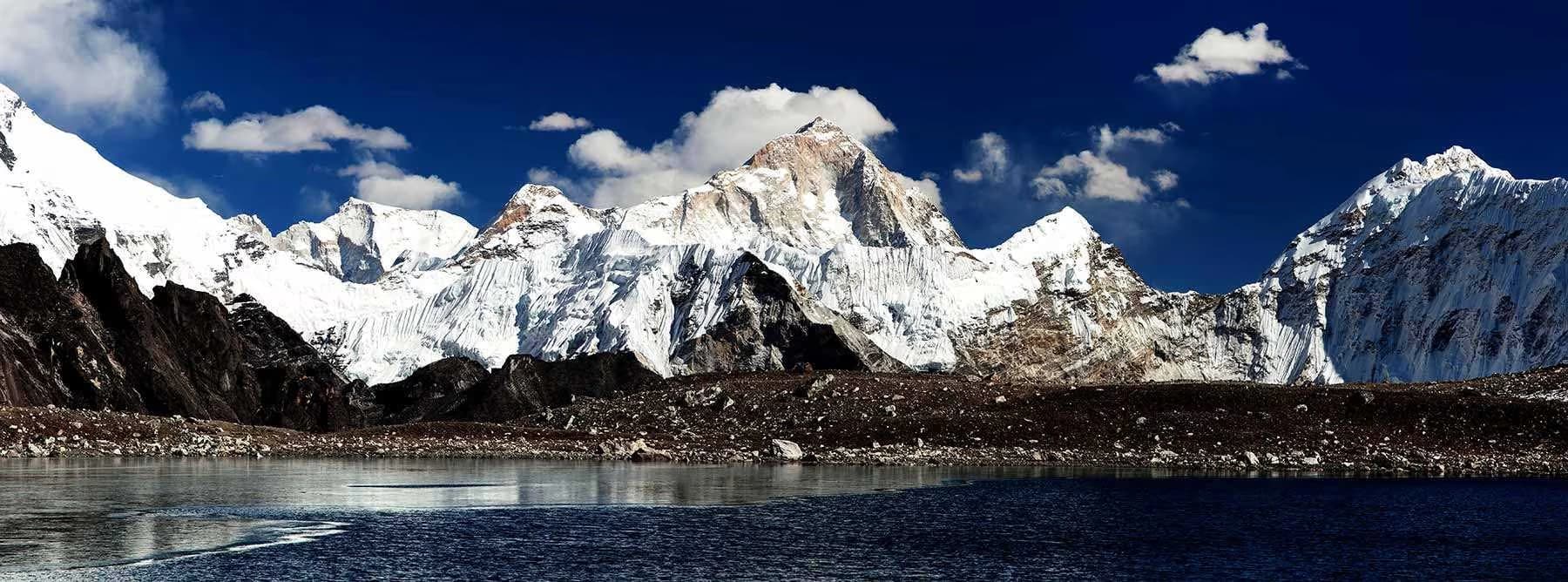
One of Nepal's most difficult and rewarding hiking experiences is the Everest Three Passes Trek. This strenuous trek passes through the breathtaking Khumbu region, including Everest Base Camp, Kala Patthar, Gokyo Valley, and Namche Bazaar, and crosses Kongma La (5,535 m), Cho La (5,420 m), and Renjo La (5,360 m).
Choosing the right trekking company is crucial for a safe and adventurous himalayan experience because of the high altitude, isolated mountain trails, erratic weather.
A trustworthy trekking agency has to provide more than just an alluring package deal. It should offer knowledgeable guides, a well-thought-out itinerary, suitable acclimatization, clear pricing, dependable logistics, and expert emergency assistance.
1. Verify Government Registration and Licensing
Before booking your trek, make sure the company is legally registered and authorized to provide trekking services in Nepal.
Choose a trekking agency in Nepal that can provide its company registration certificate, PAN/VAT registration number, and valid TAAN (Trekking Agencies’ Association of Nepal) membership, where applicable.
You need to also ask whether the agency employs a licensed trekking guide with relevant high-altitude trekking experience, particularly on challenging routes such as the Manaslu Circuit. Before booking, verify these credentials and confirm that the agency follows the required permit, guide, and safety regulations for your trek.
You should also confirm which trekking permits and documentation are required for your itinerary and whether the agency will arrange them on your behalf.
A professional trekking company should answer these questions transparently and provide the necessary documentation before you make a booking.
2. Choose a Company With Genuine Three Passes Trek Experience
It is important to keep in mind that a trekking agency's experience in the conventional Everest Base Camp Trek does not necessarily translate to their experience in the Everest Three Passes Trek in relation to the three passes.
The Everest Three Passes Trek entails some rigorous ascents, rocky trails, possible icy stretches, long trekking days, and high altitude.
Before booking, ask:
How many Everest Three Passes Treks has the company organized?
Has the assigned guide personally crossed all three passes?
Does the guide have experience managing high-altitude challenges?
Can the company provide recent reviews from previous Three Passes trekkers?
Can the itinerary be adjusted if weather or trail conditions change?
Choosing an agency with route-specific experience can help you prepare for the challenges ahead.
3. Check the Guide's Qualifications and Safety Knowledge
Throughout the trip, your trekking guide is essential. In addition to navigating the route, the guide should be aware of the risks associated with altitude, be able to identify the early signs of acute mountain sickness (AMS), and know when to slow down, rest, descend, or seek medical attention.
Look for guides with:
A valid trekking guide license
Extensive experience in the Everest region
First-aid training
Knowledge of altitude sickness prevention and recognition
Experience crossing all three passes
Local area knowledge
Emergency-response and communication skills
Ask the agency whether its guides have Wilderness First Aid or Wilderness First Responder training. These qualifications can be valuable when trekking far from medical facilities.
4. Evaluate the Acclimatization Itinerary
A good acclimatization process is one of the most crucial factors in selecting an Everest Three Passes Trek package.
If the trip duration is short, there will not be enough time for your body to get used to the rising altitude. The trekking company that you hire should develop the trip route considering the altitude, walkability, and necessary resting/acclimatization periods.
The usual spots for acclimatization include Namche Bazaar and Dingboche or Chukhung. Staying at Gokyo can also be included into the altitude management strategy.
While comparing different packages, do not concentrate solely on the number of trekking days. Instead, pay attention to the altitude gain management strategy, overnight altitudes, rest days, etc.
5. Compare the Complete Itinerary
Different agencies may offer different route sequences, trekking durations, and inclusions. Review the daily itinerary carefully before making your decision.
A detailed itinerary should explain:
Daily walking hours and approximate distances
Elevation gain and overnight altitude
Acclimatization and rest days
The planned crossing of Kongma La, Cho La, and Renjo La
Visits to Everest Base Camp and Kala Patthar
Time in Gokyo Valley
Accommodation/ Teahouses arrangements
Contingency days for weather and transportation delays
Additional cost per day
A trustworthy agency should explain the difficulty of each major section and be willing to discuss adjustments based on your experience, fitness, and available time.
6. Confirm Emergency Procedures and Weather Contingencies
The weather at the mountain regions can change very rapidly, and the situation might make it impossible to pass through one or more of the high passes safely.
Find out about the procedure in case any of the following situations occurs: a pass becomes unsafe, a flight is cancelled, or a trekker suffers from altitude sickness symptoms.
It is crucial to have an appropriate first-aid kit, reliable methods of communication, emergency contacts, coordination of the evacuation procedure, and the decision-making process in case of difficult situations.
Make sure to find out about the procedure of coordination of the helicopter evacuation by the company, necessary insurance documents, and additional costs.
Your guide should not be forced to take you through a hazardous pass just to adhere to the pre-set timetable. A competent trekking company should always be ready to alter the itinerary where need be.
7. Understand the Package Price and What's Included
The most economical travel package does not automatically mean the best deal. The lowest advertised cost might not cover vital elements or result in unforeseen costs.
Before purchasing a trekking package, be sure to ask for the details in writing.
Check whether the package covers:
Airport transfers and Kathmandu accommodation
Domestic flights to and from Lukla, including any applicable transfer arrangements
Required trekking permits and national park fees
Licensed trekking guide and porter services
Teahouse accommodation during the trek
Meals and drinking-water arrangements
Guide and porter insurance and accommodation
Emergency support and evacuation coordination
Any required trekking documentation
Also, inquire about additional hotel stays, delays in flights, food expenses that do not come included in the deal, your personal trekking gear, travel insurance, and tipping for guides and porters.
Transparency in prices helps you compare different travel agencies and avoid any surprises when traveling.
8. Choose an Agency That Treats Porters Ethically
The importance of the porters cannot be overstated in trekking teams, and thus the wellbeing of these people must be one of the factors to be considered while choosing the trekking agency.
While looking for the agency, you should enquire about the porter weight restrictions, insurance, appropriate compensation, as well as appropriate gear provided by the company to its porters. The next thing to consider would be contingency plans in case the porter falls ill or gets injured during the trek.
9. Read Independent Reviews From Three Passes Trekkers
Online reviews will enable you to gauge how the company operates in actual trekking situations. Nonetheless, a good average rating does not necessarily imply that the company is experienced when it comes to operating on the Three Passes route.
Reviews should be recent and unbiased and can be found in places like Google Reviews and TripAdvisor.
Pay particular attention to reviews discussing:
Guide performance and route knowledge
Acclimatization and safety decisions
Accommodation and food
Communication before and during the trek
Flight delays and itinerary changes
Emergency support and problem-solving
Reviews from trekkers who completed Kongma La, Cho La, and Renjo La are especially relevant when comparing agencies.
10. Look for Reliable Local Support
There may be various advantages for booking with the trekking agency based in Nepal.
A good team based locally ought to be capable of helping you both before, during, and after the trek. Good communication means must be available in case there are any problems with flight delays or any other changes in the itinerary.
Before booking, make sure you know who your main point of contact in Kathmandu will be, how to reach the team during the trek, and whether assistance is available outside regular business hours or in the event of an emergency.
Such help will be especially useful in case you take a tough trekking route that might be influenced by weather, transportation, and trekking trail conditions.
Why Choose a Local Trekking Agency for the Everest Three Passes Trek?
A reputable Nepal based trekking agency will certainly help in making various preparations that are needed for undertaking the strenuous high altitude trek. From making the itinerary to obtaining the permit, arranging the guides, organizing the accommodation and transportation facilities, and providing emergency assistance, knowledge from local sources will make a significant difference.
In case of assessing the performance of any agency such as Himalayan Trekkers, one should consider its registration details, quality of guides, relevant experience, safety measures, package details, and independent reviews about it. One should know all about the particular trekking team arranged by the agency for the trek.
The suitable trekking agency will always keep in mind your experience level, fitness, time constraints, and trekking style while recommending various routes.
Conclusion
Selecting the right agency in Nepal to assist you in your Everest Three Passes Trek is not a matter of selecting on the basis of cost alone. There is much to consider when choosing an agency, such as their experience, guide certification, acclimatization strategy, emergency plans, care of employees, logistical assistance, and customer feedback.
Experience, safety, responsibility, clear pricing, and dependable local help are some of the critical considerations you should be aware of.
Before coming to a decision, you will have to do some comparison, obtain written schedules from a variety of agencies, and even inquire about the three passes individually.
With thorough preparation and support of best trekking agency in nepal , the Everest Three Passes Trek can become one of the most memorable adventures in the Himalayas.
Reference sources:
Nepal Tourism Board — official tourism guidance and trekking information.
