EBC Kalapatthar Trek and Island Peak Climbing
Download Itinerary
Share with your friends
Trip Information

21 days

6189 M

Difficult

Kathmandu

Kathmandu

Trekking + Peak Climbing


Trip Highlights
Combined adventure of Everest Base Camp trek, Kala Patthar hike, and Island Peak (6,189 m) summit
Scenic flight to Lukla, the gateway to the Everest region
Trek through the heart of Khumbu Valley, rich in Sherpa culture and Himalayan traditions
Visit iconic settlements including Namche Bazaar, Tengboche, Dingboche, and Imja Valley
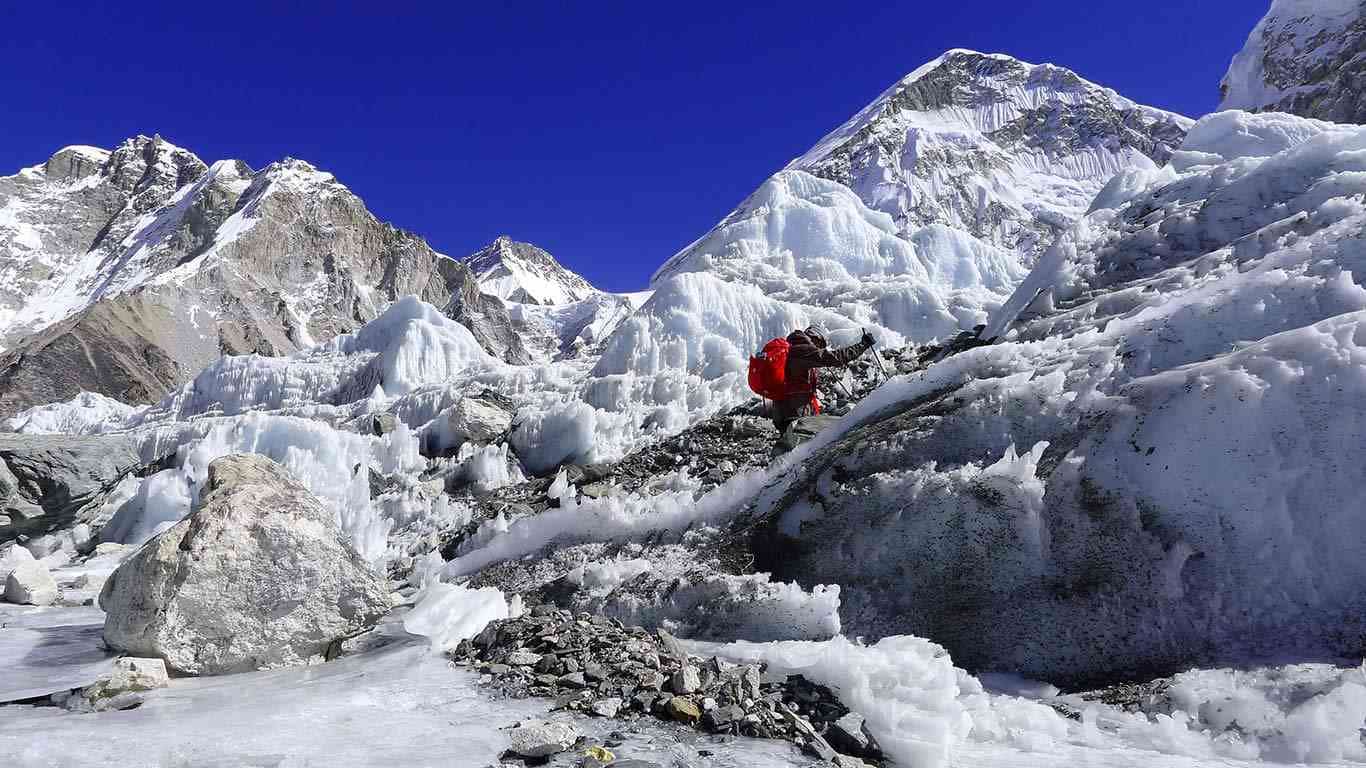
Exploration of Everest Base Camp, surrounded by glaciers and towering Himalayan giants
Hike to Kala Patthar (5,545 m) for close-up views of Mt. Everest, Lhotse, and Nuptse
Challenging yet achievable Island Peak climbing experience with proper acclimatization
Panoramic summit views of Ama Dablam, Makalu, Lhotse South Face, and surrounding peaks
Immersion in Buddhist monasteries, Sherpa hospitality, and highland lifestyle
Ideal for fit adventure seekers and advanced beginners with basic climbing skills
Fully supported trek with experienced guides, porters, and yaks
A perfect blend of trekking, peak climbing, culture, and high-altitude adventure
EBC Kalapatthar Trek and Island Peak Climbing Overview
EBC, Kalapathar Trek, and Island Peak Climbing are surprising in that for the past 200 years, the Himalayan peaks have become a wonder in them. The peaks have the mystical power to draw adventurers, mountaineering aficionados, and cultural enthusiasts to their folds.
The Everest Region has many attractions with challenges for some adventure seekers who desire thrilling and challenging activities. For these adventure seekers, we, Himalayan Trekkers, organize this special trek of EBC, Kalapatthar Trek, and Island Peak Climbing for them.
What EBC Kalapatthar Trek and Island Peak Climbing offer
The region has much to offer in terms of the intermingling of the Tibetan and Nepali cultures and also the different lifestyles of the Highlanders. Lukla is an entry into the mystical and magical world of the Himalayan people.
The surrounding area of the Base Camp is stunningly isolated and wild, with no human settlement in sight for a far distance. The stark, rugged terrain is so intermingled with the cultural ethos of the local Sherpa community that a trip to this region is a class by itself. Many envisage and relate this region to climbing and trekking.
Climbing Island Peak (6189m) is a challenging task. You even need to get acclimatized to the prevailing weather conditions before attempting. To get used to the area and its varied shades, we first trek through the Himalayan Khumbu.
The route to Kala Pathar is on the way to Everest Base Camp. On the way, we cross the famous Namche Bazaar village and the venerated monastic community of Tengboche.
The Kala Patthar trek allows you to get engulfed by the warmth and hospitality of the Sherpa community. It is also a period of getting acclimatized before the trek to the renowned Island Peak.
If the weather permits, then the team members can try to reach the Kala Patthar summit. It is located at an altitude of 5545 meters. You have the advantage of seeing and photographing the mighty Mt. Everest, Lhotse, and Nuptse from here. You then head towards the Everest Base Camp.
Island Peak
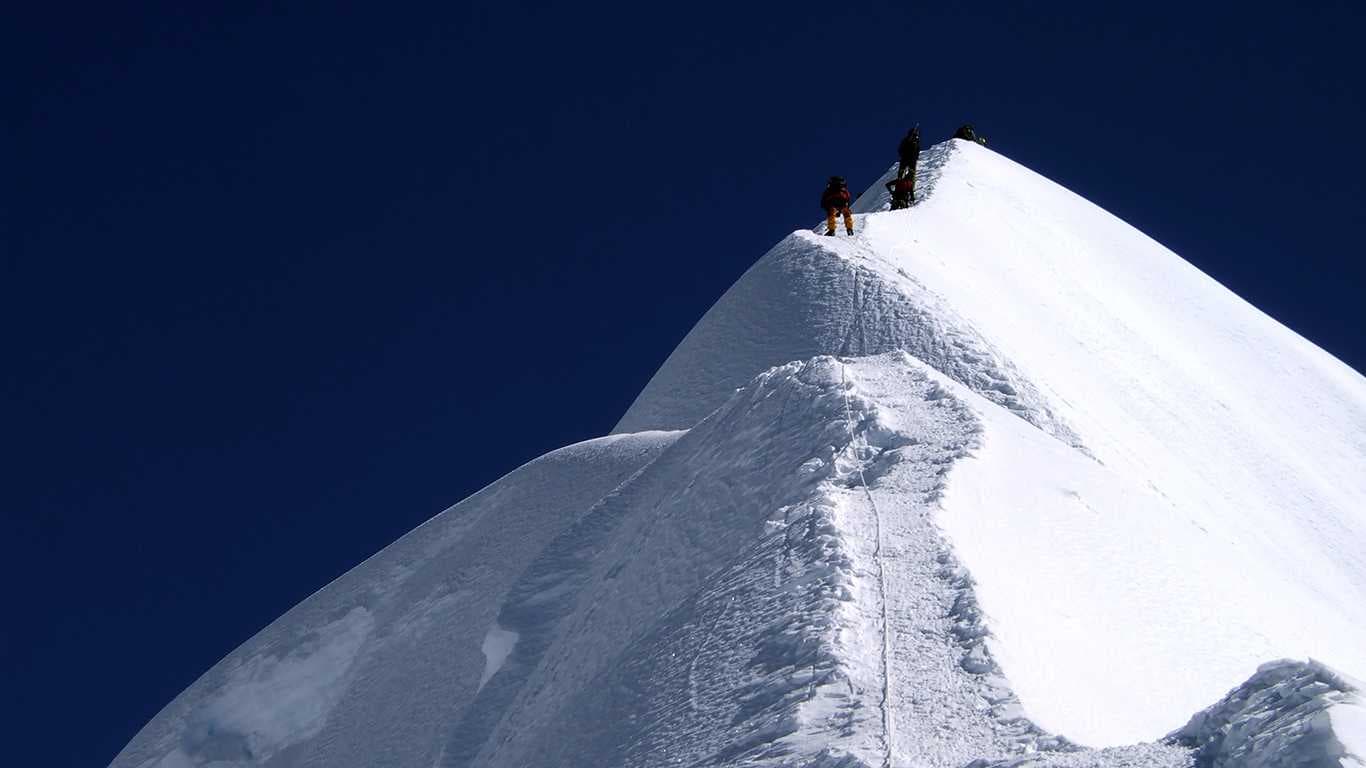
Island Peak is also known as Imja Tse. It stands at 6,189 meters above sea level and is located in the picturesque Imja Valley in the Everest region. So, it is only a few miles away from Mt. Everest.
It is one of the most highly sought-after peaks in the world. The trek to Island Peak also takes us through the countryside, where we are introduced to the centuries-old Nepalese and Tibetan cultures.
The journey offers some of the most striking scenery in the Khumbu via the enchanting village of Dingboche. This village of stone charms our path to the mountain and is also filled with Buddhist shrines.
The summit of Island Peak stands adjacent to the South Face of Lhotse, one of the world’s largest ice walls, and offers stunning views of beautiful Ama Dablam and Makalu.
Best Season for EBC Kalapatthar Trek and Island Peak Climbing
For the best experience, we recommend the EBC Kalapatthar Trek and Island Peak Climbing in the two peak seasons. Each of these two seasons offers two different experiences on the trail. Here’s what you can expect:
Autumn The Climbing Gold Mine
Autumn is the premier window for climbing Island Peak. The weather remains stable for the best trekking experience on this trip. Moreover, the skies are crystal clear, providing the necessary visibility for navigating the glaciers and ice walls.
Spring the Mountaineer’s Choice
Temperatures are warming up after the freezing winter. This makes the 6,189-meter summit manageable. This trail is shared with the international Everest expeditions. This gives a mountaineering aficionado an atmosphere.
Season to avoid: Winter
Winter brings extreme cold temperatures to the Everest region. It goes well below -30 degrees Celsius at high camp. The heavy snow makes the technical climb to Island Peak very dangerous. It is often impossible to advance.
Summer/Monsoon is not recommended
The monsoon welcomes heavy rain in the Everest region. The trails become slippery and muddy due to the rain. Likewise, flight cancellations to Lukla are common during the summer/monsoon. Also, the clouds obscure the grand view of the Everest in this season.
EBC Kalapatthar Trek and Island Peak Climbing Difficulty
The EBC to Kalapatthar Trek and Island Peak Climbing is a strenuous and technical climb. This journey is a physically challenging one, an endurance test. Trekkers taking on this trip need to be very fit. This journey requires trekking for over 12 days.
The hardest part of the trek comes during the summit. The climb takes over 10 to 12 hours on the summit day. It is a very challenging and technical climb to the Island Peak.
Although it is not a professional-grade climb, you will need to use crampons, ice axes, and fixed-rope climbing. Our team provides slight training at the base camp to ensure you are comfortable with the gear.
How hard is the trek?
With proper guidance and slight training, a fit and enthusiastic advanced beginner with basic climbing skills can complete this activity of EBC, Kalapatthar Trek, and Island Peak Climbing.
This activity is considered physically challenging, but not technically difficult. Porters and yaks help you to carry the gear, food, and supplies.
Permits for EBC Kalapatthar Trek and Island Peak Climbing
For trekking to EBC and Kalapatthar and climbing the Island Peak, here are the permits you need:
EBC Kalapatthar Trek and Island Peak Climbing
Sagarmatha National Park Permit
Khumbu Pasang Lhamu Rural Municipality Permit
Garbage Deposit
Why choose Himalayan Trekkers?
We, Himalayan Trekkers, have been trekking with tourists all over the Himalayas. Moreover, we spent over 2 decades in this business. As such, we have massive knowledge about the treks in the Everest region collected over the years. Thus, we can build a flexible package aimed at pleasing your interests.
We work with the best guides in the trekking industry. They are well-trained, licensed, and native to the region they lead.
Our certified climbing Sherpas help you get through this challenging trek. Similarly, they follow the safety-first approach to climbing. They make sure you acclimatize properly and won’t rush the summit.
So, see if this EBC Kalapatthar Trek and Island Peak Climbing trip is for you. Contact us today to book a trip or inquire about the journey. Talk to our talented team about this or any of our packages.
You might be interested in:
Everest Base Camp Trek 14 Days Itinerary.
Itinerary Detail
Departure Dates
What is Included / Not Included
- All Arrival and Departure Transfer by Private Vehicle
- All Ground Transfer as per itinerary
- Standard Twin/DBL Sharing Accommodation in Kathmandu
- Daily Breakfast at Hotel
- Guided Tour as per given information
- Kathmandu- Lukla - Kathmandu Airfares and Taxes
- Everest national(Sagarmatha) Fees and Pasang Lhamu Fees
- An Experienced Trekking & Climbing Guide as per itinerary
- Sherpa Porters during the Trek
- Tea House Accommodations during the Trek
- Tented Accommodation in Island Base Camp
- All Meals - Breakfast Lunch & Dinner during the Trek & Climb
- Fixed Climbing Equipment
- Trekking, Climbing Guide and Porters Insurance, Wages and Fees
- Peak Climb Permits
- All Taxes
Accommodation
Himalayan Trekkers promises to manage the best, most comfortable, and preferred accommodation. Generally, in cities like Kathmandu, Lukla, and Namche Bazar, we arrange basic three-star facilities. If available, you can opt for a more budget-friendly option or upgrade to a more luxurious hotel by paying a little extra.
Although not all the places might have all the modern facilities, we will make sure to arrange safe and comfortable accommodation. In general, hygienic and safe tea houses/local lodges/home-stays with all the basic facilities are arranged. But you can, if possible, personalize according to your preference.
If your itinerary includes camping or you choose to experience camping during your travel, a proper camping site will be pre-decided. If required, we also provide the basic equipment, which is refundable. Please check the Gear-List for more information.
Meals
Breakfast is usually included with your B&B Accommodation within the cost that is evident. For other meals in the city, you would have to pay separately. Often in the cities, you can choose from many different cuisines and varied food services. We can always help you find the right place to fit your taste.
In more remote areas, usually, there are not many options. But you can always find hygienic and well-prepared food. Moreover, almost all the meals during the trek are included in the cost. We can help you make changes according to your preference and budget, but only if choices are available!
On top of that, Himalayan Trekkers also organizes Welcome or Farewell Dinners as a symbol of warm greetings. Please go through the detailed itinerary for more information. We are always there to help you travel to your heart’s content.
Drinking Water on EBC Kalapatthar Trek and Island Peak Climb
For drinking water, we suggest you carry a reusable 2-Liter bottle/filter bottle and water purifying tablets. You can refill as much as you can from the sources once it is empty.
Another alternative would be to ask for boiled water at the homestays or teahouses. These establishments charge per liter since they use fuel to boil the water. The money is to cover the fuel cost.
You could also buy bottled water, but it is a hassle in the high elevations. The cost is considerably marked up, and you must carry the used bottle with you till the end of this journey. You need to recycle the plastic bottle and not throw it in nature.