Gokyo Valley Trek
Download Itinerary
Share with your friends
Trip Information

14 days

Gokyo Ri 5,357

Moderate

Kathmandu

Kathmandu

Trekking


Trip Highlights
From the air, a magnificent vista
Sagarmatha National Park's multi-faceted wilderness Freshwater lakes in Gokyo
The Gokyo Valley trek is encircled by the six holy lakes
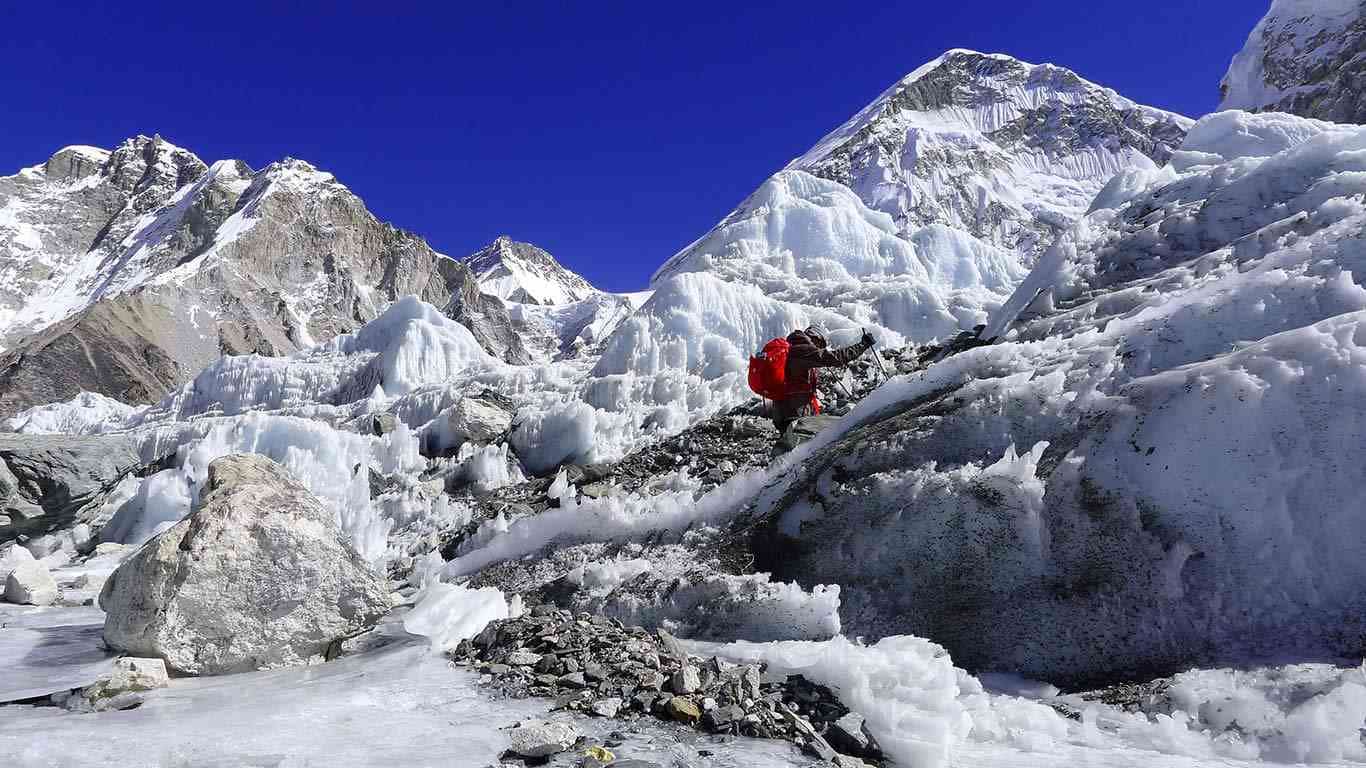
Ngozumpa Glacier is a glacier in the Ngozumpa National Park (Nepal Largest of Nepal)
Historical Tengboche Monastery, Khumjung Monastery
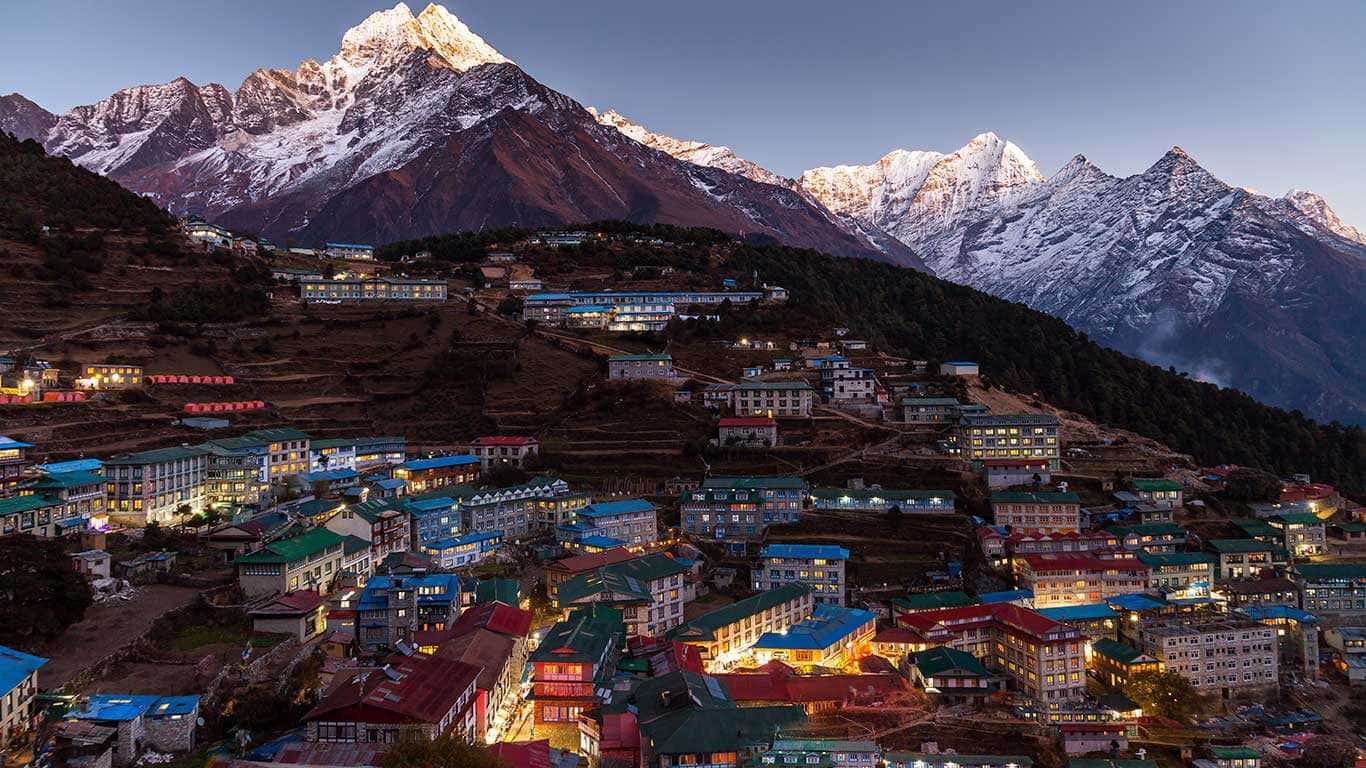
Namche Bazar is a well-known market.
Panoramic views of Gokyo Ri, Everest, Makalu, Cho Oyu, and other peaks are breathtaking.
The Everest Sherpa people are a group who live in the Everest region.
The Gokyo Valley trek has magnificent scenery and Buddhist culture and tradition.
Mountain goats and yaks can be seen grazing on the slopes and mountainsides.
Gokyo Valley Trek Overview
The Gokyo Valley Trek is the second most popular trek route in the Everest Region, after the Everest Base Camp Trek. The Gokyo Valley, in Nepal's Khumbu region, is one of the most picturesque valleys in the region, offering trekkers an incredible blend of natural, cultural, and spiritual splendor.
This 14-day trek to the Gokyo Valley will take you to the majestic Gokyo Ri Peak (5,357 m/ 17,575 ft), with a maximum elevation gain of 5,340 m, offering the view of the magnificent ice edge between Gyachang(2,922 m) and Mt Cho Oyu & Gokyo Lake in the Khumbu region is one of the trek's most impressive and memorable features.
What to expect in the Gokyo Valley Trek
The Gokyo Valley Trek offers a rare and unforgettable opportunity to witness the majestic grandeur of the Himalayas, with panoramic views of some of the world’s highest peaks rising above 8,000 meters, including Mt. Everest (8,848.86 m), Lhotse (8,516 m), Cho Oyu, and Makalu.
The journey also unveils the breathtaking beauty of the pristine Gokyo Valley, surrounded by turquoise glacial lakes, dramatic mountain landscapes, and the spectacular Ngozumpa Glacier, the largest glacier in Nepal. From tranquil alpine landscapes to towering Himalayan peaks, every step reveals a remarkable blend of serenity, grandeur, and unspoiled natural beauty.
Surrounded by awe-inspiring scenery and the pristine wilderness of the Khumbu region, the Gokyo Valley Trek is more than a Himalayan adventure; it is a truly remarkable and soul-stirring journey into the heart of the majestic Himalayas.
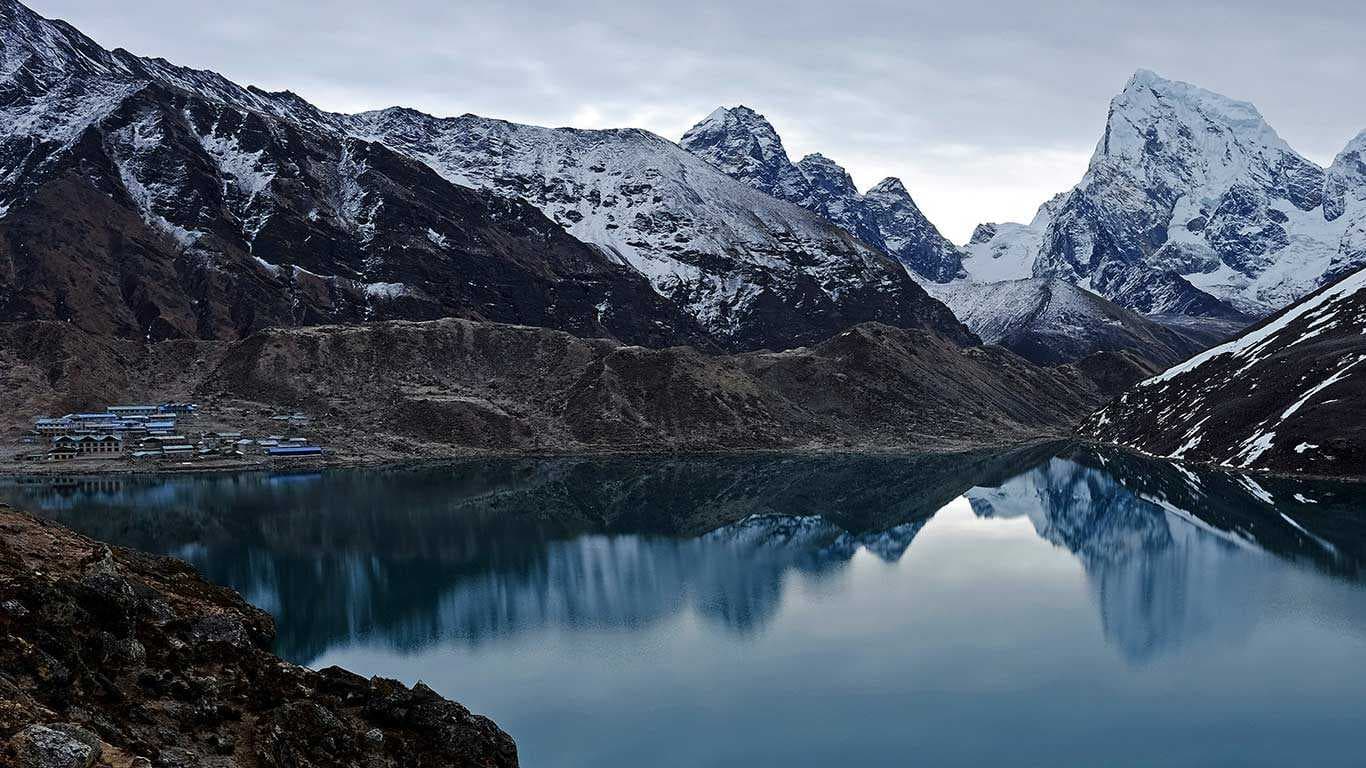
Also ,the highest freshwater lake system in the world, Gokyo Valley, houses 19 lakes in total, both large and tiny. Six of them are particularly notable due to their size and scope.
Another attraction in the vicinity is Gokyo village (4,700 m), a charming village on the third Gokyo Lake's shore. The vista of Gokyo Valley, which features a collection of stone buildings and meadows on the coast of the huge lake, Dudh Pokhari, is particularly noteworthy. If you enjoy walking, the Gokyo Valley Trek is something you should not miss.
Those seeking unforgettable, breathtaking vistas will not be disappointed in their hike to the Gokyo. Environmental scientists, ecologists, photographers, and pilgrims all enjoy trekking in the Gokyo Valley.
Gokyo is the most traditional Sherpa settlement, with a large population of yaks and yak milk producers. Aside from the natural splendor, the Sherpa people's culture and traditions are fascinating and unique for the trekkers.
The Gokyo Valley Trek starts from Lukla, but Namche Bazaar has become a gathering point and a site where climbers relate their travels to some of the world's highest mountains, thanks to several expeditions and literally thousands of climbers.
The trek to Gokyo Lake is often included in trekkers' itineraries to Everest base camp and the Everest Three Passes because of its incredible scenery.
Gokyo Lake Trek Highlights
From the air, a magnificent vista
Sagarmatha National Park's multi-faceted wilderness, freshwater lakes in Gokyo
The Gokyo Valley trek is encircled by the six holy lakes
Ngozumpa Glacier is a glacier in the Ngozumpa National Park (Nepal Largest of Nepal)
Historical Tengboche Monastery, Khumjung Monastery
Namche Bazar is a well-known market.
Panoramic views of Gokyo Ri, Everest, Makalu, Cho Oyu, and other peaks are breathtaking.
The Everest Sherpa people are a group who live in the Everest region.
The Gokyo Valley trek has magnificent scenery and Buddhist culture and tradition.
Mountain goats and yaks can be seen grazing on the slopes and mountainsides.
Trek Route
In general, the package includes touring in architecturally rich and picturesque Kathmandu, including a historic pagoda temple and lively residents, as well as a morning flight to Lukla.
The journey begins with a descent to Phakding and a climb up to Namche, passing through beautiful pine and rhododendron forests as well as the banks of the Dudh Koshi River on the way to Namche Bazaar, Everest's front door. We stay there for the night, which is ideal since you can enjoy the gorgeous neighborhood while learning more about mountain climbing and the weather.
We also visit a local market, visit monasteries, and take a brief tour of the museum and schools in the area. We will go from Khumjung to Dole, exploring the Himalayan lifestyle, people, and nature after taking the necessary relaxation.
As you ascend to Dole, you'll notice a dramatic change in the atmosphere, greenery, and civilization. However, little tea houses will keep you company along the route. From Dole, we cross the river and travel steep, difficult trails to Machhermo, where we will have the opportunity to visit various glacial lakes, including Ngozumpa, Cho La, Dudh Pokhari, and Gokyo Lake itself.
The Gokyo Valley Lakes are freshwater lakes at high elevations that have been recognized by being registered on the Ramsar site since 2007. It has five large lakes, the biggest of which is Thonak Cho (160.8 acres), followed by Gokyo Cho (160 hectares).
These lakes provide life for many, including nature, people, and flora, demonstrating their significance in every aspect, including as a religious, cultural, and ecological sanctuary (festival in August) and a means of survival. This tour has it all: lush green vegetation, clear azure water, icy glaciers, shining snow-covered mountains, and kind people.
Permits
While trekking in the Khumbu Region, you will require some permits. But you don’t need the TIMS Card. The permits you need are given below:
Khumbu Pasang Lhamu Rural Municipality Permit will cost- US$ 20
Sagarmatha National Park Permit will cost - US$ 30
If you wish to trek Gokyo via Jiri, then you need to get the Gaurishankar Conservation Area Project Permit as well.
Gaurishankar Conservation Area Project Permit will cost – US$ 30
All permits will be obtained by Himalayan Trekkers on your behalf.
Trek Difficulty
The Gokyo Valley trek is considered a moderately challenging trek in the Khumbu Region. Trekkers should be physically fit and have a high level of stamina, as the trek requires between 5 and 7 hours of trekking every day. The rough routes, steep terrains, and high passes become more difficult as the elevation climbs.
Getting all the information, such as climate, weather, altitude sickness, and the surrounding atmosphere, before starting the trek will be very beneficial.
Best Season
While trekking in the most popular Khumbu Region will be amazing. And trekkers can do trekking every season they want. But most trekkers and travelers prefer Spring and Autumn to explore the Himalayan Region because the weather will be very pleasant and suitable for trekking, climbing, and hiking.
In this season, trekkers can see the amazing view of crystalline peaks, green hills, blooming flowers on the trail, and the best shade of nature's beauty. The traveler might get to experience some of the festivals while trekking in the Khumbu region because both seasons bring lots of festivals and celebrations along with them.
In winter, the snowcapped mountain peak looks really magical and worth seeing. In winter, it is very chilly, and you can see snow everywhere on the trail. It may be difficult to do a trek because of the cold and snow, but with good guidelines, warm clothes, and perfect winter trekking gear, you can do a snow trek in winter and enjoy the shining snow on a peaceful route.
The climate will be very hot with heavy rain in the Summer and Monsoon season, which makes trekking in Gokyo a bit challenging. Because of the heavy rain, the trail will be sloppy and muddy, which make difficult to do trekking in a high altitude area.
The sunny day might get to some sunburn as well, but the best part of trekking in summer and monsoon is the water-washed view of the mountain and the surrounding area after the rainfall stops.
Why Choose Himalayan Trekkers for Your Gokyo Ri Trek?
Choosing Himalayan Trekkers for your journey to the sacred Gokyo Lakes and the spectacular summit of Gokyo Ri (5,357 m) means partnering with a government-licensed and highly trusted local operator backed by more than two decades of Himalayan expertise.
The high-altitude terrain of the Khumbu region demands meticulous logistics and rigorous safety management. Our carefully tailored 14-day itinerary is specifically designed to allow gradual altitude acclimatization, with essential rest days built into the schedule to minimize the risk of Acute Mountain Sickness (AMS). Every trek is led by experienced, native English-speaking Sherpa guides, each with a minimum of seven years of active high-altitude leadership experience.
Your well-being is our absolute priority. We enforce strict safety protocols on every trek, including mandatory twice-daily pulse oximeter checks, comprehensive medical kits, supplemental oxygen cylinders, and 24/7 emergency coordination to facilitate swift helicopter medical evacuation when required.
Furthermore, we proactively manage the unpredictable Kathmandu/Ramechhap–Lukla flight logistics, helping minimize disruptions caused by changing mountain weather. Committed to responsible and sustainable tourism, we ensure fair and competitive wages, medical insurance, and appropriate high-altitude equipment for all our porters and crew.
Feel free to contact us on WhatsApp or via email for any doubts. Discuss the planned itinerary with our talented team. You can add or remove any part you like.
Itinerary Detail
Departure Dates
What is Included / Not Included
All ground transfers in a private vehicle
3 Star Hotel in Kathmandu with breakfast
All meals during the trek (Breakfast, lunch, and dinner)
All accommodation during the trek on a twin-shared basis
English speaking certified tour guide
One porter for every two guests
Everest National Park permits and Trekkers' Information Management System fee
Airfare from Kathmandu – Lukla - Kathmandu including airport departure tax in Kathmandu and Lukla airports
Welcome or Farewell dinner in a traditional Nepali restaurant with cultural program
All Government taxes, VAT, tourist service charges
Accommodation
Stay in a 3-star accommodation in Kathmandu. One can upgrade the service for an additional price. For the lodging facilities during the Gokyo Valley Trek route, we will stay at the best available local lodges and tea houses with basic services.
Meals
All our accommodation in Kathmandu offers a bed & breakfast service. Lunches and dinners are also available at the same hotel/resort at an extra cost. But there are thousands of restaurants and eateries in Kathmandu. So, you can choose one of them that matches your taste and dine in there.
During the trekking journey, all three meals with tea/coffee are provided. Breakfasts and dinners are usually served at the same teahouse/lodge, and lunches are found en route to the other destination.
The services are very basic, with the Nepalese menu being the most popular and eaten. Daal Bhat (Rice with lentil soup and seasonal vegetables), momos, noodles, eggs, chapatis, etc., are a few of the most popular menu items.
Drinking Water
Finding drinking water during this trip is simple. You have three options for resupplying water on this trek.
A sustainable way of procuring drinking water is in a teahouse. They offer boiled and filtered drinking water. These places do charge a small fee per liter.
The second option to get drinking water is by treating the water yourself. Most trekkers carry iodine tablets or a UV filter to treat contaminated water. You can find many water sources, like streams, taps, and rivers.
The final option is to buy bottled water from the teahouses or small stores. Water per bottle is rather high from 3,500 meters and above. Trekkers should practice “leave no trace” when they use bottled water to keep the trails clean and sustainable.