The Everest Base Camp trek is one of the most famous high-altitude trekking adventures in the world. But one question often comes before booking: Is Everest Base Camp difficult, and can a beginner really do it?
The short answer is yes, beginners can complete the Everest Base Camp trek with proper preparation. You do not need previous mountaineering experience or technical climbing skills. Thousands of first-time trekkers with zero prior hiking background reach Base Camp safely every season. However, EBC is not an easy walk. The high altitude, long walking days, steep sections, rocky terrain, and changing weather make it a physically demanding trek.
The key to success is not being an elite athlete. It is having reasonable fitness, preparing before the trip, walking at a steady pace, and allowing your body enough time to acclimatize.
How Difficult Is the Everest Base Camp Trek?
The Everest Base Camp trek is generally considered moderate to challenging because of its combination of altitude and long trekking days.
The trail follows established routes through villages, suspension bridges, stone steps, rocky paths, and mountain terrain. Some sections are relatively comfortable, while others become more demanding as you gain elevation. It's worth saying plainly: this is a long-distance walk, not a technical climb. There's no rope work, no ice axe, no scrambling on exposed rock. The trails have carried Sherpas, yak trains, and travelers for generations, which is exactly why they remain accessible to complete beginners.
The difficulty increases mainly because of:
High altitude
Long daily walking distances (typically 5–8 hours)
Steep uphill and downhill sections
Rocky and uneven trails
Cold temperatures at higher elevations
Lower oxygen levels
Several consecutive days of trekking
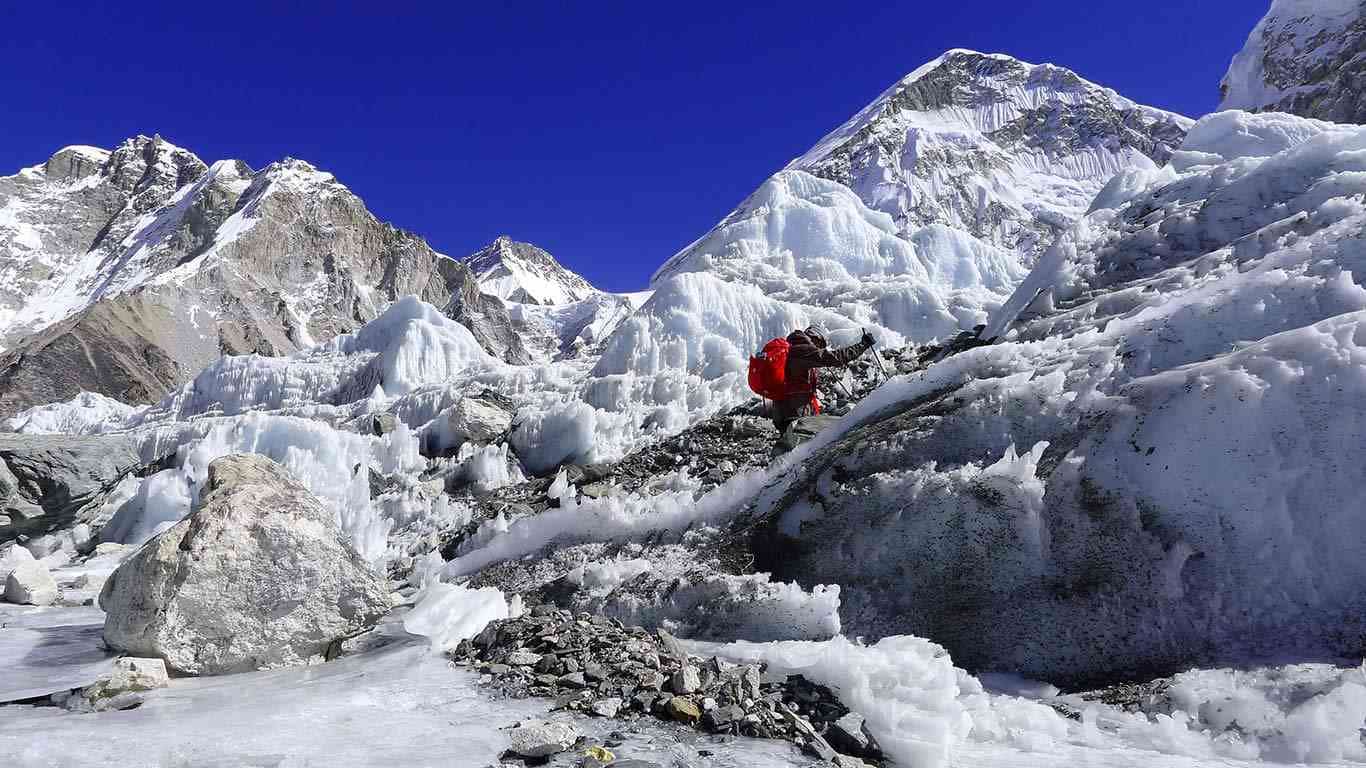
The trail conditions can range from maintained stone paths to rocky and uneven sections, particularly around Dingboche, Lobuche, and Gorakshep. Snow or ice can also occur at higher elevations.
Can a Beginner Do the Everest Base Camp Trek?
Yes. Many first-time trekkers successfully reach Everest Base Camp without previous high-altitude trekking experience.
However, being a beginner does not mean you can arrive without preparation. Your body needs time to adjust to walking for several hours a day and functioning at increasing altitude.
A beginner should focus on:
Building cardiovascular fitness
Strengthening legs and core
Practicing long-distance walking
Getting used to walking uphill and downhill
Learning to walk slowly and consistently
Following a proper acclimatization schedule
Listening to your guide and your body
You do not need technical mountaineering skills for the standard EBC route. Practical preparation and endurance are much more important. On the trail, the local mantra is bistari, bistari Nepali for "slowly, slowly." Reaching Base Camp is less about strength and more about consistency: putting one foot in front of the other and not rushing.
What Makes Everest Base Camp Difficult?
1. High Altitude
Altitude is one of the biggest challenges of the Everest Base Camp trek, and it's worth understanding why it matters more than raw fitness.
As you climb higher, the amount of available oxygen decreases. By the time you reach Base Camp at roughly 5,364 meters (17,598 ft), the air holds close to half the oxygen available at sea level. Even people who are very fit can feel tired, breathless, or slower than usual fitness helps with muscular endurance, but it does very little to change how quickly your body adapts to thinner air.
This is why acclimatization is more important than simply being physically strong. A well-planned itinerary includes rest and acclimatization days at Namche Bazaar (3,440m) and Dingboche (4,410m) so your body can gradually adjust before pushing higher. On these rest days, you're not sitting idle you typically hike up to a higher viewpoint during the day and return to sleep at the lower elevation, a pattern often summarized as "climb high, sleep low."
2. Long Walking Days
EBC is not difficult because of one extremely technical climb. Instead, the challenge comes from walking for several hours on multiple consecutive days.
You may spend 5 to 7 hours a day walking at a slow but steady pace, with the toughest days the push to Base Camp itself, and the Kala Patthar sunrise hike stretching to 8 or 9 hours. The distance itself is only part of the challenge; elevation gain, terrain, and altitude make the same distance feel harder than it would at sea level.
3. Uneven and Rocky Trails
The Everest Base Camp trail includes stone steps, rocky sections, suspension bridges, dirt paths, and uneven terrain.
Higher sections around Lobuche and Gorakshep can feel particularly demanding, often crossing glacial moraine and loose rock. Trekking poles can help with balance and reduce strain on the knees, especially during descents, which put considerably more stress on joints than the climbs themselves.
4. Cold and Changing Weather
Weather conditions change quickly in the Everest region. Mornings can be very cold, afternoons may feel warmer while walking, and temperatures can fall sharply after sunset.
This means proper clothing is important. A layering system a moisture-wicking base layer, an insulating mid layer, and a waterproof/windproof outer shell allows you to adjust your clothing according to the temperature and activity level without carrying one bulky, inflexible jacket.
5. Mental Endurance
Physical fitness is only one part of the trek. Some days may feel tiring, especially when you are walking slowly at high altitude, sleeping in unheated rooms, or dealing with limited WiFi and basic toilets.
Patience, a positive mindset, and maintaining a steady pace can make a major difference. You do not need to race toward Base Camp. The goal is to walk comfortably and safely, and many trekkers describe the daily rhythm walk, eat, rest, repeat as becoming almost meditative once they settle into it.
How Fit Do You Need to Be for Everest Base Camp?
You do not need to be a professional runner or mountaineer.
A good fitness level means you can comfortably walk for several hours and handle uphill and downhill terrain. If you are currently inactive, it is better to begin training several weeks or months before your trek most guides recommend starting 8 to 12 weeks out at minimum, and ideally 2–3 months for complete beginners.
Your preparation should include:
Cardio: Walking, hiking, cycling, swimming, or jogging can improve endurance. Start with 30–40 minutes, 4–5 times a week, and gradually build toward sessions of 3–4 hours as your trek date approaches.
Strength training: Focus on your legs, glutes, and core. Squats, lunges, step-ups, and planks can help prepare your muscles for repeated ascents and descents. Two to three short sessions a week is a reasonable target.
Hill training: Regular uphill and downhill walking is especially useful because the EBC trail contains plenty of elevation changes. Stairs, stadium steps, or an inclined treadmill are good substitutes if you live somewhere flat.
Long walks with a loaded pack: Once your base walking fitness feels comfortable, start training with a small backpack beginning around 5kg and working up to 8–10kg to get used to carrying your daypack. A long weekend walk of 5–6 hours, with rest stops, builds the specific stamina and pacing skills that matter most on the actual trail.
Everest Base Camp Trek Difficulty by Trail Section
The difficulty changes as you move higher into the Khumbu region.
Lukla to Namche Bazaar
The trek begins with relatively lower elevations, but the trail includes uphill and downhill sections and several suspension bridges, including the well-known crossing near Namche. For beginners, this is a good stage to establish a comfortable walking rhythm before altitude becomes a serious factor.
Namche Bazaar to Tengboche
The trail continues through mountain scenery with several ascents and descents. The increasing elevation also means you may begin noticing that walking feels harder than it did around Lukla, even on comparable terrain.
Tengboche to Dingboche
As you move higher, altitude becomes a more important factor than terrain. Walking slowly and staying hydrated becomes increasingly important, and this is typically where trekkers first start paying close attention to any early AMS symptoms.
Dingboche to Lobuche
This section can feel more demanding because of the elevation and rocky terrain. Cold temperatures and reduced oxygen can make even moderate uphill sections feel tiring, and the memorial site at Thukla honoring climbers who lost their lives on Everest adds a sobering, reflective stop along the way.
Lobuche to Gorakshep and Everest Base Camp
For many trekkers, this is one of the most challenging parts of the journey. You are now at high altitude, and the terrain is rocky and exposed, following the edge of the Khumbu Glacier. This day, along with the pre-dawn hike up Kala Patthar for sunrise views, is generally regarded as the hardest of the entire trek.
The excitement of reaching Everest Base Camp helps many trekkers push through the final section, but pacing remains important this is exactly the wrong day to rush.
What a Typical Day Looks Like on the Trail
For beginners, not knowing what to expect day-to-day can feel more intimidating than the walking itself. In practice, the trek settles into a simple, predictable rhythm.
Mornings start early, usually around 6:30–7:00 AM, with breakfast porridge, eggs, pancakes, or Tibetan bread served before setting off around 8:00 AM. You carry only a light daypack while a porter moves your main duffel bag ahead of you. The morning covers 2–3 hours of walking with breaks for tea and photos. A hot lunch follows at a teahouse along the way, often dal bhat, fried rice, or noodles. The afternoon brings another 2–3 hours of walking before you reach the next village, check into a teahouse, and rest. Dinner is served around 6–7 PM in the dining hall often the only heated room in the building and most trekkers are in bed by 9 PM.
Teahouses themselves are simple, family-run lodges: twin rooms with basic beds and blankets, shared bathrooms that become more basic at higher elevations, and a communal dining hall that functions as the social heart of each stop. Heating is limited to the dining hall, so a warm sleeping bag matters more than people expect.
How to Prepare for the Everest Base Camp Trek
Start Training Early
Do not wait until the week before your trek. Give yourself enough time ideally 2–3 months to gradually build endurance and strength.
Practice With a Backpack
Training with a small backpack helps your body adjust to carrying essential items during daily walks. Start light and add weight gradually as your training progresses.
Train on Hills
If possible, include hills, stairs, or hiking trails in your training. Flat walking is useful for cardio, but uphill and downhill practice better reflects the demands of EBC.
Break in Your Trekking Boots
Foot comfort is extremely important. Well-fitted trekking boots with good grip and ankle support are recommended, and they should be broken in before the trek to reduce the risk of blisters and foot pain.
Practice Walking Slowly
One of the biggest mistakes beginners make is walking too fast at the beginning of the day.
A slow, consistent pace helps conserve energy and makes long trekking days more manageable. This isn't just a comfort tip pacing is one of the more effective, low-cost ways to reduce your risk of altitude sickness.
What Should a Beginner Pack?
You do not need expedition-style equipment for a standard Everest Base Camp trek.
Essential items generally include:
Comfortable trekking boots
Moisture-wicking base layers
Fleece or warm insulation
Down or insulated jacket
Waterproof and windproof outer layer
Trekking pants
Warm gloves and hat
Trekking socks
Sunglasses
Sunscreen and lip balm
Trekking poles
Headlamp
Water bottles or hydration system
Personal medicines
Basic first-aid supplies, including blister plasters
Warm sleeping bag (rated to at least -10°C to -15°C)
A practical packing strategy is to keep your daypack light while putting spare clothing and sleeping equipment in the porter-carried duffel. Many beginners are surprised to learn that down jackets, sleeping bags, and trekking poles can all be rented affordably in Kathmandu's Thamel district useful if you don't want to buy gear you may only use once. Items worth bringing from home instead include your trekking boots (so you can break them in properly), base layers, socks, and any personal medication.
Is Acclimatization Important for Beginners?
Yes extremely important.
Acclimatization allows your body to gradually adapt to increasing elevation. This is why a properly designed EBC itinerary should not simply rush from Lukla to Base Camp as quickly as possible.
During acclimatization periods, you may take shorter hikes around the area while returning to the same lodge to sleep. Beginners should pay attention to how they feel and communicate openly with their guide if they experience unusual symptoms a headache, nausea, dizziness, or unusual fatigue are the early warning signs of Acute Mountain Sickness (AMS), and none of them should be brushed off as "just part of the trek."
Fitness has surprisingly little bearing on who gets AMS it can affect a very fit 25-year-old just as easily as a moderately active 60-year-old. What matters far more is ascent rate and how seriously symptoms are taken. Staying hydrated is also important at altitude; aiming for roughly 3–4 liters of water a day helps support energy and overall comfort during the trek.
Common Mistakes Beginners Should Avoid
Walking Too Fast
Trying to keep up with faster trekkers can waste energy early in the trek and worsen altitude symptoms.
Ignoring Acclimatization
More walking days are not necessarily a disadvantage. Proper acclimatization can make the overall experience more manageable, and skipping built-in rest days to "save time" is one of the most common and most avoidable mistakes beginners make.
Overpacking
Heavy bags make long walking days harder. The standard EBC trek does not require excessive technical equipment or multiple pairs of shoes.
Wearing New Boots
New boots can cause painful blisters. Always test your trekking footwear before the journey several weeks of regular wear at minimum.
Underestimating the Sun
Cold temperatures do not mean weak sunlight. Sun exposure at altitude can be strong, so sunglasses, sunscreen, and lip protection should be part of your daily routine, not an afterthought reserved for warmer trips.
Beginner-Friendly Tips for a Successful EBC Trek
If this is your first Himalayan trek, keep these tips in mind:
Train consistently rather than intensely.
Build your endurance before arriving in Nepal.
Walk slowly and maintain a steady rhythm.
Drink water regularly — aim for 3–4 liters a day.
Follow the acclimatization schedule, even on days you feel fine.
Pack light and carry only useful gear.
Wear comfortable, broken-in footwear.
Protect yourself from cold, wind, and strong sunlight.
Tell your guide immediately if you feel unwell.
Do not compare your pace with other trekkers.
Is Everest Base Camp Harder Than You Think?
For a beginner, the Everest Base Camp trek can be harder than an ordinary hiking holiday because of the combination of altitude, duration, terrain, and cold weather.
At the same time, it is not an expedition requiring technical climbing skills. The route is well established, and tea houses provide accommodation along the trek. The main challenge is adapting to the environment and managing your energy over several days.
The most important factor is preparation. A beginner who trains properly and follows a sensible itinerary can be much better prepared than an experienced hiker who rushes the trek without considering altitude.
Who Actually Completes This Trek?
One thing that tends to surprise first-timers is just how varied the trekkers around them are. Guides regularly report leading trekkers as young as five and as old as their late seventies to Base Camp. Age and general life fitness matter far less than most people assume what actually separates a smooth trek from a miserable one is preparation, pacing, and a willingness to follow acclimatization guidance rather than push through symptoms. It genuinely is a trail for ordinary, reasonably active people, not an exclusive club for mountaineers.
Why Choose Himalayan Trekkers for Your Everest Base Camp Trek?
For first-time trekkers, choosing a trekking company that understands the challenges of high-altitude trekking can make the journey more manageable. Himalayan Trekkers can help you plan an Everest Base Camp itinerary suited to your experience, fitness level, travel dates, and budget. With proper itinerary planning and acclimatization, beginners can approach the trek with greater confidence while focusing on steady pacing and enjoying the Everest region.
Conclusion
Yes, a beginner can do the Everest Base Camp trek.
You do not need previous mountaineering experience, but you do need commitment, preparation, patience, and respect for altitude.
The trek will challenge you physically and mentally, but reaching Everest Base Camp is achievable when you prepare properly and follow a well-paced itinerary. Focus on building endurance, strengthening your legs, packing sensibly, and giving your body enough time to acclimatize.
For first-time trekkers, the goal should not be to finish as quickly as possible. Walk steadily, acclimatize properly, listen to your body, and enjoy the journey through the Everest region.
Frequently Asked Questions
1. Do I need a guide for Everest Base Camp as a beginner?
Yes a licensed guide is required for international trekkers in the Khumbu region under current regulations, and for beginners specifically, a guide is one of the biggest safety factors on the trek, monitoring altitude symptoms and managing logistics along the way.
2. How many days of training do I need before EBC?
Most guides recommend at least 8–12 weeks of consistent preparation, ideally building toward long walks of several hours with a loaded daypack. Complete beginners benefit from starting closer to 3 months out.
3. What's the hardest day of the Everest Base Camp trek?
The push to Base Camp via Gorakshep, and the pre-dawn Kala Patthar sunrise hike the following morning, are consistently rated the toughest days both due to altitude and the length of walking involved.
4. Can older adults or families with kids do this trek?
Yes, with proper pacing and a beginner-friendly itinerary. Guides regularly lead trekkers across a wide age range successfully, though a slower, well-acclimatized itinerary matters more for these groups than for very fit solo trekkers.
5. Is altitude sickness only a risk for unfit trekkers?
No. Altitude sickness can affect very fit people just as easily as less active ones ascent rate and how quickly symptoms are addressed matter far more than general fitness level.