Ask five trekking agencies in Thamel for a quote on the Everest Base Camp trek and you'll likely get five different numbers anywhere from under $1,000 to well over $4,000. That's not a scam, and it isn't random either. The final figure depends on your trek style, the season you go in, how many people are in your group, and exactly what's included in the package you choose.
This guide breaks down every real cost involved in trekking to Everest Base Camp from Kathmandu in 2026 flights, permits, guides, porters, food, accommodation, gear, insurance, and the extra costs most first-timers don't budget for. By the end, you'll know exactly what a fair price looks like and where your money actually goes.
Quick Answer: How Much Does the Everest Base Camp Trek Cost?
For a standard 12 to 14-day guided trek departing from Kathmandu, expect to pay:
Budget trek: $900 – $1,300 per person
Standard guided trek: $1,300 – $2,000 per person
Comfort/private trek: $2,000 – $3,000 per person
Luxury trek (premium lodges, heli options): $3,000 – $5,000+ per person
This is the cost of the trek package itself, permits, guide, porter, teahouse accommodation, and Lukla flights are typically included. Your total trip cost, once you add international flights, visa, insurance, gear, and spending money, will run higher.
Why Everest Base Camp Trek Costs Vary So Much
Before diving into the numbers, it helps to understand what actually drives the price difference between agencies.
Season. Spring (March–May) and autumn (September–November) are peak trekking months. Teahouse rates, guide availability, and Lukla flight demand all rise during these windows, especially in October and April.
Group size. Guide and porter costs are largely fixed per trip, so splitting them across a bigger group brings the per-person price down. A solo or private trek costs more per head than joining a scheduled group departure.
What's actually included. This is where agencies differ the most. Some "budget" packages quietly exclude a porter, meals, or even the Lukla flight leaving you to cover those separately. A $900 quote that doesn't include your flight to Lukla can easily become $1,400 once you add it back in.
Accommodation standard. Basic shared teahouse rooms cost far less than private rooms in better-rated lodges, particularly in Namche Bazaar and Dingboche where more comfortable options exist.
Lukla flight uncertainty. Kathmandu–Lukla flights are short but weather-dependent, and during peak season they're often rerouted through Manthali Airport in Ramechhap instead, adding a 4–5 hour road transfer. Budgeting a buffer day (or two) for possible delays is essential and factors into your total cost.
Everest Base Camp Trek Cost Breakdown by Category
Here's roughly what each component of the trek costs, based on typical 2026 pricing from Kathmandu-based operators.
Expense Category | Estimated Cost (USD) |
Kathmandu–Lukla return flight | $200 – $400 |
Sagarmatha National Park permit | ~$30 |
Khumbu Pasang Lhamu Municipality permit | ~$20 |
Licensed guide (12–14 days) | $250 – $400 |
Porter service (12–14 days) | $150 – $250 |
Teahouse accommodation | $60 – $400 |
Meals on the trail | $250 – $600 |
Travel insurance | $80 – $200 |
Miscellaneous (WiFi, charging, showers) | $80 – $150 |
Budget vs. Standard vs. Luxury: What's the Real Difference?
Budget Trek ($900 – $1,300)
Shared teahouse rooms, a licensed guide, often no dedicated porter (or a shared one across a larger group), and meals paid for separately at teahouses along the trail. This is the leanest way to do the trek without cutting corners on safety you're still getting a permitted guide and proper permits, just fewer comfort extras.
Standard Guided Trek ($1,300 – $2,000)
The most common choice. Includes a guide, a porter (usually one porter per two trekkers), teahouse accommodation for every night, most or all meals on the trail, and Lukla flights. This tier balances cost and comfort well for most first-time trekkers.
Comfort / Private Trek ($2,000 – $3,000)
A dedicated guide and porter just for your group, better-rated lodges where available, and a more flexible itinerary that isn't tied to a fixed group schedule.
Luxury Trek ($3,000 – $5,000+)
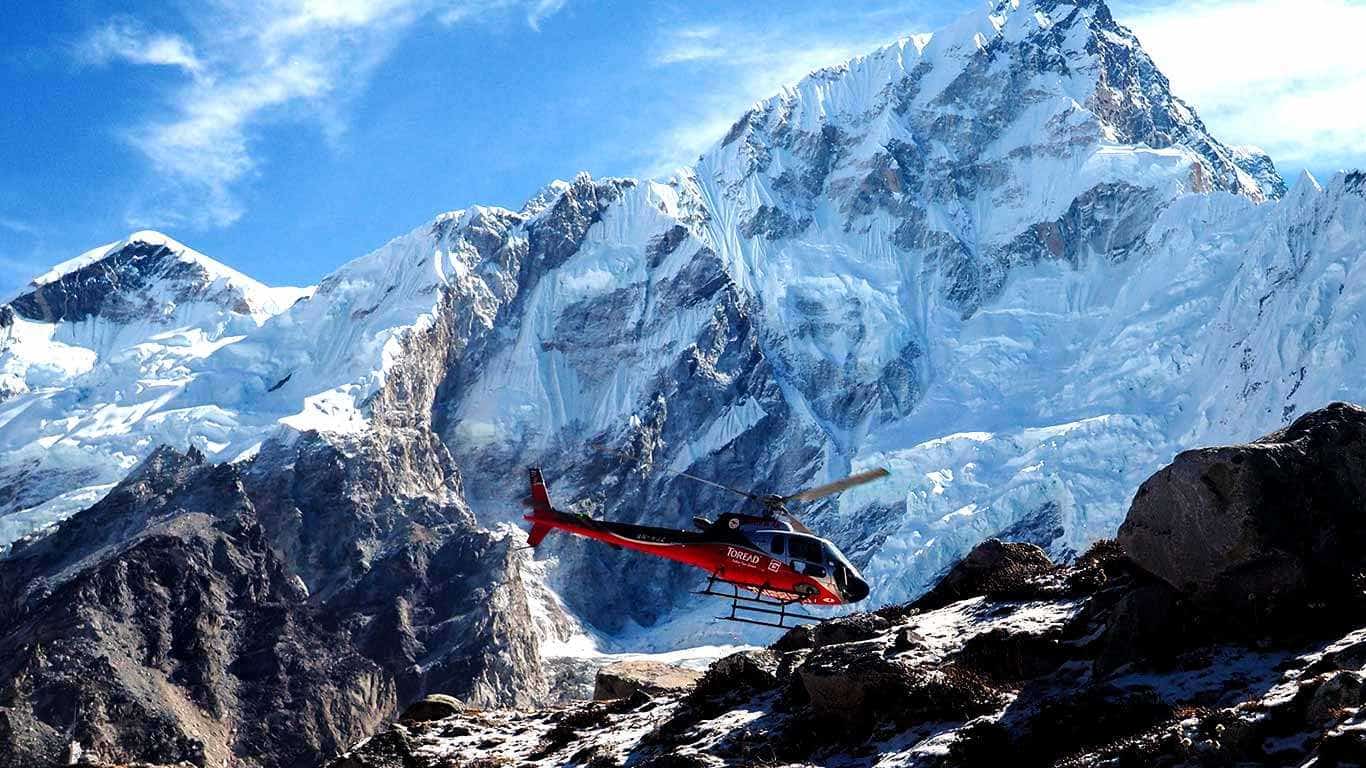
The best available lodges at each stop (including options like the Everest View Hotel near Namche), private rooms guaranteed throughout, sometimes a helicopter return from Base Camp or Gorak Shep instead of trekking back down, and a higher level of on-trail service.
What's Typically Included in an EBC Trek Package
Usually included:
Airport pickup and drop-off in Kathmandu
Kathmandu–Lukla–Kathmandu flights
Sagarmatha National Park entry permit
Khumbu Pasang Lhamu Rural Municipality permit
A licensed, English-speaking trekking guide
Porter service (commonly 1 porter per 2 trekkers)
Teahouse accommodation for every night on the trail
Breakfast and dinner daily (lunch varies by package)
Staff insurance and equipment
Usually NOT included:
International flights to Kathmandu
Nepal visa fee
Personal travel insurance (including high-altitude helicopter evacuation cover)
Lunches, in some budget packages
Drinks — tea, coffee, bottled water
Hot showers and device charging along the trail
WiFi access at teahouses
Personal trekking gear and clothing
Tips for your guide and porter
Emergency helicopter evacuation (this must come from your insurance policy, not the trek package)
Always ask an agency to confirm, in writing, exactly which meals are covered, how many porters are assigned for your group size, and which permits are named in the price. A vague inclusions list is a bigger red flag than a low price on its own.
Permits Required for Everest Base Camp (2026)
Every trekker needs two permits to enter the Khumbu region, both checked at multiple points along the trail:
Permit | Cost |
Sagarmatha National Park Entry Permit | NPR 3,000 (~$22) for foreign nationals; NPR 1,500 for SAARC nationals |
Khumbu Pasang Lhamu Rural Municipality Permit | NPR 2,000 (~$15) |
Most trekking agencies arrange both permits as part of their package. If you're trekking independently, you can obtain them in Kathmandu or at the entry checkpoint in Monjo.
Daily Cost of Food on the Trail
If your package doesn't cover meals, or you're trekking independently, here's roughly what to expect at teahouses:
Item | Lukla–Namche | Namche–Dingboche | Above Dingboche |
Dal bhat (rice, lentils, vegetables) | $4 – $5 | $5 – $6 | $6 – $8 |
Fried rice or noodles | $3 – $4 | $4 – $6 | $6 – $7 |
Tea or coffee | $0.60 – $1 | $0.80 – $1.20 | $1.20 – $2 |
Bottled water (1L) | $1.20 – $1.50 | $1.50 – $2.50 | $2.50 – $4 |
Snack/chocolate bar | $1.20 – $1.50 | $1.50 – $2.50 | $2.50 – $3 |
Prices climb with altitude because everything is carried up by porter or yak. A rough daily food budget of $25–$45 per person is realistic for most of the trek, rising toward the higher end above Dingboche.
Lukla Flights and Why They Matter for Your Budget
The Kathmandu–Lukla flight (or Manthali–Lukla during peak season) typically costs $200–$260 one way for foreign nationals, so budget roughly $400–$500 return. This is one of the biggest single line items in your trip cost after the guided package itself.
Two things worth knowing:
Weather delays are common. Lukla's short mountain-adjacent runway means flights are frequently postponed. Build at least one buffer day into your schedule (and budget) in case you lose a day at either end.
Peak-season rerouting. During the busiest windows (roughly mid-March–May and late September–November), fixed-wing flights are often moved from Kathmandu to Manthali Airport in Ramechhap, which adds a 4–5 hour road transfer and an earlier start time.
Travel Insurance: A Non-Negotiable Cost
Travel insurance is mandatory for the Everest region and should never be skipped to save money. Your policy must specifically cover:
Medical treatment at high altitude
Helicopter evacuation up to at least 6,000 meters
Typical cost: $80 – $200 for a 2–3 week policy, depending on coverage level.
Without insurance, a helicopter evacuation from above Base Camp can cost $3,000 – $6,000 out of pocket. Standard travel insurance often excludes high-altitude trekking, so double-check the policy wording rather than assuming general travel cover is enough.
Gear: Buy, Rent, or Bring From Home?
You don't need to buy everything before you arrive. Kathmandu's Thamel district has dozens of gear shops where you can rent or buy affordably.
Item | Rent (per day) | Buy in Kathmandu |
Down jacket | $1 – $2 | $30 – $80 |
Sleeping bag (-15°C rated) | $1 – $2 | $40 – $100 |
Trekking poles (pair) | $1 | $10 – $25 |
Duffel bag (65L) | $0.50 – $1 | $5 – $15 |
Some trekking companies include a down jacket and sleeping bag free with their package — worth asking about before you rent or buy separately, since it can save $50–$100 on its own.
Better to bring from home: trekking boots (they need breaking in), personal medication, and comfortable socks.
Hidden Costs Most First-Time Trekkers Miss
These aren't scams they're simply costs that only become visible once you're three days into the trek.
WiFi: $1.50 – $4 per device, per use, rising with altitude. Total over the trek: roughly $30–$60.
Device charging: $1 – $4 per charge above Namche. A power bank pays for itself quickly.
Hot showers: $1.50 – $4 per shower where available; often skipped above Lobuche because it's simply too cold.
Tips for guide and porter: Expect $10–$15/day for your guide and $6–$10/day for your porter — totaling roughly $250–$350 combined over a 12-day trek. Not mandatory, but standard practice and genuinely appreciated.
Sample Budget: Mid-Range Trekker
Item | Cost |
Kathmandu–Lukla return flight | $400 |
Guide (12 days) | $320 |
Porter (12 days) | $200 |
Teahouse accommodation | $180 |
Meals on trail | $450 |
Permits | $50 |
Travel insurance | $150 |
Tips | $300 |
WiFi, charging, showers | $120 |
Total (trek only) | ~$2,170 |
Add international flights to Kathmandu, Nepal visa fee, Kathmandu hotel nights, and personal spending money for a realistic all-in trip total.
How to Avoid Overpaying — Or Underpaying for a Risky Trek
Don't chase the cheapest quote blindly. A package significantly below $900 is usually cutting something essential a porter, proper meals, or even the guide's daily wage.
Ask for a written inclusions list. Get specifics on meals covered, porter ratio, and which permits are named.
Check the agency is TAAN-registered. Membership with the Trekking Agencies' Association of Nepal is a reasonable baseline check for legitimacy.
Confirm insurance requirements before you book, not after — some agencies will check your policy before departure, which is a good sign they take altitude safety seriously.
Talk to a real person before paying a deposit. A company willing to answer specific questions directly is generally more trustworthy than one that only sends templated brochures.
Is the Everest Base Camp Trek Worth the Cost?
At $1,300–$2,000 for a well-run standard package, the Everest Base Camp trek costs roughly what a week at a mid-range resort would but delivers something categorically different: twelve days walking through Sherpa villages, ancient monasteries, and some of the most dramatic mountain scenery on Earth, ending with a sunrise view of Everest itself from Kala Patthar. The trail is demanding, the altitude is real, and the facilities get simpler the higher you climb. Most trekkers who complete it say, without much hesitation, that they'd do it again.
Why Choose Himalayan Trekkers for Your Everest Base Camp Trek?
One of the most important factors when choosing an EBC trekking company is understanding what you are actually paying for. Trekking packages can vary significantly depending on whether they include flights, permits, guides, porters, accommodation, meals, and other services. Himalayan Trekkers can help you put together a cost breakdown suited to your budget and travel dates, allowing you to plan your overall trekking expenses more effectively.
Frequently Asked Questions
How much does the Everest Base Camp Trek cost in 2026?
A standard guided package including flights, permits, guide, porter, and accommodation typically costs $1,300–$2,000 for a 12–14 day trek from Kathmandu. Budget options can bring this closer to $900–$1,300, while private or luxury treks range $2,000–$5,000+.
Is a guide mandatory for the EBC trek?
Yes. A licensed guide is required for international trekkers in the Khumbu region and is checked at permit stations along the trail.
Do I need a porter?
It's not legally mandatory, but strongly recommended. Carrying your own full pack at altitude adds real physical strain; a porter typically costs $150–$250 for the full trek.
4.What's the best season to trek, cost-wise?
Spring (March–May) and autumn (September–November) offer the best weather but come with higher demand and prices. Winter and monsoon months are cheaper but come with colder temperatures or wetter trails respectively.
How much should I budget for tips?
Plan for roughly $250–$350 combined for guide and porter tips over a 12-day trek, typically given at the end in Kathmandu.
6.Can I trek Everest Base Camp on a tight budget?
Yes, with careful planning joining a scheduled group departure, choosing a package that includes meals and porter service transparently, and traveling in shoulder season can bring the total cost down meaningfully without cutting safety corners.
Planning your Everest Base Camp trek? Himalayan Trekkers is based in Thamel, Kathmandu, and can help you put together an itinerary and cost breakdown suited to your budget and travel dates.