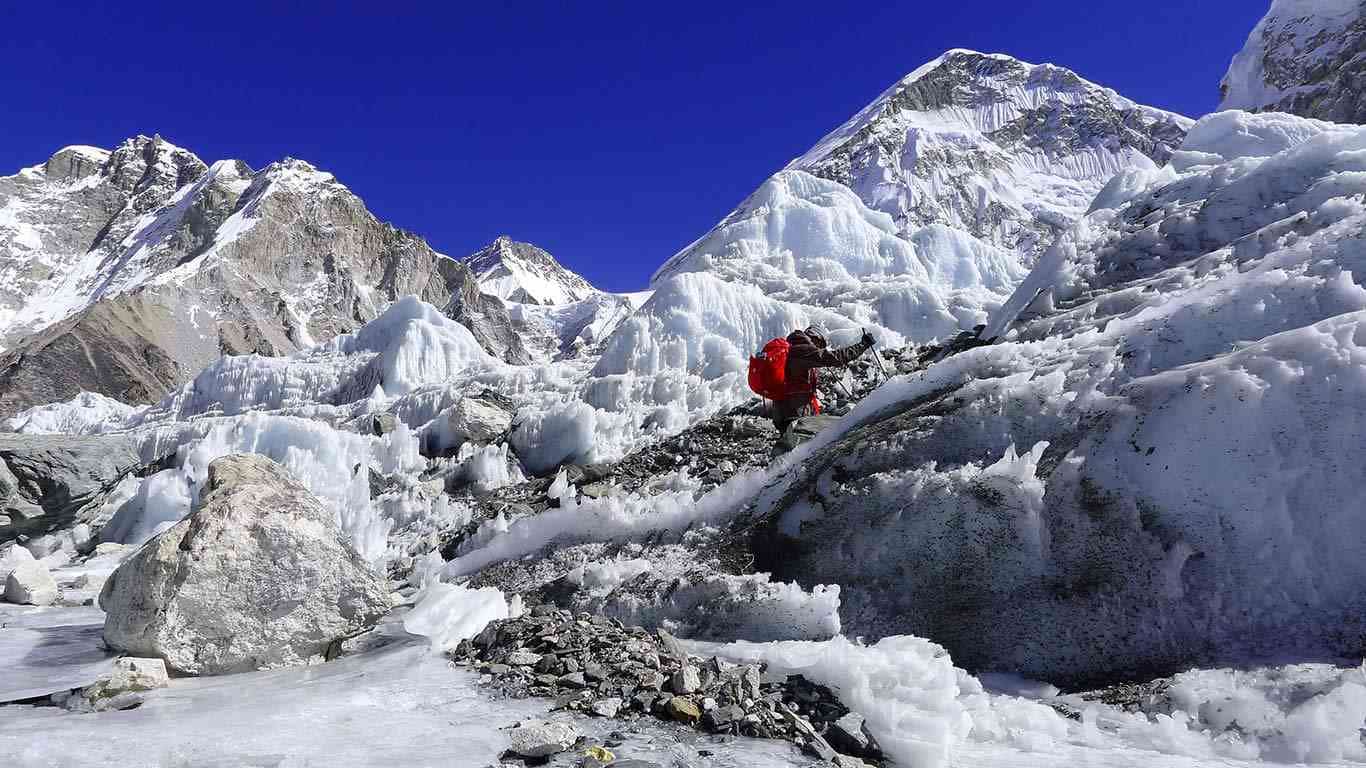
Planning an Everest Base Camp trek is exciting, but knowing what to pack can be challenging, especially if it is your first high-altitude adventure. The Everest region experiences changing temperatures, strong winds, cold nights, intense sunlight, and occasional rain or snow. Packing too little can leave you uncomfortable, while packing too much makes long trekking days unnecessarily difficult.
This Everest Base Camp Packing List 2026 covers everything you need for a comfortable and well-prepared trek, from clothing and footwear to sleeping gear, personal items, electronics, medical supplies, and seasonal equipment.
The key is not to carry everything you own. Instead, choose lightweight, versatile gear that works in layers and can handle changing Himalayan conditions.
Why a Proper Everest Base Camp Packing List Matters
The Everest Base Camp trail takes you from the lower valleys around Lukla and Namche Bazaar to high-altitude settlements such as Dingboche, Lobuche, and Gorak Shep. Weather and temperatures change considerably as you gain elevation.
You may start a walking day in cold conditions, feel warm under the afternoon sun, and then experience freezing temperatures after sunset. This is why a layering system is much more useful than carrying one extremely heavy jacket.
Good packing also helps you control your overall luggage weight. During a standard tea-house trek, you normally carry a smaller daypack while your main belongings are transported separately by a porter.
Quick Everest Base Camp Packing Checklist
Here is a quick overview of the essential items:
Base-layer thermal tops and bottoms
2–3 trekking shirts
1–2 trekking pants
Fleece or warm mid-layer
Insulated/down jacket
Waterproof and windproof jacket
Waterproof trekking pants
Warm hat and sun hat
Buff or neck gaiter
Lightweight and warm gloves
Moisture-wicking underwear
Merino wool or synthetic trekking socks
Comfortable, broken-in trekking boots
Lightweight camp shoes or sandals
Down booties or insulated camp socks
30–40L daypack
Duffel bag
Sleeping bag suitable for sub-zero temperatures
Trekking poles
Headlamp with spare batteries
UV-protection sunglasses
Water bottles or hydration bladder
Water purification tablets/filter
Sunscreen and lip balm
Nasal saline spray or nostril balm
Personal first-aid kit
Diamox (acetazolamide) or prescribed AMS medication
Pulse oximeter
Toiletries and hygiene supplies
Earplugs
Power bank and charging cables
Dry bag or ziplock bags for electronics
Small repair kit (tape, safety pins, multi-tool)
Passport, permits, insurance documents, and cash (small denominations)
Clothing for Everest Base Camp Trek
The best clothing system for Everest Base Camp is layering. Instead of relying on one thick piece of clothing, use a base layer, insulation layer, and protective outer shell.
Base Layers
Your base layer sits directly against your skin and should move sweat away from your body.
Pack:
2 thermal tops
1–2 thermal bottoms
2–3 moisture-wicking T-shirts
Lightweight underwear
Merino wool or synthetic materials are preferable because they dry faster and manage moisture better than cotton. Cotton absorbs moisture and stays wet, which can make you feel colder during rest stops.
It's worth keeping one set of base layers reserved only for sleeping. Even quick-dry fabrics hold some sweat after a day of walking, and putting on a dry layer at night keeps you noticeably warmer than resleeping in the clothes you trekked in.
Fleece or Mid-Layer
A fleece jacket or lightweight insulated layer provides additional warmth when temperatures fall.
A fleece is particularly useful during:
Early morning walks
Rest stops
Evenings at tea houses
Higher-altitude sections
You can remove this layer when the sun becomes stronger during the day.
Down or Insulated Jacket
A warm down or synthetic insulated jacket is one of the most important items on your Everest Base Camp Packing List.
It becomes particularly valuable around Dingboche, Lobuche, and Gorak Shep, where evenings and mornings can be extremely cold.
If you are traveling during the colder months, choose a warmer jacket with enough insulation for freezing conditions.
Waterproof and Windproof Jacket
Your outer shell protects the layers underneath from:
Rain
Snow
Strong wind
Cold air
Choose a lightweight waterproof and breathable jacket with a hood. It should be large enough to fit comfortably over your mid-layer.
Trekking Pants
Bring one or two pairs of comfortable, quick-drying trekking pants.
You can combine them with thermal bottoms when temperatures fall. Waterproof over-trousers are also useful during rainy conditions or snowfall.
Warm Pants for the Evening
Tea houses are generally much colder at night than during the day. A pair of fleece or warm casual pants can make evenings and sleeping much more comfortable.
Headwear and Hand Protection
Your head and hands lose heat quickly in cold conditions, so include:
Warm fleece or wool hat
Sun hat or cap
Buff or neck gaiter
Balaclava (especially useful for December–February trips)
Warm gloves
Lightweight liner gloves
Waterproof outer gloves for colder conditions
A buff is particularly useful because it can protect your neck and face from cold wind, dust, and dry mountain air.
Footwear for the Everest Base Camp Trek
Your footwear deserves special attention because you will spend many hours walking on rocky trails and stone steps.
Trekking Boots
Choose comfortable, supportive trekking boots with:
Good ankle support
Strong grip
Water resistance or waterproofing
Enough room for thick socks
A comfortable fit
Break your boots in before the trek. Never start your EBC trek with brand-new boots. Doing so can lead to blisters and foot pain.
Heavy mountaineering boots are generally unnecessary for a standard tea-house Everest Base Camp trek. A good lightweight or mid-weight trekking boot is usually sufficient.
Camp Shoes
A lightweight pair of sandals, trainers, or camp shoes allows your feet to rest after a long day of trekking.
Down booties or insulated camp socks are worth adding alongside your camp shoes. Teahouse floors and rooms get extremely cold once the sun goes down, and regular socks alone often aren't enough for comfort in the evenings.
Trekking Socks
Bring approximately:
3–4 pairs of trekking socks
1–2 warmer pairs for colder sections
Merino wool or synthetic socks are preferable to cotton because they manage moisture better and help keep your feet comfortable.
Backpack and Duffel Bag
Daypack
A comfortable 30–40L daypack is suitable for carrying items you need during the day's walk.
Your daypack should contain:
Water
Snacks
Sunglasses
Sunscreen
Camera/phone
Extra layer
Rain jacket
Backpack rain cover
Personal medicationPassport or valuables when necessary
A comfortable hip belt can make a significant difference on long walking days.
Duffel Bag
Your main clothing and equipment can go into a durable duffel bag carried by your porter.
Before packing, check the luggage allowance provided by your trekking company. Weight limits vary between operators, so do not assume that one company's limit applies to every EBC trek.
Use packing cubes or waterproof stuff sacks to organize your belongings and protect them from moisture.
Sleeping Bag for Everest Base Camp
A good sleeping bag is essential because tea houses at higher elevations can become very cold at night.
For typical spring and autumn trips, a sleeping bag suitable for approximately -10°C to -15°C is a useful guideline. Colder seasons or people who sleep cold may need a warmer option.
A sleeping-bag liner is optional but useful for extra warmth and hygiene.
Many trekking agencies provide sleeping bags, so check what is included in your package before purchasing or carrying one from home.
Essential Trekking Equipment
Your Everest Base Camp Packing List should also include the following trekking equipment:
Trekking Poles
Trekking poles provide additional stability on rocky terrain and can reduce stress on your knees during long descents.
Adjustable poles are especially useful because you can change their length depending on the terrain.
Headlamp
A headlamp is essential for:
Early morning starts
Pre-dawn hikes
Walking around tea houses at night
Power outages
Carry spare batteries or make sure your rechargeable headlamp can be charged.
Sunglasses
High-altitude sunlight and snow glare can be intense. Bring good-quality sunglasses offering 100% UVA/UVB protection. Category 3 or 4 lenses are suitable for strong sunlight.
Water Bottles or Hydration Bladder
Carry enough water capacity for your daily walks. Reusable bottles or a hydration bladder are practical options.
Water purification tablets, drops, or a suitable filter can provide an additional option when refilling.
Small Repair Kit
A basic repair kit is easy to overlook but can save a trek. Pack a short strip of duct tape, a few safety pins, and a small multi-tool to fix a broken strap, pole, or zipper on the trail.
Evening Entertainment
Teahouse evenings are long, especially in winter or during monsoon when wifi is unreliable or unavailable. A deck of cards or a small offline activity makes downtime more comfortable.
Sun and Skin Protection
Sun protection is essential even when temperatures are low.
Pack:
SPF 30–50 sunscreen
SPF lip balm
Sunglasses
Sun hat
Moisturizer
Buff or neck covering
Nasal saline spray or a moisturizing balm for nostrils
The combination of strong sunlight, altitude, wind, and dry air can quickly cause sunburn and dry or cracked skin. The dry, thin air at altitude also commonly causes nosebleeds, more often than most first-time trekkers expect.
Personal Medical Kit
Your personal medical kit should remain small and practical.
Consider carrying:
Prescription medications
Basic pain relief
Bandages
Blister treatment
Antiseptic
Rehydration salts or electrolyte powder
Diamox (acetazolamide) or other AMS medication prescribed by your doctor
Pulse oximeter, to self-monitor blood oxygen levels daily
Personal medication
Any medication recommended by your doctor
Keep prescription medicines in their original packaging.
For altitude-related medication, speak with a qualified medical professional before your trek rather than self-prescribing.
Toiletries and Hygiene
Tea-house facilities become increasingly basic at higher elevations, so simple personal hygiene supplies are useful.
Pack:
Toothbrush and toothpaste
Biodegradable soap
Small towel
Hand sanitizer
Wet wipes
Toilet paper
Moisturizer
Lip balm
Earplugs (teahouse walls are thin, and good sleep matters for acclimatization)
Small toiletry bag
Keep everything travel-sized to save space and weight.
Electronics and Charging
You do not need to bring every electronic device you own.
Useful items include:
Smartphone
Camera
Power bank
Charging cables
Universal travel adapter
Spare camera batteries
Memory card
Cold temperatures can reduce battery performance, particularly at higher elevations. Keep your phone, power bank, and spare batteries warm whenever possible. A dry bag or large ziplock bags are also worth packing to protect your devices from moisture and dust, not just cold.
Travel Documents and Money
Keep important documents somewhere dry and secure.
Carry:
Valid passport
Nepal visa
Travel insurance
Trekking permits
Flight information
Emergency contact details
Copies of important documents
Nepalese cash in smaller denominations ATMs become unreliable past Namche Bazaar, and shops rarely have change for large notes
It is useful to carry both digital and physical copies of important documents.
Everest Base Camp Packing List for Every Season
Your basic gear remains similar throughout the year, but seasonal conditions can change what you need. Here is a month-by-month breakdown of typical temperature ranges along the trail:
Month | Temp Range | Conditions |
January | -17°C to 4°C | Coldest month, clear skies, snow on trail |
February | -15°C to 5°C | Still very cold, occasional snow |
March | -12°C to 6°C | Spring begins, more stable |
April | -8°C to 10°C | One of the best months — sunny, rhododendrons blooming |
May | -3°C to 12°C | Warm days, cold nights above 4,000m |
June | 0°C to 15°C | Monsoon starts, rain and clouds increase |
July | 2°C to 16°C | Peak monsoon, muddy trails, humid |
August | 2°C to 15°C | Monsoon continues, occasional flight delays |
September | 0°C to 12°C | Monsoon tapering, skies start clearing |
October | -6°C to 10°C | One of the best months — dry, clear, excellent visibility |
November | -10°C to 5°C | Autumn cooling fast, still good visibility |
December | -15°C to 2°C | Cold, occasional snow, fewer crowds |
January and February are the coldest months, with temperatures dropping as low as -17°C at higher elevations like Lobuche and Gorak Shep, though skies are usually clear. From March to May, the weather warms and stabilizes, with April standing out for sunny days and blooming rhododendrons. June to August brings the monsoon, with rain, muddy trails, and occasional flight delays to Lukla. From September to November, skies clear again, and October is widely considered one of the best months thanks to dry, cool conditions and excellent visibility. December turns cold again, with possible snow and freezing nights, though it remains a workable option for well-prepared trekkers.
It's also worth noting that during peak season (March–May, September–November), heavy air traffic often reroutes Lukla flights through Manthali Airport in Ramechhap rather than Kathmandu directly, adding a few hours of ground transport worth factoring into your schedule alongside your packing.
Spring: March to May
Spring is one of the most popular periods for the Everest Base Camp trek.
Pack:
Lightweight base layers
Fleece
Down/insulated jacket
Waterproof shell
Trekking pants
Warm gloves
Sun hat
Sunglasses
Warm sleeping bag
Sunscreen
Temperatures can still be cold at higher elevations, particularly at night, so do not assume that spring means warm conditions throughout the trek.
Summer/Monsoon: June to August
The monsoon brings more rain, clouds, and potentially muddy or slippery trails in lower sections.
Add extra rain protection such as:
Waterproof jacket
Waterproof trousers
Backpack rain cover
Waterproof dry bags
Quick-drying clothing
Waterproof protection for electronics
Gaiters
A pair of gaiters can also be useful in wet or muddy conditions.
Autumn: September to November
Autumn is another excellent trekking season, with generally favorable conditions.
Your packing should include:
Warm base layers
Fleece
Down jacket
Waterproof shell
Warm gloves
Good trekking socks
Sleeping bag
Sun protection
Late autumn becomes progressively colder, so November trekkers should prepare for more winter-like conditions at higher elevations.
Winter: December to February
Winter brings significantly colder temperatures and the possibility of snow and icy trail conditions.
Add:
Heavier insulated jacket
Warmer base layers
Thicker gloves
Warm hat
Neck gaiter/balaclava
Heavier sleeping bag
Extra warm socks
Gaiters
Microspikes where appropriate
Stronger cold-weather protection
Always check current trail and weather conditions before a winter departure.
What Can You Rent or Buy in Kathmandu?
You do not necessarily need to purchase every item before arriving in Nepal.
Better to Bring From Home
Some items are better purchased and tested before the trek:
Trekking boots
Personal medication
Base layers
Comfortable socks
Personal electronics
Boots are especially important because they need to be properly broken in before the trek.
Items You Can Often Rent
Depending on your trekking company and rental shop, you may be able to rent:
Down jacket
Sleeping bag
Trekking poles
Duffel bag
Renting bulky equipment can be convenient if you are traveling internationally or do not plan to trek regularly.
Always inspect rented equipment before accepting it and confirm its condition and warmth rating.
What Not to Pack for Everest Base Camp
One of the biggest mistakes first-time trekkers make is overpacking.
Avoid unnecessary items such as:
Multiple pairs of heavy shoes
Too many clothes
Large towels
Heavy books
Unnecessary electronics
Bulky toiletries
Expedition-level climbing equipment
You do not need technical climbing equipment for the standard Everest Base Camp trekking route. Tea houses and established trails mean you can focus on lightweight, practical equipment instead.
Daypack vs. Duffel: What Goes Where?
A simple rule makes packing much easier:
Your daypack = things you need during the day.
Keep:
Water
Snacks
Camera
Sunscreen
Sunglasses
Rain jacket
Warm layer
Personal medication
Your duffel = things you do not need while walking.
Keep:
Spare clothing
Sleeping bag
Toiletries
Evening clothes
Extra equipment
This organization keeps your daily backpack lighter and makes it easier to find your essentials.
Common Everest Base Camp Packing Mistakes
Packing Too Many Clothes
You do not need a completely new outfit every day. A few versatile layers are more useful than a large wardrobe.
Taking Uncomfortable Boots
Never prioritize appearance over fit. Your boots will be one of the most important pieces of equipment you own on the trail.
Forgetting Sun Protection
Cold weather does not mean weak sunlight. Sunglasses, sunscreen, and lip protection should remain easily accessible.
Ignoring Weight
Every unnecessary kilogram becomes noticeable after several hours of walking at altitude.
Bringing Too Much Technical Gear
The standard EBC trek is not an expedition to climb Mount Everest. Pack for trekking, not technical mountaineering.
Why Choose Himalayan Trekkers for Your Everest Base Camp Trek?
Choosing the right trekking company can make your Everest Base Camp experience safer, more organized, and more enjoyable, especially if it is your first high-altitude trek. Himalayan Trekkers provides organized Everest Base Camp trekking packages with experienced local guides, structured itineraries, accommodation, meals, and trekking support.
Conclusion
The best Everest Base Camp Packing List is not necessarily the longest one. It is the list that gives you everything you need without making your luggage unnecessarily heavy.
Focus on layering, comfortable footwear, warmth, weather protection, hydration, sun protection, and essential personal items. Adjust your packing according to the season, especially if you are trekking during monsoon or winter.
Most importantly, check with your trekking company before departure to confirm what they provide, the luggage allowance, and any seasonal gear recommendations.
With the right preparation and a smart packing strategy, you can spend less time worrying about your gear and more time enjoying the incredible landscapes, Sherpa culture, monasteries, and mountain views of the Everest region.
Frequently Asked Questions
1. What should I pack for the Everest Base Camp trek?
You should pack layered clothing, comfortable trekking boots, warm and waterproof outerwear, a suitable sleeping bag, trekking poles, a headlamp, sunglasses, sunscreen, water bottles or a hydration system, personal medication, toiletries, and important travel documents. Your exact packing list should also be adjusted according to the season.
2. How many clothes should I take for Everest Base Camp?
You do not need a new outfit for every trekking day. Around 2–3 trekking shirts, 1–2 trekking pants, thermal base layers, a fleece or mid-layer, an insulated jacket, and waterproof outer layers are generally sufficient for a standard trek. Prioritize lightweight, quick-drying clothing that can be layered.
3. Do I need a sleeping bag for Everest Base Camp?
A warm sleeping bag is strongly recommended because nights become very cold at higher elevations. Some trekking companies provide sleeping bags as part of their packages, so check what your operator includes before buying or carrying one. For many spring and autumn trips, a bag rated around -10°C to -15°C can be a useful guideline, while colder-season trekkers may need more insulation.
4. Can I rent trekking equipment in Kathmandu?
Yes. Many trekkers rent bulky equipment such as down jackets, sleeping bags, trekking poles, and duffel bags in Kathmandu. However, items such as trekking boots, socks, base layers, and personal medication are better brought from home and tested before the trek.
5. What should I pack differently for a winter or monsoon EBC trek?
For winter, prioritize heavier insulation, warmer base layers, thick gloves, a warm hat, a suitable sleeping bag, and potentially gaiters or microspikes depending on trail conditions. During the monsoon, waterproof trousers, a rain cover, dry bags, quick-drying clothing, and waterproof protection for electronics become more important. Always check the latest weather and trail conditions before departure.