Each year, Mount Kailash is visited by senior pilgrims from all over the world. Kailash Yatra for seniors is a trip that they've waited for decades.
Age alone does not have to prevent them from completing the pilgrimage. It is much more important to prepare, get medical clearance, and choose the proper route for this.
Here you will find a comprehensive guide to all the information that a Senior citizen needs to know before booking Kailash Yatra. This addresses the age limit, medical necessities, and shows what it is like to journey with an older body.
Is There an Age Limit for the Kailash Yatra?
The age limit for Kailash Mansarovar Yatra varies according to the route. Different routes have different access rules.
Nepal Route vs India's MEA Route vs China Permit Rules
Since Mount Kailash is situated in Tibet, a China Tibet Travel Permit is required. The normal rule applies, where travelers from 18 to 70 years of age are permitted to travel. This is irrespective of the country of departure.

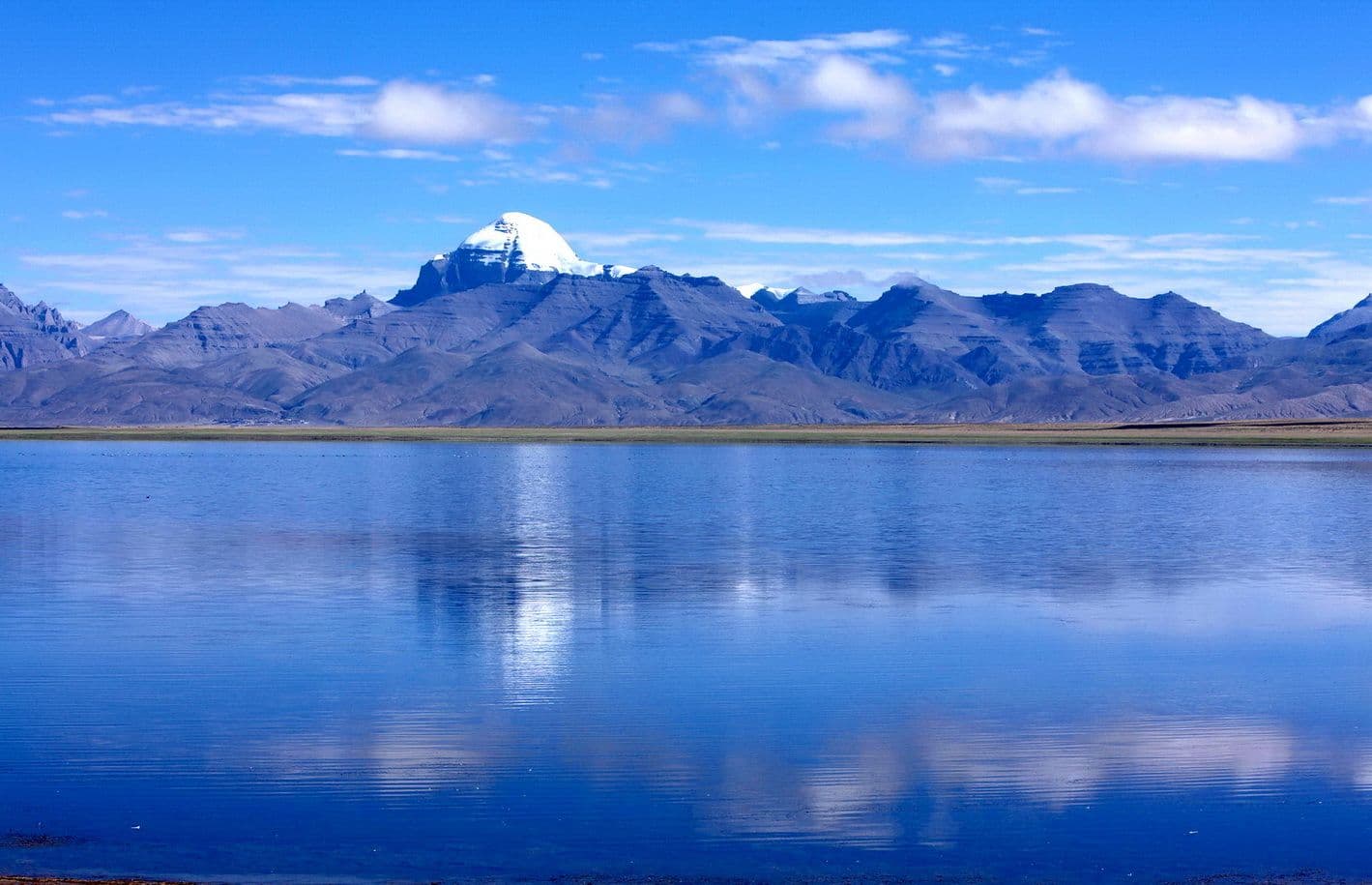
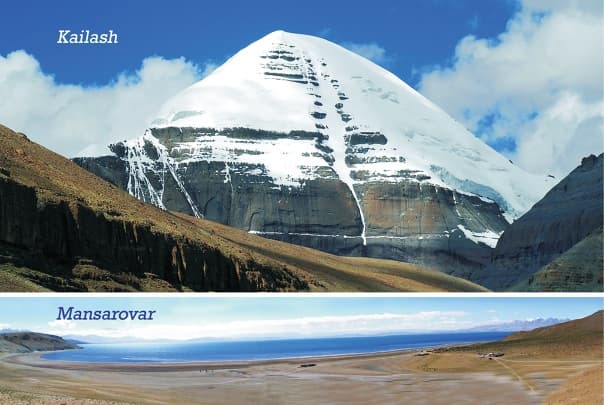
Clear view of Holy Mount Kailash
These routes are typically for a range of ages between 18 and 70, along with other restrictions.
All candidates will also be medically tested and participate in the selection procedure.
Basically, if you decide on the Nepal route, you are going to have more flexibility as compared to the government-arranged routes from India.
For fit travelers older than 70, in some cases, the operator may be able to organise a permit, but there are no guarantees, and it depends on the permits called for.
China/Tibet permit: 18-70 years, strictly enforced
India MEA route: 18-70 years, plus medical exam and lottery
Nepal route: No official Nepali age cap; Tibet permit rule still applies
Looking at the viewpoint of the many senior pilgrims coming from outside of India, the Nepal route can be more flexible and practical.
Fitness and Medical Clearance Matter More Than Age
A fit 68-year-old person may feel better on the yatra than an unfit 45-year-old. Operator experience doesn't necessarily predict how a person's body will respond to high altitude.
A person's built-up stamina, capacity to breathe and the strength of the joints all tell more about physical fitness.
Fitness and physical ability varies greatly away from person to person of the same age group. Responsible operators therefore may insist on a medical certificate in addition to the pilgrim's age.
Dolma La Pass is approximately 5,630 metres above sea level, where the available oxygen is much lower than at sea level. There is also proper preparation and recovery needed for the three-day kora and this is particularly critical for the elderly pilgrims.
It is not just about how you feel on day one, it's about how your body feels every day. An older body might take longer to recuperate after a challenging day, while a younger one can bounce back.

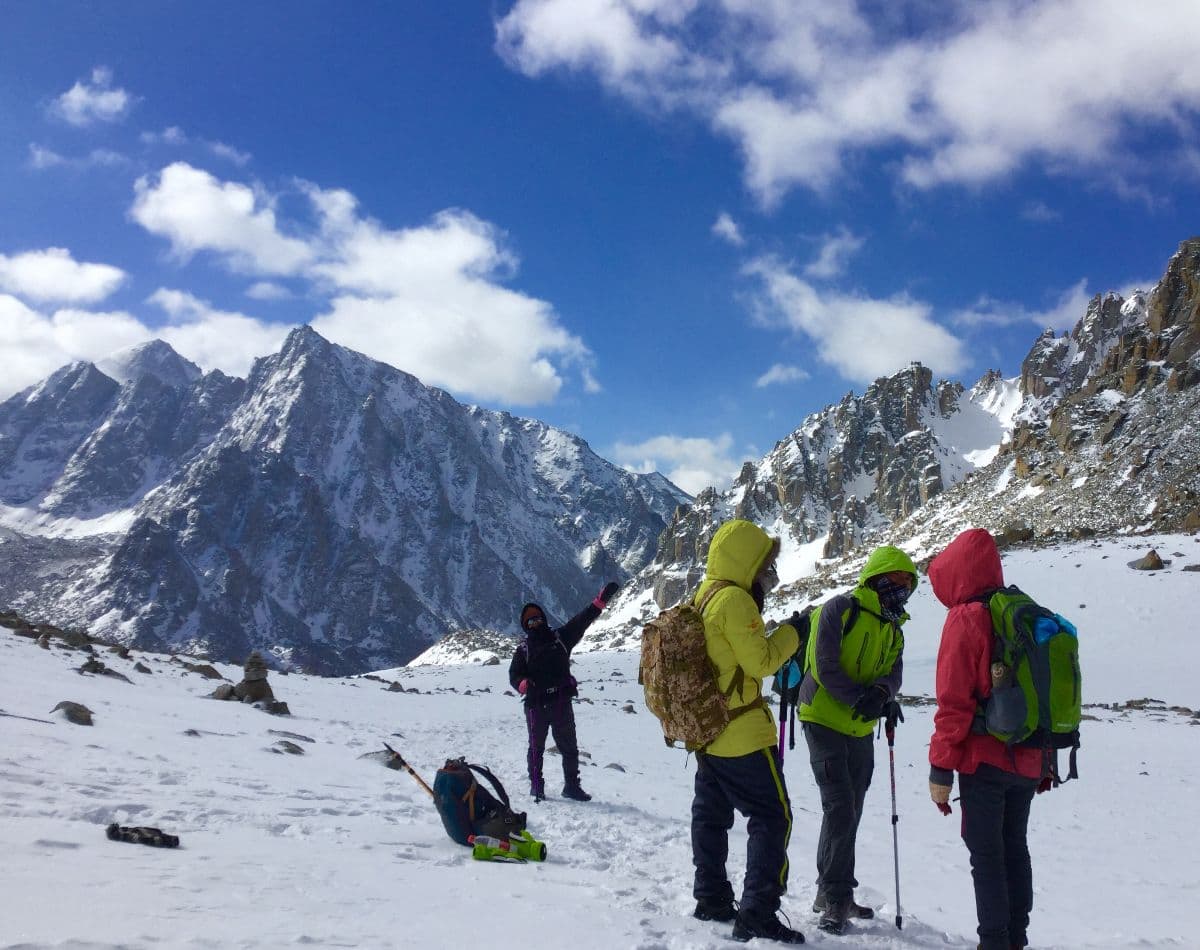
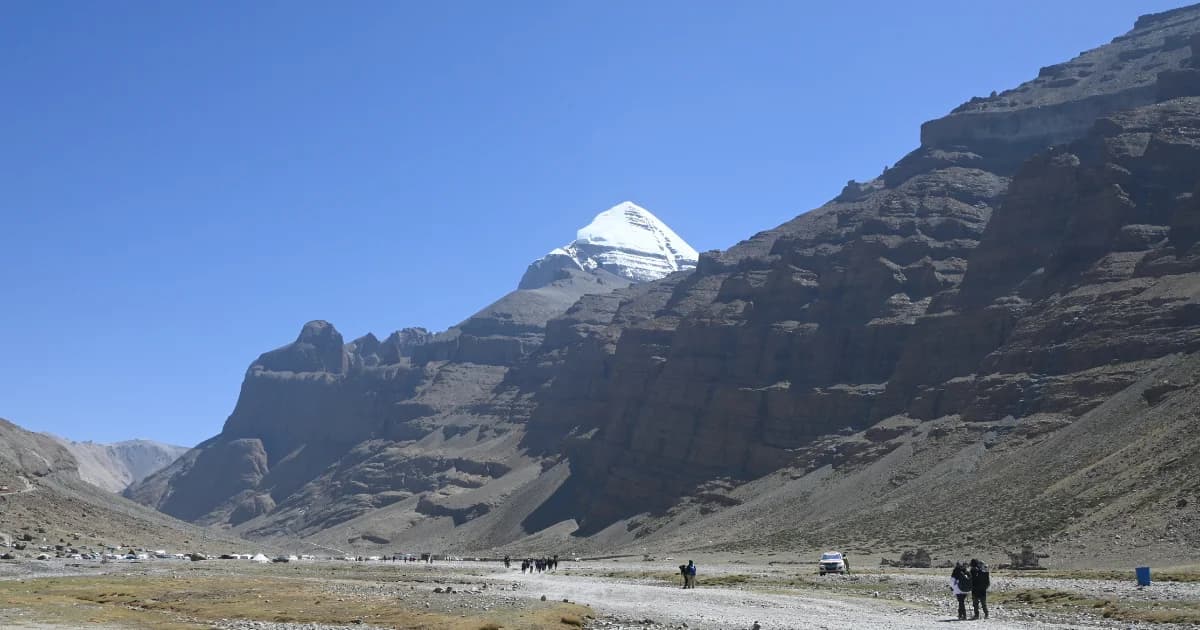
Kailash Mansarovar Yatra pilgrims
The next day, older people may require more rest time in the morning, an extended breakfast, and a slower tempo. Acclimatization time in the itinerary is paramount, more so than the fitness score alone.
It is not a case of previous trekking experience, body size or gender; determine if they can complete the yatra.
The majority of first-time trekkers do the Kailash Mansarovar Yatra in their 60s. Ultimately, it's not the age on a piece of paper but what you do to prepare in the months leading up to your departure.
A medical evaluation should be completed for all senior pilgrims. Before booking the trip a medical assessment should be completed for all senior pilgrims.
It's no mere formality. It aids in the evaluation of health prior to long transportation away from medical facilities.
Medical Tests and Clearance Every Senior Pilgrim Needs
All senior pilgrims are recommended to have a medical assessment prior to booking. This isn't a form. It's the safety system that's there after your days off the nearest hospital.
Dated certificate within 3-months of travel. It should clearly state that you are fit for sustained physical activity at high altitudes above 5,000 metres (16,404 feet).
The basic examination panel comprises:
Resting electrocardiogram (ECG) and a stress ECG, if suggested by their doctor, for pilgrims aged over 50.
Blood pressure, preferably less than 140/90 mmHg.
Normal blood oxygen (SpO₂) at sea level ≥ 95%.
X-ray, spirometry (lung function test).
Blood tests, such as haemoglobin, sugar, and kidney tests.
BMI assessment without any set weight limit.
As for the MEA route in India, the examination should take place at a government-approved hospital, where after obtaining the certificate as required should meet the route's eligibility criteria.
Fewer medical formalities are required in the Nepal route, in general. Generally, a letter from your doctor on official letterhead stating that you are fit for high-altitude travel may be sufficient.
You should still get the medical letter checked by your operator prior to booking. Discuss the possibility of screening for silent ischemia (poor circulation symptoms) with your doctor.
For pilgrims, it may be especially important if they are older than 60 and a stress test is recommended by their physician.
Those who use blood pressure or blood sugar medication on a daily basis should talk to their doctor about potential effects or interactions with high-altitude travel.
Your doctor can recommend a change in your medication, if needed, before you leave.
Health Conditions That Need Extra Caution
Some health issues need to be taken into consideration and may make it impractical for a pilgrim to do the kora in its entirety. In certain diseases, it is unsafe to do the whole Parikrama.
Knowing these before you leave can assist you in doing a safer and more appropriate traveling plan.
Conditions That Are Usually Disqualifying
A heart attack, bypass, or stenting within the past two years
Unstable angina or uncontrolled arrhythmia
Moderate to severe COPD or uncontrolled asthma
Severe anaemia, generally haemoglobin below 10 g/dL
Seizures within the past year
Recent major surgery, typically within the past six months
Conditions That Are Manageable With Medical Sign-Off
Well-controlled hypertension on medication
Managed type 2 diabetes
Mild asthma controlled with inhalers only
Stable, treated thyroid or cardiac conditions
Knee or joint concerns, with poles and pony support arranged
Among older pilgrims, special attention should be given to the problems of breathing and sleep apnea.
At high altitude, sleep apnea and other breathing conditions can be more challenging even for those who have them controlled at home.
The impact of high altitude travel on the body can be significant, and older pilgrims should be carefully screened before they leave.
Pilgrims aged over 50 should perhaps have a medical assessment appropriate to their age prior to the trip, as age-related changes may affect cardiovascular reserve.
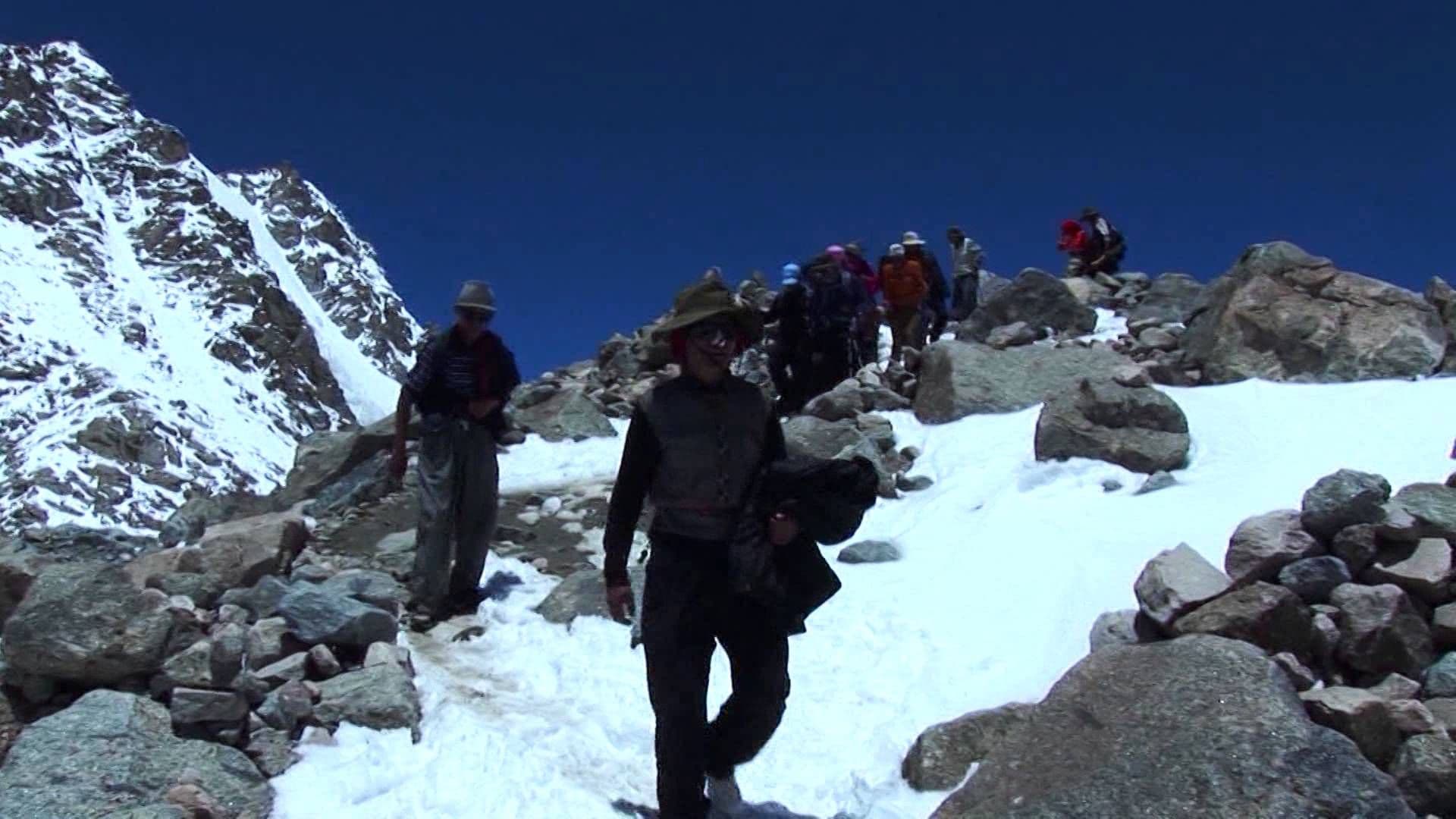
Joint issues should be treated beforehand, particularly in the knees. There is a rocky and steep descent from Dolma La, which may be difficult for individuals with bad or painful joints.

Rocky terrain on Kailash Yatra
Pilgrims who have undergone a knee replacement should have their surgeon's permission to go down, even if they are using trekking poles or a pony support.
However, they also need to be mentally prepared. Persons with anxiety issues or persons with cognitive difficulties should try to travel with an individual who is aware of their requirements and can communicate with the tour guide simply.
Choosing the Right Kailash Yatra for Seniors
There are two main routes from Kathmandu to the Kailash region: the Kerung overland route and the helicopter route through Simikot and Hilsa.
Every route offers its own benefits and might cater to various types of travelers.
Kerung Overland route vs. Helicopter Route
The overland route to Kailash provides for a gradual rise in altitude over days. This gradual rise may help to avoid distress to the heart and lungs.
The catch is that it takes a long time on the road, travelling for eight or 10 hours across the plateau some days.
This can be difficult for pilgrims who have issues with their back or joints, but with the help of comfortable seats and rest stations, the trip can be easier.
The helicopter route will shorten the driving hours over the plateau by cutting out part of the drive with less time flying.
However, it involves a quicker change in elevation, with the journey from Simikot (2,910 m or 9,547 ft) to Hilsa (3,600 m or 11,811 ft) taking place within a short period.
This could be an ideal option for pilgrims who have a limited amount of time or do not like long road journeys.
Overland: Good for easier distress elevations up and more time.
Helicopter: May be appropriate for people with limited time or who want to lessen extensive road travel time.
No matter which path they take, pilgrims opting to do the trek in full will still have to do the parikrama.
How Difficult Is the Parikrama for an Older Pilgrim?
The Kailash Parikrama itinerary is about 52 kilometres (32 miles) long and takes three days. The physical challenge is different every day, and knowing what is going to be hard and what is not can be important for seniors to plan accordingly.
Day-by-Day Breakdown
Day 1: Darchen - Dirapuk: This day has a distance of approximately 20 kilometres (12.4 miles) with an elevation of approximately 4700 metres (15420 feet). The ground rises slowly with a lot of space. Most Kailash Yatra for senior pilgrims are able to cope with this day with rest breaks as necessary.
Day 2: Dirapuk - Zutulpuk through Dolma La Pass: This is the most challenging day of the Kailash Mansarovar yatra, which involves walking about 22 kilometres (13.7 miles) in 9-10 hours. The air pressure (and available oxygen) at 5630m (18,471 ft) is much lower than at sea level. On the other side of the pass, there is a steep and rocky descent down the trail.
Everyone must walk for about 5 kilometres (3.1 miles) because ponies are not considered safe for riders on this section. Ponies are available again after Phedi on another 11 to 12 kilometres (6.8 to 7.5 miles) on to Zutulpuk.

Dolma La Pass, the hardest day of Kailash Kora
Day 3: Zutulpuk - Darchen: The last day is around 12 to 14 kilometres (7.5 to 8.7 miles), mostly downhill. It is usually the least challenging of the three days. During the 3-day kora, speed is not important. Maintaining a steady and comfortable pace is more important.
The Pony and Porter Option
One of the most frequently used methods of support for older pilgrims on the kora is to have ponies.
They can generally be organized in Darchen and cost anywhere from USD 150 to 300 for the entirety of the circuit.
Pilgrims will find that a pony ride with a handler will assist them on long stretches of the road on the way to Dolma La. This can decrease effort along some of the harder parts of the trail.
The steep and rocky section on the other side of the pass is not considered safe for pony riding. No matter how old you are, everybody has to hike through this section.
Book pony service at least 3-4 days prior to arrival in Darchen. Pony assignments can be done through a selection process.
Pony support cannot replace trekking poles and well-broken-in boots. Another option for Pilgrims is to bring their primary bag and then walk with a smaller day pack.
Being on a pony is not a weakness for a pilgrim and it can be a practical thing for senior groups. It helps pilgrims to pay more attention to the spiritual meaning of the parikrama rather than just the physical exertion.
There is an opportunity to catch up with your guide prior to Day 2 and create clear expectations. Plan already where to rest and dismount, and what you will signal when it is time to slow down and stop.
Three Ways to Experience Kailash
To have a meaningful Kailash Mansarovar Yatra, it is not necessary for every senior pilgrim to do the complete kora, which takes 3 days.
The pilgrimage is available in a few different ways, depending on individual health and physical capacity.
Full Kora, Mansarovar-Only or No-Trek Alternatives
The full kora is appropriate for the pilgrim who has undergone the necessary medical examination with good health, is physically fit for the walk and has planned for supporting equipment (ponies etc. as necessary).
The Mansarovar-only yatra is the traditional experience of the Kailash pilgrimages. Only the Mansarovar does not make an unfinished pilgrimage. Lake Mansarovar is at an altitude of 4590 metres (15059 feet).
They see Mount Kailash and do puja at the lake and then participate in a vehicle ride around the lake, which are all enjoyed by pilgrims. It is better for pilgrims who don't necessarily wish to cross Dolma La but seek a significant spiritual experience.
There are also no-trek alternatives for pilgrims who cannot hike the entire distance or don't care to deal with the hardships of passing through Tibet themselves.
Views of the southern face of Mount Kailash are available from Nepal's Limi Lapcha viewpoint. The altitude of the viewpoint is about 4,935 metres (16,191 feet) without entering Tibet.
Some families select alternative choices for individual members. Families can pick either the Mansarovar-only or the no-trek category, with younger family members having the option of choosing the full kora.
Preparing the Body: A 10-12 Week Training Plan
A structured training program can help prepare your body for the physical demands of the yatra. Dedicated months of preparation prior to departure can make a big difference to the experience.
For many senior pilgrimages, the 12 weeks of training offer a sufficient amount of time.
Start with brisk 30-minute walks and gradually increase them to 60 minutes.
Additional Stair climbing, if possible, to strengthen the legs for uphill/downhill walking.
During weeks 5-8, add lift and pack weight with elevation.
Begin to walk with an easy daypack of 5- 8 kg (11-18 lb).
If you can, schedule additional 4- to 6-hour weekday hikes on hilly ground.
You can also include breathing exercises as part of your routine.
Complete two 8-10 km walks each week, with some walks carrying your daypack.
Include strength exercises such as squats and lunges to build the muscle strength needed for descents.
Try to break your trekking boots in before leaving.
Do exercise daily for three days before the kora.
Have a brief daily activity of mindfulness or breathing to prepare for the trip.
Special sporting skills are not required for this training. Be specific and have clear goals, allowing you to track your progress rather than just the amount of labor you think you are performing.
Kailash Yatra for Senior-Friendly Itinerary
A senior-friendly Kailash tour can be quite similar to the traditional tour, only the schedule is typically more relaxed and less rushed.
These are minor adjustments that can go a long way for seniors.
Long-distance routes might have a rest day in Kathmandu after landing to get over the jet lag before continuing to higher altitudes.
Some might also feature an acclimatization day in Saga at about 4,640 metres (15,223 feet), again, different operators have different itineraries.

Pilgrims group for the Kailash Yatra
A typical paced day may include:
Enough time for the activities of the day and a relaxed breakfast before departure.
Taking breaks regularly for a short time rather than a big stretch of walking.
A guide to accompany the older pilgrims and modify the speed as necessary.
Use a pulse oximeter to look at the pilgrim's sats and pulse.
An early dinner and a full night of sleep to prepare for the next day.
A more leisurely route can actually be longer than 14-day itineraries.
These recommended routes may require more time, but may offer more comfort and flexibility for seniors.
If you are a group with senior people, a smaller group size can also be beneficial. The smaller group of 6-8 people may make it easier to adjust the pace and coordinate rest stops.
Inquire about whether older pilgrims are grouped together with faster walking groups or whether groups walk at the speed of the slowest member.
Either way can also be effective, although familiarity with the group can help to set realistic expectations prior to departures.
Food, Accommodation, and Daily Comfort
Meals during the yatra are mostly vegetarian and are generally served three times a day.
Food in Kathmandu is usually prepared in hotel kitchens. Cooks can cook new food for the group along the way.
Food at high elevation may include some warm soups, tea and boiled water as appetite changes.
Depending on the operator and location, both continental and Indian meals may be served. During the pre-departure orientation, notify the cooking team about any food allergies.
Accommodation is very different from place to place.
Kathmandu: Comfortable accommodation and modern hotel.
Tibetan plateau towns: Simple lodges and guesthouses are generally available.
Three-day kora: Elementary, usually communal, lodging facilities with accommodation for three to four pilgrims.
The area around the Manasarovar parikrama is a protected zone and facilities for stays and buildings are limited.
Accommodation on the kora is generally very basic and shared even on somewhat more comfortable tours.
However, even when choosing a more comfortable tour package, the senior pilgrims should be prepared for basic shared accommodation during the kora.
Guesthouses on the kora are not likely to have hot showers; wet wipes and a small towel can help.
Packing List Essentials for Older Travellers
Pack appropriate clothing for the region and season, and be sure to bring a sleeping bag liner for extra warmth.
Clothing
Three layers: Wicking inner layer, insulating middle layer (fleeces or down) and an outer windproof layer.
Footwear: Well-broken-in trekking boots and camp shoes for evenings
Cold weather accessories: Warm beanie, sleeping socks and silk sleeping bag liner.
Trekking Poles: Important in helping balance the Dolma La descent
Medications: Original packaging with the label included, a full prescription and extra days' supply of medicine.
Oxygen and monitoring: Portable oxygen, if necessary, or personal pulse oximeter.
Luggage: Use soft duffel bags, as yaks and porters may not be able to carry hard suitcases along the trail.
Do not wear cotton as a base layer as it can pick up moisture and hamper warmth in rainy or cold environments.
Useful small pieces
Lip balm and high-SPF sunscreen, because UV exposure is high at high altitudes.
A hat with a broad brim, and sunglasses that block out the sun.
A torch; in some guesthouses, lighting might be limited.
A small thermos flask for carrying hot water during the day.
Include key medications and documents in an all-important daypack, not your larger duffel. Sometimes, people need to hire yaks to transport their bags and these may take some time to reach camp.
Travel Insurance/Emergency Evacuation
Travel insurance is essential for the Kailash Yatra, especially for senior travelers.
When it comes to seniors, it's crucial to know the specifics of the policy.
Some travel insurance policies have maximum altitudes, so ensure that your travel insurance provides coverage to the highest altitude the trip will involve.
It is important to cover the following:
Using an emergency helicopter where possible.
Travel insurance for Tibet and emergency support for Tibet.
Insurance for existing health issues if they exist.
Trip cancellation coverage for eligible reasons.
Please book your insurance as soon as you plan rather than on the day of departure. Certain policies call for the disclosure of pre-existing medical conditions before the coverage starts.
Always have a copy of your policy and the numbers for emergencies with you. Certain areas along the trail may not offer phone coverage so leave a copy of insurance details with the travel buddy or group leader.
Ensure medical transport and evacuation is covered in the policy. This can be a great difference in situations during an emergency and not burden the family with unnecessary financial strain.
Booking for a Parent or Grandparent
Many bookings of senior pilgrimages are arranged by adult children on behalf of their parents.
This adds on another layer of responsibility and the need to plan carefully.
Before you book, you should ask your operator the following questions:
In the last season, how many pilgrims over 70 years old were able to join you successfully?
What is your plan for managing altitude sickness symptoms in senior pilgrims?
Is your guide equipped with a pulse oximeter and does he monitor oxygen saturation?
Do you know what to do if my parents cannot finish the kora and must leave in the middle?
Have an English medical summary sheet detailing all medical conditions, medications, and pertinent medical information. Please share this information with the operator and parent's travelling partner, not just the guide.
Never take a person's word for having insurance coverage. Check carefully with the insurance company.
If possible, attend your parent’s pre-travel medical check-ups. If you are unable to attend, have your parents summarize the doctor's advice for you.
Talking straight with the doctor about pacing and physical support will help you to understand what your parents might need on the trek.
Talk as a family and decide on the expectations and then select an itinerary for that.
There is an option to do the Mansarovar-only instead of the full kora for some yatris. It is better to pick one to fit their maximum level of health and physical capacity, rather than try and work harder than they can.
Final Thoughts: Age Is Not the Barrier, Preparation Is
Depending on the condition and preparation of the pilgrim, the Kailash Yatra can be done successfully by some senior pilgrims who are well into their 70's and more.
When planning the pilgrimage, medical screening, physical preparation, and the route are more important than just age. Plan a route and itinerary that suits your health level and physical capacity.
Depending on your situation, you may be travelling on the overland route, along the helicopter route or opting for a Mansarovar only route. Make sure to get a proper medical evaluation, not on the last few days but well before you leave.
Practice regularly over 10-12 weeks and select an experienced operator or guide into the requirements of the senior pilgrimage. The Kailash Yatra is more than a physical challenge.
It can be a meaningful spiritual experience, if properly prepared for. The key is to respect your body’s limits, prepare properly, and choose an itinerary that allows you to experience the pilgrimage at a comfortable pace.