The experienced hiker will also feel out of breath on his first experience of climbing up to 2,500 meters, since even very physically fit individuals often fail to prepare for this kind of hike. The marathon runner at sea level might be surprised by how short he can make it on a gradual ascent of altitude.
High altitude trekking preparation involves making your body and mind ready for conditions where there is a lower level of oxygen available, walking for several consecutive days, and pain that will not simply go away due to the fact that you have been training hard. This involves physical training, mental preparation, altitude acclimatization, nutrition, and the kind of weekly schedule that will turn a hiker into a mountaineer.
It is essential to combine the following training principles in order to be ready for a trekking adventure on the mountain peak: cardiovascular endurance, strength training, trekking training exercises, carrying of a backpack, appropriate nutrition, psychological readiness and acclimatization. People generally experience a much more significant progress beginning to prepare eight to twelve weeks prior to the date of departure instead of one month.
In this guide you will find detailed information about all the stages of preparation.
Why Training for a High-Altitude Trek Is Different
Acclimatization for the mountains cannot be equated with acclimatization to walking for hours, and this is precisely where the mistake lies when it comes to the first time one is going trekking. Mountains will not care how many 10 kilometer runs you've done, because your body has never been pushed to survive with reduced oxygen levels before.
What Counts as a High-Altitude Trek?
Elevations from 2,500 meters to 3,500 meters are considered to be High Altitude. These are altitudes at which people start feeling the thinness of air even when they are engaged in light physical activity. Very High Altitude is between 3,500 meters and 5,500 meters. The majority of Himalayan treks fall under this category.

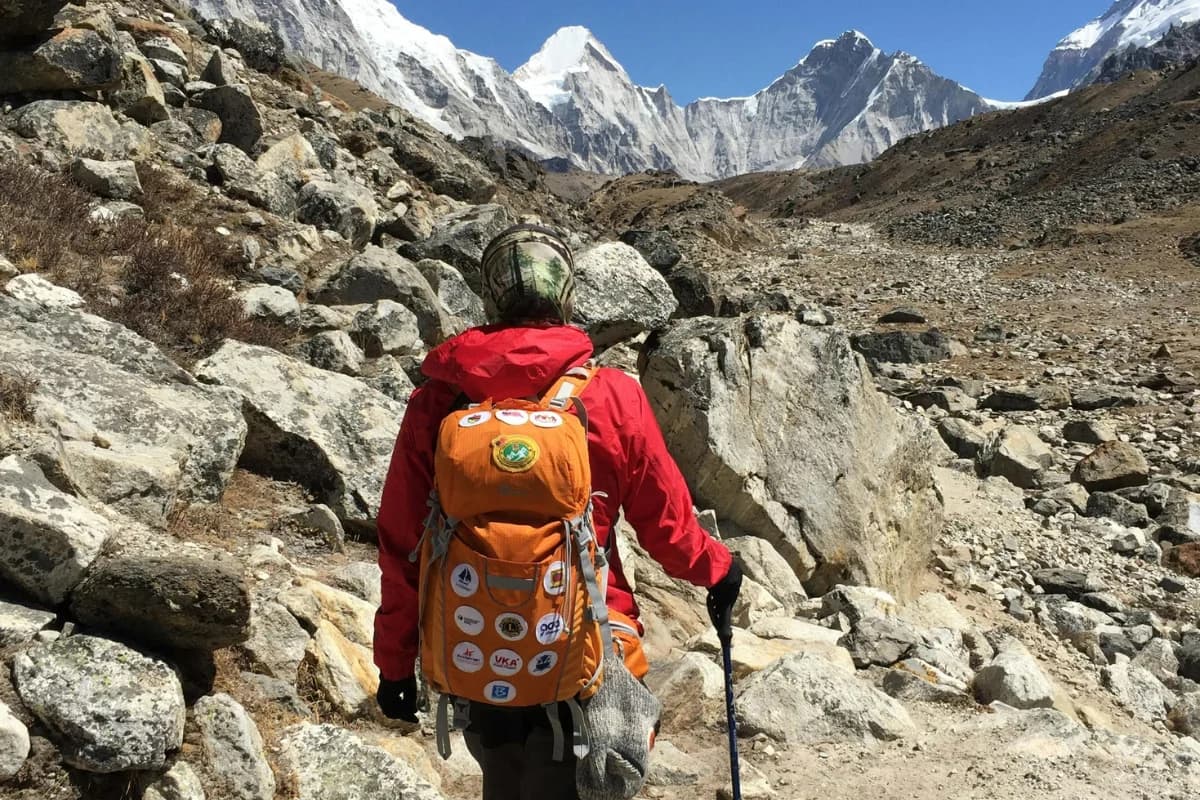
High altitude trekking in Annapurna region of Nepal
Altitudes considered to be extreme begin at the level of 5,500 metres, where trekkers spend very little time on their way to such passes as Thorong La and Larkya La. The classification of the trek will define the degree of seriousness of both training and acclimatization.
Why Altitude Makes Trekking Harder
Low oxygen content in the atmosphere makes your body work harder to deliver an equal amount of physical work which is done effortlessly at sea level. You become tired quickly, have a much higher pulse rate on flat terrains, and take time to recover from one day to another.
Performance decreases even in very fit trekkers since the limiting factor here is the delivery of oxygen to muscle fibers, not physical strength or cardiac capacity. That’s precisely why altitude-specific training is more important than overall fitness.
Common High-Altitude Treks
Some of the most famous treks in Nepal that require trekking to very high altitude include the Everest Base Camp Trek, Annapurna Base Camp Trek, Manaslu Circuit Trek, and Langtang Valley Trek. Beyond the Himalayas, some of the best known high-altitude expeditions are Mount Kilimanjaro and the Inca Trail.
Each one of these trips requires a somewhat different combination of endurance, strength, and altitude acclimatization. However, the basic principles of training discussed in this guide are applicable to all of them.
How Fit Do You Need to Be?
This is what every novice trekker will ask, and the truth is that you have to be much more fit than you think you are. Irrespective of how difficult the trail itself might be, there is another factor called altitude which makes the body work much harder.
Fitness Benchmarks
Ask yourself a few questions before you commit to any trekking expedition up in the mountains. Can you walk 15 to 20 kilometers in a day and still not feel any pain the following morning?
Can you ascend stairs for 45 to 60 minutes straight? Can you walk at a steady speed with a 10 to 12 kilograms heavy bag for six to eight hours each day for days to come?
This is the level you should be having if you can answer all of the above questions affirmatively. Even if you cannot do these now, it does not mean that you will not get there through your training.
Self-Assessment Checklist
Review this short checklist before finalizing your training schedule.
Able to walk 8 to 10 km without becoming excessively tired
Some familiarity with hills or stairs walking
No unresolved health problems which may impair walking capacity
Able to participate in regular training for at least 8 weeks
Access to hills, stairs, or treadmill for hill walking training
If you lack two or more of these factors, start your training sooner rather than later.
How Altitude Affects Your Body
Knowing how altitude actually affects your body allows you to better understand everything else about this training program. This becomes an abstract idea no longer after you experience its effects yourself.
Oxygen Levels at Higher Elevations
As your elevation rises, air pressure falls, meaning that the amount of oxygen per breath is lower than the same amount of breaths at sea level. To make up for this problem, your body tries to breathe faster and make your heart beat faster, processes that use up energy.
This is the reason why even a small hill at an elevation of 3,500 meters will make you gasp for air, while a similar hill at sea level will not affect you the same way. It is a natural body reaction and not a problem.
Symptoms You May Experience
Such symptoms are extremely common and are experienced by the body as it becomes accustomed to the new altitude; some of the common ones include headache, fatigue, loss of appetite, difficulty sleeping and difficulty breathing during exertion.
Individually, none of these symptoms should make you worry. However, they definitely should be watched carefully as you climb higher. Persistent symptoms or worsening symptoms are a completely different story.
Acute Mountain Sickness (AMS)
The condition is known to arise when one moves up faster than their body adapts to lower levels of oxygen. Altitude sickness can strike a trekker irrespective of their age or how fit they are. The main factor causing this is simply moving up too fast.
The symptoms may include headache and nausea for minor ones, while for the more serious cases include confusion, lack of coordination and very difficult breathing. There are just some simple preventive measures that can be done like slow ascent, hydration, proper food intake despite loss of appetite, and immediate descent if the symptoms become worse.
When Should You Start Training?
Your timing when it comes to getting ready is just as important as the training itself. If you get started too late, then your body will not be properly prepared, but if you start too soon, then you may injure yourself.
12 Weeks Before
This is your foundation stage where you build the basic level of cardiovascular fitness and make your body accustomed to the workout routine. You will have three to four cardiovascular sessions in a week along with the light strength training without any backpack exercises.

Cardio training you can do to prepare for a trek
8 Weeks Before
Intense and specific activities are introduced during this phase by incorporating hiking specific exercises, stair climbing, as well as your first backpacking with little load. Long hikes on weekends become an integral part of your weekly routine.
4 Weeks Before
This is the time when you will be training at peak intensity with the longest hiking, carrying the heaviest backpack, climbing the steepest stairs, and when back to back hiking will actually start helping you develop hiking-specific stamina.
Final Week
It’s a taper week, not an end spurt. Cut back on training, get lots of sleep, sort out your equipment, and get yourself to the trailhead well-rested, not exhausted from last-minute overtraining.
Physical Training for a High-Altitude Trek
Herein lies the heart of your preparation, and it can be divided into several distinct yet interconnected categories.
Cardiovascular Endurance
It is the most important part of your training for trekking at high altitudes, since it determines how effectively your body uses oxygen when there is only little of it. Good cardiovascular condition on ground level does not mean that altitude will have no effect on you, but it does greatly lessen it.
The most suitable cardiovascular exercises for trekking are those that simulate steady effort over long durations at moderate intensity levels. These include activities such as hiking, walking up an inclined treadmill, stair climbing, jogging, bicycling, swimming, and rowing.
Three to five sessions weekly is recommended, starting with 30-45 minutes at the beginning of the block and progressing to 90 minutes or more towards the end. Your workouts will need to consist largely of Zone 2 activity, which refers to the effort level that you can maintain while still having the ability to talk without panting, about 60-70% of your max heart rate.
Strength Training
Strength training will help protect your joints and support your body as you ascend and descend thousands of meters throughout the journey, and this should be taken seriously rather than just being an additional activity. Your lower body strength should be prioritized because the legs carry almost all the load from trekking.
The squat, walking lunge, Bulgarian split squat, step-up, deadlift, and calf raise all help to develop the necessary strength required during climbs and descents. Plank exercises such as the plank, side plank, Russian twist, and hanging leg raise all contribute to balance and endurance.
However, exercises such as rows, push ups, and shoulder presses are often ignored, which is quite important to take into account because of the use of trekking poles and a full pack during your hike. Both require significant stamina from your upper body throughout the hike, which is noticeable in sore shoulders and upper back after 3-4 days of hiking.
Train for strength training two to three times per week on non-consecutive days, giving your muscles rest in between.
Hiking-Specific Training
Being fit in general won’t get you very far, and this is the reason why training specifically for hiking becomes crucial in the weeks leading up to your departure. Make sure that you train using your backpack, trekking poles, and shoes.
Always look for uneven ground rather than remaining solely on level pavement. In the case of descents, extra time should be devoted to training, as descents take a heavy toll on your knees which is not experienced in level walking.
Stair Climbing Workouts
Using the stairs is another efficient way to experience the effects of mountain hiking, as it provides both cardiovascular benefits as well as mimics the movement patterns used when hiking on a mountain. A typical training session can consist of either 30-45 minutes of stair climbing with a light backpack or five-minute intervals done six to eight times.

Stair climbing workout for trek preparation
Progression should take the easy route of gradually increasing time, then adding weight on to the pack, and then finally increasing your speed or decreasing your break time. Doing your progression too quickly is one of the most common reasons for injury among trekkers.
Backpack Training
Weight training with a pack is mandatory for treks, but this is usually the most ignored part of the entire preparation process. Initially use an empty backpack or a weight of about 5 kg through adding water bottles or books in it.
Gradually increase the load till you have achieved the weight of 10-12 kg in four-six weeks, adding not more than one-two kg in a week. The best way to train would be to use trails, but stairs or a treadmill can be used too.
Flexibility & Mobility
However, flexibility exercises are easily ignored and highly significant exercises to include, especially hip and hamstrings, which will assist in the repetitive action of long days on hills. Ankle mobility should be targeted specifically as well, as it lowers the chance of twisting an ankle from unstable terrain on the trails.
Using the foam roller after more intense workouts is useful to control muscle tightness before it starts becoming a limiting factor. Including recovery sessions rather than using stretching randomly will have a tangible effect towards the end of a training cycle.
Building Trekking Endurance
General fitness, endurance, and trekking endurance are all completely separate things and realizing this is crucial for knowing how to train. Fitness is your general physical ability; endurance is your capacity to sustain effort over time; trekking endurance is your capacity to sustain moderate effort over several consecutive days carrying weight.
Cardiozone 2, which is the cardio training described above at moderate intensity, creates the aerobic base, which is essential for trekking endurance. Slow-paced hiking sessions that should take around four to six hours help train the body to cope with effort over such periods of time.
Consecutive hiking days must also be mentioned in this context because they are among the least-utilized training methods around. There is no way to get ready for day five in a hike except to train yourself for day two, not just day one.
Mental Preparation for High-Altitude Trekking
Although physical fitness is usually the key focus, it is the state of mind that truly decides whether one enjoys or even completes their trekking adventure.
Managing Discomfort
Cold, rain, snow, and exhaustion are just some of the things you should be ready for in your high altitude trekking, and knowing that ahead of time will make a difference in how you perceive these natural conditions while trekking. Trekkers that expect to feel comfortable at all times have a harder time dealing with the challenge.
Building Mental Resilience
Thinking about and visualizing the challenging situations, such as the climb up the mountain or the weather that is wet and rainy, actually makes the reality of going through those experiences less shocking. Positive self-talk, where exhaustion is seen as progress and not failure, along with goal-setting helps to develop mental toughness.
Chunking of the trail by dividing the long day into smaller pieces such as the next teahouse or the next ridge rather than the whole distance is probably the easiest and most powerful mental strategy that trekkers employ on their toughest days.
Dealing With Fear
Steep terrain, height exposure, rapid changes in weather, and fatigue are all factors that could induce fear during a hike, and this is entirely natural. Experiencing these conditions prior to your hike through training in different conditions, rather than always under ideal weather conditions, helps to familiarize you with them.
Trekking With the Right Mindset
It is patience, persistence, and respect for how altitude affects even the strongest trekkers that distinguish between those who enjoy an excellent trekking experience and those who make things difficult for themselves. The best trekkers are not the fittest individuals in the group, but those who were prudent enough to respect the mountain.
Nutrition for Trek Training
Your nutrition during the training block period influences the adaptation and recovery of your body and is therefore just as important as the workout itself.
Protein
For those who have tough exercise schedules, they should consume between 1.2 to 1.6 grams of proteins per kg of body weight to facilitate muscle repair. This can be achieved through foods such as lean meat, eggs, legumes, and dairy.
Carbohydrates
Carbohydrates form your major energy source during the training period and also when trekking. It is important to note that complex carbohydrates such as rice, oats, and whole grains can form part of your daily food intake, whereas simple carbohydrates are important for long training hikes and the actual trek.
Healthy Fats
These healthy fats, which can be consumed from foods such as nuts, olive oil, and avocados, give you energy throughout long days on your feet. This is especially important in cases where you are doing training hikes that last for several hours.

Healthy avocado toast you can have for healthy fats
Hydration
Target an intake of between 2.5 and 3.5 liters of water on training days, and more on long hiking days or when the weather is extremely hot. Dehydration intensifies fatigue and makes it very difficult to differentiate altitude symptoms from fatigue.
Electrolytes
The losses of sodium, potassium, and magnesium due to sweating accumulate fast when training for hiking and are even more important to be replaced than many hikers think. Electrolyte tablets or drinks will help to do that easily and effectively before feeling any signs of cramps or fatigue.
In terms of general nutrition habits, the consumption of meals high in carbohydrates and proteins about two to three hours prior to training, high-carb foods during sessions that last more than 90 minutes, and high protein and carb foods one hour post-training ensures continual adaptation.
Acclimatization Strategies
Being physically fit alone is not going to help you avoid altitude sickness, which is precisely why acclimatization needs its own individual attention.
Why Acclimatization Matters
It takes time for your body to adapt to lower oxygen, and there is nothing you can do through cardiovascular exercise to accelerate the process. Very fit trekkers who go up at a faster rate than normal will suffer equally from altitude sickness.
Golden Rules
Gain altitude during the day and descend for sleep whenever it is possible to a lower level. Plan proper rest days in your program when they are required and do not go up by more than 300 meters to 500 meters sleeping elevation per day over 3,000 meters.
Tips to Reduce Altitude Sickness Risk
It is important that you stay adequately hydrated; abstain from alcohol at high altitudes because it tends to increase the chances of dehydration, and you must resist the temptation of going ahead of schedule despite feeling very good. Adequate sleep and proper nutrition are also extremely important since they will impact altitude adaptation.
Recovery Is Part of Training
Recovery is not an omission of training; it is a process included in it, and ignoring it will jeopardize your entire preparation.
Sleep
Having between seven and nine hours of sleep each night during the period of intensive training is essential for both physiological and psychological adaptability. Sleep is definitely the most underrated weapon of a trekker’s preparation arsenal.
Stretching
If you want to get ready for a workout session, it’s always better to go with dynamic stretching, while static stretching is better used after a workout to help with the management of muscle stiffness.
Active Recovery
A little walk, light swimming or yoga on rest days ensure that your blood will be circulating in the muscles that need recovery, which makes the recovery process faster than when there are no activities at all.
Rest Days
It’s essential to include one or two rest days during weeks of intense workouts in order to avoid the accumulation of fatigue, which can result in injuries or overtraining.
Common Training Mistakes to Avoid
Not doing cardio and opting only for strength training is one of the biggest mistakes because cardiovascular fitness becomes more important than strength while climbing. Working out every day and forgetting about rest is another reason why people fail; they simply become tired before the day of their climb.
Training only in the gym and not actually hiking is another mistake that can make the difference between your training fitness and hiking fitness. Not training with a backpack until the last few weeks is another big mistake.
It is unlikely that altitude simulation or altitude-specific training would provide enough time for proper adaptation when used late in the preparation process. Bad nutrition during the entire training process is one of the reasons why recovery and physical results will not occur.

Trekkers enjoying the beauty of the mountain
The same can be said about overtraining with no proper rest, which is a mistake made by many professional athletes. Buying new shoes in a hurry and not breaking them in properly is one of the most avoidable factors causing blisters during a hike.
Finally, the complete lack of mental preparation and thinking of a trek as a purely physical challenge leads to problems caused by altitude regardless of physical condition.
8-Week High-Altitude Trek Training Plan
This series will progress you from a base level of fitness to true trek preparedness within eight weeks.
Week | Cardio | Strength | Long Hike | Backpack Weight | Recovery |
1 | 3 sessions, 30 min | 2 sessions | 5 km, flat | 0 to 3 kg | 1 day |
2 | 3 sessions, 35 min | 2 sessions | 8 km, some hills | 3 to 5 kg | 1 day |
3 | 4 sessions, 35 min | 2 to 3 sessions | 10 km, hills | 5 to 6 kg | 1 to 2 days |
4 | 4 sessions, 40 min | 3 sessions | 12 km, elevation gain | 6 to 8 kg | 1 to 2 days |
5 | 4 sessions + 1 stair session | 3 sessions | 14 km, elevation gain | 8 to 9 kg | 1 day |
6 | 4 to 5 sessions | 2 to 3 sessions | 16 to 18 km, back-to-back days | 9 to 10 kg | 1 to 2 days |
7 | 3 to 4 sessions, taper begins | 2 sessions | 18 to 20 km, full pack | 10 to 12 kg | 2 days |
8 | 2 to 3 sessions, short and light | 1 light session | 8 to 10 km, easy pace | 5 kg, light | 3 plus days |
The first four weeks are used for building your base. The next three weeks are focused on reaching your peak level of volume and specificity. The eighth week is all about being well-rested and not fatigued.
Essential Gear for Training
Properly broken-in hiking shoes play an important role, because it may happen that a blister from the first week of hiking will spoil the whole trip. It is better to have a backpack which will fit you well, and it would be nice if it was the one used for trekking.
Using trekking poles regularly during training will train your body on how to do the technique even before it is needed when climbing steep inclines. Clothing that wicks away moisture ensures that training is always comfortable.
Having a hydration bladder or a water bottle will help instill the practice of drinking at regular intervals throughout your workout. It helps to have a fitness tracker or a heart rate monitor because they provide proof that you are training at the correct intensity.
Signs You're Ready for Your Trek
Before you take off for your trip, do yourself an honest check against this list.
Able to walk 20 kilometers without a problem in a single day
Able to carry 10 kilograms without too much effort
Recovers well during the night and ready to go the following morning
Done two consecutive hiking days without becoming overly tired
Keeps up a constant pace while climbing up hills
Comfortable climbing stairs or elevations
If you have met most, if not all, of the above, then that is a clear indication that you have done your homework for the trek.
Conclusion
High altitude training essentially boils down to a few key principles practiced throughout 8 to 12 weeks. This includes cardiovascular training and strengthening; practicing carrying the weight and equipment that will be carried; and taking mental preparation seriously as much as physical preparation.
Make sure acclimatization is prioritized when on the mountain and that recovery becomes a significant component of the training process. The point is not just arriving at the summit in good shape, but preparing to the best of your ability in any way possible.
Structured and focused preparation is what takes a difficult hike at high altitudes and makes it a safe one. Start preparing early and make sure training is done with focus and intention; the mountain will greet you far differently than those who do not prepare.
Planning for an adventurous holiday in 2026? Send us a message on WhatsApp at +977-9851042334 and get a personalized tour that matches your physical abilities and travel dates. We take care of everything from the permits to guides and logistics, so you have nothing to worry about except for training.