The Langtang Valley Trek is one of Nepal's best teahouse treks‚ just 60 km north of Kathmandu․ The trail from Syabrubesi to Kyanjin Gompa‚ at 3‚870 meters‚ features rhododendron forests and Tamang villages․
There are pros and cons to trekking in the Langtang Valley at various times of year․ Read more about planning your Langtang Valley Trek itinerary here․
The best time for Langtang Valley trek is during Spring (March-May) and fall (September-November)‚ when weather and trail conditions are optimal․ Other seasons to visit include winter (December-February)‚ when you can enjoy snowy conditions and smaller crowds‚ and the monsoon season (June-August)‚ when landslides and rain are common․
Learn more about trekking in the Langtang Valley each month of the year‚ including temperatures‚ to help you pick your visit dates․
Langtang Valley Trek in Spring (March-May)
Spring is the best time to visit Langtang Valley Trek area because of the mild weather and long days․ Less snow and colder weather make spring a better time to visit the Langtang Valley․
Nepal's national flower‚ the rhododendron‚ blooms in red‚ pink‚ and white varieties around Syabrubesi and Lama Hotel from late March through April․
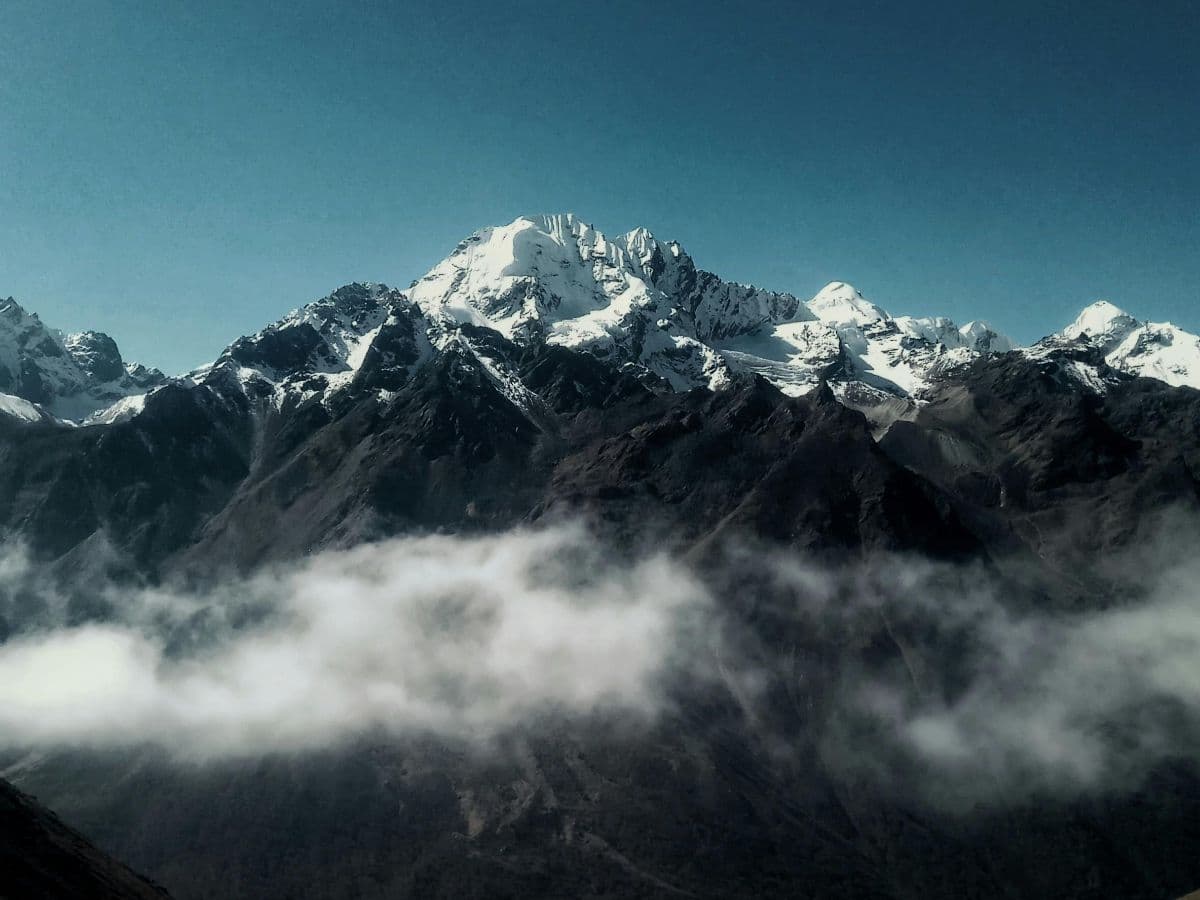
You can see Langtang Lirung‚ Langtang II‚ and Ganesh Himal on clear spring mornings․ Spring precipitation is low‚ and most trails and teahouses in the region are open․

Clear view of mountains from Langtang Valley
Temperatures: High temperatures at Kyanjin Gompa range from 8 °C in March to 14 °C in May․ Low temperatures at Kyanjin Gompa range from -5 °C to 3 °C․
Views: Sunrise views from Kyanjin Ri and Tserko Ri are good․ Views of trees next to snowy mountains are good photographic opportunities․
Culture: Local people of Langtang celebrate holidays such as Holi in March and Buddha Jayanti in April or May․
Wildlife: Birds and langurs‚ as well as Himalayan tahr‚ are common in and around Langtang National Park․
Expect: Snow in March‚ cloudy and rainy conditions in the afternoon in late May‚ and busy teahouses in April․
Langtang Valley Trek in Autumn (September to November)
Autumn is the best time to go trekking in Langtang Valley․ The best month to trek Langtang Valley is October․
Visibility of Langtang Lirung‚ Ganesh Himal‚ and Kyanjin Ri is very good on clear‚ blue-sky days in autumn because the monsoon dust has been washed away․
There are no leeches or other pests in October and November․ Landslides are less common․ Weather conditions in September and October include daytime dryness and nighttime coolness․ Few trekkers encounter problems or delays․ Consider an autumn trek for the best views․
Temperatures: Average highs of 13°C in September and 12°C in October and 8°C in November․ Average lows drop from 4°C in September to 1°C in October and -5°C in November․
Festivals: Villagers celebrate Dashain and Tihar․ Harvesting activities are part of Tamang culture․
Scenery: The hills are green‚ and rivers and creeks are free of pollution and full of birds․
Crowds: October is the busiest month․ Book flights‚ permits and other lodging in advance․
Watch out for: Mud in September; temperatures of -5 °C or below at night in November․
Langtang Valley Trek in Winter (December-February)
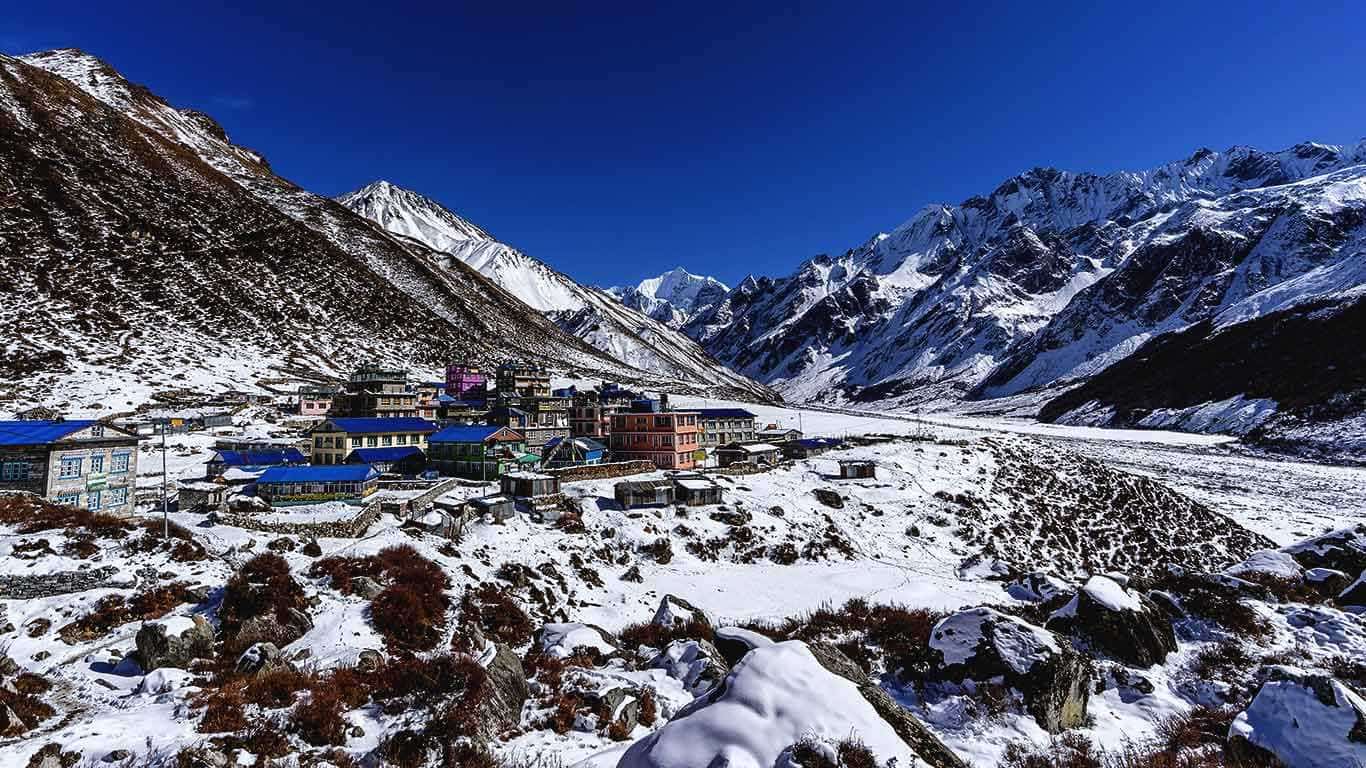
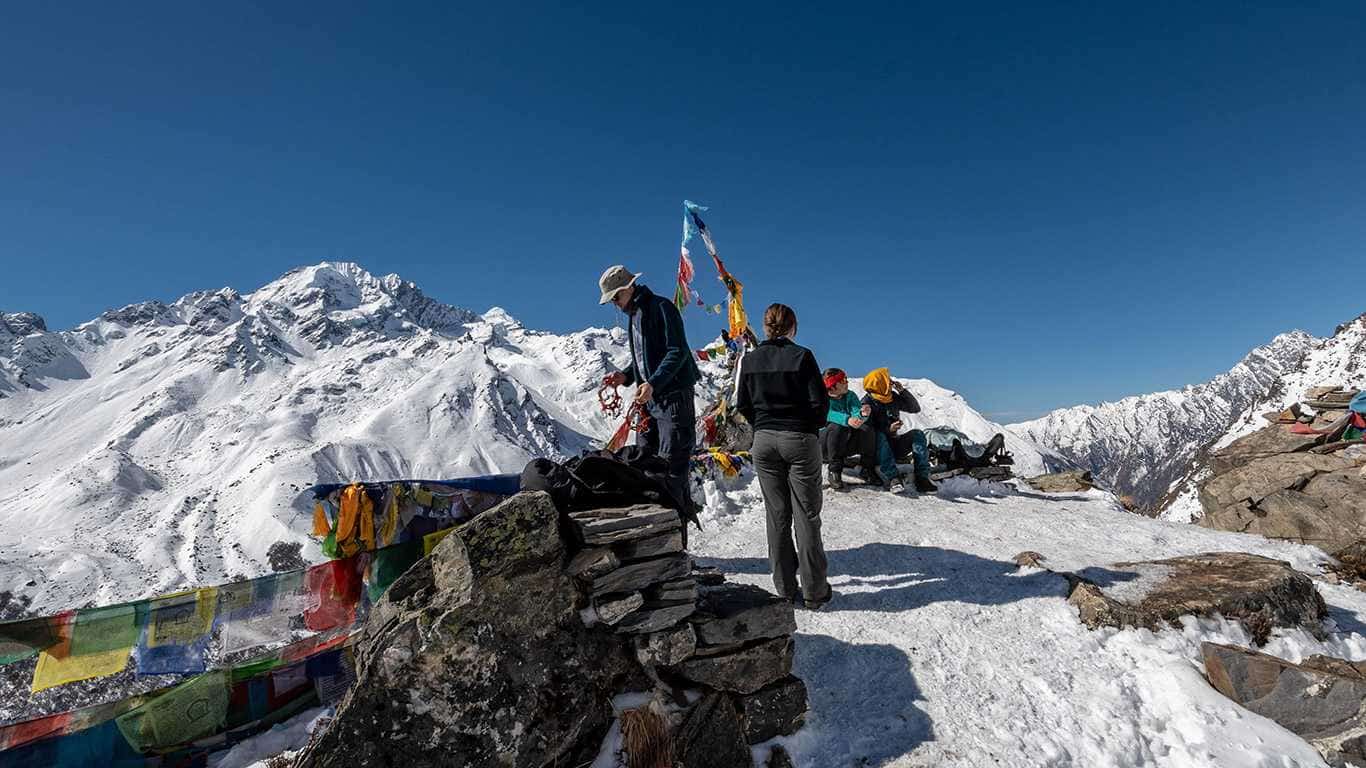
Winter is the off-season for trekking in the area but has advantages‚ such as fewer crowds‚ clean air‚ and snow-covered scenery․
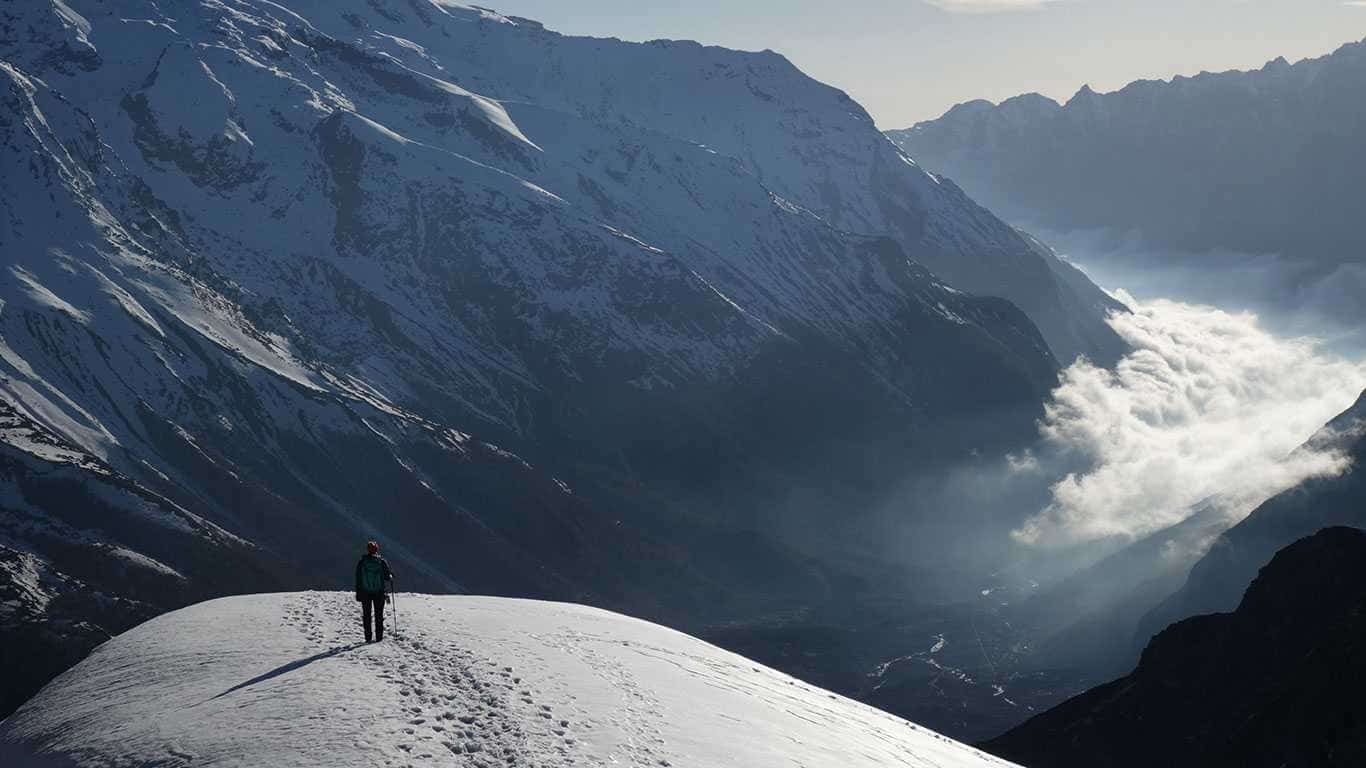
Storms are rare‚ and you can expect clear mornings with blue skies and views of snow-covered mountains․ Fewer people on the trail mean you are likely to have hours or even days without encountering other trekkers and nearly unrestricted views of Langtang Lirung․
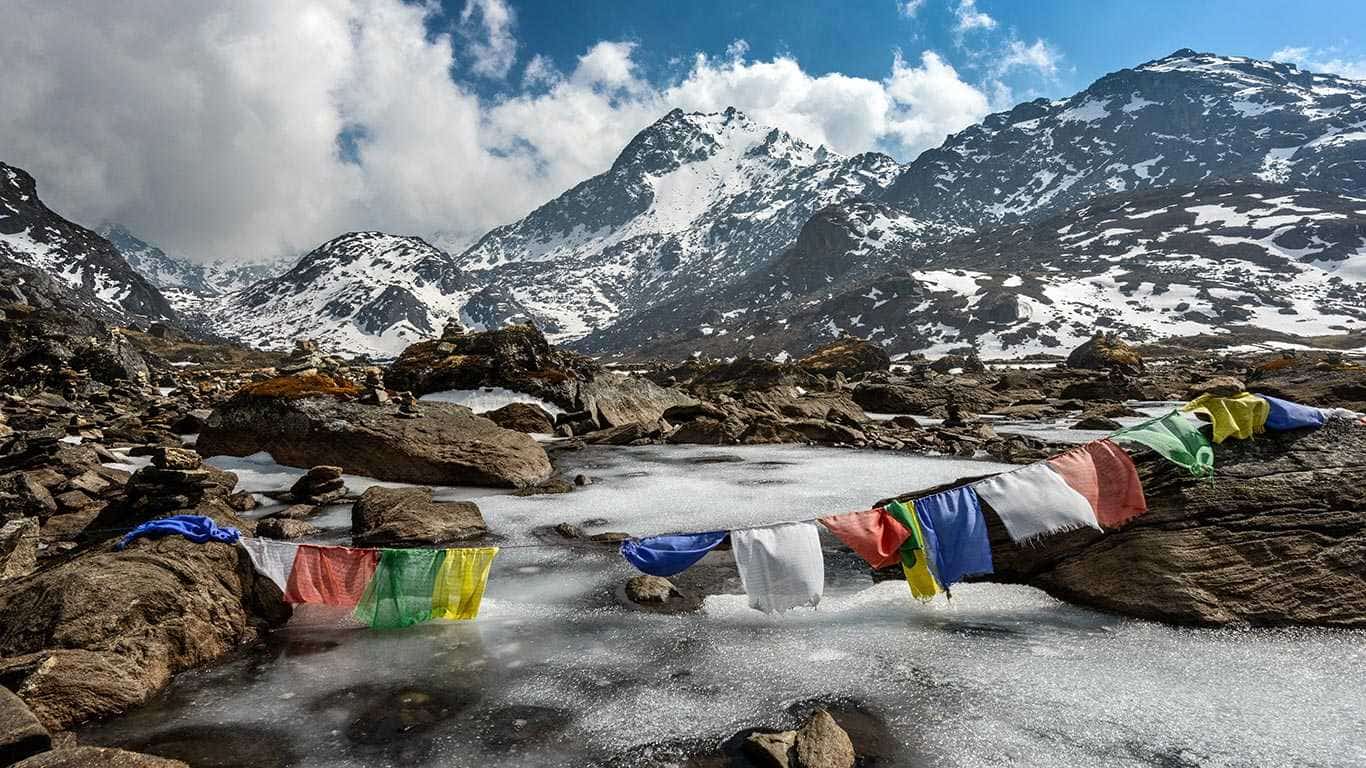
Snow-covered waterfalls and other low-light conditions offer photographic opportunities not available at other times of year․

Landscape of Langtang Valley Trek during winter
Temperatures: High daily temperatures of 3°C-5 °C in Kyanjin Gompa‚ low nighttime temperatures of -12 °C in January‚ -10 °C in February‚ and -8 °C in December․
Culture: Sonam Lhosar‚ a New Year celebration of the Tamang people‚ occurs in January or February․
Lodging: Some teahouses in Langtang are closed․ Consider making lodging arrangements in advance․
Gear: Four-season sleeping bag and jacket‚ insulating and microspike crampons for icy conditions above Ghodatabela․
Primary benefits: Good for experienced hikers who want to avoid crowds․ Beginners should visit in spring or fall instead․
Langtang Valley Trek in Monsoon (June to August)
Monsoon is the off-season for trekking‚ and few people visit․
Advantages of visiting during the monsoon season include dense forest‚ waterfalls on cliffs that are normally dry‚ and other plant and animal species‚ including ferns‚ orchids‚ mushrooms‚ and birds‚ that are less often seen at other times of year․
Advantages also include fewer tourists and teahouse guests and warmer nighttime temperatures․
Temperatures: Daily highs of 13°C-14 °C and lows of 4°C-6 °C in Kyanjin Gompa․
Risks: Trails can be wet and slippery․ Leeches are common along the trail between Syabrubesi and Lama Hotel․ Landslides can block trails and roads․
Observations: Clouds and fog block views of the mountains․
If you travel there: Consider hiring a guide familiar with the area․ Pack rain gear and leech socks‚ waterproof boots‚ and additional time․
Langtang Weather by Month: Temperature Chart
There are lower-elevation villages along the trek route‚ such as Syabrubesi and Lama Hotel‚ where it is warmer․ These temperatures can be used as a general guide․
Month | Highest (Day) | Lowest (Night) | Trail Conditions |
|---|---|---|---|
January | 3°C | -12°C | Icy, very quiet, some lodges closed |
February | 5°C | -10°C | Cold, clear, snow-covered upper trail |
March | 8°C | -5°C | Warming, snow melting, rhododendrons begin |
April | 12°C | 0°C | Full bloom, clear views, lively villages |
May | 14°C | 3°C | Long days, stable weather, flowers in bloom |
June | 13°C | 4°C | Wet, slippery, leeches |
July | 14°C | 6°C | Mud, landslides, cloud-covered peaks |
August | 14°C | 6°C | Landslide and blockage risk |
September | 13°C | 4°C | Clearing skies, drying trails, some mud |
October | 12°C | 1°C | Dry trails, deep blue skies, busiest month |
November | 8°C | -5°C | Crisp, clear, quieter trails |
December | 5°C | -8°C | Cold, peaceful, sharp views |
Langtang Valley Trek in January
January is the coolest month in Langtang․ Daytime temperatures in Kyanjin Gompa are about 3°C in January‚ and nighttime temperatures are about- 12°C. January weather is mostly sunny‚ providing great views of snow-covered peaks․
There are few other trekkers on the trails in January․ Some high-elevation trails are covered with snow‚ and some lodges may be closed․
January can be a good time to visit Langtang if you are an experienced trekker with winter clothing and don't mind fewer other trekkers․
Langtang Valley Trek in February
February temperatures are cold‚ with highs around 5°C and lows near- 10°C. Upper elevations have snow and fairy-tale views․ Few other hikers are on the trail․
February can be a good month to visit if you enjoy peace and quiet‚ but you'll need to pack warm clothes and extra time to deal with snow․
Langtang Valley Trek in March
March is spring‚ with daytime temperatures around 8°C and nighttime temperatures around- 5°C. Snow melts at lower elevations․
Flowers such as rhododendrons bloom․ Vegetation throughout the region turns green․ Some tourism and hiking begin․ Daytime conditions become more favorable‚ although some snow remains around Kyanjin Gompa․
Langtang Valley Trek in April
April is a good time for Langtang Valley Trek. Daytime temperatures average 12°C‚ while nighttime temperatures average 0°C․ Pink and white rhododendrons flower in villages․
Daylight hours are sunny and warm․ Nighttime hours are cold and mostly clear․ Village life is active‚ providing opportunities to learn about village culture and enjoy views of the mountains․ April is a good time for hiking․
Langtang Valley Trek in May
May has the most daylight․ Average temperatures in May are 14°C during the day and 3°C at night․ Conditions on rivers and in mountain areas are usually favorable in May․
Hiking conditions are very good‚ and both inexperienced and experienced hikers would enjoy visiting in May․ Later in May‚ visitors may encounter afternoon cloud cover and pre-monsoon showers․
Langtang Valley Trek in June
June is the rainy season‚ with daytime temperatures of 13°C and nighttime temperatures of 4°C․ Vegetation in the valley is abundant‚ and waterfalls and rivers are swollen with rain․ Hiking trails are slippery with leeches and other dangers․
Hiking in June is advised only for experienced hikers who are well prepared with appropriate gear to protect themselves from the factors․

Landscape of Langtang Valley Trek during Monsoon
Langtang Valley Trek in July
July has the most rainfall․ Average high and low temperatures in July are 14°C and 6°C‚ respectively․ There are frequent thunderstorms․
Slippery‚ mud-covered trails result from landslides․ Mountain views are often blocked by clouds․ July is not a good time for beginners or visitors without local guides․
Langtang Valley Trek in August
August is the later part of the monsoon season․ Temperatures are similar to those in July․ Hiking is possible but challenging in many areas‚ with some portions of the trail difficult to follow or washed out․ Wear rain gear and waterproof boots․
Check with locals about trail conditions and safety concerns for each leg of your hike․ Views along the trail may be limited․ Conditions may be somewhat better later in August․
Langtang Valley Trek in September
September is the first month of the fall season․ Average high temperatures in September are 13°C‚ and average low temperatures are 4°C․
Less rain and clear skies make September a great time to visit the mountains․ Days are bright‚ and nights are cooler․ Trails dry out somewhat but can still be muddy‚ especially early in the month․ Villages are active‚ and crops are growing well․
Langtang Valley Trek in October
October is the best month to trek the Langtang Valley․ Daytime temperatures are between 12°C and 1°C. Nighttime temperatures are slightly above freezing․
The sky is clear blue‚ and snow-covered peaks are easily visible․ Village residents celebrate the Dashain and Tihar holidays during the tour․ More people trek in October than any other month․ Make travel arrangements ahead of time․
Langtang Trek in November
November is late fall‚ with average highs of 8°C and lows of- 5°C. There is minimal rainfall․ Most days are sunny and pleasant during the day‚ with properly cold nights․

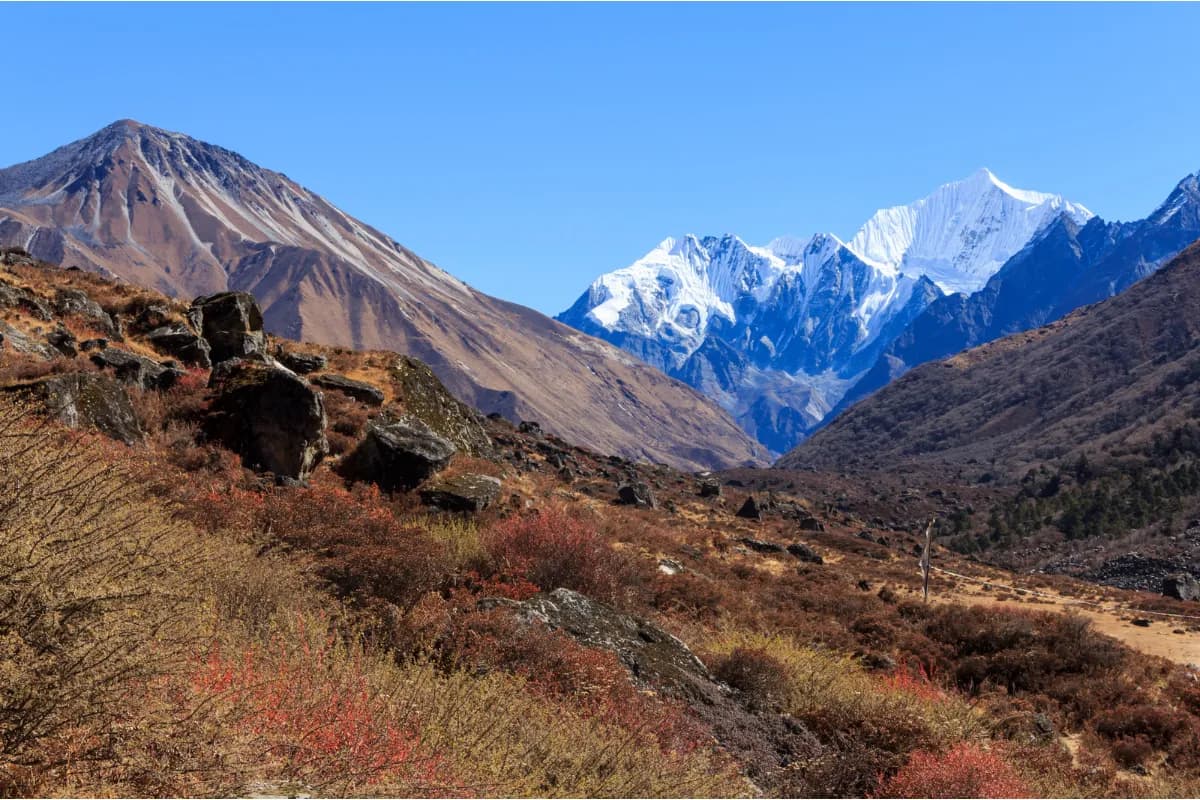
Dry landscape of Langtang Valley Trek
Fewer people use the hiking trails than in October․ Hiking trails are generally safe․ Langtang Trek in November is recommended for visitors who want to enjoy views without as many other visitors․
Langtang Valley Trek in December
December is early winter‚ with average high and low temperatures of 5°C and -8°C‚ respectively․ Snow exists at higher elevations․
Fewer trekkers are in the area‚ and the valleys are quieter․ Scenic views of the mountains are clearer․ Limited daylight hours result from shorter days․ Pack thermal clothing to keep yourself warm.
Which Month Is Right for You?
This chart can help you decide which month will best meet your needs․ Consider the factors that are important to you‚ such as views‚ flowers‚ solitude‚ and warm weather‚ and choose a month from this chart․
If you want... | Choose |
Clearest views and driest trails | October, November |
Rhododendron blooms | March, April |
Warm days and easy walking | April, May |
Fewer crowds with good weather | Late November, May |
Snow, solitude and photography | January, February |
Greenery and waterfalls | June to August (experienced trekkers only) |
Final Thoughts
Langtang Valley Trek is possible throughout the year․ The best months for Langtang Valley Trek are October and November and April and May․ Before undertaking a Langtang Valley trip‚ assess your skills and resources and review the weather forecast․ Allow additional time in your travel plans for delays due to inclement weather․