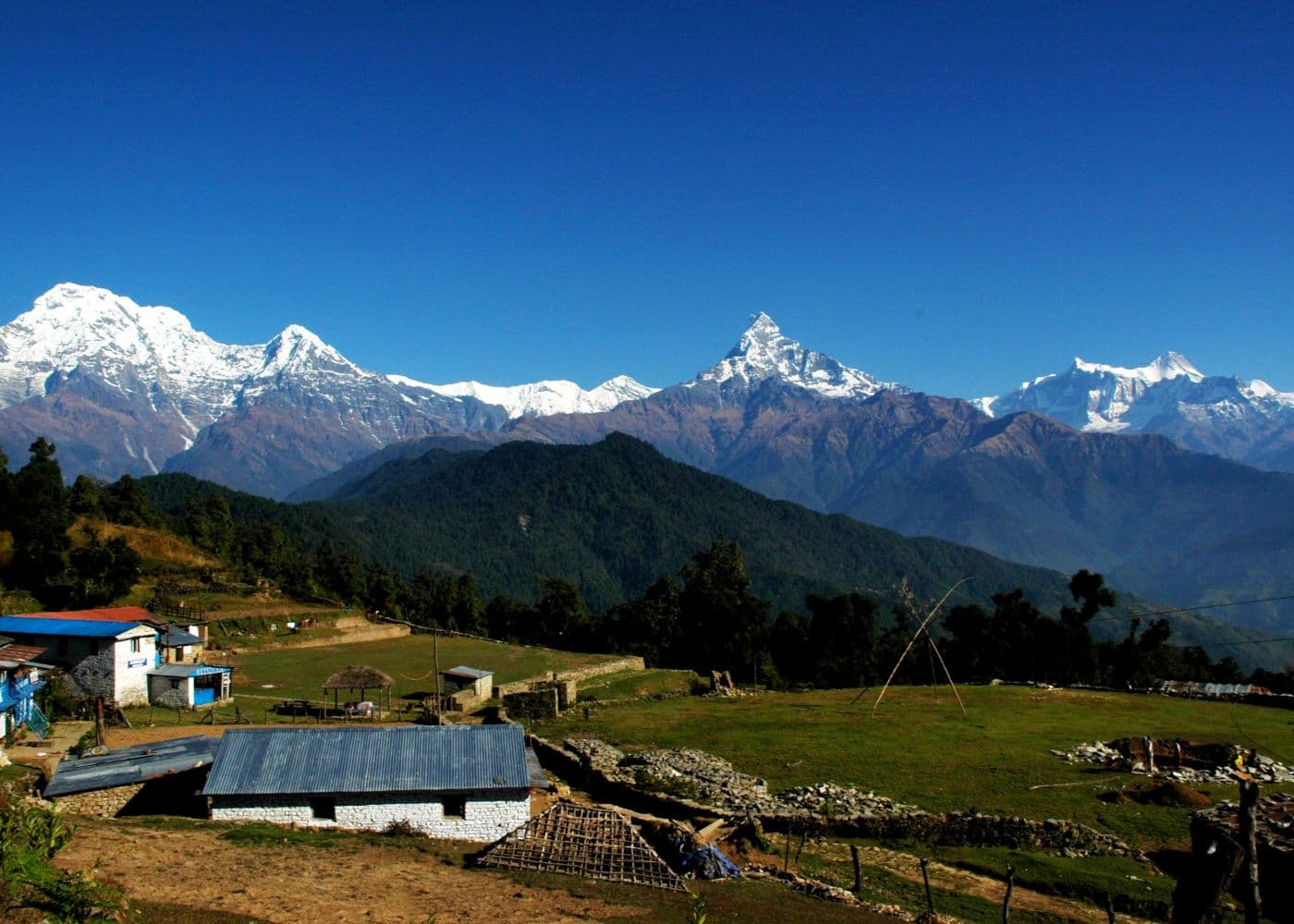
Ever wanted to travel to untamed lands? Here’s a perfect place! Buried in the far reaches of the Annapurna region, northern Nepal, is Nar Phu. It offers the Nepal wilderness and Tibetan culture. This treacherous valley is the northern counterpart of the better-known Annapurna Circuit.
It is abysmally unknown because in the past, it has been difficult to access. Permission to enter it has been difficult to get. It has remained a remote, mysterious corner of the Himalayas. And it officially opened up to foreign trekkers only in 2002.
Nar Phu is geographically located in the rain shadow of the Annapurna and Manaslu ranges. It is close to the Tibetan border, and that is why Nar Phu has a high-altitude desert climate. The valley can only be accessed through steep paths that snake through steep gorges.
You travel over suspension bridges, through high mountains, and along glacier rivers. The journey tests your physical endurance, and a sense of adventure is required. Few areas of Nepal can produce such an acute geological contrast. Mighty mountains of more than 7,000 meters rise above ochre cliffs, windy plains, and fortress towns of stone.
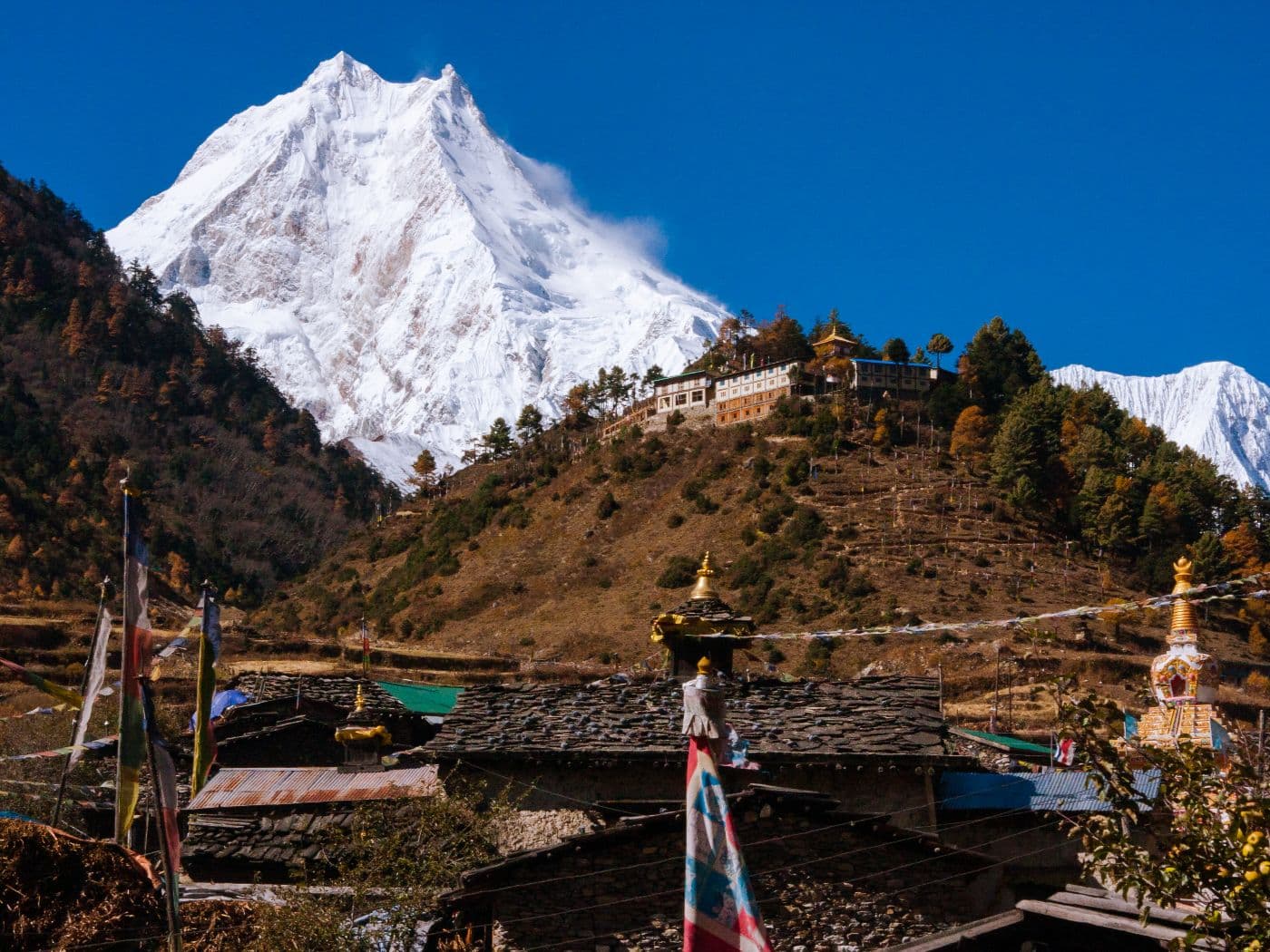
Culturally, Nar Phu is a living museum of Tibetan Buddhist culture. Each village is decorated with chortens, mani walls, and ancient monasteries. They add to the centuries of spiritual practice.
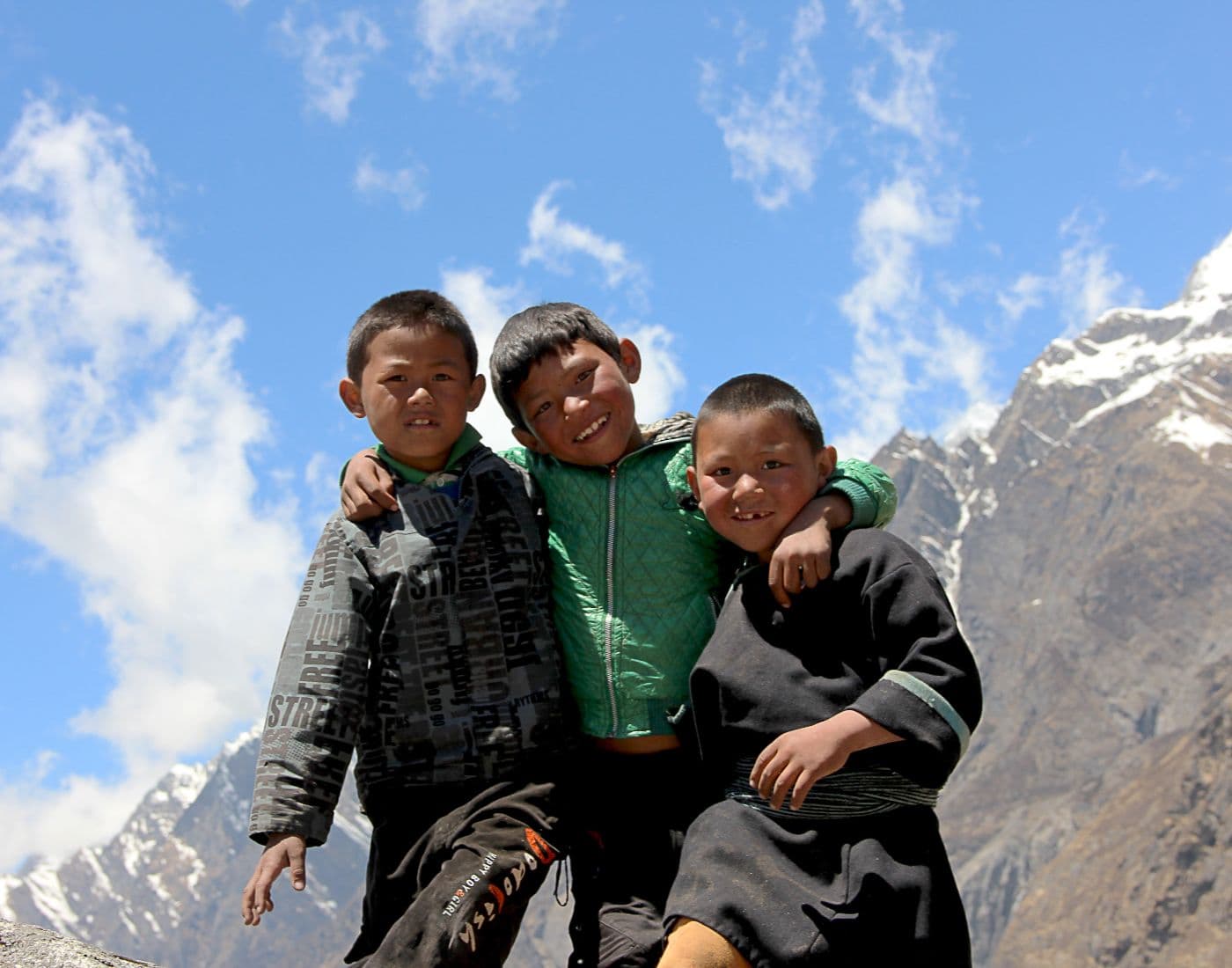
Nar and Phu are the two settlements located in the valley. Both are inhabited by ethnic Tibetan people. Their way of life remained virtually the same since the first human inhabitant of the valley.
Remote Wonder of Nar Phu
These remote communities survive on yak herding, barley, and potato production. They make clothes from wool. The transmission of oral culture is based on non-Buddhist, non-Bon beliefs and practices.

Nar Phu is not an ordinary trekking destination. It's not only because of its remoteness. It is also a different destination that provides the feeling of genuineness that a traveler is always willing to experience.
Trekkers never simply view culture at a distance. They step into the courtyards of villages dating back to the Middle Ages. They are invited into houses made of stone to have yak butter tea.
And they observe monks performing religious ceremonies in monasteries in stone cliffs. This raw, firsthand experience of a way of life makes the Nar Phu walk a unique adventure that very few Himalayan treks achieved.
The scenery of Nar Phu is pristine. It is almost like it was taken out of time long ago- people, the way they live, and their landscape. It has managed to keep a certain level of spiritual stillness.
It is nearly impossible to find in any other trekking region in Nepal like this. The low infrastructure, limited sources of electricity, and the absence of mass tourism. Even the air seems sanctified here. Though in a region to which nature and culture had vowed mutual protection.
More than a trekking Destination: Nar Phu
On the trekking side, Nar Phu is not a place for everyone. It takes more effort, logistical planning, and strength than some of the other options. However, to people who want more than mountain peaks.
Those who are after cultural richness, spiritual quietude, and authentic human association. The valley lets you in as a kind of secret. That is what makes it a poetic and appropriate phrase to term it a “lost world” in the midst of Annapurna.

Despite its difficulties, Nar Phu Valley can be seen as a place that allows its visitors to discover what seems so insufficient in the modern age. It is not an ornament or a diversion of a traditional journey.
It is a goal in itself that is rich in narratives, silence, and religious allusion. In an era of every place being charted and quantified, Nar Phu is blissfully unquantified and unfamiliar.
Where exactly is Nar Phu Valley?
Nar Phu Valley is a remote destination in the northwestern Himalayas of Nepal. Nestled in the northern periphery of the Annapurna Conservation Area of Manang District. It is geographically in a trans-Himalayan region. It sits between the famous Annapurna Circuit route and Nepal and Tibet border.
It's isolated location in the rain shadow of the Annapurna and Dhaulagiri ranges. And it makes a stark high-altitude environment. As opposed to the tropical forests of lower Manang or the Annapurna Base Camp area.
The village of Koto is the entry point to Nar Phu Valley. It is located right after Chame, the district headquarters in Manang. Also, it is a major stop on the Annapurna Circuit.

At Koto, the trekkers leave the standard route and take off to the north east. It takes trekkers into a realm of steep gorges, pine forest, and then rises to the high altitude desert.
This secret tunnel opens up to the ancient towns of Meta, Kyang, Phu, and Nar. They hang high, on a spot that is more than 4,000 meters above sea level. And are surrounded by untouched and wind-blown alpine vistas.
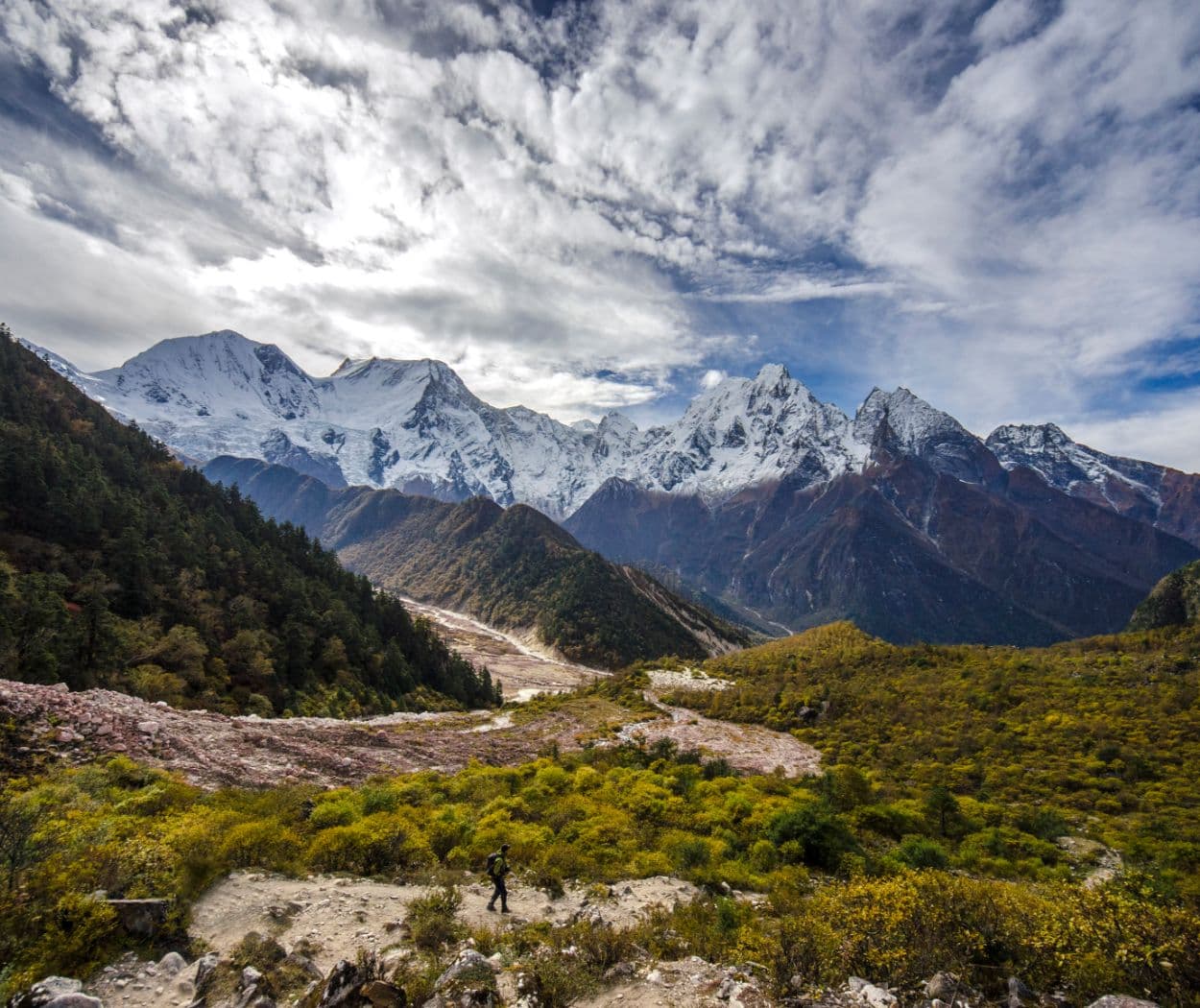
The valley is surrounded by majestic mountains such as Kang Guru and Himlung Himal (7,126m). Sections of the Damodar Himal range give views of the sceneries of the Himalayas in almost every direction. Though technically located in Annapurna, Nar Phu is much less visited.
It is regarded as a restricted area that needs a special permit and a licensed guide. This physical isolation, compounded by its geographical detour, served it well. It remained an exclusive culture and wilderness for over a millennium.
Reaching Nar Phu
The Nar Phu valley is part of the Manang District in the Gandaki Province. But it is many years behind the modern villages in lower Manang. The distance and little development play a huge part. Nar Phu is associated with Tibet in linguistic, ethnic, and cultural ways.

It lies only a few ridges over, and a large proportion of villages. It continues to engage in seasonal trading across the informal Himalayan trade routes. These transboundary connections are reminders of how the valley is not only a region of Nepal. It is an extension of the wider Tibetan plateau culture.
This route of Nar Phu Valley can be either a separate trek or a cultural and scenic extension of the Annapurna Circuit. It is combined by passing over the high altitude Kang La Pass (5,320m) between Nar and Ngawal.
Here, trekkers meet up with the main Annapurna trail and can either go west towards Thorong La Pass or east towards Besishahar. The route to Nar Phu is utterly unbelievable in its silence. It only sees a small number of trekkers trekking through its desolate and religious land each year, in spite of its close location to Annapurna.
In the end, Nar Phu is geographically situated like a natural fortress. It comes with the advantage of topography and aspect, opening travelers to a wild Himalayan edge. This adds to its appeal. It remains relatively unknown on mainstream walking maps.
Nar Phu is not somewhere you will accidentally come across. It is a place you go looking for. The desire to achieve a secret. High-mountain valley trapped between the worlds is the same desire. It starts a journey of change.
The Nar and Phu Villages – Life in Isolation
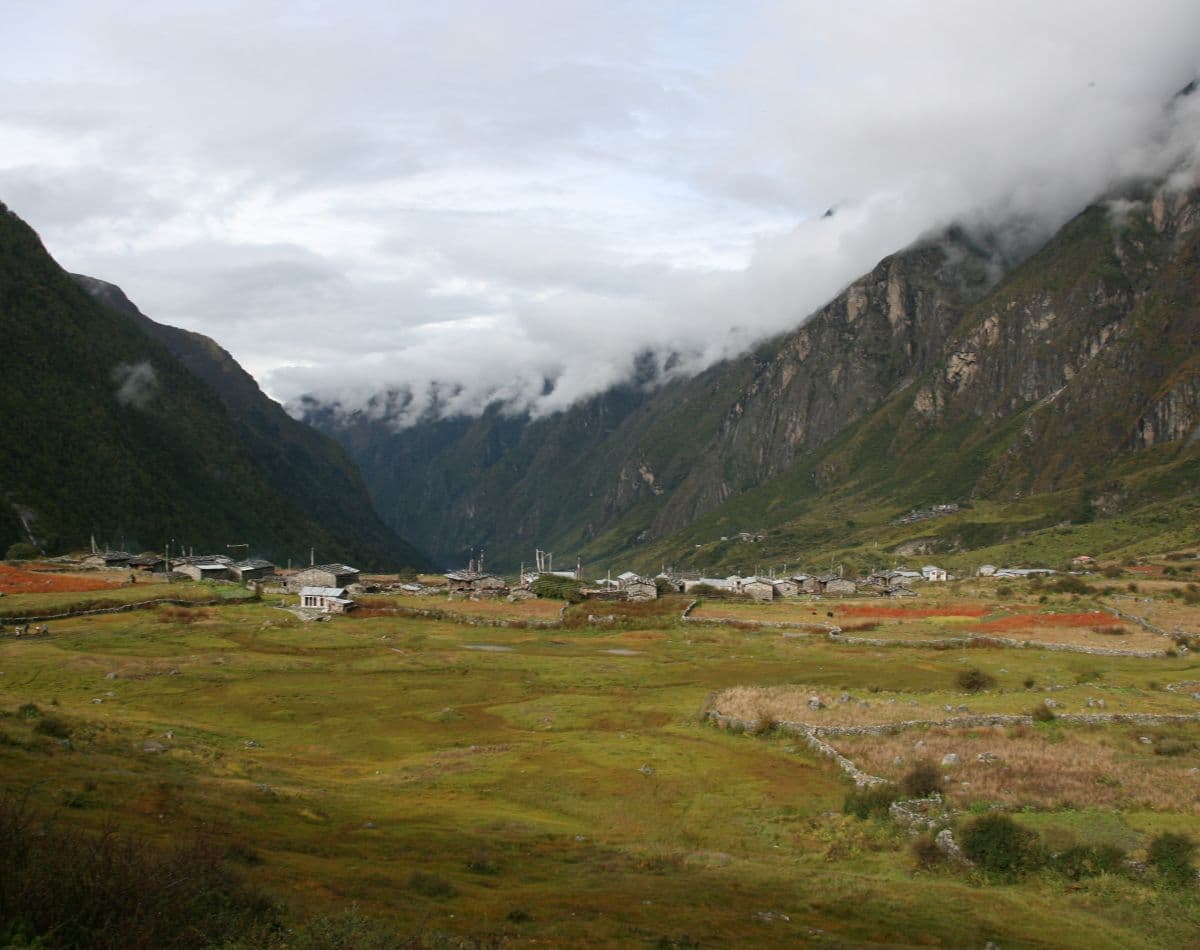
The villages of Nar and Phu are some of the least-visited ever-inhabited settlements. It is located above 4,000 m in the Nepal Himalayas. The two communities of the highlands actually belong to two different arms of the Nar Phu Valley.
 Travelers here find desolate mountains, rocky cliffs, and snow-encrusted peaks. They have long kept out the outside influence. Their physical remoteness has also allowed them to maintain a traditional lifestyle. It has been largely untouched by the rapid pace of modernization.
Phu is a small village deep inside mountainous cliffs and a plateau eroded by the wind. The locals live in stone homes. Old monasteries such as Tashi Lhakhang Gompa can be found, and the locals are rooted in the past.
The way of life of residents is based on herding yak and growing barley. Trading seasonally, that is why it has the same economic rhythms as its predecessors. The world around them is dry and barren. But the inhabitants of the Phu have learnt to be very resilient. They are spiritually satisfied in all walks of life. It frames their normal day-to-day activities.
Some valleys to the south are Nar, a bit more accessible, but not culturally rich. The animals raised by the Nar village inhabitants are subsistence farmers. They are informed by monastic time and festivals (Tibetan worldview).
Religion
There are colorful prayer flags that fly over houses. Villagers congregate at the local gompa not just to engage in religious activities. But they also make decisions, they learn, and celebrate community events.
Nar and Phu are castellated settlements.

Originally, it was built to withstand strong winds and raiders across the border on the Tibetan plateau. The houses are crowded. And the local people use the flat rooftops to dry out their crops.
They store gathered firewood or congregate during ritual gatherings. Such architecture is a natively inspired measure to cope with the harsh environment. It embraces functionality and the high regard for its spiritual values.
The people are Tibetan speakers of a local dialect. They dressed in chuba (woolen robes) and were Lamaist Buddhists. They follow with a good deal of animism, under monks or nuns of their own persuasion.
Seasonal festivals like Lhosar (Tibetan New Year) and Yartung offer a deeper connection. They keep their masked dances, spiritual offerings, and feasts. signifying the relationship between people, gods, and highland terrestrials. These ceremonies are not staged to please tourists. They are a statement of identity, continuation, and sacred attachment to a landscape.
Rich Culture
Visitors to Nar or Phu tend to describe it as the feeling of being dropped into a living time capsule. The present moment is colored by centuries of accumulated wisdom and uninterrupted tradition.
There are very few roads with a minimal power supply.

Most have no cell service, and only basic teahouses aimed at small numbers of tourists. But the very feature of this simplicity. This untrammeled, mountain way of life makes the most lasting appeal to those who visit it.
In a rapidly growing, globalized world, it strips people of their cultural diversity. Nar and Phu are potent reminders of what it is like to live in harmony with nature, spirituality, and people. The economic autonomy of the villagers and spiritual devotions.
It is rooted traditions that make them both caretakers of a fragile kind and a long-lasting kind of heritage. Their cultural lifestyle is a remote and yet deep one. It makes Nar Phu not only a place of pilgrimage. It is also a transformative journey into these cultures of reflection.
Is Nar Phu Really a ‘Lost World’?
The term lost world can conjure in the mind a setting that time has not come to. It is a pristine haven where a small, time-honored culture defies the odds and endures. Nar Phu Valley is such a place.
The valley is set in high-altitude wilderness, very distant from urban Nepal. It has been insulated from mainstream development, tourism, and even basic infrastructure.

It's inaccessibility, along with the hard, restricted area permit laws. This made it remain in a form that portrays highland Tibetan life that is centuries old. The route is a less commercialized trekking area than the Annapurna or Everest region. Nar Phu has fewer than 1,000 visitors per year.
There is very little foot traffic. There are hardly any modern intrusions like paved roads. Wi-Fi, or large lodges, and all this speak volumes about its encapsulation of the past.
The villages exist without the comforts of electricity in much of the region. Use yak dung as fuel, prayer wheels as blessings, and rituals to guide. It ensures the valley remains a living relic of the past.
The cultural continuity in Nar and Phu seems to be one of its most distinctive characteristics. You hear religious chants resound in some stone monasteries. The local life is organized according to the routines of monastic life. Houses are constructed of local stones with the help of Himalayan architecture.
Little to no Consumerism
Consumerism has no impact in this area. Globalization has minimal influence here. In fact, even the dressing and eating habits also remain quite personal. This cultural isolation has been nurtured over several centuries. Spiritual discipline and geographic isolation give visitors the feeling of passing into the past. Here, values are spiritual, and communal fortitude is strong.

The trails that lead to the valley are also mythical in a way. They are traced along the edges of the cliffs, through the deep gorges. And across the roaring glacial rivers on wooden bridges or steel cables.
These routes were followed by salt traders and pilgrims years ago. And now are crossed by a small stream of explorers who wish to see something bare and authentic.
As you ascend higher and higher into the valley, the modern world becomes a thing of the past. As you get in touch with a beat that is calmer, more respectful, more in tune with nature and spirituality.
Preserved Heritage
What distinguishes Nar Phu from being remote is that its remoteness is an active choice. And it is preserved by heritage. Locals are wary of excessive entry and destruction. Thus, only small and controlled groups enter the valley. It ensures that the cultural integrity and the purity of the valley are preserved.
It is this prudent guardianship that makes Nar Phu feel neither deserted nor forgotten. But deliberately buried out of sight like lost because it has wanted to be lost.

As a contemporary trekker or cultural traveller, visiting Nar Phu is more than an escape into the landscape. It is an experience into a way of life, a worldview, and a sacred cycle. One that has not been abandoned by the modern world. Despite the noise just pouring down the other side of the mountain.
Nar Phu is a lost world in geography, culture, spirituality, and emotion. In all these aspects, the region has intentionally maintained what the modern world has long forgotten. And that is what makes it so spectacular.
How to Get There: Nar Phu Valley Trek Route Overview
Reaching Nar Phu Valley requires an outing using a blend of road and trek journeys. It takes you through some of the most striking sceneries in Nepal. The trekkers usually start their journey at Kathmandu, the capital city of Nepal.
It is then followed by a trip towards the north of the Annapurna region to reach Koto. It is the gateway village of the trekking route. The trek continues deeper into the valley following Koto. You travel through several of the traditional villages all the way to the core of Nar Phu.
Kathmandu to Besisahar (Approx. 7-8 hours by road)
The adventure begins with a beautiful ride in Kathmandu to Besisahar. It is the district headquarters of Lamjung. It goes through terrained farmlands, villages, and rivers. Besisahar is the starting point for most treks in the Annapurna region, including Nar Phu.
Chame to Bisisahar (Estimated 6-7 hrs by jeep or bus)
Trekkers leave Besisahar on a road to Chame, the Manang district administrative center. The path ascends gradually. Pass through pine woods after the river Marsyangdi and terraced slopes. And acclimatizing them to the altitude at which they are going to inhabit.
Chame to Koto (Approx. 3-4 hours by jeep or local transportation)
The road further leads to Koto, and this is the last point that can be reached by motor. Koto serves as a base of acclimatization and supply control. Then it goes into the more distant tracks.
Koto to Meta (About 4-5 hours trek)
Your real trek will be when you go to Koto, going northeast to the village of Meta. The trail starts off in mixed forest and river valleys. Then gradually gains altitude as it exposes the trekker to the highland environment.
Meta to Nar (around 5-6 hours trek)
The trail leaves Meta by use of steep slopes through the rugged area to the Nar village. This village is situated high on the cliffside. During this phase, you get to enjoy a panoramic view. It is an insight into how Tibetan Buddhist culture and the unique stone buildings work.
Nar to Phu ( 2-3 hrs trekking)
This track goes down a little and goes up. Then to the Phu village that is associated with its old monasteries and is full of a spiritual feel. One of the final settlements set before entering the higher zones of the alpine territory is Phu.
Phu to Kang La Pass (Approx. 5-6 hours walk)
Trekkers tend to pass the Kang La Pass (5,320 meters). It involves a difficult high peak path. It connects the Nar Phu Valley with the Annapurna Circuit. The reward of this pass is exquisite panoramic views of the range of Annapurna and Manaslu.
Descent to Ngawal and continuation
Once past Kang La, the path heads downhill to the town of Ngawal. At this point, it once again joins the more popular Annapurna trekking path. This can be the launch pad for trekkers who intend to proceed to more challenging treks. You can try Manang, Thorong La Pass, or any other tourist attraction.
This route summary describes the slow shift of comfort of accessible roads to the remote high-altitude paths. The process of trekkers crossing a series of villages would manifest cultural and ecological changes.
The expedition will need both physical endurance and suitable acclimatization.
You will begin to feel the heart of one of the most wonderful lost worlds in Nepal with every step. Nar Phu Valley is safe and can be successfully explored. All you need is a good plan of action, a guidebook, and adherence to local laws and regulations.
Permits and Regulations
Nar Phu Trekking involves special permits and regulations. They are there to protect the delicate environment and culture of the area. Nar Phu is a restricted area in the conserved region of Annapurna.
Permits are highly restricted and can only be obtained by authorized trekking agencies. So what permits are needed? Know about them before starting the trek. This makes this experience calm and legal.
Restricted Area Permit (RAP):
Nar Phu Valley is one of the restricted areas to travel in. As such, a trekker needs to get a special restricted area permit. The entry license is issued to limit the inflow of tourists.
It preserves the ecology and culture of the valley. It is only available in official trekking agencies. And it is required of everybody who visits the valley.
Annapurna Conservation Area Permit (ACAP):
Also, trekkers should also need an ACAP permit. Nar Phu is a part of the Annapurna Conservation Area. This license plays a role in conservation activities.
This empowers the local people and conservation. It is mandatory in all activities of trekking around the Annapurna region.
Trekkers Information Management System (TIMS) Card:
This TIMS card is a certification procedure executed by the Nepal Tourism Board. It keeps track of the movement of trekkers to ensure their safety.
Trekkers have to get a TIMS card before the start of the trip, and must also carry the card through the route. Like RAP, TIMS cards should also be obtained through a registered trekking agency. It enables restricted area treks.
The Conditions and Regulations:
The road to Nar Phu Valley must take a minimum of two trekkers in a group. One is not generally allowed to trek to the valley to ensure his/her safety and cut visitor impact.
Trekkers are required to have an escort guide. These guides are registered and knowledgeable. They know about the terrain, culture, and regulations in the region.
There are also limitations on group size to relieve the pressure on the environment. It keeps its immaculate nature.
Permit Costs and Validity:
Permits vary in price. They are also likely to involve conservation, local government, and trekking management fees. Usually, the validity of the permits is set with a given period of time and geographical area.
Its extensions can be made with official permission only. It is advised to clarify all prices and terms of validity beforehand with the trekking company.
Trek Highlights – What Makes It Special
The Nar and Phu Valleys trek is an extraordinary experience. It is in the most intact and spiritually enriched area of the Himalayas.
It presents to the trekkers a unique mixture. The difficult mountain adventure, cultural exposure, and purely mind-blowing natural beauty.
Ancient monasteries and plunging mountain passes to rustic villages. Find the sights along the trail, and explain why Nar Phu has been described as a kind of lost world.
Kang La Pass (5,320 m)
You find many beautiful scenes on this trek. The Kang La Pass has awesome views of the Annapurna and Manaslu ranges. This crossing of the high pass is physically as well as spiritually challenging.

Thus will be the change of Nar Phu into the main Annapurna Circuit. At the top, there are views with snow-capped mountains and gorges. Moreover, you find the immense Tibetan plain in the distance.
Ancient Monasteries & Hidden Caves
Sprinkled throughout the valley are centuries-old Buddhist monasteries. It includes Tashi Lhakhang in Phu, which acts as a spiritual center of local communities.
Also, there are secret meditation retreats in the form of caves carved into the sides of cliffs. It recounts tales of monks taking solace and seeking light in this wilderness area.
The places are religious and provide trekkers with an in-depth spiritual experience. You'll find Tibetan Buddhism and Himalayan culture.
Traditional Stone houses and villages
Villages, such as Nar and Phu, are characterized by the type of stone construction. It has flat roofs and walls stacked in formation that are designed to resist harsh weather and winds.

These villages offer a feeling of going back in time with stone courtyards and prayer flags. They bring a feeling of time, way back in the past. Trekking is accompanied by a cozy cultural touch. Families that welcome visitors into their homes.
Stunning views: Himlung Himal and the Annapurna Ranges
It is along the trek that rewards trekkers with the majestic views of the daunting mountains. The best is the giant peaks of the Annapurna massif, such as Himlung Himal (7,126m).
The play of light on glaciers. Deep blue skies with jagged ridges produce very photogenic landscapes in Nepal.

Together with the mountainous landscape that characterizes the valley. These sightings allow nature enthusiasts and photographers to fall in love.
Unspoiled Wild Nature
Besides the cultural and scenic attractions, Nar Phu has some of the clearest alpine meadows. You can find all-wild-flower-covered hills and a chance to spot some rare wildlife in the Himalayas.

You can find the blue sheep and the Himalayan birds. Little or no mass tourism is a comparative thing. This means trekkers can have complete solitude and peace.
They are connected to such a remote and sacred place in ways that cannot be otherwise imagined.
In short:
In short, the Nar Phu Valley trail has become unique in this sense. It blends well the essence of high-altitude adventure on the one hand.
Rich cultural and spiritual experience, on the other hand. Every focal point on the path ensures a memorable expedition. It is both tough and fulfilling in the body as well as the spirit.
To backpackers who want to experience Himalayan trekking without letting the tourism act as a straight and narrow road. Nar Phu would offer up even more than most.
Difficulty, Altitude, and Acclimatization
The Nar Phu Valley trek has also been popularized as an uphill-downhill experience. It requires a high level of physical stamina, psychological endurance, and preparation.
Trekkers will be walking on steep mountain paths, through narrow alleys. And sometimes unstable routes that need a good balance and endurance.
It also involves many days of trekking over 4,000 meters. The highest elevation is Kang La Pass at 5,320m. It is potentially dangerous due to altitude sickness unless proper acclimatization is observed.
A safe and successful trek along Nar Phu requires acclimatization. It gets the body accustomed to the declining levels of oxygen with elevation.
Rest Days for Acute Mountain Sickness
Rest Days are usually included in most itineraries in the main villages (Koto, Meta, or Manang). Due to their altitude, the trekkers need to recuperate and cut the chance of Acute Mountain Sickness (AMS).
It might bring symptoms such as headaches, nausea, and dizziness. And therefore it is necessary to notice them early. Stick to a smooth route of ascent to prevent serious complications.
It is also strongly advised that one should trek with guides. Someone who is more knowledgeable and knows what to do in the event of altitude sickness. Acclimatization is further facilitated by adequate drinking, a good diet, and not overworking on days of ascents.
How to counter Mountain Sickness?
It may also be useful to carry medications, and Diamox may help. But only when recommended by a doctor, and not instead of gradual acclimatization.
These measures may include physical preparations before a trek. You need to train in cardiovascular training. Try hiking with a loaded backpack and strength training. It relieves a trekker of the strain of the rough terrain and the altitude. There are no real technical climbing skills needed.
The length of days, steep and occasionally exposed sections. It requires a reasonable level of fitness. Finally, it is possible to stay safe and to marvel at the beauty of Nar Phu. You need to pay attention to the signals of the body and by learning to pace oneself.
The trek in Nar Phu Valley is a journey of a lifetime. It should be taken seriously by respecting the mountain. Paying attention to the altitude acclimatisation. Training, familiarity, and proper trekking measures allow trekkers to tackle the difficulties.
It becomes a part of the experience instead of a hindrance. With such considerations, trekkers are safe. They can accept the physical and spiritual merits that this remote Himalaya quest provides.
Best Time to Visit Nar Phu Valley
The seasonal timing of exploring the Nar Phu Valley is very important. The weather conditions in the high-altitude region are changeable. The rocky landscape is quite and extreme at times.
Every season presents its own experience. Be it blossoming rhododendrons or snow-capped mountains. It also has its own upfalls and advantages.
By learning each of the seasons, what it includes, and what trekkers will experience. They can benefit learn knowing what to expect.
Spring, monsoon, autumn, and winter offer different experiences. It is the best way to prepare and get the most out of this remote Himalayan adventure.
Spring (March to May):
Spring is regarded as one of the best seasons to spend time in Nar Phu Valley.
The weather slowly starts to warm up.
There are blooming wildflowers all along the bottom trails, especially rhododendrons.
Temperatures get more comfortable to trek during the days.
But nights remain cold, particularly at higher altitudes. Visibilities are ideal, and skies are clear.
So it is recommended that this season be used by photographers. Also, for those who want to experience the culture.
Monsoon (June to August):
A large part of Nepal receives heavy rain during the rainy season (monsoon).
But Nar Phu Valley is in the rain shadow of the Annapurna range and receives much less than other places.
Some trails can be slippery and muddy.
The valley is open, and it shows its greenery and the flowing rivers, which are filled with the rains.
Still, trekkers need to be wary of the likelihood of landslides on connecting trails.
They need to be prepared to encounter rapid weather changes.
Autumn (September to November):
The autumn season is perhaps the most favorite trekking season in Nepal.
Autumn offers stable weather conditions with clear blue sky.
The season also offers a moderate temperature that makes the trek ideal.
This season presents breathtaking, sublime scenery of snow-capped Himalayan peaks.
Cool mountain air and local merriment as villagers celebrate harvest fairs.
The golden autumn is a popular period characterised by major colourful events.
The ideal trekking weather attracts many adventurers.
Many look forward to experiencing both natural and cultural worth.
Winter (December to February):
Nar Phu Valley experiences harsh and cold winters.
The daytime temperatures during winter go below zero.
Severe snowstorms can be expected at the upper altitudes.
Snow complicates or makes most paths impassable.
Winter exploration only needs highly trained and skilled adventurers.
Those who do not care to feel very cold, everything, and I mean everything, is found in the valley.
It is unusual seclusion, with lovely, snow-enameled scenery, and loneliness.
It cannot be obtained at any other season of the year.
The issue of when to visit is a subjective one. Whether out of comfort, cultural, or the desire to find solitude, or to experience dramatic scenery. Spring and autumn welcome the most favorable climate and saturation of natural beauty.
The monsoon and winter become the attracts those ready to find peace in the off-season and specific weather conditions. Whenever you choose, the Nar Phu Valley will offer a life-changing experience. It is one of the most mysterious and stunning areas of the Himalayas.
Teahouses, Food, and Accommodation
The atmosphere in Nar Phu Valley is distinctly more rustic. And as such, the teahouses in Nar Phu are also undeveloped. You find well-established lodges on popular trails.
Here you find that local teahouses are family-owned businesses. Most are locally sourced stone and wood. It may feature primitive common rooms and shared restrooms.
These lodges are little more than shelters and places of heat. Some offer wood stoves serving as a heat source. And electricity may or may not be available. So trekkers are advised to bring headlamps and warm layers to wear on colder evenings.
Food in Nar Phu
Food served in Nar Phu teahouses is wholesome and classic. Most meant to feed trekkers. Energy levels burn so high in the cold conditions of high altitudes. Common local foods are the staple meals.

You get dal bhat (lentil soup with rice), noodles, tsampa (roasted barley flour), vegetables stew. They are supplemented with yak butter tea or sweet milk tea.
The food supplies with fresh vegetables and meat may be limited. And menus are usually dependent upon locally available foodstuffs. Trekkers who have special dietary requirements can supplement their own snacks or supplements.
Accommodation found in Nar Phu
The accommodation facilities are basic and communal in most areas. You find shared dormitory-style rooms. Here, the incidental privacy is minimal, yet the local hospitality is abundant.
Hot showers are scarce and can be had only in a couple of selected lodges at lower altitudes. Trekkers should be ready in mind and body to face a certain degree of discomfort.

A lightweight sleeping bag liner and earplugs will help ensure better sleep. The conditions are very rustic. The accommodations offer thin walls, shared spaces with fellow trekkers, and local families.
Trekkers exploring Nar Phu are also to realize how vital it is to observe local norms and restrictions. Be it referring to accommodation and food. Most of the teahouses run on a family system. Thus, prices and availability may differ, especially in the off-peak season.
It is recommended that a good trekking agency be booked. They have entrenched relations in the valley. As such, making the logistics and the trekkers' support go much easier.
What you need to know
In conclusion, the Nar Phu teahouse is not really a luxury experience. Rather, one is close to nature and what culture can teach, as well as attachment to place.
Visitors mentally gear themselves towards the necessities. They accept that the simplicity of life at such an altitude would be quite comfortable in the accommodations.
Trekkers also find the experience to be part of the charm of the valleys. With realistic expectations and correct gear, the trekkers can spend their time on the journey ahead, as opposed to being comfortable.
Wildlife in Nar Phu
Besides being a cultural refuge, the Nar Phu Valley is an outstanding ecological enclave. It supports wildlife in the stark high altitude setting.
The most notable creatures among them are the elusive blue sheep (bharal). They are well adapted to the cliffs and the alpine meadows of the valleys around the villages.

They are shy animals that are most likely to feed in silence on steep hills. Their existence is a good indicator of the relatively untampered state of the ecosystem of the valley.
Bird life is also interesting in this region. It includes the Himalaya griffon vulture, choughs, and snowcocks. You can find these birds either flying in the air or running between the crag surfaces.
These birds ensure ecological balance, and they help in scavenging carcasses and spreading seeds. This ensures the survival of the delicate alpine nature.
Nar Phu is a good destination for bird watchers and naturalists. Those who desire to see species that are hard to find, lower down in lower altitudes, or in more traveled trail regions.
Culture and Religion in Nar Phu
Remarkably, the Nar Phu valley is also culturally dominated by Tibetan Buddhism. One can find prayer flags soaring high in the air over houses or old gompas (monasteries) sitting on hilltops.
The Tashi Lhakhang Monastery is one of the largest visible buildings. It can be easily identified in the village of Phu. It is a center of spirituality where the monks perform their daily activities in the monastery. The seasonal festivals whose religious customs can be traced back centuries.

A rich religious legacy is a lot. This brings about a lot of community and continuity. It links the villagers with their past and ancestors, and the sacred landscape around them.
The faith followed here is not a religion but is more related to the cycle of nature and survival in the high Himalayas. Rituals and offerings are made to the deities of the mountains and the gods. They must be appeased to avoid natural disasters and disasters. It shows great appreciation for the environment.
This is a perfect example of what comes to mind when applying the term spirituality to ecology in the context of the Nar Phu. Religion is a living and breathing entity that determines what goes on in daily life as well as what makes the Nar Phu so unique.
What you can expect in Nar Phu
Tourists in Nar Phu experience this spiritual vigor by getting acquainted with villagers. Likewise, attending festivities or taking a break at high prayer wheels and shrines along the trekking roads.
The combination of wild animals, religion, and traditional culture is woven together to form a fragile yet strong tapestry of life. This is one of the most unique balances between nature and spirituality.
It makes the rather ordinary place to trek, Nar Phu, something rich. Get to discover the history of the Himalayas to the very core.
Comparisons with Other Annapurna Region Treks
The trek to Nar Phu Valley is the ultimate opposite of the usual journeys in the Annapurna. It is completely different from places such as the Annapurna Circuit and the Tilicho Lake Trek. Each of these three treks lets you cross the stunning landscapes. You experience the particular cultural splendor that it entails.
Yet, when you consider the number of people. The level of infrastructure. The difficulty of altitude and the general distance. The difference between the three is quite significant. Being aware of the distinction between the two adventures will guide trekkers.
Aspect | Nar Phu Valley Trek | Annapurna Circuit Trek | Tilicho Lake Trek |
Crowd Levels | Very low; remote with limited trekkers | High; One of the most popular treks in Nepal | Moderate; less crowded than the Annapurna Circuit but busier than Nar Phu |
Infrastructure | Basic tea houses, limited facilities | Well developed lodges, numerous amenities | Moderate lodges; fewer than The Annapurna Circuit Better than Nar Phu |
Altitude Range | 2700m to 5320m (Kang La Pass) | 800m to 5416m (Thorong La Pass) | 2400m to 4919m (Tilicho Lake) |
Remoteness | Highly remote; restricted area with permits | Easily accessible; roads and flights to key points | Remote but accessible; requires permits and some road travel |
Cultural experience | Intense Tibetan Buddhist influence; isolated villages | Diverse cultures; more mixed ethnic groups | Tibetan Buddhist culture; small villages along the route |
scenery | Alpine deserts, rugged mountains, panoramic peaks | Varied landscapes; subtropical to the high alpine | Stunning high-altitude lake and snow-capped peaks |
Difficulty level | Moderate to challenging; high altitude and rugged terrain | Moderate; longer trek with varied terrain | Moderate; high altitude and steep sections |
Permit requirements | Restricted area permit, ACAP, TIMS mandatory | ACAP and TIMS permits are required | ACAP and TIMS permits are required |
The Annapurna Circuit is a well-established and very well-supported trekking experience. It has diverse terrain and landscape. Also, it offers fascinating cultural diversity.
Nar Phu Valley offers an off-the-beaten-track experience. It is accessible to expeditious hustle-bustle and punctuated with isolation. You encounter Tibetan Buddhist culture and the rawness of the Himalayan wilderness.
Tilicho Lake walk lies midway between them. It promises moderate people and facilities, and a beautiful mountain scene. When a trekker selects a trekking route in the Annapurna region, these factors are traded off. It depends on preferences, capacity, and the level of remoteness trekker values.
Why It’s Still Off-the-Beaten-Path
One of the most remote trekking destinations in Nepal is Nar Phu Valley. Mainly because of its topographical remoteness. And difficulties in reaching the paths of the valley. As opposed to the Annapurna Circuit or the Everest Base Camp. They are thoroughly beaten by trekkers.

Nar Phu is a circuit that is off the beaten trekking paths. It takes many more days of trekking. You travel through narrow gorges and rugged landscapes until reaching its ancient villages. The physical demands and logistical challenge is also a natural deterrent. Only a few visitors can take on the effort to venture on this expedition.
The next aspect that helped it remain off the beaten track is the rigid permit policy. The Nepalese government maintains it to protect the nature in the region. The restricted area of Nar Phu requires special permits that are required. They are only provided by the registered trekking agencies who must often provide the lowest group size.
All these regulations are aimed at preserving the weaker ecosystem. The local cultures successfully limit and regulate the amount of tourism. Thus, only experienced, prepared, and guided trekkers are allowed into the valley.
Moreover, the fact that the valley has not been commercially developed is one of the key factors. It allows the place to preserve its virgin nature. Nar Phu has almost no infrastructure, such as teahouses, shops, restaurants, transport services, and so on. They are necessary in popular trekking areas. Except that the Nar Phu Valley is characterized by the use of small basic teahouses and few facilities.

Such absence of commercialization to appeal to the tourists. It implies that local culture and a natural environment are preserved. Yet it means that the trek is not convenient and comfortable. And as such, not clearly accessible to the casual or inexperienced travellers.
Honouring of cultural heritage and environment, thus, applies to local populations. They are concerned with promoting sustainable, low-impact tourism. The government and the village itself regulate the number of tourists who will visit. The need to maintain the same manner of life that has been there since old times is a balanced phenomenon. It facilitates tourism at the cost of keeping their identity.
This kind of careful management keeps Nar Phu a secret. People visit this place with the intention of having the most authentic and life-changing experience in the Himalayas.
Basically, Nar Phu is an off-the-beaten-track Tibetan. It's not merely in the sense of where it is, but because of the certain closeness of maintenance. Rules and regulations and natural hardships play a huge part as well.
This unique mix preserves its sublime nature and rich culture. And besides, it provides adventurers with a once-in-a-lifetime opportunity to experience. Travelers can travel through a remote and spiritually informed landscape of the Himalaya. This is the right balance that keeps Nar Phu mysterious, genuine, and a fantastic undiscovered place.
Tips for Trekkers: What to Pack & Prepare
Follow these tips to avoid injuries and discomfort. You can make the adventure in the remote corner of the Himalayas enjoyable. The Nar Phu Valley trek should be planned appropriately.

The valley elevation and unpredictable weather, accompanied by the overall harshness of facilities. Meaning, that trekkers must be delicate to equipment, physical, and logistic preparation.
Planning this extraordinary journey. The following tips outline some of the essential things to carry. What preparations should be made before you go? Here is what you need:
Essential Clothing
Pack in layers. Allowing you to make changes from cold to warm temperatures. Examples include thermal under layers, plaid jackets, waterproof shells, warm hats, and gloves. Quality, ankle-protecting trekking boots are certainly necessary.
Comfortable trekking socks and gaiters would seem to provide snow and mud protection. A wide-brimmed hat and sunglasses against high altitude sun are not to be forgotten.
Technical Gear & Accessories
Bring trekking poles that will help find a path on the rugged terrain. You can climb without putting strain on your knees. Don't forget headlamps and power banks.
They can be indispensable. As electricity could be scarce in teahouses. Pack water bottles or a hydration system, a good backpack with a rain cover, and a sub-zero sleeping bag.
Health and Safety
Carry a good first aid kit with some form of medicine/pills to treat altitude sickness. Talk to a doctor in advance of the trek. Pack blister ointment, pain killers/medsin and general basic wound care items.
Keep yourself hydrated and carry water purification tablets or filters. So you can treat your drinking water. High altitude trekking travel insurance should include evacuation. An emergency at high altitude can be serious. As such, it is highly advised.
Physical Fitness and Process of Acclimatization
Also, to strengthen training, engage in Cardiovascular activities. Practice hiking with a loaded backpack. On the schedule, spend days adjusting your body to gently adapt to the altitude.
It reduces the risks of acute mountain sickness (AMS). Listen to your body and make sure you do not stress too much on climbing days.
Hiring guides and Porters
Hire local guides who are registered and experienced to trek with your group. They are friendly, fully know the terrain, regs, and culture. They take your trekking experience to the next level.
It is worth considering taking porters to offer to carry heavy loads. So you can save energy and concentrate on the trek. Make sure your guide and your porter have the right gear and are paid enough.
Weather Preparedness
Always look at the weather forecasts before the trek and during the trek. Expect sudden changes such as the occurrence of snow, rain, and strong winds. Even in the warm seasons, pack waterproof equipment and layers that keep one warm.
The start of the morning is very early. The temperature changes during the course of the day are maintained by layering clothing.
With careful planning and packing to meet the needs of the Nar Phu Valley trek, you establish the basis of a safer and more worthwhile journey.
The right equipment, fitness, and on-site support not only keep you safe. It also enables you to become a full-fledged part of the stunning nature and the rich culture.
The idea that it is a challenging trek can only be converted into a memorable journey of exploration. It develops through strategic planning.
Final Thoughts on Nar Phu Valley – Is It Worth It?
Nar Phu Valley definitely deserves the title of a lost world. It provides a trekking experience at a new level. Its extreme remoteness, pristine culture, and rugged natural beauty make it a test. It stretches the body as well as the soul, but the reward is a pure, authentic experience that is inimitable.
It is for anyone interested in more than looking at picturesque mountains. Nar Phu is an oasis of traditions and culture on the one hand, and nature on the other. It can rarely be found elsewhere in the Himalayas.

Though trekking is both physically strenuous and requires planning. With a tolerance of rustic conditions, it is also worth the reward for an up-close look at a lifestyle. It has endured centuries of change without historical contact with modernity.
The area offers high altitude deserts, old monasteries, and is home to hardy people. The valley lends the place the characteristics of a living museum. Each step leads to a different tale. This is exactly the combination of cultural wealth and nature. They make the strenuous journey immensely worthwhile.
Conclusively, Nar Phu is not a trek, but a journey of transformation into one of the last remaining wildest frontiers of the Himalayas. The valley could teach a great lesson about how hardy and in tune with nature man can be.
Those who are respectful of the challenges it presents and hospitable to its simplicity. Nar Phu Valley is, after all, a reminder of the timeless advantage of remoteness. It is not as an obstruction, but as a preserve of a lost world.
FAQs
1. Where is Nar Phu Valley?
Nar Phu Valley is located within the Annapurna area in Nepal, in proximity to the Manang district. It is north of the Annapurna Circuit and is reached through the village of Koto.
2. Why is Nar Phu Valley a lost world?
The reason why it is called a lost world is due to its extreme remoteness, low number of tourists, and the preservation of the ancient Tibetan culture. The valley does not appear to have been modernly developed and therefore presents us with a view of the ancient days.
3. What are the permits to trek in Nar Phu?
As a tourist, you need a Restricted Area Permit (RAP), an Annapurna Conservation Area Permit (ACAP), and a TIMS card. These are to be booked with a registered trekking agency.
4. How challenging is the Nar Phu trek?
It is a relatively loud trek that experiences high altitude, ambitious uphills, and ridged routes. To prevent height disease, it is important to acclimatize properly and be physically fit.
5. What type of lodging exists in Nar Phu?
The available accommodation is simple family-run teahouses with base levels of facilities and shared bathrooms. Trekkers are likely to find rustic conditions, and should bring warm clothing.
6. What is the best time to go to Nar Phu Valley?
March-May and September-November are the best times to visit with clear skies and nice temperatures all around. Winter is snowy and cold; the monsoon gives little rain compared to other areas.
7. What is the local culture in Nar and Phu villages?
You will meet with Tibetan Buddhist culture, old Buddhist monasteries, etc., as well as local festivals, such as Lhosar. The villagers wear traditional clothes and have centuries-old traditions.
8. Can we trek Nar Phu without a guide?
No, there is no option to trek without a known guide because of the restriction function of the area. The guides offer protection, direction, and adherence to local policies.
9. What is the route to Nar Phu Valley?
Drive Kathmandu to Besisahar, and then by jeep or bus to Chame and Koto. The journey begins in Koto and enters the valley on foot.
10. How many days does the Nar Phu trek take?
An average itinerary is 10 to 14 days that incorporates an acclimatization period and the crossing of Kang La pass. Speed is subject to fitness and the weather.
11. Is there a health danger on the Nar Phu trek?
The main risk factor is due to height above 4,000 meters, which is called altitude sickness. It is important to stay hydrated, acclimatize, and be aware of symptoms in the environment.
12. What to bring to the Nar Phu trek?
Pack cold and variable Weather Wear, Strong trekking Shoes, Sleeping Bags, and a first aid kit. Remember to pack such requirements as a headlamp, water purification, and sun protection.