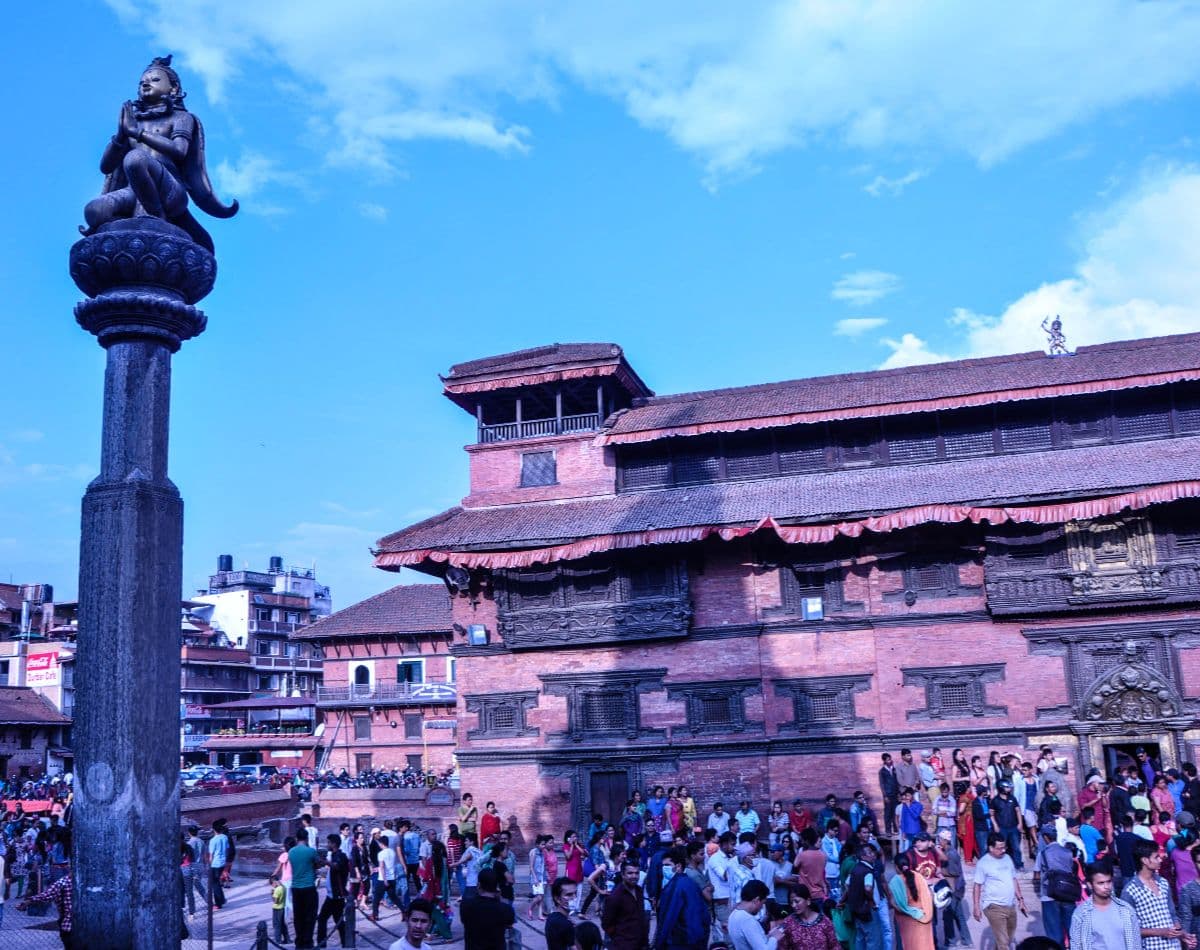
The religious festival of Seto Machhindranath Jatra remains a critically important celebration. This festival takes place in Kathmandu, Nepal. It reveres Seto Machhindranath, commonly known as Janabaha Dyo. He embodies attributes of compassion: rain-granting powers, long life, and disease prevention.
Nepal celebrates the festival through the intersection of cultures. It shares religious values between Hindu and Buddhist traditions. Moreover, it demonstrates national harmony. This spiritual coexistence spans many generations.
Brief look into the Seto Machhindranath Jatra:
The Seto Machhindranath Jatra falls in the lunar month of Chaitra (March–April). The people celebrate the Jatra for many days. You can see grand processions with wooden chariots. It travels through Kathmandu’s historic urban neighborhoods. It is similar to the one during Bisket Jatra in Bhaktapur.

The most important feature of this celebration is a majestic wooden temple. It carries the holy figure of Seto Machhindranath. Hundreds of devotees manually pull the chariot as they walk from point to point. They stop for meaningful ceremonies at Durbar Marg and Ason before reaching Lagan.
The festival started in the 17th century during the time of King Pratap Malla. He was the first to establish the annual Jatra. The king had visions and sacred directions from the deity. The vision was about protecting the kingdom from sickness. It also stated about bringing and maintaining harmony and rainfall.
This annual festival evolved into the most important cultural ceremony in Kathmandu. Where people followed rigorous spiritual practices. The Kathmandu Valley residents use the chariot procession for both religious purposes. It also doubles as community bonding. At the same time, it is preserving their cultural heritage of living traditions.
Why does Seto Machhindranath Jatra stand out?
The festival stands out because it combines mythical stories with local fables. Likewise, the architectural design elements come through ongoing public involvement. Hindu and Buddhist priests lead religious ceremonies.

Musical performances of Newar ensembles and sacred Buddhist chants heighten the festival. It is then combined with masked dancing performances and the cultural celebration. All public spaces during this procession turn into temporary centers of devotion. The procession transports temples through courtyards and streets. This creates sacred experiences with traditional religious participation.
The close spiritual nature of Kathmandu becomes visible to people. It is when they experience Seto Machhindranath Jatra firsthand. The intricate chariot-making process demonstrates continuous practice. Ceremonies, along with traditional music, blend with many worshippers. This portrays Nepal's enduring heritage.
The Seto Machhindranath Jatra presents an exceptional chance. Native Nepalis can honor traditional customs. Also, foreign explorers can study the country's cultural heritage. It's the most real-life celebration.
What exactly is Seto Machhindranath?
The Kathmandu Valley worshippers consider Janabaha Dyo as Seto Machhindranath. He is their most beloved divine being. Residents show him great devotion regardless of their Buddhist or Hindu faith.

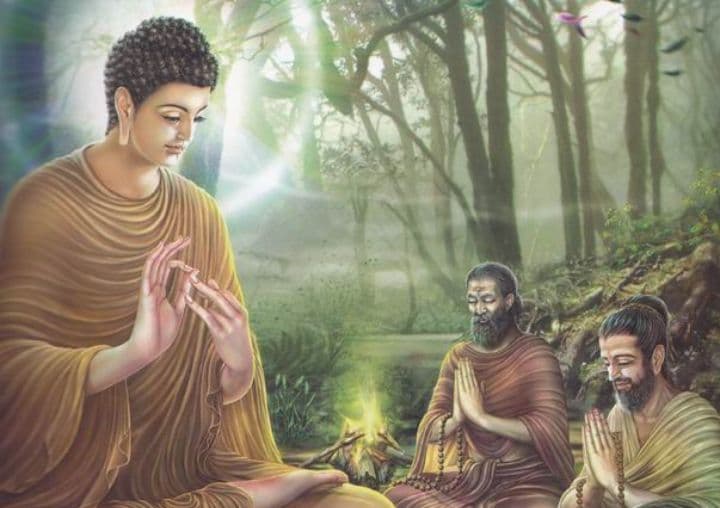
Buddhists view Seto Machhindranath as an embodiment of Avalokiteshvara. Representing the limitless kindness of all Buddhas. Hindu devotees consider Seto Machhindranath either an incarnation of Lord Shiva or Indra. It's like Rato Machhindranath in Patan. Thus establishing his power within both cosmic realms and human hopes.
The history of Seto Machhindranath dates back to the Licchavi or early Malla time. At the time, Yaksha Malla ruled Kathmandu. Legends say that the deity revealed himself to the king as he was bathing in Ranipokhari. The deity requested a temple for peace and rain. Also, it protects health. King Yaksha Malla commanded a temple built in Jana Bahal after their meeting.
Since this time, Seto Machhindranath has secured a status as a protector deity. He handles maintaining the balance between natural forces and spiritual powers.
What happens in Seto Machhindranath Jatra?
A distinctive wooden and metal representation of Seto Machhindranath stands in white paint. It symbolizes compassion and purity. The deity wears rich clothing decorated with religious accessories.
According to faith, the statue possesses extraordinary religious power. Its surrounding rituals include continuous offerings besides chants. It also comes with sacred cleansing baths. This draws monks and priests from diverse religions.
 People come to Jana Bahal to experience spiritual activities focused on Seto Machhindranath. During the Jatra, his icon is feted on a grand chariot procession. It is then moved around to give blessings to the entire population and their land.
Seto Machhindranath shows how Buddhist and Hindu religious traditions blend together. The religious significance of traditional ceremonies in social life. Through his identity, Seto Machhindranath unites philosophical differences. Mahayana Buddhism and Shaivite Hinduism. It turns into an authentic Nepali spiritual tradition. It celebrates dual religious beliefs in sweet harmony.
The worship of this deity spans the entire population. His image appears alongside his symbols in religious temples. It also appears in household sanctuaries, artwork, and enduring oral traditions.
People visit Seto Machhindranath for blessings related to their health. They also pray for rainfall, longevity, and spiritual well-being. Devotees believe his divine power spreads across the city during festivals.
Newar priests, Buddhist monks, and nearby communities held rituals for Seto Machhindranath. They take pride in preserving their traditional customs. The living symbol, Seto Machhindranath, acts as an inspiring force. It unites Nepalese people and others through faith. It has been the preservation of cultural heritage.
Historical Significance and Mythology of the Seto Machhindranath Jatra
Seto Machhindranath Jatra traces its origins throughout the cultural development. It's the religious transformations of the Kathmandu Valley. It has been around for more than a thousand years.
The religious celebration and symbol of Avalokiteshvara are found in the Valley. King Yaksha Malla established during his reign in the 15th century. The worship of the deity may stretch back even to the Licchavi period.

The festival continues as a result of continued religious devotion. It is then coupled with historical preservation efforts from Nepal's rulers. Religious authorities and community members maintain the syncretic cultural heritage.
Many believers swear that Seto Machhindranath appeared as a luminous pale entity. It was when he entered Kathmandu's sacred Ranipokhari water pool. The tale describes how King Yaksha Malla pursued the divine figure. It was an attempt to capture the figure, but it vanished. It then returned in a dream to direct him in building the Jana Bahal temple.
It then started as an annual city-wide procession of a chariot. Through divine instruction, Seto Machhindranath brought peace to the country. The deity provides timely rains. Also, protection from misfortune thus created the current annual Jatra tradition.
Features of Seto Machhindranath Jatra
This centuries-old ceremonial chariot parade served religious purposes. It was also used for governmental events for public unification. This brings divinity to empower the land. The king demonstrated his divine ruling authority to maintain cosmic order.
Through many centuries, this festival endured dynastic transformations. Also, to political revolutions and natural calamities, with modernization. The Jatra preserves its position as a fundamental element of Newar society. It is a traditional cultural heritage in Kathmandu.

Stories tell that Seto Machhindranath had the supernatural ability to protect the valley. The deity protected the place from destructive droughts. He prevented epidemics that affected early urban civilizations in Nepal.
The city residents believed that his chariot tour would purify their environment. It brought spiritual blessings. All the while releasing good fortune to every location it traveled. People believe this festival works as a celebration and a sacred healing ritual. So, it demonstrates the relevance of sacred spaces in daily life.
Royal patronage combined with oral histories and community involvement. It allows Seto Machhindranath Jatra to achieve a long-lasting continuity. Even centuries have been an extensive celebration, much like Dashain.
Through evolutionary changes, the festival maintained its original meaning. The religious authorities preserve traditional customs through accurate transmission. It shows due respect to ancient practices.
Today's historians and cultural scholars identify the Jatra as a unique. It remains an unbroken practice that enables visitors to examine the spiritual mentality. The historical growth of Kathmandu.
The legendary stories of Seto Machhindranath articulate genuine historical concerns of ancient times. It's about climate transition and health security, and community cohesion. The deity provided people with a means to reach beyond natural limits. He keeps the world in balance with the many changes happening at that time.
The Jatra is a combination of mythological elements with devout reverence. The Seto Machhindranath tradition is a precious cultural asset of Nepal.
When is the Seto Machhindranath Jatra Celebrated?
During Chaitra of the Nepali lunar calendar. It includes dates between March and April. The Seto Machhindranath Jatra celebration occurs annually. This occasion lasts across three days. Yet the preparatory ceremonies take place throughout many days.
The Jatra takes place according to the lunar cycle each year. It is before spring arrives to represent renewal. It is for fertility, together with hope for plenty of rainfall.

The event initiates with setting up the Seto Machhindranath idol on its cart. Then continues through many religious observances. Local priests lead with Buddhist monks and Hindu devotees present.
Seto Machhindranath's image rides in a chariot during the festival's first day. People pull the cart through Kathmandu streets. It leads to Kathmandu Durbar Square, then Ason and Lagan. According to tradition, the festival occurs at the perfect time. To gain Seto Machhindranath's blessings, the locals need the monsoon rains. It protects both war and peace for the new year.
During Chaitra, the main chariot event occurs. The Jatra festival maintains its value across the entire Nepali New Year period. It begins immediately after the festival's completion. During the festival period, the Newar community celebrates religious observances. It includes the Buddha Jayanti, Lord Buddha’s birth, enlightenment, and death anniversary.
The festival of Seto Machhindranath Jatra thereby illustrates that many festivals coexist. All within Kathmandu’s culturally diverse environment. This celebration creates a platform that enables different religious groups. It joins forces and honors deity worship. The arrival of new life alongside health and blessings marks the upcoming year.
The Procession Route of the Jatra: From Basantapur to Lagan
The main attraction during Jatra begins at Basantapur Durbar Square. It serves as one of Kathmandu's most important historical locations. They start the departure of Seto Machhindranath here.
The grand chariot bearing the idol of Seto Machhindranath departs from Basantapur. It serves as the cultural center to start its journey throughout Kathmandu. All worshippers meet in this central location. They conduct ceremonial rites before Seto Machhindranath begins his journey across Kathmandu.
The chariot begins its route at Basantapur before proceeding through Ason. It represents one of the oldest vibrant marketplaces in Kathmandu. The sacred procession marches throughout this path. It carries religious importance. Citizens fill the streets with their cultural energy when the procession passes by.

People stand in lines by the streets to see the deity. The procession moves with followers throwing flower petals. They pray to show both the religious commitment and social bond. It exists among the community members.
Seto Machhindranath, during the procession, expresses a belief in the city's benefits. It offers health and prosperity, and fertility. It highlights community needs and spiritual support.
The procession advances from Ason towards Lagan. It is a residential and historical district. The Newar community has woven its spiritual traditions. The approaching Lagan stage brings an intensified atmosphere. You will find devout chanting and musical sounds from traditional drums and cymbals. Here, devotees push the chariot vigorously.

The sacred destination of Lagan acts as the final stop. The place holds strong connections to the worship of Seto Machhindranath. Thus representing divine approval for both land and humanity.
The Basantapur to Lagan procession serves as a sacramental route. It goes through Kathmandu's historical zones. It is an embodiment of divine purification. It offers spiritual rejuvenation and sacred unity. Religious experts intentionally select this path. It leads through areas that played vital roles in the traditional rituals of the city.
From Basantapur to Lagan, each movement builds a deep connection. It is a bridge between the divine protector and the human. It is permanently demonstrating divine protection over the city and its residents.
Key Rituals and Ceremonies Performed during the Jatra
Installation of Seto Machhindranath Idol:
The first sacred event takes place at Jana Bahal. The priests place the Seto Machhindranath idol into the chariot.
The festival begins as local priests and Buddhist monks perform sacred rituals. They pray by using incense and chanting mantras.
This presents religious offerings that consist of flowers and water.
Before proceeding through the streets, the deity receives a ceremonial welcome. And equips the chariot.
Devotional Music and Chanting:
The procession commences with the chariot. The streets of Kathmandu become filled with traditional Buddhist drums and cymbals.
They ring with devotional music. Devotees who consistently chant prayers.
This establishes both participants and observers in a spiritual connection. The devotees actively serve by pulling the chariot.
This action combines religious devotion with spiritual cleansing rituals.
Blessings Along the Route:
Every area of Kathmandu welcomes the procession. This enables local families to perform rituals.
This brings blessings of health and prosperity. It brings rain to the community.
The deity receives food offerings, together with flowers and incense.
Each time the chariot stops at temples and households, priests perform blessings.
People from the community consider this ceremony an essential practice.
It ensures Seto Machhindranath protects them and gives them favorable blessings.
The Ritual at Lagan:
The main ritual comes at Lagan, as this marks the last stop of the procession. At this location, special cleansing rituals occur.
It anoints the area with consecrated water while lighting holy incense flames. The ceremony cleanses negative energy from the land.
It makes it pure so that Seto Machhindranath can bless the area with prosperity. It also blesses with fertility and protection.
Ritualistic Dances:
Performances of traditional dances occur as the chariot reaches specific sites.
It represents the people's celebration of the deity's path. It also means sharing their spiritual euphoria.
The dances function beyond ceremonial practice.
They symbolically celebrate Seto Machhindranath while expressing thankfulness. Through dance performances, the event gains extra cultural vibrancy. It enhances the festival experience.
Household Offerings and Fire Rituals:
When the sacred chariot moves through town, people perform religious rituals. These involve food and flowers, and prayer observance.
The practice of fire rituals. It's done through incense burning, sacred fire, and purification through spiritual cleanses.
It eliminates harmful powers and safeguards the public. People perform these rituals to enhance their bond with divine forces.
Community Purification and Renewal:
The procession features several sacred ceremonies. It serves to purify the city and restore spiritual power. They unite the local community through common devotion. It's done through their unified efforts of drawing the chariot.
It combines chants and worship with sacred rituals. The people reinforce their bond with Seto Machhindranath. They establish an essential peace between the community members.
Seto Machhindranath Jatra and Rato Machhindranath Jatra
Kathmandu celebrates the Seto Machhindranath Jatra. It stands as one of its most important religious events. People venerate the white Machhindranath to bless the land with rain. They also wish for prosperity.

The Rato Machhindranath Jatra, dedicated to the Red Machhindranath. He protects Patan (Lalitpur) against natural disasters. He focuses his activities in this area.
The religious ceremonies of both Jatras contain magnificent chariots with sacred rituals. They do the ritual alongside devout worship from devotees. They have separate geographical locations and theological sanctities. They also have different sizes of celebratory activities.
Key Differences in the Chariot Procession
The chariot of Seto Machhindranath Jatra travels from Basantapur through planned Kathmandu streets. It reaches Lagan, where the local citizens draw the cart.
The Rato Machhindranath Jatra begins at Hiranya Varna Mahavihar in Patan. It then travels to Pulchowk and visits several key district areas inside Lalitpur.

The Seto Machhindranath Jatra features a busy urban chariot path through central Kathmandu. Whereas Rato Machhindranath Jatra, people pull the chariot in residential and open areas. All within Patan.
Religious and Cultural Significance
Many people recognize Seto Machhindranath as a deity in the Buddhist religion. His religious worship extends to both Buddhist and Hindu communities in Kathmandu Valley.

Many individuals consider Rato Machhindranath a Hindu divine being. His religious importance spans both faiths. You will find Buddhist and Hindu elements in the worship traditions.
The parallel themes between the Jatras show the religious and cultural tapestry. It is from their unique perspectives toward their common sacred deity.
Time of Celebration
Both Jatras of Seto and Rato Machhindranath happen during the Nepali month Chaitra. When spring arrives, together with hopes for an abundant monsoon rain.

Rato Machhindranath Jatra occurs earlier than Seto Machhindranath Jatra. Its celebrations start in the Nepali month Baisakh (April-May). It is at the beginning of the agricultural season.
The agricultural significance of these two festivals matches their timing. Seto Machhindranath occurs during rainy seasons for rain protection. Rato Machhindranath arrives at the beginning of the agricultural harvest season. It is for fertility and security.
Rituals and Ceremonies
Every Jatra includes many spiritual practices. It consists of special religious petitions alongside sacrifices and musical components. Traditional dances, complemented by drumming and chanting, take place. The procession of the chariot at the Seto Machhindranath Jatra creates spiritual cleansing.
During the Rato Machhindranath Jatra, the temple tradition involves washing the chariot. Devotees wash it with holy water from the Maha Bhairab Temple. It secures religious purification and citywide protection.
Visual and Aesthetic Appeal
The main attraction of Seto Machhindranath Jatra stands out with its white design. It travels through the colorful city of Kathmandu. The silver chariot stands out because of its golden decorations as it travels.
The Rato Machhindranath Jatra presents a red chariot. This stands as an impressive sight, despite its location within Patan. It remains less urbanized than Kathmandu. Red on the Rato statue represents divine protection and strength. But white on the Seto statue symbolizes peace and purity.
Seto Machhindranath Jatra and Rato Machhindranath Jatra: A Comparison Table
Feature | Seto Machhindranath Jatra | Rato Machhindranth Jatra |
Deity Representation | White version of Machhindranath (Buddhist Influence) | Red version of Machhindranath (Hindu Influence) |
Location Of celebration | Kathmandu (Basantapur, Lagan) | Lalitpur (Patan, Pulchowk) |
Time of Year | Nepali month of Chaitra (March-April) | Nepali month of Baisakh (April-May) |
Chariot Color | White, Symbolizing Purity and Peace. | Red, Symbolizing Strength Protection. |
Route of Procession | Through Kathmandu Ending in Lagan. | Through Patan Ending in Pulchowk. |
Main Rituals | Chariot Procession Flower Offerings Chants Dances. | Chariot Washing with Holy water Traditional Dances. |
Religious Significance | Buddhist Deity Significant for Rain and Fertility. | Hindu Deity Worshipped for protection Protection against Disasters. |
FAQs
Why is Seto Machhindranath Jatra unique in Nepal?
Seto Machhindranath Jatra beautifully blends deep religious devotion with vibrant cultural traditions. Locals worship Machhindranath in his white form. Many believe this brings rain, fertility, and prosperity. The highlight is the grand chariot procession through Kathmandu’s narrow streets. It is filled with music, rituals, and chanting.
What’s the difference between Seto and Rato Machhindranath Jatra?
The two Jatras honor different forms of the same deity in separate cities. Seto Machhindranath Jatra takes place in Kathmandu. It celebrates the white form of the god. It symbolizes rain and prosperity. Rato Machhindranath Jatra, held in Patan. Here, they honor the red form, representing land protection and purification.
When is Seto Machhindranath Jatra celebrated?
The festival occurs in Chaitra (March–April), during Nepal’s spring season. This timing aligns with the start of the agricultural cycle. People seek divine blessings for rainfall and a fruitful harvest.
Why is the chariot procession important?
The chariot procession symbolizes the deity’s divine journey through the city. By doing so, they spread blessings to all. Locals pull the grand chariot through Kathmandu’s streets. It comes with rituals and prayers, as the god makes his way to Lagan. It’s both a spiritual and communal event.
What traditions are observed during the Seto Machhindranath Jatra?
Devotees offer flowers, light incense, and chant prayers. You will find it with the deity’s idol traveling on the chariot. At each stop, priests bless the crowd with holy water. Families make offerings for prosperity and good harvests. The rituals symbolize purification and divine protection.
How does the Seto Machhindranath Jatra bring people together?
The Jatra unites people from all backgrounds—religious, social, and cultural. Everyone participates in pulling the chariot, offering prayers, and celebrating together. It fosters a strong sense of community and shared devotion among Kathmandu residents.
What roles do locals play in the Seto Machhindranath Jatra?
Residents organize and lead the entire celebration. They pull the chariot and conduct rituals. They prepare offerings of food, flowers, and incense along the route. Their involvement symbolizes devotion and collective responsibility toward the deity.
Why is Seto Machhindranath Jatra important for farmers?
Many believe Seto Machhindranath protects agriculture and ensures timely rainfall. Farmers see the festival as a prayer for a good monsoon and abundant harvests. It remains an essential part of Kathmandu Valley’s traditional farming culture.
What cultural elements can you find during the Seto Machhindranath Jatra?
The festival reflects Nepal’s diverse heritage. It blends Hindu and Buddhist practices with Newar customs. It features traditional music, dance, rituals, and social gatherings. This showcases Nepal’s unity through shared spirituality.
Can tourists take part in the Seto Machhindranath Jatra?
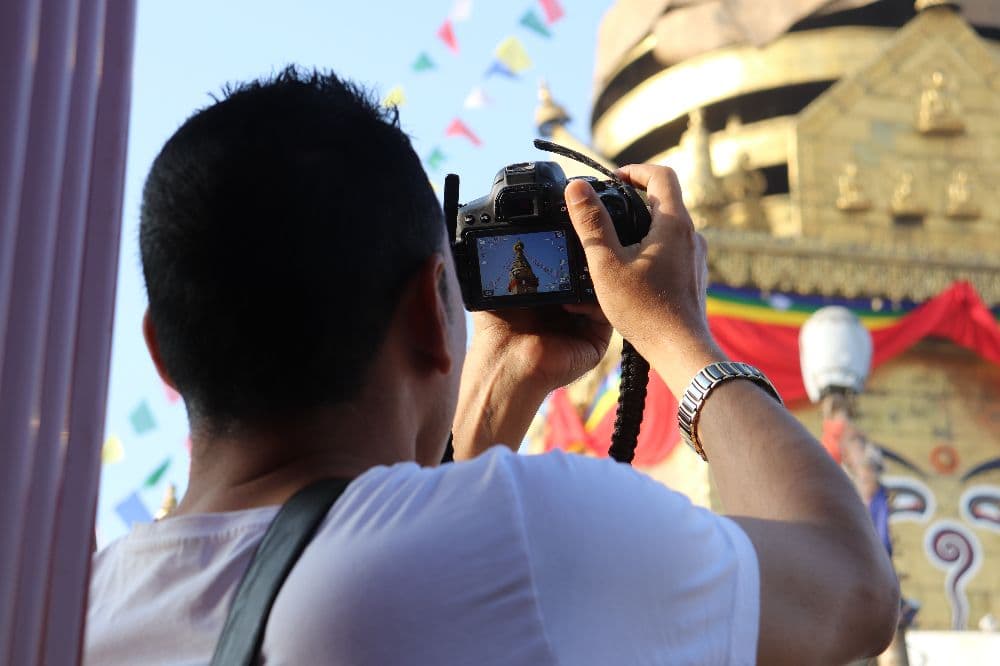
Yes, visitors are welcome to watch or join the celebrations respectfully. Tourists can follow the chariot route, take photos, and witness rituals. More so, at key stops. Engaging with locals during the Jatra offers a rich and authentic cultural experience.