The Kailash Mansarovar Yatra is a significant pilgrimage for people from all around the world. For Indians residing overseas, this pilgrimage trip has a couple of extra steps.
The process is different for NRIs as compared to Indian residents. The arrangements required for the Yatra may vary depending on your passport nationality, country of residence, journey, and travel dates.
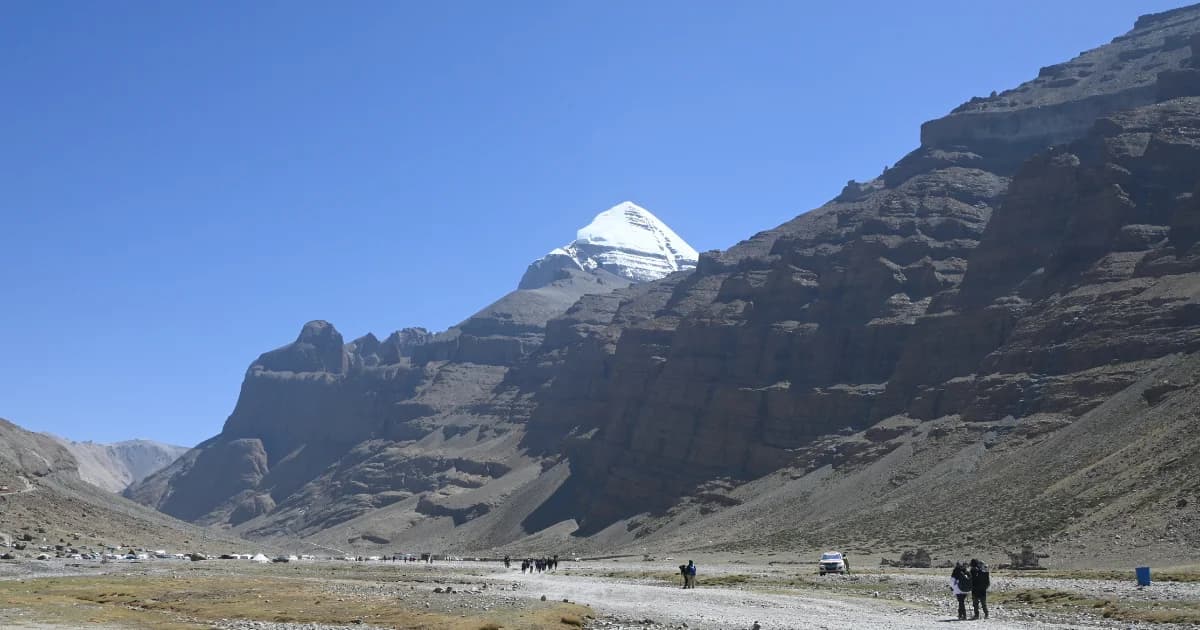
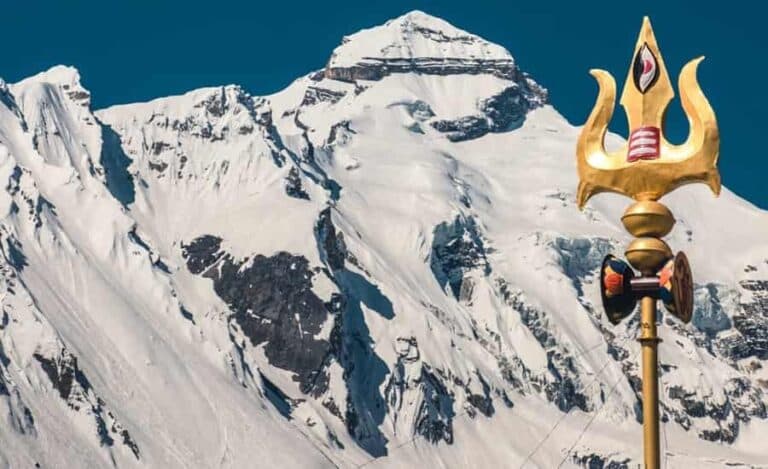
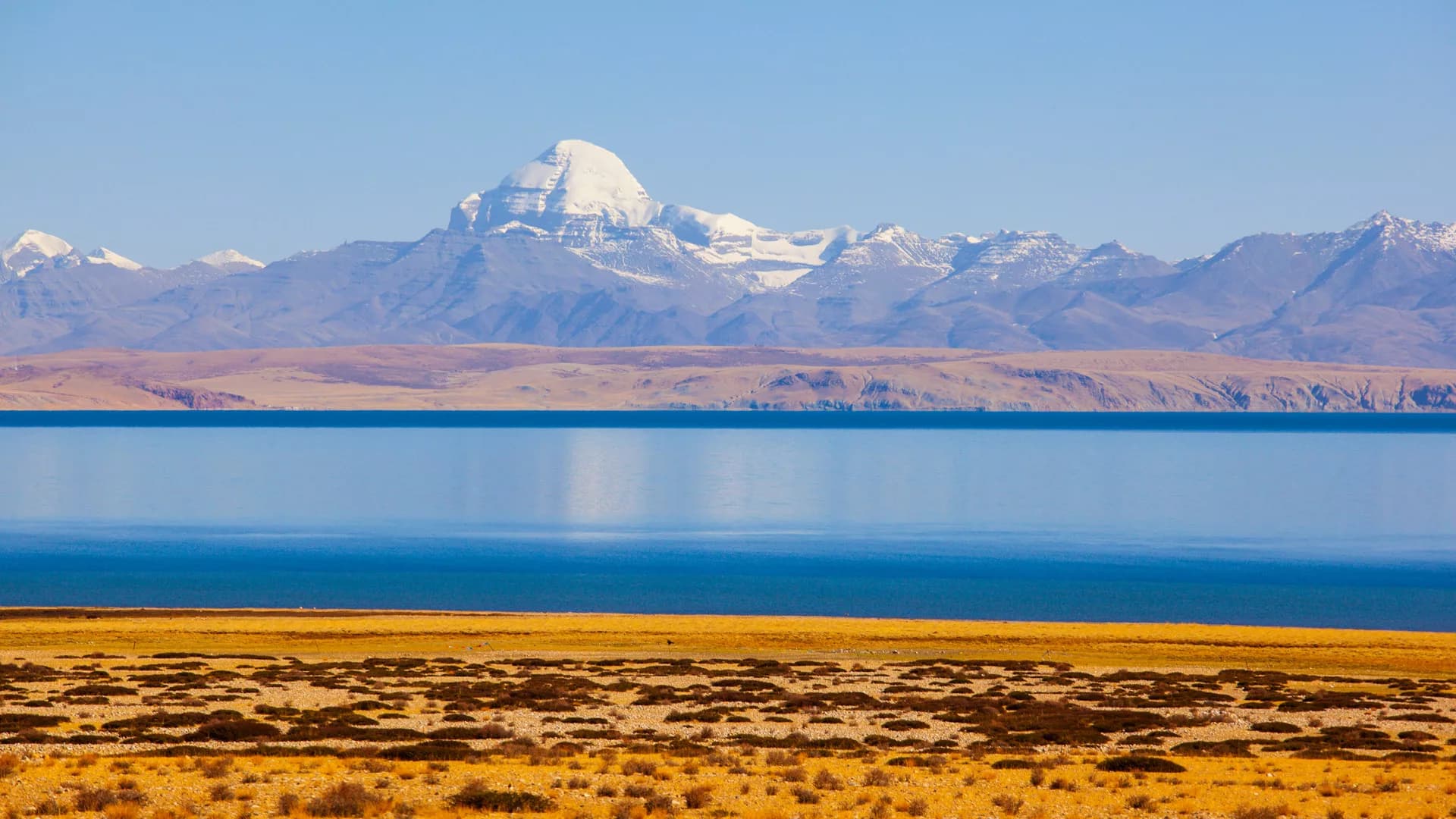
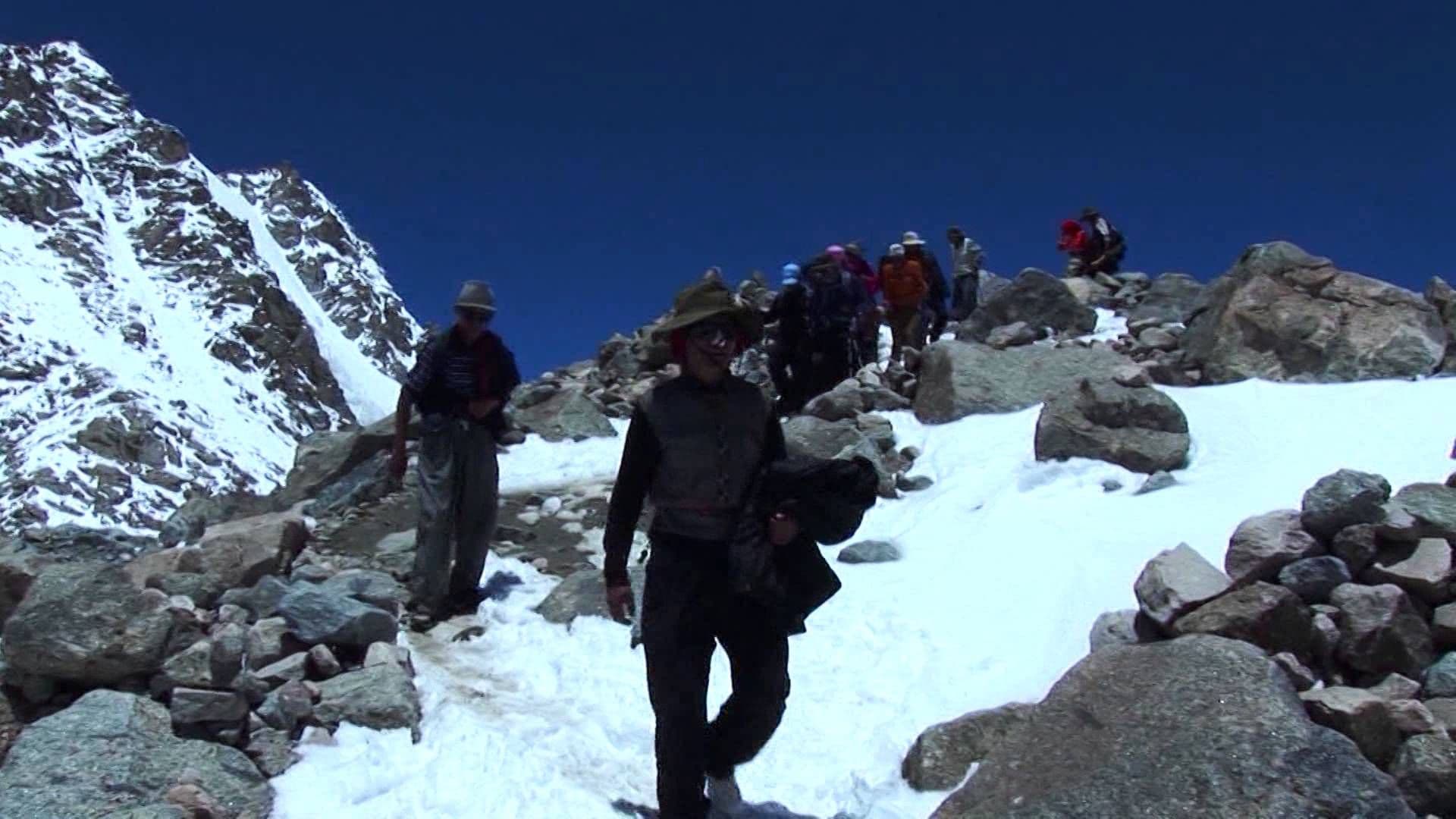
Mount Kailash is in Tibet with a height of 6,638 m (21,778 ft) in the Tibet Autonomous Region of China. The area is close to Lake Mansarovar at an altitude of 4,650m (15,256 feet).
Usually, a complete Kailash Mansarovar Yatra for NRIs will range from 11-17 days. This will depend on the route, transport, and itinerary chosen.
Nepal is a viable choice for most NRIs. Pilgrims can go to Tibet from Kathmandu via licensed pathways and operators.
Picking the right route is, however, half the planning. NRIs should also be aware of the visa procedures, permits for Tibet, visa formalities, expenses, etc. prior to making bookings.
This guide focuses specifically on those NRI requirements. It does not cover general Kailash Yatra preparation, packing, accommodation, or altitude training in detail.
Who can travel to Kailash as an NRI?
NRI can refer to more than one sort of traveller. A person who is an Indian citizen and is residing outside India can still use an Indian passport. Concurrently, someone who is of Indian descent can have foreign citizenship and use a foreign passport to travel.
These two situations may have different travel procedures. This is very crucial, especially for immigration purposes, so you would likely need the passport for your journey.
Although an Indian passport holder lives in the United States, he or she is still Indian for immigration purposes. If a PIO holds a United States passport, he is processed as a US citizen for international travel purposes.
Passport holders of the United Kingdom, Canada, Australia and other countries need to follow the same theory.
An OCI or PIO card proves Indian origin but it does not make the foreign passport holder subject to the immigration regulations applicable to Indian passport holders.
Therefore, give your operator the details of your passport before booking so that they know how to contact you.
Basing the visa planning on the experience of one other NRI only is not a wise option. The passport nationality may not necessarily match your nationality.
Does an OCI card change the Kailash visa process?
There are numerous questions that come to mind when it comes to the OCI that people often ask, one of which is whether they're eligible to follow the same procedure as what Indian citizens do.
This is dependent on the passport they are travelling in and the rules governing that nationality.
If your passport is a foreign passport and you are traveling with your OCI, an immigration officer will consider your foreign passport your entry document.
Your operator may require a copy of your OCI card when you make your booking. This can help you keep proper records concerning your Indian-origin.
But do not presume that an OCI card is equivalent to a document necessary for Tibet. Your operator will be better able to keep you safe if you offer both the foreign passport and OCI details.
They will then be able to verify the existing requirements for your nationality.
Can NRIs apply through the Indian government Kailash Yatra?
The Kailash Mansarovar Yatra organised by the Government of India, Ministry of External Affairs, is only for eligible citizens of India with a proper application process.
Lipulekh, Nathu La etc. have always been government routes. The applicants undergo a proper selection process and need to fulfill certain criteria like medical check-up etc.

Rasuwagadhi Border of Customs
Just being an NRIs with Indian origin can't get admission through this process as they are classified under foreign nationals.
Foreign passport holders thus generally plan the pilgrimage with private operators by routes coming from Nepal.
This difference matters! The U.S. residence may constitute Indian citizenship if the person has an Indian passport.
One should not assume that these two travellers require the same kind of documentary procedures. Always check the procedure as per the passport you will be using for the travel purpose.
Why is Nepal the main starting point for many NRI pilgrims?
Pilgrims in Nepal are primarily NRIs, and many of them begin their journey here. Nepal is also the major departure point for NRIs undertaking pilgrimages.
For many international pilgrims, Kathmandu is a more convenient starting point when heading to Mount Kailash.
International travellers can fly into Tribhuvan International Airport before completing the necessary arrangements for the Tibet portion of the journey.
Nepal also has existing access to Tibet. This makes travelling to Nepal easier for many NRI pilgrims to coordinate, as opposed to travelling through to mainland China.
The Nepal route is also advantageous for operators because of the possibility to control the Tibet travel document management from Kathmandu.
Pilgrims are able to touch in a few working days before leaving and take care of the forms and go on to the border. This is particularly handy for NRIs who are making any foreign connection along with a short vacation from their jobs.
Nepal Route vs Mainland China Route
NRIs might also be able to come into Tibet through mainland China. Mainland routes pass through other cities like Beijing or Chengdu and then proceed back to Lhasa and the Kailash region.
This results in a different Travel structure. It may be necessary to apply for the necessary visa in China prior to travel, and also in China during the trip.
For those who want to depart from Kathmandu then the complications can be reduced through the Nepal route.
But visa and Tibet-entry rules are subject to change. Don't choose a route just because it might seem like an easier ride.
Before you make your arrangements for the trip abroad, ask your operator about the process which your passport nationality is currently going through.
Required Documents for NRIs pilgrims
One part of making a Kailash Mansarovar Yatra is really significant and that is documentation.
Get a head start on the process.
Valid passport
Passport copy
Recent passport-size photographs
Nepal visa (if required)
Tibet travel documentation
Group Visa documentation
Travel insurance
Medical or fitness certificate/Where applicable
Booking confirmation
Emergency contact details
Prescription documents for regular medicines
Depending on the country of origin, you may have to get some extra documents at your operator's request.
Passport validity
Your passport should have sufficient validity beyond your planned Tibet entry. Travel guidance is given and states a minimum of 6 months' validity. Some operators may prefer to retain a longer validity to be on the safe side.
Please consult this prior to making non-refundable bookings. Ensure that your name is the same on your travel record, booking form, insurance and passport.
A small spelling difference can cause unwanted/administrative issues.
NRIs and Nepal visa requirements
As per the general rule of the Nepalese government, Indian people normally do not require a tourist visa for entry to Nepal.
Depending on the nationality, foreign passport holders might require a tourist visa for Nepal.
Many foreign nationals who are eligible for a visa on arrival are able to obtain a visa on arrival at Tribhuvan International Airport.
There are various kinds of common tourist visas available, such as:
15 days
30 days
90 days
Visa fees may differ, so please check the visa fee before travelling. For many NRIs who come on foreign passports, a 30-day visa grant period is useful.
The extra days can include days spent in Kathmandu prior to departure to Tibet and for unforeseen itinerary changes.
Visa requirements may vary among nationalities. Before booking for an international flight, please check if your passport is eligible for the visa on arrival.
Tibet Group Visa for NRI pilgrims
One of the most significant distinctions between pilgrims from different countries is the Tibet visa process.
Taking a trip to the Kailash region via Nepal is not a regular vacation in mainland China. The necessary Tibet travel paperwork is normally completed with one of the authorised operators in Nepal.
Organised Kailash groups are usually accompanied for the Tibet trip by the group documentation. The operator gathers necessary documents and the application form, and submits it via a proper process.
This is why selection of a good company is very important for NRI pilgrims. It is crucial for the operator to be aware of the Tibet requirements and documentation for your passport.
Do I need a Chinese visa if I already have one?
It is the most frequently asked question from an NRI traveller. Even if you have an existing Chinese tourist visa, it doesn't necessarily mean that you are allowed to enter Tibet on your own for a Kailash pilgrimage.
Requirements for Tibet are different for land-side travel and permits. Your operator should review your visa and passport in China and tell you what else you need.
In the case of the Kailash route from Nepal, it is not considered to replace the group documentation required for a multiple-entry visa for China.
They can also vary based on country of origin. This is particularly for US passport holders and other foreign nationals who may have more requirements.
Additional requirements for US passport holders
Some foreign nationalities might have fewer requirements for a Chinese visa than US passport holders.
A normal Chinese mainland tourist visa is required for US citizens along with the Tibet Group Visa organized in Kathmandu.
Make sure you don't end up in Nepal to find out that you need another visa type which you could have got in your home country.
The operator should check your passport information as part of the booking process and inform you of what you require to finish off prior to flying to Nepal.
What about UK, Canadian and Australian passport holders?
Requirements may differ from country to country and are subject to change.
Under certain agreements, some nationalities such as UK, Australian, Canadian, Malaysian and Singaporean citizens can use the relevant Tibet group documentation as an alternative to obtaining a China mainland visa to enter the mainland.
That should at least be checked before leaving, though. Visa regulations may be subject to changes according to diplomatic decisions, travel regulations and the procedures of entry to Tibet.
It is better to verify the passport's nationality as opposed to the list.
How many days should NRIs spend in Kathmandu before the Yatra?
It is recommended that international pilgrims should arrive at Kathmandu several days before departure to Tibet to obtain work permits before departure.
A general rule of thumb is to be there 4 to 5 working days in advance of leaving. This allows for the operator to finish documentation and for some flexibility in the case of processing that may take longer than anticipated.
It does provide you with time to recuperate after traveling abroad as well. This is especially beneficial when NRIs are coming from North America, Europe, Australia or from a distant location.
Avoid having your international arrival date coincide with the Tibet departure date. If your flight is delayed, you may not have time to make that fortified tour group departure.
However, leave ample margin for arriving in Kathmandu and for beginning the Yatra.
Main routes to Mount Kailash from Nepal
The path you take can vary your time, fees, travel and trip experience.
For NRI pilgrims from Nepal, there are three popular route variations: the overland Kyirong route, the Simikot and Hilsa helicopter route, or the longer Lhasa route.
Overland route through Kyirong
The most popular is the overland Route from Kyirong. The trip starts from Kathmandu and moves towards the Rasuwagadhi border. The road goes on into Tibet through Gyirong and to Saga.
There, pilgrims head towards Lake Mansarovar and Darchen, where they then start the Kora. The journey can last about 14 days depending upon the itinerary.

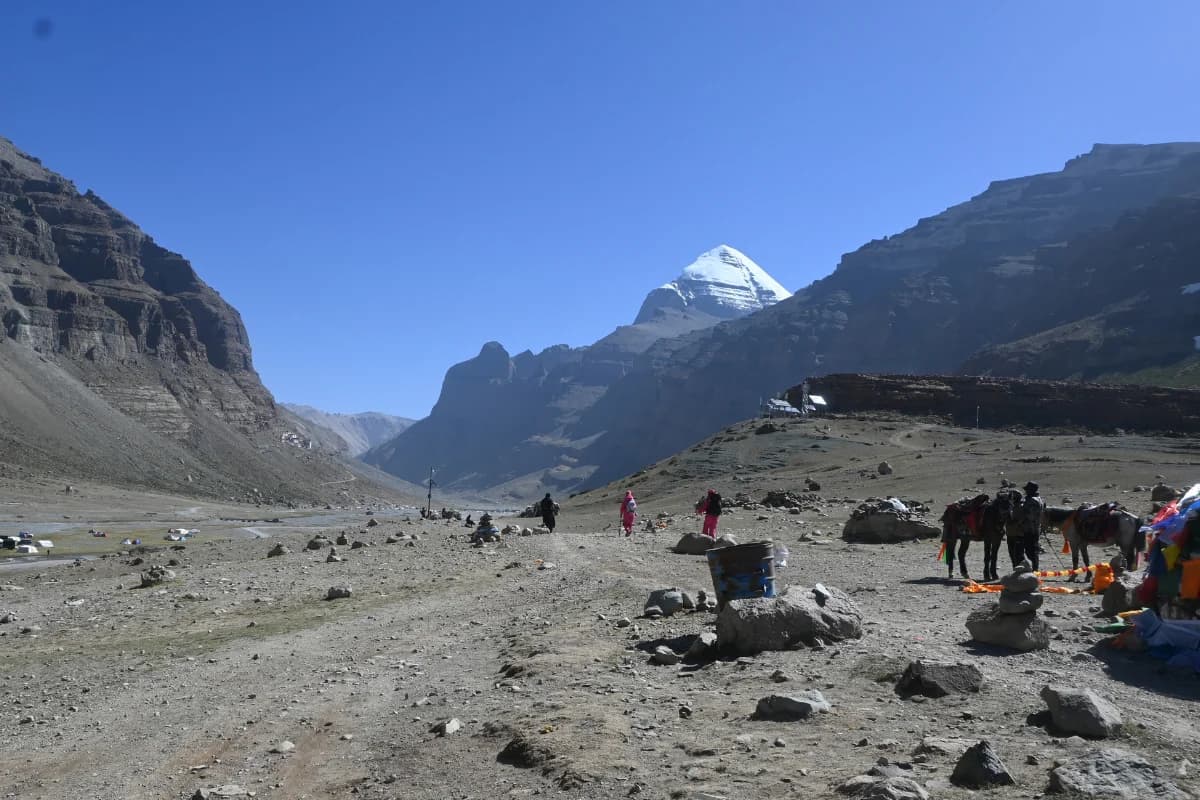
Landscape of Tibet on the way to Kailash yatra
The benefit of this route is that it is an overland experience through the Himalayan and Tibetan landscape end to end.
The disadvantage is the amount of road travel. Driving days may involve driving 8-9 hours at a time.
Depending on the route, the distance from Saga to Lake Mansarovar alone can reach as far as 450 kilometers (280 miles).
The overland route is one that is frequently considered for those who wish to take a more direct course to their destination and save on the expense.
Helicopter Route through Simikot and Hilsa
The Kailash helicopter route lessens long-distance road travel. This trip normally starts from Kathmandu and goes to Nepalgunj.
The pilgrims then journey on to Simikot and go by helicopter to Hilsa near the Tibet Border. This trip can shorten the total trip to approximately 11-13 days.
Some NRIs may find it advantageous when they have less leave from their work or short leave travel program. Helicopter travel is, however, very weather-dependent. Flights can be delayed due to, among other factors, poor visibility, strong winds, etc.
The rest of the trip may be affected if there is a 1-day or longer delay. Therefore, don't book an international flight right after the scheduled Yatra completion, to give some flexibility.
Lhasa Route
The Lhasa route offers a longer itinerary of Tibet. Pilgrims go through the town of Lhasa on their way to the Kailash region.
The package may feature some of the most important cultural attractions like the Potala Palace and Jokhang Temple, depending on the itinerary selected. The journey can then proceed on to Shigatse, Tingri, Saga, Lake Mansarovar, and Darchen.
There are also some packages that make a combined tour to the Everest Base Camp area. The expedition is a typical 16-17-day ride.
This can incur extra costs, as the tours are both longer and include sightseeing options. This trek can be extended to include more of the Tibet experience for the NRIs.
What is the cost of Kailash Mansarovar Yatra for NRIs?
The cost of Kailash Mansarovar Yatra for NRIs is usually quoted in US dollars. Prices can greatly vary depending on the service and route.
These NRI packages may cost different from packages offered to Indian citizens. Foreign-national arrangements can require varying forms of documentation and rates of services.
International packages are also available in USD at the operator rate. If a party is private, the price per person might be higher due to having fewer people in the group and having to allocate the costs of the transport and guide equally between these fewer people.
Helicopter routes are also more expensive due to the need for extra air transport. Itineraries to Lhasa tend to be more expensive as they add in more days and locations.
The lowest price could also not include services that another operator might provide. Don't compare the advertised list price alone; compare everything.
Final Price may vary depending on group size, dates, route, transport, permits, services and personal requirements.
Be sure to always ask for the latest quotation before paying.
Deposit and Terms of Payment
Booking may involve a deposit. Based on what is given in the information provided, you need to pay a deposit of approximately 500$ per person, as well as the balance approximately 30-35 days before your departure.
However, there are different payment schedules for various operators.
Please request the following before paying:
Deposit amount
Final payment deadline
Accepted payment methods
Cancellation terms
Refund conditions
Visa-related refund conditions
This is a cost that cannot be returned to the buyer.
Be sure to retain payment receipts and booking confirmations.
Cancellation policies for NRI bookings
The cancellation policy for Kailash Yatra can vary from standard tours. This is because permits, group visa packages, transportation and so on might require advance booking.
As per the given data, some operator policies may allow a cancellation that is greater than 30 days prior to departure, which may be considered 100% refundable. Fares paid may be partially or wholly lost if the cancellation takes place nearer the date of departure.
The rules do not apply to all cases. Before you pay, check the particular terms of cancellation of your operator. Do not accept a verbal assurance of refunds.
When should NRIs travel to Kailash?
Generally, the main Kailash Yatra season is from May to September. The high altitude area is much less accessible throughout the rest of the season.
Demand and departure plans tend to be higher during June, July and August. May and September may be quieter months with less predictability as far as the weather.
Availability may also be influenced by your desired dates of travel. Valuable holy seasons drive more pilgrims.
Saga Dawa holds special importance in Tibetan Buddhism and can lead to higher demand in the Pilgrimage Area. During the full moon, the time can get busier, too.
If you wish to go around on a big religious holiday, check with your operator in advance.
Why does International Flight Planning Matter for NRIs?
International trips need to be well planned since the travel itinerary will pass through some remote areas and a few border/transport stations.
Be sure to not reserve your return flight on the last day of the vacation. Weather may cause a delay in a helicopter flight.
The time required on the road can also be increased. Additional time may be needed to take care of border formalities.
If the source country is the USA, Canada, Australia, UK or Europe, then the duration of international flights can also be long for NRIs.
A buffer time between the estimated end of the Yatra and departure to another country is better. If flexibility is an option, a flexible ticket may also be helpful.
What happens if the Helicopter is Delayed?
One of the most significant factors that has an effect on the helicopter route at Simikot and Hilsa is the weather.
When flights are not possible, the group may have to wait until the conditions are better. This may impact the proposed route.
So it's crucial for travellers to plan carefully when returning, steering clear of important work appointments or international travel. Inquire about how your operator will respond to weather delays.
Inquire if extra space and/or transportation necessitated by a delay will be covered by package. Breaking this down prior to departure will help avoid confusion down the road.
NRIs Rasuwagadhi to Gyirong Border Process
The overland path from Nepal traverses the Rasuwagadhi border region. At the Nepal end, immigration formalities are completed.
The travellers then walk up to Tibet side guided by the organised group. The group goes through more immigration and security checks at Gyirong.
These are all formalities normally arranged by the Chinese guide. Passports, permits, bags and electronic devices may be inspected.
The entire process may require one to three hours or more depending on procedures and travellers. If the border process takes longer than expected, don't worry.
This is one of the reasons why operators allocate buffer time in the itinerary.
What happens if the Border Process is delayed?
Depending on the number of groups, it may take time at border crossings for the group to be processed.
The security & immigration control measures may also differ. The Rasuwagadhi-Gyirong crossing requires actions on the Nepal and the Tibetan sides.
Have all important documents and your passport within easy reach. Perform the actions as instructed by your guide.
Avoid arranging another activity immediately following the anticipated transfer of the border. This will help if you are travelling at busy times when there may be schedule changes.
Border rules that NRI pilgrims should know
Border rules are subject to change. There may be further checks on some items or items may be limited.
The travel information provided specifically warns against:
Drones
Satellite phones
Certain printed materials
Political material
Limited religious/ political material
Prescription medications not properly documented
For safety, consult your operator before you start your trip if you have any questions regarding any item. Avoid waiting at the border to determine the answer to the question of what is allowed.
May NRIs make independent travels to Tibet?
This Yatra of Kailash Mansarovar is no ordinary solo holiday. The trip to Tibet involves organised travel and appropriate permits.
Thus, pilgrims are usually journeying in an organised group run by an authorised operator. This is the case even if you have been travelling overseas extensively.

Dry landscape of Kailash Mansarovar Yatra route
It is not advisable that you plan this Kailash section independently even as a self-drive or a backpacking trip. The travel, permits, transport, guide or any other arrangement relevant to the group travel is initiated by the operator.
What if members of the same family have different passports?
Such an event is typical of NRI families. A family can have Indian as well as foreign passport holders.
Keep in mind not all will have the same visa requirements. Passports of individual travellers must be seen individually.
Send the operator:
Passport nationality
Passport copy
Passport validity
OCI information (where applicable)
Country of residence
This way the operator can know what documentation is required for each member. It will also help limit the problem of finding out about a requirement that is required for a particular nationality on the eve of departure.
Currency for NRI pilgrims
Chinese Yuan is the main currency for everyday expenses in Tibet. Hopefully, having enough Yuan in advance for remote travel would be useful.
Don't go completely international, as you get further away from larger towns, access may be restricted.
Usually, NRIs are allowed to carry USD for payments related to the tour where accepted; however, Chinese Yuan is more convenient for payments in Tibet. For expenses in Kathmandu, Nepali Rupees are helpful on the Nepal side.
What should NRIs be sure of before booking?
Before paying a deposit, ask your operator to be sure that they have the following:
Your passport eligibility
Current visa requirements
Required permits
Kathmandu arrival date
Departure date
Route
Total number of days
Package price
Package inclusions
Extra costs
Pony charges
Porter charges
Cancellation policy
Refund conditions
Border arrangements
Helicopter delay procedures
International flight recommendations
Ask for the information in a proper way
This will allow you to have a good record of what you have scheduled.
Why Choosing the Best Company for Kailash Yatra Matters
It's not just about the itinerary. A good operator also handles the documentation side, and Tibet travel has more of that than a standard trek.
Ask them straight out whether they regularly work with foreign passport holders. Someone experienced with NRI pilgrims already knows that "Indian-origin" doesn't mean "Indian passport," and they should be able to walk you through what applies to your specific case.
If you can, ask for references from past NRI or international travellers before you book.
Things to Remember as an NRI
Your passport decides more than your country of residence does. OCI or PIO status is useful for other things, but it won't override foreign-national entry rules.
Nepal works as a starting point for most international pilgrims because Kathmandu is already set up for organised Tibet travel. Getting there a few days early gives you room to handle the formalities without stress.
Overland takes longer on the road but tends to cost less. Helicopter cuts the road time but is weather-dependent. Lhasa takes the longest and adds a broader look at Tibet itself.
Prices vary more than you'd think; always confirm exactly what's included before you pay anything. And keep your international flights flexible enough to absorb a delay or two.
Final Thought
For NRIs, this journey really starts with understanding your own passport, not with the mountain. From there: pick a route, sort the visa question, get the Tibet paperwork in order, plan your Kathmandu stay, and know what the full cost actually covers.
Give your operator your real passport details, not just "I'm an NRI." That's what lets them tell you exactly what you need, instead of giving you a generic answer that might not apply.
If you're planning this from the US, UK, Canada, Australia, or anywhere else, starting early makes the paperwork side far less stressful.
Our team can walk you through the route, the documents, the timing, all based on your actual passport and the itinerary you're leaning toward.