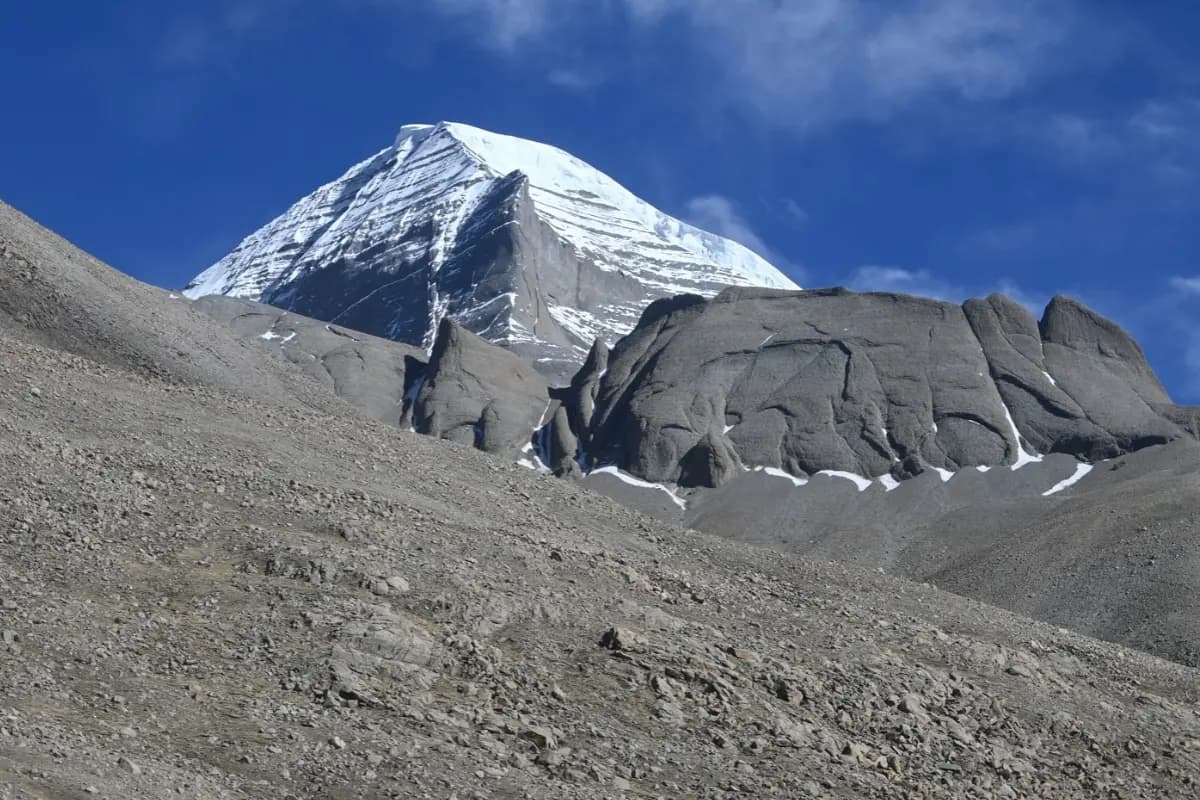
If you are planning to make a pilgrimage tour of Kailash Yatra, you may also be anxious about what you will eat in the remote areas of Western Tibet.
Let us tell you that the food on the Kailash Yatra is now much better than your expectations. It may not be very luxurious and diverse, but you can certainly enjoy nourishing vegetarian meals ranging from Nepali, Indian, and Chinese to Tibetan-style cuisine along most of the route of your Kailash Yatra.
In this guide, we will provide you with detailed information about the available options for food on the Kailash Yatra, such as what to look forward to, what snacks to bring, and how to maintain your health for the sacred pilgrimage of your life.
Why Food on the Kailash Yatra Matters More Than You Think?
Many pilgrims engaging in Kailash Yatra often focus on permits, gear, and fitness. However, after guiding countless pilgrims to Mount Kailash through Tibet, we realized that food on the route also plays a major role in determining whether your Kailash tour will be successful or not.
The Tibetan plateau is like a high-altitude desert, and a journey through its highlands means burning over 4000 calories a day. Kailash trek often takes you over 4500 m elevation, and this is the time when your metabolism and digestion slow down.
If you eat heavy, greasy, and spicy food, you may suffer from indigestion, nausea, and altitude sickness. But if you eat the right food on the Kailash Yatra, then you will be able to sustain your energy, enhance fast acclimatization, and remain fit and active.
Our guide therefore always suggests our yatris eat and drink regularly, even if they don't feel hungry or thirsty.
What Kind of Food Is Available on the Kailash Yatra?
Food on the Kailash Yatra depends on where you are during the journey. Many pilgrims begin and end their Kailash tour in Kathmandu and progress into Tibet through Lhasa or Kerung. So food options will also gradually change as you progress along the route.
Kindly note that during the Kailash Mansarovar tour, we organize mainly vegetarian food, which is designed to provide you with high energy at high altitude.
Food Available in Kathmandu
In Kathmandu, you can enjoy a vast selection of meals from Nepali to International style. During the organized group Kailash tour, we offer you breakfast in Kathmandu, while you will be at complete liberty to choose your own menu for lunch and dinner.
Most of our yatris at first tend to stick to international dishes such as Indian and Western, but we suggest you appreciate traditional Nepali meals, which offer you comfort and adequate energy.
Dal Bhat Tarkari (rice, lentil soup, vegetables) and pickles will supply you with a balanced combination of carbohydrate, fat, protein, and other nutrients much needed for a long road journey in the mountains of Nepal (if you select the Syabrubeshi to Kerung route).
Common menu for breakfast, lunch and dinner when you stay in Kathmandu and Syabrubeshi:
Breakfast: Bread, porridge, eggs, tea, coffee, pancakes, Sel Roti
Lunch: Dal Vat, Momo, Chowmein, Fried Rice
Dinner: Dal Vat, Momo, Chowmein, Fried Rice, Pizza, Pasta
Beverages: Tea, coffee, fruit juice, cold drinks
Note:
We encourage our guests to eat a full breakfast even if they prefer to have a light breakfast. Generally, hot porridge and boiled eggs will be a better choice for your health. Always choose fresh, warm meals for your lunch and dinner.
Food Available in Tibet
Food choices in Tibet are also based on your location. If you decide to travel to Mount Kailash from Lhasa, then the charming towns of Lhasa, Gyantse, and Shigatse will offer you a variety of international dining experiences from Western to traditional Tibetan cuisine.

Food served during Kailash Yatra
If you choose the route through Kerung for the Kailash Yatra, then you will be able to enjoy a good selection of Nepali, Indian, Tibetan, and Chinese dishes.
And, as you continue your journey to Saga, Lake Mansarovar, and Darchen, the variety of food will be more limited, but still adequate for your needs.
The common Tibetan, Nepali, Indian, and Chinese meal choices would be as follows:
Tibetan Food: Tibetan noodle soup, steamed bread, vegetable soups, fried rice, and traditional Tibetan tea
Nepali Food: Dal Bhat Tarkari and Momo
Indian Food: Chapati, rice, vegetable curry, lentils, and simple snacks
Chinese Food: Fried rice, noodles, stir-fried vegetables, and soups
Common menu for breakfast, lunch, and dinner when you stay in Tibetan towns:
Breakfast: Tibetan bread, vegetable soup, Tibetan tea, eggs, porridge, steamed bread
Lunch: Rice dishes, noodles, vegetable curries, and soups
Dinner: Soups, rice, vegetables, noodles, potatoes, and lentils
Beverages: Tibetan tea
Note:
Once you travel through the high plateaus of Tibet, the eating facilities will be more and more limited. Therefore, we encourage you to eat energy bars or dry fruits or salted snacks to maintain your energy levels during long driving days. And in the evening, when you rest after a long tiring day, try warm vegetable soup and lighter meals. Avoid heavy and oily foods once you reach the higher elevations of Tibet.
Food During the Kailash Parikrama
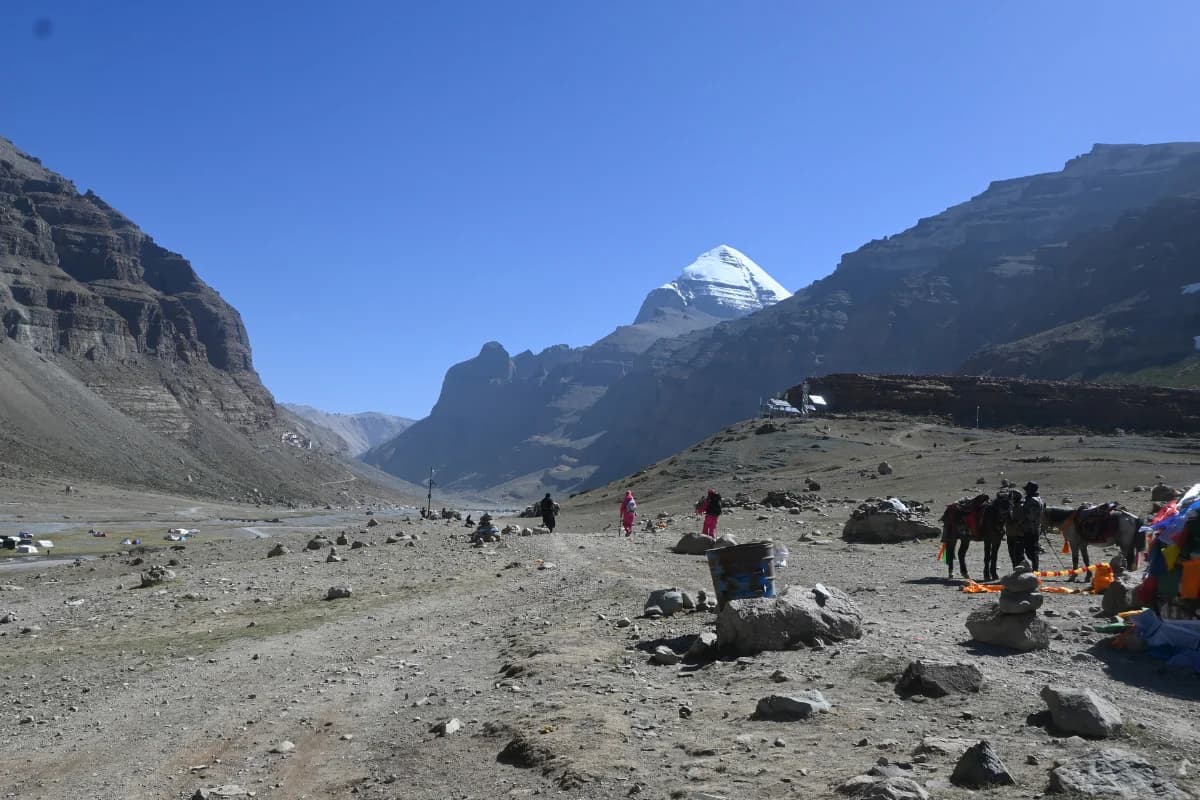
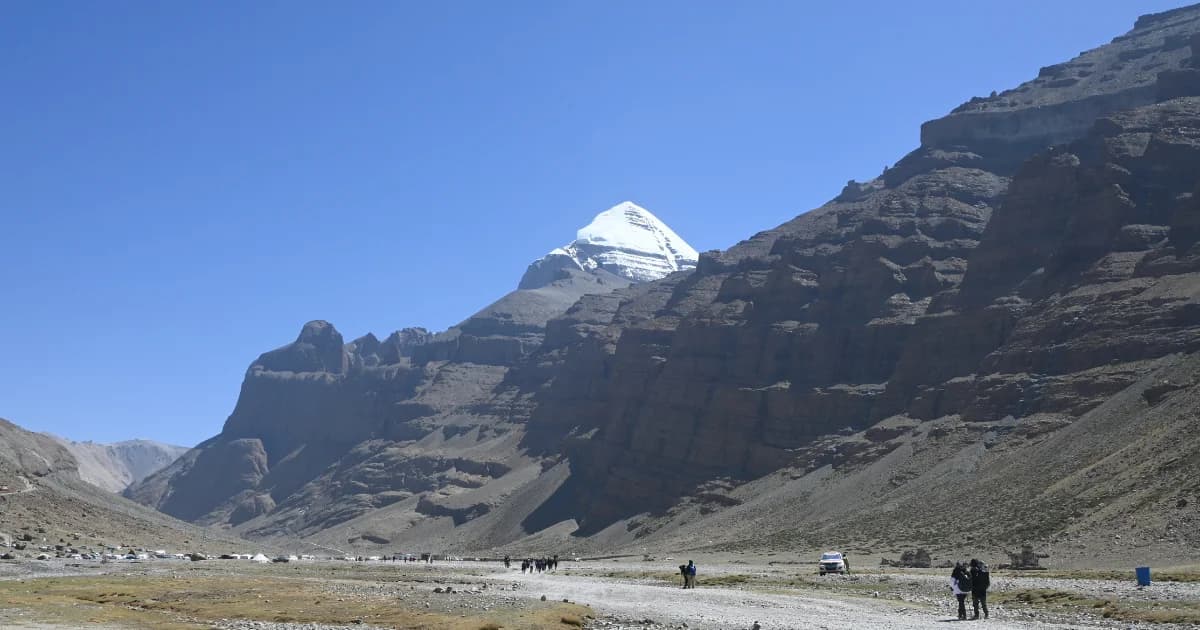
The three-day-long trekking route around Mount Kailash is the most challenging segment of Kailash Yatra. This outer circuit trek covers 52 km, and crossing over the 5630 m high Dolma La Pass will be the most demanding and longest day of the entire Kailash Yatra experience.
Since this region of Tibet is remote and wild, everything must be transported to guesthouses and seasonal camps located here. Therefore, the food availability will be a simple, limited, warm, and energy-dense diet.
Day 1: Darchen to Dirapuk (4900 m)
The first day of Kailash parikrama begins with a drive from Darchen to Yamadwar (Tarboche) and a trek to the humble monastery of Dirapuk. This day will be quite long in distance and gradual with a steady rise in elevation as well.
The route will pass through the beautiful, quiet valley of Lha Chu, and the temperature may also fluctuate unexpectedly. Therefore, your meal on this day should provide you sufficient energy and support your proper acclimatization.
Breakfast:
The day will begin early with a hearty breakfast that usually includes bread, porridge, eggs (if available), tea or coffee.
Lunch:
Lunch will generally be served along the route in available teahouse camps or will be packed from Darchen. The menu generally includes fried rice, vegetable noodles, chapati, boiled potatoes, and fruits.
Dinner
Dinner will be served at Dirapuk guesthouse and includes vegetable soup, rice, lentils, stir-fried vegetables, and noodles facing the magnificent North Face of Mount Kailash.
Day 2: Dirapuk to Zuthulpuk via Dolma La Pass (5,630 meters)
This is the toughest and longest part of the entire Kailash Yatra, when you will cross the steep 5630 m high Dolma La Pass before descending to Zuthulpuk.
The day will begin very early, probably at dawn, so your appetite may be reduced. But remember, nutrition and hydration will be most important on this day, so we encourage you to eat your breakfast and pack light snacks for the trail.
Breakfast
Breakfast will be simple with porridge, bread, tea, or coffee.
Lunch
Lunch will be packed as there will be very limited eating facilities on the trail to the pass and may include thukpa (noodle soup). We recommend you fill yourself with energy bars, dry fruits, nuts, chocolates, and glucose candies.
Dinner
Dinner will be served at Zuthulpuk that usually includes rice, noodles, soup, vegetables, and lentils.
Day 3: Zuthulpuk to Darchen
This is the final morning trek of Kailash Parikrama that will take you back to Darchen. The route is the easiest and shortest and follows the river valley.

Pilgrims enjoying the sunrise view of Mount Kailash
Breakfast
Breakfast will be at Zuthulpuk, and it will be simple with porridge, bread, tea, or coffee.
Lunch
Lunch will be served at Darchen, where you will have access to a wider variety of food choices than during the Kailash parikrama. Food options will be fried rice, vegetable noodles, chapati, boiled potatoes, or fruits.
Dinner
Depending on the itinerary you have chosen for your Kailash Yatra, dinner may be served at Saga, where you can enjoy the celebratory meal that will be hearty and varied.
Enjoy the completion of your sacred journey with Nepali, Chinese, or Indian cuisine.
Note
Himalayan trekkers will look after your breakfast, lunch, and dinner during the Kailash parikrama. If available, food will be served at the guesthouse, and if not available, which usually happens during the peak season of Kailash Yatra, then our support team will prepare a hot, fresh meal for you and will also pack your lunch for the trail.
Special Food on the Kailash Yatra
We understand that Kailash Yatra is a sacred pilgrimage and so many yatris follow religious food practices. Therefore, we organize only vegetarian meals for the Kailash parikrama containing no meat or seafood.
If you are Jain pilgrims or follow a vegan or gluten-free diet, then please inform us of your dietary requirements when you are in Kathmandu so we can customize your daily meals accordingly.
Water and Beverages on Kailash Yatra
Like food, hydration is also very important during Kailash Yatra as the high elevation and the dry climate of Tibet may increase the risk of dehydration and altitude sickness.
Our guide therefore always suggests our guests fill their bottles with boiled water before beginning the daily journey and drink regularly throughout the day.
Along with water, hot beverages such as Tibetan tea, coffee, ginger tea, and hot lemon are also available along the route of Kailash Yatra.
Snacks to carry for Kailash Yatra
Although we provide you meals during the Kailash Yatra, you must also carry energy-rich, easy-to-digest, and lightweight snacks for the trail.
We suggest our yatris buy nuts, raisins, dates, energy bars, chocolate, protein bars, and glucose candies when they are in Kathmandu.
Likewise, carrying electrolyte powder to mix with drinking water is also essential, which will help in restoring essential minerals that are lost through heavy breathing on the trail.
Conclusion
The food on the Kailash Yatra will be simple, nourishing vegetarian meals, but we promise they will support you and maintain your health throughout your sacred pilgrimage to Mount Kailash. Although luxury options may not be available, you can certainly expect a good variety of tasty vegetarian meals from Tibetan, Indian, Nepali, and Chinese cuisine. You should also carry a few lightweight snacks for the trail, and your remarkable Kailash Mansarovar tour will be comfortable and healthy.
Ready to plan your Kailash Yatra 2026? Contact our team today on WhatsApp, and we will help you prepare a safe, healthy, spiritual, and comfortable pilgrimage for you.