Machhapuchhre Model Trek
Share with your friends
Trip Information

Duration
12 days

Max Altitude
Chichemle Kharka 2645

Difficulty
Moderate

Starts from
Kathmandu

Trips Ends at
Kathmandu

Activity
Trekking


Guided tour to the World Heritage Sites
City tour in Pokhara
The spectacular views of Fishtail and Annapurna
Home Stays trekking facility
Rhododendron forest & species of flora and fauna
Amazing view of waterfalls and ancient caves
Mixed indigenous lifestyles
The great countryside, terrace farming and mountain landscapes
Machhapuchhre Model Trek Overview
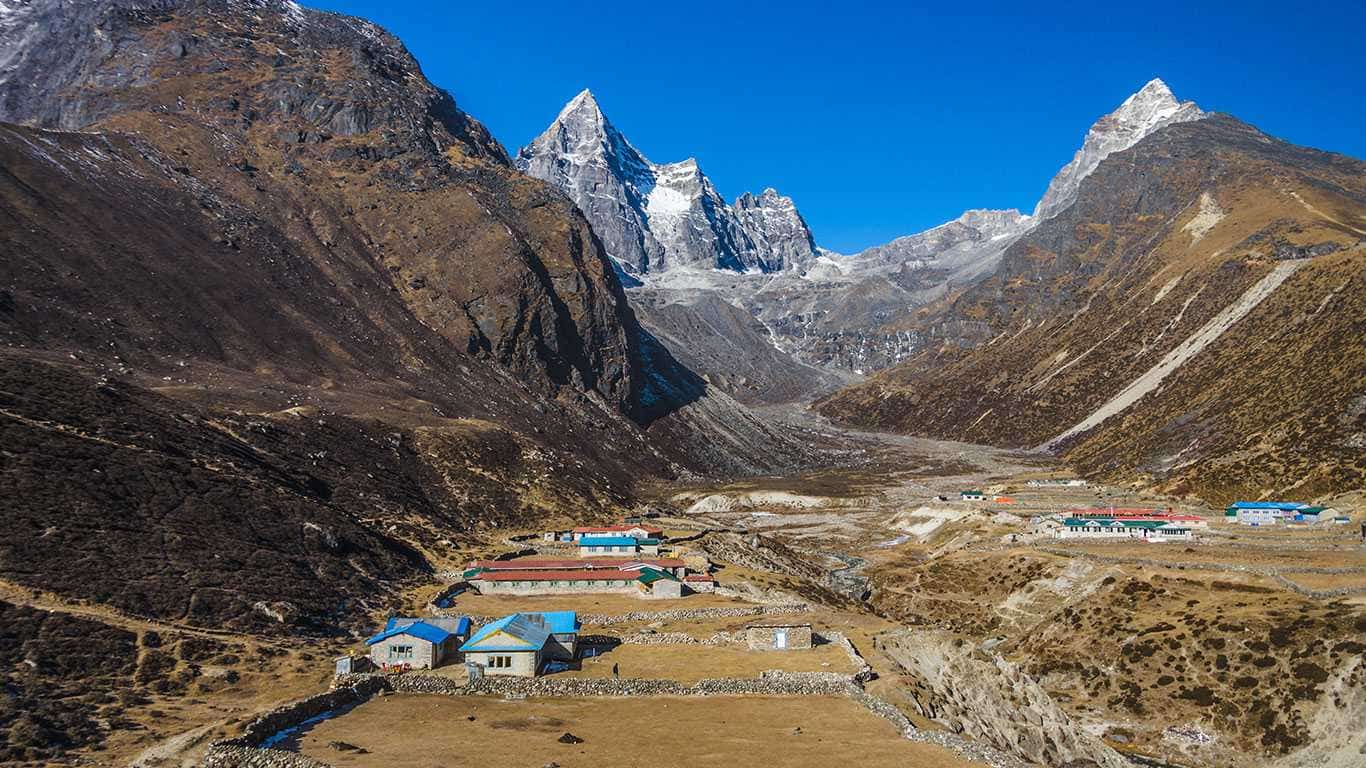
Machhapuchhre Model Trek is a unique package that provides an alternative to trekkers who are affected by the increasing motorable roads constructed in the Annapurna Conservation Area.
Machhapuchhre Model Trek
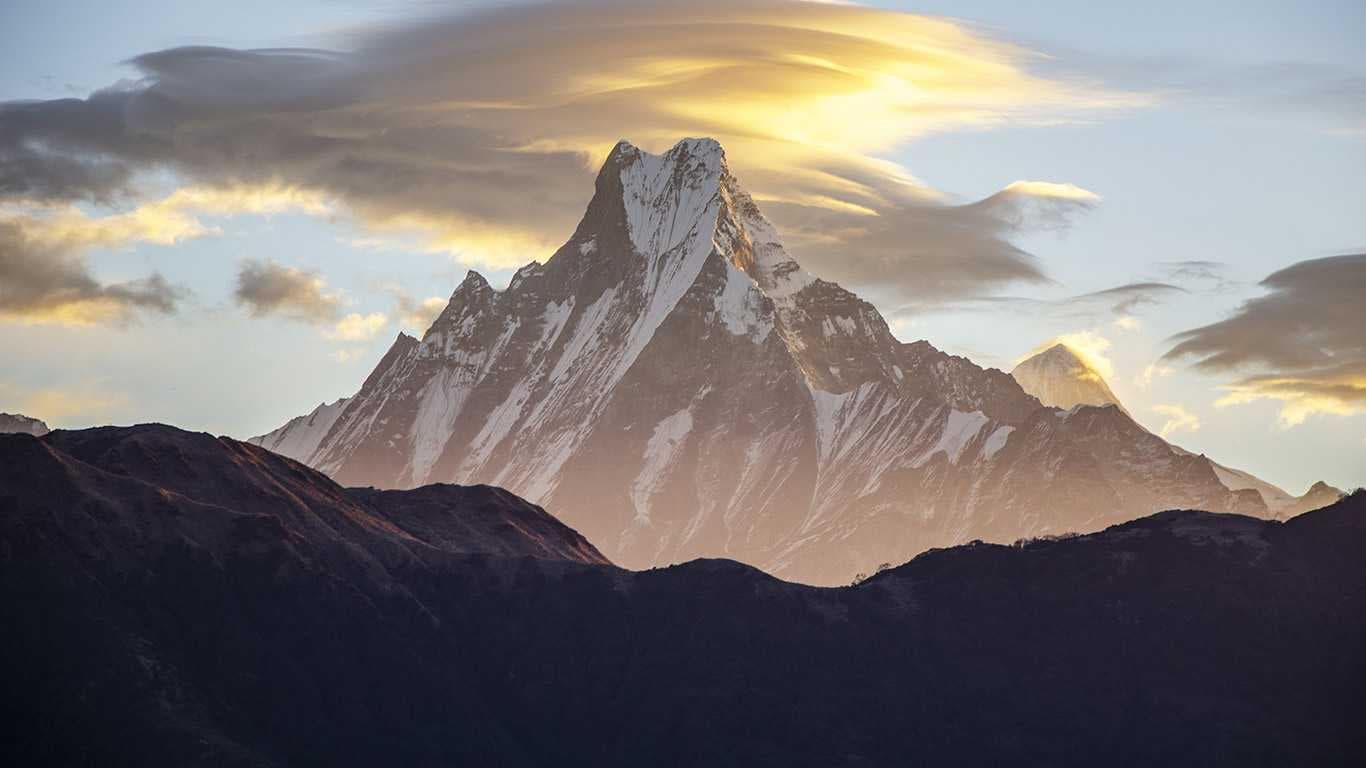
The Machhapuchhre Model is named so because of the excellent views of Mount Machhapuchhre observed on our route. Like Mount Fishtail, this trail is also an unspoiled trail where you can immerse youself with natural beauty.
Trekkers have the option to extend the trek up to Mardi Himal Base Camp to enjoy the great views of the snow-capped Himalayan range, including the popular Mt. Annapurna and Mt. Machhapuchhre (Fish Tail), mountain landscapes, natural hot water springs, hiking through rhododendron forest, ancient caves, waterfalls, discover various species of flora and fauna, and amazing viewpoints.
This trek can be done either by staying in the camping tents or in indigenous houses with the locals in the villages of Lachok, Ghachok, Machhapuchhre, Ribhan, LwangGhalel, Sardikhola, and Dhital. The homestay program has been significantly fruitful for more than 16,000 local villagers.
Trek Highlights
Guided tour to the World Heritage Sites
City tour in Pokhara
The spectacular views of Fishtail and Annapurna
Home Stays trekking facility
Rhododendron forest & species of flora and fauna
Amazing view of waterfalls and ancient caves
Mixed indigenous lifestyles
The great countryside, terrace farming, and mountain landscapes
Machhapuchhre Model Trek itinerary
The journey begins as you arrive in Kathmandu. The next day, we visit the UNESCO sites in and around Kathmandu. On the third day, we move to Pokhara via a scenic drive. We cover around 200 km in 6 hours.
From Pokhara, we drive to Milanchok. But the day doesn’t end here. We trek to Ghachok, which takes around 5 hours. Then we make our way towards Dhiprang. Our next stop will be Chimchime Karkha.
As we reach the final stretch of the trip, we drop by Lalka. The next stop will be Ribhan, then to Lachok, then Milanchok, and finally drive back to Pokhara. We return to Kathmandu, we can either take a flight back or take a scenic drive.
Best Season for Machhapuchhre Model Trek
Similar to most treks done in Nepal, the Machhapuchhre Model Trek is best experienced during autumn and spring. The trek can be done in other seasons, but the trail poses many challenges during the monsoon and winter.
Autumn is best for those who wish to view grand peaks in the Annapurna area. The weather is crisp and clear. Trekking during the fall in Nepal is the Gold standard.
The next best season to trek to the Machhapuchhre Model Trek is Spring. This season offers blossoming nature. You travel through blooming rhododendron and other wild flowers. Spring is perfect for nature enthusiasts to travel in Nepal.
Machhapuchhre Model Trek remains open in Winter. The trip doesn't reach extreme altitudes, so you won’t find extreme temperatures. Nevertheless, you travel in solitude, and as such, it’s great for those wanting an adventure.
Monsoon is a season to avoid trekking in Nepal. Most trails become slippery and muddy. The path becomes infested with bugs and even leeches. Nepal becomes prone to mudslides and landslides. As a result, trekking during the rainy season becomes risky.
Itinerary Map
Itinerary Detail
Departure Dates
What is Included / Not Included
- All pickup and drop off from/to International and domestic airports
- 3 Star Hotel in Kathmandu & Pokhara with breakfast
- Guided sightseeing to the World Heritage Sites in Kathmandu City
- Welcome or farewell Nepali dinner with live culture program
- Annapurna Conservation Area permit, TIMS and monument entrance fees during city tours
- Three meals (B/L/D) on trekking available at Village Kitchens/Camps
- Accommodations in the mountain at Village Homes (Home Stay)/Camps
- An English speaking Trekking Guide along with the camp crew
- A porter shared between two trekkers
- Staff insurance, salary, food, accommodation, and transportation
- Private land transportation before/after the trek in Pokhara
- Half-day city tour in Pokhara
- Kathmandu-Pokhara overland transfer by a private vehicle and Pokhara-Kathmandu by regular flight
- All applicable taxes and official expenses
Himalayan Trekkers promises to manage the best, most comfortable, and preferred accommodation. Generally, in cities like Kathmandu and Pokhara, we arrange basic three-star facilities. If available, you can opt for a more budget-friendly option or upgrade to a more luxurious hotel by paying a little extra.
Although not all the places might have all the modern facilities, we will make sure to arrange safe and comfortable accommodation. In general, hygienic and safe tea houses/local lodges/ home-stays with all the basic facilities are arranged. But you can, if possible, personalize according to your preference.
Meals
Breakfast is usually included with your B&B Accommodation within the cost that is evident. For other meals in the city, you would have to pay separately. Often in the cities, you can choose from many different cuisines and varied food services. We can always help you find the right place.
In more remote areas, usually, there are not many options. But you can always find hygienic and well-prepared food. Moreover, almost all the meals during the trek are included in the cost. We can help you make changes according to your preference and budget, but only if choices are available.
On top of that, Himalayan Trekkers also organizes Welcome or Farewell Dinners as a symbol of warm greetings.
Please go through the detailed itinerary for more information. We are always there to help you travel to your heart’s content.
Water during the Machhapuchhre Model Trek
Water is important in daily life, more so during treks in the Himalayas. Finding drinking water in the Machhapuchhre Model Trek isn’t hard. You can expect spring water that you can treat.
Spring waters have many contaminants. You’d need to filter or use an iodine tablet, or UV treat it before drinking.
The second option is refilling your bottle in tea houses. They boil and filter drinking water, as such, making it 100% contamiant free. The house usually charges a small fee per liter.
The last option is buying bottled water at the small stores on the trail. The prices for the bottle remain reasonable.