Annapurna View Trek
Download Itinerary

Share with your friends
Trip Information

6 days

3210

Moderate

Kathmandu

Kathmandu

Trekking


Trip Highlights
One of the best treks in the popular Annapurna Region
Opportunity to explore the diverse vegetation, culture, and lifestyle
Mesmerizing sunrise view from Poon Hill which is one of the best viewpoints in Nepal
Stunning view of two of the highest mountains in the world, Mt. Annapurna (8091 m) and Mt. Dhaulagiri (8167m) with other beautiful peaks
An alternative to Annapurna Base Camp Trek
One of the inspiring trekking destinations in the Annapurna Region
Walk through Gurung and Magar communities alongside Rhododendron Forest, deep sub-tropical valleys.
Annapurna View Trek Overview
The Annapurna View Trek is one of the amazing journeys in the region. The trip provides a completely fantastic hiking experience in Nepal. As the name suggests, the Annapurna View Trek takes place amidst the Annapurna mountain range in central Nepal.
The Annapurna Range is one of the most majestic and enchanting mountain ranges in the world. Being the 10th highest peak and going almost to the height of 8,091 meters, the beautiful, striking mountain scenery makes the experience absolutely out of this world. It is definitely a paradise for hikers.
The Annapurna View Trek or Ghorepani Poonhill Trek
The Annapurna View Point Trek is often referred to as the Ghorepani Poonhill Trek or the Sunrise Trek. It is so named because, as you walk to Poonhill for about 45 minutes from Ghorepani early in the morning, you get the best view of the rising sun over the Annapurna Range.
This circuit trek in the lower Annapurna Region’s major highlights is climbing to Poonhill at 3120 meters. The area is one of the best viewpoints in the country to observe the sunrise.
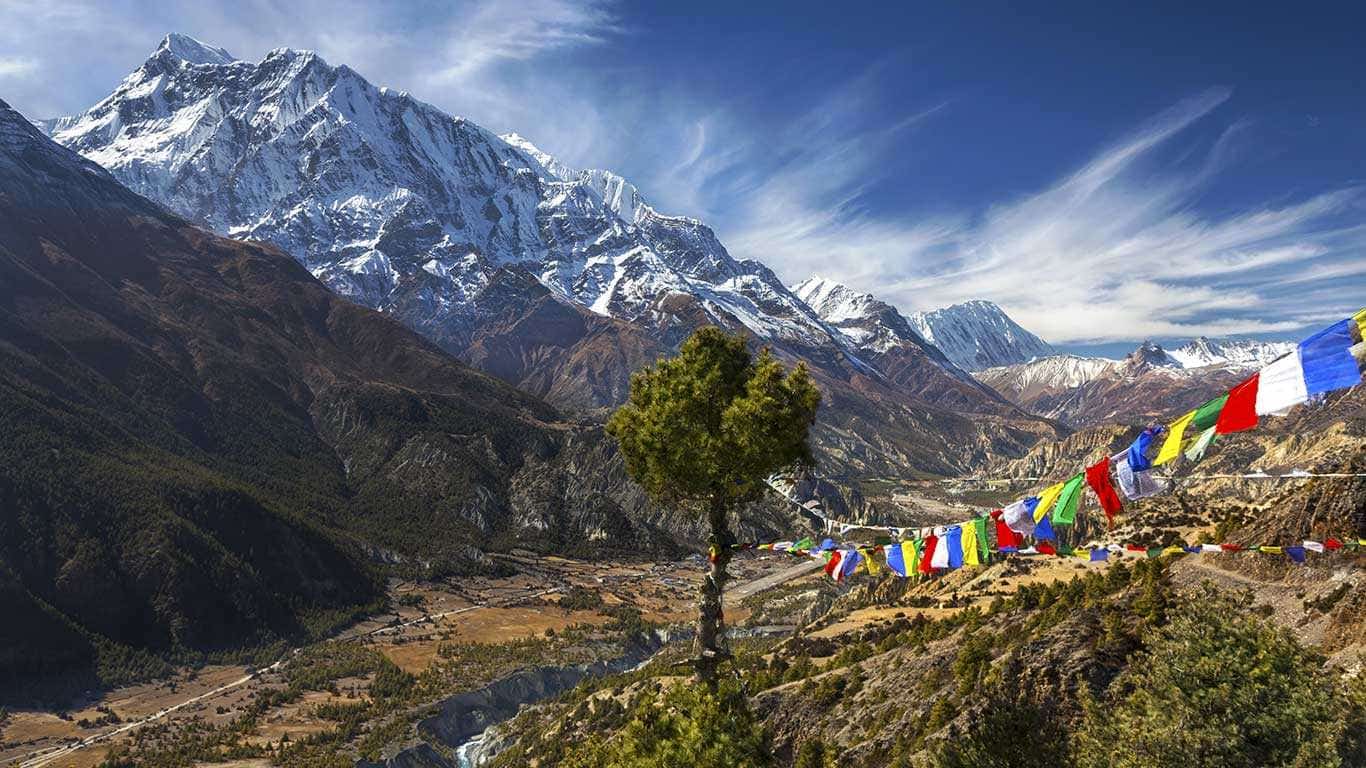
The Annapurna View Trek holds the expansive views of the renowned Annapurna region. It includes Annapurna South, Annapurna I, Annapurna II, III, and IV, Dhaulagiri, Lamjung Himal, Gangapurna, Machhapuchhare, Manaslu, Tukuche, Dhampus, and Hiunchuli.
Annapurna View Trek Itinerary
Our Annapurna View Trek is a short 6-day round trek. It is on one of Nepal's gentler tracks, making it ideal for families and first-timers who wish to see the Himalayas' recognizable scenery without ascending to extremely high altitudes.
The Annapurna View trek gives the chance to explore different types of vegetation. We walk through the rhododendron woodland, terraced hills, paddy fields, and lush foliage.
In addition to nature and adventure, the Annapurna View Trek also offers you a great opportunity. You get a glimpse of the local culture, lifestyle, and friendly hospitality of the Gurungs and Magars.
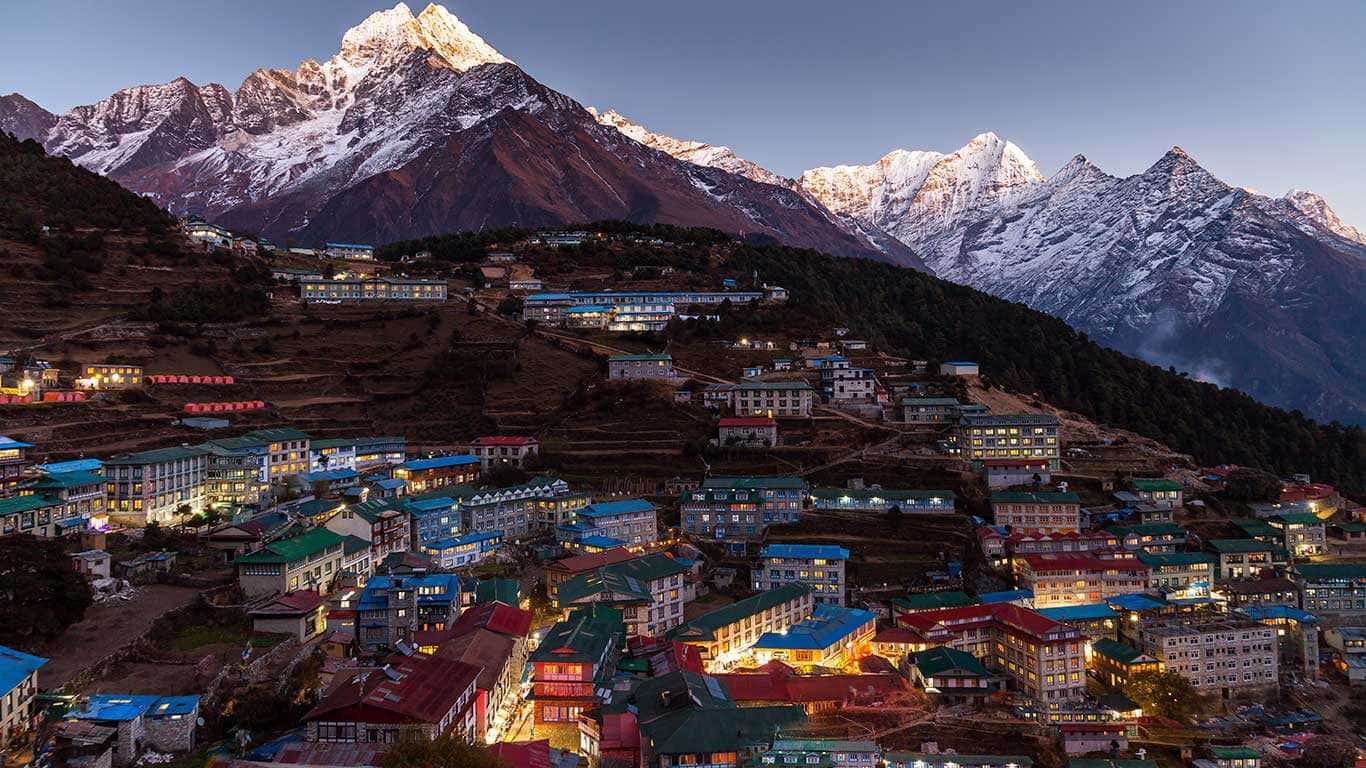
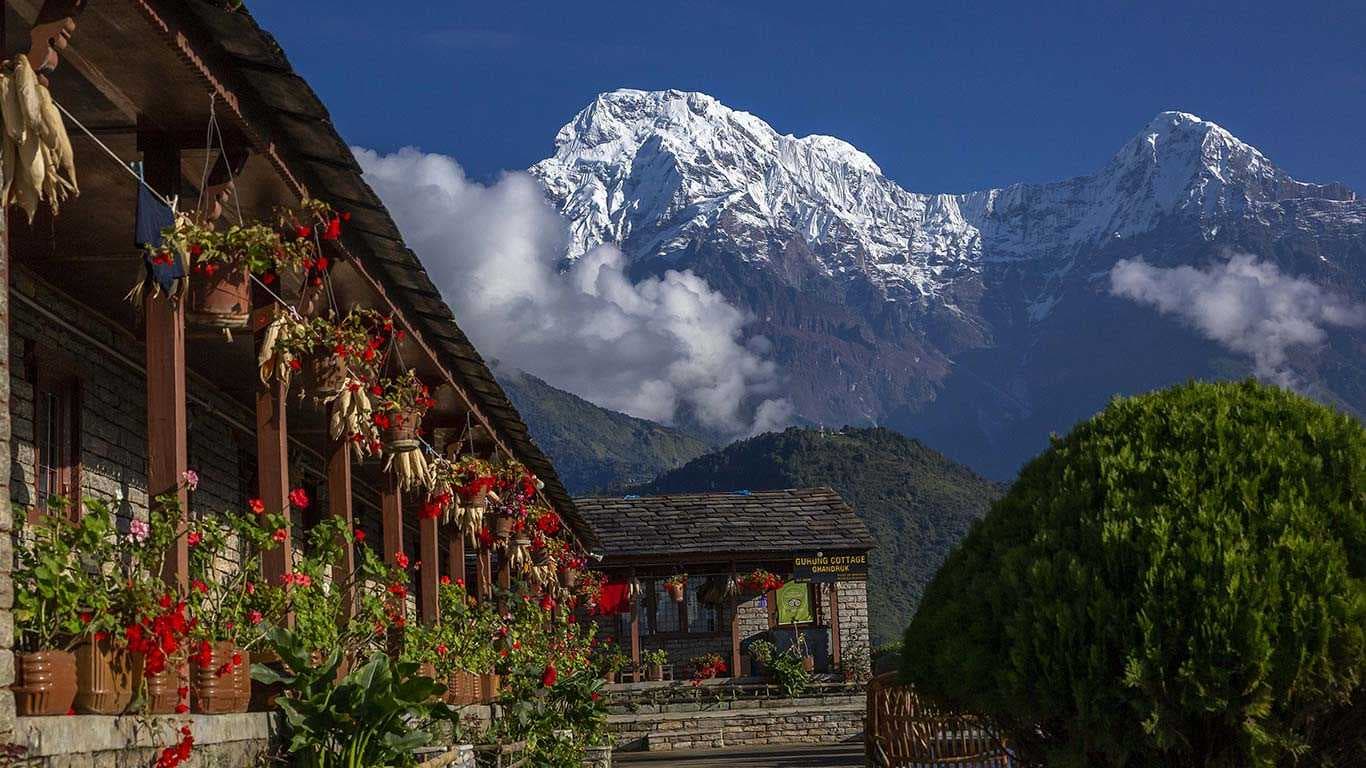
You pass through small mountainous villages such as Ghorepani, Ulleri, and Ghandruk. These places seem to come directly out of picture postcards.
Annapurna View Trek Highlights
One of the best treks in the popular Annapurna Region
Opportunity to explore the diverse vegetation, culture, and lifestyle
Mesmerizing sunrise view from Poon Hill, which is one of the best viewpoints in Nepal
Stunning view of two of the highest mountains in the world, Mt. Annapurna (8091 m) and Mt. Dhaulagiri (8167m), with other beautiful peaks
An alternative to the Annapurna Base Camp Trek
One of the inspiring trekking destinations in the Annapurna Region
Walk through Gurung and Magar communities alongside the Rhododendron Forest, deep sub-tropical valleys.
Annapurna View Trek Difficulty
Annapurna View Trek is one of the easiest trekking journeys in the Annapurna Region that requires an average of 4-5 hours of daily trekking with several breaks to take in the breathtaking mountain vistas. The Annapurna View Trek follows the famous Ghorepani Poonhill Trek route and includes downhill and uphill climbs with some steep and narrow ridges. You will also have to walk on more than 3000 stone steps on the first day of this Annapurna View Trek, which could be difficult for some.
Furthermore, the difficulty of the Annapurna View Trek also depends on the season you choose to trek and your physical and mental determination. Hence, you need to choose the time that suits you and your physical condition best.
Altitude Sickness is one of the major problems when trekking in the Himalayan region. However, as the Annapurna View Trek route does not lie that high, the chance of getting AMS is very low. But, in case you see the symptoms of it, descending is the most practical solution.
Best Time to do the Annapurna View Trek
Like many other treks in Nepal, the Annapurna View Trek is also best done in the spring and autumn months. These seasons have perfect weather and pleasant temperatures throughout the day and nighttime. It can be done in all seasons. It is a short, easy, and low-altitude journey.
Spring
Spring is the ideal time for the Annapurna View Trek. The weather regains its consciousness from the winter and maintains a clear blue sky. It allows the trekkers to view the Himalayas and their surroundings.
The pleasant temperature throughout the day makes the trek easier for trekkers. The cool evenings and mornings offer freshness. Spring starts in March and lasts till May in this region, when this whole region is filled with red rhododendron blooms.
Autumn
Another perfect time for the Annapurna View Trek is the autumn season. The weather and temperature are similar to those of the spring season. The skies are blue, the trails are dry, and the Himalayan and surrounding views are really beautiful. In addition to trekking, the autumn season is the greatest time to experience Nepal's festive spirit.
You will learn more about Nepali culture during this season. The majority of the country's important festivals, such as Dashain and Tihar, fall during the autumn months (September, October, and November).
The Annapurna View Trek route is relatively busy during spring and autumn, providing an opportunity to meet trekkers from other parts of the world. But, it is best to make reservations in advance as you might not get rooms, enough guides, and porters.
Summer & Monsoon
The summer monsoon is an off-season for many high-altitude treks in Nepal. But you can do this Annapurna View Trek in the summer monsoon months too, with some preparations.
The months of June, July, and August are sunny. Sometimes it is very hot, but the rain will keep the balance of hotness.
After the rain, you can take in the expansive vistas of the mountains and the cleanly washed, widely stretched vegetation. You can get discounts at the teahouses, and the trails will be undisturbed by other tourists.
When trekking in the monsoon, you have to deal with a few problems. You face things such as leeches, muddy trails, foggy views, etc.
Winter
Winter is harsh in the Himalayan region, which is why it is an off-season for trips, especially in the Himalayas. January and February are the coldest winter months in the Annapurna View Trek route, but they are open, unlike other treks, due to the low altitude.
You might have to face heavy snowfall, especially around the Poon Hill area. With extra care and full preparations, you can head off if you are interested.
You will get the best view of the mountains in winter. The trails are also crowd-free, and the teahouses might offer discounts too.
The Annapurna View Trek Permits
Trekkers need to obtain only two permits to do the Annapurna View Trek, namely:
1. TIMS (Trekkers’ Information Management System)
2. ACAP (Annapurna Conservation Area Project) Permit
The permits are included in this package.
Itinerary Map
Itinerary Detail
Departure Dates
What is Included / Not Included
- Pokhara - Tikhedhunga and Dhampus - Pokhara Private Jeep transfer
- Best Available lodge/guesthouse accommodations throughout the journey
- All meals (Breakfast, Lunch & Dinner) along with Tea/Coffee
- Annapurna Conservation and Entrance Fees
- TIMS Fees (Trekkers' Information Management System)
- Guide and Porter During the Trek
- A Comprehensive First-Aid Kit During the Trip
- All Wages, Equipment, and Fees for Guide & Porter
- Travel Insurance For Guide and Porter
- Down Jacket, Sleeping Bag, Duffle Bag, Trekking Pole ( refundable if require)
- All Government Taxes
Accommodation
Accommodations During the Annapurna View Trek
Himalayan Trekkers offers standard accommodations in cities like Kathmandu and Pokhara. We have 3 star category bases hotels/resorts on a twin/double-sharing basis.
But, if you want to change the accommodation category of your choice, we can manage them accordingly at an additional cost or reduce it.
There are many options, from budget to luxury, in Kathmandu and Pokhara. Or, if you simply want to have a single supplementary service, we will provide it at an extra cost.
During the trek, you will not have many options. You will be staying at the trekking tea houses and local lodges, depending on the places.
The services are basic, and your rooms will be on a twin-sharing basis. Also, some of the lodgings in this Annapurna View Trek route have private bathrooms and offer hot showers.
Meals during the Annapurna View Trek
This 6-day Annapurna View Trek package includes your 5 breakfasts, 6 lunches, and 5 dinners. Breakfasts and dinners will be served in the same teahouse/lodge where we spend the night, and lunches will be served at the lodges on the way to the next destination.
Though the lodges’ foods have limited variety, they are of high quality, healthy, and clean. You will find traditional Nepali cuisine, Daal Bhat Tarkari, which is rice and lentil soup with some side dishes in every teahouse.
Other than that, depending upon the teahouses, you will find foods like Tibetan bread or Chapati, Local Tsampa porridge, Eggs, Pancakes, various Soups, Sherpa Stew, Momos, Noodles, pasta, potatoes, sandwiches, etc.
The lodges also have a variety of drinks, including tea, coffee, soda drinks, and a few alcoholic options, which are not included in this package cost.
Drinking Water in the Annapurna View Trek
Water is important in daily life, more so during treks in the Himalayas. Finding drinking water in this trek isn’t hard. You can expect spring water that you can treat.
Spring waters have many contaminants. You’d need to filter or use an iodine tablet, or UV treat it before drinking.
The second option is refilling your bottle in tea houses. They boil and filter drinking water, as such, making it 100% contamiant free. The house usually charges a small fee per liter.
The last option is buying bottled water at the small stores on the trail. The prices for the bottle remain reasonable.
Customer Review
1 Week Trek in Annapurna
Nepal is an enthralling experience but my stay was just too short. The drive from Kathmandu to Pokhara passed through some breathtaking landscapes. Pokhara is very beautiful against the backdrop of the Annapurna ranges. We thoroughly enjoyed this short experience and our guide Karma contributed a lot to this wonderful experience. Our Trekking to Poonhill and Ghandruk being an amazing. Foods, tea house and services were great.

My first experience in Nepal was quite exciting.
My most important event was viewing the snow-capped mountain especially the sunrise with mountains.
Looking forward to do some trekking the next time.
Thank you Raj and see you very soon.
To all our Nepali friends!
Thank you for a most wonderful & exciting holidays in your country.
We have been so well taken cure of, seen so much and met so many friendly people.
The children of Nepal are even sweeter in reality than in the pictures we had seen!
Trekking through the readless queas, busy old trade routes to new purposes and realizing the enormous amount of hard work that goes into keeping the environment so beautiful, will be the most encludry memory of our best holiday ever.