What is the best time of year to hike the Annapurna Circuit? (2026 Weather Guide)

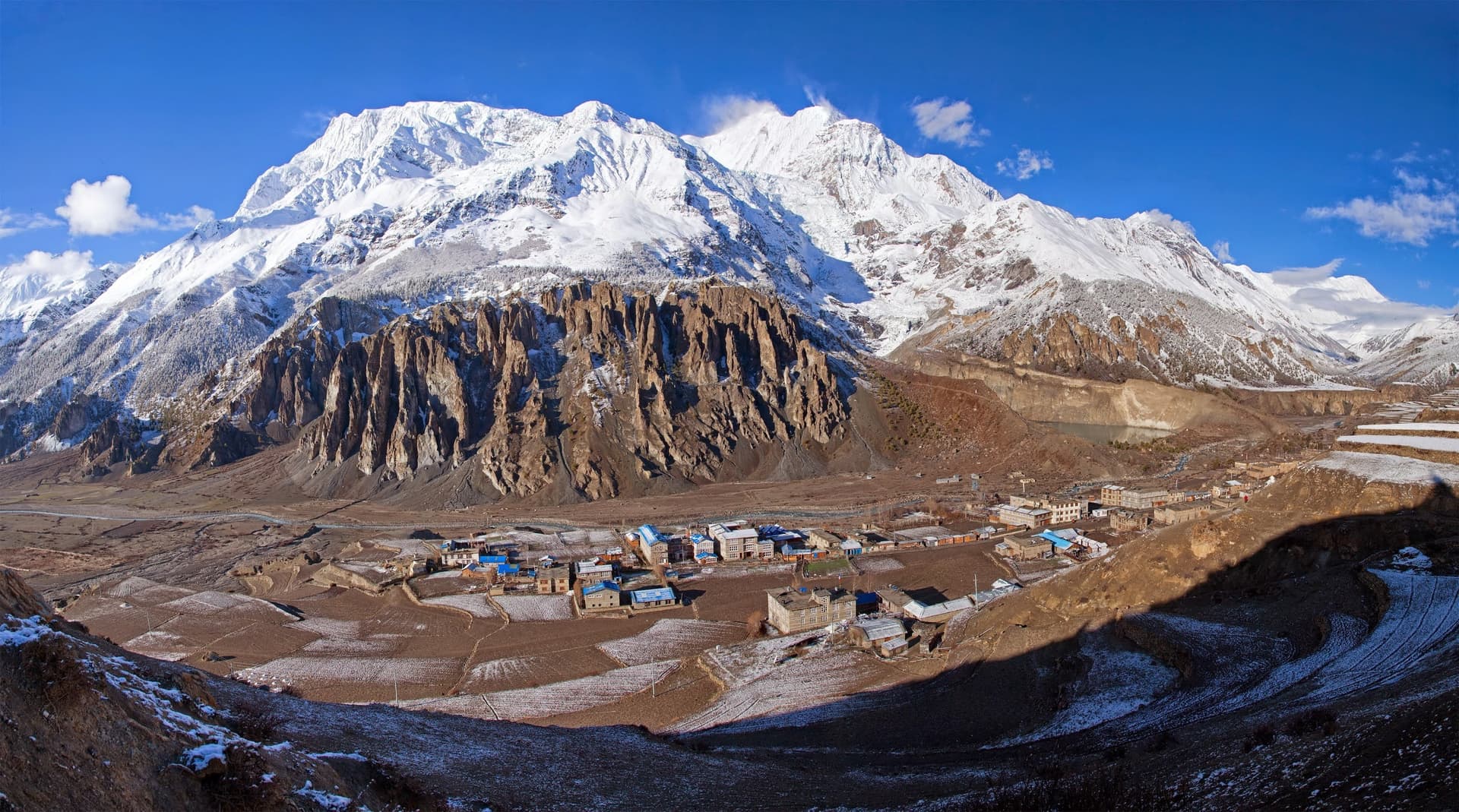
Manang Valley
The best time of year to hike the Annapurna Circuit is never a one size fits all answer. The timing of your trek decides whether you get to see the majestic Himalayan views or fog-clouded skies.
The Annapurna Circuit trail is like a chameleon, it changes according to the seasons. Each season brings its own unique mood. So let’s see what each season brings to the table, and what is the best time of year to hike the Annapurna Circuit.
First comes Autumn. It feels steady. After the rains, the skies are clear, the paths are dry and the villages are lit with anticipation of Dashain and Tihar.
Annapurna Circuit in October is the most reliable season, with Annapurna Circuit Trek weather warming up to 15 to 20 Degree Celsius during the day. Although Thorong La drops to -5 Degree Celsius during the night.
Spring feels alive. The forests around Ghorepani and Manang are vibrant with red and pink rhododendrons. Longer daylight and comfortable temperatures make the days easier. April is the sweet spot, combining the blossoms with crystal skies.
Monsoon is wild. Lower valleys become muddy, leeches flourish, not to mention the often delays of flights. But the rain shadow effect keeps Manang and Mustang dry. Trekking the Annapurna circuit in summer brings solitude, green hills and peace filled accommodations.
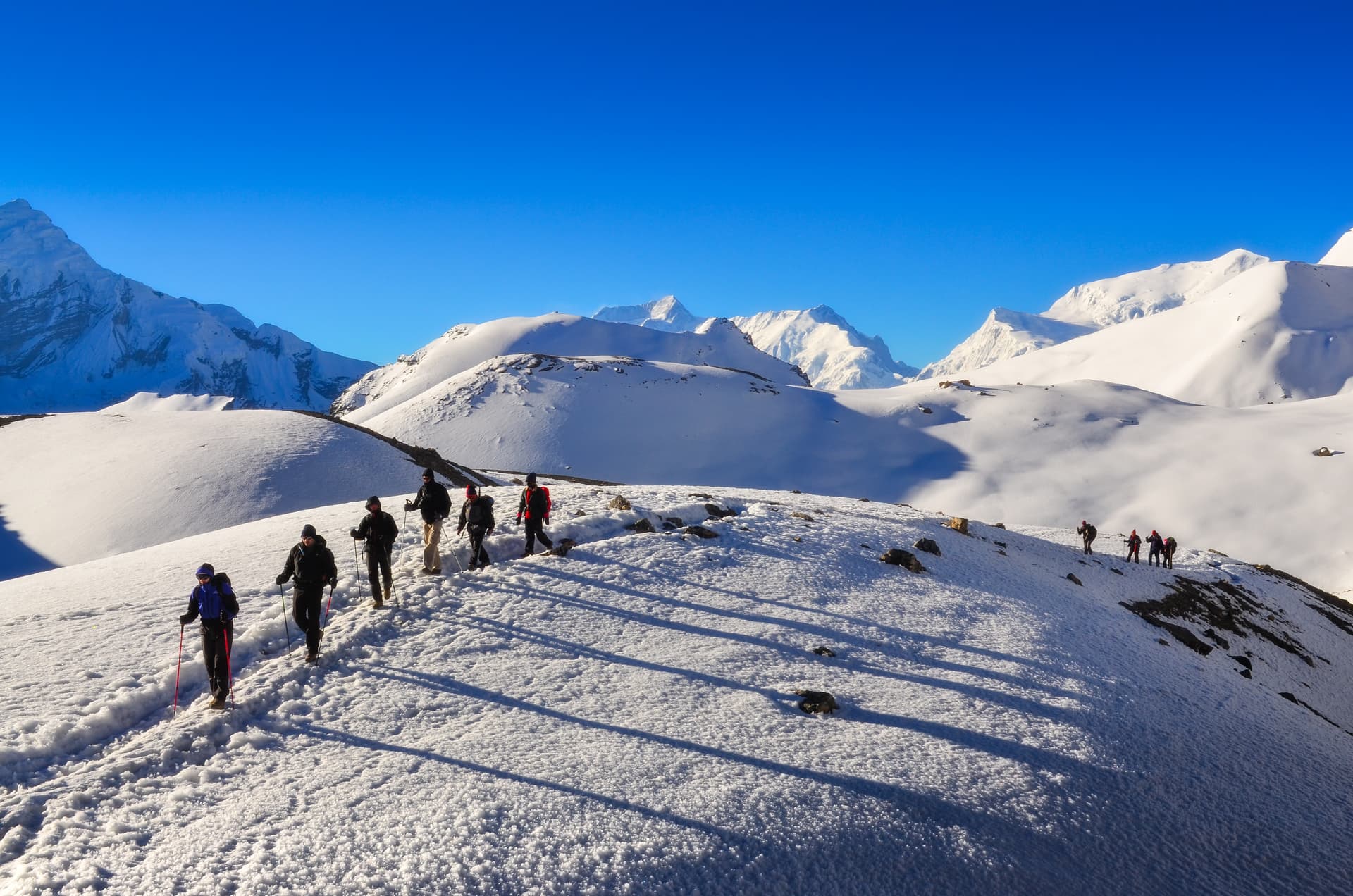
Then comes Winter, it’s stark. Heavy snow blocks Thorong La Pass. Being 5,415 m above sea level, the nights here drop to -20 Degree Celsius. You cannot even think about trekking once mid december crosses.
All these seasons have their own story. One season brings color, another one brings festivals. Some bring silence and some invite challenges. The real question is which colour of the mountains is going to bring YOU the greatest joy on the circuit? Which season is best to Trek the Might Annapurna Circuit?
The Best Seasons - Autumn VS Spring
The best time of year to hike the Annapurna Circuit is also about logistics. Permits and the daily mileage influence the season you choose.
Autumn and spring are peak seasons for booking. Annapurna Circuit in October attracts the most trekkers, followed by April. Typical running time for the Annapurna Circuit Trek package is 14 days.
When checking Annapurna Circuit Trek weather, remember wind and temperature swing with altitude. Lower valleys become warm but high passes remain cold. Flights to Pokhara and road links have more of an impact on start dates than it does mountain weather.
The table below is a comparison of Annapurna Circuit spring vs autumn on practical points. It will help you choose between trekking the Annapurna Circuit in October or in April.
Factor | Autumn (Sept to Nov) | Spring (Mar to May) |
Weather | Autumn gives clear skies. Days are cool, nights are cold. | Spring gives warmer days. Nights are chilly but softer than winter. |
Temperature | Day: 10 to 15°C in lower valleys. Night: - 5°C or colder at Thorong La. | Day: 15 to 20°C in lower valleys. Night: around - 2 to - 5°C at Thorong La. |
Scenery | Autumn gives crisp mountain views after the rains. The air is sharp and clean. | Spring gives rhododendrons in bloom. Forests turn red and pink. |
Crowds | Autumn is the peak season. Annapurna Circuit in October is busiest, tea houses fill fast. | Spring has moderate crowds. April is busy but easier to book. |
Trail Conditions | Autumn gives dry trails and best visibility. | Spring gives stable trails, sometimes light showers. |
Highlight Month | Annapurna Circuit in October is unbeatable. Clear skies, stable Annapurna Circuit trek weather, and festival season make it the top choice. | April is the highlight. Flowers bloom everywhere, trails are colorful, and trekking feels pleasant. |
Itinerary | 14 days. You need two rest days above 3,000 m. | 14 days. You need two rest days above 3,000 m. |
Permits | ACAP permit and TIMS card required all year. | ACAP permit and TIMS card required all year. |
Acclimatization | Rest days above 3,000 m are a must for safety. | Rest days above 3,000 m are a must for safety. |
Flights & Roads | Autumn flights to Pokhara are more reliable after monsoon. Roads clear faster. | Spring flights are steady. Some haze can affect mountain views. |
Packages (What to Pack) | Autumn needs warm layers, down jacket, gloves, thermal base, - 10°C sleeping bag. | Spring needs lighter layers, rain jacket, trekking shoes, - 5°C sleeping bag. |
Booking | Autumn bookings must be early. Annapurna Circuit in October rooms and flights sell out fast. | Spring bookings are easier. April needs some planning but less rush. |
Autumn (September to November) - The Peak Season
The best time of year to hike the Annapurna Circuit is autumn, especially Annapurna Circuit in October.
During Autumn, The Annapurna Circuit Trek Weather remains constant, the skies are clear and trails are safe after the monsoon. Trekkers choose this season for its stable trail conditions , accurate predictability and clear visibility.

Day time temperatures hovers around 10 to 15 Degree Celsius, perfect for walking long hours. Nights above 3,500m are close to freezing, but with good gear and warm clothes, it is perfectly manageable. This balance makes autumn the most predictable season for trekking.
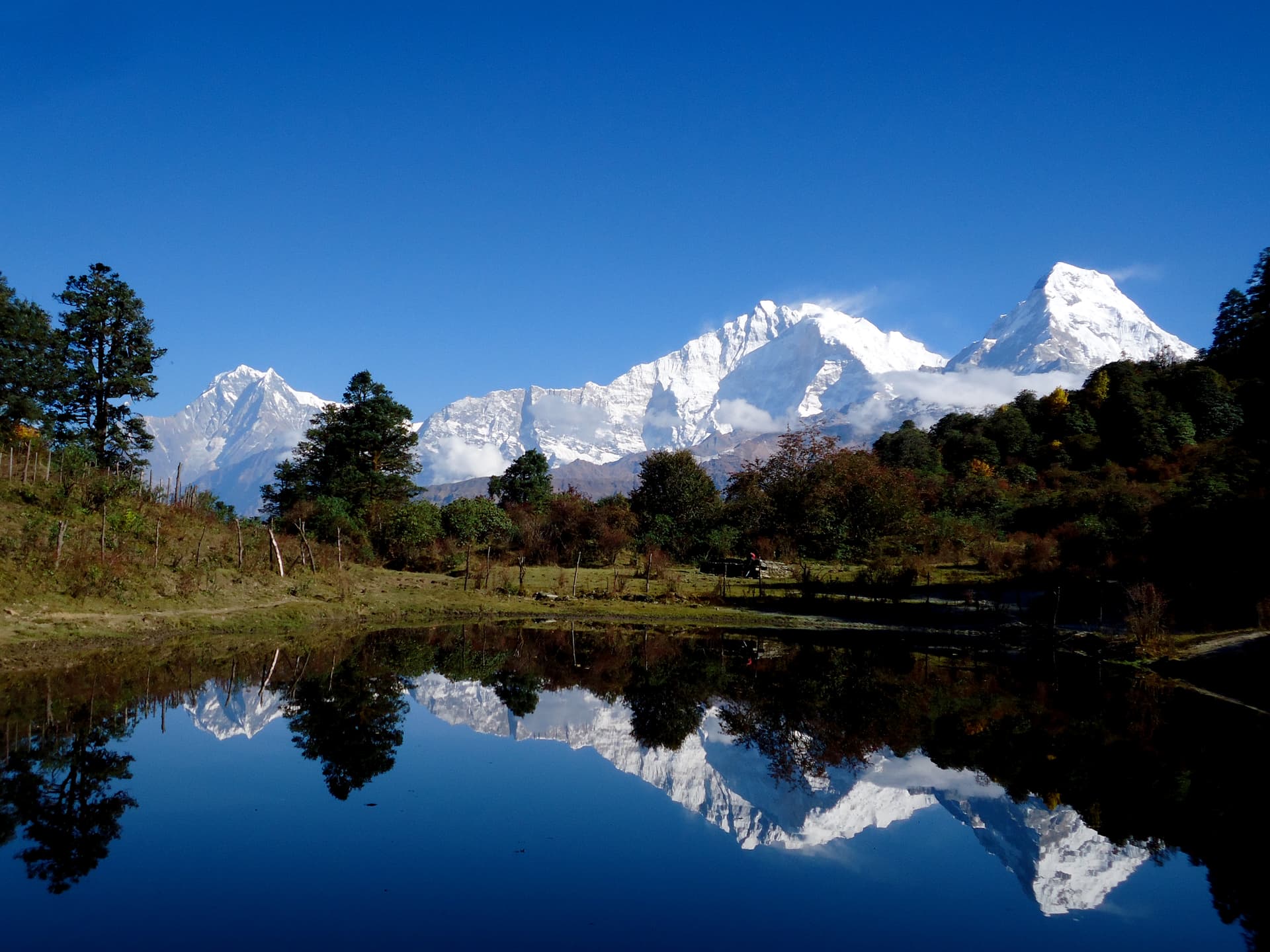
Annapurna Circuit in October provides the best views of Annapurna I, Dhaulagiri and Machhapuchhre. During October, dust and haze are gone, extending sightlines by over 20 km. This clarity makes Annapurna Circuit in October the crown month of the Annapurna Circuit trekking season.
Tea houses are usually busy and stocked with trekkers from all over the world. The trail comes alive with the hustle and bustle of Dashain and Tihar. The villages are prettily decorated and music booms in the air, blending mountain adventure with local traditions.
Guides, porters and rescue services are highly available during Autumn. Lodges can offer more supplies, and the food offers more variety compared to other seasons.
All these good things make the demand high, hence we suggest trekkers to book up early and claim your spot!
What Autumn is Best For?
Autumn brings clarity like none other. Taking the Annapurna Circuit in October, the skies are dust free and sharp. Trekkers see postcard perfect Himalayan panoramas almost on a daily basis.
Trails remain dry and firm, rivers run strong and passes remain open. Weather disruption is not a daily occurrence. Autumn is the safest season for trekking.
Festivals such as Dashain and Tihar add culture to the trek. Villages are ablaze with decorations and trekkers get to see authentic Nepali traditions.
Tea houses are alive and full of trekkers regaling stories. The social energy makes the trail welcoming and safe.
Guides, porters and stocked lodges can be found easiest in autumn. Rescue and medical services are on call faster during this people-filled season.
What Autumn May Not Offer Compared to Spring
Crowds start to soar in Annapurna Circuit in October, with the tea houses being quickly filled and prices rising. In comparison, Spring brings more peace, with mild reservations and trekkers.
Autumn does not have longer day hours. Spring offers longer day lights, helping trekkers to acclimatize properly and make it to villages with less rush.
Nights are colder at higher altitude in autumn and evenings are comparatively harsher. Spring nights are milder, allowing trekkers to have better rest and to better acclimatize.
Autumn trails are full of colour. Although that vibrancy comes with crammed paths and over the notch busy lodges. Spring is quieter, it provides more personal space to those who seek to connect with themselves.
Autumn (September to November) | Monthly Temperature Table
Month | Daytime (Max to Min °C) | Notes | |
September | 18 to 22°C (lower altitudes), 12 to 15°C (higher) | 8 to 12°C (lower), 2 to 5°C (higher) | Warm days, occasional rain early in the month, clear skies later. |
Annapurna Circuit in October | 15 to 20°C (lower), 8 to 12°C (higher) | 5 to 8°C (lower), - 2 to 2°C (higher) | Peak Annapurna Circuit trekking season, crisp skies, stable weather. |
November | 12 to 16°C (lower), 5 to 8°C (higher) | 2 to 5°C (lower), - 5 to to 2°C (higher) | Colder nights, dry trails, visibility excellent. |
Spring (March to May) - The Rhododendron Season
The best time of year to hike the Annapurna Circuit is spring, when the mountains meet blooming forests and cheek warming days. This is the season when the days are longer, the weather is warmer and the trails are more sedate. Trekkers often prefer Spring to Autumn as it offers more “colorful landscapes” and “easier acclimatization” compared to autumn.
Daytime temperatures range between 12 to 18 Degree Celsius at mid altitude and the weather is oh so comfortable for walking. Nights above 3,500 meters are milder than autumn, so the trekkers adapt easier. Annapurna Circuit Trek weather in spring is less predictable compared to Autumn, but still it is perfectly safe.
Spring shines the trails with colourful and vibrant landscapes. Villages are much quieter compared to Autumn as there are less trekkers, making bookings easier. The Annapurna Circuit trekking season in spring is adorned by warmth, flowers, and vibrant paths.
Tea houses are open and welcoming, although not as busy as in autumn. Food and supplies are widely available, though the variety is smaller in remote areas. Rescue services are also widely available, even more so if you are insured.
What Spring is Best For

During Spring the Earth tilts 23.5 degrees, causing the hemisphere experiencing spring to lean progressively more toward the sun, hence providing more hours of daylight for trekkers to trek at a relaxed pace.
During Spring Annapurna Circuit Climate guide says that the weather is more balmy and mild, particularly at night, even at higher altitudes.
Forests are covered in blooming petals, adding color and beauty to the trek. The scenery is eye pulling, being a mix of Himalayan peaks and colorful landscapes.
Trails are less crowded than autumn and tea houses are easier to book.
Spring offers nice paths and consistent warm weather that makes it congenial, it is even easier for beginners or rookie trekkers.
What Spring May Not Offer Compared to Autumn
The weather is not really that stable, and there are occasional rain showers with cloudy skies. In comparison, Autumn offers more predictable trekking conditions and safer passes.
Visibility in Spring is not always as good as in autumn. Sometimes distant peaks are covered in haze. Trekkers may not be blessed by the sharp panoramas that Annapurna Circuit in October guarantees.
Although there is Holi, Spring all together is not as festival-filled as Autumn. Hence, cultural immersion is limited.
Trail logistics are lighter, there are fewer trekkers so the support is slower. Autumn offers stronger networks and rescue services at a much more immediate pace.
Spring is indeed more calming comparatively, but to those who seek the buzzing energy, it’s not as fun as Autumn.
Spring (March to May) - Monthly Temperature Table
Month | Daytime (Max to Min °C) | Nighttime (Max to Min °C) | Notes |
March | 15 to 20°C (lower), 8 to 12°C (higher) | 5 to 8°C (lower), - 2 to 2°C (higher) | Start of bloom season, cool mornings, clear skies. |
April | 18 to 22°C (lower), 10 to 14°C (higher) | 8 to 12°C (lower), 0 to 3°C (higher) | Peak rhododendron bloom, balanced weather, long daylight. |
May | 20 to 25°C (lower), 12 to 16°C (higher) | 10 to 14°C (lower), 2 to 5°C (higher) | Warmest spring month, occasional haze, fewer crowds. |
Can You Trek the Annapurna Circuit in Monsoon or Winter?
Season | Suitability | Key Challenges | Unique Advantage |
Winter (Dec to Feb) | Only for highly experienced trekkers | Thorong La Pass often blocked by heavy snow, extreme cold, limited tea houses | Solitude, clear skies, adventure feel |
Monsoon (Jun to Aug) | Possible but demanding | Muddy trails, leeches, flight delays, heavy rain in lower sections | Rain Shadow effect |
Monsoon (June to August)
Monsoon is not the best time of year to hike the Annapurna Circuit. Lower trail sections like Bisahar, Dharapani and Chame turn muddy, slippery and leech-ridden. Daytime temperatures range between 20 to 25 Degree Celsius, and night drops to 12 to 15 Degree Celsius.

Higher villages such as Manang are much colder, having daytime temperatures of 15 to 18 Degree Celsius, with temperatures at night ranging from 5 to 8 Degree Celsius.
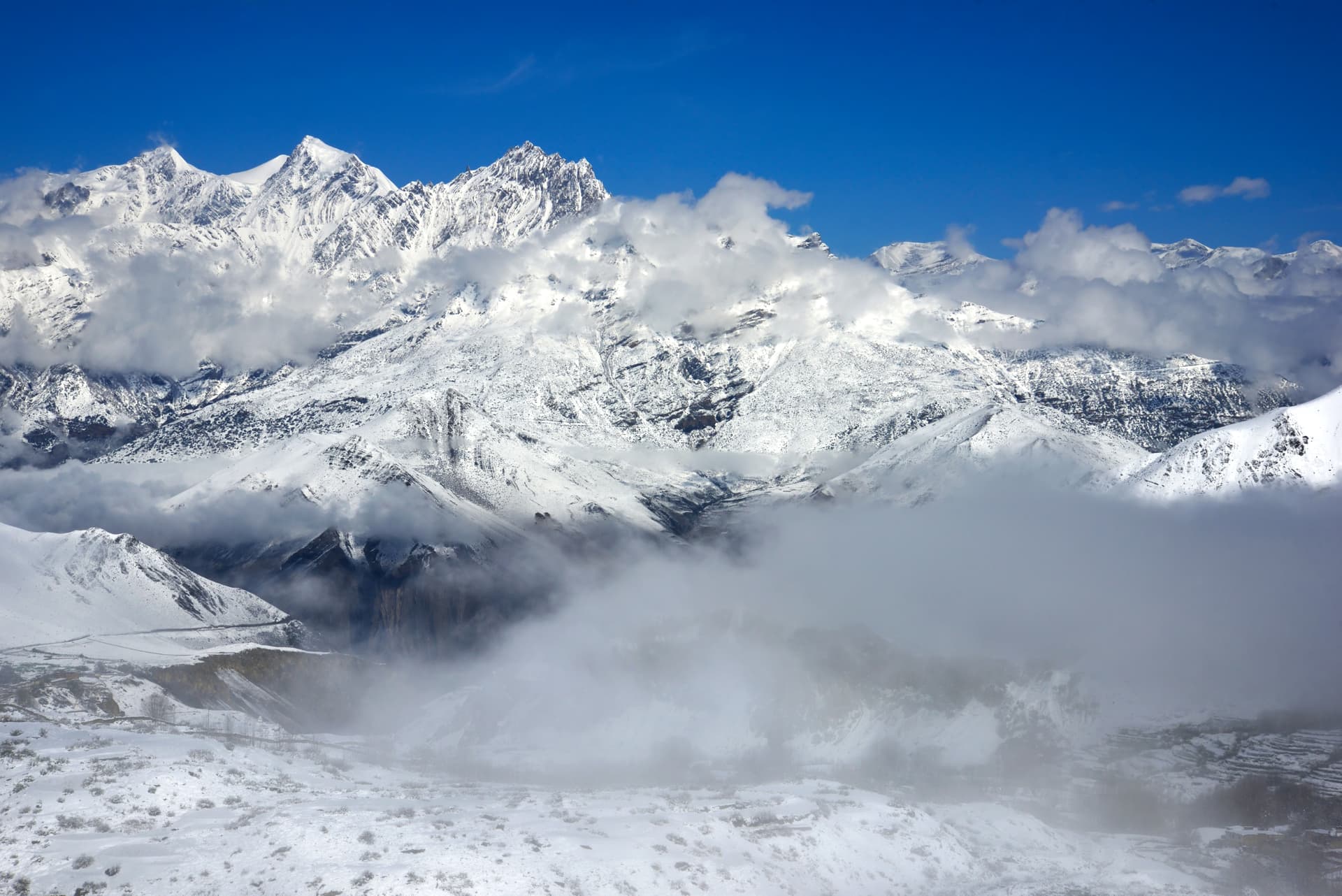
The valleys do turn into a lush and green landscape with roaring waterfalls as Monsoon rain hits, making it beautiful. However, fog and clouds often block the views from the peak, and travel is disrupted by landslides and blocked roads. Flight delays are common occurrences as well. Although, the rain shadow effect keeps the upper circuit, Manang and Mustang, dry and trek-able.
Despite these challenges, the season does provide a rare opportunity to trek in peace. Teahouses are comparatively empty and there aren’t many trekkers in sight. But that also means less supplies; Food and electricity included.
Good for
Trekkers who love to be alone and want to avoid the crowded trails benefit from the two months of monsoon that ensure peace and quiet across the circuit.
Travelers that are looking for a more in-depth cultural experience in villages love the lower volume of people, allowing locals more time to connect with them by sharing traditions and daily life.
Nature lovers who love lush greenery and waterfalls enjoy when the experience of the monsoon season transforms valleys into a living experience.
Adventurers who wish for a different perspective of the circuit find Annapurna region in its raw and untamed form during monsoon.
Challenges
Muddy trails and leeches dominate the lower forests so walking is slow and uncomfortable.
Landslides, blocked roads and flight delays are common, with the consequence that travel plans frequently change at the last minute.
Fog and clouds cover the peaks, limiting views of the mountain and forcing trekkers to accept fewer panoramas.
Itineraries are more difficult to maintain on schedule; there is slower and less predictable progress than in other seasons.
Tips for Monsoon Trekking
Carry some really good raingear, waterproof rain covers for backpacks, and trekking poles. These help to keep you dry and stable in muddy paths.
Leave some extra days in your schedule for transport delays - flexibility is key during monsoon travel.
Focus on the upper circuit in Manang and Mustang, where the rain shadow keeps the regions dry and trek-able even in summer.
Winter (December to February)
Winter isn’t really the best time of year to hike the Annapurna Circuit. Often, snow will obstruct the access to Thorong La Pass, making crossing dangerous.
Daytime highs in the lower areas average to about 8/12 Degree Celsius and nights range from 0 to 3 Degree Celsius.
At Thorong Phedi and the pass, temperature extremes between -5 to -8C during the day and up to -15 to -20C at night. The cold can be too much, although the skies are often crystal clear so you can get sharper vistas of the Himalayas than in spring or monsoon.
Winter makes the Annapurna circuit a silent and frozen landscape. Trails are empty, tea houses outside Manang are limited and the atmosphere is absolutely raw.
Trekkers who come equipped with the right gear and flexibility can experience one of the Himalayas' rarest sides. But overall, the risks outweigh the rewards, thus Winter isn't a recommended season if you are not a Veteran Climber.
Good for
Trekkers seeking a bit of solitude and empty trails find winter promises peace and quiet throughout the circuit.
Climbers who appreciate clear skies and sharp views are happy that winter panoramas are often superior to that in spring or monsoon.
Adventurers seeking a raw challenge discover that the cold and isolation provide true tests of strength and resilience.
Challenges
Extreme cold presents the risks of frostbite and hypothermia; trekkers need to be fully prepared for sub zero conditions.
Tea houses and services outside of Manang are lacking, so support networks have less power than during the autumn and spring seasons.
Thorong La Pass often closes because of heavy snow, forcing plans to change suddenly and more often than not impossible to cross.
Tips for Winter Trekking
Carry proper cold-weather clothing: down jackets, insulated boots, and sleeping bags rated to -20 Degree Celsius. This equipment is critical for survival.
Keep flexibility in your itinerary, as passes may close without notice, and always reserve extra days for delays.
Trek with guides/porters knowledgeable of winter conditions, their knowledge of the terrain and the weather are vital.
Monitor updated weather and trail reports carefully; staying informed helps to avoid dangerous surprises.
The best time of year to hike the Annapurna Circuit is based on what you as a trekker value the most.

Autumn (September to November) is the busiest season. It offers clear skies, settled and predictable weather and immense liveliness from the festivals of Dashain and Tihar.
Spring (March to May) is the season for blooming petals. Longer hours of daylight with comparatively fewer crowds to Autumn, which makes the trail colorful and welcoming.
Monsoon (June to August) turns valleys to lush rainforests. The rain shadow effect keeps the upper circuit, i-e. Manang and Mustang are dry and trek-able, but the lower sections are muddy and full of leeches.
Winter (December to February) has the advantage of solitude and the clear views of the mountains, but extreme cold temperatures and snow with possible avalanches make the Thorong La Pass immensely risky.
If you are weighing up your options, think about what you really want from your trip. Do you want clear views, cultural immersion, solitude or adrenaline?
And For those who are ready to commit, Himalayan Trekkers have special itineraries all ready to suit your favourite time of year, logistics, gear and cultural highlights. Annapurna Circuit Trek 2026 Spring permits are currently being issued, so Trekkers, contact our team and secure your dates now!