Infrastructures in the Himalayas develop with better roads and buildings as the years roll by. Which begs the question: has the Annapurna Circuit been ruined by road construction? The short answer is no. the Annapurna Circuit trek hasn’t been ruined by road construction.
In recent years, the trail has seen a massive growth in infrastructure, with roads in particular. This led to the journey being available for time-sensitive travelers. While the Annapurna Circuit is shortened, the essence of the trek remains. The experience evolved rather than tarnished.
The modern trekking itinerary has shortened the days spent. But it remains a part of Annapurna Trekking Trails. But do you crave a classic Annapurna Circuit? We can take up such a trip with Natural Annapurna Trekking Trails (NATT).
The NATT trails offer you a peaceful, genuine journey in the Annapurna Region. Trekking here lets you experience a road-free itinerary. Get to travel through forests, traditional villages, and breathtaking landscapes. This classic off-road trekking experience takes you closer to nature.
Annapurna Circuit Road Construction Update 2026
Annapurna Circuit road access reached two of the key locations. First is the trailhead Besisahar to Manang. And the second is the dream destination of many bikers in Nepal, Muktinath. These key locations improved accessibility for both locals and trekkers.

Besides the comfort in accessibility, logistics of the Annapurna Circuit Trek became immensely easier. However, road construction on the trail has affected the trekking experience. It undeniably changed the "vibe" of the trek. Now, the circuit trekking route has evolved into a hybrid journey.
Trekkers wanting a journey akin to the classic trek can choose Natural Annapurna Trekking Trails. On the trip, you follow a marked route keeping you away from the motorable roads in the area.
Latest Road Construction Updates
Trekkers can find roads constructed in the Annapurna Circuit on both the Eastern and western sides.

It makes the journey easier and faster for many travelers. Besisahar and Manang in the East and Muktinath to Beni in the West.
Eastern Side Besisahar to Manang:
Today, the motorable jeep track now runs from Besisahar all the way to Manang (3,519m). Furthermore, it even extends toward Khangsar. The journey required 5–7 days of walking in the past. Today, it can now be covered in roughly 7–10 hours by jeep.
Western Side (Muktinath to Beni):
On the western side, the road is fully established from Muktinath down to Jomsom. It continues through the Kali Gandaki Valley to Tatopani and Beni. This section is frequently used by pilgrims and trekkers looking to shorten their descent. Moreover, this route offers an adventurous journey for motorcyclists.
Benefits of the New Roads
Annapurna Circuit road expansion has brought several critical improvements to the region. Thanks to the development, locals found their lifestyle improved with better services and goods.
Accessibility & Flexibility:
Trekkers with limited time can now skip the lower sections of the trek. They can start their trek directly in higher villages like Chame or Manang. It reduces a 21-day itinerary to as little as 12–14 days.
Emergency Evacuation:
With the construction of roads, ground-based emergency rescues are much faster. It has become more reliable. It provides a safety net for those suffering from altitude sickness or injury.
Logistics & Local Economy:
For residents, the roads have lowered the cost of transporting essential goods. Most importantly, the road access significantly improved access to healthcare and education.
Supplies:
Tea houses now have more reliable access to fresh food and construction materials. It leads to better amenities for guests trekking in the region.
Downsides of Road Construction
With the roads reaching deeper in the Annapurna Circuit trek, things have definitely changed. Like the benefits we mentioned above, we also need to take a look at the downside of road construction in the region.

Dust & Pollution:
During the dry seasons, Spring and Autumn, jeeps kick up significant clouds of dust. It can cause respiratory irritation for walkers on the road. Additionally, fall and spring are the peak trekking seasons in Nepal. As such, we see heavy traffic in trekking trails.
Noise & Traffic:
With motorable roads, the solitude of the mountains is now frequently interrupted by the sound of engines and horns. Again, the road becomes particularly busy on the busy Jomsom-Muktinath stretch.
Loss of Wilderness:
Walking on a shared gravel road can feel less adventurous. More so, when you compare it to the narrow, winding footpaths of the past. Also, trekkers taking the modern itinerary and motorable path will lose the chance to interact with nature.

To pave the road much of the trees are cut down. It also drives the native species away due to deforestation. On top of that, it can cause landslides during the monsoon.
Using NATT Trails: The Solution For Adventurous Trekkers
One way to experience classic trekking in all of its glory is by taking up NATT trail. Adventurous trekkers wanting a true Annapurna Circuit trek might want Natural Annapurna Trekking Trails. You completely ignore the motorable road, thus making the journey rich in culture and nature.

The NATT trek came to be as the old routes were paved over by the new roads. The NATT trail is marked with red-and-white and blue-and-white. Here is what they mean:
Physically Marked Trail: Red-and-White and Blue-and-White
The Natural Annapurna Trekking Trail may be more adventurous, but it is a safe trip into the Annapurna region. Experts remapped the trail and marked the route with Red-and-White and Blue-and-White on rocks, trees, and stone walls.

These colored markings show the travelers where to go. This way, trekkers taking on the NATT trips can venture in the region without digital aid. With no digital aid, the journey gives a true sense of off-the-grid trekking.
Red & White: The New Main Trail
Red and white mark the "New Main Trail" under the Natural Annapurna Trekking Trail. This new route stays as close to the traditional route. Trekkers trot through the area all the while avoiding the road. Generally, the NATT offers a direct walking path.
Blue & White the Side Trips
Blue and white markings denote "Side Trips" or high-altitude alternatives. These places have much more scenic views. Most of all, the route is completely isolated from vehicles, but they usually involve more climbing.
How NATT Bypasses the Road
During the Natural Annapurna Trekking Trail, travelers don’t walk the flat gravel road. The NATT trails aren’t limited to uphill climbs. If you choose a natural trekking trail, you need to cross rivers. The road may be on the west bank, while the NATT trail stays on the east bank.

Similarly, you will be climbing higher. The NATT trail heads 200–300 meters above the road to pass through ancient cultural villages. You get to visit Ngawal or Ghyaru. The road simply bypasses these places.
NATT trails use the forest paths, unlike the drivable road. It ducks into pine and rhododendron forests where jeeps cannot go.
Why it Works
When you follow these markers, you can still experience the "Old Nepal" feel. You pass through narrow stone alleys with mule caravans. You travel, hearing only the wind and river rather than jeep horns.
Pro Tip: Explore the trail when you see a Red/White stripe! True, the road travel looks shorter. The NATT trail will be safer, cleaner, and much more beautiful.
Is the Annapurna Circuit Ruined? The Truth in 2026
The unadulterated answer to the question is no. The Annapurna Circuit isn’t ruined by road construction as of 2026. Yes, while the road construction did change the landscape of the circuit, it remains one of the most beautiful trekking destinations.
Trekking the classic off-the-beaten-path journey is completely up to you. The classic experience is attainable by journeying through the Natural Annapurna Trekking Trail. NATT journey offers a complete bypass of the road. You gain the chance to experience the legendary Annapurna Circuit Trek.
NATT: Annapurna Circuit Trek a World-Class Trail
Natural Annapurna Trekking Trail offers an unmatched landscape with vast diversity. Little to no treks on Earth take you from lush, subtropical rice paddies and rhododendron forests at 800m. Then shift to stark, lunar-like high-altitude deserts of the Mustang region above 5,000m in a single trip.
During the NATT trip, we find cultural richness. You walk through a living museum of ethnic diversity. You’ll get to experience the hospitality in Gurung and Magar villages. Later, you transition into the Tibetan-influenced Buddhist culture of the Manang and Mustang valleys. It is complete with ancient monasteries and prayer wheels.
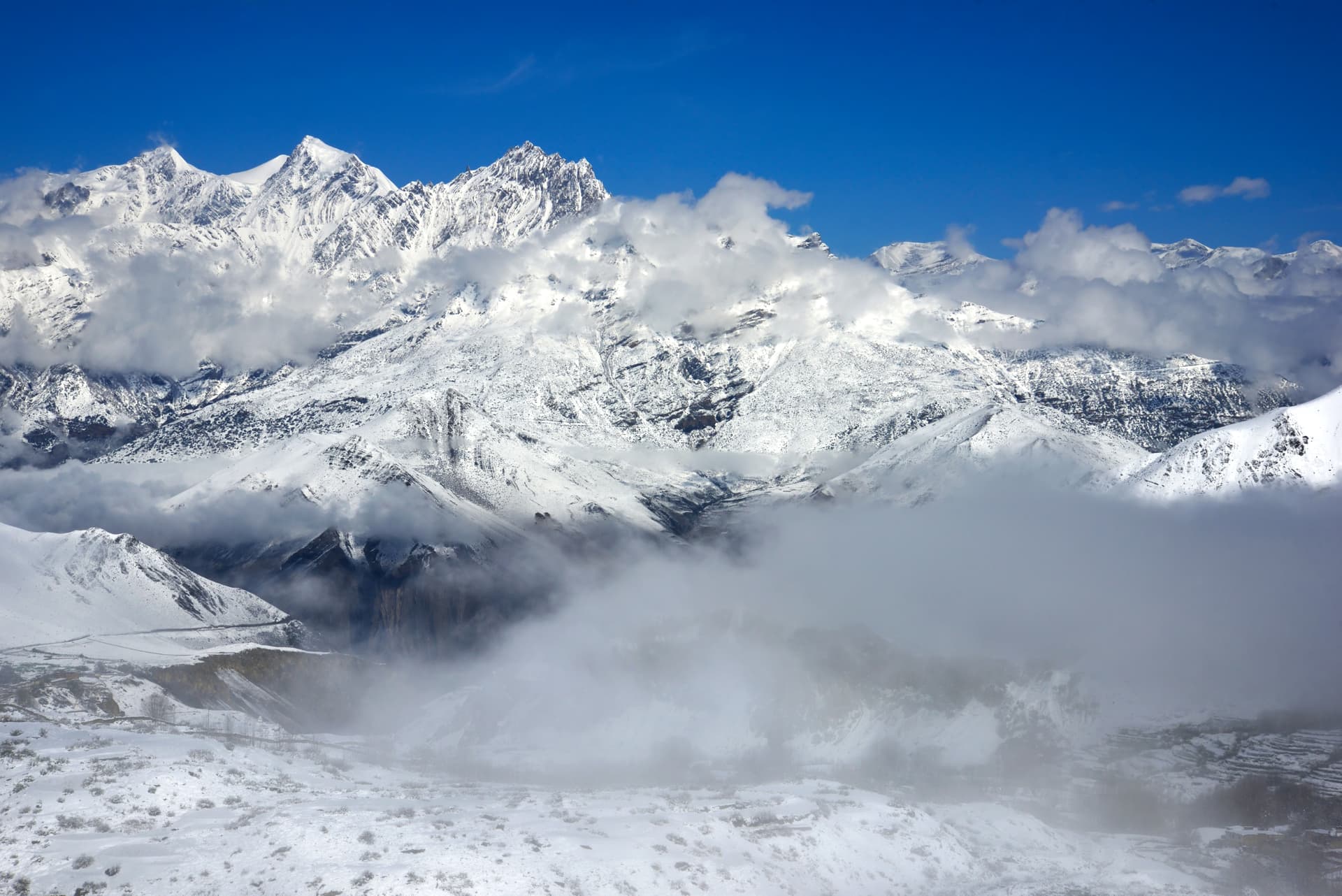
Trekkers find the ultimate high-altitude adventure by crossing the Thorong La Pass (5,416m). The pass remains a bucket-list achievement for many travelers. The physical challenge and the sunrise views over the Dhaulagiri and Annapurna peaks are untouched by road noise.
Route Choice is Everything
The truth remains, Annapurna Circuit is a gem for trekkers. So, how did the tale of Annapurna being "ruined" come about? Well, it's mostly from travelers who walk strictly on the jeep tracks. It’s due to the dust and noise from cars and buses traveling in the area.
How to keep the adventure alive:
Avoid the Dust:
You can avoid them by following the NATT red-and-white marked trails. The markers lead you onto forest paths and suspension bridges.
Take the "High" Routes:
You can take the upper trail from Upper Pisang to Ngawal. The journey offers a bird’s-eye view of the region. These views are something the road-bound travelers never see.
What Are NATT Trails in the Annapurna Circuit?
What actually is the Natural Annapurna Trekking Trail? NATT trails in the Annapurna Circuit are a specifically mapped network of alternative footpaths. The new path is designed to bypass the modern motor roads. It preserves the "classic" trekking experience in the Annapurna region.
The NATT trails were spearheaded and developed by trekking experts András Hallgató and Prem Rai. The expert duo built it in collaboration with local authorities and the Annapurna Conservation Area Project, ACAP. NATT trails were created as a direct response to road construction in the region.
András and Prem’s primary reason was to ensure trekkers visited all villages on the trail. The duo also wanted to keep the trekkers away from the dusty path shared with jeeps and buses.
Key Benefits of Choosing NATT
Natural Annapurna Trekking Trail offers many benefits to the trekkers and even locals. Firstly, it is away from the motorable road. Meaning, you walk on a peaceful path. The second thing the NATT path offers is a journey through the forest and nature.
Next up, trekking the NATT lets you experience the authentic culture and village life. Similarly, the higher elevations during this trip give you a better scenic view and value. Let’s take a deeper look into it:
Peaceful Trails
By taking the route away from the valley floors, where the roads are built, you replace the sound of engines and horns. The paths in NATT offer the sound of the Marsyangdi River and mountain winds.
Pristine Forest Paths
NATT trails often dive into dense pine, oak, and rhododendron forests. The roads simply cannot penetrate such places. As such, the trekking trail offers a much closer connection to nature.
Authentic Villages
The motor roads often go past traditional settlement centers to find flatter ground. NATT trails lead you directly through the heart of ancient stone villages. You get to visit Ghyaru and Ngawal, where traditional Tibetan-Buddhist culture remains vibrant.
Superior Scenic Value
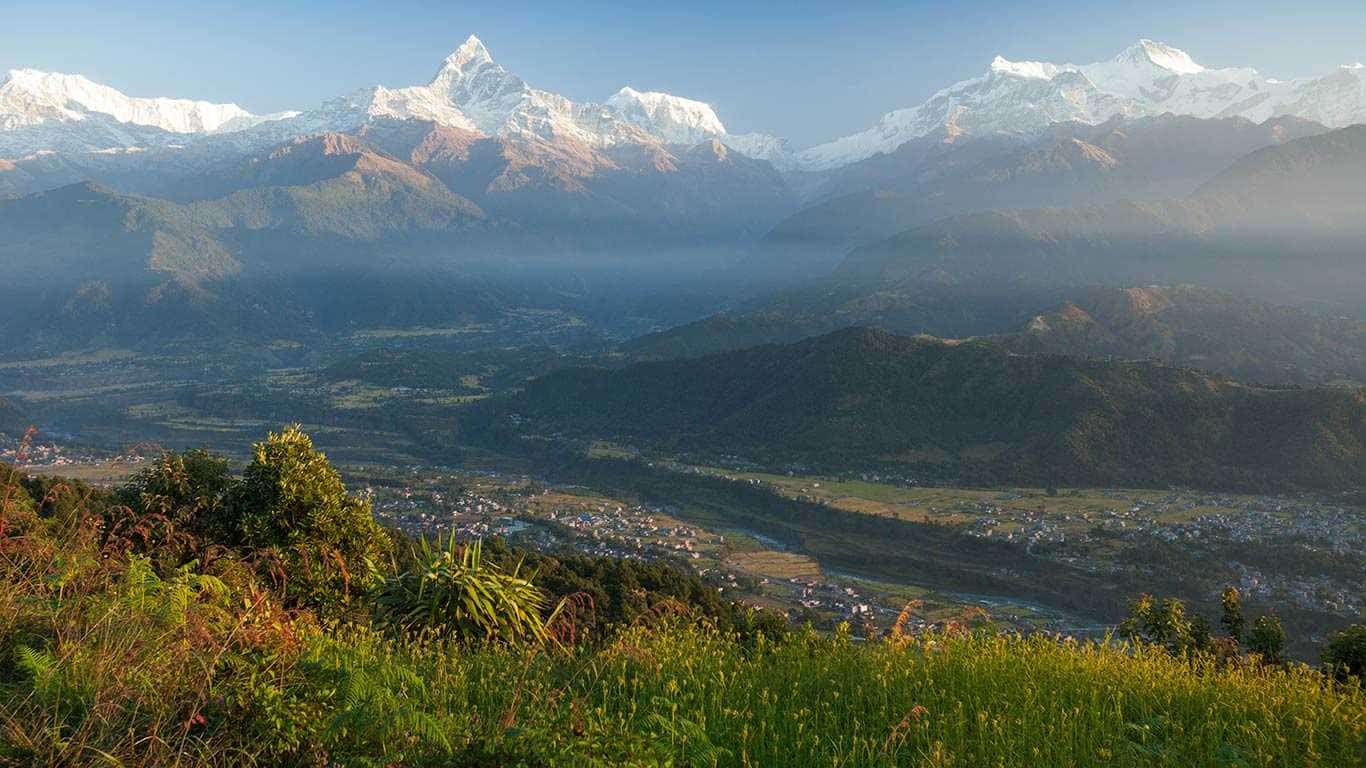
The NATT trails often climb higher than the road with significantly better "bird’s-eye" views. The best part is the Annapurna and Dhaulagiri seen from the classic Annapurna Circuit. These peaks are completely obscured from view during the jeep tracks below.
Best Annapurna Circuit Alternative Routes (Road-Free Options)
If you intend to trek a truly road-free journey in Annapurna, NATT paths are the only way. It lets trekkers escape modernization and dodge dusty roads.

The Annapurna Circuit alternative routes are essential for roadless travel. These NATT-verified paths allow you to bypass the dusty jeep tracks in favor of high-altitude vistas and quiet forest trails.
Top NATT Alternative Routes
Tal → Karte → Dharapani:
The modern itinerary takes you through the wide road on the west bank of the Marsyandi River. But in the NATT-approved trail, we cross the suspension bridge at Tal. The journey takes you past the peaceful forest. You make your way through the trip with an intimate look at the mountains and reconnecting around Dharapani.
Upper Pisang → Ghyaru → Ngawal:
The trek from Upper Pisang to Ghyaru and to Ngawal is the most renowned trip in the NATT Trail. Road trips typically remain in the lower valley of the Annapurna Circuit. Nevertheless, the natural trekking trail takes you up to 3,700m. The journey offers the best bird’s-eye views of the Annapurna massif and access to the ancient villages.
Manang Side Trails:
Manang remains an important location for both modern and NATT treks. Trekkers rest in Manang to acclimate to the high altitude. As such, be it on the NATT trek or the modern trekking itinerary, you stop by the location.

That’s not all, you don’t only stay in Manang for acclimatizing during the NATT travel. You can explore markers that take you to exotic places. You can visit Praken Gomba, it’s a short climb to the cave monastery. Then there’s the Kicho Tal, it’s basically around 4,600 meters. You can also travel to the other turquoise lake, Gangapurna Lake.
Tilicho Lake
From Manang, we have the option to take a side trip to Tilicho Lake instead of moving straight to Thorong Phedi. This side trip takes around 2 days, and you reach the world's highest lakes. Reaching Tilicho takes you up to 4,919 meters. The journey is entirely road-free, rugged, and offers some of the most dramatic "Grand Canyon" style landscapes in Nepal.
Why These Routes Matter
You can choose these alternative treks to ensure a less crowded journey. It also offers a high scenic value. While the road-bound travelers see the dust, you will see the soul of the Himalayas.
How to Avoid Roads on the Annapurna Circuit Trek
The best way to avoid this is by choosing a dedicated NATT itinerary. During these treks, you don’t follow a generic map. Try looking for itineraries specifically labeled "NATT-friendly" or "Road-Free."

These plans prioritize staying on the east bank of the rivers. You will be climbing to high-altitude villages like Ghyaru and Ngawal. It ensures you spend 90% of your time on ancient footpaths rather than jeep tracks.
Another way to avoid the roads is by trekking counterclockwise. The journey moves from Besisahar to Jomsom. This is the gold standard for the Annapurna Circuit for two main reasons. You get a better acclimatization on this trip. The gain in altitude is more gradual, significantly reducing the risk of altitude sickness before reaching the Thorong La Pass (5,416m).
Most NATT markers and scenic side-trip entries are positioned to be easily spotted. The journey is navigated when walking in this direction.
Hire Experienced Local Guides
A local guide is your best "human GPS" for navigating the NATT system. They know the route like the back of their hand. They know where a new landslide might have blocked a NATT marker and can lead you through safe, undocumented detours.

A local guide can introduce you to lodge owners and monks in the smaller. They let you know about the off-road villages that rarely see solo trekkers. In high-altitude sections like the Thorong La or Tilicho Lake, a guide provides critical support during unpredictable weather.
Prioritize Route Planning
The quality of your experience in Nepal depends entirely on your pre-trip planning. A well-planned route allows you to skip the dusty sections. So, plan your route with our detailed guide for the Annapurna Circuit Trek.
Try the jeep for the first day to reach Besisahar to Chame. Likewise, the last day from Jomsom to Tatopani. So you can dedicate your walking days to the pristine high-altitude sections.
You get to balance the difficulty. You can mix challenging "Blue" side trails with easier "Red" main trails. It depends on how your legs feel each morning.
Why the Annapurna Circuit is Still Worth It in 2026
Even with the changing landscape, the Annapurna Circuit is one of the world's most rewarding treks. The trek’s value lies in a rare combination of geographical variety and high-altitude challenge. To boot, very few other trails can match.

Annapurna Circuit is a journey through climate zones that begins in lush, subtropical forests and takes you to the high-altitude. You travel from Besisahar to the Tibetan-style deserts of Mustang. This dramatic transition is a hallmark of the Annapurna experience.
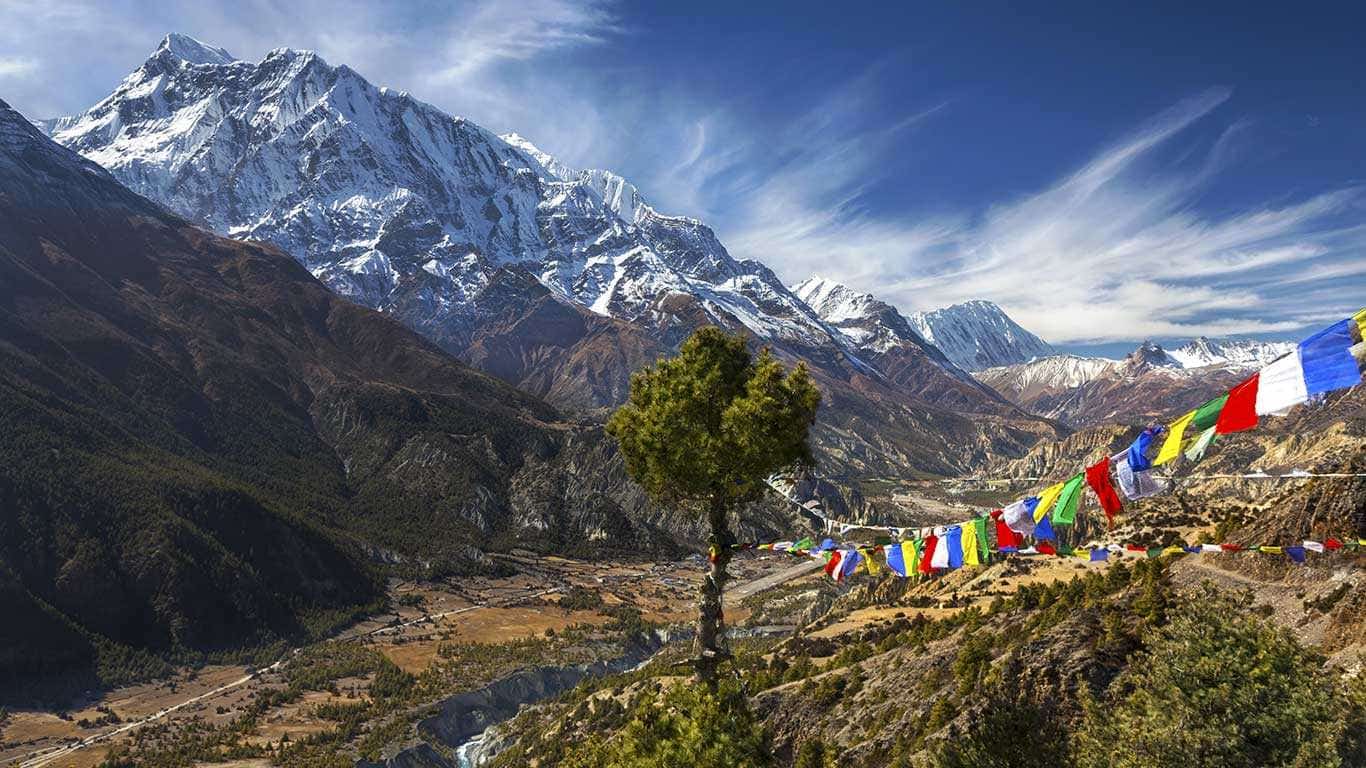
Crossing the Thorong La Pass (5,416 m) is a life-changing milestone. It is the ultimate achievement of the circuit trek. You stand at the prayer-flag-strewn summit, surrounded by 8,000-meter peaks, is a moment of pure Himalayan magic that no road can diminish.

The trek offers you an intimate look at the harmony between Hindu and Buddhist traditions. From the ancient monasteries of Manang to the sacred temples of Muktinath. The spiritual energy of the region is deeply moving. Annapurna is a unique cultural tapestry.
Still a Top Global Destination
The Annapurna Circuit consistently ranks among the top trekking trails in Nepal. It offers the perfect blend of natural beauty, cultural depth, and physical adventure.
By choosing the NATT alternative routes, you ensure that your journey remains focused. You travel to the mountains, meet the people, and experience the quiet of the high Himalayas.
Conclusion
The Annapurna Circuit is NOT ruined by the road construction. The circuit is just different now. The landscape has changed, but the soul of the trek remains intact. Those who know where to look.
You can utilize the NATT trails and bypass the modern infrastructure. Get to immerse yourself in the classic Himalayan trekking experience and find your dream adventure.
Travel through the silence of the pine forests, the hospitality of ancient stone villages, and the raw power of the high-altitude peaks. It ensures your journey stays off the asphalt. Go on the authentic footpaths. It pays to trek with those who know every hidden turn.
Ready to see the Real Annapurna? We, the team at Pristine Himalayan Trekkers, specialize in road-free Annapurna routes. Our expert guides are masters of the NATT system. Book your trek in Annapurna and spend your days on pristine trails and nights in an authentic teahouse.