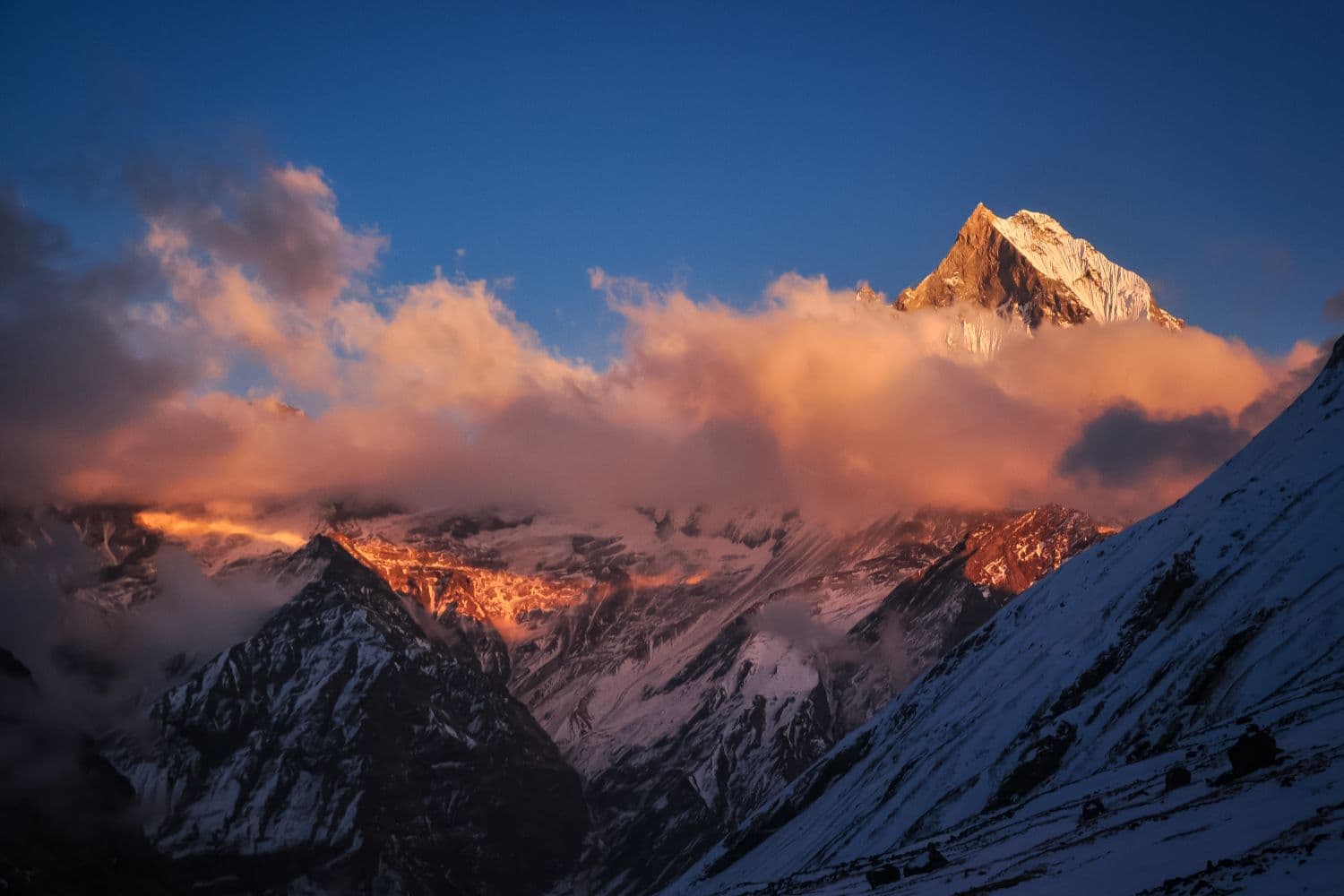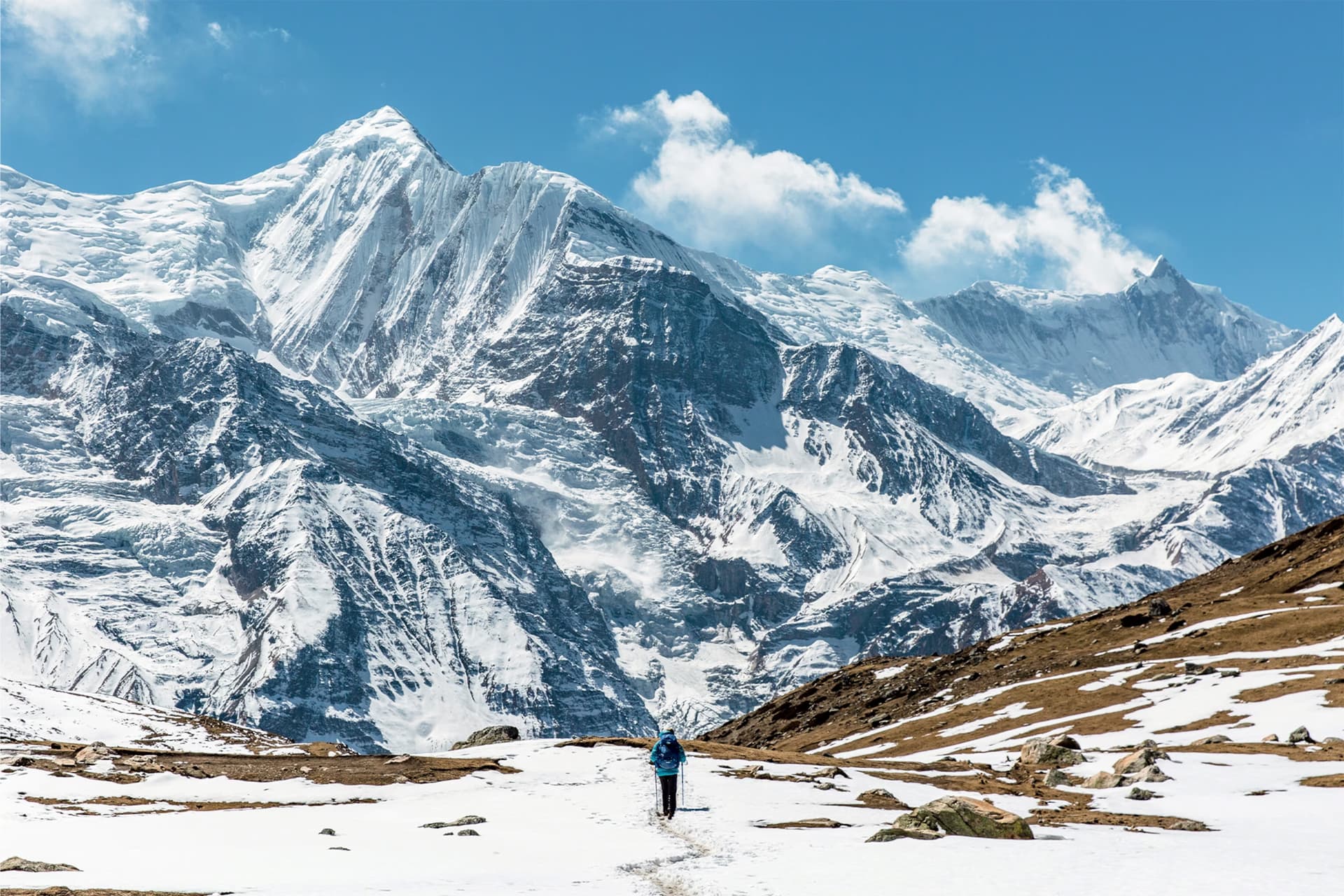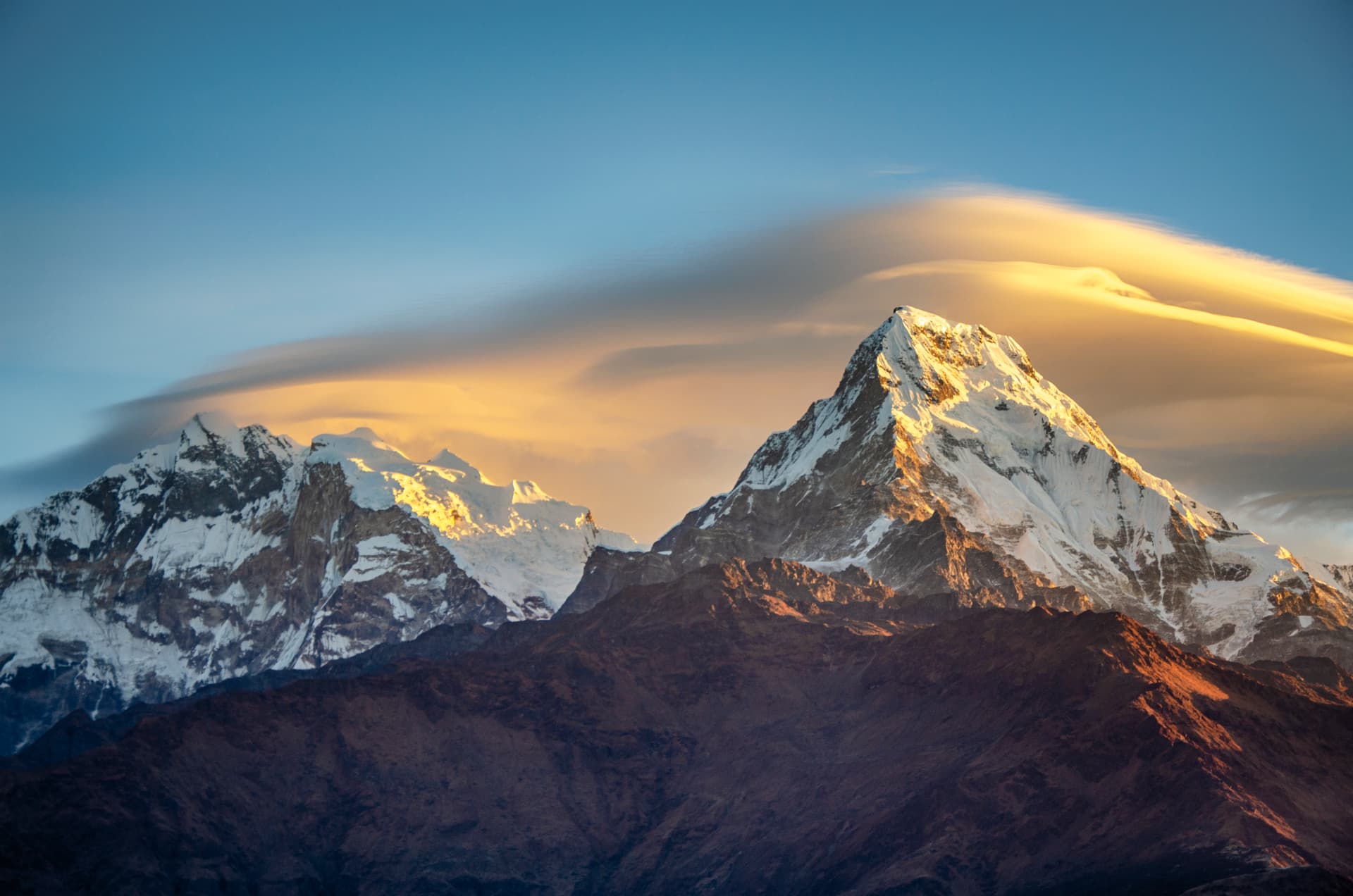
It is one of the largest queries brought up by trekkers in a comparison between two of the greatest known mountain treks in the world, the Annapurna Circuit Trek in Nepal and Kilimanjaro trek in Africa. Both trails are dramatic, both include some serious mountain climbing and a sense of achievement, but the actual experience of walking both trails can be so different. The Himalayan valleys are long, and the volcanic slopes come up into the clouds but each way is a test of patience and resolution.
As local himalayan guides, the #1 question we get from hikers planning their first major international trek is: Is Annapurna Circuit harder than Kilimanjaro?. The Annapurna Circuit has more trekking days, distance, and different types of terrain in the Himalayas whereas Kilimanjaro is shorter yet much steeper and makes your body rush up to the extreme altitude. These variations imply that the level of difficulty is usually determined by your mode of trekking, fitness and adjustability to high altitude.
In this guide, we are going to compare the two adventures side by side to enable you see how each trek is a challenge. With the help of altitude, time, terrain, and general trekking conditions, you will have a better understanding of what adventure could be more difficult and which one could be the most perfect adventure in your life.
Exploring two of the world’s greatest treks: Annapurna Circuit and Kilimanjaro
Crossing the Thorong La Pass at a staggering altitude of 5416 meters is the ultimate test of Annapurna Circuit. Getting to this mountain pass is no easy task and it takes one a couple of days of strolling and gradual acclimatization as the road passes through the villages such as Manang and Muktinath. The gradual increase, coupled with the lengths of trekking each day, causes Annapurna Circuit to be an endurance-based trek challenging physical strength, as well as the adjustment to the elevation.

On the other hand, the highest free-standing mountain is Mount Kilimanjaro in East Africa. The mountain is 5,895 meters high with the peak of the mountain being Uhuru peak which receives thousands of climbers annually. Kilimanjaro is a summit expedition, unlike the Annapurna Circuit, trekkers climb the mountain gradually in a series of days, and then continue with a strenuous overnight push to the summit.
The drastic ecological shift on the way is one of the most impressive in climbing Kilimanjaro. On their way up the mountain, trekkers traverse rainforest, moorland, alpine desert, and icy mountain top areas. This can be a fast shift in altitude, as well as in the surroundings and therefore, acclimatization may become a bit more difficult, given that most itineraries to Kilimanjaro are finished in less than ten days.
The Annapurna Circuit and the Kilimanjaro are frequently compared by trekkers due to the fact that both expeditions involve high-altitude trekking and, therefore, are to be conducted with the necessary attention to physical training. The challenge of every trek is however determined by various factors that include the duration, elevation gained, terrain and the style of trekking. The knowledge of these distinctions will allow hikers to hold a realistic assessment of the situation prior to making a decision on what adventure is best suited to their experience and fitness level.
Annapurna Circuit vs Kilimanjaro: A Quick Comparison
When we break down the Kilimanjaro vs Annapurna difficulty, it can be seen that each trek presents unique difficulties and terrains. Kilimanjaro is a less in-depth distance with a steeper final ascent as opposed to the Annapurna Circuit which is a lengthier trek over the Himalayan regions. The table provided below provides a resumption of the key differences that can be identified between these two legendary treks.
Feature | Annapurna Circuit | Kilimanjaro |
Location | Nepal | Tanzania |
Maximum Elevation | Thorong La Pass (5,416 m) | Uhuru Peak (5,895 m) |
Trek Duration | 12–20 days | 5–9 days |
Total Distance | ~160–230 km | ~60–70 km |
Trek Style | Long-distance circuit trek | Summit-focused climb |
As observed in this comparison, the Annapurna Circuit is more reachable to the trekkers who prefer to take the experience of the elevation in slow gradual steps in a scenic and immersive way into the local culture. Conversely, Kilimanjaro can be taken into consideration by individuals who desire to climb one spectacular mountain that is short but demanding to the body.
Planning to trek the Annapurna Circuit in 2026? Check out our complete Annapurna Circuit Trek itinerary here.
The altitude challenge: Kilimanjaro is faster, Annapurna is higher
Altitude is one of the most important factors, which determine the harshness of these high-mountain expeditions. As the trekkers climb the oxygen content of the air reduces and, therefore, the symptoms of the Acute Mountain sickness (headache, fatigue, nausea and shortness of breath) increase. The experience of how the altitude affects the body and enough time to give an acclimatization process is the key towards the successful completion of either of the treks.
Climbers of Annapurna Circuit typically gain elevation slowly and this factor helps the body adapt to the low air pressure resultantly. Trekkers usually spend several days walking up through destinations like Manang and then they do the high crossing of Thorong La Pass that is 5,416 meters. This slower pace of advancement allows the organism to become acclimatized by nature and that is why the majority of itineraries include days of rest to reduce the possibility of altitude illnesses.
Another form of elevation challenge is the ascent of Mount Kilimanjaro. Most of the trails require five to eight days to reach the summit of Uhuru at 5,895 meters meaning that the trekkers gain altitude faster compared to the Annapurna Circuit. This is because the climb is quite rapid in nature such that the body will not have much time to adjust to low oxygen levels.
The other major difference is an approach to summit day on Kilimanjaro and the Annapurna Circuit. Climbers usually start their last step towards Uhuru Peak on Kilimanjaro late at night and walk many hours in very thin and cold air before they reach the summit in sunlight. This high peak climb may prove to be exhausting physically upon the repetitive nature of the mountain climbing, after a number of days.
The Annapurna Circuit allocates the altitude gain throughout an extended period of trekking, which most seasoned guides find useful in acclimatization. Even though the crossing of Thorong La Pass still involves a thorough preparation and the early wakefulness in the morning, visitors tend to arrive at the pass after spending several nights in high elevation. Due to this slow method, several hikers have discovered that it is easier to endure the acclimatization period on the Annapurna Circuit through a properly organized itinerary.
How long will each trek take? Daily distances explained
The total distance of a trek can be a major factor in defining the physical intensity of a trek, particularly in such mountain paths as the Annapurna Circuit and reaching the mountain peaks of Mount Kilimanjaro and Mount Everest. The period of trekking also influences the amount of time that the body is allowed to adapt to higher altitudes, rest between hiking days and develop endurance in the process of trekking. This is why trekking operators and guides with long experience spend much time planning an itinerary to ensure that the walking distance is not too long, and acclimatization and rest are not neglected.
The Annapurna Circuit is a longer trekking expedition that is normally between 12 and 20 days depending on the variation of route and the speed of trekking. The trail goes round a bulk of the mountain massif; this means the trekkers take a lot of distance per day till they cross the high pass; Thorong La. The protracted course demanded by trek also permits a slower ascent and this assists the trekkers to adapt themselves to the height and climb at a level they can sustain.
Quite to the contrary, climbing Kilimanjaro is a briefer, more focused trip where the ultimate aim is the mountain top, Uhuru Peak. Most of the trails on Kilimanjaro are achieved between five to nine days and this means that the mountaineers gain a high level of altitude very fast in comparison to the Annapurna Circuit. This reduced time period tends to increase the intensity of the climb particularly when the trekkers are in the high altitude area of the mountain.
In order to better see how the time spent on trekking and daily distances between the two adventures can be compared, it is better to consider some major factors that determine the overall complexity and physical activity.
Key Comparisons:
Total trekking days: The circuit of Annapurna typically consumes between 12 to 20 days of time based on the route and others depending on the acclimatization program. The Kilimanjaro climbs are more short-term and they may take up to 5-9 days depending on the route that is taken.
Average hiking hours per day: Trekking in Annapurna Circuit where the average daily person will take 5-7 hours to walk continuously. The climbers of Kilimanjaro normally walk between 4-6 hours every day, however summit day may be 10-14 hours of incessant walking.
Distance covered daily: Trekking 10-18 kilometers a day is a common distance in Annapurna Circuit since the route includes many villages and valleys it goes through. Kilimanjaro routes tend to have shorter daily routes but because of the extreme elevation increase the climb may be a bit harder.
Rest days and acclimatization days: The Annapurna Circuit itineraries usually incorporate scheduled acclimatization days at the high altitude villages like Manang in order to make the itinerary less risky to the occurrence of the ams. The Kilimanjaro has a few longer routes with acclimatization hikes, yet the number of rest days is lower since there is a shorter expedition duration.
Trail Experience: What to expect under your feet
The landscape and trail topography is one of the most obvious differences between trekking the Annapurna Circuit in the Himalaya and climbing Mount Kilimanjaro in East Africa. Both adventures lead the trekkers through fantastic natural environments but the landscapes, the trail surfaces and the zones are quite different. Understanding these differences in a terrain is good in order for trekkers to prepare accordingly for the physical and environmental challenges they may face along each route.
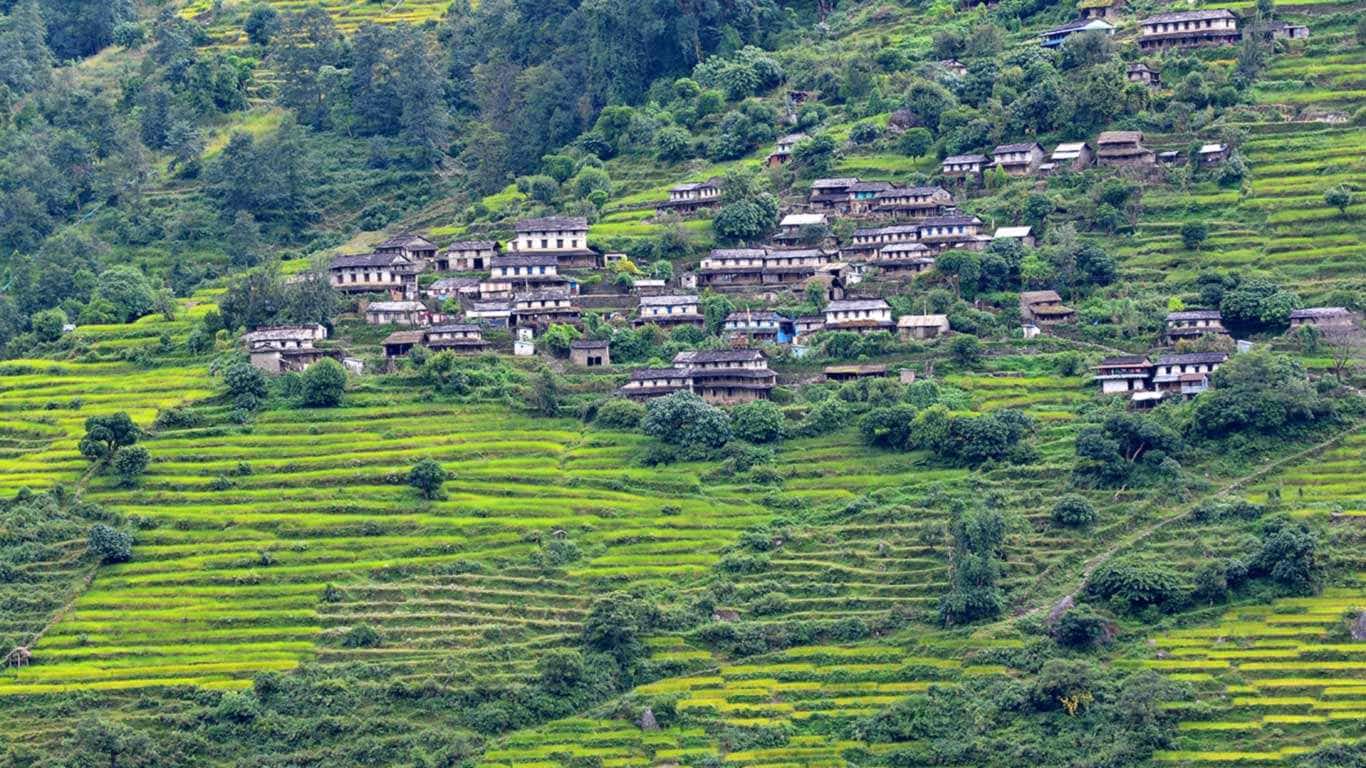
The diversity of geographical features is really astounding about the Annapurna circuit since the trail is all-around the great Annapurna mountain range located at the Annapurna Conservation Area. Trekkers begin with the lowlands of subtropical forest, terraced farmland, river valleys and gradually increase in the altitude to alpine forest and high mountain habitat. Such a gradual change also implies that trekkers would have the chance to pass through a large variety of ecosystems that is why the trip is unforgettable both in terms of beauty and biodiversity.
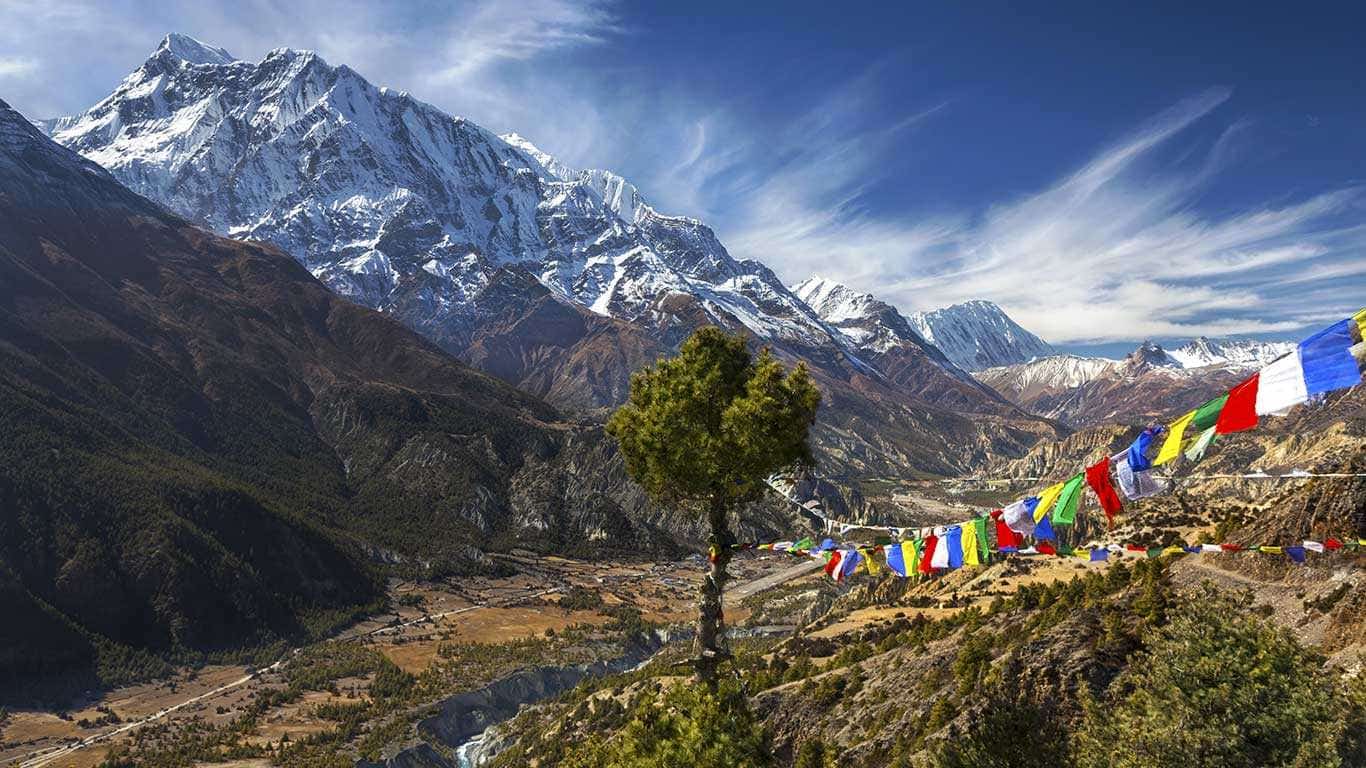
Towards the higher end of the trail it is rugged and more remote (especially those to the high mountain region by Manang). The scenery evolves to alpine barren plains and rocky tracks with glacial gullies and magnificent sights of the snow-covered Himalayan mountains. This radical shift in the scenery is due to the rain-shadow effect of Himalayas which makes the scenery substantially drier and cold up the hill.
The most difficult ground under the Annapurna Circuit is when passing through Thorong La Pass altitude at 5, 416 meters. Trekkers tend to get away early in the morning to walk up their steep mountain trails that may be either snow and or ice covered, depending on the season. The mountains are physically intense and complex in terms of mind, though the route is said to be non-technical due to the elevation level and the nakedness of the surroundings.
Kilimanjaro mountain climbing is a more distinct type of geography of a volcano rather than an area that is in Mount Himalaya high mountains. Kilimanjaro is a massive dormant volcano and its trekking paths encompass so many ecosystems as the mountaineers ascend the mountain. The regions provide new conditions of the terrain to be adjusted to with different temperatures, surface trail and landscape, and so on.
The path normally begins in dense tropical rainforest, dusty roads and dense vegetation in the pathways. Following the ascent in altitude the forest slowly becomes moorland, and after some distance, the desert of the boulder rock, loose gravel and dusty paths of the alpine desert. These barren slopes may prove challenging physically due to the steep slope of the slopes besides the thin mountain air.
As one ascends further up the mountain, to the summit area, there is a greater coldness and exposed wind as trekkers tend to get increased towards Uhuru Peak. The last ascent is an uphill activity that may include walking through rocky trails and loose volcanic scree where foot grounds may not be stable during prolonged push to the peak. This would be very daunting in a case where freezing temperatures are coupled with vigorous winds and finishing work on the climb becomes very harsh.
Comparing the two treks, Annapurna Circuit is unique in its variety of Himalayan landscapes and large valleyed mountains in comparison to Kilimanjaro with steep mountain slopes and ecological islands. The scenery offered by both trails is rather memorable, nevertheless the physical difficulties of every trail are highly reliant on the height, the altitude, and the conditions which are experienced in the nature of the way. Difference between these terrains is a significant issue to many trekkers because knowing this difference helps determine the kind of adventure to enjoy their trekking habits and adventure experience levels as well as in their adventure.
Understanding the climate differences: Annapurna Circuit vs Kilimanjaro
The Annapurna Circuit as well as Mount Kilimanjaro is highly affected by weather and climate in reference to difficulty level and achievement level of the climbs. Unpredictable weather conditions, extreme temperatures, and season may cause dissimilarity in the speed of trekking, safety, and comfort. The knowledge of these challenges and issues in climate can assist trekkers to plan ahead by means of gears and clothing and time in order to reduce the risks and make the process easier.
Significant Weather and climate issues include:
Temperature variations: The weather conditions at the Annapurna Circuit range between warm subtropical in the lower valley, to the freezing level at major passes (Thorong La). Kilimanjaro also experiences severe changes in temperature between hot and moist conditions at the bottom of the rainforest, to below zero at the summit of Uhuru. Both should be worn in layers so as to offer an adaptability to varying temperatures.
Wind exposure: The altitude is also higher in both hikes; hence, the hikers are exposed to extremely strong and relentless winds. The wind may be especially tough on exposed ridges and passes on the Annapurna Circuit so crossing the summit is physically challenging. It is also windy and can complicate the cold even more at the alpine desert and summit areas of Kilimanjaro, and each step becomes exponentially more difficult.
Seasonal weather patterns: The Annapurna Circuit is also not spared by the monsoon rains and it tends to get very wet during the months of June to September and therefore the trails can become very muddy, even dangerous. In wet seasons (which are prevalent during March to May, and November), Kilimanjaro can also be dangerous with slippery trails and the cloudiness taking away visibility very easily. It is important to decide the proper season when it is better to do either of the treks, and make the trek safer and more pleasant.
Snow and cold near the summit of the mountain: High altitude of the Annapurna Circuit and Thorong La Pass in particular are usually accompanied by snow and icy temperatures and one requires proper shoes with trekking poles in order to stay steady by climbing. Frost and ice can be present in the summit zone of the Kilimanjaro mountain, particularly at nighttime summit attempts, therefore warm clothes and good pacing are necessary. Both of these treks need to be planned for the cold since the threats posed by hypothermia and frostbite is more of a concern in extreme situations.
Both the Annapurna Circuit and Kilimanjaro weather problems have a vast impact on the trekking difficulty, speed, and security. Having knowledge on the changes in temperature, exposure to the wind and seasonal rainfall, and these chilling summit conditions makes the trekkers plan their activities better and undertake them with confidence.
What level of fitness does each trek demand
One of the reasons that define the difference between the success of the trekkers in both the Annapurna Circuit and the mount Kilimanjaro is physical fitness. All the adventures require a mix of stamina, strength as well as cardiovascular fitness but the nature and intensity of effort varies. The secret is to prepare well, such as having prior experiences in trekking and specific training is necessary to alleviate the tiredness and cracks as well as to enjoy the adventure in a safe manner.
The important Physical Fitness Requirements are:
Endurance needed: Annapurna Circuit is a long distance trek meaning it takes a long duration of physical work ranging between 12-20 days. Trekkers also need to be able to walk several hours a day over uneven and at times steep slopes. Kilimanjaro involves less time, but extreme effort, hiking with the summit press which also demands continuous energy supply that will pull through in 10-14 hours in a single day.
Cardio fitness: Both treks require cardiovascular strength because there is oxygen shortage at high altitudes. The average altitude gain per day is moderate on the Annapurna Circuit, and involves the consistent training of the cardio conditioning to be applied in trekking over a long distance. Kilimanjaro requires good cardio capabilities to cope with a fast climb.
Past experience in trekking: Although both treks can be tried by beginners with professional assistance, prior experience of the trekking process can cope with all the impacts of fatigue or altitudes. The Annapurna Circuit is more appropriate to those who have already seen the value of the concept of a multi-day hike, whereas Kilimanjaro may be undertaken under the guidance of an experienced first-time climber.
Training preparation: Both treks need to be prepared with long-distance walks, hill climbs, stair or treadmill training as well as leg resistance exercises and core in both. In the case of Kilimanjaro, extra steep elevation and length endurance training that is similar to summit day is recommended. Multi-day hikes with a backpack are an advantage of the Annapurna Circuit preparation because they mimic long daily treks of different terrain.
The physical fitness aspects will make the trekkers stronger to face the altitudes, ascending or descending grounds, and long days in the mountains. Proper preparation enhances safety, fun as well as the chances of making the high passes or the peak without much strain.
Kilimanjaro vs Annapurna: Physical Endurance vs. Technical Skills
Both Annapurna Circuit and Mount Kilimanjaro are considered to be non-technical treks, which should not imply the usage of ropes, crampons, and any other mountaineering equipment or any additional skills. With correct preparation, acclimatization and the assistance of local experienced operators, trekkers are able to complete both journeys. Although these treks are non technical, their difficulties vary widely with one being more endurance based and the other being sharp and steep climbing the mountain to its peak.
Annapurna Circuit is mainly an endurance trek, which extends over several days where one walks through various terrain features such as forests, river valleys and mountain passes such as Thorong La Pass which are very high. Although trekkers can meet rocky paths, and irregular trodden roads, or in some cases snow and ice, none of these parts need technical climbing skills. Gradual upward slope, and the proper trails enable any hiker with moderate level of trekking experience to complete the round but provides that one must control the pace of their movement and allows some rest days to carry out the process of acclimatization.
Mount Kilimanjaro, on the other hand, is another form of a non-technical challenge, where the mountaineers focus on its exhausting summit push. The ascent to Uhuru Peak can frequently take 10-14 hours in an overnight ascent across the alpine desert and rocky scree in low oxygen conditions of cold and wind. Even though no technical gear is necessary, the gradual, unrelenting climb may be highly exhausting to the body, and requires cardiovascular stamina, mental dexterity, and cautious speed.
The other aspect of distinction between the Kilimanjaro and the Annapurna Circuit is the quick increase in altitude within a comparatively few days. Trekkers undergo significant alterations within a very short period thus the challenge of managing fatigue and acclimatization is very essential. Annapurna Circuit on the other hand shares the gain of altitude across a period of longer trekking time where the body has time to adjust but the body also needs overall stamina and endurance.
To sum up, although both treks do not involve technical climbing, they both need preparation, perseverance and the sense of altitude issues. Annapurna Circuit is a long-term trek that challenges the stamina of trekking and capacity of different geology, whereas Kilimanjaro is a trek with a steep and physically demanding peak push. Multi day trekking, endurance increases and acclimatization experience will also go a long way in ensuring both the two adventures are completed safely and with pleasure.
Comfort and logistics: Tea houses vs tents
On treks that are in the high altitude, accommodation and comfort may have a great impact on your experience. The style of lodging in the Annapurna Circuit and Mount Kilimanjaro is very different as it depends upon the time and topography of the trek as well as the type of trek. The following table gives a brief idea of what trekkers will find in each route under consideration with respect to accommodation, food and facilities.
Feature | Annapurna Circuit | Kilimanjaro |
Accommodation | Teahouses/lodges | Camping tents |
Food Options | Local & international meals | Cooked meals by trekking crew |
Facilities | More comfortable lodges | Basic camp facilities |
In terms of comfort and logistics, Kilimanjaro and the Annapurna Circuit differ considerably, particularly among the experienced travelers or people older than 40 years who want to enjoy a little more comfort during the long walk. Kilimanjaro needs camping each night and these tents are pitched by your trekking crew. Although the tents are neatly arranged and your meals are cooked by your guides, you are practically sleeping on a backpack all the way, sleeping on sleeping mats in a communal area, and adapting to the cold nights. To people who like a little more stability and creature comfort, this style can be physically challenging especially on a summit night.

Instead, the Annapurna Circuit is also marked with teahouse trekking which is a game-changer to comfort-seeking trekkers. Fashionable beds, hot meals, fire stove-heated dining halls and in most lodges, even Wi-Fi and hot showers in 2026, are what you should expect. It makes a great difference in recovery and enjoyment after a long day on the trail, being able to relax in a comfortable room, have a hot shower and charge your devices. This adventure, safety and comfort gives the over 40s traveler all the experience of the Himalayas without jeopardizing your physical health.
Planning and Budgeting: How much does each trek cost?
The cost and logistical explanation of climbing Annapurna circuit and Kilimanjaro are a world apart because the permit schemes, support systems, and hiking schedules are all different. Any trek should be planned in advance as the cost does not only depend on the permits and guides, but also on transport and accommodation, among others. Being aware of these will enable the trekker to budget his adventure effectively and will make the adventure easy and safe.
Comparison of essential Costs and logistics:
Permit requirements:
The Annapurna Circuit needs a TIMS card ( Trekkers Information Management System ) and Annapurna Conservation Area Permit (ACAP) which are compulsory and must be obtained by registering trekking companies. Kilimanjaro necessitates a climbing permit of the national park that are part of most guided tour packages, as well as, park fees that differ depending on route and days taken. Both destinations must be officially registered, although the permits in Annapurna Circuit tend to cost less than the cost of the park and peak fees in Kilimanjaro.
Guide/porter rules:
At the Annapurna Circuit, it is advisable though not always essential that experienced trekkers may employ a guide or a porter when traversing the park, most of them do so to improve the safety and comfort of the whole experience. Tanzanian regulations insist that climbers must rent at least a guide as well as most packages will come with a support team that handles all the details like meals, putting up a camp, and the logistics. This puts Kilimanjaro expeditions more organized in the sense of the support needed, but Annapurna is more flexible.
Overall cost range:
The expenses of walking the Annapurna Circuit may vary between 700- 2000 USD depending on the level of comfort, time spent and whether the guides or even porters are employed. Kilimanjaro has been seen to be significantly more expensive, costing between 1500 and 3500 dollars per climber because of the guides, crews, and park charges, as well as less time, yet more demanding logistical implication in trekkings. The two treks also must consider additional expenditure in flight prices, travel cover and equipment costs.
Travel logistics:
One of the normal methods of visiting the Annapurna Circuit is by air or bus to Pokhara then drive to the trail head, which may have a few or more check points on the road. Kilimanjaro involves the tourists who fly to Tanzania and use one of the towns that are nearby like Moshi where they get transportation to the base of the mountain within the park. The two treks will necessitate proper organization of local transport, accommodation and time to achieve maximum safety and efficiency of the trekking.
Learning the difference in costs and logistical needs enable trekkers to be realistic with each adventure so that they can pack, budget properly and enjoy an enhanced experience overall. Good planning also minimizes trail surprises and enables the trekkers to concentrate on the offers or challenges that each trek can present in its unique way.
Is Annapurna circuit beginner friendly compared to Kilimanjaro?
The Annapurna Circuit and Mount Kilimanjaro each offer unique experiences. The Annapurna Circuit is less steep and the circuit is longer allowing the body to acclimatise with the elevated altitudes over days. This reduced speed coupled with having well built paths and lodging in villages along this route makes it more preferable to novices with moderate fitness and like trekking over a few days.
On the other hand, Kilimanjaro is a considerably quicker ascension to extremely elevated levels, with the majority of its mountain experiences taking place in five to nine days. Rapid elevation gain and physically tough summit push of Uhuru Peak may pose a challenge to first time high-altitude trekkers regardless of their physical fitness. Novices who opt to climb Kilimanjaro would have more success with guided tours with guidance and pacing tips and acclimatization techniques to avoid the chances of AMS.
The Annapurna Circuit perhaps has the potential to be less intimidating to those unaccustomed to high altitude trekking, as its gentle rising profile and off days, coupled with the variety of scenery, will allow the hiker to take his or her time and enjoy the process. Kilimanjaro is also accessible to beginners though it needs good preparation, physical fitness and readiness to incline the steep mountain push in conditions that may be quite poor. To sum up, the choice of trek will always be determined by the level of comfort that the hiker has to survive the length or period he/she will be trekking and the level of exposure to the height and the type of experience that a hiker is bound to receive in trekking.
Final Verdict: Is Annapurna Circuit Harder Than Kilimanjaro?
When asking a question like, Is Annapurna Circuit harder than Kilimanjaro? The answer to this question is not really similar because both hikes will assume a very different approach to hikers. The Annapurna Circuit is physically demanding by being enduring in the long term, in trekking over multi-days, changing weather conditions, and changing and diverse Himalayan landscapes.

Kilimanjaro, on the other hand, is shorter in time but includes a hasty elevation to high altitude, and the precipitous climb to Uhuru Peak is a physically strenuous one. Although this does not need techniques of climbing, the height gain, the icy peak temperature, and the prolonged distance to the peak make it nearly impossible to those who are ill-acclimatized or physically unfit.
After all, the question of whether a particular trek is harder can be answered by individual considerations like fitness, tolerance of the atmosphere, recurrence or lack thereof in prior trekking, and the kind of challenge that a hiker wants. For those who like the slow pace, gradual increase soaring and multi day walking, Annapurna Circuit might be less challenging. To the trekkers who want a short and hard climb but with high heights summit push, the Kilimanjaro may seem strenuous. Both of the adventures can be done with the right preparation, planning and respect on the challenges of the mountains.
Conclusion/ CTA
In need of a quick yet strong high-altitude challenge, Mount Kilimanjaro presents a significant challenge to the strength, where the steep summit climb to Uhuru Peak takes only a week. This expedition belongs to those mountaineers who enjoy challenges and want to achieve a theatrical peak within a limited period of time. It does however need physical fitness and timing, and the desire to face the steep rise in altitude.
The Annapurna Circuit is a longer and fully encompassing Himalayan adventure, with breathtaking views, cultural journeys along the way, and less risky acclimatization in the procedure. The scenic village pathways along with the valley and high mountainous passes such as Thorong La Pass can serve as a rewarding experience of difficult but comfortable and adventurous journeys.
Both trails are likely to be memorable whether you want to go on a steeper climb or a longer, more scenic hike. WhatsApp us +977 985-1042334 to organize your Annapurna trek and allow us to design your ideal Himalayan experience according to your fitness, style, and taste of exploration.