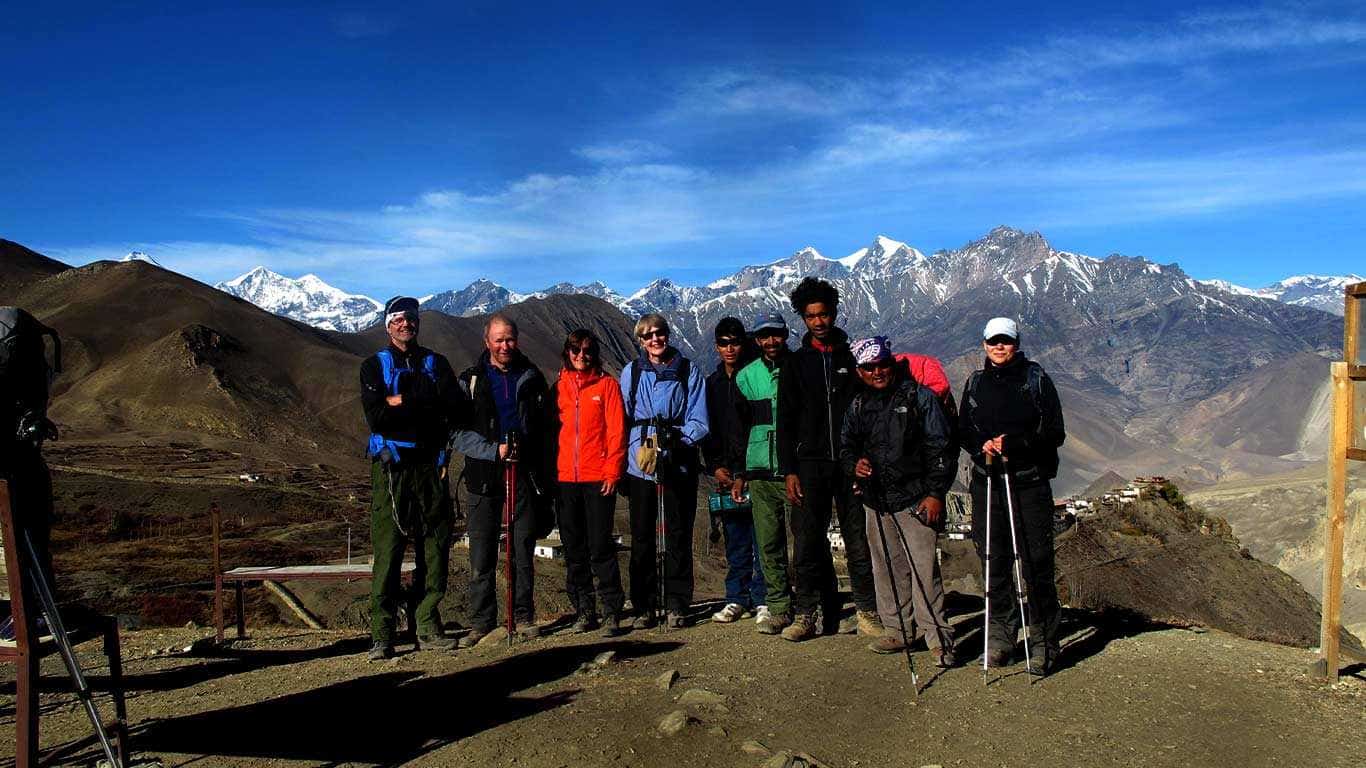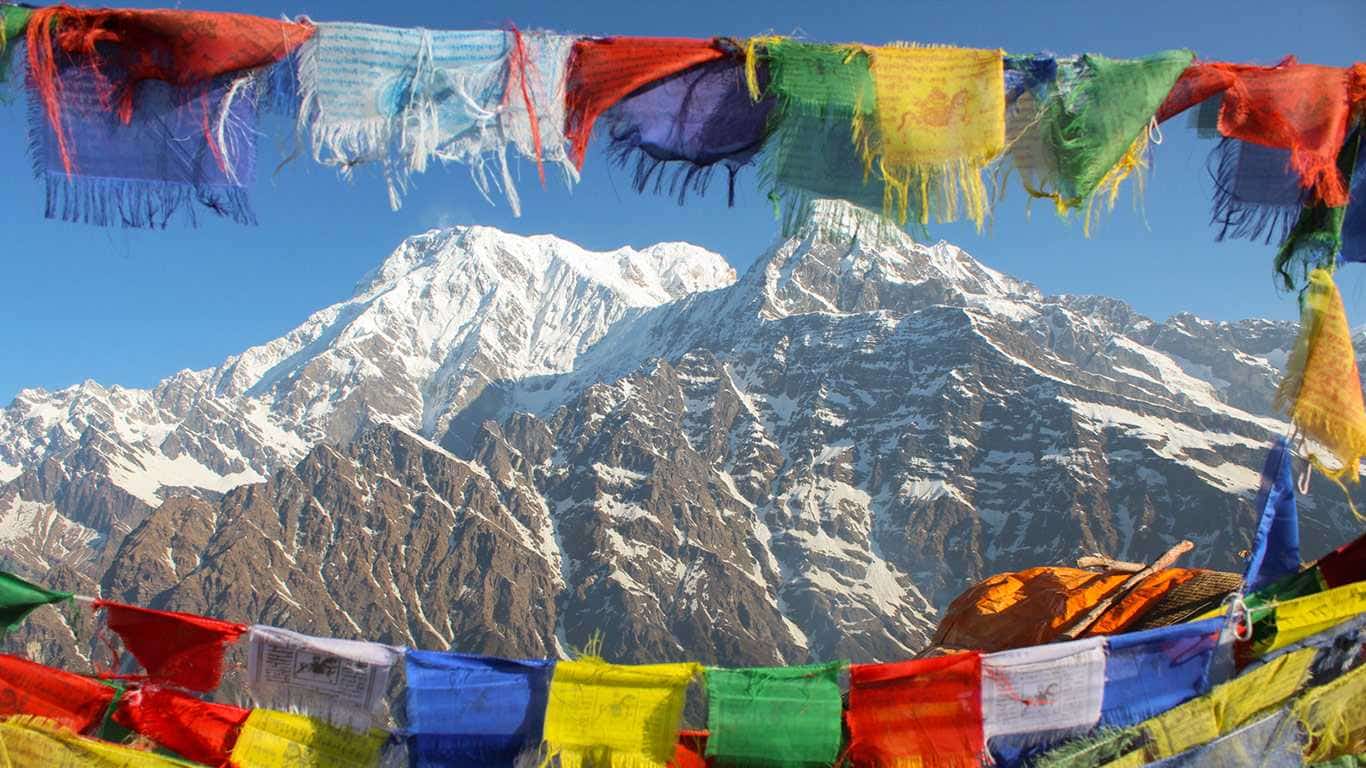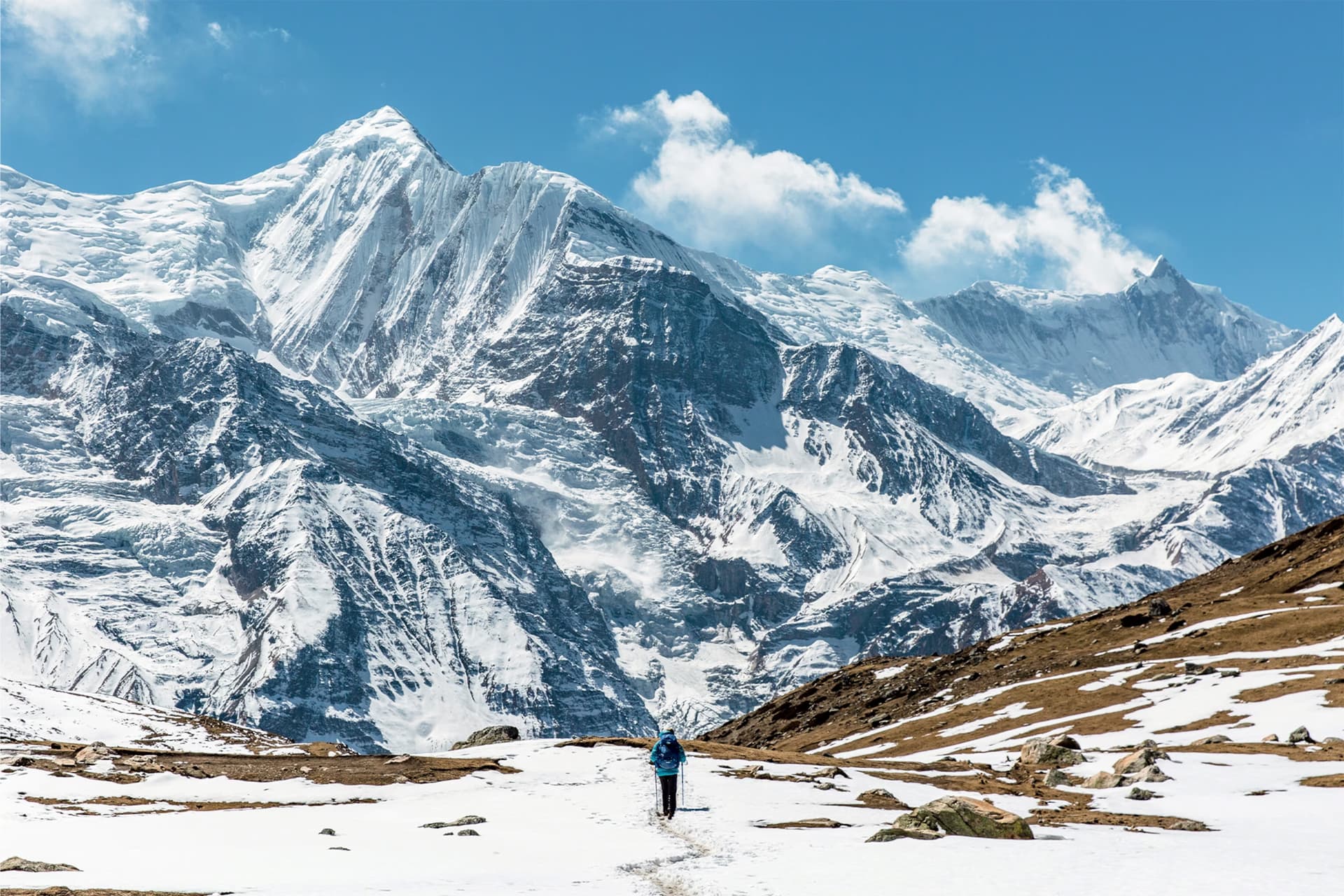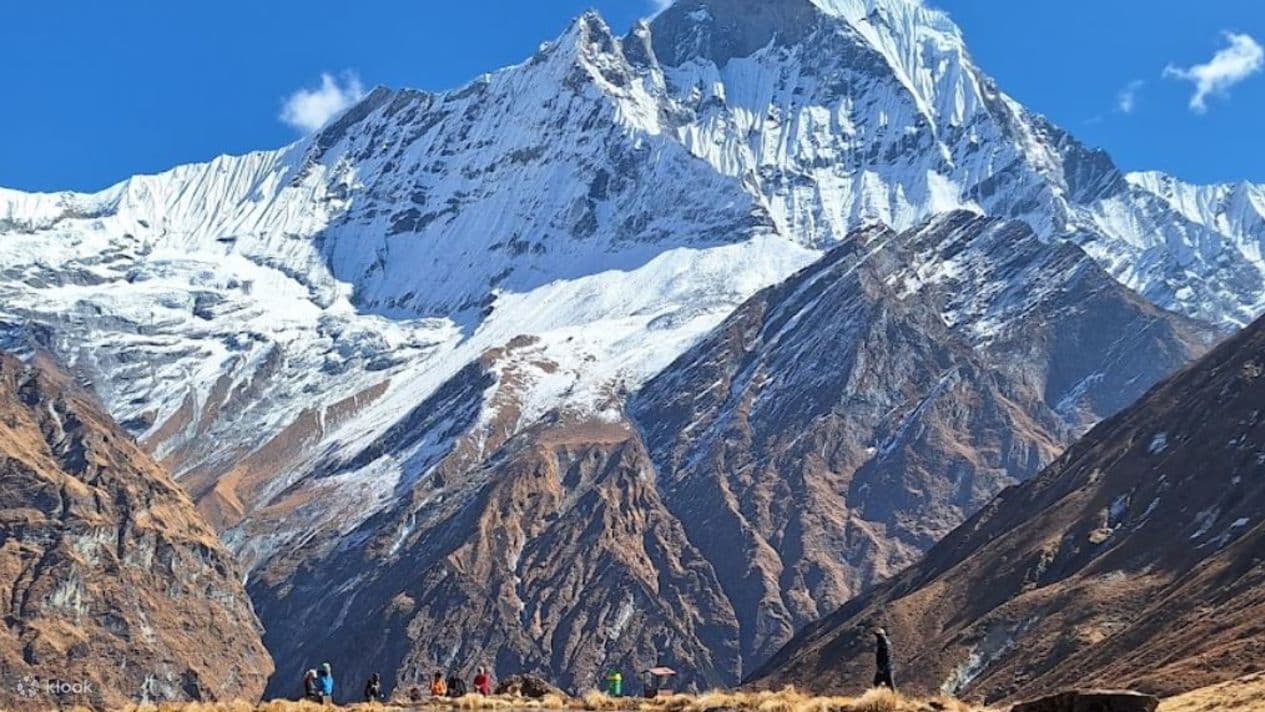
The Annapurna Circuit Trek is an incredible journey that offers you diverse and rewarding trekking routes. The journey in the Annapurna Circuit Trek takes us up to the maximum elevation of Thorong La pass 5,416 meters (17,769 ft), a true Himalayan challenge.
The Classic Annapurna Circuit Trek took 21 days.We trek through lush river valleys to high alpine deserts. Now, we trek for around two weeks thanks to the road access via jeeps. The timeline of Modern Annapurna Circuit Trek has changed because of the new road access.
Half of our battle is won at the preparation table, so packing plans need to include everything needed, but make sure not to overpack. Every gram counts when we trek in a high altitude area. More so, when going from humid jungle to freezing alpines.
Underpacking gear will result in facing harsh weather. We encounter freezing temperatures at 3,000 meters, meaning layering is your best defense against the volatile Himalayan weather. Overpacking leads to unwanted extra weight. And elevation makes it difficult to carry even a normal weight.
On this blog, we cover the altitude, days, and packing guide for the Annapurna Circuit Trek.
Now, let's start with an overview of this trip with the question:
How Many Days Does the Annapurna Circuit Take in 2026?
We, Himalayan Trekkers, take you on a 14-day Annapurna Circuit Trek. The older and classic Circuit Trek took 18 to 21 days.
Many trekkers ask us how long does it take to do the Annapurna Circuit? The answer actually depends entirely on you. Would you rather trek the classic route or take the modern optimized trail?

As we travel on this trek, we get a breathtaking view from the Thorong La Pass at 5,416 meters. So, how long is the Annapurna Circuit Trek distance? The route ranges between 160 km and 230 km, or 100–145 miles.
Differences in Classic and Updated Annapurna Circuit Trek
Classic Annapurna Circuit Trek starts from Besisahar and ends at Nayapul via Poon Hill. The modern itinerary begins with a drive to Tal/Chame, and we start the trek. We end the trek in Jomsom after the Thorong La Pass, ending the trekking part.
Another key contrast on the classic and modern trekking days is the pacing. If you look at the updated Annapurna Circuit Trek map, you can see an optimal pacing. The journey you take remains steady, and without the need to take acclimatizing rests during the trek.
The classic Annapurna Circuit mostly follows a trail without optimizing the route. Thus, acclimatizing days are placed to prevent any issues for the trekkers, it also keeps the journey safe and memorable.
As we journey through Tal and Chame we are greeted with subtropical jungle. The elevation of 1,700 makes it so we encounter unique Himalayan biology. As we move up, we find a completely different world. We are greeted with the arid trans-Himalayan desert with a completely different ecosystem.
How hard is the Annapurna Circuit Trek?
Another question many have is, how hard is the Annapurna Circuit Trek? A journey around the circuit is considered difficult. Ultimately, we recommend not taking the ACT as your first trip.
If you do have experience trekking in the Himalayas, the Annapurna Circuit Trek is a must-do. The challenging trails will make the journey memorable. Also, the reward of mesmerizing views makes the trek worth trying.
The Elevation Profile (From Tropics to the Alpine)
During the journey, we will cover many high-altitude places. We start our journey from the tropic jungle region to high alpine areas. As the trek continues we are greeted with different settings and views that Nepal’s natural beauty has to offer.
The adventure into the Himalayas begins in Kathmandu. If we choose the modern updated Annapurna Circuit Trek itinerary we drive to Tal or Chame. We then start our trek from this area with subtropical jungle at 1,700 m. We then make our way up to the arid trans-Himalayan desert.
It then movesHere's a table of stops and altitude covered in the Annapurna Circuit Trek. Let’s see the Annapurna Circuit Trek altitude.
Key Altitude Points on the Annapurna Circuit Trek
Trek Location | Altitude |
Kathmandu | 1,350 m |
Besisahar | 760 m |
Syange | 1,100 m |
Tal / Karte | 1,700 m |
Chame | 2,670 m |
Upper Pisang | 3,300 m |
Manang | 3,540 m |
Yak Kharka | 4,050 m |
Thorong Phedi | 4,540 m |
Thorong La Pass | 5,416 m |
Muktinath | 3,760 m |
Altitude gain in Annapurna Circuit Trek
As we begin the Annapurna Circuit trip in the low hills. And we cover high passes later. The climb remains gradual. The trailhead starts at 760 meters. We will go up to the Thorong La Pass at 5,416 meters at a comfortable pace.

We initially walk a trail that climbs slowly through lush river valleys. You visit traditional villages until reaching Chame and Upper Pisang. From there, the altitude increases more significantly. Trekkers move toward Manang, which is an important acclimatization stop.
After Manang, the terrain becomes drier. You climb the alpine trail to Yak Kharka and Thorong Phedi. The final push to Thorong La Pass is the highest point of the trek. We descend to Muktinath after summiting the Thorong La Pass. Here, the altitude drops significantly.
Why You Can't Rush Altitude (The Manang Stop)
One of the biggest challenges a trekker faces in the mountains is the high altitude. Many itineraries include a stop for acclimatization. The top pick for such stops is Manang. The place offers breathtaking views along with comfy accommodation.
The major issue in high elevated places is acute mountain sickness. Thankfully, trekkers in the Annapurna Circuit trek will face mild symptoms. What’s more, travelers can reduce the chances of AMS through a Manang Stop.
Manang (3,540 m / 11,614 ft) is considered a medical necessity for trekkers. On the Annapurna Circuit trek it serves as the final safe plateau for the body to adapt. After this you ascend into the "extreme altitude" zone.
Importance of gradual ascent
The Annapurna Circuit requires a stable ascent. Trekkers can get Acute Mountain Sickness (AMS) from rapid altitude gain. Furthermore, the oxygen level in the air decreases the higher we go. We must ensure our body adapts to the changes.

To reduce the risk of altitude sickness, trekkers take a slow, steady pace. You allow your body time to acclimatize by trekking at a slow pace or adding an acclimating day in your itinerary. Let your body adapt at an altitude of 4,000 meters.
Risk of Acute Mountain Sickness
Acute mountain sickness is a key risk of trekking above 3,500 meters. And since we venture above the altitude mark in the Annapurna Circuit trek, AMS becomes a real threat.

We must keep an eye on the common altitude sickness symptoms. We can try Diamox to ease mountain sickness. If AMS remains a continued issue even after consuming the medication, we must evacuate immediately.
Common High-Altitude Symptoms
Headache
Fatigue
Loss of appetite
Sleep difficulty
Altitude Safety Tips
How can we take precautions against altitude sickness in the Annapurna Circuit Trek? Trekkers must ascend the elevation at a steady pace. We must not rush to a higher altitude. Before we move, we must get travel insurance. It also needs to cover emergency evacuation at over 5,000 meters.

In my previous Annapurna Circuit trek, I’ve seen dozens of trekkers push past Manang too quickly. However, the trekkers suffered from mountain sickness with severe headaches, so they needed to turn around from Yak Kharka 4,050 m. They returned to Manang for a proper acclimatization.
Dropping in elevated reliefs one from mountain sickness, so be mindful of such things in the Himalayas. Which is why, trekking with an experienced guide is compulsory in this Circuit trek.
Adding an acclimatization day or two helps greatly. Or, better yet, a slow ascent is the ideal way to enjoy a fulfilling trip in the Himalayas. We get more time in nature and views on a gradual ascent. This is why we start our trek from Tal or Karte rather than Chame.
Packing Guide for Annapurna Circuit Trek (2026)
Annapurna Circuit Trek altitude and days traveled seem daunting. But with the right preparation, trekkers can take up this circuit trek. Now, the next question is what do we need to pack for an easier time at an elevation above 3,500 meters? Let's find out.

Firstly, trekkers must pack the right kind of clothing. You will be facing harsh and varied weather in the Himalayas. Moreover, the weather in such high places can be fickle and prone to sudden changes.
During the trek in the Annapurna Circuit, trekkers must bring the right gear. Having a quality sleeping bag can easily make a difference. After this, we must also be sure to bring along health and safety items.
Lastly, some items aren't an absolute must-have but are good to have. Electronics and other entertainment items, like a book or a Kindle, can enrich the journey. However, they aren't essential for survival.
Clothing Essentials
Base layers
Down jacket
Waterproof jacket
Trekking pants
Thermal wear
Warm hat and gloves
Trekking Gear
Trekking poles
Sleeping bag (-10°C to -20°C)
Backpack (40–60L)
Headlamp
Microspikes (winter season)
Health & Safety Items
Water purification tablets
First aid kit
Sunscreen and lip balm
Altitude medication
Nice to Have
Power bank
Camera
Charging cables
Book
What You Need: Seasonal Packing Differences in the Annapurna Circuit Trek
Every season in the Annapurna Circuit Trek offers something unique. In spring, lush and blooming nature welcomes us. When we visit the circuit trek in autumn, a clear and crisp view of the vistas awaits us.

In each season, we need to pack accordingly. During spring, the weather and temperature in the region are generally clear and warm. We can pack lighter layering. There could be a chance for rain, and so we must bring rain protection as well.
Autumn is the post-monsoon season. We find the weather clear during this season and best for getting the Himalayan view. But, during the fall, we find the temperature getting chilly. As such, we must bring warmer layers than in spring.
We can trek the Annapurna Circuit during the monsoon. But the most ideal seasons are spring and autumn. If you are trekking in the rainy/summer season, rain protection is a must. Likewise, insect repellents are a must-have. Side note, be on the lookout for leeches.
Final Trek Preparation Tips
You have your heart set on the Annapurna Circuit Trek. How can you prepare for the journey? Before you lace up your boots and pack your gear, train your body and mind. Training for a month before the adventure can be a huge help.
Hiking with loaded trekking bags can help you break in your trekking boots and handle the load. Some strength and leg training at the gym can be super for trek preparation. Cardio training can help you get the stamina needed for the long treks in the Annapurna Circuit.

Meditation can help you sharpen your mind. Visualizing the climb lets you prepare for what's to come. These exercises keep you calm when you start the adventure in the Annapurna region.
During these preparations, make sure you have arranged all required permits. But booking a trip with us guarantees you the required permits. You can prepare without worry for the paperwork for the Annapurna Circuit Trek.
Conclusion
The journey in the Annapurna Circuit Trek takes you through various elevations. You face different challenges during the trekking days in the circuit. But completing the trek that covers over 5,416 m in 14 days offers you a sense of accomplishment.
The journey can be considered difficult. But you can ease the journey with smart packing. Pack the right clothes, gear, and comfort items. It lightens some of the burden of transport.
Annapurna Circuit trek offers you a grand vista of the surrounding views. You can watch the Annapurna I-IV up close. The legendary Annapurna Circuit Trek is a must-experience trek in Nepal. It's all thanks to the availability of infrastructure and well-marked trails.
Check out our 14-day Annapurna Circuit itinerary designed for optimal acclimatization. So, book the Annapurna Circuit trek today with us.