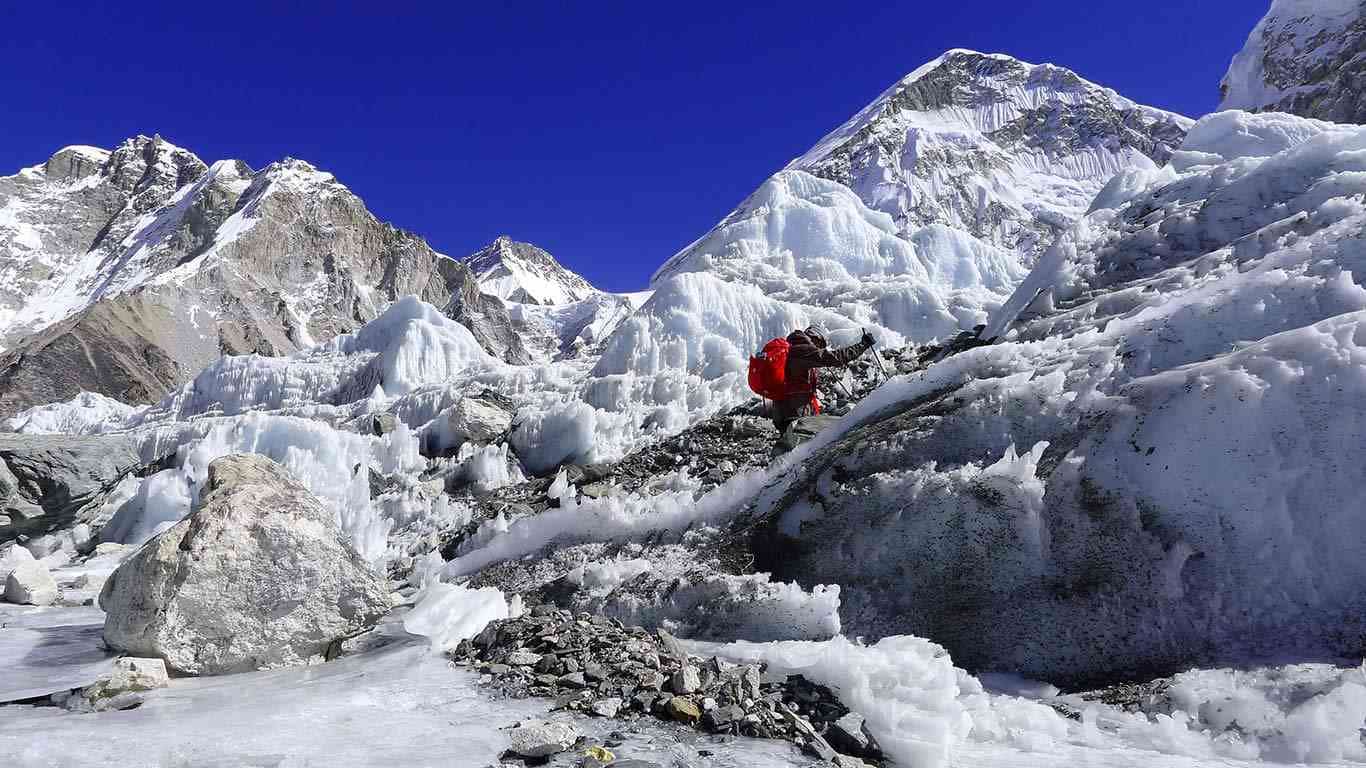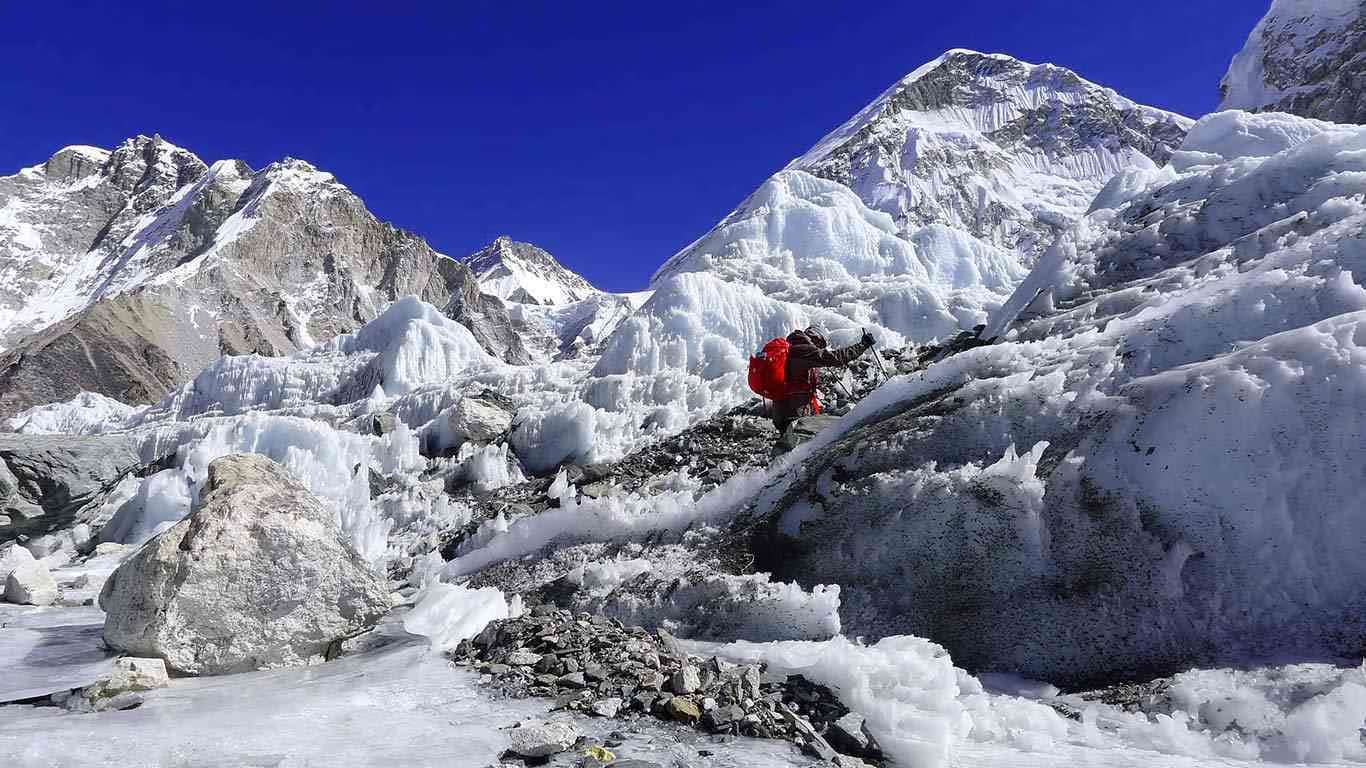
The Everest Base Camp Trek with kids can be an unforgettable family adventure, but it requires more planning than a normal holiday. The trail reaches 5,364 meters at Everest Base Camp, with long walking days, cold temperatures, basic mountain accommodation, and significant altitude exposure.
The good news is that the trek does not involve technical climbing. Families who choose a suitable itinerary, prepare their children properly, walk at a comfortable pace, and take acclimatization seriously can enjoy the journey safely. Infrastructure across the Khumbu region has also improved steadily in recent years, and more operators now design dedicated child-friendly itineraries trekking with kids here is more manageable today than it was even a few years ago.
The most important question is not simply, "How old is my child?" It is whether the child is physically prepared, comfortable with several days of walking, able to communicate how they feel, and mature enough to follow safety instructions.
Can Kids Do the Everest Base Camp Trek?
Yes, children can trek to Everest Base Camp, but it is not suitable for every child.
There is no single official age limit that determines who can trek to EBC, and trekking companies may have different minimum-age recommendations some suggest starting as young as 7, while others recommend waiting until closer to 10–12. In practice, many operators consider around 10–12 years a more comfortable starting point for the full trek, while some experienced families have completed it with younger children.
Age should therefore be considered together with:
Physical fitness
Previous hiking experience
Ability to walk for several hours
Comfort with cold weather and simple accommodation
Ability to communicate discomfort or illness
Mental readiness and motivation
Medical advice and overall health
For younger children, a longer and slower itinerary with additional acclimatization days is much more appropriate than trying to complete the trek on a tight schedule. Whatever age range you're considering, it's worth speaking with a pediatrician before booking this is standard, sensible advice regardless of how experienced or fit your child already is.
What Is the Best Age for an Everest Base Camp Trek With Kids?
There is no universal "perfect" age, but 10 years and above is often a practical range for families considering the classic EBC route.
Children in this age group are generally better able to understand why they need to walk slowly, drink regularly, stay warm, and tell their parents or guide when something feels wrong. What tends to matter more than raw fitness is temperament a very fit child who becomes anxious or refuses to continue on a hard day will often struggle more than a moderately fit child who stays calm, communicative, and cooperative.
Teenagers can also be excellent trekking companions because they can usually manage longer walking days and take greater responsibility for their own equipment.
For children below 10, parents should be more cautious. A younger child may be physically capable of walking long distances but may have more difficulty communicating symptoms or coping with several consecutive days at high altitude.
The important point is that fitness alone does not make a child ready for EBC. Maturity, communication, and altitude awareness are equally important arguably more so.
Is Everest Base Camp Safe for Kids?
The trek can be done safely by children when it is properly planned, but parents should not underestimate the altitude.
There's no technical climbing involved, the trails are well established, warm food and a bed are available every night, and helicopter evacuation is an option if something goes seriously wrong. The three concerns parents raise most consistently are altitude sickness (the biggest risk when an itinerary is rushed), cold temperatures at night above 4,000m, and general fatigue kids can burn out faster than adults and need more flexibility built into the schedule.
The biggest concern remains acute mountain sickness (AMS). Children can develop altitude sickness just like adults, regardless of how physically fit they are. This means a child who regularly plays sports can still become sick at high altitude fitness has very little bearing on who is affected.
Common symptoms include:
Headache
Nausea
Loss of appetite
Unusual tiredness
Dizziness
Difficulty sleeping
Reduced energy or unusual behavior
Parents and guides should pay close attention to changes in a child's behavior because younger children may not always describe their symptoms clearly.
In fact, behavioral shifts are often the first sign of trouble in kids specifically before they say "I have a headache," a child is more likely to simply go quiet, become unusually irritable, lose interest in games they'd normally enjoy, or start asking to stop more frequently. Because kids can be reluctant to admit they feel unwell, watching how a child walks, eats, sleeps, and interacts often tells you more than what they say out loud.
If symptoms become serious or worsen, continuing higher is not the solution. The itinerary should be adjusted, and descent may be necessary. The rule that matters most here is simple: never rush, and never ignore the first signs of trouble.
How Fit Should a Child Be for EBC?
A child does not need to be an elite athlete to complete the trek. However, they should be comfortable with sustained physical activity. The trail involves several hours of walking on many days, with rocky and uneven sections, uphill and downhill terrain, and increasing altitude.
Everest Base Camp Trek Preparation for Kids
Preparation should involve more than physical training.
Talk to your child beforehand about what the trek will actually be like. Explain that there may be:
Long walking days
Cold mornings and nights
Simple bathrooms
Basic tea houses
Limited internet
Simple meals
No normal city comforts
Changes in the itinerary if weather or health requires it
This helps prevent surprises on the trail.
It can also help to show children maps and photographs of the route and involve them in choosing small items for their daypack. Giving children some responsibility can make them more interested in the journey.
What Should Kids Pack for Everest Base Camp?
Children should have warm, comfortable and properly fitted trekking clothing.
Essential items include:
Good-quality trekking shoes, broken in well before departure
Warm socks
Thermal base layers
Fleece or insulating layers
Waterproof and windproof jacket
Warm down or insulated jacket
Warm hat and gloves
Sunglasses
Sunscreen and lip balm
Reusable water bottle
Small daypack
Personal toiletries
Headlamp
Sleeping bag suitable for cold temperatures
Basic personal medicines
Snacks that the child enjoys
Small quiet entertainment a notebook, cards, or an audiobook for slower evenings in the teahouse
Avoid giving children a heavy backpack. Their main responsibility should be walking safely and enjoying the trek ideally they carry little to nothing beyond a water bottle and a light jacket, with everything else handled by a porter.
Teahouse Accommodation and Daily Life With Kids
Teahouses along the route are simple, family-run lodges not hotels, but generally reliable and a reasonable fit for families who know what to expect going in.
Rooms are typically small but clean, with two single beds or a shared sleeping arrangement. Blankets are provided, but a proper sleeping bag matters more for kids than adults, since children tend to feel the cold more sharply once the temperature drops at night.
Bathrooms are shared, hot showers are available lower down the trail (usually for a small fee) and become less reliable and sometimes unavailable higher up. The dining hall, usually heated by a central stove in the evening, becomes the natural hub of each stop the place where families warm up, eat together, and relax after the day's walk. Bedrooms themselves are rarely heated, so warm bedding and enough layers for sleeping matter more than people expect.
Electricity is limited at higher elevations, and device charging often costs extra, which is worth factoring into how you plan entertainment for kids on rest evenings.
What Do Kids Eat on the EBC Trek?
Food is generally available throughout the main trekking route, particularly in tea houses.
Children may find some traditional mountain meals unfamiliar, so it is useful to encourage them to eat foods they already enjoy while also trying local options.
Common choices can include:
Dal bhat (unlimited portions, filling, and a genuinely good source of energy)
Rice and vegetables
Noodles
Pasta
Soups
Eggs
Potatoes
Pancakes
Porridge
Bread
High-energy snacks such as chocolate, nuts, energy bars and dried fruit can also be useful during walking days bringing some from home is a good idea, since familiar snacks can matter more at altitude than local variety, especially if a child's appetite dips.
At altitude, kids often eat less than they would at lower elevations, which is normal but worth watching. Encourage small, regular meals rather than pushing for full portions, and make sure kids keep drinking water even when they don't feel thirsty cold weather makes it easy to forget to hydrate, which can quietly worsen altitude symptoms.
It's also worth sticking to freshly cooked, hot food and encouraging regular hand-washing or sanitizer use before meals stomach trouble is unpleasant anywhere, but genuinely harder to manage with kids in a remote mountain setting.
How Long Does an EBC Trek With Kids Take?
Families should generally avoid rushing the standard adult itinerary.
A typical family trek may take around 14–16 days or longer, depending on the route, acclimatization schedule and walking pace. Some family itineraries add an extra acclimatization day and shorten individual trekking stages, often targeting 4–5 hours of walking per day rather than the 6–7 hours a fit adult itinerary might include.
A slower itinerary provides more flexibility if a child becomes tired or needs additional rest.
A basic family route could look like:
Kathmandu → Lukla → Phakding → Namche Bazaar → Tengboche → Dingboche → Lobuche → Gorak Shep → Everest Base Camp → return to Lukla → Kathmandu
A few stops along this route tend to work especially well for families. Phakding makes a gentle first stop, with easy riverside walking and low altitude. Namche Bazaar offers bakeries, good views, and enough going on to make a rest day genuinely enjoyable rather than just a pause. Dingboche's open valley and quieter atmosphere make it a comfortable second acclimatization stop.
The exact schedule should be adjusted according to the child's ability and acclimatization response.
Should You Hire a Guide and Porter When Trekking With Kids?
For families, the answer is almost always yes.
A licensed guide brings real value beyond logistics. Guides are trained to watch for early altitude symptoms, particularly the behavioral changes that are often the first sign of trouble in children. They can adjust the itinerary on the spot, slowing the pace or adding a rest day without turning it into a big decision under pressure, and they handle the practical side of teahouse bookings, meals, and route planning so parents can focus on their kids rather than logistics.
A porter matters just as much. Taking the physical load off both kids and parents preserves energy for walking rather than carrying, and on tougher or colder days, not having to manage a heavy pack on top of everything else can make a real difference to a child's mood and stamina. Kids should ideally carry next to nothing a water bottle and light layer at most.
Between the two, what families are really buying isn't convenience; it's a second set of experienced eyes watching for problems before they become serious, and someone who can make an objective call on pace or descent even when parents feel emotionally invested in reaching Base Camp.
What Can Kids Experience Along the Way?
An Everest Base Camp trek is more than reaching the base of Mount Everest.
Children can experience:
Spectacular views of Everest, Ama Dablam, Lhotse and other Himalayan peaks
Sherpa villages and mountain communities
Buddhist monasteries
Prayer wheels and prayer flags
Sagarmatha National Park
Suspension bridges
Mountain wildlife
Traditional tea houses
Local food and culture
The excitement of walking through the world's famous Everest region
For children, these experiences can turn the trek into an outdoor learning adventure rather than simply a long hike.
How Can Parents Keep Kids Motivated?
Even fit children can become bored or tired during a long trek.
Parents can make the journey more enjoyable by setting small daily goals rather than focusing only on Everest Base Camp. For kids, the trek is about how the day feels, not the distance or elevation covered breaking a long day down into smaller, nameable goals (the next bridge, the next teahouse, the next village) tends to work far better than talking about hours or kilometers.
Simple observation games also help more than they might seem to: spotting prayer flags, counting yaks, identifying birds, or hunting for interesting rocks along the trail keeps kids engaged with their surroundings rather than just enduring the walk.
For example:
Let children photograph interesting scenery.
Give them a simple trail journal.
Encourage them to identify mountains.
Take regular snack breaks.
Play simple games during easier sections.
Celebrate reaching each village.
Allow enough time for rest and exploration.
Some days a child will be enthusiastic and energized; other days, quiet, tired, or reluctant and that variability is normal at altitude, not a sign that something is wrong. Staying flexible rather than pushing through a bad day tends to build a child's confidence rather than eroding it. Avoid turning every walking day into a race. The goal is to reach Base Camp safely and enjoyably, not as quickly as possible.
When Is the Best Time for a Family EBC Trek?
The most popular trekking seasons are spring and autumn.
March to May generally offers good trekking conditions, while September to November is another popular period with favorable mountain views and trekking weather. For families, stable weather is especially valuable because children may find cold, snow, rain and difficult trail conditions more challenging than experienced adult trekkers.
Winter and monsoon treks are possible in some circumstances, but families should consider weather, trail conditions and the child's experience before choosing these periods.
Common Mistakes Families Make on the EBC Trek
Rushing the itinerary to save time or match a fixed schedule
Ignoring early warning signs especially behavioral ones hoping they'll pass
Treating kids like small adults rather than accounting for how differently they communicate discomfort
Focusing on reaching Base Camp rather than on the family's day-to-day wellbeing along the way
Important Safety Tips for Parents
Before starting an Everest Base Camp trek with kids, keep these principles in mind:
Get appropriate medical advice before the trek.
Choose an experienced local guide.
Build a slower itinerary with acclimatization days.
Never ignore altitude symptoms.
Keep children warm and dry.
Encourage regular hydration and meals.
Keep the child's backpack light.
Allow frequent rest breaks.
Carry suitable travel insurance for high-altitude trekking.
Be prepared to turn around if your child's health requires it.
A successful family trek is not measured only by reaching Everest Base Camp. Knowing when to slow down, rest or descend is an important part of responsible trekking.
Is Everest Base Camp Trek With Kids Worth It?
For the right family, the Everest Base Camp Trek with kids can be an incredible experience. It combines physical activity, Himalayan scenery, Sherpa culture and an opportunity for children to experience a completely different environment.
However, EBC should not be treated like an ordinary family vacation. The altitude is serious, the walking days can be demanding, and conditions become increasingly basic as the route climbs higher. If your child is healthy, physically active, mentally prepared and comfortable with long hikes, a carefully planned family itinerary can make the journey both safer and more enjoyable.
The best approach is simple: prepare well, walk slowly, acclimatize properly, listen to the child, and never prioritize reaching Base Camp over safety.
FAQs: Everest Base Camp Trek With Kids
1. What is the minimum age for the Everest Base Camp Trek?
There is no universal minimum age for EBC, but many families find children around 10–12 years or older more suitable for the full trek. Physical fitness, maturity, hiking experience, and the ability to communicate symptoms are also important.
2. Can a 10-year-old do the Everest Base Camp Trek?
Yes, a healthy and well-prepared 10-year-old may be able to complete the trek. A slower itinerary, proper acclimatization, light backpack, and experienced guide are especially important.
3. Is the Everest Base Camp Trek safe for children?
It can be safe when properly planned, but altitude is a serious consideration. Children can develop altitude illness just like adults, so families should monitor symptoms and avoid ascending when a child is unwell.
4. How fit does a child need to be for Everest Base Camp?
Children should be comfortable walking for several hours a day on uneven and uphill terrain. Regular hiking, stair climbing, and endurance activities before the trek can help prepare them.
5. Can kids get altitude sickness on the EBC Trek?
Yes. Children are susceptible to altitude illness, and physical fitness does not eliminate the risk. Gradual ascent and adequate acclimatization are essential.
6. How can parents prevent altitude sickness in children?
The main precautions are gradual ascent, acclimatization days, adequate hydration, rest, and monitoring for symptoms such as headache, nausea, dizziness, unusual tiredness, or loss of appetite. If symptoms worsen, descent may be necessary.
7. How long does the Everest Base Camp Trek take with kids?
A family-friendly EBC trek can take around 14–16 days or longer, depending on the itinerary, acclimatization schedule, weather, and the child's walking pace. Adding extra days can make the trek more comfortable.
8. What should kids pack for Everest Base Camp?
Children should have warm layers, comfortable trekking shoes, gloves, a hat, sunglasses, sunscreen, a reusable water bottle, personal medicines, snacks, and a suitable sleeping bag. Their backpack should be kept light.
9. Can children stay in tea houses during the EBC Trek?
Yes. Tea houses along the Everest route provide basic accommodation and meals. Facilities become simpler at higher elevations, so children should be prepared for basic rooms, shared bathrooms, and limited hot water.
10. Is Everest Base Camp worth doing with kids?
Yes, for a properly prepared family, EBC can be an unforgettable experience. Children can experience Himalayan landscapes, Sherpa culture, monasteries, mountain villages, and the excitement of reaching Everest Base Camp while developing confidence and endurance.