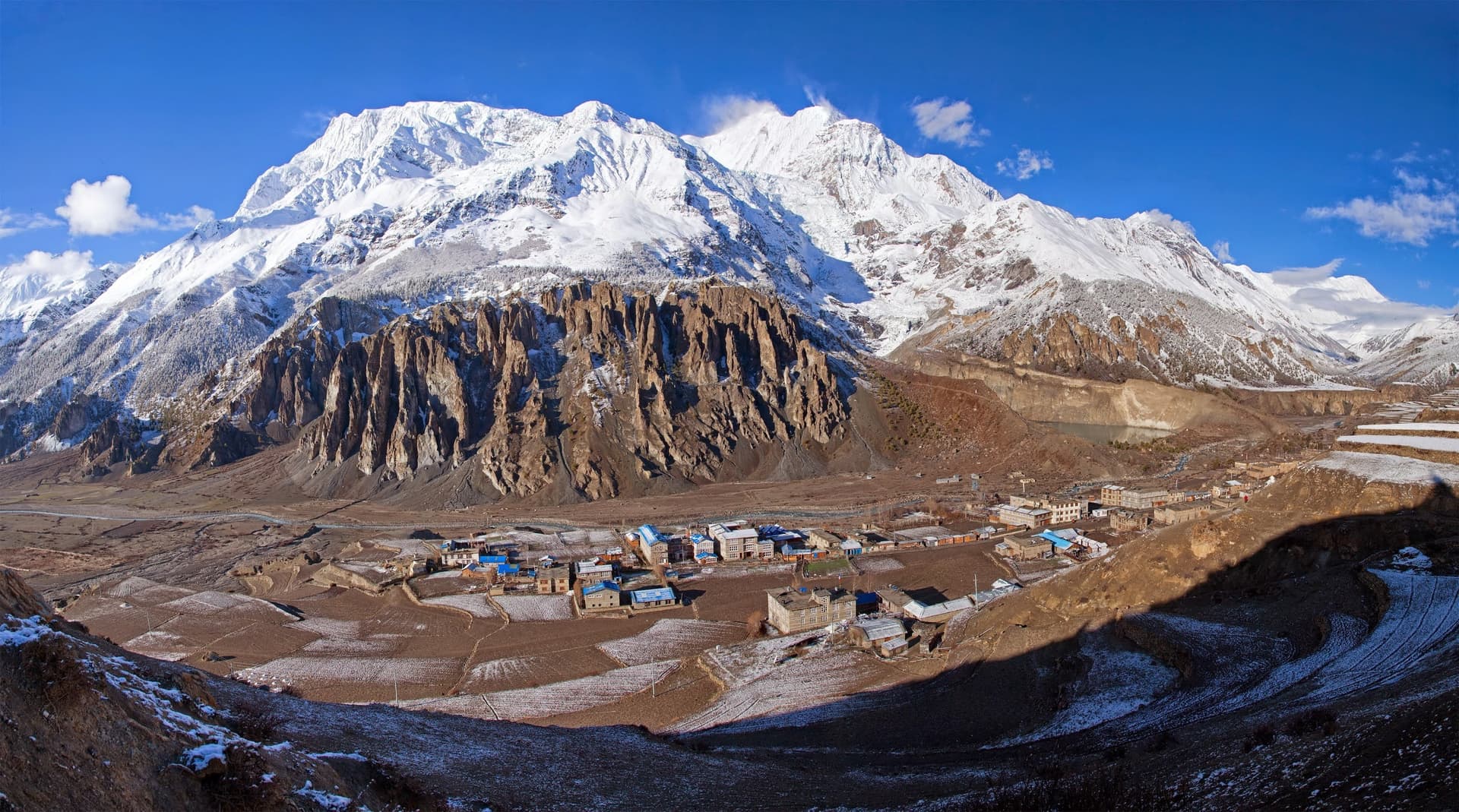
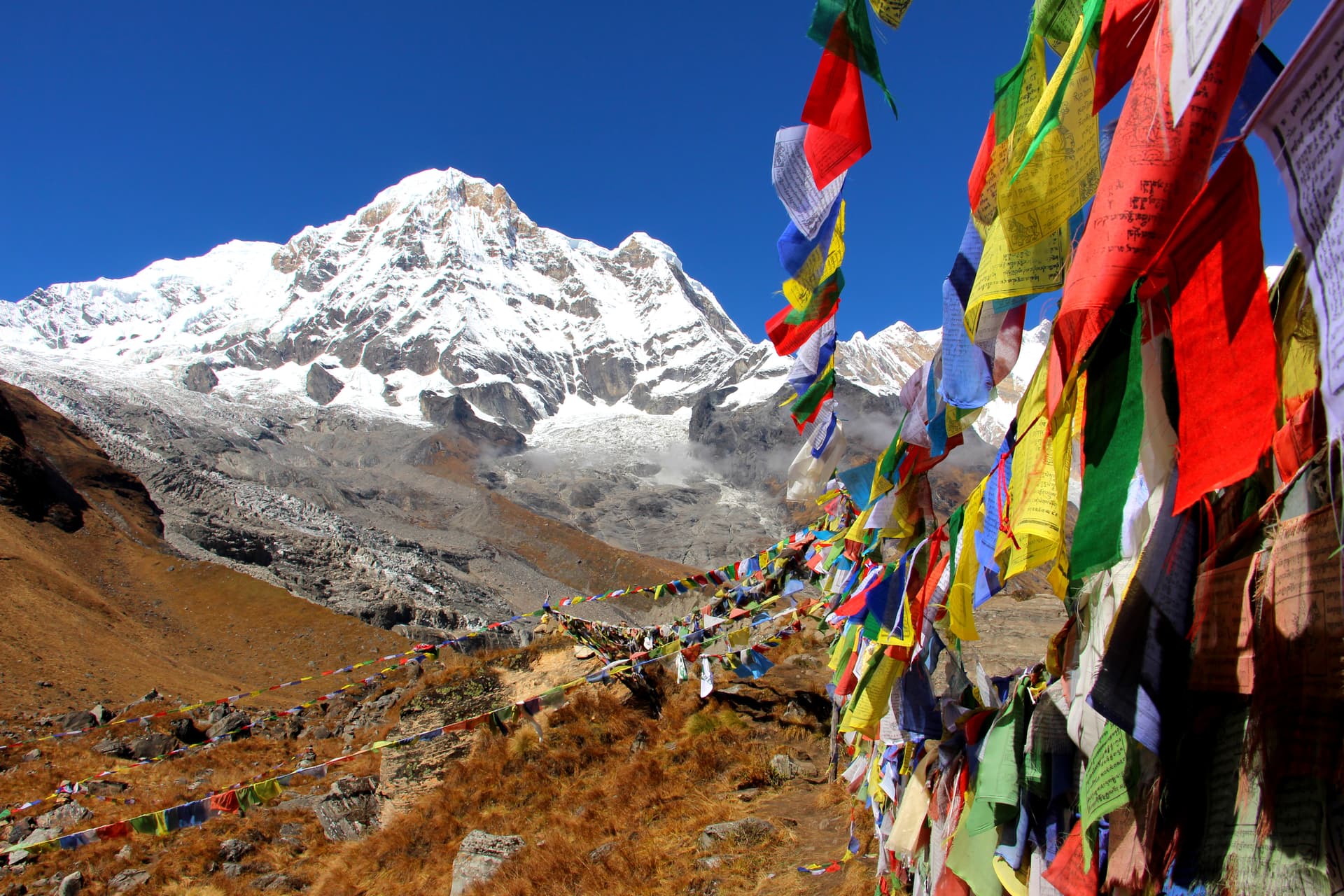
The Annapurna base camp trek in June is one of the less talked about trekking experiences in Nepal. enjoy beautiful lush green valleys, breathtaking cloud-topped mountains, mighty waterfalls and tranquil trails with fewer crowds than high season. June offers a more contemplative and picturesque side to the Himalayas, one which is not as crowded as the autumn season. But, there is a price to be paid with this beauty: the early monsoon season also brings with it rain, smooth but slippery dirt paths, humidity and fast-changing weather conditions.
So, can you do the abc trek during monsoon in June? Yes, of course, but if you're ready for what you'll encounter on monsoon trekking. While you're on the trail, this differs greatly from a spring or autumn experience and requires a different level of gear, flexibility, and sense of adventure.
If you are a nature enthusiast who prefers a less crowded landscape and less marketing, trekking in the Annapurna summer season can be even more unique and authentic. The Annapurna region is a wonderful and memorable Himalayan adventure when it is ready in June, with the right preparations, local guidance and knowledge of the monsoon weather.
June at ABC: What the Himalayas Really Feel Like
The Annapurna base camp trek in June takes place right at the beginning of the monsoon season in Nepal, when moist air from the Bay of Bengal starts influencing the entire Annapurna region. Here is the time when the dry weather of the preseason gives way to more humid and unsettled conditions. This is sometimes referred to as “off-season”, but that is not the case on the ground for those who know their way around the monsoons of the Himalayas.
In mid or late June monsoon typically increases in strength, prompting more frequent afternoon/evening rain in the lower and mid-elevation areas of the route. Cloudiness is relatively high, specifically in forested areas like Chhomrong and Bamboo, where it is possible that the mist will remain all day. Mornings are clearer, however, that's why experienced trekkers opt for early mornings when planning a trekking route in Annapurna in the summer season.
June rainfall is not uniform but falls in short bursts with brief dry periods between. This gives rise to exciting trekking weather, which may shift in hours, particularly in the monsoon season, during the abc trek. There are also higher humidity levels, which makes the trail warmer at lower elevations and heavier to walk in than during the spring or fall time.
It is not strictly a rule that trekking in June is dangerous or difficult. Conditions are more difficult, but are manageable if care is taken in the preparation and being aware of the behaviour of the terrain. In reality, many areas are still full of greenery and performing waterfalls that provide a different type of Himalayan enchantment.
As a vital factor to understand during the annapurna base camp trek in June, altitude plays a significant role in the weather seen along the base camp trek. Lower villages (Jhinu Danda, Chhomrong) are warm and humid while higher levels closer to ABC are cold, particularly in early morning and evening. This is a stark contrast in common found throughout the Himalayas during monsoon trekking.
Altitude Zone | Day Temperature | Night Temperature | Condition |
1,000–2,000m | 20–28°C | 15–20°C | Warm & humid |
2,000–3,000m | 15–22°C | 10–15°C | Mild & misty |
3,000–4,130m (ABC) | 5–12°C | 0–5°C | Cold & cloudy |
This illustrates how much conditions can change with altitude in the summer when trekking in Annapurna, and it's important to plan your trip in layers and with the appropriate gear. Overall, the June season is quite different from the peak season as far as the experience is concerned in the Himalayan mountains.
Clouds, Cold & Warm Rain: Weather and Temperature at ABC in June
The Annapurna Base Camp trek in June has a distinctly monsoon-influenced climate with daily variations in cloud cover, rainfall and temperature. The weather here is not at all easy like in the clear seasons and is humid, misty, and raining frequently which affects the whole trekking routine as well. This means the abc trek is unpredictable and can be very atmospheric when organised during monsoon season by prepared trekkers.
During this time, weather at a significant degree depends on elevation, and therefore, each segment of the trail has a distinct character. It is warmer and more humid at lower elevations and colder and windier close to base camp during the day. One that differentiates summer trekking in Annapurna is this contrast particularly in June as monsoon systems are actively forming.
Altitude Zone | Day Temperature | Night Temperature | Rain Intensity Pattern |
1,000–2,000m (Lower villages) | 20–28°C | 15–20°C | Frequent afternoon showers |
2,000–3,000m (Mid trails) | 14–22°C | 10–15°C | Intermittent rain & mist |
3,000–4,130m (ABC zone) | 5–12°C | 0–5°C | Light rain, clouds, occasional snow mist |
Weather in June at the base camp of Annapurna changes from humid subtropical to cold alpine conditions in a few days. Though this is not necessarily the case, it tends to be humid and warm in lower villages such as Jhinu and Chomrong. Areas near ABC still stay fairly cold, especially in the mornings and evenings when there are cloud bands.
Rainfall is also different at heights which further makes the monsoon season a mixed experience throughout the abc trek. Softer rains are likely, heavier rains in the lower areas in the afternoon whilst persistent mist and drizzle is expected in mid-altitude forests. At proximity to the base camp, the precipitation is trivial and unpredictable and it can be fog, wind-driven rain or possibly light snow-like moisture.
Weather forecasting conditions in the Himalayas are one of the major challenges of trekking in Annapurna during summer. Weather changes rapidly with complex mountain topography, and some forecasts are unreliable even day-to-day. This is why experienced guides pay more attention to what's happening in the area now rather than reading a weather forecast.
In summary, June presents a weather "mish mash" requiring flexibility of thought, orientation, and acclimatization to weather changes to suit the altitude. During the rainy season, the clouds, cold air and warm rain make it a dynamic place and the Annapurna region is replete in monsoon spirit during this period.
Managing Rain and Leeches on the Trail: The Monsoon Challenge Mode
In June, on the Annapurna base camp trek, the trail blooms with moisture, forests are thick, and the rain is continuous, presenting trekking challenges that are not to be taken lightly. During monsoon, the abc trek isn't merely about scenery changes; it also brings the challenges of the terrain with it, which demand awareness, preparation and proper pacing. It's important that one knows these conditions for safe and responsible trekking during this season.
Leeches in Forest Sections (Chhomrong–Sinuwa Belt)
Leeches thrive in the humid environment and extensive thick forest areas between Chhomrong, Sinuwa and Bamboo are the places where they are most prevalent. Rainfall can stimulate this activity; trekkers may see that leeches are crawling on their socks or lower legs while walking in some of these areas. This is a normal phenomenon of the summer trekking season in Annapurna but it can be uncomfortable for the inexperienced trekker.
Awareness and prevention is the key, rather than panic – wear suitable equipment and check in the rest stops. Technically, leeches are not a big problem but they can hinder progress if not dealt with effectively. Keeping to the main trail and avoiding stagnant wet vegetation will decrease exposure.
Wet Stone Paths & Landslide-Prone Sections
During the monsoon these stone stairs and rocky paths become extremely slippery, particularly on the annapurna base camp trek in june, in steep ascent and descent. When the combination of moisture and moss causes low friction surfaces, there is an increased risk of traction loss and fall. Some sections also cross steep ridges where water can cause a wash out.
When it rains continuously there are more sites prone to landslides in lower and mid-region areas. Although most trekking routes are open and maintained, they can close up or turn them off following heavy rain. This is why it is so important to use pacing and careful footwork in the abc trek during the rainy season.
Gear Solutions: Salt, Gaiters & Waterproof Essentials
Good gear is key to minimising discomfort and danger whilst trekking in monsoons. Stable boot footwear should be waterproof with good grip, to help keep them steady on muddy and stony trails. Gaiters are particularly helpful in keeping water out of shoes as well as leeches during extended sections of the forest.
Leech prevention methods are often the use of salt, antiseptic sprays, and quick checks post breaks. Also fast dry clothes and lightweight rain shelters for backpacks help to ensure your comfort throughout the summer trekking in Annapurna route. Pocket book maintenance can greatly enhance a trail ride in wet weather.
Trail Discipline & Guide Importance
Taking time to walk diligently is even more necessary during monsoon trekking as particular visibility and footing is possible to change rapidly. Walking at a constant rate, not taking shortcuts and sticking to a marked trail is a great way to limit risk. Group size is also significant, as is the spacing between groups, to avoid slips due to unforeseen stops or uneven ground.
In June, a licensed guide can offer significant safety benefits on your Annapurna base camp trek, particularly in locating safe routes and keeping up with conditions along the trail. Familiarity with local knowledge is important in the event of sudden weather change or alternate pathing. This is one of the best safety benefits when trekking during the rainy season in the Himalayas or monsoon season in general.
Practical Safety Insight
Going up the ABC route during the monsoon is very achievable and requires respect of the terrain and the weather. The mixture of leech, mud, and slippery stone trails can be controlled with proper preparation and safety practices. If you possess the correct mental attitude and tools, the abc trek in monsoon is a matter of adjusting to the raw nature of the Himalayas, more than anything else, a struggle to overcome the challenge.
Green Paradise Alert: The Pros: Lush Valleys, Blooming Flora, and Empty Trails
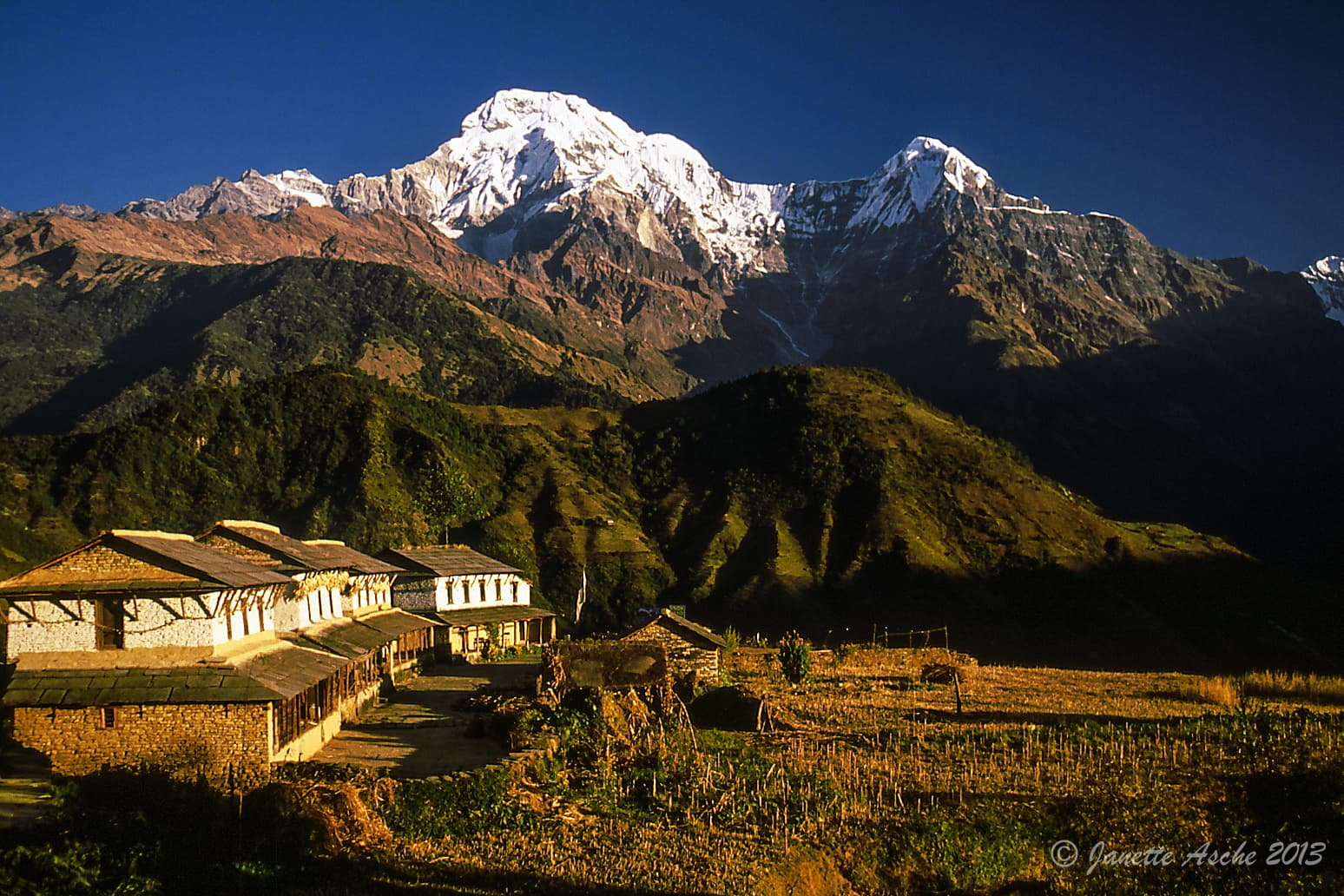
The Annapurna base camp trek in June is a surprise to many trekkers as they anticipate rain, strenuous hikes and troubles, but what they will find is one of its most colorful seasons. Rather than desert roadways and sleek sandlands the area becomes a green carpeted walking path defied by moisture from the early monsoon. This is truly where the abc trek during monsoon throws its underrated best shot: unspoiled natural beauty without any crowds in the summer season.
There is one fantastic feature of trekking in Annapurana during June and early July; the appearance of Rhododendron forests with early monsoon wildflowers. The rhododendron is in peak bloom in spring, but many sections will still have late flowering blooms, and the rain will stimulate new wild growth of rhododendrons around on the forest floor. Layered with dark greens, delicate pinks and vibrant seasonal blooms the trail features.
Constant moisture feeds rivers, waterfalls and moss-covered cliffs to dramatically green the landscapes on the annapurna base camp trek in june. Waterfalls look more imposing and active than in dry months; in some months they may be in full view, cascading over steep rocky faces, and in others they may be hidden. This ever-moving water brings a movie-like dimension to your trek that is found only in monsoons.
The other major benefit of trekking during monsoon is that there are comparatively fewer people on the trail. During that peak season, sometimes the tea houses and viewpoints are very crowded and have a more public hold time. But in June, the experience of trekking in public may be a different one. This provides opportunities for deeper connections with nature, clear opportunities for viewing mountains, a more contemplative trekking pace and more opportunities for discussion and component reflection.
It also adds to the experience of culture while trekking in Annapurna in the summer season, as there are fewer tourists, making local interactions more natural. Owners of the tea houses and the villagers are not hurried, and the interaction is more honest and unmanipulated than it would be in the high season. This will establish a more authentic awareness of life in the Himalayas without the framework of the tourist industry.
In general, the monsoon season redefines the Annapurna area often. Despite its difficulties, the Annapurna base camp trek in June is an exceptionally rewarding experience for those who crave solitude and the natural splendor that springs from the valley below.
Packing List: Essential Rain Gear and Waterproofing
An Annapurna base camp trek in June combines the risk of monsoons with the ever-changing weather, making a good packing list essential. It takes a different kind of gear for the monsoon trek as opposed to the dry season trek, which will focus on waterproofing, quick drying, and stability along the trail. In this instance, preparation is no longer optional; it is a major piece of the puzzle to a safe and comfortable trek, and can make all the difference in the world.
Category | What You Need | Why It Matters | Category |
Clothing Layers | Base layer, fleece, lightweight insulation | Helps adjust to sudden temperature shifts | Clothing Layers |
Rain Protection Items | Waterproof jacket, rain pants, backpack cover | Essential for continuous monsoon showers | Rain Protection Items |
Footwear Essentials | Waterproof trekking boots, extra socks, gaiters | Prevents slips, wet feet, and leech exposure | Footwear Essentials |
Annapurna base camp trek in June has plenty of days that feature rapid changes between warm, humid lower valleys where it is cooler and higher altitudes that range to icy, damp environments. Layering is one of the essential techniques of trekking in the summer season in Annapurna and it helps them to adapt to ever-changing weather quickly without getting sweaty or chilled. A versatile clothing system helps in keeping the wearer comfortable on a long trek day.
While traveling in the monsoons, rain protection is essential as rain may come quickly and stay throughout the journey. Wearing a good waterproof jacket and trousers keep body temperature high and protect you from getting wet for too long and become fatigued on the abc trek in the monsoon season. Electronics, clothing and other critical documents are also kept dry from water with dry bags or rain covers.
Shoes are important to safety, particularly on muddy and rocky trails. Waterproof trekking boots with good grip help to minimise slipping risks and gaiters will protect from the leeches and wet undergrowth that occur in the lower tree-cover of the forest. This is widely advised by the highly experienced guides in the Annapurna region.
Key Items and Carrying List (Practical Checklist)
Waterproof jacket and Waterproof trekking pants for continuous rain protection.
Dry bags and backpack rain covers are used for keeping essentials safe and dry.
Quick-dry clothing system to control humidity and frequent wet conditions.
Socks for enhanced grip and stability on muddy surfaces
Rain, Landslides & Smart Decisions: Trail Safety During the Early Monsoon
June is the key season for the Annapurna base camp trek in terms of safety because early monsoons start to impact the stability, visibility and overall comfort of the trek. While this season will make the abc trek still entirely possible, there will be more need to be aware of the monsoon conditions as they can change rapidly causing different terrain to be predetermined to be unsafe. That's why responsible decision making is just as crucial as physical fitness to make it a safe trekking experience.
A big concern at this time of year is the possibility of risk areas, particularly lower and mid-unit sections of the trail. The steep slopes, river crossings and loose soil areas are most prone to landsliding in a state of continuous rainfall. The forested ridges and narrow paths on the cliff face may be a little full of softs/blockages, too, in June, a time when roads are also known for them in the annapurna base camp.
Achieving good management of these risks requires local knowledge and skilled input. A licensed guide knows where it is safe to cross, when to stop or slow down moving, and when other routes might need to be taken. This is helpful especially on monsoon days when the abc trek is made and the weather can flip-flop in a span of a couple or three hours because of the unpredictable nature of the rains in the Himalayas.
Use this smart checklist to make sure your trail is always safe and fun!
Avoid backpacking the hills in areas prone to landslides in heavy and prolonged rainfall.
Be guided by all authorized guides and local trail masters!
Go out on the trail early in the day (morning) to avoid afternoon rain and low visibility.
Check on trail conditions with people of the trail and teahouse owners
Stay away from steep areas and areas with loose rock.
Use trekking poles for added stability on muddy and uneven paths
Never cut through unmarked or washed trails
Bring and keep contact details and evacuation plans with you.
The most important safety factor for Annapurna Base Camp trek in June is the timing. Early morning is strongly recommended since the weather is generally more stable, visibility is higher and there is normally an increase in the amount of rainfall later in the day. This one change makes summertime trekking less dangerous in the Annapurna area, because of the reduced exposure to slippery trails and unexpected changes in the weather.
Part of the monsoon trekking preparation is also to be aware of emergency situations. There will be occasions where landslides, injury or illness occur and evacuation may be necessary (rarely) by helicopter rescue or guided descent to safer areas. Monsoon trekkers must always be covered with travel insurance for a high-altitude rescue and their guide must be briefed on basic emergency procedures.
Is June the Right Time for You? Honest Trekker Decision Guide
June is a transitional period in the nepali trekking season, at the Annapurna base camp, where monsoon influences the Himalayas. This therefore depends on one's expectations, weather experience, and tolerance of changing weather as well. The abc trek in the monsoon season is not as short, as colorful or as packed with people. However it comes with added challenges with respect to weather control and adaptability to the trail.
June is not an easy comfort trekking time of the year. In its place, it provides a more raw and even more unpredictable variant of the Annapurna region. Some trekkers just love this aspect – beautiful scenery, peaceful paths, more intimate access to the mountains. Others, especially newcomers to trekking, might find the rain, damp weather and reduced visibility challenging on both a physical as well as a non-physical basis.
Annapurna Base camp trek in june is an option for an expert trekking point of view, one must judge himself and must select. The one thing to keep in mind for a pleasant day on the abc trek during the monsoon season is that you're prepared to come in from the mountains, and that you're comfortable with taking a few shortcuts.
Should You Trek ABC in June?
You can tolerate the area being wet, muddy and humid.
Cloudy with limited mountain visibility.
You prefer a quieter walk and fewer people!
Plans may change due to bad weather or changes in travel route.
You are physically ready and have some prior trail experience on multi-day hikes.
Best for Experienced vs Beginner Trekkers:
May and June is certainly a lovely time to trek up to Annapurna basecamp for the expert trekker. Those who have been out on the trails of the Himalayas are more likely to be ready for what to find on wet footprints, leech zones, and weather changes. It can be a very lonely time of year and full of dramatic green landscapes.
For the novice, however, following the abc trek in the monsoon period can seem daunting without trekking experience. Rain, low visibility, and physical labour working in muddy tracks means a greater mental preparation needed. It is possible for beginners to try it, though with a licensed guide and within "reasonable comfort level" limits.
Weather Tolerance Check (Very Important):
How you adapt to unpredictable weather is going to be one of the main factors of your experience in the annapurna base camp trek to Annapurna. Precipitation may be light or very heavy, falling within a few hours, particularly in forested areas or lower valleys. For people who aren't too fond of wet weather, this season is harder work than it is fun.
The abc trek in monsoon, on the other hand, brings refreshing and atmospheric weather conditions to people who are into dynamic weather patterns. During the wet season the trails are misty, the waterfalls are running and the air is cool, and the overall feeling is different than it is during the dry season. It is not necessarily about crystal-clear weather, but it's about being wrapped up in the Himalayan spirit.
Priorities – photography or comfort?:
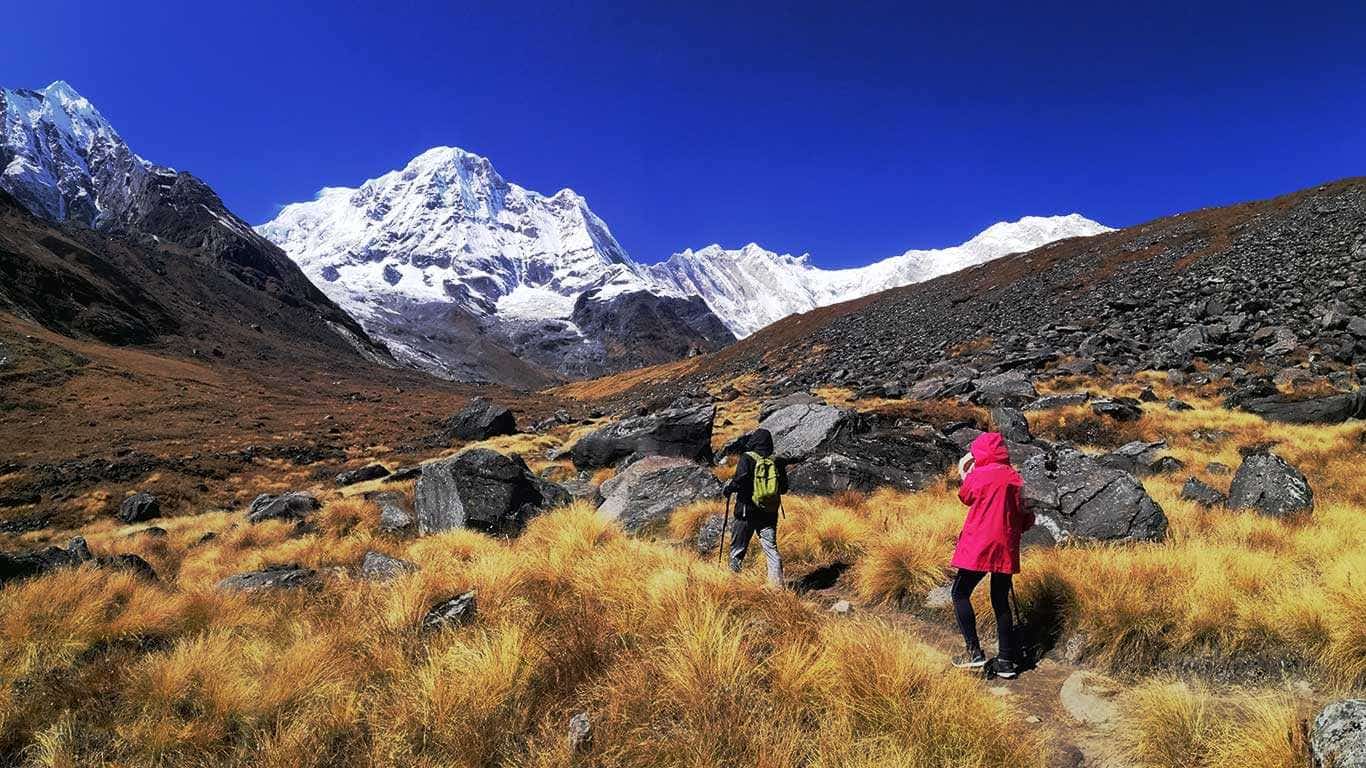
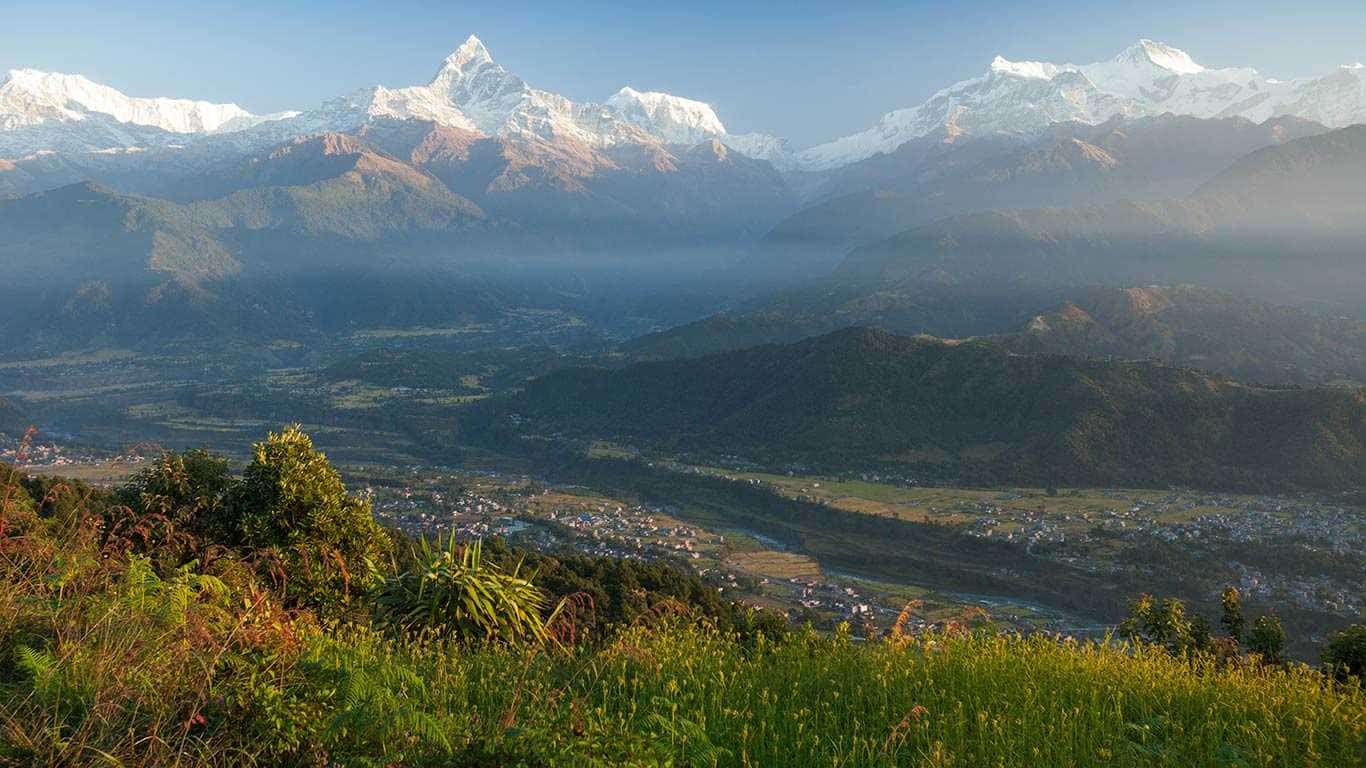
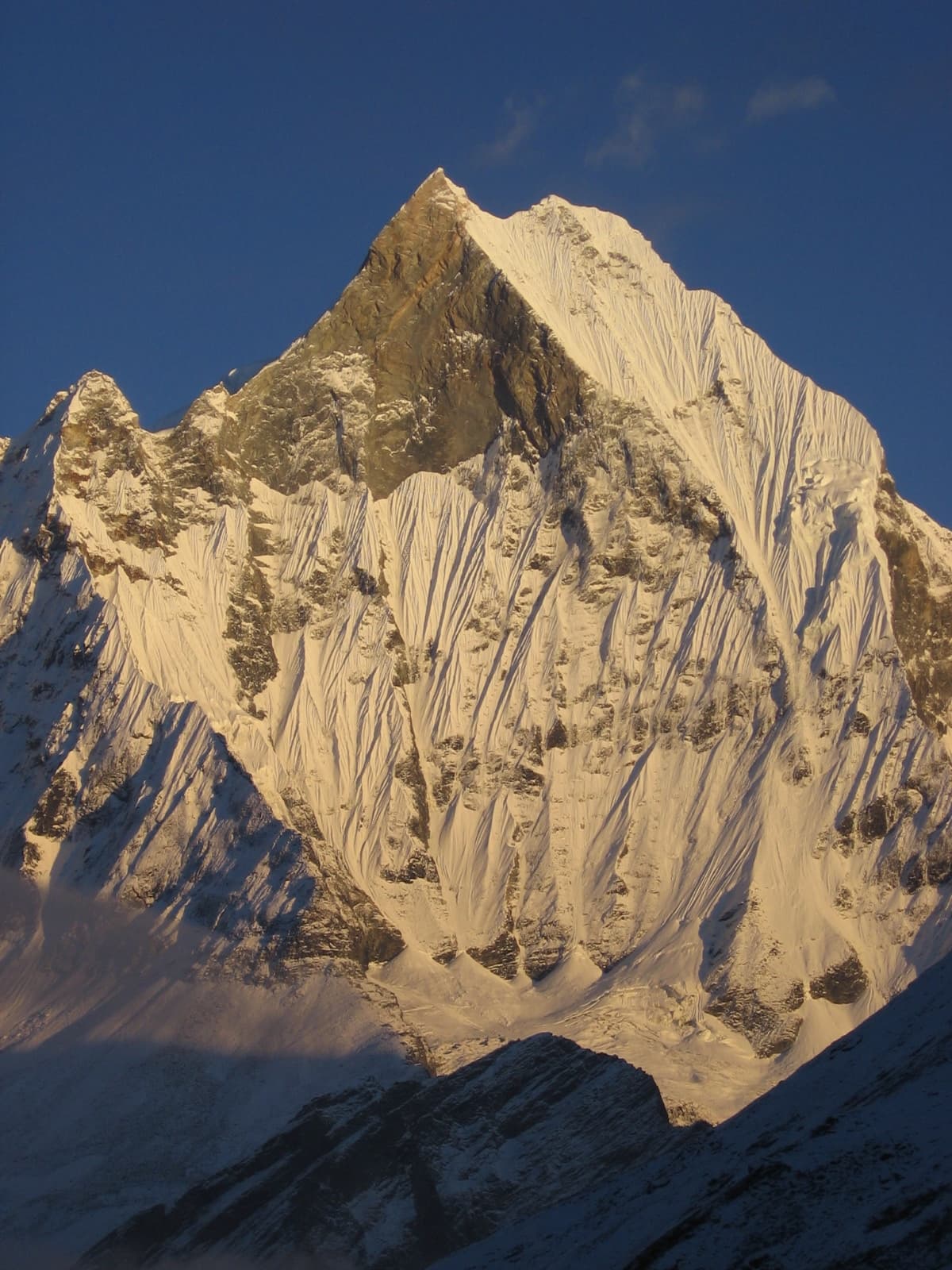
Annapurna base camp trek in June is as challenging as it is rewarding for those who are looking for mainly a picture trip. Full mountain vistas to Annapurna I and Machapuchare will be obstructed by cloud, but for this you will get fantastic fog, lush green areas and the chance to capture some incredible waterfall photography. This produces a cinema-like shot of photography and not postcard-perfect landscapes.
But for comfort lovers, June might not be your best month. Monsoon – abc trek is accompanied by wet clothes, frequent breaks for rain and less predictable visibility time windows. Clearer months are autumn and spring for comfortable trekkers.
Quick Comparison with Other Trekking Months:
Summer trekking in Annapurna in the month of June is both less crowded and more unpredictable than peak seasons. October and November are sunny and calm months, and March and April are months of rhododendron bloom and good weather. But June is the time when greenery, solitude, and the atmosphere of the monsoon come into play instead of visibility and ease.
However, if you prefer to see the scenery over clarity and solitude over convenience, the Annapurna base camp trek in June can be quite a unique and memorable experience. However, if mountain vistas and relatively healthy conditions are your primary concern, then a trek during peak season might be a better option.
Should You Trek ABC in June or Not?
This Annapurna base camp trek in June is not a “standard” comfortable trek. It is located in the early monsoon season, as the weather and wet trails often detract from the journey more than the mountain views. The abc trek during the monsoon offers something rare for the right type of trekker, quiet trails and deep green landscapes walk amongst raw Himalayan atmosphere – something you cannot find in the peak seasons.
It is recommended for the experienced trekker or someone who has the mindset to accept the rain, humidity, and the flexibility of the schedule on this trek. June is a surprisingly rewarding time for those who prefer solitude, being fine with mud tracks and adapting readily to weather changes. Beginners looking for relatively predictable conditions, well-trodden paths, and guaranteed mountain views, however, may find that hiking during summer in Annapurna could prove a little more difficult.
Weather, gear, and experience are the final foremost elements of achieving a successful Annapurna base camp trek in June. It is strongly recommended that trekking parties should only be accompanied by licensed tour operators who are well aware of the condition of the trails in real time, particularly at the early onset of the monsoons. To stay safe, know the trail conditions and make arrangements, you can directly message Raj on +977 9851042334 via WhatsApp for current weather updates and guided arrangements.