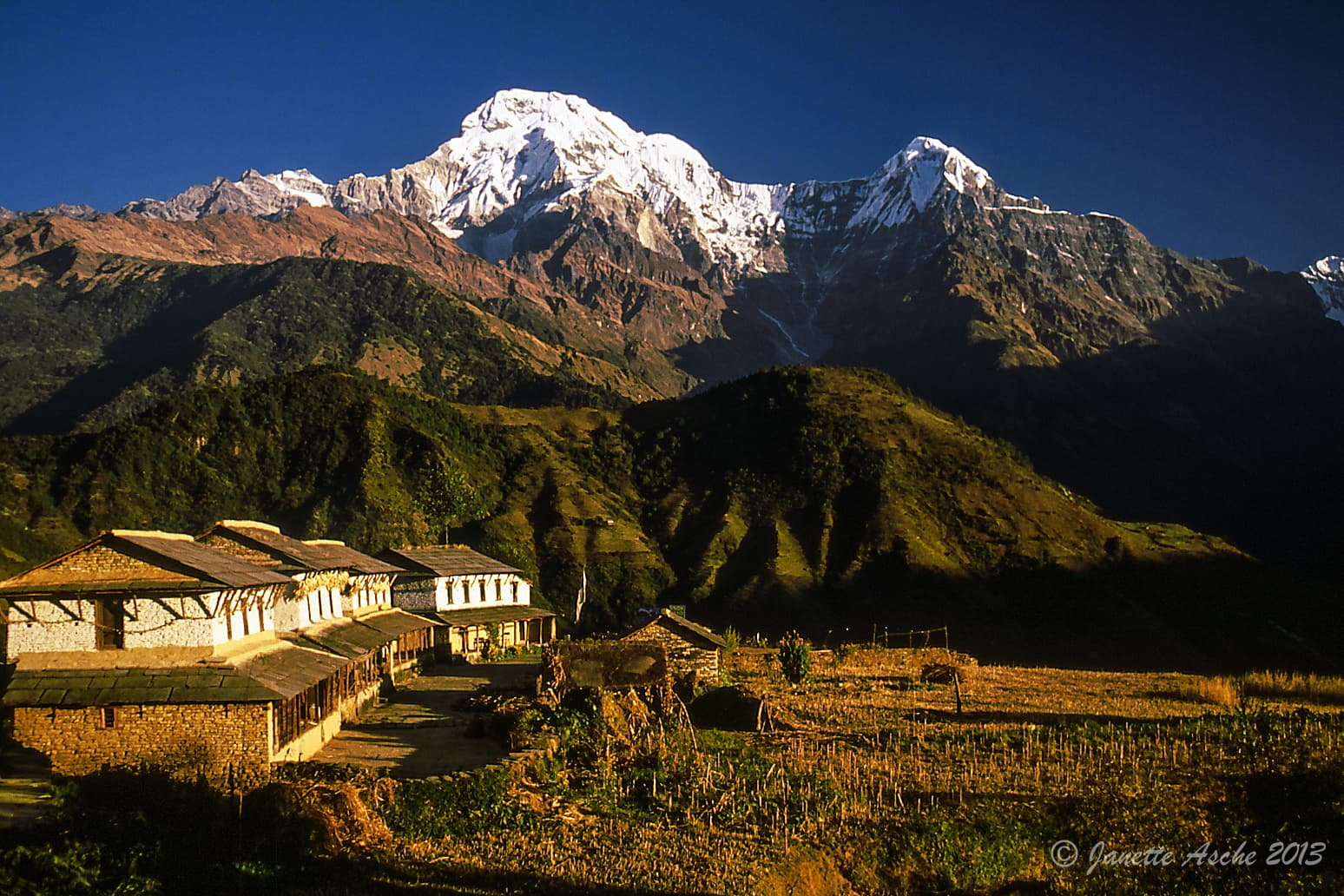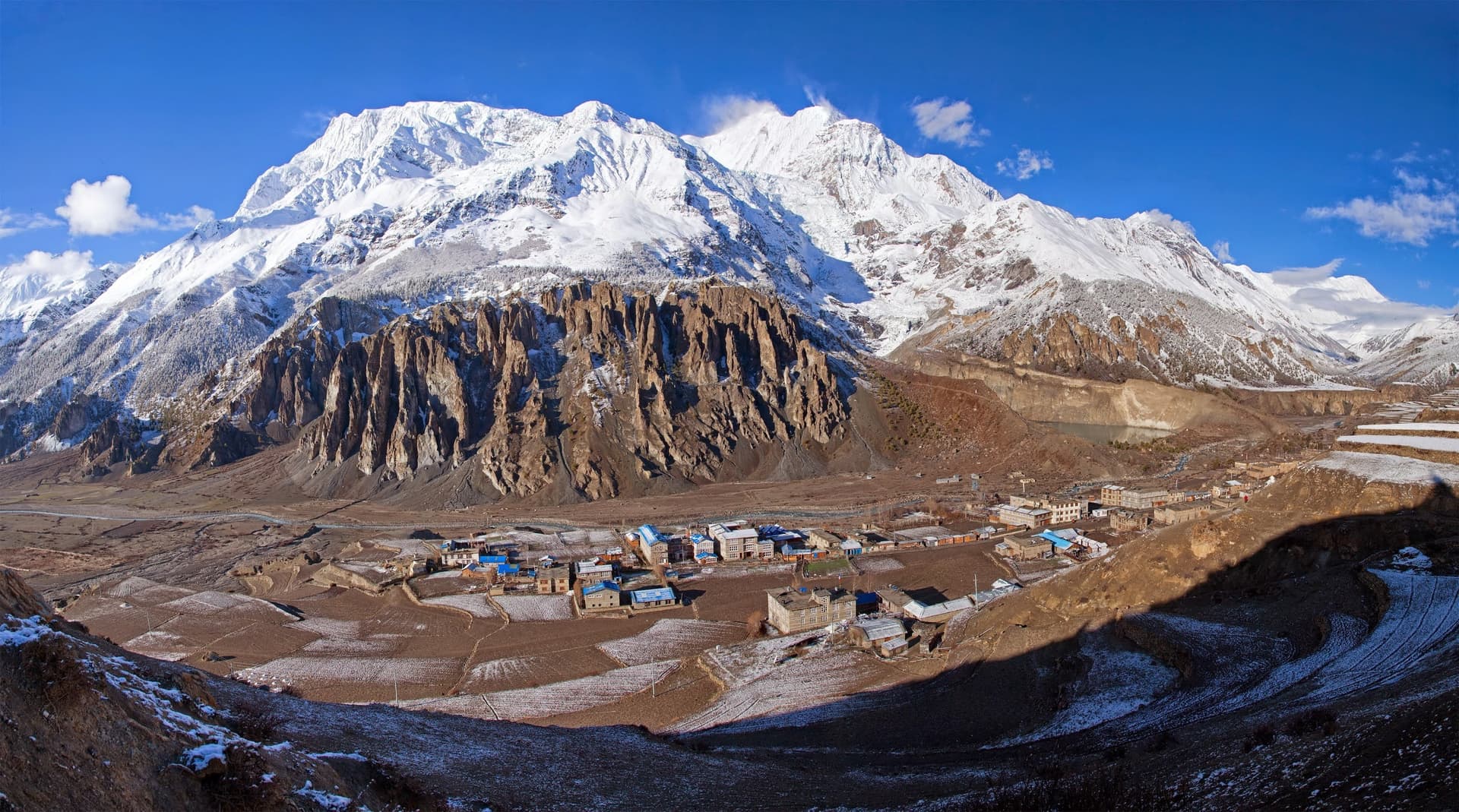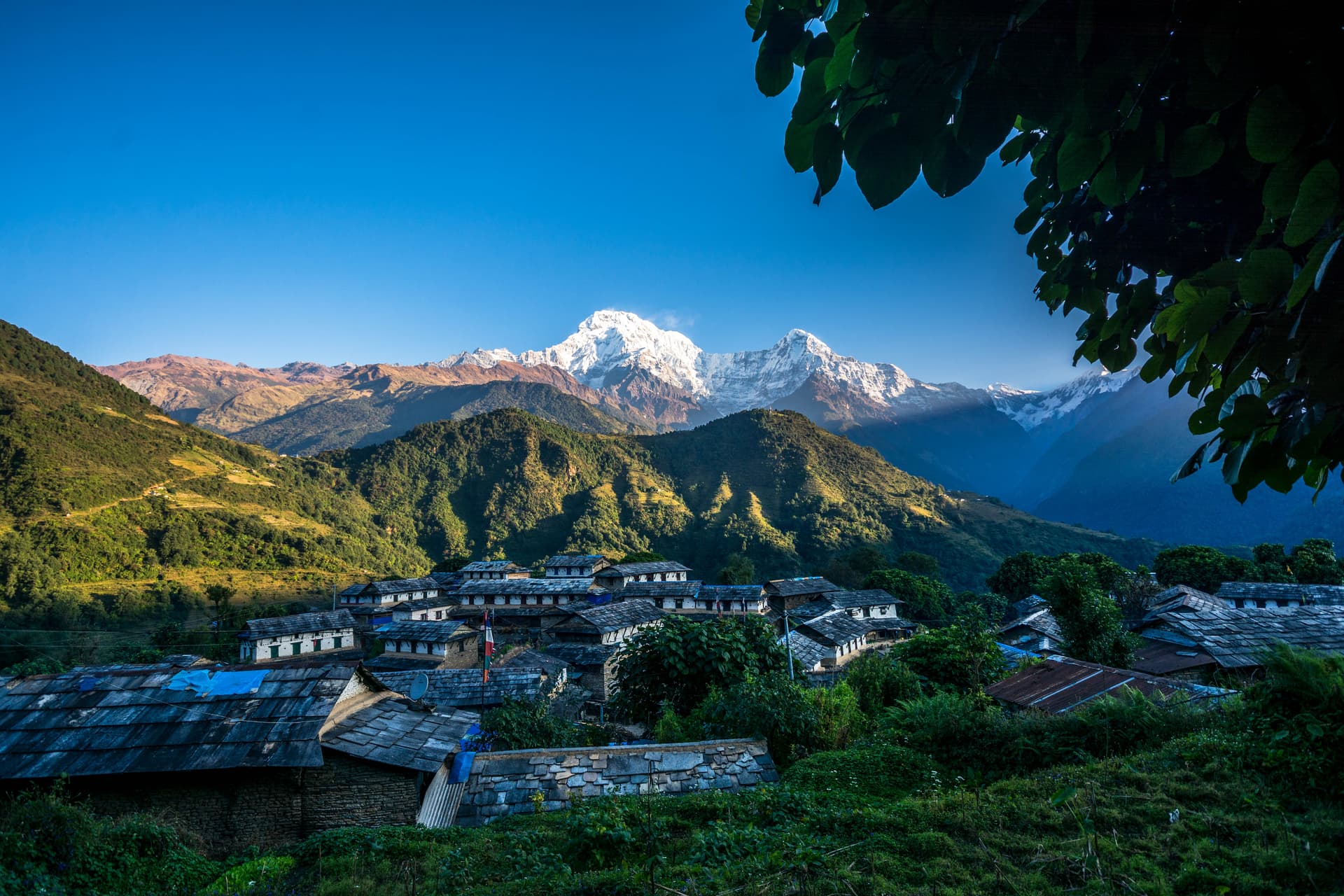
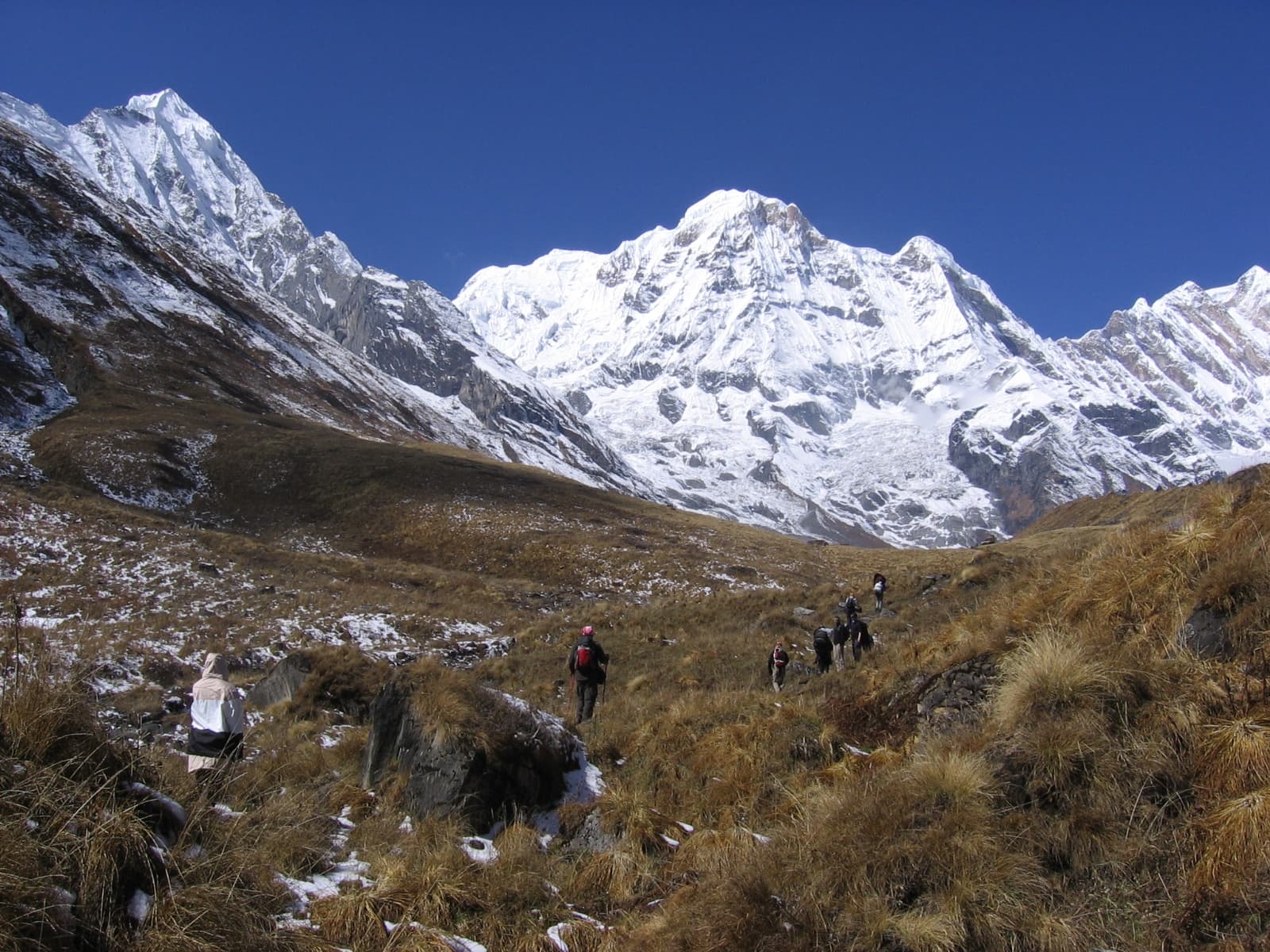
The Annapurna Circuit trek is more than just another trek in Nepal. It is widely known and counted as one of the most geographically and culturally diverse routes. Trekking here offers trekkers a circumnavigating trip with a view of the peak at every angle. Many also ask about the Annapurna circuit elevation profile. We have listed it below.
Visualizing the elevation profile and route map is critical for any trekker. The journey involves covering a staggering elevation of 5,416 meters at Thorong La Pass. Knowing the ACT map helps address the primary challenges of the circuit.
The Annapurna Circuit Trek map allows for perfect altitude adaptation. The trip starts in lush valleys in Besisahar. And as the trip carries on, you go over the legendary Thorong La Pass. Between Besisahar and Thorong La, you cover various terrains.
While the journey remains breathtaking, the physical demand also leaves the traveler breathless. Trekkers face steep climbs, especially after Manang. You need to travel the knee-jarring descent toward Muktinath after crossing the pass.
Annapurna Circuit Map 2026 – Route Overview
The Annapurna Circuit map 2026 represents a horseshoe-shaped odyssey. It circles the massive Annapurna range. While modern road construction has changed the landscape, the core trekking route remains a masterpiece of Himalayan geography.
Traditionally, the route follows in an anti-clockwise direction to ensure safe acclimatization. This trip typically begins in Besisahar (760m). It is the gateway to the Lamjung district. Trekkers then follow the Marshyangdi River Valley.
The trekkers move upwards after crossing the Marshyangdi Valley. The journey takes trekkers to deep gorges and lush subtropical forests toward the high-alpine meadows. Following the trek, you reach Manang, a key destination during this trip. Trekkers stay in Manang to acclimate.
The trekkers then move towards the climax of this trip. As the finale comes, we prepare to climb Thorong La Pass, the highest point of this trip. But this isn’t the end of our journey in the Annapurna Circuit Trek. We descend towards Mustang and visit the holy Muktinath.
To navigate the Natural Annapurna Trekking Trails, a clear Besisahar to Jomsom map becomes your best tool. It allows you to bypass the motorable jeep roads and enjoy a classic trekking experience.
Starting Point to Mid-Valley – Gradual Elevation Gain
Trekking the Annapurna Circuit Trek starts in Kathmandu. The journey commences from the capital city with a drive to Besissahar. After which, we either make our way to Chame or Pisang. It is a gradual elevation gain trip from the mid-alley of Besisahar.
The trekking map for the Annapurna Circuit trek is a carefully planned itinerary. Trekkers gain a gradual altitude ascent. The stops included in this trip are chosen for their ideal position for acclimatizing. Besisahar (760m) → Chame → Pisang → Manang are perfect for a gradual altitude gain strategy.
After climbing over Pisang, we crossed the 3,000-meter threshold. We enter the zone with significantly decreased atmospheric pressure. Trekkers start to feel the effects of reduced oxygen from Pisang.
Manang Acclimatization – Preparing for High Altitude
Reaching Manang (3,540m) is a major milestone during the Annapurna Circuit Trek. It is also the most critical point for safety. Trekkers spend two nights in Manang and prepare their journey at the high altitude.
At 3,540 meters, the oxygen level is approximately 65% of that at sea level. The stop at Manang is designed to let your body catch up. After this, we get ready for the final push toward the 5,416m pass. Skipping this day significantly increases the risk of altitude sickness in the Annapurna Circuit.
Side hikes (Ice Lake, Gangapurna Lake)
During the Annapurna Circuit trek, trekkers can find side hikes that add more worth to the trip. You get a chance to venture on a climb high, and sleep low on side hikes. The most famous hikes are the Kicho Tal or Ice Lake and Gangapurna Lake.
The Highest Point – Thorong La Pass (5,416m)
Thorong La Pass is the highest point trekking pass in Nepal and a part of the Annapurna Circuit trek. The Thorong La pass height of 5,416 meters is the climax of the trek.
The first stop towards Thorong La Pass is the Thorong Phedi at 4,450 meters. Following this, we move towards the High Camp at 4,850 meters. The journey from Thorong Phedi to High Camp is considered the hardest part of the trek. The route is relentless with a steep zigzagging path.
Trekkers begin to leave Thorong Phedi before sunrise. Mostly, they start the journey at 3 am. They need to reach the summit by 8 or 9 am, as by midday, the area suffers from katabatic winds. Thus, making it extremely difficult and dangerously cold to move.
Challenge of Weather and Oxygen Level
The weather and oxygen become your opponent during the journey at 5,416 m above sea level. Oxygen drops to 50% at this altitude, making it harder to move forward. Similarly, trekkers are at risk of Acute Mountain Sickness while crossing Thorong La Pass.
At such a height, even during peak seasons, trekkers face plummeting temperatures. Thorong La Pass falls to -15°C (5°F) or lower before sunrise. Proper layering and windproof gear are non-negotiable to face the extreme cold.
Another challenge nature throws is the unstable weather in the Himalayas. Trekkers here can face a sudden snowfall, and clouds can cover the sky at any moment. Moreover, the snowfall covers the trail markers, which could lead to disaster in the mountains.
Elevation Drop – Descent to Muktinath & Jomsom
The climb to Thorong La Pass is a challenging part of the Annapurna Circuit Trek. But the descent from the Pass to Muktinath can be as strenuous as the climb to the summit. The descent from Thorong La is the most dramatic transition in the Annapurna circuit descent profile.
The elevation drop from Thorong La Pass to Muktinath is from 5,416 meters to 3,800 meters. You drop roughly 1,616 meters in this knee-shattering descent. The trek takes around 3 to 4 hours of continuous downhill movement.
The following day, the dramatic elevation drop continues. As we descend from Muktinath to Jomsom at 2,700 metres. Our journey takes us to another elevation drop of 1,100 meters, shifting the landscape to the dry Mustang region.
Annapurna Circuit Elevation Profile (Day-by-Day Breakdown)
Day | Place | Elevation |
1 | Kathmandu | 1,350 meters |
2 | Kathmandu | 1,350 meters |
3 | Besisahar | 760 meters |
4 | Pisang | 3,250 meters |
5 | Manang | 3,540 meters |
6 | Manang | 3,540 meters |
7 | Yak Kharka | 4,120 meters |
8 | Thorong Phedi | 4,450 meters |
9 | Thorong La Pass To Muktinath | 5,416 meters And 3,800 meters |
10 | Jomsom | 2,720 meters |
11 | Pokhara | 850 meters |
12 | Pokhara | 850 meters |
13 | Kathmandu | 1,350 meters |
14 | Departure from Kathmandu | 1,350 meters |
Why Elevation Profile Matters for Trek Planning
Elevation profile matters for trek planning because it helps consider the safety and success in the Himalayas. It helps us plan the optimal itinerary to help us adapt and acclimatize better. So, before stepping on the trailhead, try planning the itinerary according to the altitude profile.
One of the key reasons the elevation profile matters is to prevent altitude sickness. The air above 3,000 meters has a lower amount of oxygen. Safe trek plans have a sleeping altitude gain of 300 to 500 meters per day.
Itineraries that rush or skip natural acclimatization points are more likely to suffer acute mountain sickness. As a result, people must stay a night in Manang to acclimate to the higher elevation,
Besides acclimatizing, knowing the elevation profile also helps plan a trekking pace. You move at the speed you become accustomed to. As a result, travel at a pace that you find ideal. Also, it helps you decide the itinerary and even cut any unwanted parts of the journey.
Annapurna Circuit vs Other Treks (Elevation Comparison)
Annapurna Circuit trek is among the most demanding treks in the Annapurna region. Yes, the Annapurna Base Camp trek is more beginner-friendly than the Circuit trek. Yet, ACT is more gradual and safer than the Everest Base Camp trek.
Annapurna Circuit offers one of the best dramatic descents compared to Annapurna Base Camp. The climb overall is rather tame and moderate compared to Everest Base Camp.
The Circuit trek offers a fair bit of challenge during the journey, and besides, the hardest part about the trip is the summit push and descent towards Muktinath. EBC is rated as challenging with rugged terrain and longer high elevations.
Tips to Handle Elevation Gain Safely
Thorong La Pass is graded at an extreme elevation. As such, trekkers handle the elevation gain safely. Managing how the body reacts to the thin air is more important than physical fitness. At 5,416 meters, oxygen saturation drops significantly in your blood. These safety protocols are a must-do.
The Bistarai, Bistarai Rule: Walk Slowly
Bistarai means slowly in Nepali, and that’s what you do when on a high-altitude trek. Walking slowly is the golden rule of trekking in high elevation. This is not a race; as such, you can maintain a pace where you can still hold a conversation.
Another way to keep trekking with a lower risk of AMS is to keep a low heart rate. High heart rate is a major trigger of mountain sickness.
Trekkers also employ the climb high and sleep low strategy to keep acclimated to the new elevation. Explore places higher than your accommodation during the afternoon. And as the night falls, return to your room to the lower altitude to rest.
Hydration & Diet: Fuel for the Blood
Another essential key for a safer time in the high elevation is having a proper diet and hydration. Trekkers must consume at least 4 liters a day.
Carbs are an important source of energy in the Himalayas. As such, most food sources in the mountains are carbohydrate-rich. Stick to Dal Bhat for a high-energy and affordable meal in the Annapurna region.
What should you avoid in the high Himalayas? Travelers in the high altitude area must avoid alcohol and tobacco. These affect your respiratory system and your overall health.
Power of Proper Resting Days
Rest days are as important as an appropriate diet and hydration. You recover any fatigue during resting. The best way to utilize rest days during trekking is to go for a light hike and move about to better acclimate to the elevation.
As the trekking days go by, you need to listen to your body. Don’t overdo it in the Himalayan mountains. The peaks do not care about your ego. Know the common signs of altitude sickness. Like a mild headache, it is the most common symptom of AMS. There is also nausea, appetite loss, and diarrhea.
Follow the golden rule of descent if the AMS worsens during the trek. The only cure for mountain sickness is dropping down in elevation. Covering 300 to 500 meters during the climb down can save lives.
Plan Your Trek with the Right Map & Elevation Insight
To wrap up the preparation, the crossing of Thorong La Pass is about strategic elevation management. It does require leg strength, but planning is more important than brute strength. The Annapurna Circuit trek isn’t only about reaching the 5,416 meters. You also need to enjoy the trip.
Understanding the route’s profile can be the difference between a struggle and a breathtaking adventure. Annapurna circuit elevation profile map covers the steep ascent from Manang. It then takes you on a knee-breaking descent from Thorong La Pass to Muktinath to Jomsom.
You can go for a classic trek in the Annapurna region. You can use a modern map to identify the Natural Annapurna Trekking Trails. Besides, you can also use the map to locate the Himalayan Rescue Association posts, making the trip safer.
Planning the trek with the right map and elevation insight helps you plan acclimatization and the trek. Planning smartly means having the right data before you lace up your boots. Save or download our itinerary map on the booking page.
Would you like a list of the best side-trips along the circuit, such as Tilicho Lake? We can add even more high-altitude training to your trek. Feel free to contact us, Himalayan Trekkers, to learn more about these trips. Or you can customize these trips.